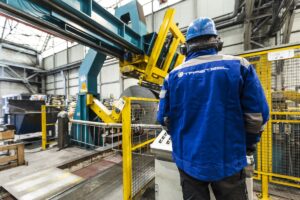
ArcelorMittal restarted operations of blast furnace (BF) No. 1 at its Fos-sur-Mer steelworks in France at the end of July, meaning that the steelmaker is now operating all its BFs in Europe.
BF No. 1 had been idle since September 2023. The plant’s other unit, BF No.2, was restarted in December 2025 after an almost three-month stoppage following a fire.
Earlier this year ArcelorMittal also resumed operation at its Asturias facility in Spain and at Dąbrowa Górnicza in Poland.
All three relaunched BFs have a total capacity of around 7 mt of pig iron per year.
The return of capacities to the European market signals that steelmakers believe in sustained price recovery. Domestic steel coil prices have been supported by regulatory changes, such as the introduction of the new tariff-rate quota (TRQ) system from 1 July this year, which replaced previous safeguard measures. The new legislation reduced import quotas by 47% with the impact varying across exporting countries and products, depending on the structure of the country-specific quotas, and introduced a 50% duty for volumes exceeding the quotas, up from the previous 25% rate.
The implementation of the Carbon Border Adjustment Mechanism (CBAM) from the start of the year had already made imports riskier for buyers, and the new quotas only encouraged buyers to source steel coil locally, therefore supporting the price rise. The measures are expected to be the main driver of the uptrend this year, granting European producers a larger share of the market.
McCloskey assessed domestic hot-rolled coil (HRC) in Northwest Europe at EUR725/t ex-works on 31 July, up by EUR55/t month on month.
Author: Maria Tanatar