


EU HRC buyers limit purchases to gauge short-term price trend
European buyers of hot-rolled coil limited purchases on Jan. 16 as they tried to get a sense of domestic price trend.
“The market is very quiet,” a Germany-based trader said. “We see limited deals as buyers are trying to understand if the price trend is sustainable.”
EU mills continued to offer April shipment at bullish prices as major producers were sold out for March shipments.
“We have seen stable demand and all our reservations for first quarter have been booked,” a steelmaker source said. “We also predict good bookings in Q2.”
Absence of real demand also concerned market participants as it threatened positive price trend sustainability, contributing to the doubt of the buyers’ additional capacities will come to the market in coming months following the restart of the blast furnaces that had been idled across Europe.
“Demand is lower than expected and lower than in the past year. So, the concerns of the buyers are understandable,” the same Germany-based trader said.
Deals were reported at Eur730-740/mt ex-works Ruhr and some at Eur740-760/mt EXW Northwest Europe. Market participants estimated tradable values at Eur730-750/mt EXW Ruhr. Majority of offers were reported at Eur800/mt EXW for April, May delivery.
Platts assessed the price of domestic HRC in Northwest Europe stable on the day at Eur740/mt EXW Ruhr Jan. 16.
Offers for imported coils were heard even though interest for the same remained dull due to concerns about Q2 safeguard quotas for HRC from other countries, also getting exhausted with no clarity on quotas for Q3.
Asian mills offered Q2 delivery HRC at Eur670-700/mt CIF Antwerp.
Platts assessed the price of imported HRC in Northwest Europe stable on the day at Eur680/mt CIF Antwerp Jan. 16.
Author Rituparna Nath, rituparna.nath@spglobal.


Italian plate prices increase
Italian plate mills are pushing up values by around €30/tonne ($32) compared to December, as expected, for material to be delivered in February. The month started slowly but demand is now picking up, sources tell Kallanish.
In the fourth quarter last year, mills are reported to have sold “significant quantities” and continue to report strong order books. 2024 is forecast to be a positive year thanks to the several infrastructure projects financed by the EU’s post-pandemic recovery fund that are seen starting this year. Mill sources say they achieved good results for 2023 despite some slower quarters.
Contract prices for S275 grade plate are now fetching between €750-760/t delivered, while S355 is transacted at €20/t higher, sources say. New prices are at €780/t for S275 and €830/t for S355.
Slab import prices are at $650/t cfr Italy on average, with Asian producers asking for increasing values of up to $700/t cfr.
Natalia Capra France


European HRC producers maintain offers despite sluggish activity
Fastmarkets calculated its daily steel hot-rolled coil index domestic, exw Northern Europe at €730.63 ($800.15) per tonne on Tuesday, down by €0.62 per tonne compared with €731.25 per tonne on the previous day.
But the index was up by €7.30 per tonne week on week and by €39.75 per tonne month on month.
Most mills in the region could only offer April-delivery HRC, sources said, with target prices at €780-800 per tonne ex-works.
Some mills, however, could still offer limited volumes for March shipment, with offers reported at €730-750 per tonne ex-works.
Some sources pointed out that mills had good books considering the volumes reserved for the automotive industry, and if end users book lower quantities, additional HRC tonnages will be released into the spot market, putting pressure on prices.
“We don’t see any uptick in [end-user] demand, all buyers are quite cautious,” a trading source said.
“We see end-user demand low with the most difficult conditions seen in Germany,” a second trader said.
Alternatively, other sources suggested that mills will achieve higher prices step-by-step, gaining support from reduced supply, restocking and limited and/or uncompetitive imports.
In Southern Europe, Fastmarkets calculated its daily steel hot-rolled coil index domestic, exw Italy at €721.67 per tonne on Tuesday, down by €0.83 per tonne from €722.50 per tonne on Monday.
But the index was up by €16.67 per tonne week on week and by €42.50 per tonne month on month.
Leading European steelmakers were heard offering April-delivery HRC to the country at €780 per tonne delivered, sources said.
HRC from local suppliers for March-April delivery was on offer at €770-780 per tonne delivered, which is equivalent to €755-765 per tonne ex-works.
But sources suggested that it would be possible to book March-delivery coil at €740-750 per tonne delivered (€725-735 per tonne ex-works).
“We haven’t started negotiations for March delivery yet, but I think the March-delivery price [for HRC] could be around €750 per tonne delivered,” a steel service center said.
Some buyer sources estimated tradable values even lower, at €700-720 per tonne ex-works, citing lack of demand and difficulty passing higher prices downstream.
Sources reported Asian HRC offers for late-March shipment at €655-670 per tonne CFR to Italy — notably from Taiwan and Vietnam.
However, sources said that European buyers were “avoiding booking material that falls under the ‘other countries’ [and regions] category due to safeguards-related risks.”
No new offers were heard from Indian mills this week so far, but sources expect offers to be “no lower than €700 per tonne CFR.”
Sources also reported an offer for Turkey-origin coil with March shipment at €730 per tonne CFR, including the anti-dumping duty.
Published by: Julia Bolotova

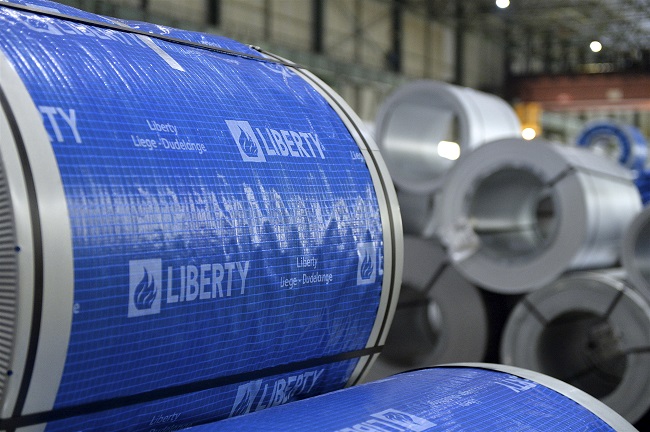
Czech steelmaker Liberty Ostrava’s restart date unclear as talks continue over debts
The timing of a restart at Czech steel producer Liberty Steel Ostrava’s plant is still unclear with talks over unpaid debt still ongoing and the plant’s workers set to remain on paid leave for at least another week.
“Workers will remain on paid leave until Jan. 23 at the earliest,” Petr Slanina, the representative of the biggest union at the plant, Kovo, told S&P Commodity Insights in a Jan 15. phone interview following an update on the current situation with local management of the plant. Slanina said another update is expected in a week’s time.
The Czech Republic’s biggest steel producer has been effectively closed down since Dec. 22, when its sole power supplier, Tameh Energy Czech, cut off supplies due to a backlog of unpaid bills by the steelmaker.
Tameh Energy Czech spokesman Patrik Schrober said in a statement Jan. 15 that Liberty Steel Ostrava had not so far paid “any significant part” of the outstanding debt.
“For this reason Tameh Energy Czech cannot generate any of the power needed for the restart of production and most of the steelmakers’ workforce will remain on forced leave,” he added.
Tameh says it is owed Koruna 500 million ($22.16 million) by Liberty Steel Ostrava in long-term outstanding energy bills which should already have been paid, with total debts amounting to around Koruna. 2.0 billion.
Kovo’s Slanina said that he had been assured by the steelmaker’s management that “talks are continuing at the highest levels between the companies to resolve the dispute over energy bills so that production can resume.”
Even if Liberty Steel Ostrava’s workforce returns next week it would still take several more weeks for normal production to resume, Slanina added.
Liberty spokesperson Katerina Zajickova said in a Jan. 15 reply to questions that talks with Tameh’s strategic shareholders “are going more slowly than we would like, but we remain confident we will find a solution in the coming weeks.”
“I cannot say when we will restart blast furnace 3 and the steelworks,” she added.
Zajickova also noted there were “growing signs of recovery in the European steel market since the beginning of the year,” which should be reflected in higher prices as the year progresses for steel products. This would help Liberty Steel’s optimization plan to improve profitability when production restarts by focusing on production of high added value products, such as seamless and spiral pipes, road barriers, mine supports and threaded bars, she added.
Liberty Steel Ostrava, which is part of the international GFG Alliance headed by Sanjeev Gupta, has production capacity of around 2 million mt/year. It produces rolled products, tubes, and flat products with main customers in the construction, engineering, and oil and gas sectors.
Platts, part of S&P Global Commodity Insights, assessed Northern European hot-rolled coil at Eur730/mt EXW Ruhr Jan. 13, up Eur40/mt on the month.
Author Chris Johnstone, support@platts.com
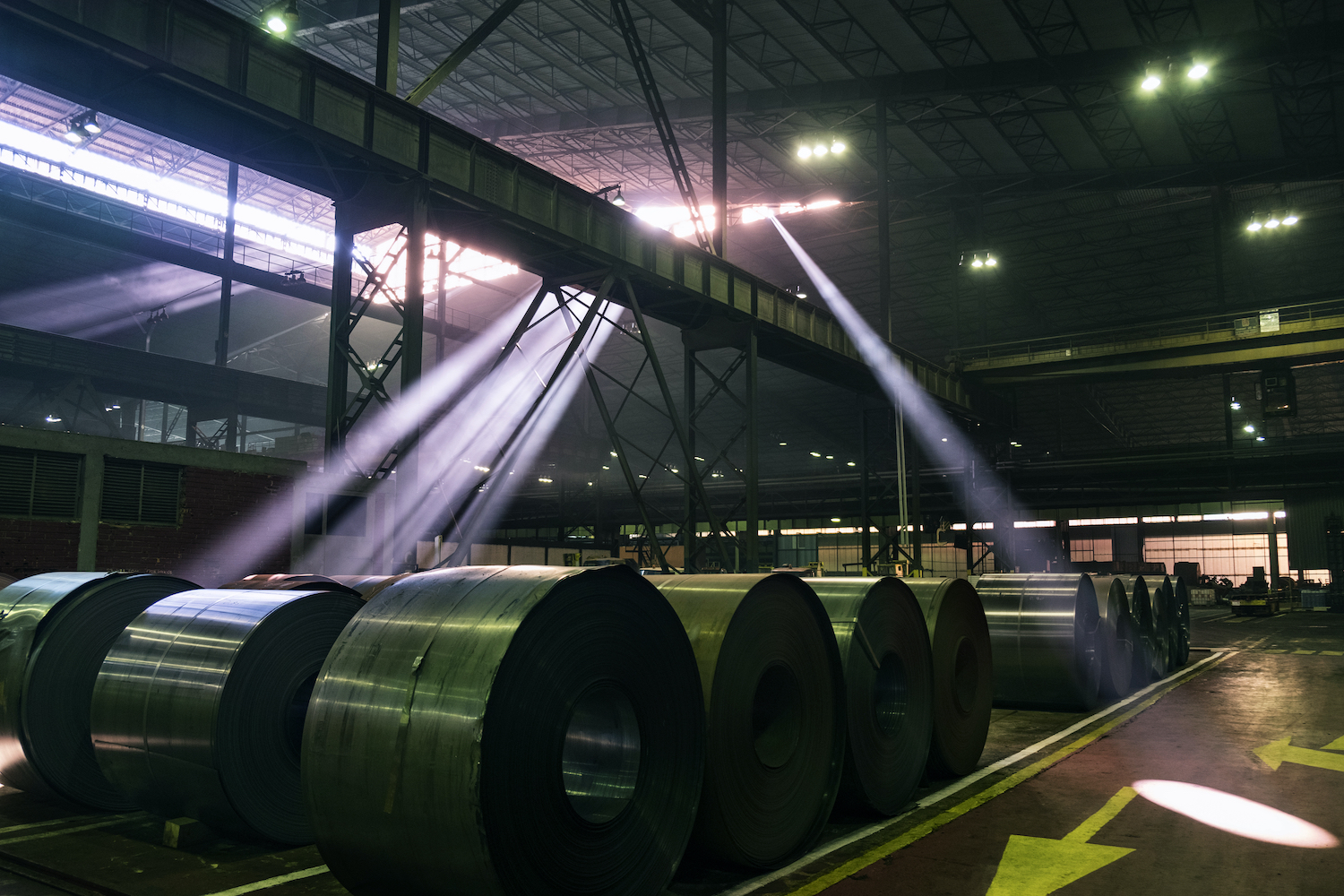
Full order books, lack of competitive imports keep EU HRC mills bullish
Full order book of the European mills for the first quarter of 2024 and low buyers’ interest in imports kept hot-rolled coil market mood bullish on Jan. 15, although real demand remained subdued.
“Mills are asking for Eur800/mt ex-works [Ruhr] for April-May delivery HRC, it seems that the steelmakers view this as an actual target rather than just a number they used to send a message to the market,” a service center source said. The source also estimated near-term tradable value at Eur770-780/mt ex-works Ruhr.
European buyers have been avoiding import due to filled quotas for Asian material in Q1 and expected that the material already booked would be enough to exhaust Q2 quota. Market sources reported that the European buyers had to pay safeguard duties of around 8% for HRC imported from ‘other countries’ category in Q1.
Exporters from the Far East have also been holding back trading to Europe due to logistical problems caused by geopolitical situation in the Red Sea.
Some buyers, however, believe that real demand would not pick up enough to support price rise and to absorb increased domestic output after restart of some blast furnaces in Europe.
“[The] problem is low or no demand,” a distributor said. “It [is] usual that a big producer would announce price increase and all other mills would follow. But at the end of the day, the mill that increased the first would sell at the old price and take all the volumes from the market.”
Platts assessed domestic prices for hot-rolled coil in Northwest Europe up Eur5/mt on the day to Eur735/mt ex-works Ruhr Jan. 15.
Tradable values were reported at Eur730-750/mt ex-works Ruhr, majority of data received were at Eur730-740/mt ex-works Ruhr.
Author Maria Tanatar, maria.tanatar@
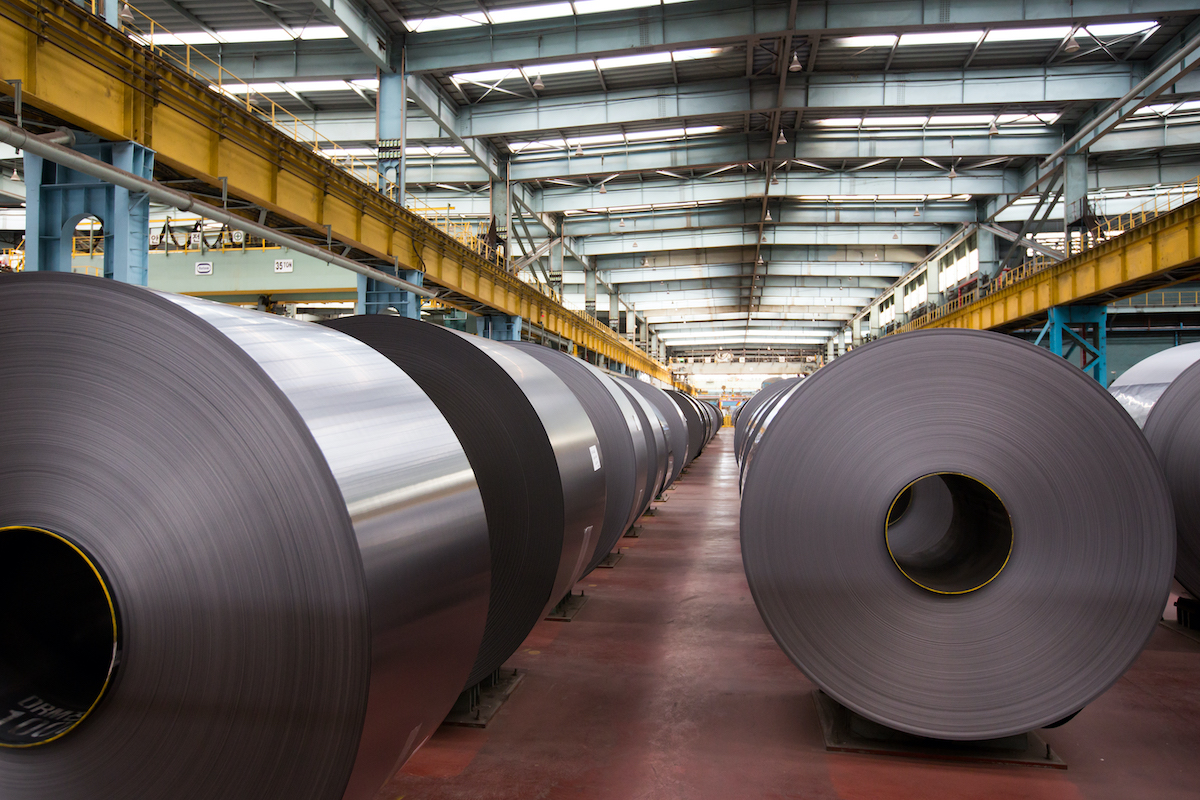
European HRC prices mainly unchanged amid slow trading
Last week, key integrated steelmakers in Northern Europe issued new offers for April-delivery HRC at €800 ($876) per tonne ex-works. But buyers were still reluctant to accept the new higher prices.
Some deals were heard to be concluded at €740 per tonne ex-works in Northern Europe. But sources pointed out that buyers were mainly booking small tonnages to cover urgent needs.
Buyer sources estimated tradable levels in the range of €710-750 per tonne ex-works.
“Trading is very slow. I do not think the new offer level of €800 per tonne ex-works is workable,” one trader source told Fastmarkets.
“It is difficult to estimate the market now [with the new offers]. It was difficult to conclude deals even at the previous levels at €720-750 per tonne ex-works,” a distributor source said, adding that the higher prices were due to limited availability rather than increased demand.
Fastmarkets calculated its daily steel HRC index, domestic, exw Northern Europe at €731.25 per tonne on Monday, down by €0.63 per tonne compared with €731.88 per tonne on Friday.
The index was up by €25.62 per tonne week on week and by €40.37 per tonne month on month.
Import offers from Taiwan to Northern Europe were heard at €670 per tonne CFR, while offers from South Korea were higher at €745 per tonne CFR.
Offers of hot-dipped galvanized coil were heard from India at €825 per tonne CFR.
The distributor source told Fastmarkets that producers from Vietnam and Taiwan had not fully returned to the European market and their new offers would become clear in the coming days.
In Southern Europe, Fastmarkets calculated its daily steel HRC index, domestic, exw Italy at €722.50 per tonne on Monday, increasing slightly by €0.83 per tonne from €721.67 per tonne on Friday.
The index was up by €31.25 per tonne week on week and by €43.33 per tonne month on month.
Offers were heard on Monday at €780 per tonne delivered, which nets back to about €765 per tonne ex-works.
Market participants estimated the tradable market level in the range of €700-735 per tonne ex-works.
According to a second trader source, even higher levels could be accepted in the future.
“Some HRC products can be bought only from ArcelorMittal [which is offering at the highest levels]. If buyers need these products, they will have no choice,” the second trader source added.
Import offers from India to Southern Europe were heard in the range of €745-750 per tonne CFR, the second trader source told Fastmarkets, adding that some bookings were made last week at these levels.
Even lower offers of HRC from the Asian countries to Italy were heard in the range of €660-670 per tonne for March shipment.
Sources said that the wide gap between Asian and Indian HRC could be explained by issues with quotas. Indian suppliers can get higher prices because there was not such a problem with the quota for India-origin HRC being quickly depleted, as was the case with the “other countries” quota, sources told Fastmarkets.
Vietnam, Japan, Taiwan and Egypt are the major HRC suppliers to the EU under the “other countries” category, with Asian suppliers offering the most competitive prices, according to EU market sources.
Fastmarkets previously reported that around 1.23 million tonnes of HRC in the other countries and regions category were awaiting allocation to enter the EU in the first quarter of 2024, while the quota allowance was 923,594 tonnes, according to EU customs statistics.
In contrast, for the first quarter 2024, the Indian HRC quota of 294,662 tonnes was barely touched with only 8,828 tonnes awaiting allocation as of January 12.
Published by: Julia Bolotova, Darina Kahramanova
Swiss Steel denies aid offers from government, shareholder
Swiss Steel Group says its financing is secured and reiterates its plans for restructuring, which involve a spin-off of assets it considers to be non-core.
In a statement seen by Kallanish, the group rebuffs media reports that suggest the steelmaker is in dire financial straits, and that the Luzern state government and one main stakeholder are considering support.
The Luzerner Zeitung quotes Martin Haefner, owner of a 33% shareholding in Swiss Steel, as saying he will be prepared to support the company financially. It also reports the Luzern government stating that it its testing ways of supporting the company.
Another paper, Sonntagsblick, claims the chairman of the company’s supervisory board, Jens Alder, intends to persuade the two main Swiss shareholders to each inject CHF 200 million ($234m) into the company. However, Peter Spuhler, who owns a roughly 20% shareholding, has stipulated that Alder must step down as chairman, the paper writes.
The third big owner, with a 25% stake, is Russian Viktor Vekselberg, who is unable to participate in any such measures because of sanctions against Russia.
Shortly before Christmas, Swiss Steel announced it is in exclusive talks with Acciaierie Venete to sell three plants of its French unit, Ascometal. It did not clearly state if it will pursue the spin-off of the remaining Ascometal plants, Les Dunes in Dunkirk and Fos-sur-Mer.
Christian Koehl Germany

Thyssenkrupp eyes three-phase hydrogen tender
German steelmaker thyssenkrupp Steel Europe’s upcoming hydrogen supply tender will be carried out in three phases, starting next month, the company told Kallanish on Monday.
In Phase 1, the company will launch the request for information (RFI) from potential suppliers. In Phase 2, starting in the second quarter, it will request proposals. The third and final stage, slated for Q3, will start the request for quotation.
The aim is for the company to sign ten-year supply contracts targeting first deliveries in 2028, at its Duisburg site in western Germany. As reported last week, tk Steel is seeking 104,000 tonnes of low-carbon hydrogen in the first year of supply. Procurement for 2029-2035 is planned at 143,00 t/year, before rising to 151,000 t/y in 2036-2037.
The 25-mile DoHa pipeline project between Dorsten and Duisburg-Hamborn is still subject to a final investment decision. However, a spokesperson says the company “definitely expects it to be implemented”, to enable the first green and blue hydrogen molecules to be delivered in 2028.
Although the company recognises its role as a “catalyst” for a hydrogen ecosystem, it also notes that “the development of an H2 infrastructure is not one of thyssenkrupp Steel’s core competences. The plan is to use the public H2 grid for the hydrogen supply”, the spokesperson explains.
Earlier this year, reports suggested thyssenkrupp Group was exploring opportunities for pipeline partnerships in three regions – the Iberian Peninsula, the Arabian Peninsula and the US South. Chief executive Miguel López was quoted as saying new hydrogen pipelines connecting countries such as Spain, Portugal and Morocco would be crucial to meeting Germany’s hydrogen demand. Rather than building the infrastructure itself, the steelmaker is looking at securing transport capacity and hydrogen supply to deliver its green steel products.
The first green steel plant in Duisburg is expected to run on 100% green hydrogen from 2030 onwards after a gradual conversion phase away from natural gas. The European Commission estimates the plant to be fully operated using renewable hydrogen in 2037.
Last July, the Commission cleared two German state aid measures to help the steelmaker decarbonise its steel production and accelerate renewable hydrogen uptake. The company will receive a €550 million ($601.9m) direct grant and a conditional payment mechanism of up to €1.45 billion to accelerate the phase-in of renewable hydrogen in its steelmaking.
ArcelorMittal Spain’s DRI project receives environmental approval
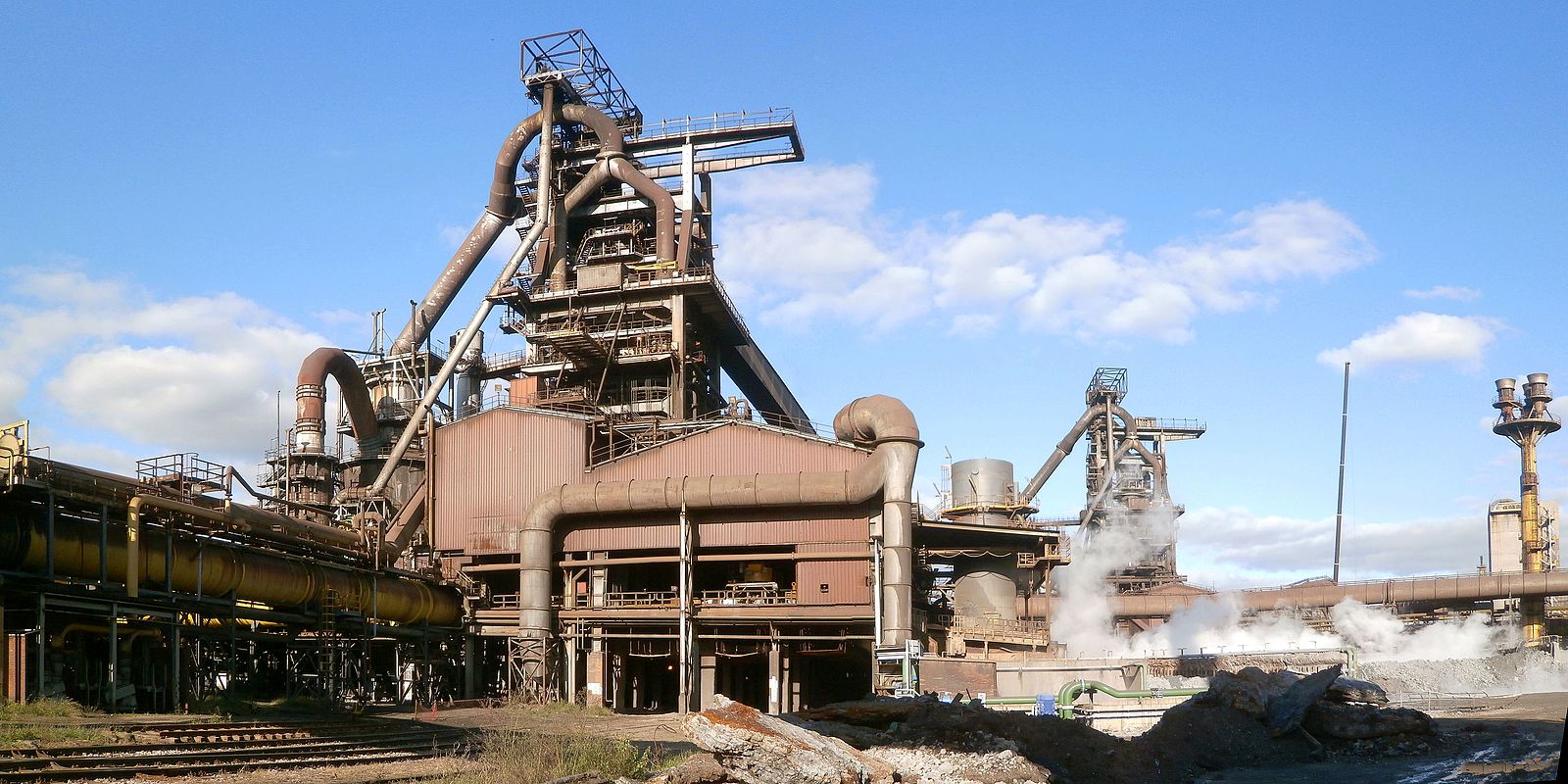
ArcelorMittal has received a positive environmental impact statement (EIS) for the installation of a direct reduced iron plant at its Gijón mill, Kallanish learns from the Asturian regional government.
The construction of a 2.3 million tonnes/year green hydrogen-based DRI unit, which is a priority for the steelmaker’s CO2 emissions reduction goals in Europe, is still awaiting official approval by the company’s board.
The EIS will remain valid as long as the project has broken ground within four years starting from 29 December, according to a note in the Asturian government’s official gazette, BOPA.
“In the event that changes occur in the characteristics of the project on which the environmental impact declaration is formulated, it must be assessed whether it may have significant adverse effects on the environment and, where appropriate, whether any environmental evaluation procedure needs to be carried out,” the Asturian government confirms.
Todor Kirkov Bulgaria
ArcelorMittal France partners with EDF for decarbonisation
ArcelorMittal France has signed a letter of intent with electricity provider EDF for a future offtake agreement, a necessary step for the implementation of the decarbonisation plan at its Dunkirk site in northern France.
“The reform of the electricity market undertaken in France, and the signing of a letter of intent with EDF to reach an agreement for an offtake contract will also allow ArcelorMittal to secure its future electricity supplies in France, a necessary condition for this investment,” the steelmaker says in a note obtained by Kallanish.
French finance minister Bruno Le Maire has confirmed €1.8 billion ($1.9 billion) in financial support for the company’ decarbonisation and energy transition. The minster reiterated the support during a visit to the Dunkirk plant last week.
In Dunkirk, a 2.5 million tonnes/year capacity direct reduced iron unit and two electric arc furnaces will replace two of the three existing blast furnaces and two of the three basic oxygen furnaces. Natural gas will gradually be phased out as the new equipment will be fed by renewable or low-carbon hydrogen, biogas and electricity.
The plant is boosting steel recycling and CO2 capture technology through a pilot facility. The decarbonisation project will contribute significantly to achieving an emission reduction of 35% by 2030.
ArcelorMittal completed the first phase of the engineering studies in July 2023 and the second phase is underway. “Depending on the results of this second phase, which will define the conditions of viability of the project (industrial device, final budget and schedule), ArcelorMittal will move on to the implementation of the project,” the note states.
Construction is expected to start this year and will be completed by 2026, when the equipment is planned to become operational. The new production units will gradually replace one of the two blast furnaces currently operational at the site.
ArcelorMittal will also install an EAF at its French steelmaking site in Fos-sur-Mer, with the aim of boosting production of greener and lower-CO2 steel. The new equipment will be operational from 2027 and will replace one blast furnace by 2030. At present, ArcelorMittal has two blast furnaces at Fos-sur-Mer.
Natalia Capra France