

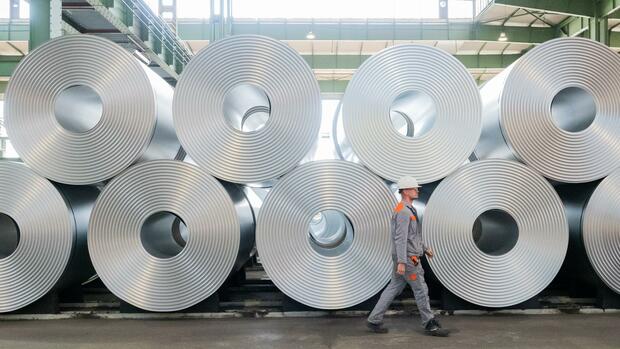
Germany’s Salzgitter announces restructuring of steel activities
Salzgitter has approved a restructuring that will see its steel activities recombined under the new “Steel Production” and “Steel Processing” business units from April 1, the German steelmaker said in a statement March 17.
Salzgitter said it will be divided into four segments instead of previously five, streamlining the company even further as part of its “Salzgitter AG 2030” strategy.
“With a view to the transformation already embarked on, we are repositioning our group as lean, powerful, and reflecting market and customer requirements. The subsidiaries essentially participating in our SALCOS (SAlzgitter Low CO2 Steelmaking) program are to be regrouped under the Steel Production Business Unit,” CEO Gunnar Groebler said.
The Steel Production unit will include Salzgitter Flachstahl, Peiner Trager and Deumu, and will be headed by Ulrich Grethe, who has managed the company’s strip steel unit for the past eight years.
The Steel Processing Business Unit, which will concentrate on the downstream links in the value chain and on customer processes, will include Salzgitter’s two heavy plate mills in Ilsenburg and Mülheim, as well as its steel tubes producers. Burkhard Becker will lead this business unit, in addition to his function as Salzgitter’s Chief Financial Officer.
The Technology and Trading business units will remain unchanged.
— Annalisa Villa

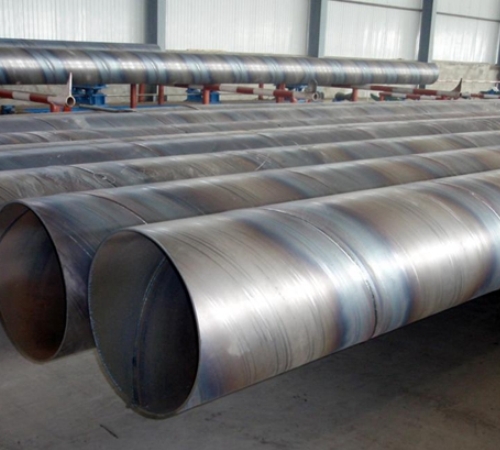
Beltrame buys COS Targoviste special steel plant in Romania
Beltrame Group, largest European merchant bar producer acquired special steel producer Romania based Targoviste (COS) for Eur 33.3 million ($36.7 million ), the Italian company said March 17.
Beltrame is aiming to transform COS Targoviste to an important production unit and it has planned to invest in the next four years Eur100 million to revamp the mill and to invest further Eur40-50 million as working capital.
According to the statement, at the beginning, Targoviste will produce rebar, and as the modernization work and new workforce will be hired and training will progress, the company will produce again special steel, once the core of the company. “The acquisition of COS Targoviste is an important step in the group’s business expansion strategy of Beltrame in Romania and confirms our long-term commitment in Romania,” said Carlo Beltrame, Group Business Development of AFV Beltrame Group.
“We expect to start production in the existing steelworks and the two rolling mills in early June, to supply the domestic market with rebar and wire rod and stop the market’s dependence on imports, especially in the context of the conflict in Ukraine,” Beltrame said.
In Romania, Beltrame Group already owns a steel plant in Donalam that produces 160,000-180,000 mt of hot rolled steel bars and special steels, with uses in various industries, from oil and gas, automotive, large mechanical and hydraulic equipment, to agricultural machinery and equipment. Last year the company produced 159.000 mt of rebars and for this year Beltrame has forecast to produce 170.000 mt of bars.
According to COS Targoviste website the company went into a “judical reorganization” stopping activities in 2019. S&P Global Commdity Insights couldn’t get a comment from Beltrame press officer about this. According to the company’s website Targoviste is capable of casting 45,000 mt/month of billet.
— Annalisa Villa
Klöckner and Becker Stahl Service joined as members of EUROMETAL
We are pleased to inform that Klöckner & Co and Becker Stahl Service GmbH have joined as members of EUROMETAL respectively as a Steel Distributor and a Steel Service Center.
Klöckner & Co is one of the largest producer-independent distributors of steel and metal products and one of the leading steel service center companies worldwide and its subsidiaries Becker Stahl Service GmbH is one of the largest European service centers in the flat steel sector.
More information:
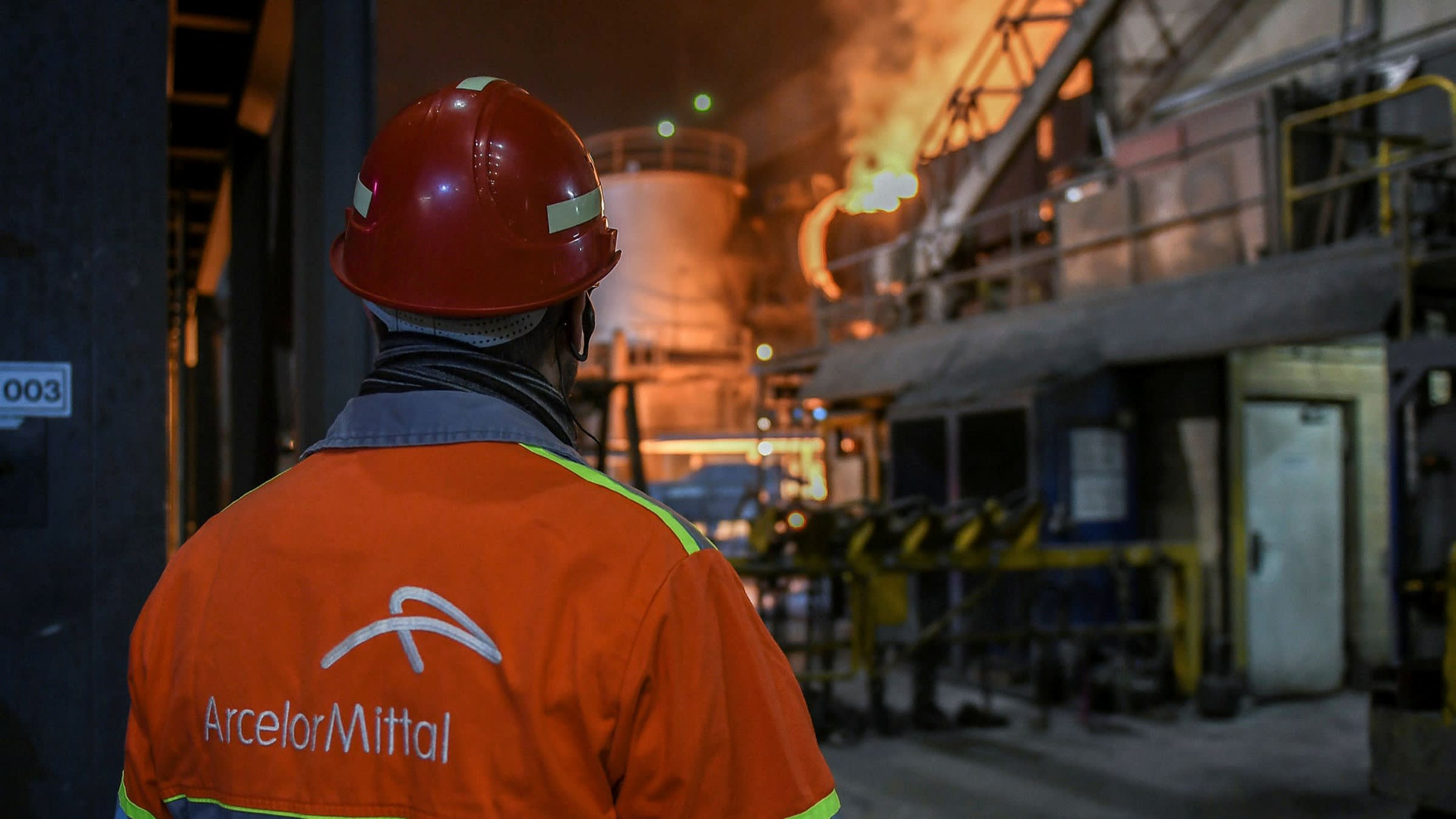
ArcelorMittal to invest over Eur300 million at French site
Steelmaker ArcelorMittal will invest more than Eur300 million ($332 million) to build a new production unit, with the support of the French government, at the company’s Mardyck site in northern France, the company said March 17.
The investment will specialize in the production of electrical steels used in electric motors, including for industrial machinery, and for electric and hybrid vehicles in particular, the company said.
The new industrial unit will have a 200,000 mt production capacity and is scheduled to start up in 2024, it said.
The company said its electrical steels will contribute to achieving the EU’s goals on the reduction of CO2 emissions from mobility. This project is supported by the French government as part of France 2030, it said.
“This major investment decision comes one month after the announcement of the steel decarbonization project in Dunkirk and Fos, to which the prime minister gave the state’s support,” French Minister Delegate for Industry, Agnès Pannier-Runacher, said in a statement.
“This project will contribute to our goal of carbon neutrality in 2050, while allowing us to strengthen our steel production capacities. It is another example of our industrial renaissance thanks to the policy of the President of the Republic.”
— Filip Warwick

Hilco Industrial Acquisitions buys ThyssenKrupp heavy plate rolling mill in Germany
Amsterdam-based Hilco Industrial Acquisitions, B.V., an operating company of U.S.-based Hilco Global, announced on March 17 to S&P Global Commodity Insights the strategic acquisition and subsequent sale of all assets at ThyssenKrupp Heavy Plate Rolling Mill facility located in Duisburg-Hüttenheim, Germany.
ThyssenKrupp, shuttered the 850,000 mt a year German facility in September 2021. In addition to the rolling mill, other items for sale consists of late model furnaces, hot- and cold-levelers, quenches, inline ultrasonic inspection, shotblasting/priming, and numerous flame and plasma cutting machines, the company stated.
“We anticipate many interested buyers from Europe, Asia, and the Americas and will entertain offers in acquiring the entire facility or for individual assets,” Robert Bouland, Managing Partner at Hilco Industrial Acquisitions, B.V., stated.
Hilco Industrial Acquisitions, B.V. continues to expand their acquisition portfolio, most recently, Compania Siderurgica Huachipato S.A. (CAP ACERO) from Chile has engaged the company to sell steel and rolling mill equipment no longer needed in CAP ACERO’s continuing operations, the company said to Platts. Hilco Industrial Acquisition recently sold the 2 million mt per year Dongkuk Steel Heavy Plate Mill from Korea, as well as the 2015 Danieli Rebar Mill at Posco SS Vina in Vietnam.
Thyssenkrupp did not answer to Platts enquiry for a comment on this matter.
— Annalisa Villa
ArcelorMittal says Spanish transport strike hitting steel production
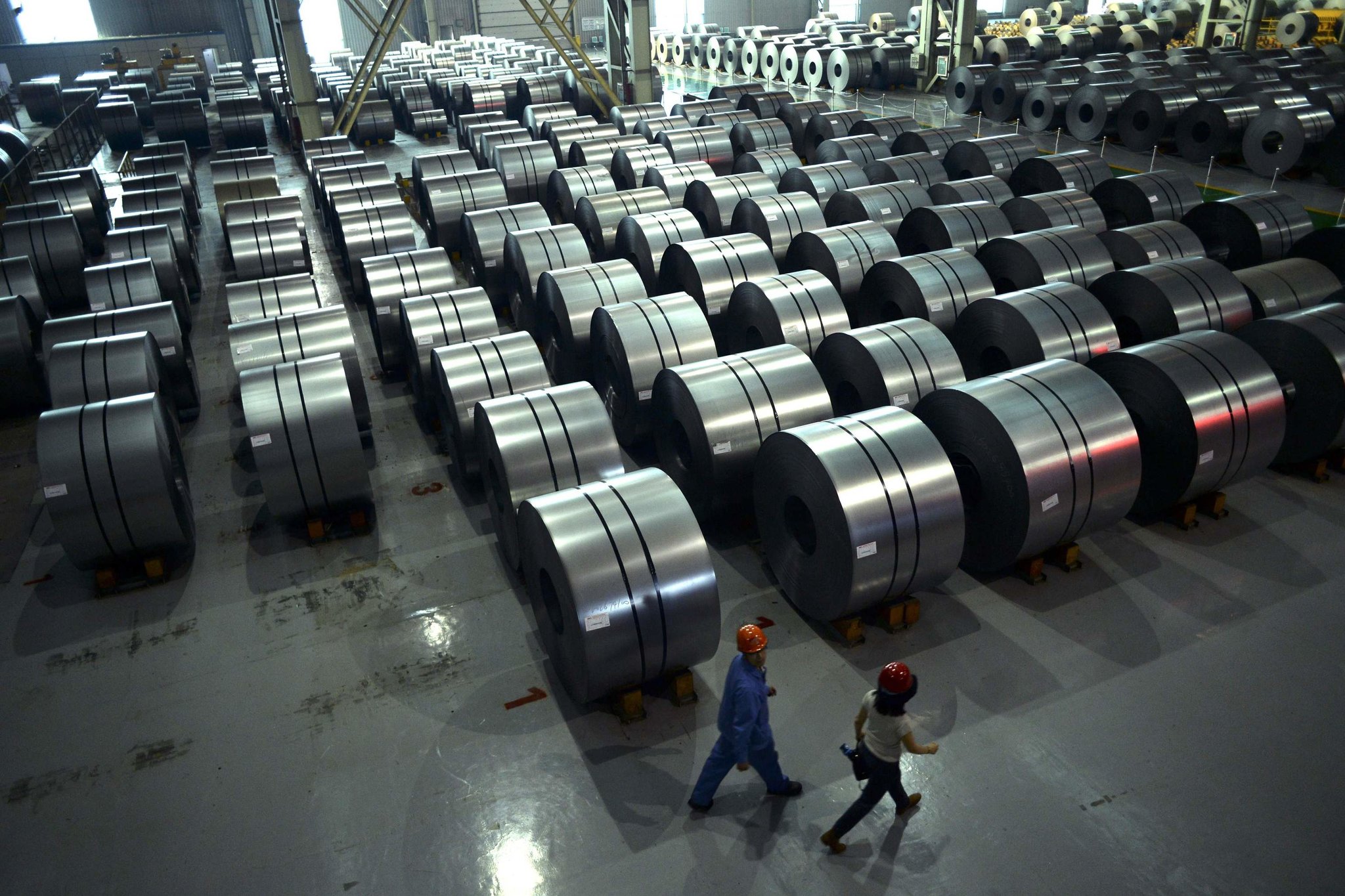
ArcelorMittal has halted more units at Gijon, Spain as the result of a transport workers’ strike, the company said March 17.
The action has caused ArcelorMittal to halt the finishing lines due to lack of supplies, although the unit. would remain on standby, it said.
Other units have already been halted at the site including the cold-rolling mill, annealing and finishing among others, while the sheet and galvanizing lines might be obliged to halt this weekend, the company noted.
A strike by transport workers that started March 14 has seen its impact increase towards the end of the week.
For steel companies, “the [strike] situation is compounding the negative impact of record high energy prices this year,” steel industry group Unesid said March 16.
ArcelorMittal and its steel market competitors have been obliged to carry out a series of temporary halts since the end of 2021 in function of the prevailing power price.
ArcelorMittal recently halted its smelter and around half the units at Gijon (4.5 million mt/year hot metal capacity) for five days as gas and power prices spiked to all-time highs.
It previously halted the country’s largest electric arc furnace at Olaberria (2.45 million mt/year) March 8.
On March 9, stainless steelmaker Acerinox reduced production at its 1.1 million mt/year Campo de Gibraltar, Spain plant while Unesid reported reduced rates or halts for other producers Megasa (3 million mt/year capacity), Grupo Celsa (2.5 million mt/year capacity), and Siderurgica Balboa (1.3 million mt/year) among others.
— Gianluca Baratti

EU mills capitalize on desperate buyers, import popularity reignites
EU mills edged offer levels higher in response to perceived “panic-buying” March 17, as the import market saw a rise in activity, sources said.
Trading in northern Europe continued with a large spread, depending on the buyer’s position in the market and established relationship with mills.
Deals were heard on the day at Eur1,500/mt from several mills, though a mill source characterized these trades as “panic-buying” by those exposed on the spot market.
Near-term mill offers were heard as high as Eur1,600/mt for the week beginning March 21.
For those with stronger mill relationships or existing contracts, deals were heard lower – as low as Eur1,350/mt. One service center source reported Eur1,400/mt as a “price barrier,” saying the new ArcelorMittal HRC price at the same level acted as a “market benchmark.”
Import trade saw an increase in interest and activity on the day, with offers for HRC CIF Antwerp ex-India heard Eur50-70 higher following the proportional reallocation of EU safeguarding quotas to other exporters.
Offers and tradable value for HRC CIF Antwerp were heard around the Eur1,250-1,270/mt range.
In southern Europe, deals heard on the day were focused around the Eur1,300-1,320/mt range, with prices under less pressure due to better availability of import offers.
One trader source reported import prices as moving quickly in response to “the lack of some raw materials, the price of scrap, and energy costs,” confirming sales from Turkey, Mexico, Korea and Japan.
In the Spanish market, the trader reported customers as “fighting for delivery of purchased material […] many mills are asking for a revision on prices due to the increase in freight costs.”
Platts assessed the TSI for HRC for Northern Europe up Eur50 on the day at Eur1,450/mt ex-works Ruhr, according to data from S&P Global Commodity Insights. HRC in Southern Europe was assessed Eur10 higher at Eur1,320/mt ex-works Italy.
— Benjamin Steven

EC grants three-month ban waiver for Russian and Belarusian steel orders
The European Commission granted a three-month transition period for Russian and Belarusian steel orders to be completed before the import ban on a wide range of steel products comes into force, the EC said in a statement.
Any contracts closed before March 2 for Belarus and before March 16 for Russia are allowed to enter the EU market and will be assigned to the residual quotas for particular product categories. Previously, both Russia and Belarus had country-specific quarterly quotas assigned to them for various steel products.
A Russian mill source said putting the Russian imports into the tariff-free residual quota brought some relief after the initial uncertainty over whether all Russian and Belarusian imports arriving after April 1 would be automatically tariffed 25%.
As the Russian and Belarusian quotas were shared out amongst other countries, it is possible that for some product categories the residual quotas available to Russian and Belarusian mills may be lower than the cancelled quotas previously assigned to the two sanctioned countries.
In case of some products like wire rod, where the quota for Turkey has been exhausted fast in previous quarters, the volumes transferred from Russian may be allocated fully to Turkish import, reducing the residual quota for Russia. This would mean more Russian-origin volumes would be subject to a 25% import duty.
One of the countries benefiting from the redistribution of the Russian and Belarusian quota is Ukraine. For wire rod, the Q2 tariff-free volumes for Ukraine were increased roughly 17.5% (to 112,798 mt) from the Q1 level, even though the Ukrainian steel supply has largely been halted due to the war and the allocation of the generous quota for Q2 looks questionable.
Without the significant Ukrainian supply and with reduced flow from Russia and Belarus, wire rod imports in Q2 may drop 180,000-200,000 mt, a Russian mill source said.
“At the same time, due to production problems at EU mills, another 200,000 mt [of wire rod] will be lost from the EU market. The shortage will be around 100,000 mt per month. Get ready for wire rod prices of Eur1,500/mt,” the Russian mill source said.
A European long steel producer put the latest rod prices in the domestic market at Eur1,350/mt DDP.
The EC also stated that it is continuing to review further adjustments to the safeguard measures launched in December 2021, which should be finalized in the coming months. It also confirmed that scrapping the entire safeguard system “is not on the table.”
“The original reason for imposing this measure (the continuation of the US Section 232 measures on steel, and the risk of diversion to the EU market) is still very much a reality, as concluded in last year’s extension decision of the measure,” the EC stated.
— Wojtek Laskowski

The Council adopts a general approach on the EU CBAM
On the 15th of March 2022, the finance and economy ministers of the 27 EU Member States agreed on a general approach on the CBAM. The Council’s position on the EU CBAM remains very close to the Commission’s proposal while leaving some crucial questions open.
Regarding the scope, the same 5 sectors are covered: iron and steel, cement, fertilizers and electricity. In other words, the proposal shies away from taking up CBAM rapporteur MEP Mohamed Chahim’s (S&D) demand to expand the scope to also cover organic chemicals, hydrogen and certain plastics or indirect emissions in all sectors. While the text gives a bit more precision regarding the potential inclusion of indirect emissions in the coverage “at the end of the transitional phase”, it only mentions that indirect emissions “could be included”, not that they will.
The pace of the phase out of free allowances is crucial to determine CBAM’s WTO compatibility, CBAM’s international acceptability and CBAM’s level of environmental ambition. But it will be left to the ETS reform, and the Council has still to take a position on this divisive point. The only information provided by the Presidency is that “the CBAM should be progressively phased in while free allowances in sectors covered by the CBAM are phased out”, to ensure a gradual transition from the current system of free allowances to the CBAM.
We do not find new substantial elements regarding the EU’s support towards vulnerable countries, and especially LDCs. The compromise does not include an exemption for LDCs, which would have sent a strong political message and ease some of the tensions surrounding CBAM. The text mentions “technical assistance” as in the Commission’s proposal but falls short of proposing to help at least LDCs to decarbonize and face the consequences of climate change.
By contrast, the text emphasizes international cooperation and promotes a more open, dialogue-oriented approach than the Commission’s proposal. It seems open to a potential role of third countries on “the details of the design of CBAM”, particularly during the transitional period.
Regarding the governance of the EU CBAM, EJD recommended, as did MEP Mohammed Chahim, to establish only one centralized EU CBAM agency, which would facilitate the operationality of the mechanism. The Council, like the Commission, prefers to establish 27 national competent authorities in each Member State. However, the Council compromise adds more details regarding a central registry of authorized CBAM declarations run by the Commission. This goes in the direction of releasing part of the administrative burden from the Member States’ shoulders by centralizing the CBAM’s certificates data.
To conclude, the Council’s position still leaves some crucial questions open, which are decisive to make the CBAM more environmentally ambitious, fairer and more operational.
by Geneviève Pons, Isabelle Garzon and Léa Kauffmann
Thyssenkrupp warns war may thwart stand-alone solution for steel unit
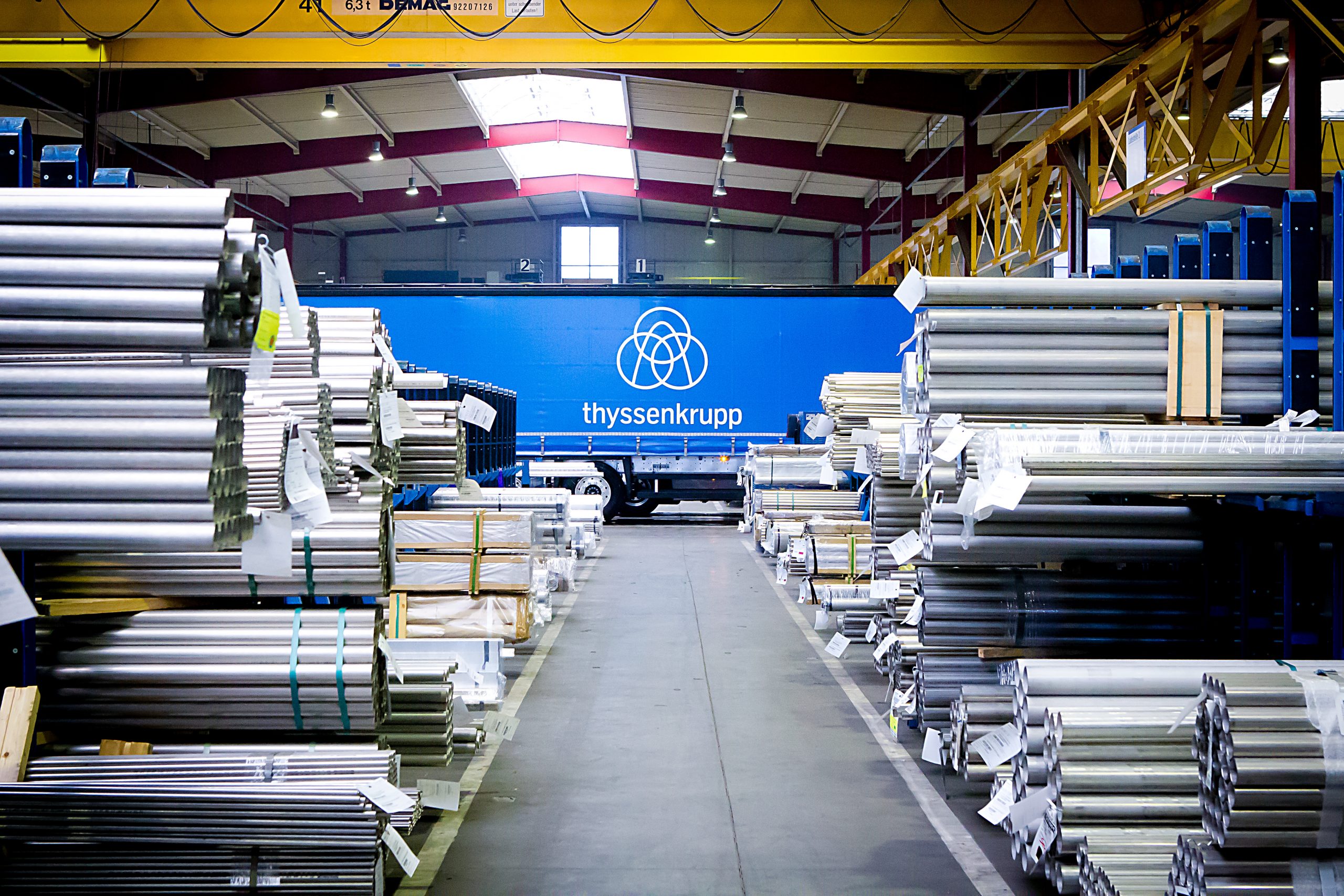
Germany’s Thyssenkrupp said March 16 it expects an impact on its business development as a result of direct and indirect effects of the war in Ukraine. Moreover, the war’s economic consequences on the group’s business development are also influencing the possible stand-alone solution for its steel business, it said in a statement.“Thyssenkrupp AG remains convinced that the independent positioning of the steel business offers very good prospects for the future,” the statement said. “Nevertheless, a statement on the feasibility is at present not possible due to the current economic conditions.”
Just five weeks ago, on Feb. 10, the group had reported a good first quarter, with its turnaround “in full swing” despite some continued weakness in the automotive segment.
Thyssenkrupp CEO Martina Merz noted March 16 that the group had made progress in its restructuring — which has involved several divestments — evidenced by “substantial improvements in the current fiscal year up to the outbreak of the war. However, the consequences of the war will affect us and especially the steel business. Implementing the stand-alone solution in this current unstable environment is not possible at the moment.”
Thyssenkrupp is Germany’s biggest steelmaker.
Four restructuring transactions
Thyssenkrupp in recent times carried out four restructuring transactions, narrowing its portfolio. In 2021, it sold its mining business, its Carbon Components and Infrastructure businesses, and closed its heavy steel plate mill in Duisburg. In late January, it concluded the sale of its stainless steel plant (AST) in Terni, Italy, including the associated distribution organization, to Italy’s Arvedi. The Elevator Technology business was divested in 2020.
The group has also suspended its forecast for the current fiscal year (2021-2022) with regard to free cash flow before M&A “due to present geopolitical and economic turmoil,” it said, pointing to “limited forecasting ability with regard to free cash flow before M&A” because of the volatile environment.
“Although the group’s sales from Russia and Ukraine are negligible at significantly less than 1 percent of total sales, the executive board estimates that the group’s business performance will be impacted by the far-reaching macroeconomic and geopolitical consequences of the war in Ukraine,” Thyssenkrupp said in the statement. “The executive board currently assumes that the global disruptions at various points in the supply chain will affect above all thyssenkrupp’s steel and automotive supply businesses.”
Materials trading benefits
Opposing developments in materials trading, which is benefiting from the current increase in raw material and material prices, and the countermeasures initiated will not be able to fully compensate for these impacts, the company continued.
“At the present time, the specific extent of the direct and indirect consequences of the war in Ukraine on the business development of thyssenkrupp is associated with high uncertainties,” it said.
Until the start of the war, business development of thyssenkrupp in the first quarter and in the current second quarter of the fiscal year was going according to plan, the group’s statement said.
However, “in March, initial negative effects occurred primarily in the steel and automotive supply businesses. At the present time, the executive board continues to assume that the adjusted EBIT for the second quarter will still be above the previous quarter. Free cash flow before M&A, on the other hand, will be more strongly impacted by negative price effects than previously expected.”
Thyssenkrupp added that it remains committed to its decarbonization plans.
“This crisis also shows that the green transformation remains very important. The aim is to greatly reduce Europe’s dependence on Russia and on fossil fuels overall, “ Merz said in the statement. “We now expect a clear signal and concrete funding commitments from government for our plans to decarbonize the steel industry.”
“The executive board of thyssenkrupp AG is appalled by the war in Ukraine,” the statement said.
— Diana Kinch