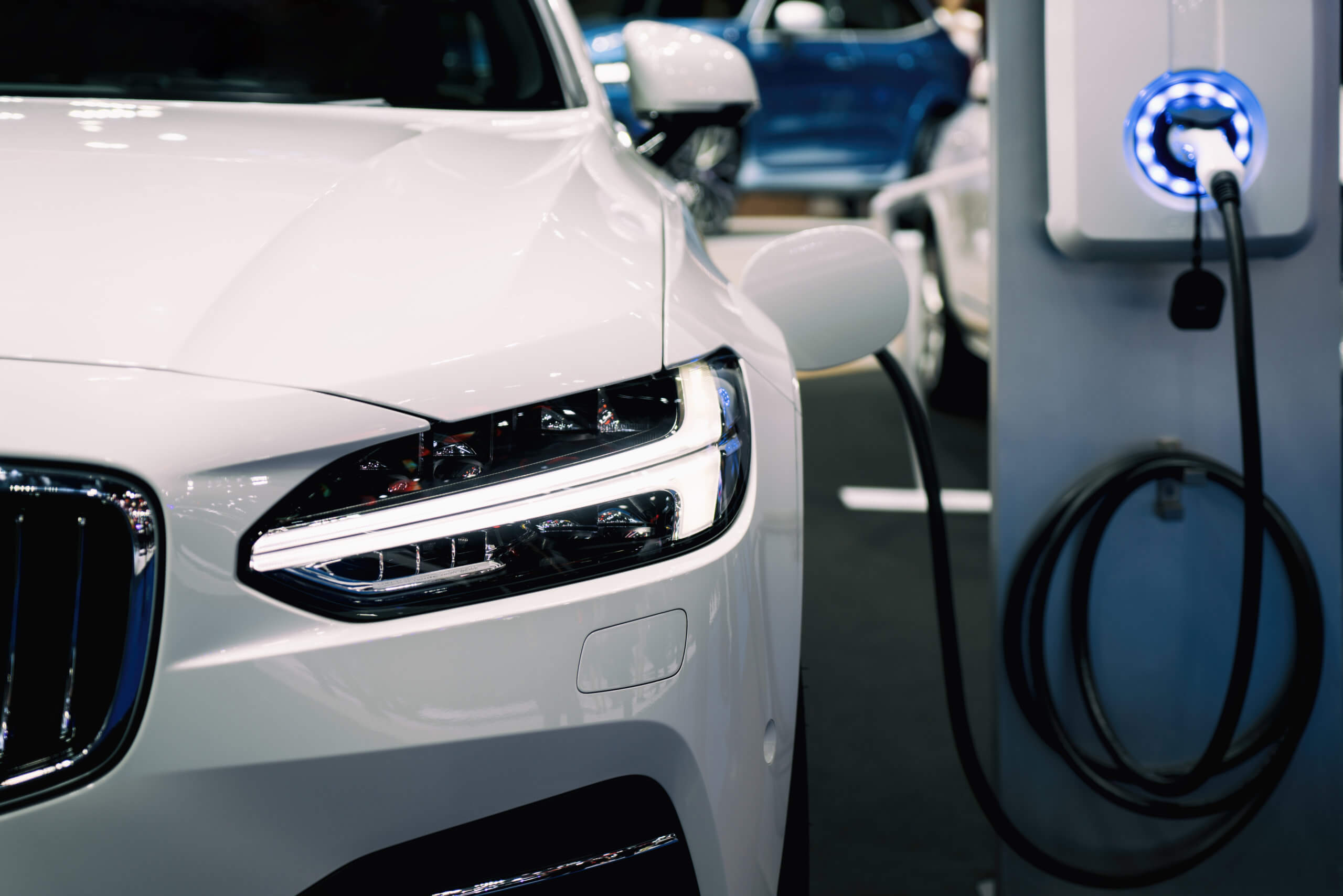
Electric car sales in the EU are expected to number 2 million tonnes lower than previous forecasts between 2025 and 2027 due to the European Commission easing 2025 CO2 targets, averaging them over 2025-2027, the European Federation for Transport and Environment (T&E) points out.
This is despite positive market dynamics which are pushing electric sales. Battery costs are set to fall by 27% between 2022 and the end of this year, and are set to decrease by another 28% by 2027 compared to 2025 levels, T&E forecasts. Charging infrastructure has been deployed on 77% of the EU core highway network and all Member States have already met or surpassed the number of public charging points required by the EU’s 2025 target.
The EU is under pressure from carmakers to weaken their 2030 and 2035 emissions targets. Earlier this year, the Commission said compliance would be measured over a three-year period from 2025 to 2027, rather than a single-year threshold.
“OEMs are painting a terrible picture because they want their targets weakened. But the reality is that electric car sales are surging and emissions rules are key to that equation,” T&E says in a note seen by Kallanish. “By sticking to the agreed rules, Europe can give its automotive industry a fighting chance in the global EV [electric vehicle] race. But weakening the targets could see other manufacturers go the way of Mercedes which is falling behind on electrification and must buy credits from its competitors.”
“While the EU is discussing further relaxing of its emission rules, global markers are going electric fast,” T&E notes. India, Mexico, Indonesia and Thailand have EV market shares of 5%, 5%, 13% and 24% respectively. In the world’s largest car market, China, battery electric vehicle (BEV) sales share will surpass 30% by the end of 2025, it concludes.
Adam Smith Austria