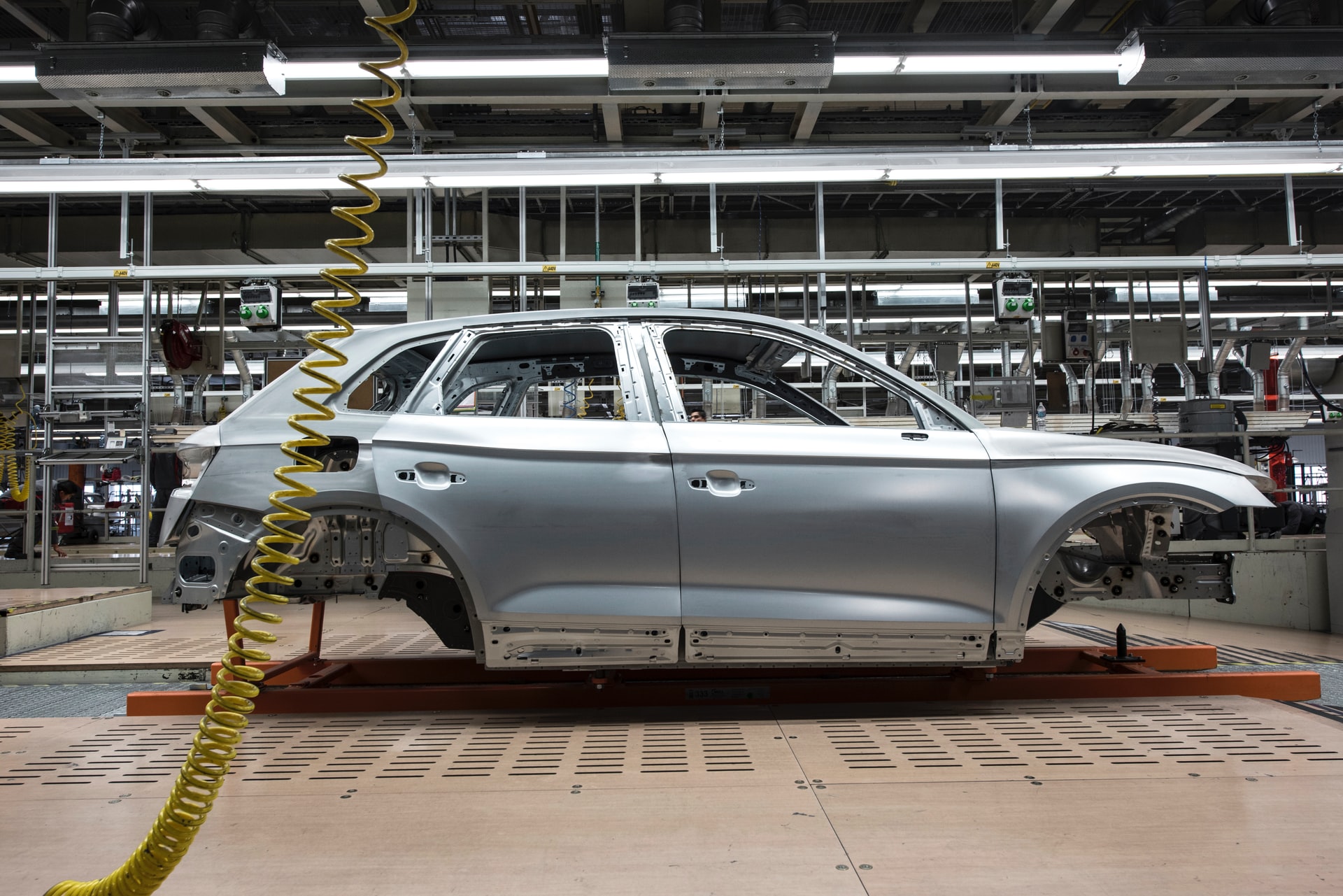
The EU automotive industry, which consumes around 20% of European steel, will continue to reduce production this year, according to the European Steel Association – Eurofer.
Output will decline by 2.6% on-year in 2025, despite previous growth expectations, Kallanish notes. This would make 2025 the second year of decline in a row, after 2024 saw EU car production drop 9.7%.
Continued supply chain issues causing order delays, war-related disruptions, low consumer confidence and squeezed incomes due to persistent inflation and economic uncertainty have hampered activity. Nevertheless, there was a consistent improvement in EU car demand throughout 2023 and most of 2024, Eurofer notes.
“As a result, last year, new passenger car registrations rose slightly (+0.8%), reaching around 10.6 million units – still approximately 2.4 million units below pre-pandemic levels (13 million units in 2019),” the association says.
Spain continued to show positive market conditions (+7.1%). In contrast, declines were observed in France (-3.2%), Germany (-1%), and Italy (-0.5%).
According to the association, after a short-term recovery against the background of a low base of the past years, auto production has gone down again in 2025 due to a number of factors. The key ones are weak consumer demand, high inflation, falling real incomes and uncertainty around electric vehicles (EVs) and future environmental standards.
“The sector is particularly negatively affected by instability in foreign trade: new tariffs on European car imports announced by the US are creating additional pressure on the industry,” Eurofer observes. “In addition, the EU market is facing increasing pressure from Chinese EV manufacturers, while European companies’ own investments in this segment are being held back by a lack of charging infrastructure and regulatory uncertainty.”
A full recovery in global trade and external demand from major markets – particularly the US and China – now appears to be unlikely, given escalating global trade tensions, especially in light of US tariffs, the association adds.
A recovery in automotive sector activity – by 1.9% – is possible in 2026 but production volumes will remain far from 2019 levels. A return to stable growth is only possible if the macroeconomic situation improves, consumer confidence rises and trade tensions ease, Eurofer concludes.
Svetoslav Abrossimov Bulgaria