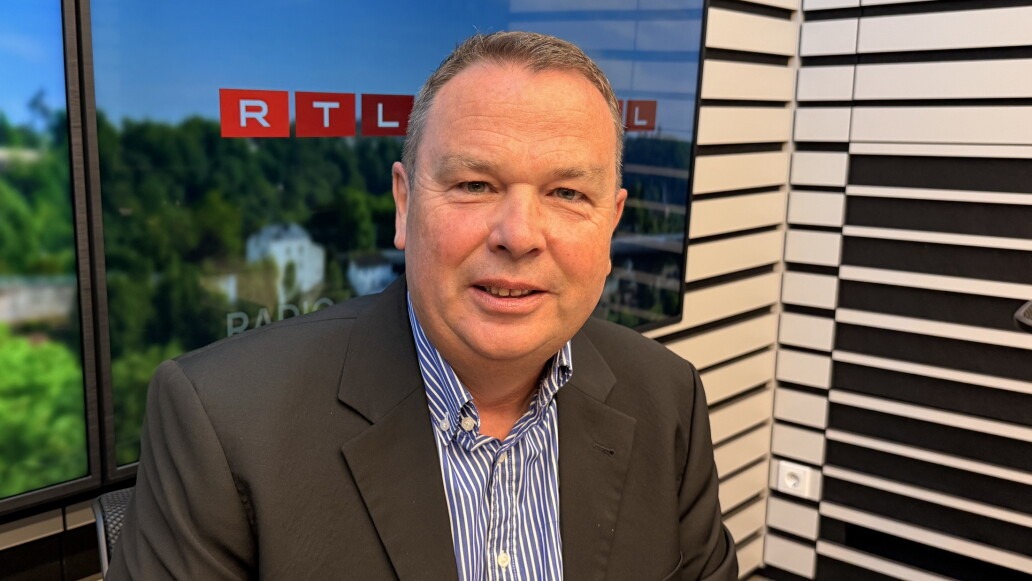
René Winkin, General Manager of FEDIL, highlighted the European Convoy for Industrial Competitiveness during an interview with RTL Radio Luxembourg on 10 September.
Speaking ahead of the FEDIL Industry Day, Winkin discussed the need to strengthen the strategic autonomy and competitiveness of Luxembourg and Europe. He pointed to the demonstration held in Brussels on 7 September as a clear illustration of the urgency facing European industry. During the interview, the RTL journalist noted that the Brussels demonstration had brought industry representatives and workers together in the streets.
Winkin described this joint mobilisation as both significant and exceptional:
“If we fall behind, factories here will close—first perhaps in traditional industrial sectors, but eventually in technology sectors as well. This affects people. It is truly remarkable that industry associations are taking to the streets alongside trade unions. That is something rather exceptional.”
He stressed that Europe’s industrial competitiveness and strategic sovereignty are closely connected. In his view, European industrial policy must move beyond statements of intent and deliver concrete results at a much faster pace.
“For these two reasons, we in Europe need to pay much more attention to industrial policy again—not simply by announcing intentions, but by demonstrating that we can deliver at the necessary speed.”
From policy ambitions to concrete action
Strategic autonomy was the central theme of the 2026 FEDIL Industry Day, held under the title “Strategic autonomy: From policy ambition to competitive industry.”
During his RTL interview, Winkin identified investment, faster permitting procedures, digital capacity and access to suitable industrial sites as essential priorities. He warned that Europe’s growing dependence on external providers in strategic sectors could become dangerous unless action is taken quickly.
At the same time, he emphasised that greater European resilience should not result in blanket protectionism. Instead, Europe must create the conditions that enable its industry to invest, innovate and compete successfully on international markets.
The full interview is available on RTL Luxembourg.