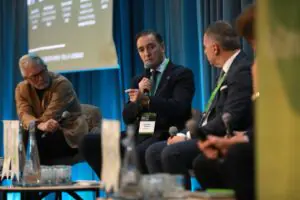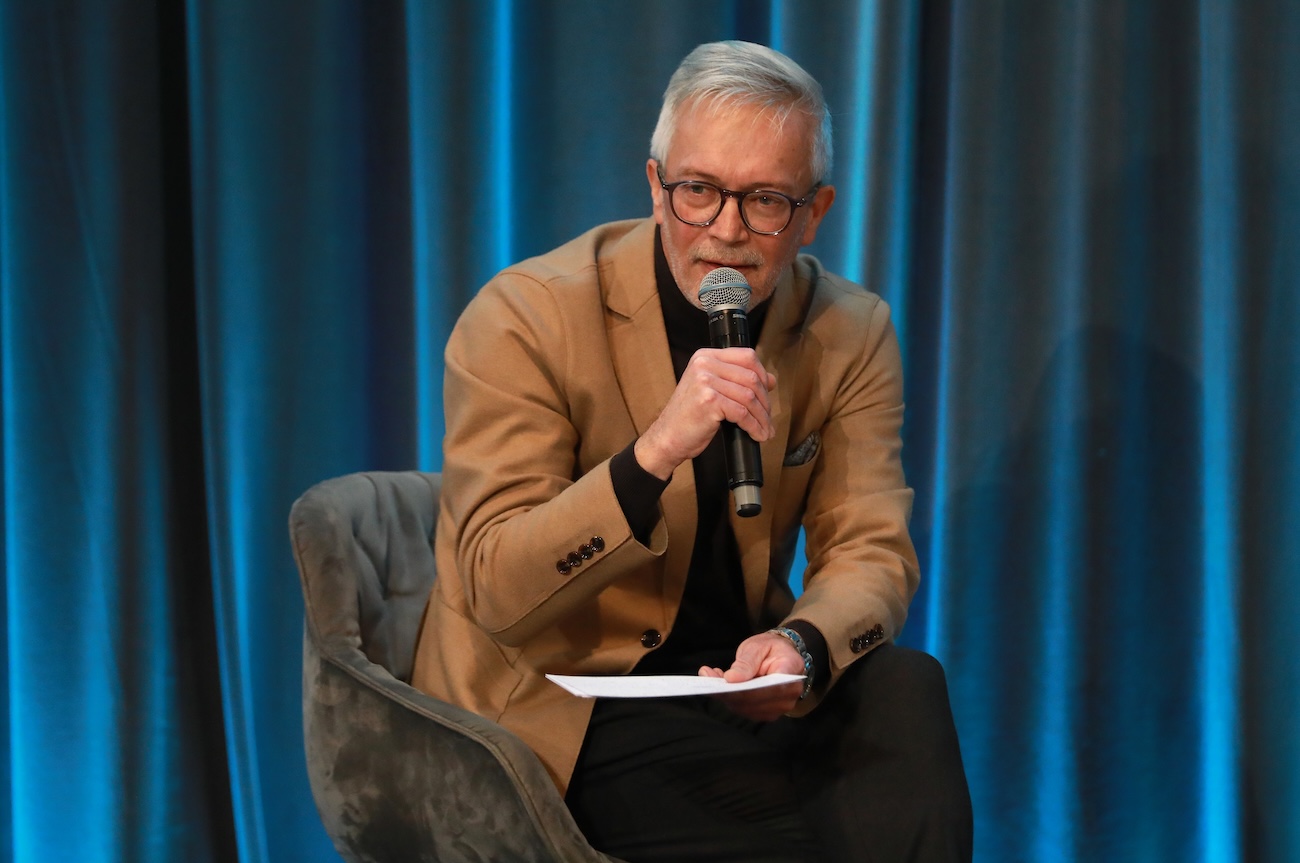
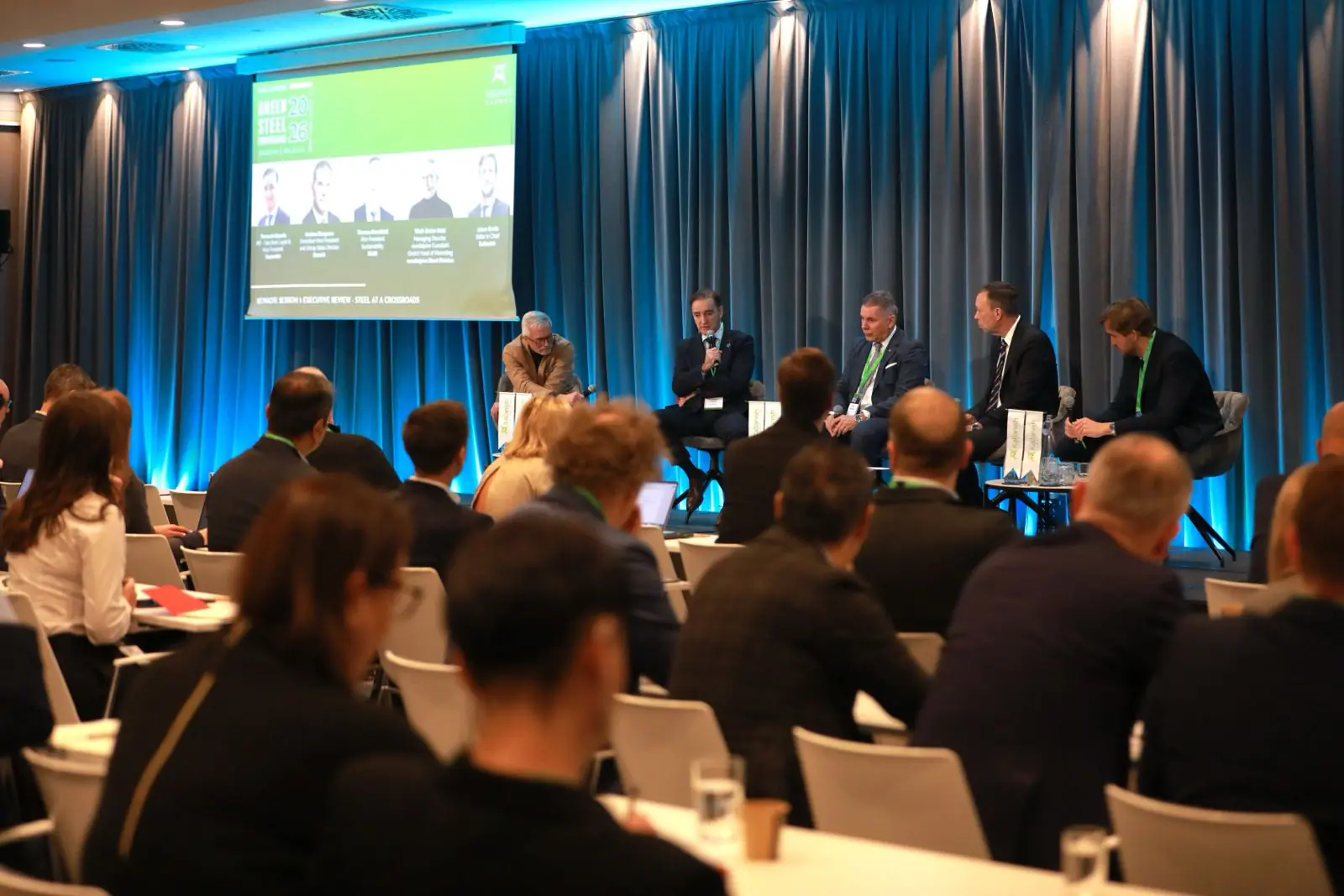
European steelmakers need a predictable carbon price and support to fund decarbonisation, panellists said at the Kallanish Green Steel Strategies conference in Brussels on 10 November.
The reform of the EU Emissions Trading System (ETS) is under way. Some producers have already invested heavily because they trusted the carbon price, while others say ETS costs are eroding the profits they need to invest.
“I need the money for investment, and that’s what this political framework should do,” said Wolf-Dieter Hohl, head of marketing at Voestalpine’s steel division. The Austrian steelmaker wants free allowances to be extended. “This is the only solution that we see, actually,” Hohl said, adding that “those who move faster should not be put in a competitive disadvantage”.
Voestalpine is investing around €1.5 billion ($1.6 billion) in new electric arc furnaces in Austria, due to start in the first half of 2027. “I can tell you that six years later, we are on schedule and on budget,” Hohl said.
SSAB’s vice president for sustainability, Thomas Hörnfeldt, said Europe has already decided to decarbonise its steel industry. “That’s not really the issue anymore,” he said. However, “we need a clear carbon signal… let’s make sure that we’re consistent and predictable.” Steelmakers invest for the next 30-50 years, and “we need to be able to trust those numbers,” he added.
Hörnfeldt welcomed the idea of returning 50% of ETS revenue to member states to support decarbonisation, but not only for new projects, as this would encourage companies to delay investment. “And we need to make sure also that we don’t create an incentive to wait when we are changing regulations,” he said. Free allocation would solve the export problem, “but that train has left the station”.
EU steel exports fell by around 20% in the first half, according to Kallanish analysis. Fernando Espada, vice president of European steel distributors’ association Eurometal, said carbon costs, including those passed on through electricity prices, cannot be recovered on exports. He suggested that exporters should get their ETS costs refunded, as they do with VAT. He said: “The way that it has been implemented is unfair, and they are losing their position upon exports”.
For distributors, the ETS is “another level of uncertainty, when taking a decision about what to import for the second or third quarter of next year”, he added.
Andrea Diasparro, executive vice president and group sales director at Italian plant maker Danieli, said steel producers “are willing to invest, they are willing to decarbonise, but they need the support”.
SSAB and Voestalpine have a clear strategy, but not all producers are in that position, he noted. Danieli is “available to provide technology, innovation, and high level automation”. However, the ETS must be backed by a clear programme with defined requirements, so that nobody abuses the system, Diasparro concluded.
Natalia Capra France