ArcelorMittal Spain shuts Avilés pickling line as part of €18 million upgrade
ArcelorMittal Spain has shut down the pickling line at its Avilés plant as part of an €18 million modernization program, according to media reports.
The stoppage comes amid broader operational challenges across the company’s Asturias facilities, including ongoing issues restarting blast furnace “B” in Gijón and planned maintenance work on sinter plant “A”.
The Avilés pickling line, which removes oxide scale from hot rolled steel using diluted hydrochloric acid, will remain offline for three weeks. The €18 million upgrade includes replacing the hydrochloric acid storage tanks that feed the process, which treats coils coming out of the hot strip mill.
Ongoing failure of blast furnace “B” causing serious disruption
This modernization forms part of a broader €168 million investment package announced earlier this year for ArcelorMittal’s facilities in Avilés, Gijón, Sagunto, Etxabarri and Lesaka. A significant share of the total investment is earmarked for the hybrid electric arc furnace project in Gijón, while the Avilés pickling line revamp represents a key component of ongoing downstream improvements.
The shutdown will have immediate downstream effects, as the pickling line supplies strip to the tandem mill, temper mill and tinplate lines in Avilés.
ArcelorMittal has been unable to restart blast furnace “B” in Gijón for two months, following a maintenance shutdown during which the unit suffered several fires. Three attempts to restart the furnace using the oxy-lance method, injecting oxygen and propane, have failed due to a large mass of solidified iron inside the vessel.
As a result, the plant is facing an acute shortage of hot metal. With only blast furnace “A” operational, production levels are insufficient to supply all rolling and steelmaking units.
Hot metal shortages force prioritization and interruptions
Due to limited hot metal availability, ArcelorMittal is prioritizing hot strip production for the automotive sector, to avoid penalties, and rail manufacturing, which currently has strong order volumes.
Other downstream facilities are experiencing intermittent stoppages. The company informed employees that the shutdown of the Gijón heavy plate mill would be extended due to a lack of slabs available for rolling.
The Gijón plate mill sources its slabs from the Avilés melt shop, which is currently running at 60 percent of capacity because of the shortage of hot metal. Most of its limited output is being directed to the Avilés hot strip mill.

Tata Steel UK signs contracts for pickling line
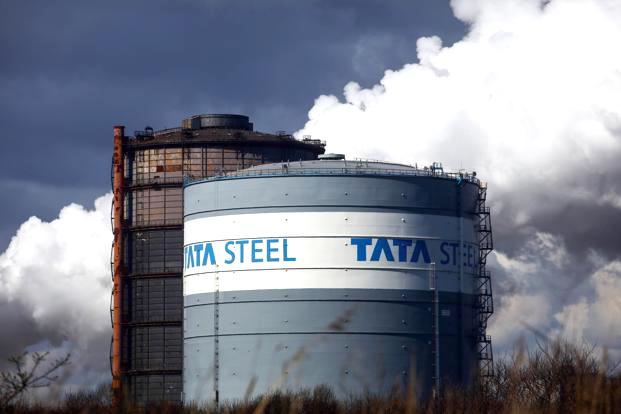
Tata Steel UK has signed contracts with Clecim and ABB Limited to supply the pickling line for its Port Talbot site in Wales, Kallanish learns.
This further progresses its ongoing £1.25 billion ($1.65 billion) transformation of the site, which envisages a 3 million tonnes/year capacity electric arc furnace commissioning by late 2027/early 2028.
As leader of the consortium, global supplier of steel processing lines and rolling mills Clecim, together with global technology company ABB, will supply essential equipment and expertise needed to power the site’s brand new 1.8m t/y pickling line.
The new line will process hot rolled coil to eliminate oxide scale formed during the steel rolling process, ensuring a clean surface for further processing, improving product quality, and enhancing the bonding of coatings or finishes.
Tata Steel chief executive Rajesh Nair says: “Our new and advanced pickle line will form a major part of our green steelmaking facility at Port Talbot, ensuring we can supply downstream businesses with the high-quality, low CO2 steel products our customers are demanding.”
“This collaboration represents another critical step toward securing a sustainable future for steel production in South Wales – made possible by the expertise and innovation provided by these best-in-class business partners,” he adds.
Clecim will design and supply mechanical and process equipment, while ABB will deliver electrification and automation technology required for the cutting-edge pickle line. With the pre-engineering phase of the project completed, both companies are now moving forward with detailed engineering.
Clecim chief executive Thomas Comte comments: “We are proud to help pioneer this project by combining engineering, sourcing, and mechatronic products manufactured in France, to make this phase of Port Talbot’s transformation a reality.”
“This achievement is a testament to the strong partnership we’ve developed with Tata Steel and ABB over the past several months. Together, we are working in an agile and innovative manner to successfully install the new pickle line,” he concludes.