European steel distribution faces restructuring amid tighter import restrictions
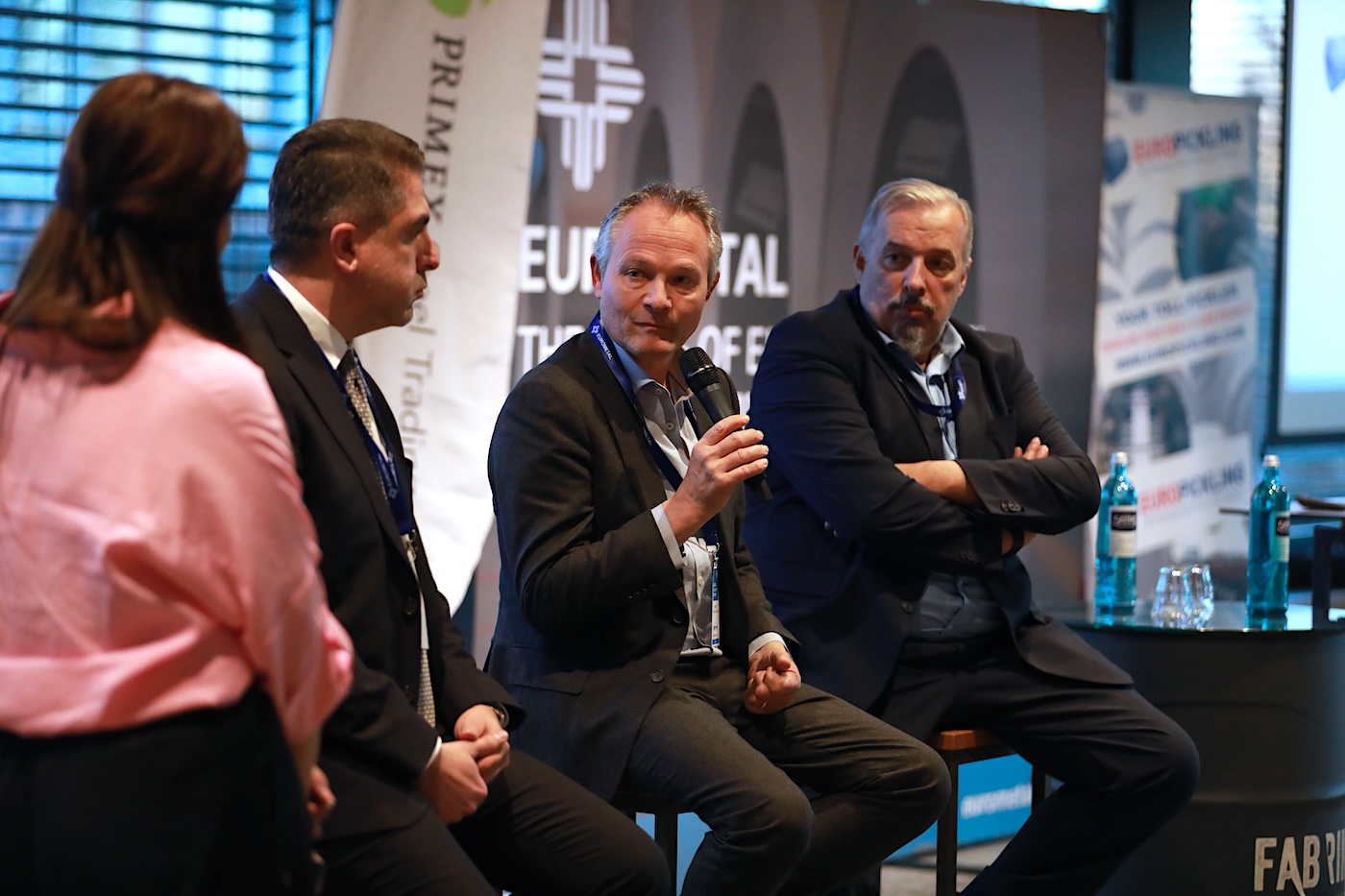
European steel trading and distribution are facing structural changes as tighter EU import restrictions and CBAM increase financial risks, complicate sourcing and force companies to adapt their business models. Some financially weaker traders may leave the market, while the new environment could create opportunities for companies able to assume risks that customers increasingly refuse to bear, industry representatives said during a panel discussion at EUROMETAL’s Steel Trade Day conference on November 23-24, attended by Metal Expert.
The EU trading business has changed significantly over the past year, with another major shift following the introduction of CBAM and the reduction of import quotas. Companies unable to cope with the growing financial, administrative and regulatory burden are expected to struggle to maintain their existing models, accelerating restructuring in the distribution segment.
One of the clearest changes is already visible in sales practices. More end-users are reluctant to import directly and assume customs, quota and CBAM risks themselves, increasingly turning to established traders for DDP deliveries. This creates opportunities for financially strong importers, although taking over these risks also requires higher margins.
Import quotas and duties were described as an even more immediate challenge than CBAM because of the unpredictability of quota utilisation. The halving of import quotas and increase in the out-of-quota duty from 25% to 50% have substantially increased purchasing risks, especially in Southern Europe, where distributors have traditionally been more dependent on imported steel.
As imports become more complicated, distributors are increasingly shifting purchases towards European mills. However, access to domestic material is becoming more difficult. “The mills are getting fuller, and lead times will increase, although demand seems not to be very big,” Eric Roef, CEO of Stemcor Flachstahl said during the panel discussion. Companies traditionally reliant on imports could therefore face difficulties securing sufficient volumes.
European supply also cannot fully replace imports in all products. Panelists pointed to shortages of certain specifications, including thin-gauge galvanised steel, which EU mills cannot always supply in the required quantities or at competitive prices. Such gaps should preserve a role for imports and push traders to focus on products where overseas supply retains an advantage. Even mill-linked distribution networks may need imported steel when their parent producers cannot supply the required products, Metal Expert learnt.
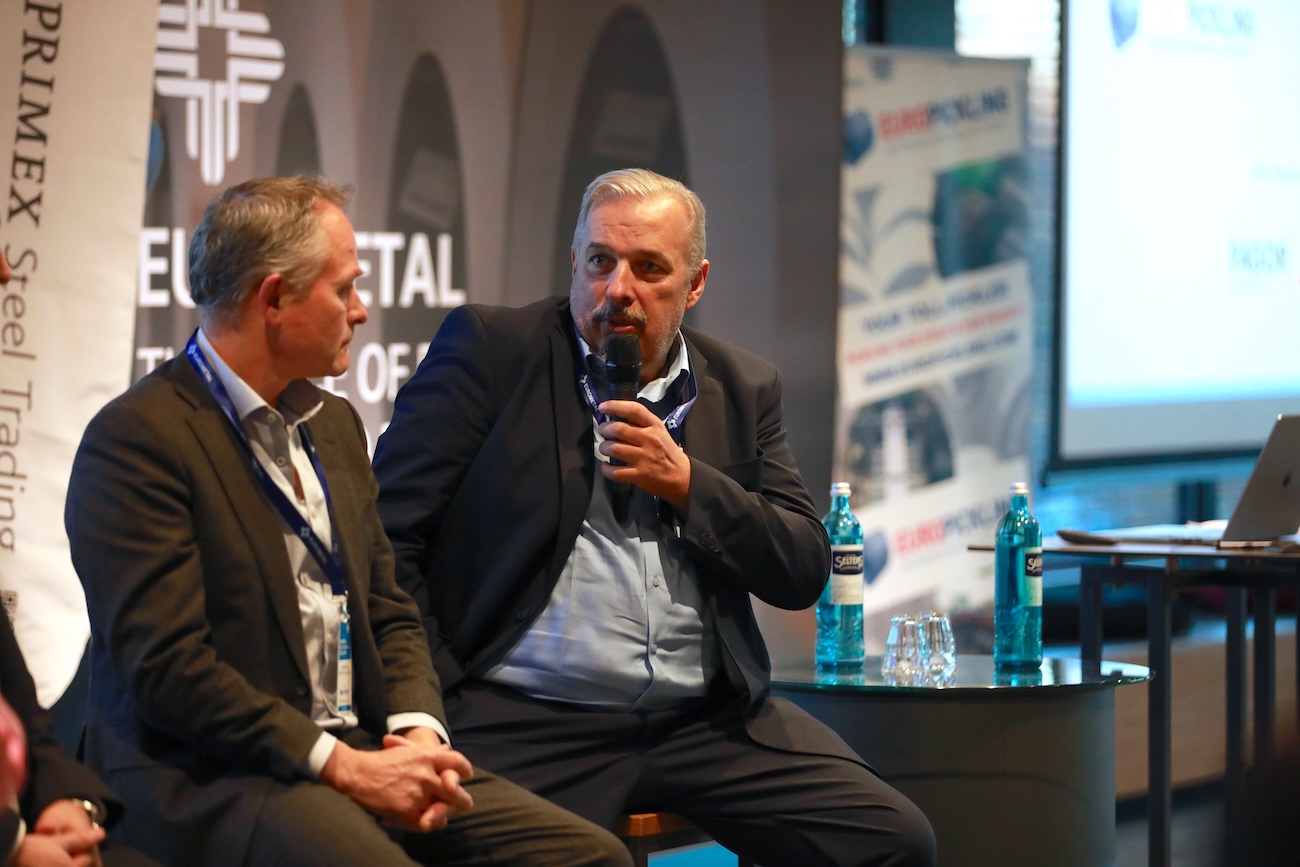
The new trading environment is also putting pressure on liquidity. Panelists did not expect banks to reduce financing across the sector, as financially healthy and well-managed companies should continue to receive the credit lines needed for their business. However, companies already in a weaker financial position could find it more difficult to obtain additional financing as steel costs rise. “Unfortunately, if the company is sick, it will only get sicker,” Maruan El Daghma, managing director of PRIMEX Steel Trading warned.
Another source of cash pressure comes from inventories accumulated ahead of regulatory changes. Some stockholders are being pushed to sell more aggressively to release cash and finance their next purchases. “Cash driven sales play much bigger role today, stockholders need to sell because they need cash and then they sell below the market price,” Eric Roef said.
Future CBAM certificate payments will create a separate liquidity burden for importers, which will need to reserve substantial amounts of cash for these obligations. A further concern is that some exporters may not complete verification of their actual emissions data in time for 2026 imports, leaving importers to calculate their CBAM liability using default values, which could result in higher costs. Panelists nevertheless expressed confidence that major suppliers in Turkiye, India and other Asian countries are progressing with pre-verification and could provide actual emissions data in time.
Hedging is also gaining importance among large EU importers as a way of managing part of their future carbon-cost exposure. Such instruments can currently cover exposure through the end of 2027, while longer maturities depend on market liquidity. “We even have been discussing with our hedging partner [about covering exposure to carbon costs until] September 2028, but haven’t got confirmation yet,” El Daghma said.
These changes are likely to accelerate a broader restructuring already needed within European distribution and processing. The segment continues to face excess capacity, while weaker demand has not been matched by a sufficient reduction in the number of service centres and stockholders, maintaining intense price competition.
EU Parliament objects inclusion of two Indian ship recycling facilities
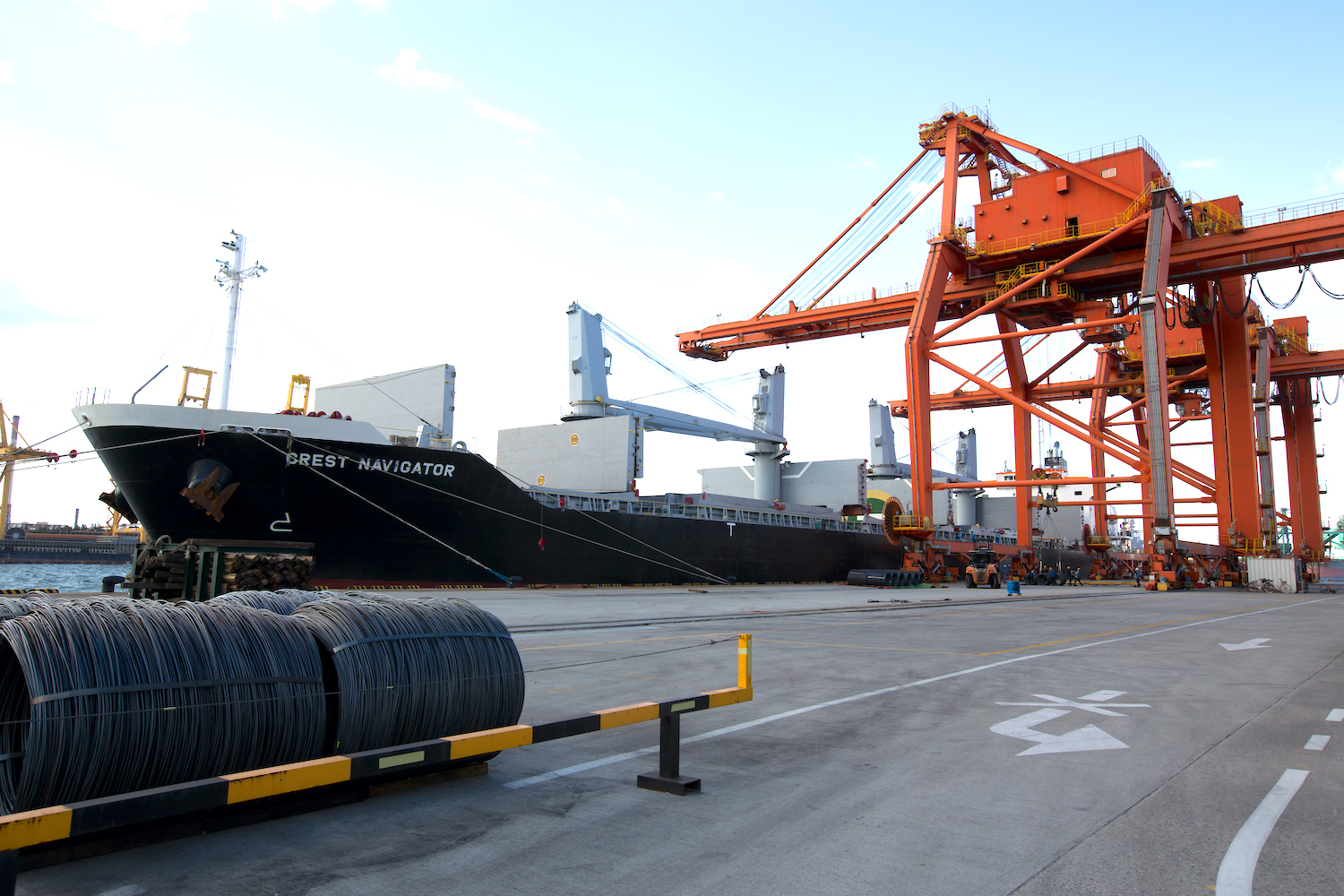
The European Parliament voted against adding two Indian ship recycling yards to the list of facilities approved under the EU Ship Recycling Regulation (EU SRR).
On 25 November, the European Parliament voted in favour of an objection to the inclusion of two Indian ship recycling facilities, Shree Ram Vessel Scrap and YSI Recyclers, in the 16th European List of ship recycling facilities, according to a press release from the NGO Shipbreaking Platform.
The decision follows growing opposition from parts of the European recycling industry. On 15 September, European umbrella organisation Recycling Europe called for Indian ship recycling facilities to be excluded from the proposed list, citing their use of the beaching method. The organisation referred to environmental research documenting contamination of soil, coastal waters, sediments and marine ecosystems in Alang-Sosiya and other beaching regions, as previously reported by Metal Expert.
However, the proposed inclusion also received support from European shipowners. In a joint letter issued in September, they argued that both Indian facilities had undergone extensive inspections and met the requirements of the EU Ship Recycling Regulation. Referring to publicly available inspection reports, shipowners maintained that the facilities had satisfied the same standards applied to yards included in previous editions of the European List.
The disagreement highlights the ongoing regulatory and environmental challenges facing India’s ship recycling industry. India, alongside Bangladesh and Pakistan, accounts for approximately 80% of global shipbreaking. The facilities in those countries are currently not included on the EU SRR list. Despite this, European-linked vessels continue to arrive at Indian recycling yards due to regulatory loopholes.
Author: Metal Expert Editorial Team

EU Steel Distribution: Price expectations strengthen as distributors remain cautious about demand recovery
The latest results of the EUROMETAL Market Sentiment Survey, conducted in November 2026, reveal a European steel distribution sector characterised by broadly stable business activity, moderating optimism regarding future demand and increasingly strong expectations of rising steel prices.
While the improvements in market sentiment observed since September have largely been maintained, distributors appear to be adopting a more cautious outlook heading into 2027. At the same time, inventory expectations show a notable shift towards replenishment, potentially reflecting anticipation of further price increases.
Assessment of Current Activity
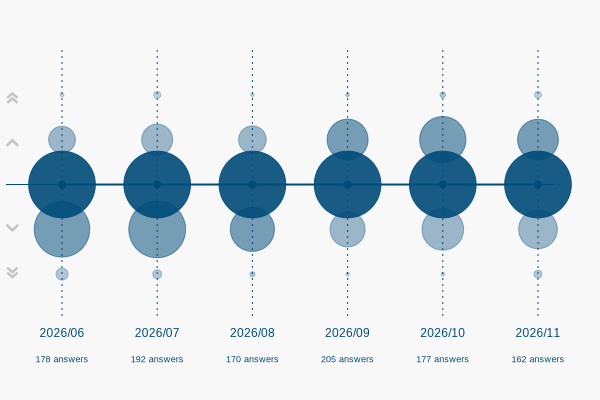
The assessment of current business activity in November continues to reflect broadly stable market conditions across the European steel distribution sector.
Compared with the summer months, when negative assessments were considerably more pronounced, the latest results suggest a stabilisation of business activity. Nevertheless, the predominance of neutral responses indicates that a broader recovery in market activity has yet to materialise.
Future Activity Forecast
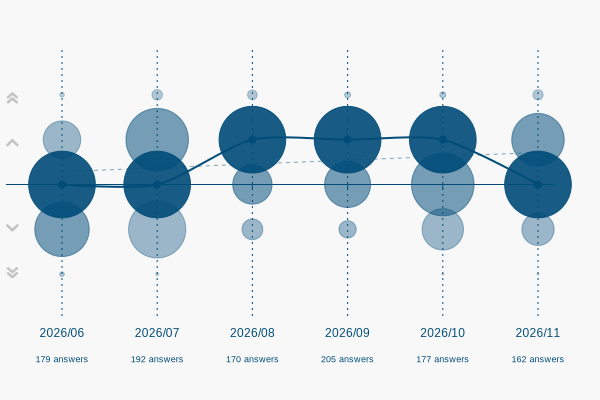
Expectations for business activity over the next quarter have moderated in November, with neutral assessments once again becoming predominant after three consecutive months of predominantly positive expectations.
While sentiment remains more favourable than during the early summer months, the latest results suggest a more cautious approach among European steel distributors towards business prospects heading into 2027.
This development reflects a moderation in optimism rather than a clear reversal towards pessimism, highlighting continued uncertainty surrounding the timing and strength of a potential market recovery.
Stock Position Outlook
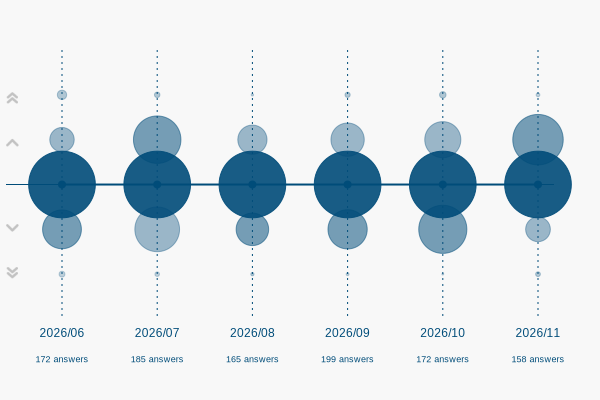
Inventory expectations remain predominantly stable, continuing the trend observed throughout the past six months.
However, November marks a notable shift in sentiment, with expectations of increasing stock volumes strengthening considerably, while expectations of inventory reductions have receded.
For the first time since July, respondents anticipating higher stock levels outnumber those expecting reductions.
This development may signal an emerging willingness among European steel distributors to replenish inventories ahead of 2027, although the predominance of stable stock expectations continues to reflect a measured approach to inventory management.
Price Development Expectations
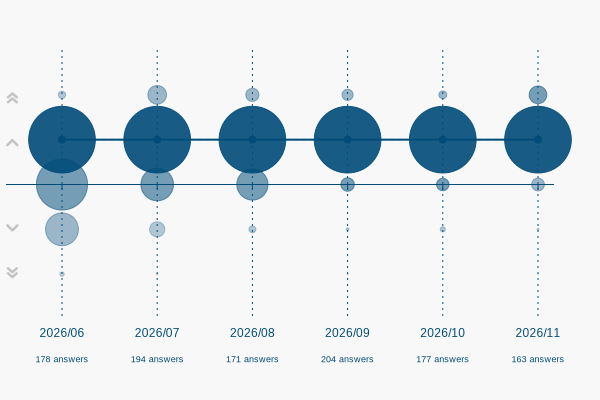
Price expectations remain firmly upward across the European steel distribution sector, continuing the consistent trend observed throughout the past six months.
November reveals a strengthening of expectations for more significant price increases, while expectations of stable prices remain relatively limited and those anticipating price reductions have become almost negligible.
The persistence of upward price expectations, despite moderating confidence in future business activity, suggests that anticipated price developments may be driven by factors beyond an immediate recovery in steel demand.
Combined with the increasing willingness to replenish inventories, these expectations may indicate that distributors are positioning themselves ahead of potential price increases in early 2027.
Outlook for the Coming Months
As 2026 draws to a close, the European steel distribution sector continues to navigate a market environment characterised by stable but subdued business activity, cautious demand expectations and growing anticipation of higher steel prices.
One of the most significant developments in November is the emerging divergence between expectations for business activity and those for prices and inventories. While confidence in a short-term recovery in activity has moderated, distributors are increasingly anticipating higher prices and appear more inclined to replenish their stocks.
Whether this shift in inventory sentiment translates into increased purchasing activity or remains a precautionary response to anticipated price developments will be an important indicator to monitor in the coming months.
The key question heading into 2027 remains whether strengthening price expectations and potential inventory replenishment will be accompanied by a sustained improvement in underlying steel demand.
The EUROMETAL Market Sentiment Survey provides monthly insights into business activity, future activity expectations, inventory management and anticipated price developments across the European steel distribution sector.
The November 2026 survey collected 163 participants.

Romanian longs prices strengthen amid limited availability and rising import offers
Following the slight decline in domestic long steel prices last week, the Romanian market has seen renewed upward movement this week, despite little change in underlying demand conditions. The latest price increase introduced by the country’s sole rebar producer Beltrame, together with limited material availability and the continued rise in quotations from European suppliers, has encouraged domestic traders to adopt a firmer pricing stance. Although slow sales and persistent liquidity difficulties continue to restrict trading activity, growing concerns over future supply and higher replacement costs have made it increasingly difficult for traders to maintain their previous price levels. Nevertheless, buyers remain cautious in their purchasing decisions, limiting the scope for further increases in the domestic market.
According to market sources, Romania’s sole rebar producer Beltrame has raised its quotations to €670-680/mt FCA, equivalent to approximately €690-710/mt delivered, including transportation costs of €20-30/mt, compared with €640-650/mt delivered last week. In the domestic retail market, rebar quotations have increased from €670-685/mt CPT last week to €675-700/mt CPT this week. Excluding transportation costs of €20-30/mt, current prices correspond to approximately €645-680/mt ex-warehouse, compared with €640-665/mt ex-warehouse last week. While larger traders continue to maintain more competitive quotations towards the lower end of the range, other suppliers are pushing for higher selling prices.
The upward adjustment has been somewhat more moderate in the wire rod segment, where domestic quotations have reached €680-695/mt CPT, compared with €675-680/mt CPT last week. Excluding transportation costs of €20-30/mt, current quotations correspond to approximately €650-675/mt ex-warehouse, up from €645-660/mt ex-warehouse last week.
On the import side, although Romanian buyers have secured considerable tonnages in recent weeks and immediate stock requirements remain limited, uncertainty surrounding material availability in the coming months has prevented purchasing interest from fading entirely. Restricted availability from the domestic producer, limited purchasing opportunities from Turkey and other overseas origins due to EU import quota constraints and disruptions to trade routes, as well as the ongoing increase in European prices, have raised concerns among Romanian buyers regarding future supply. Accordingly, some buyers remain willing to secure additional volumes whenever commercially viable offers emerge, despite the current weakness of domestic consumption. Bulgarian rebar quotations have registered a substantial increase this week, reaching €740-755/mt CPT Romania, compared with €700-710/mt CPT last week. Despite the relatively high price levels, transactions involving medium-sized orders are reported to have been concluded with Romanian buyers. According to market sources, these purchases were primarily driven by the availability of the required rebar sizes, as not all suppliers are currently able to offer the full range of dimensions. Consequently, buyers with specific material requirements have had to accept higher price levels due to limited alternatives. No fresh offers have been reported from Italian suppliers, whose latest quotations have stood at €680/mt FCA, equivalent to approximately €755-760/mt delivered. Hungarian rebar quotations have so far remained stable at €705/mt CPT Romania. Meanwhile, Greek offers for both rebar and wire rod have been reported at €680/mt FOB this week, corresponding to approximately €700-705/mt CFR Romania, including estimated freight costs of €20-25/mt. Regarding overseas suppliers, Turkish rebar quotations have remained unchanged week on week at $610-625/mt FOB, equivalent to approximately €580-600/mt CFR Romania, including estimated freight costs of $35-40/mt. Egyptian rebar offers have softened to $630-640/mt FOB from $640-650/mt FOB last week, corresponding to approximately €600-615/mt CFR Romania, while wire rod quotations have remained unchanged at $650-660/mt FOB, equivalent to approximately €620-630/mt CFR Romania.

Bulgarian longs prices rise further as buyers increasingly rely on domestic supply
The Bulgarian long steel market has seen a further strengthening of prices this week, supported by the upward trend across European markets and limited opportunities to secure imported material. According to market participants, sales have been moderate, with domestic suppliers seeing some improvement in purchasing activity as uncertainty surrounding EU import quotas and rising offers from European suppliers have encouraged buyers to source material locally. Nevertheless, the improvement in sales remains modest relative to the scale of the recent price increases, while financial constraints continue to weigh on overall consumption.
Domestic rebar prices in Bulgaria are currently reported at €715-740/mt CPT, up from €710-730/mt CPT last week. However, some sales at €690-700/mt CPT are still taking place, mainly involving a limited number of traders seeking to improve their liquidity positions. The upward movement has been more pronounced in the wire rod segment, where domestic quotations have reached €760-780/mt CPT, compared to €730-740/mt CPT last week.
Although no fresh import bookings have been reported by Bulgarian market sources this week, some buyers continue to seek quotations from overseas suppliers. Turkish material remains competitively priced, though persistent difficulties in securing vessels and uncertainty over quota availability continue to restrict purchasing activity. Meanwhile, successive price increases among European suppliers have also narrowed the scope for purchases from alternative sources within the region. Turkish rebar offers have remained stable at $610-625/mt FOB, equivalent to approximately €560-575/mt CFR Bulgaria, including estimated freight costs of $20-25/mt. Egyptian rebar offers have softened to $630-640/mt FOB, compared to $640-650/mt FOB last week, while wire rod quotations have remained unchanged at $650-660/mt FOB. Based on estimated freight costs of $30/mt, these offers correspond to approximately €585-595/mt CFR Bulgaria for rebar and €600-610/mt CFR for wire rod. Within the European market, Greek suppliers have been heard offering both rebar and wire rod at €680/mt FOB this week, equivalent to approximately €695-700/mt CFR Bulgaria, taking into account freight costs of €15-20/mt. Hungarian rebar offers, on the other hand, have remained stable at €710-715/mt CPT Bulgaria.

European rebar prices rise amid production cuts, high energy costs
European rebar prices increased during the week to Wednesday November 25, with producers pushing for higher prices amid high energy costs and reduced production, despite continued weak demand.
Market participants reported that high energy costs continued to affect mill production, with some producers reducing output or halting production.
“Energy costs remain very high. Several steel mills have halted production, resulting in shortages of certain diameters,” a producer source told Fastmarkets.
Sources also reported changes to production patterns as mills sought to manage high energy costs.
“Energy and gas price push producers to continue to increase levels, and they are in stop-and-go mode on rolling, to avoid energy peak cost,” a trader source told Fastmarkets.
Another market participant reported mills reducing shifts earlier than the traditional year-end stoppages.
“Nearly all producers are reducing shifts already in November, much earlier than the usual Christmas production stoppages,” a seller source told Fastmarkets.
Deals for Italian rebar were heard at €770-780 ($842-853) per tonne ex-works in Brescia, and €770-800 per tonne ex-works in southern Italy. Offers were heard at €800 per tonne ex-works, and workable levels were reported at €770-800 per tonne ex-works, depending on the region and volume. Mills were pushing for a minimum price of €800 per tonne ex-works, although market participants said the level had not yet been accepted by the market.
Fastmarkets’ weekly price assessment for steel reinforcing bar (rebar), domestic, exw Italy rose to €770-800 per tonne, from €760-790 per tonne the previous week.
In Northern Europe, rebar prices also increased during the assessment period, with offers and workable levels heard at €800 per tonne delivered.
Fastmarkets’ weekly price assessment for steel reinforcing bar (rebar), domestic, delivered Northern Europe rose to €800 per tonne, from €750-800 per tonne the previous week.
Fastmarkets’ weekly price assessment for steel reinforcing bar (rebar), domestic, delivered Spain was unchanged at €750 per tonne on November 25.
European wire rod prices remained stable during the assessment period.
Fastmarkets’ weekly price assessment for steel wire rod (mesh quality), domestic, delivered Southern Europe was unchanged week on week at €670-680 per tonne.
Fastmarkets’ weekly price assessment for steel wire rod (mesh quality), domestic, delivered Northern Europe was also unchanged week on week at €705-715 per tonne on November 25.


CARES secures accreditation for EU CBAM verification
UK Certification Authority for Reinforcing Steels (CARES) has secured accreditation to verify emissions data under the EU’s Carbon Border Adjustment Mechanism (CBAM), the company announced during its GCC Stakeholder Day in Dubai on 25 November, attended by Kallanish.
The accreditation was granted by the Dutch Accreditation Council (RvA) under registration number V120 and is valid until 1 December 2027.
The development enables the firm to provide independent verification of embedded emissions data for manufacturers within its accredited scope, supporting steel producers exporting to the EU under the definitive phase of CBAM.
The accreditation is particularly relevant for steelmakers, including those in the GCC and wider Middle East and North Africa (MENA) region, seeking to demonstrate their actual embedded emissions when exporting to the EU. Reliance on default emissions values could result in significantly higher CBAM-related costs for their EU buyers, making such imports commercially unattractive.
Given the complexity of the new verification procedures, CARES will hold a dedicated seminar on 27 November, inviting industry stakeholders targeting EU sales to participate and gain a better understanding of the verification requirements.
Physical site inspections are mandatory for all first-time verifications in 2026, CARES notes. These are intended to confirm direct (Scope 1) emissions data and upstream precursor emissions. Verification also involves assessing manufacturing processes and supply chain traceability, particularly relevant for steel producers relying on externally sourced metallic feedstock and semi-finished steel.
The company stresses that verification bodies must maintain strict independence, with carbon consultancy services prohibited for the same facilities they verify to avoid conflicts of interest.
The certification body has an established presence in the UAE through its Dubai-based subsidiary, CARES Middle East, launched in January 2023.
Accredited by the Emirates International Accreditation Centre (EIAC) in May 2024, it is also a notified body appointed by the UAE Ministry of Industry and Advanced Technology (MoIAT) to issue conformity certificates under the mandatory Emirates Conformity Assessment Scheme (ECAS) for reinforcing steel.

French longs prices increase, downstream consumption remains weak
French longs prices are increasing, but a tug-of-war is under way between mills and distributors in a market split between upstream and downstream, Kallanish hears.
Producers continue to push price increases for both long and flat products due to the high energy costs. Downstream, however, buyers are struggling with weak construction demand and tight credit insurance coverage.
Although French long product prices are rising from last month, buyers remain gloomy, and the outlook is poor. Customers are turning to foreign producers in search of more affordable material. Italian longs producers are seen as the most uncompromising and the most expensive. French customers are also looking to Spain, where some products “are more reasonable, but it depends on product,” a large buyer comments.
In France, rebar prices are rising by €50-60/tonne ($54.6-65.5/t) compared to the lows seen last month.
“We have not yet bought in France. At current prices we will look outside of the country, and if we do not find anything, we will buy less,” another buyer comments.
There is some demand, especially as producers in other countries make sharp output cuts, rebar sellers say. Overall, however, consumption remains weak. Exports help make up for part of it, but shipments are not enough to keep stocks down. Stocks at European long mills are often close to their limits.
Kallanish assesses French rebar at €750-770/t delivered, including size extras.
Distributors say their margins when selling long products are thin, and they cannot afford higher prices, as they have to keep their own prices stable or cut them to sell. Pessimism is growing, as October and November have been poor months for sales. Downstream prices and volumes are both under pressure, and several companies, including construction firms, report tight credit insurance coverage.
Domestic merchant bar is increased by some €20/t compared to October to €335-340/t base delivered, excluding size extras of around €410/t.
Prices for the first category of sections are being raised to €860-880/t delivered.
European Commission outlines CBAM certificate purchase and surrender timetable
The European Commission has published an information document outlining the purchase, holding, surrender and repurchase procedures for Carbon Border Adjustment Mechanism (CBAM) certificates.
According to the document, certificate sales are scheduled to begin on February 1, 2027. Importers must purchase all certificates required for embedded emissions in CBAM goods imported during 2026 between February 1 and September 30, 2027.
First annual declaration and surrender deadline set for September 30, 2027
Starting in 2027, importers must submit their annual CBAM declarations by September 30 for imports made during the preceding calendar year. The declaration reports imported quantities, embedded emissions and the corresponding number of certificates. The required certificates must be surrendered after submission of the annual declaration and by the same deadline. The first annual declaration and certificate surrender for 2026 imports are therefore due by September 30, 2027.
Under the general rule, importers must hold certificates corresponding to at least 50 percent of the embedded emissions in all CBAM goods imported since the beginning of the year at the end of each quarter. However, no quarterly holding obligation applies in 2026. Certificate purchases, holdings and surrender will be managed through the CBAM Registry from February 1, 2027.
Free allocation and carbon prices paid abroad affect certificate requirements
One CBAM certificate corresponds to one metric ton of CO₂ equivalent. To determine the final number of certificates to purchase, the free allocation adjustment and carbon prices paid in a third country must be deducted where applicable. Certificate pricing will be quarterly for 2026 and weekly from 2027 onwards. Prices will be available on the official CBAM Certificate Price page and in the CBAM Registry.
Importers with excess certificates remaining after annual surrender may request repurchase by October 31. The general repurchase limit corresponds to the number of certificates they were required to purchase to meet their quarterly obligation. Under the general cancellation rule, excess certificates that have expired and have not been repurchased will be cancelled by the Commission on November 1, two years after their purchase. A special timetable applies to certificates purchased for embedded emissions in 2026. These certificates can only be repurchased in 2027, with any excess certificates cancelled on November 1, 2027.
Author: SteelOrbis Editorial Team

Whole steel value chain should join appeals
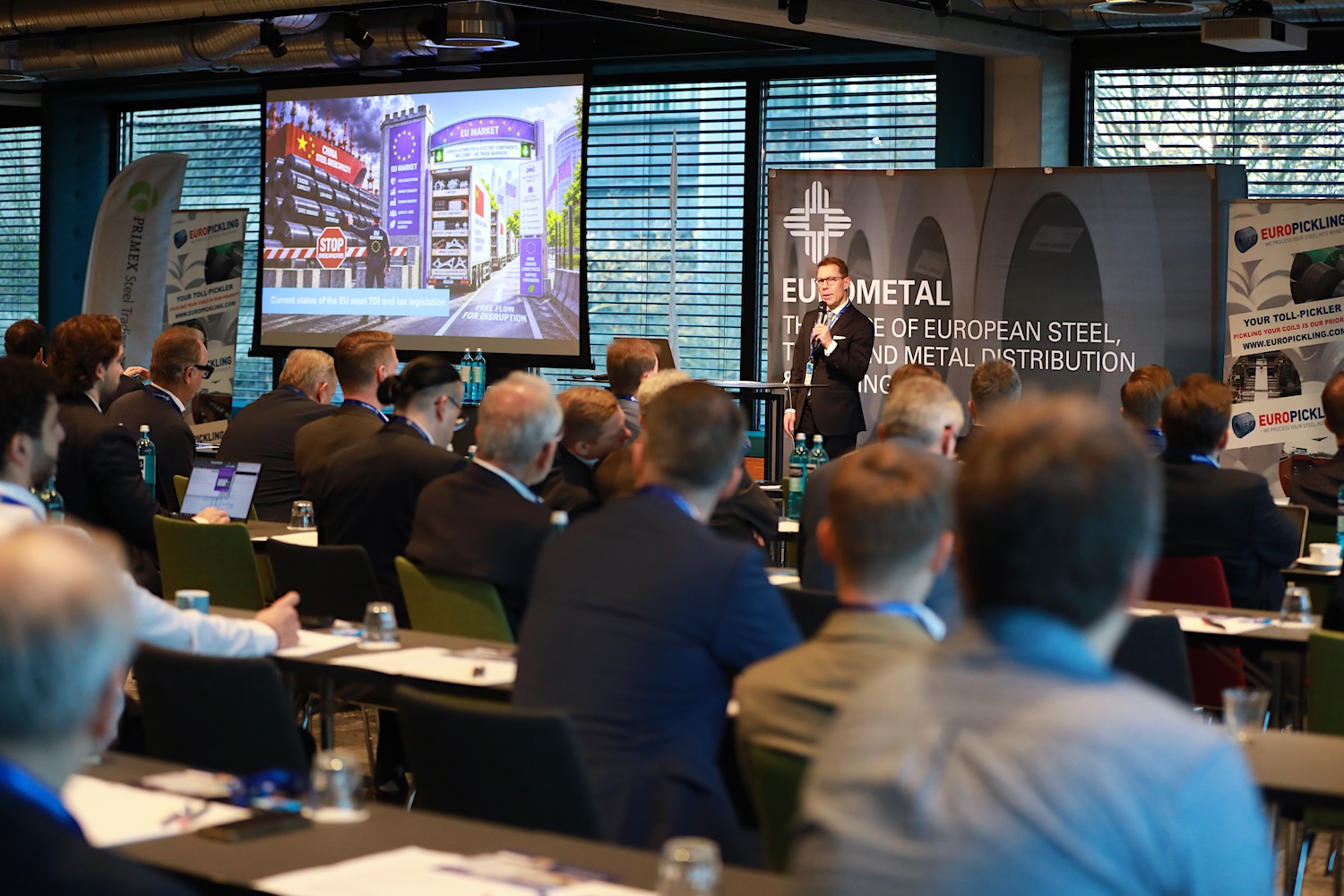
EUROMETAL is calling for the entire steel value chain to join its appeals to the European Commission to close loopholes for imports that endanger the domestic markets.
At its Steel Trade Day in Düsseldorf, EUROMETAL president Alexander Julius underlined that the association is the forerunner in pushing the Commission to include steel-containing finished products in its trade measures.
This call is well heard among its members – distributors, traders, and service centres. But it is not answered sufficiently by the steelmakers, by large steel users, smaller fabricators, and by unions.
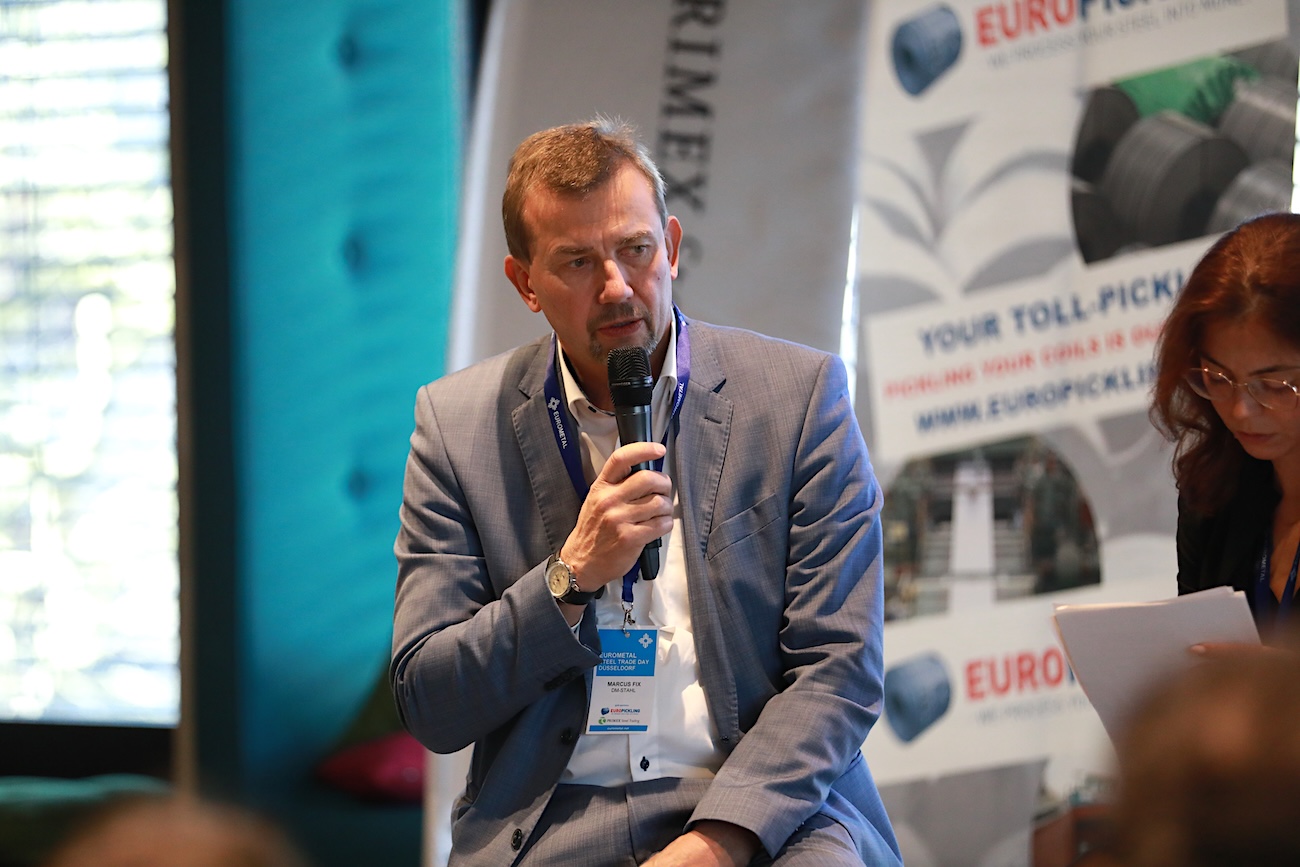
Germany’s IG Metall is one union which declined to participate in EUROMETAL’s Brussels rally in September. On the sidelines of the conference, speaker Marcus Fix of DM Stahl told Kallanish that the union had felt that demonstrating shoulder to shoulder with employers would conflict with its upcoming demand for higher wages.
Another recent disappointment in Germany was the national steel summit in November, which Fix described as embarrassing, because the discussions there “widely ignored the customers of the mills – us”.
Those heavily impacted by the increased imports of steel-containing products including fabricators, who are arguably the biggest group in terms of companies. But mainly small and medium-sized enterprises (SMEs) are too small to act. “These people have to care for their businesses and have not the time and staff to be political,” said Julius.
Carmakers and other big OEMs certainly have a better position for lobbying to protect their markets but refrain from pledging to buy European when it comes to sourcing components. When lobbying in Brussels, “they want to take the benefits, but not the responsibility,” said Jaap Jan Aardenburg, trade affairs at Tata Steel Nederland.
Fix added that “we are the hot dog in the middle, bitten by both ends”.
Author: Christian Koehl Germany