


Die Vernetzung und Digitalisierung der Supply Chain ist der Schlüssel zum Erfolg
marketSTEEL im Interview mit Frau Ilse Henne, Chief Transformation Officer, thyssenkrupp Materials Services
marketSTEEL: thyssenkrupp befindet sich in einem großen Veränderungsprozess. Inwieweit ist thyssenkrupp Materials Services davon betroffen?
Ilse Henne: Materials Services ist eine wichtige Säule von thyssenkrupp. Wir verfügen über eine starke Marktposition: Als größter werksunabhängige Werkstoffhändler und Dienstleister der westlichen Welt sind wir die Nummer 1 in Deutschland und in Europa sowie die Nummer 3 in Nordamerika. Wir haben uns vielfach bewährt und treiben unsere Transformation sehr aktiv voran. Der Vorstand von thyssenkrupp glaubt klar an die Leistungsfähigkeit und die Strategie von Materials Services. Das hat unsere Vorstandsvorsitzende Martina Merz erst kürzlich auf der Hauptversammlung bestätigt.
marketSTEEL: Sie sprechen von einer Transformation von Materials Services. In welche Richtung soll denn die Reise gehen?
Ilse Henne: Die Basis für unseren Erfolg ist das erprobte Geschäftsmodell Materials And Services, unser industrieübergreifender Kundenstamm und unser diversifiziertes Portfolio. Das Handelsgeschäft ist unser Fundament und bleibt auch Teil unseres Kerngeschäfts. Aber Kundenbedürfnisse verändern sich und gehen ganz klar in Richtung Dienstleistung. Daher verändern wir uns von Materials AND Services zu Materials AS A Service. Service ist unser neues Material. Wir bauen unser Angebot sukzessive insbesondere im Bereich des intelligenten Supply Chain Managements aus und stellen uns so auf, dass wir sogar als reiner Service-Anbieter agieren können. Wir wollen zu dem Schlüsselakteur für eine smartere Verbindung zwischen Menschen und Material werden.
marketSTEEL: Sie sagen, dass Sie das Supply Chain Services Geschäfts ausbauen wollen. Was macht Sie zuversichtlich, dass Ihre Leistungen von Ihren Kunden nachgefragt werden?
Ilse Henne: Mit unseren weltweit 250.000 Kunden haben wir den Puls direkt am Markt. Und wir befragen unsere Kunden regelmäßig. Daher wissen wir, dass sie sich auf ihr Kerngeschäft konzentrieren wollen. Die zuverlässige Versorgung mit den dafür notwendigen Werkstoffen ist für unsere Kunden zwar erfolgskritisch – ihr Geld verdienen sie damit aber nicht. Hier übernehmen wir. Materials Services ist ein vorausschauender Netzwerkbauer, der anpackt, damit die globale Zusammenarbeit auch bei komplexen Lieferketten und schwierigen Rahmenbedingungen gut funktioniert. Die Vernetzung und Digitalisierung der Supply Chain unserer Kunden ist der Schlüssel zum Erfolg – und daran arbeiten wir.
marketSTEEL: Während der Pandemie haben sich globale Lieferketten als fragil erwiesen. Erleben wir in Sachen Supply Chain Management nun eine Ära der Glokalisierung?
Ilse Henne: Ohne globale Netzwerke, ohne Multisourcing wird es auch in Zukunft nicht funktionieren. Mit den Erkenntnissen aus der Coronapandemie – nämlich, dass man in der Lage sein muss, noch flexibler im Supply Chain Management zu agieren, lassen sich neue Vorteile aus globalen Lieferketten ziehen. Wer auf zahlreiche unterschiedliche Quellen zugreift und mithilfe von Daten und Digitalisierung den Überblick behält, kann weltumspannende oder lokale, kurzfristige Veränderungen gut managen. Deswegen sind wir schon heute dabei, die Strukturen der globalen Supply Chains neu zu denken. Es geht darum, Flexibilität, Effizienz und Sicherheit miteinander zu verbinden und Komplexität zu bewältigen. Wir nennen das `Connecting smarter´.
marketSTEEL: Digitalisierung wird also immer wichtiger. Wo steht Materials Services?
Ilse Henne: Materials Services ist bereits sehr digital. Dass wir unser Handelsgeschäft automatisieren und digitalisieren, versteht sich dabei von selbst. Unsere Kunden können bei uns schon lange als Teil unsere Omnichannel-Strategie über digitale Kanäle bestellen: in Nordamerika bei Onlinemetals, in Deutschland über das B2B Portal von Schulte und seit neuestem in Großbritannien über Steelbay Exchange. Dies sind nur drei Beispiele für verschiedene Online Shops und Kundenportale, die bei uns zum Einsatz kommen. Aber: Es geht ja nicht nur darum, das Handelsgeschäft über andere Kanäle zu lenken. Unser Ansatz greift viel tiefer: Wir übersetzen das, was wir schon lang für uns selber tun immer mehr in Lösungen und Produkte für unsere Kunden. Dazu gehört beispielsweise unsere selbst entwickelte IIoT-Plattform toii. toii ermöglicht es uns und unseren Kunden, die Auslastung von Anarbeitungsmaschinen zu verbessern und damit Prozesse über die gesamte Supply Chain hinweg zu automatisieren und effizienter zu gestalten. Ein anderes Beispiel in Sachen IT ist unser Supplier Network Tool. Diese Plattform ermöglicht es uns, die Kapazitäten externer Anarbeiter mit unseren Kunden zu vernetzen. Mit unserer Strategie Materials as a Service bauen wir also unser IT-basiertes Dienstleistungsportfolio aus und entwickeln neue, skalierbare Geschäftsmodelle.
marketSTEEL: Welche Rolle spielt in Ihrem Geschäft der Faktor Nachhaltigkeit?
Ilse Henne: Nachhaltigkeit ist ein zentraler Baustein unserer Agenda und fest in unserer Unternehmensvision verankert. Für uns hat Nachhaltigkeit dabei eine ökonomische, ökologische und soziale Komponente: Wir wollen die zur Verfügung stehenden, endlichen Ressourcen bestmöglich einzusetzen – schonend und verantwortungsvoll. Das betrifft Materialen, Rohstoffe, finanzielle Mittel und Menschen. Wir gehen auch hier sehr konsequent und in vielen Schritten voran: Denn in einem so vielschichtigen Geschäft wie dem unseren, gibt es viele Hebel. Ob in der Produktion, in der Verarbeitung, in Vertrieb, Lager und natürlich besonders auch in der Logistik – überall gibt es Chancen, nachhaltiger zu werden. Durch Logistik- und Fahrtwegoptimierung, den Einsatz regenerative Energien und die Vermeidung von Verschwendung. Und auch hier spielt die digitale Transformation eine wichtige Rolle.
01.03.2021 von Dagmar Dieterle
MEPs: Put a carbon price on certain EU imports to raise global climate ambition
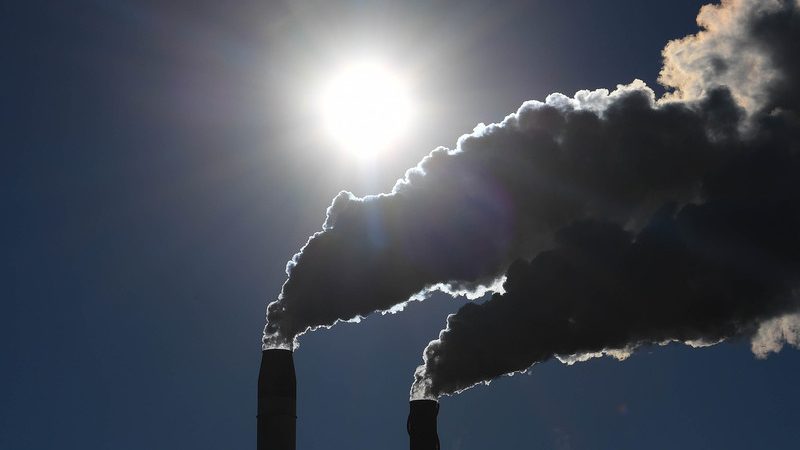
To raise global climate ambition and prevent ‘carbon leakage’, the EU must place a carbon price on certain imports from less climate-ambitious countries, say MEPs.
On Wednesday, Parliament adopted a resolution on a WTO-compatible EU carbon border adjustment mechanism (CBAM) with 444 votes for, 70 against and 181 abstentions.
The resolution underlines that the EU’s increased ambition on climate change must not lead to ‘carbon leakage’ as global climate efforts will not benefit if EU production is just moved to non-EU countries that have less ambitious emissions rules.
MEPs therefore support to put a carbon price on certain goods imported from outside the EU, if these countries are not ambitious enough about climate change. This would create a global level playing field as well as an incentive for both EU and non-EU industries to decarbonise in line with the Paris Agreement objectives.
MEPs stress that it should be WTO-compatible and not be misused as a tool to enhance protectionism. It must therefore be designed specifically to meet climate objectives. Revenues generated should be used as part of a basket of own revenues to boost support for the objectives of the Green Deal under the EU budget, they add.
Mechanism to be linked to a reformed EU Emissions Trading System (ETS)
The new mechanism should be part of a broader EU industrial strategy and cover all imports of products and commodities covered by the EU ETS. MEPs add that already by 2023, and following an impact assessment, it should cover the power sector and energy-intensive industrial sectors like cement, steel, aluminium, oil refinery, paper, glass, chemicals and fertilisers, which continue to receive substantial free allocations, and still represent 94 % of EU industrial emissions.
They add that linking carbon pricing under the CBAM to the price of EU allowances under the EU ETS will help to combat carbon leakage but underline that the new mechanism must not lead to double protection for EU installations.
You can watch a video of the plenary debate here.
Quote
After the vote, Parliament rapporteur Yannick Jadot (Greens/EFA, FR) said:
“The CBAM is a great opportunity to reconcile climate, industry, employment, resilience, sovereignty and relocation issues. We must stop being naïve and impose the same carbon price on products, whether they are produced in or outside the EU, to ensure the most polluting sectors also take part in fighting climate change and innovate towards zero carbon. This is our best chance of remaining below the 1.5°C warming limit, whilst also pushing our trading partners to be equally ambitious in order to enter the EU market.
Next steps
The Commission is expected to present a legislative proposal on a CBAM in the second quarter of 2021 as part of the European Green Deal as well as a proposal on how to include the revenue generated to finance part of the EU budget.
Background
Parliament has played an important role in pushing for more ambitious EU climate legislation. It declared a climate emergency on 28 November 2019 and wants the EU and its member states to become climate neutral in 2050 and reduce GHG emissions with 60% by 2030.
Source: europarl.europa.eu
Eurofer suit la future taxation carbone de près
L’Association européenne de l’acier suit avec attention le travail du Parlement européen concernant un nouveau mécanisme de taxation carbone.
Depuis le début de la semaine, le Parlement européen travaille sur une résolution devant déboucher sur un nouveau mécanisme de taxation carbone aux frontières de l’Union sur les produits importés.
Si la raison première est de réduire la «fuite de carbone» – c’est-à-dire la délocalisation d’entreprises qui veulent éviter les normes environnementales européennes –, cette résolution pourrait également faire les affaires de la sidérurgie européenne. Cette dernière se plaint en effet régulièrement d’une concurrence déloyale des producteurs d’acier des pays tiers, notamment la Chine et la Russie, voire même la Turquie .
Les sidérurgistes de ces pays, qui n’ont en effet guère d’intérêt pour les normes environnementales européennes, exportent leur acier – souvent moins cher que l’acier européen – sur le continent sans être pénalisés. Ce qui dérange sensiblement les acteurs sidérurgiques européens, qui sont obligés d’investir pour tenter de rendre plus «propre» l’acier.
La résolution en chantier ira donc dans le «bon» sens, du point de vue des sidérurgistes. «Si c’est bien fait, alors oui, cela va dans le bon sens», nuance-t-on du côté de l’Association européenne de l’acier (Eurofer), qui reste sur ses gardes. «Il ne faut pas que ce futur mécanisme élimine le mécanisme existant dit ‘ free allocation of allowances ’», explique-t-on, sous peine de voir les sidérurgistes européens encore plus pénalisés. «Pour le moment, la position de la Commission européenne penchait vers une situation avec un seul mécanisme, mais le Parlement européen a confirmé l’article 28 de sa résolution afin de garder le mécanisme de ‘free allocation of allowances’ en plus de ce nouveau mécanisme. Ce qui est d’ailleurs notre position, car nous avons besoin de cette défense», assure-t-on du côté d’Eurofer, qui précise: «Pour le moment, c’est juste un signal. La résolution du Parlement européen ne change pas l’aspect législatif, et rien ne va changer au niveau de la loi. Il faut attendre le mois de juin, avec la proposition législative de la Commission européenne.»
Pas de remède miracle
En supposant que la Commission européenne aille dans le sens du Parlement et d’Eurofer en dotant l’Union européenne d’un nouvel outil pour encourager la décarbonation (d’autres diront de protectionnisme), le secteur sidérurgique, souvent en crise, ne guérira pas pour autant de tous ses maux. «Le problème de l’acier n’est pas juste l’Europe. Le problème de surcapacité mondiales est toujours présent, et la résolution discutée au Parlement n’y changera rien. On a besoin d’une réforme globale sur les surcapacités, d’une réforme au niveau des mesures antidumping et des pratiques anticoncurrentielles des tiers pays, d’une réforme des quotas de CO2 ou encore de plus de soutien au niveau de l’innovation, pour ne citer que certains points», assure-t-on du côté d’Eurofer.
Écrit par Jeremy Zabatta
Publié le 10.03.2021

Czech steel association releases figures showing 2020 production decline
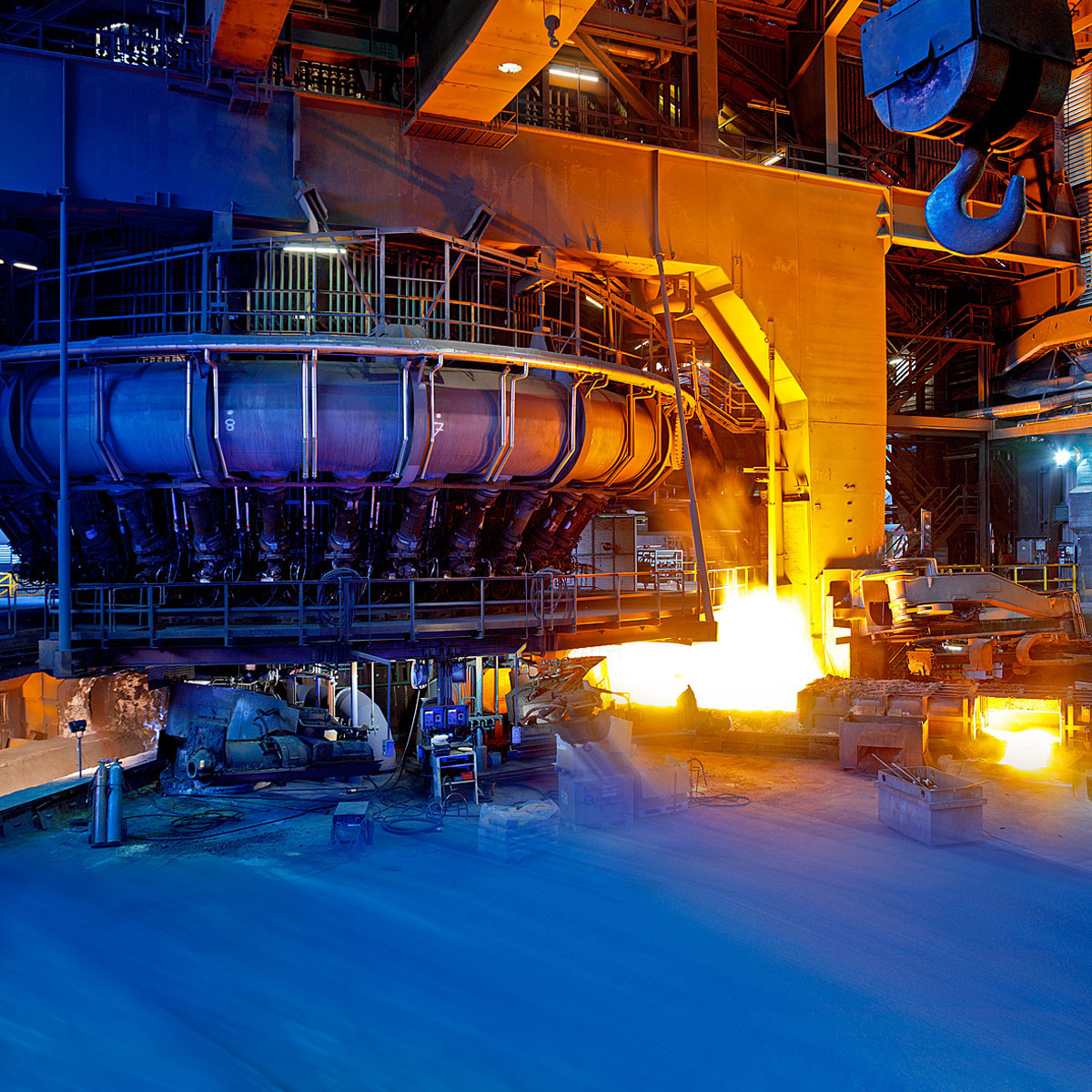
Czech crude steel production dropped by 2.6% in 2020 to 4.3 million mt from 4.6 million mt a year earlier, the Czech Steel Union, representing the country’s biggest producers, said in a statement March 9.
Production of long products fell slightly in 2020 to total 2.9 million mt, while flat products increased to 1.1 million mt, with steel tubes accounting for the rest of production last year, the association said. Comparable product figures for 2019 were not given.
The Steel Union said demand, especially in Europe, and prices recovered strongly in the second half of the year after production fell by around 25% in the spring of 2020 due to the impact of the COVID-19 pandemic and the closure of many factories.
Steel imports into the Czech Republic fell back slightly to 6.6 million mt in 2020 from 7.0 million mt a year earlier, the association added. Steel imports from Turkey rose in spite of protective measures taken by the EU. Russian steel imports held steady, and there was a significant fall in exports from China, said Steel Union board chairman and managing director of Vitkovice Steel Dmitrij Scuka.
Czech steel exports in 2020 – two-thirds of which were directed to neighboring EU countries – totaled 4.4 million mt, roughly unchanged from 2019 levels. The value of steel exports dropped slightly last year to Koruna 89 billion ($4.03 billion) from Koruna 96.8 billion in 2019, the association added. “There was a significant fall in exports to the United States due to [Donald] Trump’s duties,” Scuka added, referring to the import duties on imports of EU steel imposed by the former US president from June 1, 2018.
The Czech Steel Union said the outlook for 2021 is difficult to predict because of the ongoing pandemic and difficulty forecasting whether current high prices for raw steel and steel products will continue even as raw material prices have climbed on par with finished steel prices.
The Steel Union is made up of large producers like Liberty Ostrava, part of the multinational Liberty Steel group, Vitkovice Steel, and Trinec Zelezarny.
— Chris Johnstone

European steel coil lead times extend through Q3
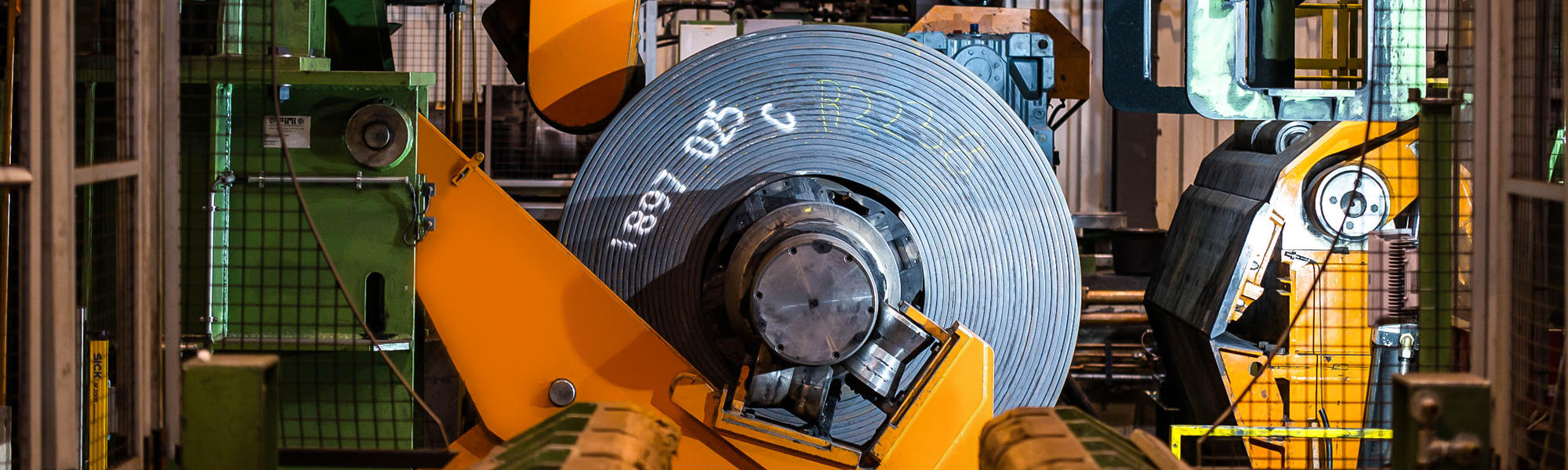
European hot-rolled coil prices were heard slightly higher in the market March 9 as longer lead times and an absence of imports incentivized mills to increase the cost for flat steel, sources told S&P Global Platts.
Higher prices are anticipated among European sources, with inventories expected to dwindle.
“Inventories are decreasing more than the volume of arrival of new material,” a Benelux service center source said. “Stocks are too low and that might have an impact on production.”
A German mill source echoed this sentiment and said inventories would continue to go down, with prices increasing to the “area of what Arcelor Mittal announced,” on Feb. 26.
Lead times for cold-rolled and hot-dip galvanized material were heard for August-September.
“Lead times are the biggest problem. Capacity isn’t coming back. I think it’ll be a problem during the summer holidays,” a Benelux service center source said. “Prices will increase, stockholders have nothing.”
…
Meanwhile, imports were quiet on the market, with foreign prices increasing gradually, minimizing their appeal to domestic buyers.
…
— Amanda Flint
Chinese automobile output falls in January
Chinese automotive production was 2.39 million units in January, down 15.92% month-on-month but up 34.6% year-on-year, according to data from the China Association of Automobile Manufacturers (CAAM).
Passenger car and commercial vehicle output was 1.91m units and 478,000 units respectively, up 32.4% and 44.3% y-o-y. New energy vehicle production surged 290% y-o-y to 194,000 units. Due to the strong performance of commercial vehicles, Chinese automotive steel demand fell more slowly than automotive production on-month, Kallanish notes.
Implied finished steel demand calculated by Kallanish from the CAAM data was down 9.83% m-o-m at 4.14 million tonnes in January. Monthly demand fell for the first time since last September.
In addition, the National Development and Reform Commission said on 8 March that it will continue to carry out policies to support rural car purchases and car trade-ins. It has also instructed some regions and cities to continue to liberalise purchasing restrictions for new energy vehicles. These policies are expected to support automotive steel demand in 2021.
By Kallanish Team

Bekaert bullish over 2021 after 2020 sales fall
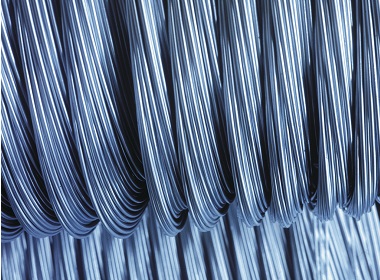
Belgian wire specialist Bekaert’s outlook for 2021 demand and performance in its key markets is bullish. The company aims to reach at least €4 billion ($4.7 billion) in consolidated sales, up from €3.8 billion in 2020, it says in an earnings statement obtained by Kallanish.
Bekaert has noticed a strong rebound in several markets in recent months. However, global economic uncertainty remains high, it warns. “The strong performance we delivered in the difficult year of 2020 and our determination to stimulate value creation by further enhancing our business portfolio and seizing value growth in robust markets have made us more confident about the future potential of Bekaert. We are therefore raising our ambitions for the coming years,” the firm says.
Bekaert’s sales of €3.8 billion in 2020 were lower than 2019 by 12.7% due to the heavy impact of the Covid-19 pandemic in the first half of 2020. Ebitda stood at €479 million, an increase of 2% y-o-y.
Bekaert’s Steel Wire Solutions division was strongly affected by Covid-19 in the second quarter of 2020, but sales rebounded in the last quarter with a 10% growth compared to Q4 2019. This was driven by increased sales in EMEA, China and Latin America. The business unit reported a sales decrease of 7.9% on-year in 2020.
The Specialty Businesses unit reported a sales decrease of 5.9% in 2020 due to a volume fall of 8.7% and adverse currency effects.
Bridon-Bekaert Ropes Group (BBRG) also recorded a sales decline of 13% compared to last year, driven by lower volumes. BBRG’s advanced cords business, A-Cords, saw decreased sales in automotive markets but solid demand from elevator and timing belt markets.
Bekaert’s board of directors has permanently appointed Oswald Schmid as chief executive officer. Schmid has been leading the Bekaert group as interim ceo since 13 May 2020.
Natalia Capra France
German construction to slow in 2021
German construction kept flourishing in 2020, little harmed by the Covid-19 pandemic, Kallanish learns from industry federation Hauptverband der Deutschen Bauindustrie. For the current year, expectations are more modest altogether, partly due to higher costs, which also includes higher steel prices.
German construction companies in 2020 generated a collective turnover of €143 billion ($170 billion), 6% more than in 2019, also due to lower price increases for material prices.
Residential construction performed best in 2020 as a whole, with a nominal increase in turnover of 10.5%. By contrast, commercial construction could not escape the uncertainty of investors; turnover here was only 1.2% above the previous year’s level. In public construction, revenue increased by 6.2%. In order to cope with the additional production, the companies increased their workforce by 22,500 or 2.6% to 893,000 employees on average.
“For this year, we are only assuming a nominal stagnation in turnover, but in real terms a decline in turnover of 2%. We cannot completely free ourselves from the Covid-19 crisis,” says Tim Lorenz, vice president economy of the federation. “After all, our sector is lagging behind the overall economic development. Commercial building construction in particular is already affected by declining investments in industry and the service sectors.” This is already visible in the weaker development of orders, he adds.
Into 2021, the additional discrepancy between market demand and rising prices for building materials has increased drastically. This is reflected in the stronger increase in construction prices. These are due to the VAT standard rate, which was reduced in 2020, and also due to the prices of building materials such as steel or bitumen, Lenz notes.
Christian Koehl Germany
Unions seek Liberty government support after Gupta meeting
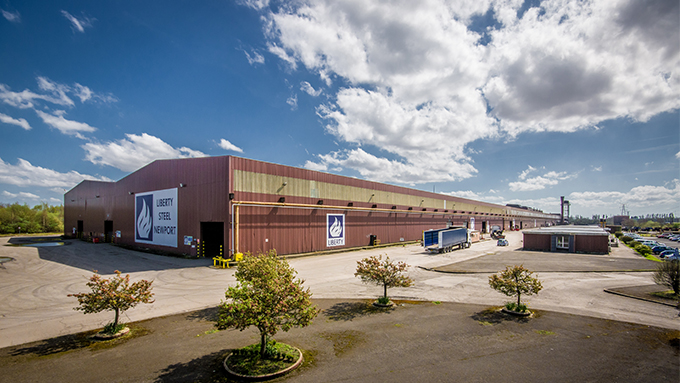
UK trade unions say government must “take an active role” to safeguard jobs under threat at Liberty Steel from the collapse of major lender Greensill Capital. Following a meeting with Sanjeev Gupta on Tuesday, unions say it is clear the Liberty magnate is seeking funding to secure business continuity.
“It is clear Mr Gupta intends to secure a refinancing of the debt to provide the business with the necessary liquidity going forward,” the National Trade Union Steel Coordinating Committee says in a note sent to Kallanish. “We recognise Mr Gupta’s desire to see Liberty Steel succeed, and recognise also his personal contribution in giving distressed UK steel assets a new lease of life.”
Liberty is a strategic UK business that supplies sectors including defence and energy, as well as a low-carbon steelmaker, “and the assets must be central to any strategy to decarbonise our steel industry”, the unions continue.
Unions say they are encouraged by the government initiative to convene the Steel Council meeting last week. In it, business secretary Kwasi Kwarteng said government has provided over £500 million ($693.4m) in relief to help make electricity costs more competitive. It has also established a £250m Clean Steel Fund to support the decarbonisation of the steel sector.
To build back better and greener the UK needs a sustainable steel industry, unions say. “A future must be found to prevent us having to rely on high-carbon imports from countries that don’t play by the same rules,” they comment.
Greensill filed for insolvency earlier this week, citing GFG Alliance being unable to pay its debt. Liberty Steel’s parent company said on Friday: “We are making progress in our discussions with financial institutions that can help diversify our funding.”
Adam Smith Germany
Nickel price fall endangers Italian stainless scrap increases
Italian stainless steel scrap prices are increasing this month as expected thanks to a strong demand, particularly for finished flat products, and last month’s increases in nickel values.
However, nickel has been see-sawing lately and its prices have declined significantly in March. This should have an impact on next month’s scrap contracts for delivery at the end of March and in April. Italian mills’ scrap purchase prices are based on the previous month’s nickel values, unlike French mills that consider nickel prices in the current month, sellers tell Kallanish.
At present, 304 grade stainless steel scrap is sold at €1,420-1,430/t ($1,688-1,700) delivered on average. Grade 316 has reached €1,880-1,900/t delivered this month, with an increase of almost €200/t ($238) compared to the beginning of February, mainly driven by low availability, sources say.
Meanwhile, offers for nickel cash buyers were at $19,352/t as of 24 February and sunk to $15,916/t on 9 March, Kallanish is told.
Natalia Capra France