

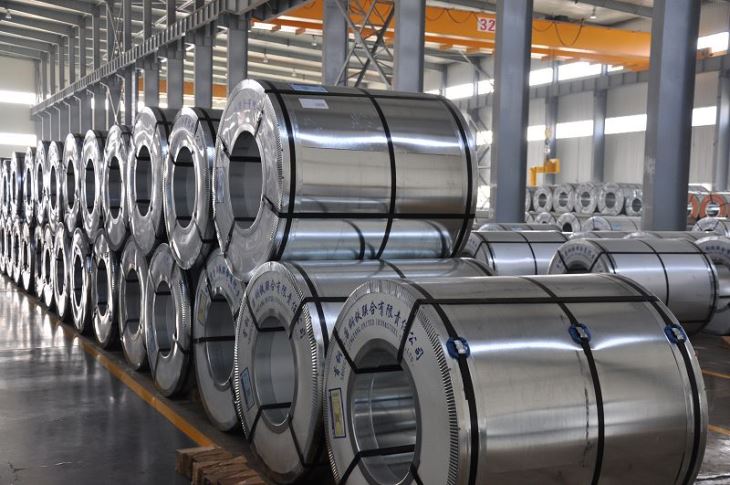
EU HRC lower as mills eye reduced demand
The EU HRC market remained quiet April 22 with little transactional activity, though mills were reported as relaxing negotiable levels to stimulate demand.
In Northern Europe, hot-rolled coil was assessed down Eur5 at Eur1325/mt ex-works Ruhr.
Service center sources reported tradable value on a variety of ranges, with all citing below Eur1350/mt as a new workable level.
“I’ve heard mills have open capacity due to reduced demand and cancelled orders from the automotive sector. Offers have moved to below Eur1350 but buyers are still waiting – there’s no rush to restock as stock levels are good, we’d rather see stability in the market before resuming purchasing,” said one buyer source.
A trader source remarked the same, reporting offers between Eur1300-1350/mt – “There’s no activity so it’s hard to tell where prices actually sit on this range.”
According to another trader source, a Eur1300/mt price could be achieved from mills on a firm bid. The source predicted a market correction of Eur100-200/mt or even higher in the near-term.
The barrier to lower pricing, as reported by mill sources, are rising energy costs, which presents a strong pricing floor for mills given production margins.
In South Europe, HRC was assessed stable at Eur1250/mt ex-works Italy.
Mill offers were reported at around Eur1250/mt, with a distributor source reporting deals on the day at said level. Sources predicted prices to fall further, with a mill source reporting bids at Eur1200/mt.
“Buyers are still resisting these levels, citing import offers at Eur1100/mt and below. There’s a willingness to buy, but still some reluctance to current prices.”
— Benjamin Steven


European stainless surcharges jump in May after nickel volatility
Monthly alloy surcharges on nickel-bearing stainless steel flat-rolled products in Europe are set to move sharply higher in May following severe volatility in the nickel futures market last month.
Finland’s Outokumpu, the continent’s largest stainless steel producer, set its alloy adjustment factor for type 304 (4301) flat products at Eur3,844/mt ($4,152/mt) for May, up Eur593/mt, or 18%, from April.
The London Metal Exchange suspended trading in it nickel contract on March 8 after the three-months price reached an all-time high of $101,365/mt in early trading, having closed at $48,078/mt March 7.
Trading resumed on March 16 with a preset daily limit of 5%, of which the lower limit was hit early on in trading. The limit was then increased to 8% from March 17, 12% from March 18 and 15% from March 21, although the lower end was hit on each of these days.
Trading has been normal since March 25, within the 15% daily limit range, albeit at reduced volumes. For April-to-date, prices have been holding in a relatively narrow $32,000-$34,000/mt range.
Outokumpu’s surcharge for molybdenum-bearing type 316 (4401) flat products was set at Eur5,559/mt for May, up Eur776 from the previous month.
Molybdenum oxide prices have been stable at elevated levels so far this year, with the Platts daily oxide assessment holding in a $19.00-$19.40/lb range since early March — up from the 2021 average of marginally below $16/lb.
Outokumpu’s surcharge for nickel-free type 430 flat products is up Eur153 for May to Eur1,339/mt.
Ferrochrome prices have strengthened in recent months, with the European benchmark ferrochrome price settling at 216 cents/lb for the second quarter of 2022, up 20% from the first-quarter rollover level of 180 cents/lb.
— Andy Blamey

UK HRC market stable, demand relaxed from holidays
The UK hot-rolled coil market took a pause April 22, with Easter and bank holidays muting demand.
Hot-rolled coil was assessed stable April 22 at GBP1,225/mt on a DDP basis into the West Midlands, UK.
Sources unanimously reported a quiet market due to the Easter and bank holidays, reporting tradable values stable at GBP1,225/mt. Future price direction was less certain, with sources holding mixed sentiments.
“I’d expect a slight softening in the price going forward – nothing dramatic,” a service center source said. “Demand is low but that can change very quickly especially with the holidays at present. There’ll be a lack of excess stock in the market going into Q3 as no one’s restocked yet – we may see an uptick in activity in the coming weeks and prices rise as a result to recoup production costs.”
A mill source reported concern over slab supply and relevant production costs as a barrier to price cuts.
“There’s a threat of a slab increase – the floor may come up to meet us,” the mill source said. “Different dynamics are at play depending on how you source your slab.”
A trader source saw things differently, however.
“I’m in the camp that prices will definitely fall,” the trader said. “We’re only where we are because of the war and the disruption to slab supply chains, producers have largely been able to re-source material and a lot of the panic is gone from the market. We’re in a completely unprecedented situation with all-time high prices – I think the term “correction” is appropriate for where we’ll see price going forward. It will be interesting to see where things go.”
— Benjamin Steven
Global steel production down 6.8% on-year in Q1 to 456.6 mil mt
Global crude steel production fell 5.8% year on year in March to 161 million mt, bringing total output for the first quarter of 2022 to 456.6 million mt, down 6.8% fron the same period in 2021, according to World Steel Association data published April 22.
However, the March global production was 13% higher than February’s volume.
Largest producer China produced 88.3 million mt of crude steel in March, down 6.4% year on year, but rising 17.7% on the month and comprising 54.8% of total global crude steel output.
Total steel produced in China in Q1 was 243.4 million mt, down 10.5% year on year.
The world’s second-largest steel producer, India, increased output in March by 4.4% year on year and 7.9% month on month to 10.9 million mt, with Q1 production also up 5.9% year on year to 31.9 million mt.
The only other top-10 producer who saw production rise in March was Brazil with an estimated 3 million mt, up 5.4% year on year and 11.1% higher from the previous month. However, overall Q1 production was down 2.2% on the year to 8.5 million mt.
March production from Japan fell 4.3% on the year, but rose 9.6% from April to 8 million mt, with Q1 output also down 2.9% on the year to 23 million mt, the data showed.
Output from the US dropped 1.7% year on year, but climbed 9.4% month on month to 7 million mt in March, bringing the Q1 total to 20.3 million mt, down 0.4% from the same 2021 period.
Russia was estimated to have produced 6.6 million mt in March, down 1.8% year on year, but up 13.8% month on month, with quarterly production down 1.2% to an estimated 18.7 million mt.
Output from South Korea dropped 6.1% on the year in March to 5.7 million mt, although this was 9.6% higher than the previous month.
European production down
Crude steel production in the whole of Europe, including the UK, fell 7% year on year to 17 million mt in March, although this was up 8.9% month on month. Q1 production for the region totaled 48.7 million, down 3.9% from the same quarter in 2021.
Germany, the largest European steel producer, produced 3.3 million mt in March, down 2.9% year on year, but up 3.1% month on month.
The European steel market has been impacted in recent months by a lack of demand from the auto sector due to the ongoing semiconductor and chip shortage restricting vehicle production.
“I heard automotive have cancelled a lot of orders from mills so there’s a lot of open capacity,” a Nordic buyer source told S&P Global Commodity Insights.
“With competitive imports and buyer resistance to the current price levels, we may see prices come down in response to stimulate demand and fill capacities,” he added.
High energy prices have also been impacting production in Europe, with a Northern Service Center previously telling S&P Global that production levels were falling, and electric arc furnace mills were reducing shifts due to energy prices, with recent COVID-19 waves also not helping.
“I’ve heard some staff operating at 40% of their usual workforce. With high scrap prices and additional inflation from gas and electricity costs, EAF mills look to be in really big trouble,” the source said.
A northern mill source expected production to continue to fall in Europe over the next few months, especially due to a gas supply issue, which was making suppliers concerned over whether they’d be able to maintain production.
“Semi-conductors are still a problem, but orderbooks from automotive are still relatively full — production capacity can’t fall too far against these existing orders,” the source said.
Meanwhile, Turkey produced 3.3 million mt, down 2.9% on the year, but 10% higher than February’s volume.
Production of pig iron in March was 108.5 million mt, down from 115.9 million mt in March 2021, but up from the previous month’s 97.1 million mt.
Direct reduced iron produced worldwide in March amounted to 9.2 million mt, compared with 9.8 million mt a year ago and 8.1 million mt in February.
The data released covers the 64 countries that report to worldsteel, accounting for around 98% of the world’s crude steel production.
— Jacqueline Holman, Benjamin Steven
2022 wird die Zukunft der europäischen Stahlindustrie entschieden
Die Stahlbranche fordert schnelle Hilfe von der Politik. Die Umstellung auf Wasserstoff würde die Produktionskosten um 70 Prozent erhöhen – und etwa ein Mittelklasseauto bis zu 1000 Euro teurer machen.
Die Stahlindustrie drängt auf Investitionssicherheit auf dem Weg zum grünen Stahl. „Die politischen Rahmenbedingungen für milliardenschwere Investitionen müssen erst noch geschaffen werden“, sagte Hans Jürgen Kerkhoff, Präsident der Wirtschaftsvereinigung Stahl, auf der Handelsblatt-Jahrestagung „Zukunft Stahl“.
Die Branche habe einen „wirkungsvollen Hebel zur CO2-Reduktion“, sagte Kerkhoff. Die Zeit dränge aber. „Wir brauchen mehr Tempo.“ Notwendig sei „eine staatliche Flankierung für die Investitionen in CO2-arme Verfahren, die heute noch nicht wirtschaftlich sind“.
Auch Geert Van Poelvoorde, CEO von Arcelor Mittal Europe, warnte: „2022 wird entschieden, wie groß oder wie klein die europäische Stahlindustrie in Zukunft sein wird.“ Die bisherigen Pläne in Brüssel reichten nicht aus, um die Zukunftsfähigkeit der Branche zu sichern.
Grüner Stahl, der mit Wasserstoff statt Kohlenstoff hergestellt wird, ist derzeit in der Branche das große Thema. Denn die Stahlbranche steht für 30 Prozent der Industrieemissionen in Deutschland. Will Deutschland seine Klimaziele erreichen, muss laut Experten bis 2030 etwa ein Drittel der Primärstahlproduktion auf die Direktreduktionstechnologie mit Wasserstoff umgestellt werden, bis 2045 müssten alle Hochöfen ersetzt werden.
Bernhard Osburg, Vorstandschef von Thyssen-Krupp Steel Europe, betonte: „Die Stahlindustrie kann jetzt Geschichte schreiben.“ Die Branche könne der „Nukleus einer dekarbonisierten europäischen Wirtschaft“ sein. Allerdings stehe die Stahlindustrie im harten internationalen Wettbewerb. „Jeder Monat, der vergeht, schadet der Wettbewerbsfähigkeit.“
Das Problem: Der grüne Stahl ist teurer als konventionell produzierter. Laut einer neuen Studie von BCG, die dem Handelsblatt vorliegt, würden die Kosten pro Tonne Stahl bei Umstellung auf das Wasserstoffverfahren bis 2030 um etwa 70 Prozent steigen. Das entspricht einem Plus von etwa 260 Euro pro Tonne.
Höhere Preise für grünen Stahl
Damit würde sich der Preis eines Mittelklasseautos bei Verwendung von ausschließlich grünem Stahl den Berechnungen zufolge um knapp 250 Euro erhöhen, wenn die gestiegenen Kosten direkt umgelegt werden. Bei einer Waschmaschine wären es weniger als zwölf Euro.
Die Experten von Accenture gehen von 500 bis 1000 Euro beim Auto und etwa 30 Euro bei der Waschmaschine aus. Die Unternehmen müssten herausfinden, wie sie über die Vermarktung diese zusätzlichen Preise erzielen können, sagte Gerd-Michael Hüsken, Managing Director von Accenture.
Die Stahlhersteller könnten zudem in Kooperation mit den Kunden zum Beispiel in der Autoindustrie neue Produkte entwickeln, sagte Götz Erhardt von Accenture. Da habe die Branche in den vergangenen Jahren schon viel gemacht. „Nachhaltigkeit und Klimaschutz bieten Chancen, sich weiter zu differenzieren.“
Viele Hersteller haben entsprechend große Ziele verkündet. So soll die Stahlproduktion von Thyssen-Krupp bis 2045 klimaneutral sein. Die notwendigen Investitionen liegen für die Branche aber allein in Deutschland im zweistelligen Milliardenbereich.
Daher warten die Unternehmen auf den Startschuss der Politik für eine großflächige Förderung. Aus der Bundesregierung gibt es entsprechende Signale. Die Koalitionspartner hätten sich darauf verständigt, „dass das, was gebraucht wird, auch finanziert wird“, hatte Wirtschaftsminister Robert Habeck beim Energie-Gipfel des Handelsblatts im Januar gesagt.
Doch auch Brüssel sei gefragt, so Kerkhoff. „Deutschland kann den Weg nur in Europa und mit Europa gehen.“ Durch die geplante Überarbeitung des europäischen Emissionshandels drohten der deutschen Stahlindustrie Mehrkosten von bis zu 16 Milliarden Euro bis 2030.
Auch Osburg von Thyssen-Krupp appellierte an Brüssel. Die geplante Reduktion der kostenlosen Zertifikate sei nicht zu stemmen, wenn gleichzeitig Milliarden in die Transformation investiert werden müssen. „Stahl ist eine absolut systemrelevante Branche und eignet sich schon daher nicht für Experimente.“
Branche will Stahlproduktion in Deutschland halten
Der saarländische Wirtschaftsstaatssekretär Jürgen Barke sagte, auch für die Betriebskosten brauche es Unterstützung. Es müsse verhindert werden, dass die Produktion an andere Standorte verlagert werde. Dabei gehe es nicht nur um den Kampf gegen den Klimawandel. Die Coronapandemie habe gezeigt, wie wichtig es ist, auch bei den Grundstoffen nicht von Dritten abhängig zu sein.
Die Unternehmen treiben das Thema unterdessen voran. Thyssen-Krupp gab in dieser Woche den Startschuss für ein Reallabor am Standort Duisburg. Geplant sind der Bau einer Pipeline und die Ausweitung des Wasserstoffeinsatzes auf den gesamten Hochofen 9.
Thyssen-Krupp war einer der Vorreiter in der Branche. Der Konzern hatte 2019 als erstes Unternehmen weltweit in Duisburg Wasserstoff in einen laufenden Hochofen eingeblasen. Der Wasserstoff ersetzt dabei Kohlenstaub als zusätzliches Reduktionsmittel.
Schon früh auf die Produktion von CO2-armen Stahl in Elektrolichtbogenöfen setzte die Georgsmarienhütte. Der größte Hebel, um die Zahlen weiter zu drücken, sei der Ausbau der Erneuerbaren, sagte CEO Alexander Becker. „Wir wünschen uns wirklich, dass die neue Bundesregierung mutig und kraftvoll alles daransetzt, ihre Ziele zu erreichen.“
Im vergangenen Jahr war die Produktion von Rohstahl in Deutschland erstmals seit drei Jahren wieder gestiegen – um zwölf Prozent auf gut 40 Millionen Tonnen. Allerdings liegen die Hersteller damit immer noch unter dem Niveau von 2017 (gut 43 Millionen Tonnen).

Worldsteel-Prognose der Stahlnachfrage 2022/2023
19.04.2022 von Hubert Hunscheidt
Die aktuelle Prognose erfolgt vor dem Hintergrund des Krieges in der Ukraine und ist mit hoher Unsicherheit behaftet.
Inflation und Unsicherheit trüben die Aussichten für die Stahlnachfrage
Máximo Vedoya, Vorsitzender des worldsteel Economics Committee, kommentierte den Ausblick wie folgt: “Dieser kurzfristige Ausblick wird im Schatten der menschlichen und wirtschaftlichen Tragödie nach der russischen Invasion der Ukraine veröffentlicht. Wir alle wünschen uns ein möglichst schnelles und friedliches Ende dieses Krieges.
Im Jahr 2021 erwies sich die Erholung vom Pandemieschock in vielen Regionen als stärker als erwartet, trotz anhaltender Lieferkettenprobleme und COVID-Wellen. Eine stärker als erwartete Verlangsamung in China führte jedoch zu einem geringeren globalen Wachstum der Stahlnachfrage im Jahr 2021. Für 2022 und 2023 sind die Aussichten höchst unsicher. Die Erwartung einer weiteren und stabilen Erholung von der Pandemie wurde durch den Krieg in der Ukraine und die steigende Inflation erschüttert.”
Allgemein
Das Ausmaß der Auswirkungen dieses Konflikts wird von Region zu Region unterschiedlich sein, abhängig von ihrem direkten Handels- und Finanzengagement gegenüber Russland und der Ukraine. Es gibt unmittelbare verheerende Auswirkungen auf die Ukraine, Folgen für Russland und große Auswirkungen auf die EU aufgrund ihrer Abhängigkeit von russischer Energie und ihrer geografischen Nähe zum Konfliktgebiet. Die Auswirkungen werden auch weltweit durch höhere Energie- und Rohstoffpreise – insbesondere Rohstoffe für die Stahlproduktion – und anhaltende Störungen der Lieferkette zu spüren sein, die die globale Stahlindustrie bereits vor dem Krieg beunruhigten. Darüber hinaus werden die Volatilität an den Finanzmärkten und die erhöhte Unsicherheit die Investitionen untergraben.
Solche globalen Spillover-Effekte aus dem Krieg in der Ukraine, zusammen mit dem geringen Wachstum in China, deuten auf reduzierte Wachstumserwartungen für die globale Stahlnachfrage im Jahr 2022 hin. Weitere Abwärtsrisiken ergeben sich aus dem anhaltenden Anstieg der Virusinfektionen in einigen Teilen der Welt, vorwiegend in China, und steigenden Zinssätzen. Die erwartete Straffung der US-Geldpolitik wird finanziell anfälligen Schwellenländern schaden.
Die Aussichten für 2023 sind höchst unsicher. Unsere Prognose geht davon aus, dass die Konfrontation in der Ukraine im Laufe des Jahres 2022 zu Ende gehen wird, die Sanktionen gegen Russland aber weitgehend bestehen bleiben.
Darüber hinaus hat die geopolitische Situation um die Ukraine erhebliche langfristige Auswirkungen auf die globale Stahlindustrie. Dazu gehören eine mögliche Neuausrichtung der globalen Handelsströme, eine Verschiebung des Energiehandels und seiner Auswirkungen auf die Energiewende sowie die weitere Neugestaltung der globalen Lieferketten.
China
Die chinesische Stahlnachfrage verlangsamte sich 2021 aufgrund der harten staatlichen Maßnahmen gegen Immobilienentwickler erheblich. Die Stahlnachfrage im Jahr 2022 wird flach bleiben, da die Regierung versucht, die Infrastrukturinvestitionen anzukurbeln und den Immobilienmarkt zu stabilisieren. Die im Jahr 2022 eingeführten Impulse dürften das leichte positive Wachstum der Stahlnachfrage im Jahr 2023 unterstützen. Es gibt Aufwärtspotenzial durch substanziellere Konjunkturmaßnahmen, was wahrscheinlich ist, wenn die Wirtschaft aufgrund des sich verschlechternden externen Umfelds vor größeren Herausforderungen steht.
Fortgeschrittene Volkswirtschaften
Trotz der sporadischen COVID-Infektionswellen und der Lieferkettenbeschränkungen des verarbeitenden Gewerbes hat sich die Stahlnachfrage im Jahr 2021 vor allem in der EU und den USA stark erholt. Die Aussichten für 2022 haben sich jedoch aufgrund des Inflationsdrucks abgeschwächt, der durch die Ereignisse rund um die Ukraine noch verstärkt wird. Die Auswirkungen des Krieges werden in der EU aufgrund ihrer hohen Abhängigkeit von russischer Energie und Flüchtlingsströmen besonders ausgeprägt sein. Die Stahlnachfrage in den Industrieländern wird in den Jahren 2022 und 2023 voraussichtlich um 1,1% bzw. 2,4% steigen, nachdem sie sich 2021 um 16,5% erholt hat.
Entwicklungsländer ohne China
In den Entwicklungsländern stand die Erholung von der Pandemie angesichts der anhaltenden Auswirkungen der Pandemie und der steigenden Inflation vor größeren Herausforderungen, was in vielen Schwellenländern zu einem geldpolitischen Straffungszyklus führte. Nach einem Rückgang von 7,7% im Jahr 2020 wuchs die Stahlnachfrage in den Entwicklungsländern ohne China im Jahr 2021 um 10,7%, etwas weniger als unsere frühere Prognose. In den Jahren 2022 und 2023 werden die Schwellenländer ohne China weiterhin vor Herausforderungen stehen, die sich aus dem sich verschlechternden externen Umfeld, dem Krieg zwischen Russland und der Ukraine und der Straffung der US-Geldpolitik ergeben, was zu einem niedrigen Wachstum von 0,5% im Jahr 2022 und 4,5% im Jahr 2023 führen wird.
Stahlverwendende Sektoren
Die globale Bautätigkeit erholte sich weiter von den Lockdowns und verzeichnete trotz eines Rückgangs in China im Jahr 2021 ein Rekordwachstum von 3,4%. Die Erholung wurde durch einen Infrastrukturschub im Rahmen von Konjunkturprogrammen in vielen Ländern vorangetrieben, und diese und Investitionen im Zusammenhang mit der Energiewende werden wahrscheinlich das Wachstum des Bausektors in den kommenden Jahren vorantreiben. Der Bausektor sieht sich jedoch mit etwas Gegenwind durch steigende Kosten und Zinssätze konfrontiert.
Die Erholung der globalen Automobilindustrie im Jahr 2021 war enttäuschend, da die Lieferkettenengpässe die Erholungsdynamik in der zweiten Jahreshälfte aufhielten. Der Krieg in der Ukraine wird wahrscheinlich jede Rückkehr zur Normalität der Lieferkettenprobleme, insbesondere in Europa, verzögern. Trotz des Einbruchs der globalen Automobilproduktion wuchs das EV-Segment während der Pandemie exponentiell. Der weltweite Absatz von Elektrofahrzeugen erreichte im Jahr 2021 6,6 Millionen Einheiten und verdoppelte sich damit fast gegenüber 2020. Der Anteil von Elektrofahrzeugen am gesamten Autoabsatz stieg von 2,49% im Jahr 2019 auf 8,57% im Jahr 2021.
Quelle: World Steel Association / Foto: Fotolia

Germany throttles steel production in first quarter
Crude steel output at German mills in the first three months came to 9.8 million tonnes, 3.7% below the first quarter of 2021, steel association WV Stahl reports in its monthly statistics.
A general comparison between the two periods is tricky given crises factors of different nature, Kallanish notes. In the first quarter of 2021, the steel industry began catching up to the low of the first coronavirus wave in 2020. The first quarter of 2022 then was affected by extraordinarily high energy costs, and, in March, from the repercussions of the war in Ukraine.
WV Stahl attributes the modest production to mainly those recent factors, without giving details. Especially EAF mills are suffering from the high energy costs, and some have been heard interrupting production temporarily.
Production in the three months were relatively equal at 3.2 or 3.3m tonnes each. This figure is unusually low for March, though, and in fact was 12% below the corresponding month of 2021.
Christian Koehl Germany

More German mills reduce production on energy costs
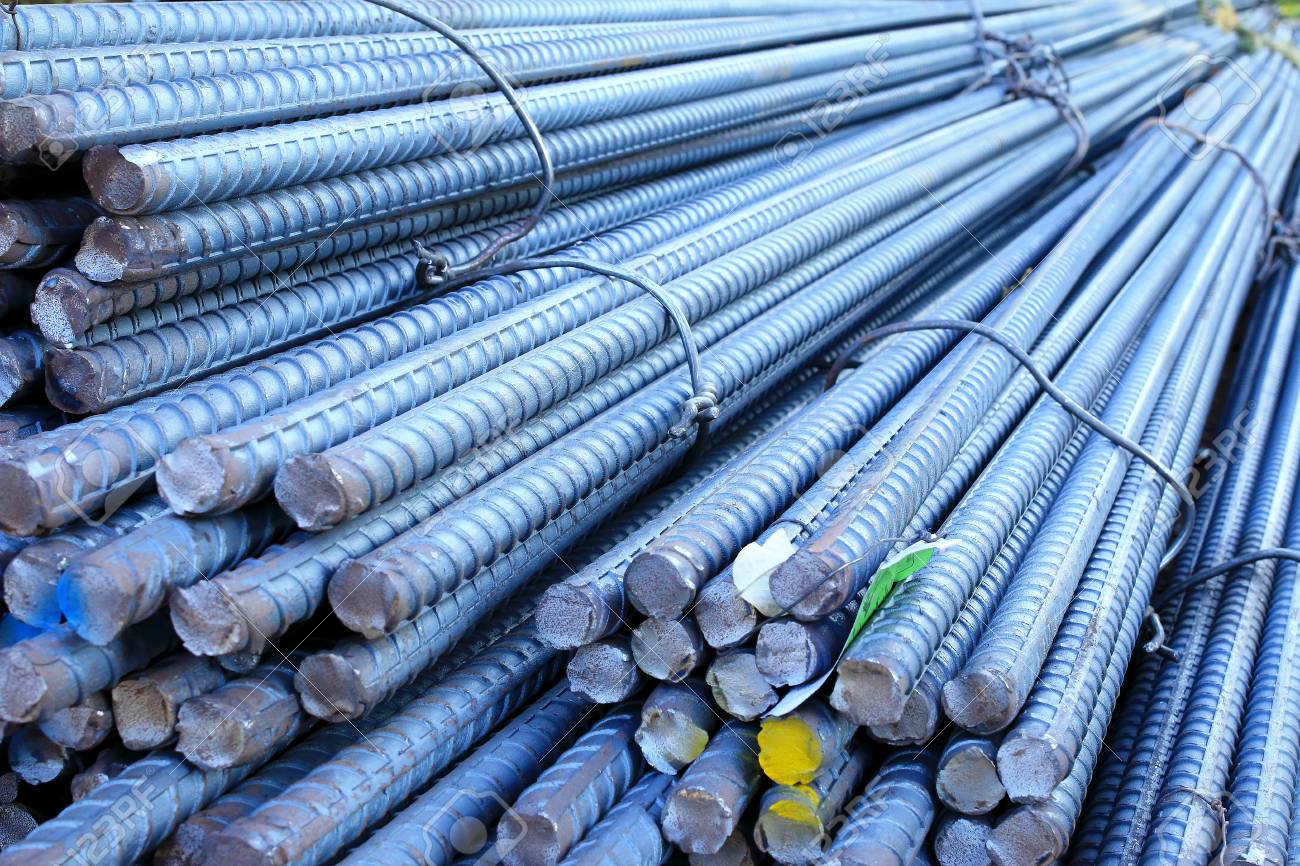
German rebar mill Badische Stahlwerke has been running on only one of two electric-arc furnaces in April, Kallanish learns from a source close to the company.
Although the demand for rebar is high in Germany, mills feel forced by the extreme increase of energy costs to reduce their production. Badische actually had an exceptionally long standstill of one EAF around the turn of the year already when it was renewing the foundation of one furnace. It then returned to full production for only a couple of months until idling one of the furnaces again. Both have a capacity of 1 million tonnes per year.
Another rebar mill, Lech Stahlwerke in Bavaria, was the first German steelworks that announced temporary downtimes of its EAF.
A speciality steel mill that introduced a stop-and-go modus of operations is Buderus Edelstahl, a unit of voestalpine. The standstills there affect the EAF and other energy-intensive units.
“The cost increases for energy are so dynamic that they cannot be forwarded to the market,” a spokesman of the company says.
Earlier on, ArcelorMittal introduced short working hours at its direct-reduced iron (DRI) plant in Hamburg, which runs on natural gas, in combination with an electric arc furnace. It “currently cannot operate economically feasible,” the group states.
Christian Koehl Germany
Feralpi expands in Spain
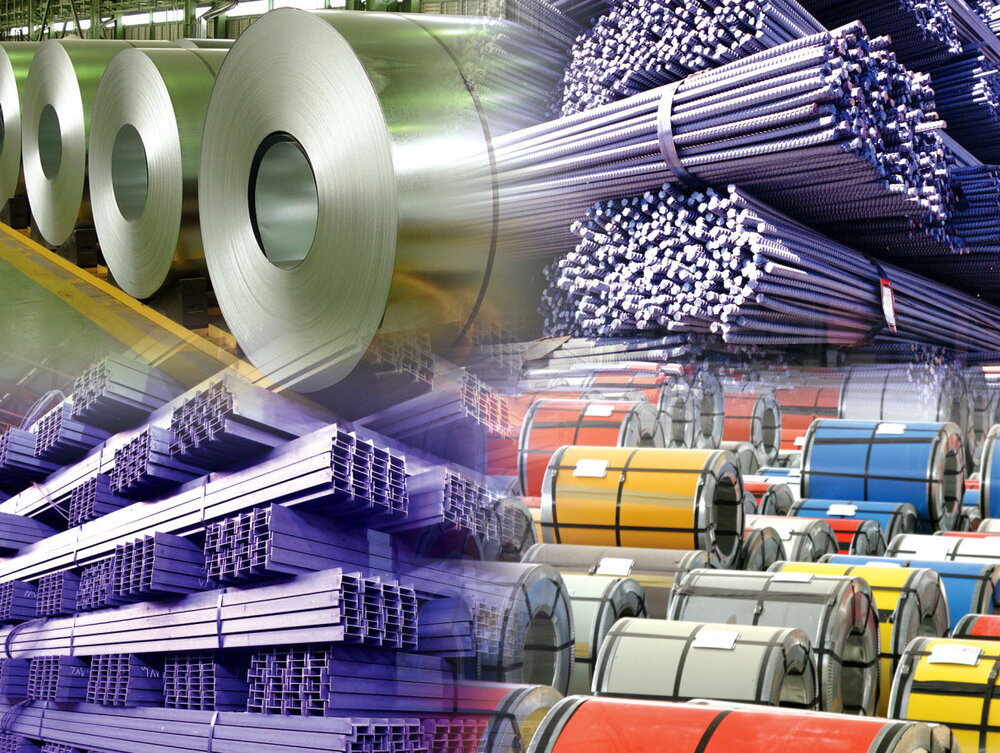
Italian rebar maker Feralpi has purchased Spanish wire re-roller Saexpa in line with its internationalisation strategy. Felapi acquired the company through its subsidiary Nuova Defim.
Saexpa counts two production facilities in Barcelona and Ripoll producing finished products for the logistic sector. The company, Feralpi tells Kallanish, has recorded significant growth over the past years, particularly on the export market serving 30 countries. In 2021, it achieved a turnover of €16 million ($17m). The acquisition reflects an opportunity for international development and verticalization in a highly profitable and booming logistics sector thanks to the global spread of e-commerce.
“With this operation the Feralpi Group strengthens its business unit of diversified products in line with the industrial plan which includes the optimization of the product mix and segments, maximizing market share and strengthening customer service… We can now expand our product range and find a stronger manufacturing structure that can generate new business opportunities ” Managing Director of Feralpi Group and president of Nuova Defim Giovanni Pasini comments in a note.
Deloitte acted as financial advisor.
Feralpi specialises in the production of steel for construction and other special applications. It employs 1,700 workers for a €1.24 billion turnover, Kallanish notes.
Natalia Capra France
Iron ore awaits Covid easing
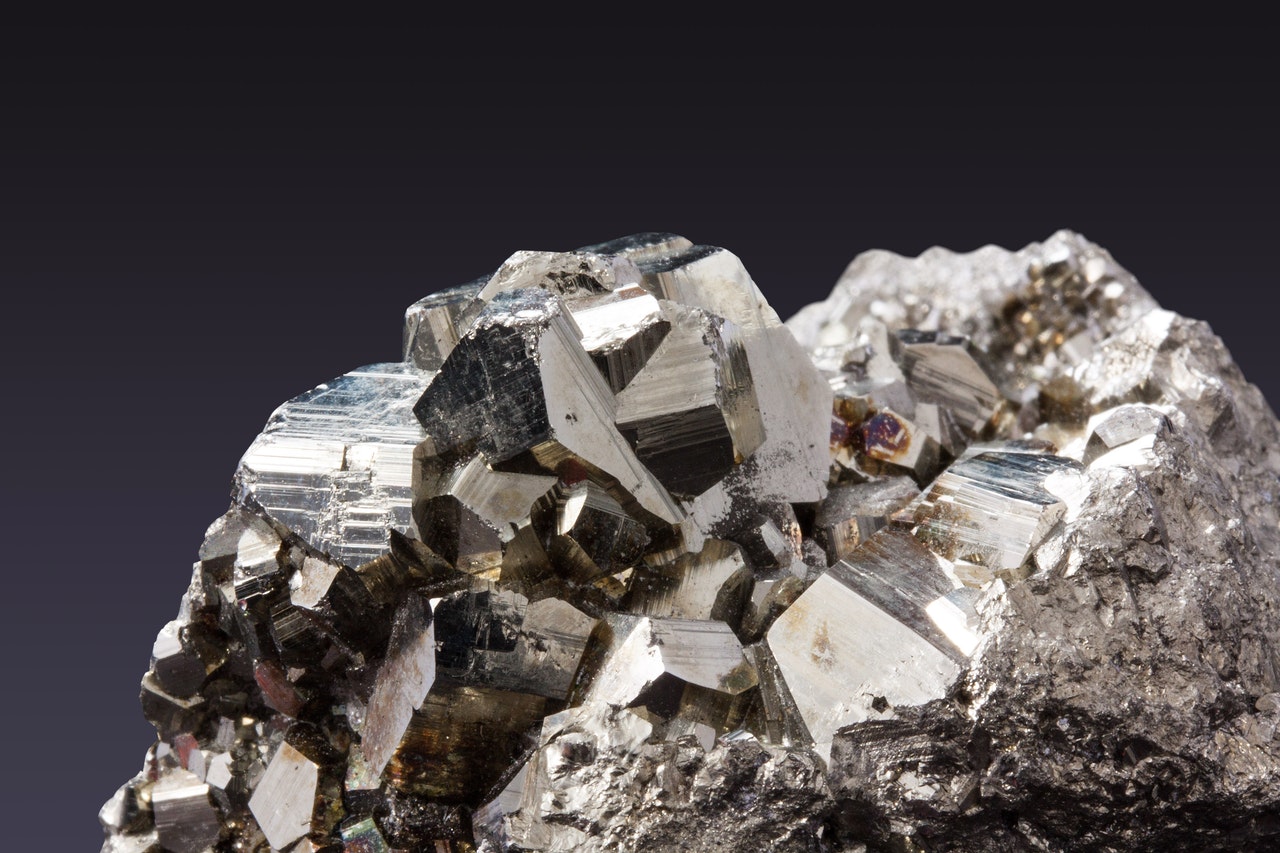
Seaborne iron ore prices remained in a holding pattern on Friday. Stocks are falling, but some volumes are trapped on transport, and the short term outlook remains clouded by Covid control measures.
The Kallanish KORE 62% Fe index inched $0.15/tonne higher to $151.35/dry metric tonne cfr Qingdao. The Kallanish KORE 65% Fe index gained $0.20/t to $175.20/dmt cfr, and the KORE 58% Fe index increased $0.32/t to $133.99/dmt cfr.
On the Dalian Commodity Exchange, September iron ore settled down CNY 132/t at CNY 890/t ($137.48/t), while on the Singapore Exchange May 62% Fe futures settled down 0.37/t at $150.77/t. The same contract for 65% Fe and 58% Fe futures settled down 0.59/t at $173.55/t, and up $1.64/t at $135.37/t respectively. In Tangshan, billet prices dropped CNY 40/t to CNY 4,830/t.
Chinese port inventories continue to decline, but renewed closures in Tangshan and elsewhere to control the spread of Covid continue to confuse the picture by disrupting the flow of material around the market. Iron ore stocks across 35 ports dropped 930,000t last week to 142.69 million tonnes, according to SMM. It notes the possibility of mill restocking pushing up prices ahead of the May Day public holiday.
While the outlook for the highly disruptive lockdown in Shanghai is improving, residents are unlikely to see a widespread lifting of restrictions until at least mid-May. Northern China is moving in and out of restrictions, including market-sensitive cities such as Tangshan. Logistics restrictions remain in place across a wide range of administrative boundaries.
Traders expect steel and raw materials markets to remain disrupted for some time, but are still keenly awaiting the impact of stimulus. Whether it makes economic sense, China appears to still be intent on coming close to its 5.5% GDP growth target. This target can only be achieved at the cost of inefficient stimulus and the retreat of economic reforms, but could set off a stronger cycle in steel and iron ore prices in the coming months.