


CBAM-prompted imports may deepen oversupply in EU
Some European stainless steel buyers expect an influx of material into EU ports towards the end of 2025 as importers attempt to avoid the added administrative and cost burden of CBAM.
The European Commission’s emissions-based Carbon Border Adjustment Mechanism is currently scheduled for a full rollout from January 1, 2026. Under the current plans, registered declarants – those approved by the Commission to import material – will have to report all imports and their carbon content from that date.
They will also have to buy and submit CBAM certificates to reflect the greenhouse gas emissions generated during the production of the goods they bring into the EU. This means they will effectively pay a charge based on the quantity of carbon emitted during the manufacturing process in the country of origin.
Under changes proposed by the Commission in February, the purchase of CBAM certificates would be delayed until February 1, 2027, however. This is part of a package of measures which aim to simplify the process and further smooth a transition period which started in October 2023. Approval of the amendment was expected as the Stainless Steel Review was published.
The need to report stainless steel imports and their emissions will remain, regardless of the amendments’ approval. Consequently, some MEPS respondents anticipate that import volumes will grow in quarter four. However, others highlight that weak demand may mitigate any upturn in imports.
Any increase in third-country shipments would be an unwelcome development for European mills. MEPS respondents say that the use of Indonesian-origin slabs as a basis for coil production, and a reduction of scrap prices, may be helping to preserve certain producers’ profit margins. Nonetheless, low selling prices are challenging their profitability.
Inventories are rising, meanwhile, due to a combination of low demand and the loss of export business in the United States, following the implementation of 25% Section 232 import tariffs on March 12. Changes to the EU’s import safeguard measures have done little to reduce imports in recent weeks.
The UK plans to roll out its own CBAM scheme in 2027. The EU and UK have agreed to work towards linking their Emissions Trading Systems, effectively exempting shipments between the two from CBAM’s associated cost and administrative burdens.
Mills under price pressure
The quarter one financial results of Europe’s largest stainless producers indicate that oversupply will continue to apply downward pressure to stainless steel prices.
Acerinox reported a 29% quarter-on-quarter increase in melt shop production, to 512,000 tonnes, from its consolidated operations in Europe and the United States. This came despite an acknowledgement that inventories had increased amid pressure from imports, which have increased their share of the European market to 22%.
Acerinox expects US tariffs to improve the profitability of its US operations. However, chief executive Bernado Velázquez raised concerns that many of the exports that previously ended up in the US, and that have lost competitiveness as a result of the tariffs – including European exports – may now end up in the EU.
Outokumpu’s stainless steel deliveries, in Europe, rose by 10.8% quarter-on-quarter and 5% year-on-year, to 318,000 tonnes, in quarter one. The value of the steelmaker’s sales rose by a lesser 9.8% quarter-on-quarter and 3.4% year-on-year due to reduced selling prices.
Shipments from Aperam’s stainless and electrical steels division rose from 401,000 tonnes to 421,000 tonnes quarter-on-quarter. Nonetheless, its earnings before interest and tax declined by 30% quarter-on-quarter and 67% year-on-year, to EUR34m. The decrease was attributed to “intensive pricing pressure in Europe”.
All three producers forecast a more profitable quarter two. However, Aperam chief executive Timoteo Di Maulo said that reliable projections for the remainder of the year are “challenging in the current volatile environment”.

European long steel market remains subdued amid summer slowdown, CBAM uncertainty
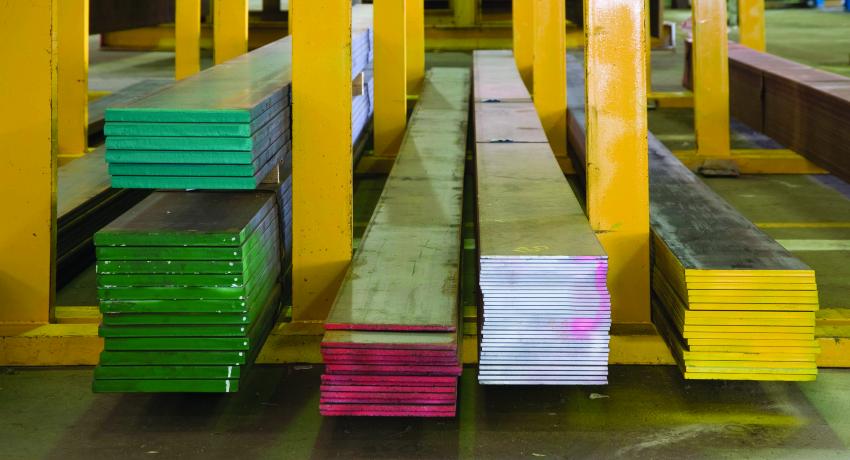
The European domestic long steel market remained subdued in the week to June 4, as demand failed to recover following recent holidays, with participants citing seasonal slowdown and regulatory uncertainties – particularly around the Carbon Border Adjustment Mechanism – as key overhangs.
Tradable values for rebar were largely unchanged week over week, reported at Eur650-660/mt delivered to Germany, and Eur625-630/mt delivered to Belgium. One trader noted ex-works levels around Eur615-620/mt in Benelux, reflecting limited transactional movement and persistent buyer caution.
“Mills are struggling to keep the price — it’s not brilliant,” said a trading source. “Demand is weak for many reasons; the economy is what it is, and there’s still no clarity on CBAM implementation. We still don’t have benchmark values to work with.”
Medium sections were heard traded at Eur785/mt delivered Benelux for volumes around 2,000 mt, with broader tradable values seen at Eur785-790/mt delivered.
Across the long segment, participants noted the combination of May holidays and the early onset of the summer slowdown had stalled buying appetite. “It takes more time for spending approvals to come through, and activity is slower than expected,” one distributor noted.
Carbon-accounted offers continued to face resistance, with reported premiums between Eur30-65/mt deemed unworkable in the current market. “It’s a good idea, but it’s not working,” one source said. “People are paying for certificates, but the product is still the same.”
Platts assessed rebar at Eur620/mt ex-works Benelux, down Eur5/mt on the week. Platts assessed medium sections at Eur780/mt delivered Benelux, stable on the week.
Meanwhile, Platts assessed both carbon accounted rebar and carbon accounted medium sections at Eur30/mt, stable on the week.


Romania’s largest steel mill Liberty Galati resumes operations after year-long stoppage
Romania’s largest integrated iron and steel works Liberty Galați has restarted production by reactivating Blast Furnace No. 5, the company, part of Liberty Steel, said on its website June 4.
The restart of operations at the Galați plant nearly a year after the production was idled follows a period of optimizing raw material costs and restoring supply chains.
The first batch of liquid iron was expected on June 5 with steel production set to begin in three to four days. Casting of steel will begin during the June 9-15 week, followed by the reactivation of the rolling mills for the production of plates, galvanized and organic-coated coils and pipes.
The resumption of operations was made possible through the support of Exim Banca Romaneasca and national and local authorities, according to the steelworks’ general manager Radu Ionescu, who also thanked experts from insolvency and business consultancies Euro Insol and Sierra Quadrant “who are helping Liberty Galați continue as a strategic pillar of Romania’s economy and the Galați community.”
In the first two weeks, production is expected to average 3,800 mt/day of liquid iron, equivalent to approximately 4,300 mt/day of steel. This will gradually increase to 5,500 mt/day of liquid iron, equivalent to 6,500 mt/day of steel, which it sees as the break-even point.
Action plan
Parallel to the production restart, negotiations will continue with the company’s 1,200 creditors for the approval of a restructuring plan, which is expected to be validated by the Galați Court by July 5.
Liberty Galați’s action plan aims to achieve a positive EBITDA over the next two years, expand the order portfolio in strategic industries such as defense, infrastructure, construction and shipbuilding, and improve operating costs. The company is also implementing initiatives to preserve the value of Romanian assets, monetize non-core assets, and identify new funding sources, according to Euro Insol’s president, Remus Borza.
“Our business plan includes … a strong energy strategy, considering that energy prices have been the main challenge for steel companies in Romania, which have not benefited from subsidies like most steel producers in Europe,” said Ionescu.
In March, the Galati Court began a court-supervised process for Liberty Galati and its creditors aimed at preventing the mill’s insolvency by restructuring its debts. A consortium formed by Euro Insol and Sierra Quadrant was appointed as the administrator.
Steel demand has started to stabilize, supported by EU trade measures and the incoming CBAM (carbon border adjustment mechanism). It is expected that new EU quotas limiting imports and the future reconstruction of Ukraine will positively influence steel demand, and Liberty Galati’s management expects to be one the main beneficiaries of this. In addition, the EU’s greater focus on the defense industry should further stimulate demand in the medium to long term.
With a nameplate capacity of 3 million mt/year, Liberty Galați is the largest integrated steel producer in Romania and a pillar of the country’s economy, but its highest output in the last 10 years — 2.35 million mt of steel – was last achieved in 2021.
Platts, part of S&P Global Commodity Insights, assessed European domestic plate prices at Eur685 ($784)/mt EXW Ruhr and at Eur625/mt EXW Italy; both came off by Eur15 on the week and by Eur35/mt from their mid-April peaks amid weakening sentiment, lackluster demand and mounting competition. The assessments are now only Eur10/mt above their early January levels.

European HRC prices under pressure as buyer pessimism deepens
European hot-rolled coil prices continued to face sustained downward pressure June 5, as weak apparent demand, aggressive import offers, and persistent buyer caution weighed on market sentiment.
“There’s clear pressure on prices — most mills are still aiming for Eur620-630/mt ex-works, but it’s hard to find a workable number. Buyers are expecting prices to keep falling into summer before any Q4 rebound,” a European distributor said.
Despite stable real consumption, several sources cited low apparent demand, as buyers continued to delay procurement in the hope of lower pricing. The mood among market participants remained pessimistic, though some noted that similar bearishness in 2024 reversed faster than expected.
“Buyers are very downbeat, but I don’t share that view entirely. Last summer was the same, yet prices still fell through October. It’s always hard to call the bottom,” a stockholder said.
Offers from mills remained higher in the Eur620–630/mt ex-works range, though some market participants pointed to unconfirmed sales from a major producer around Eur580/mt ex-works Ruhr.
Platts assessed domestic HRC in Northwest Europe at Eur600/mt ex-works Ruhr, down Eur10 day over day, and in Southern Europe at Eur585/mt ex-works Italy, down Eur5 day over day.
Import offers remained highly competitive. Indonesian-origin HRC was heard offered below Eur500/mt CFR Southern Europe, however, buyers remained cautious amid the risk of antidumping measures and upcoming changes from the EU’s Carbon Border Adjustment Mechanism.
“Imports are tempting, especially with a strong euro, but many are holding back due to CBAM uncertainty. The big question now is what to buy before the system starts to bite,” a trader said.
Platts assessed imported HRC in Northwest Europe at Eur520/mt CIF Antwerp, and in Southern Europe at Eur510/mt CIF Italy, both stable day over day.

Global hydrogen investment to jump 70% in 2025 despite project delays
Global investment in clean hydrogen technologies is set to surge by 70% in 2025 to almost $8 billion despite a wave of high-profile project cancellations, as governments maintain policy support and developers push ahead with projects that have reached final investment decision, the International Energy Agency said June 5.
Hydrogen investment rose by 60% in 2024, despite significant headwinds and delays, and developing all projects that have reached FID would require a further major boost in spending, the IEA said in its World Energy Investment 2025 report.
“Successfully developing all hydrogen projects that have received FID would require investment to rise by a further 70% in 2025 to almost $8 billion,” it said.
This would increase capacity to around 7.5 million mt/year by 2035, representing a near 15-fold increase on current levels.
The hydrogen sector experienced a significant consolidation in 2024, with electrolyzer investment jumping 90% to $2.5 billion even as several major projects were cancelled or delayed.
“Some hydrogen projects have been cancelled or delayed in the past 12 months, but there remains a pipeline of approved projects that requires around $8 billion of investment in 2025, almost double the level seen in 2024,” the IEA said.
The investment in low-emissions hydrogen is part of a broader 30% increase in spending on liquid biofuels, biogases and low-carbon hydrogen to a record high of almost $25 billion.
Sector headwinds
Major setbacks included Air Products’ exit from a 13,000 mt/year electrolyzer project and the pause on development of a 600,000 mt/year complex in Louisiana until offtake agreements can be secured, despite the project reaching FID in 2023.
Orsted’s cancellation of its 50,000 mt/year FlagshipONE e-methanol project in Sweden that was in construction, two years after reaching FID, also highlighted the challenges facing the sector.
However, construction activity is accelerating on approved projects, and electrolyzer investment is set to rise by 150% in 2025, according to the IEA.
This growth reflects both the scaling up of manufacturing capacity and the construction phase of projects that secured financing in previous years.
“An increasing number of electrolyzer projects are under construction, including a project in Kakinada, India, that reached FID in mid-2024 and is set to produce 1 million mt/year of low-emissions ammonia by 2026, largely for export to Europe,” the IEA said.
Around one-third of investment in carbon capture, utilization and storage (CCUS)-based hydrogen is concentrated in North America, though some planned projects in the region have recently been cancelled.
Government backing remains crucial for sector development, with policy support continuing globally in 2025.
The report notes that hydrogen projects “remain heavily dependent on policy and regulatory support,” given current cost structures.
Platts, part of S&P Global Commodity Insights, assessed the cost of renewable hydrogen production via alkaline electrolysis in the Netherlands, backed by renewable power purchase agreements, at Eur7.77/kg ($8.80/kg) on June 5, compared with Eur2.72/kg for unabated fossil fuel-based production.
Low-emissions steel
The IEA flagged steel production as a key area where hydrogen technology is being deployed to decarbonize industry, but highlighted declining investment in the sector.
Steel producers are switching to electric arc furnaces and hydrogen-fed direct reduction iron plants, though these plans are progressing more slowly than previously expected.
“Projections for the coming years indicate a significant decline in the volume of low-emissions steel capacity expected to come online, with around $9 billion worth of projects scheduled to become operational in 2026, a drop of over 60% from the previous year,” the IEA said. “This points to a substantial preceding underinvestment in these technologies, reversing the upward trend observed until now.”
Europe, though, was an exception.
“While global investment in hydrogen-based steelmaking dropped nearly threefold in 2024, Europe continues to dominate, accounting for more than 70% of new investment in this area,” the IEA said. “Overall, Europe invested nearly $15 billion in clean industrial technologies in 2024, with 80% of this funding directed towards steel decarbonization projects.”
The IEA noted that these technologies, and hydrogen-based steel production in particular, were still in their early stages and expensive to implement.
The EU has implemented several supportive measures as a result, including tightening carbon pricing, phasing out free allowances by 2026 and the carbon border adjustment mechanism.

EUROMETAL at EU stakeholder consultation on Steel Label
The European Commission is engaging with the steel sector on the development of a voluntary low-carbon steel label — a crucial step toward making decarbonisation efforts more visible and valued in the marketplace. While the idea may seem straightforward, the discussion around the label’s design and implementation is complex and carries important implications, notably for the Carbon Border Adjustment Mechanism (CBAM).
On 5 June 2025, the Commission’s Directorate-Generals for CLIMA and GROW hosted a targeted stakeholder consultation workshop in Brussels, as part of the preparatory work for the upcoming Industrial Decarbonisation Accelerator Act (IDAA). The IDAA aims to accelerate the transition to competitive, sustainable, and resilient production in energy-intensive industries.
EUROMETAL was represented in Brussels by Vice President Fernando Espada, joining 25 key participants from across the industry and associations.
We welcomed the opportunity to contribute to this important debate and used the platform to underscore a key concern: “If the goal is to reward decarbonisation and ensure fair competition, the same rules must apply not only to primary steel products, but also to so-called ‘steel derivatives’ — processed and transformed steel goods. We cannot allow a situation where European steel consumption is penalised and final customers are driven toward finished imported parts.” — Fernando Espada, Vice President, EUROMETAL.
Fair treatment across the entire value chain is essential to ensure that Europe’s decarbonisation policies strengthen — not undermine — its industrial competitiveness. As the European Commission advances the IDAA and the voluntary steel label, EUROMETAL will continue to advocate for a balanced and inclusive approach that reflects the realities of the full steel supply and processing ecosystem.


Romania’s Liberty Galati resumes production
Romania’s sole flat steel producer Liberty Galati has successfully restarted its steel production operations by reactivating its blast furnace No. 5, marking a major milestone for Romania’s leading steel producer after nearly a year of idle production.
The producer is initially targeting approximately 4,300 mt of daily steel production in the first one to two weeks, before gradually scaling up to 6,500 mt per day to reach break-even levels. Parallel to the production restart, negotiations will continue with the approximately 1,200 creditors for the approval of the restructuring plan of the company.
General manager Radu Ionescu emphasized the company’s strategic importance to Romania’s economy, noting that LIBERTY Galați contributes around €100 million annually in taxes and serves as a key supplier for the defense, infrastructure, and construction sectors. With the restart of blast furnace No. 5, Liberty Galati will continue to provide high-quality steel and a significant number of jobs.


Limited trading in European HRC market as buyer confidence remains low
The European hot rolled coil (HRC) market has seen little activity this week, as buyers across northern and southern Europe have largely held back from making purchases. Persistent weak demand, coupled with expectations of a further short-term price erosion, has kept trading limited. As the summer slowdown approaches, mills are eager to secure fresh orders, but tepid interest in HRC continues to strain order books.
More specifically, although most local HRC prices from mills in northern Europe, mainly for July deliveries, have been voiced at €630-640/mt ex-works, down by €5/mt week on week, tradable prices in northern Europe have been estimated at €615-630/mt ex-works, versus €620-640/mt ex-works last week.
Meanwhile, in Italy, most offers from mills have been estimated at €620/mt ex-works, the same as last week. However, workable prices have dropped to €580-600/mt ex-works, against €590-600/mt ex-works last week.
In the meantime, import trading activity has remained subdued this week, with most offers for import HRC in southern Europe voiced at €520-550/mt CFR, depending on the supplier, down by €20/mt on the higher end of the range week on week. HRC offers from one of Indonesian mills have been reported at the lower end of the range or around €510-520/mt CFR, the same as last week. However, according to sources, higher offers from other Indonesian producers have also been reported, at €550/mt CFR and slightly above. Besides, offers from other Asian suppliers, including those from India, have been reported at €535-550/mt CFR, depending on the material grade, compared to €555/mt CFR last week.
Meanwhile, official starting price offers from Turkey have been reported at relatively the same levels as last week – €540-550/mt CFR duty paid, though, according to sources, a number of customers are still estimating workable prices at an even lower level – €525-530/mt CFR, duty paid. Furthermore, offers for ex-Saudi Arabia HRC have been heard at €540/mt CFR.
Besides, according to sources, offers from Chinese HRC suppliers have been reported at $620/mt CFR, which translates to around €543/mt CFR.
$1 = €0.88
Spain’s Grupo Industrial CL closes Corrugados Getafe plant
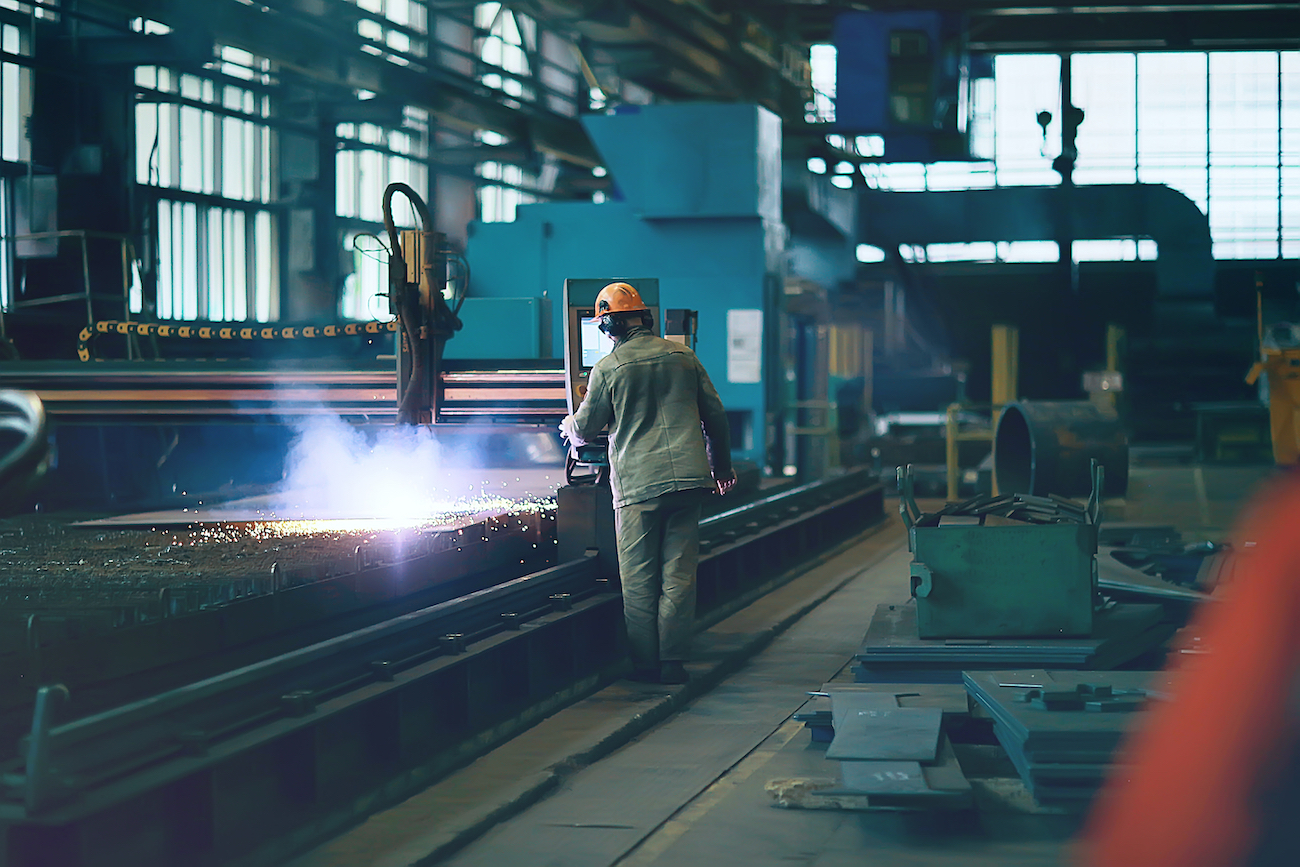
Spain’s Grupo Industrial Cristian Lay (CL) has announced the closure of its rebar plant Corrugados Getafe (CG) in Madrid, bringing an end to over 75 years of operations, Kallanish notes.
The company has initiated a redundancy plan (ERE) affecting 152 employees.
The closure is due to increasing pressure from residents in recent years, stemming from Getafe’s population growth, which has brought housing developments to within just a few hundred metres of the factory, the group stated. The plant is also facing stricter environmental regulations from the Community of Madrid, particularly concerning the renewal of its Environmental Authorisation, which now prohibits night-time operations.
“These regulations present a serious obstacle to continuing operations, as night shifts are the most suitable for this sector due to lower electricity costs, making them essential for economic viability,” the company states.
Another reason cited by the company for the closure is the impact of US tariff policies, which have “altered global steel trade flows and created competitive pressures that further undermine the viability of the Getafe plant.”
Grupo Industrial CL has proposed relocation options for the 152 CG workers to other facilities across Spain. For those unable to relocate, the company will implement professional transition support programmes in collaboration with public and private agencies in Getafe and the Community of Madrid.
Todor Kirkov Bulgaria


Unesid condemns doubling US steel tariffs
Spanish steel association Unesid has expressed deep concern over the US government’s recent decision to double tariffs on mosts steel imports, increasing them from 25% to 50% as of this Wednesday. The organisation states that the move is a drastic escalation in trade protectionism and a rupture of cooperative principles between strategic partners, Kallanish notes.
“We are deeply surprised, and consider this decision both unexpected and alarming. Raising tariffs on European steel to 50% effectively shuts the US market to European steel products,” comments Unesid’s general director, Carola Hermoso. The association notes that while the previous 25% tariff posed challenges, it still allowed costs to be partially shared with clients. The new rate, however, has led to the cancellation of ongoing orders and the imposition of the increased tariff on goods already in transit. “The economic impact is enormous, amounting to billions of euros in losses for the European steel industry,” warns Hermoso.
Beyond Europe, Unesid pointed out that the measure is already having negative effects on the US market itself. “Prices are rising, investments are being halted, and all signs indicate the country is entering a period of severe inflation. This decision is not only unfair but also harmful to both economies [US and Europe]. We need responsibility, long-term thinking, and cooperation,” Hermoso observes.
The United States currently imports 27 million tonnes of steel annually, representing 28% of its consumption. “Raising tariffs to such a level not only jeopardises our exports, but also causes a worrying side effect such as the diversion of global trade flows towards the European market,” according to the general director. Unesid is concerned that Europe may be flooded with unsustainable steel from third countries that no longer have access to the US market.
Spain exported 250,000 tonnes of steel to the US in 2024, valued at over €400 million ($456.9m).
The association sees the loss of European steel’s competitiveness as a structural issue requiring urgent attention. Over the past two decades, the EU’s share of global steel production has plummeted from 21% to 6.5%, even though European steel consumption has remained stable.
This decline is attributed to a significant loss of competitiveness against countries whose products do not meet the environmental, labour, or safety standards required in Europe. According to Unesid, without swift action, Europe risks permanently losing a strategic industry that is vital for economic stability, the green transition, and the continent’s industrial autonomy.
Todor Kirkov Bulgaria