

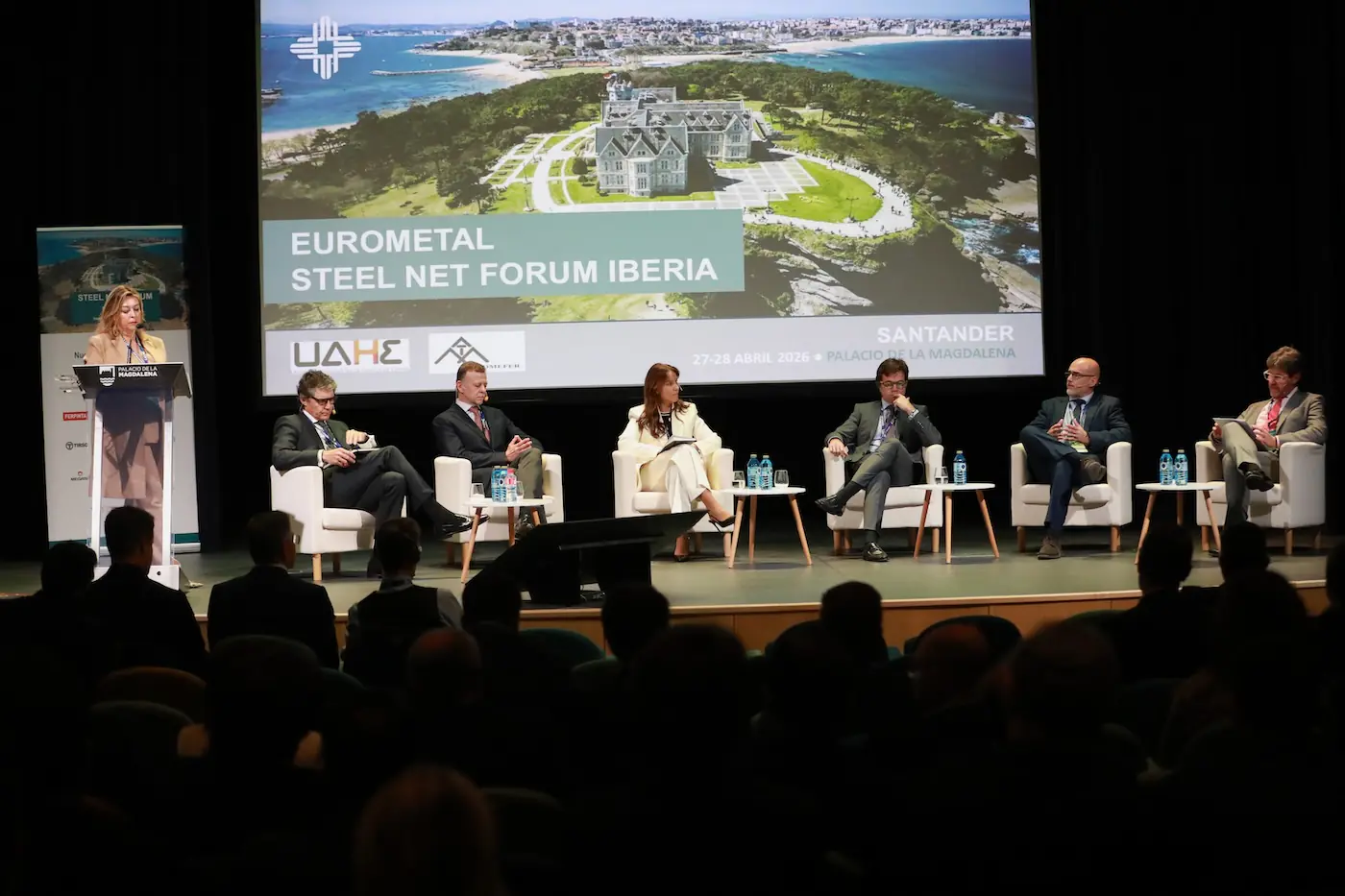
Strong participation and clear call to action at Steel Net Forum Iberia in Santander
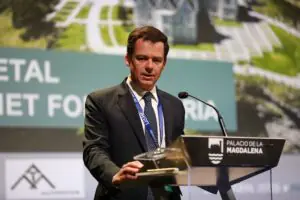
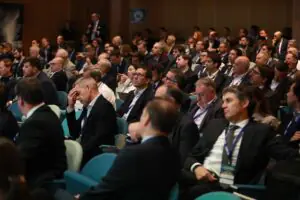
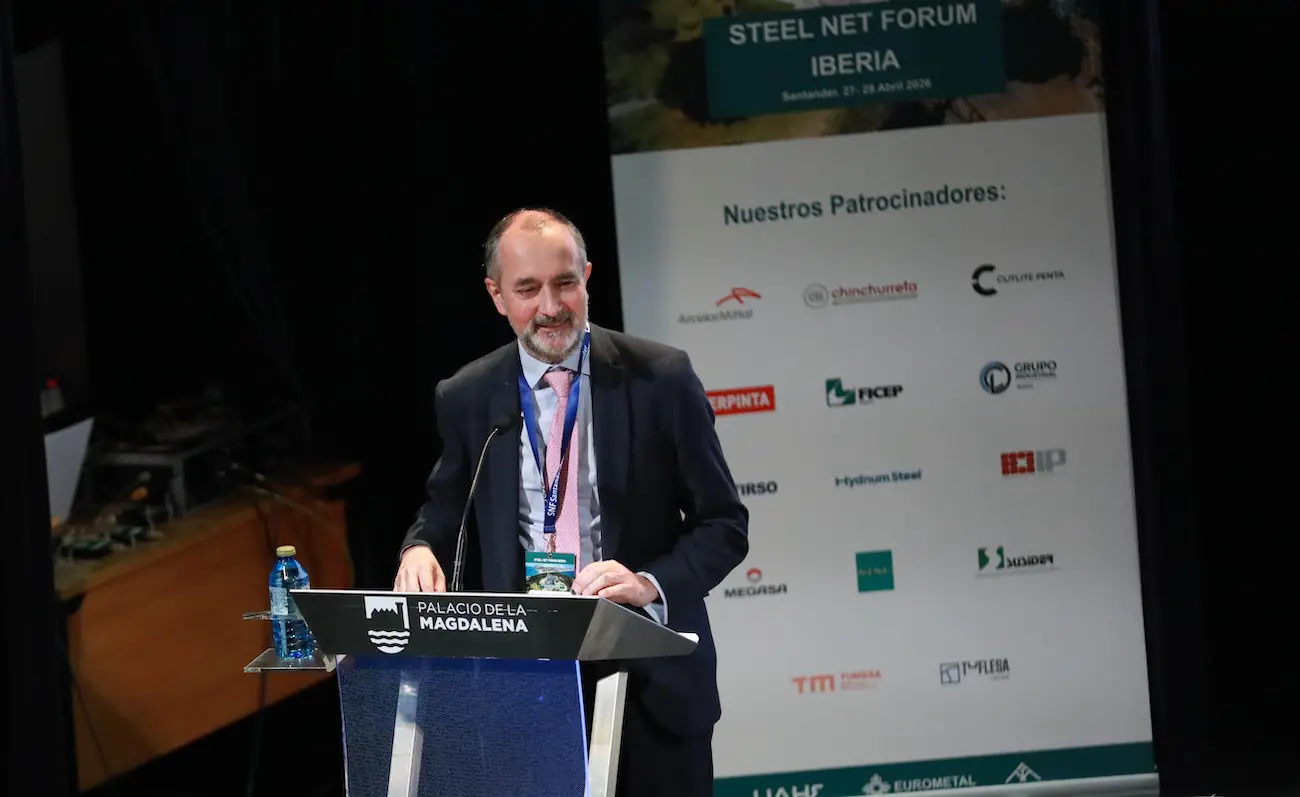
On 27–28 April 2026, the Steel Net Forum Iberia brought together around 200 steel industry leaders in Santander, confirming the growing relevance of this joint initiative organised by UAHE and EUROMETAL.
The event gathered a broad cross-section of the steel value chain, including producers, distributors, traders and processors, for two days of high-level discussions on the key challenges shaping the sector in Europe and beyond.
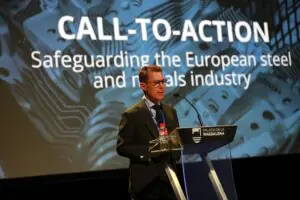
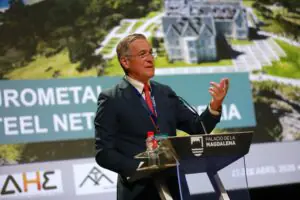
In his closing remarks, Manuel Nobre, President of Açomefer, highlighted the continued growth of the Steel Net Forum as a clear reflection of the need for stronger collaboration across the industry. He emphasised that such initiatives are essential to foster dialogue, share insights and collectively address the increasing complexity of the steel market.
Throughout the forum, participants engaged in an intensive and diverse programme that provided a comprehensive overview of current market dynamics. While the discussions offered valuable insights, they also confirmed the high level of concern across the sector, driven by rapid economic, regulatory and geopolitical changes.
A key focus of the event was the ongoing EUROMETAL Call to Action, which continues to gain strong momentum across Europe. Participants were encouraged to actively support and promote the initiative, reflecting the urgent need to safeguard the entire European steel value chain.
The evolving implementation of CBAM and new safeguard measures were also at the centre of discussions. These instruments represent major challenges for the industry, requiring companies to remain vigilant, adaptable and increasingly agile in a fast-changing regulatory environment.
More broadly, the forum addressed the outlook for the European economy, with particular attention to the importance of strengthening industrial competitiveness through initiatives such as “Made in Europe” and future investments in infrastructure, energy, defence and the automotive sector.
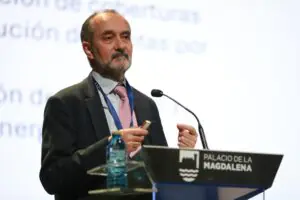
Participants also benefited from a keynote intervention by Juan Rodríguez Garat, who provided a compelling analysis of the current geopolitical landscape. His perspective highlighted the increasing unpredictability of global affairs and the growing polarisation shaping international trade and industrial policy.
Market data presentations offered further insight into global and Iberian steel trends, particularly the evolution of imports and the impact of CBAM. A central concern remains the growing share of steel-containing downstream products entering the European market, raising questions about the effectiveness of current trade defence instruments if such products remain outside their scope.
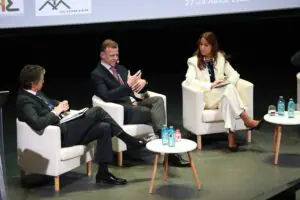
The forum concluded with a roundtable discussion bringing together representatives from across the steel value chain. The debate underscored the importance of fostering complementarity between producers and distributors, rather than rivalry, and highlighted the need for clearer roles, greater differentiation and stronger value-added strategies in an increasingly competitive market.
Looking ahead, participants confirmed their commitment to continuing this dialogue, with the next Steel Net Forum Iberia already announced for 2027 in Cascais.
The strong engagement in Santander sends a clear message: in a period of profound transformation, cooperation across the entire steel value chain is more essential than ever to ensure the resilience and competitiveness of the European steel industry.



European HRC market loses momentum amid sluggish demand
Upward momentum in the European hot-rolled coil market has faded amid weak demand and elevated inventories, with prices largely holding steady, Fastmarkets heard on Tuesday April 28.
For July delivery, some mills were indicating higher offers, but overall, the market was quiet, with both buyers and sellers holding back.
In Germany, offers were heard around €730-750 ($856-879) per tonne base delivered (€715-735 per tonne ex-works) for July-delivery coil.
One source said that one European mill was aiming for a higher price of €770 per tonne delivered for July, which would net back to €755 per tonne ex-works, but claimed that such an offer was “far away from the market reality.”
Buyers, however, were mainly indicating achievable prices at no higher than €700-710 per tonne ex-works on Tuesday. Some sources suggested prices below €700 per tonne ex-works could still be achieved for bigger tonnages.
“Demand situation is very dramatic at the moment; the level of stocks is high and it is going down very slowly, so there is no need to restock,” a steel service center in Europe said.
“Mills hope to consolidate offers of €750 per tonne delivered and higher for July, but it’s going to be difficult. Demand is not supporting any increase, stocks are high, there is still plenty of imports in the market, there is no shortage of coil,” a buyer in Germany said.
Fastmarkets’ daily steel hot-rolled coil index domestic, exw Northern Europe was assessed at €705.63 per tonne on Tuesday, down by €2.70 per tonne from €708.33 per tonne on Monday April 27.
The index was down by €2.37 per tonne week on week and down by €11.87 per tonne month on month.
Prices have recovered by over €100 euro per tonne over the past six months. Notably, Fastmarkets’ Northern Europe HRC index averaged €708.05 per tonne at the midpoint in March 2026, compared with a monthly average of €589.40 in October 2025.
Overall, sources agree that the shifting regulatory framework — particularly the new trade policy coming into force in July, as well as the Carbon Border Adjustment Mechanism (CBAM) — has been fueling the recent uptrend. But for the time being, domestic HRC prices appear to have reached a ceiling.
Meanwhile, in Southern Europe, Fastmarkets’ daily steel hot-rolled coil index domestic, exw Italy was calculated at €700 per tonne ex-works on April 28, unchanged from the previous day.
The index was stable week on week but up by €2.50 per tonne month on month.
In Italy, local seller still had June-delivery coil available, with offers heard at €720 per tonne delivered (around €705 per tonne ex-works).
Buyers reported lower tradeable values around €690-700 per tonne ex-works.
Trading in the spot market remained slow, with local sources also reporting holding sufficient stocks and also waiting for quotas information for a new trade regime.
Meanwhile, new import HRC offers to Europe remained limited. Buyers are holding back ahead of revised safeguard quotas from the European Commission, effective July 1, with uncertainty over the regime and potential costs from CBAM weighing on demand, while Middle East-related disruptions and higher freight rates continue to restrict Asian import offers.
Sources reported Indian HRC available at €600-605 per tonne CFR, CBAM not paid, in Italy. Shipment was May-June.
The most recent offers for Turkish HRC were heard at €620-630 per tonne CFR Italy, including the anti-dumping duty but excluding CBAM costs. Latest reported sales were heard in the second half of April at €590 per tonne CFR from one seller for a big tonnage with lead times in July. Another cargo was booked around €620-625 per tonne CFR from another seller.

Traders at IREPAS: Geopolitical tensions and higher costs disrupt steel trade flows
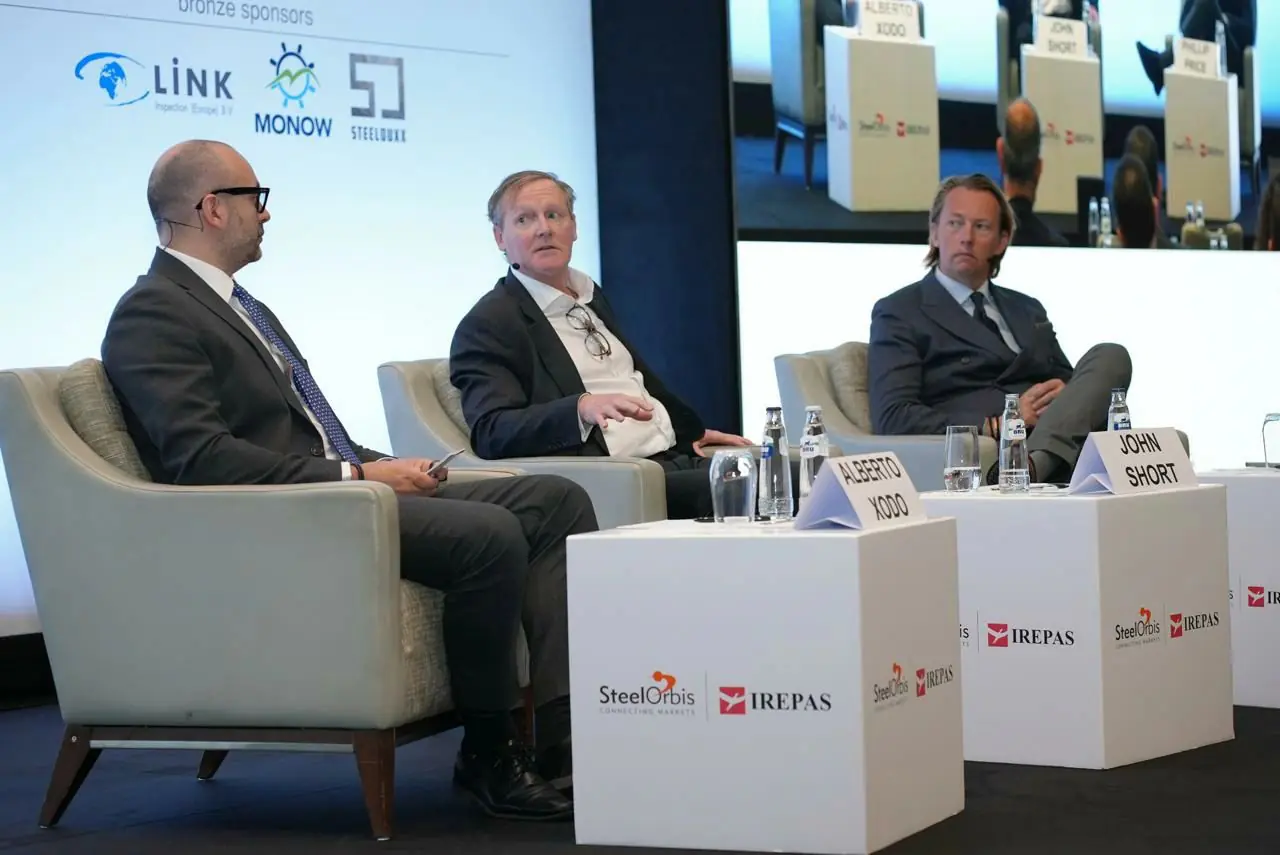
Speaking during the panel session on the last day of the SteelOrbis 2026 spring Conference & 94th IREPAS Meeting held in Amsterdam on April 26-28, Wilhelm Alff, director at Duferco and chairman of the traders committee, shared the committee’s assessment of current market conditions, highlighting weakening demand, regulatory pressures and rising geopolitical risks.
According to the committee, crude steel production in China reached around 960 million mt in 2025, while data from the first quarter of 2026 indicate that output may decline further or at best remain stable, with no clear signs of growth. In China, the sharpest drop was observed in the rebar segment, in which production fell by 12 percent, reflecting the ongoing downturn in the construction sector. The only improvement in China was the growth of more than 10 percent in iron ore inventories, mainly due to strategic stock building, highlighting the disconnect between raw material positioning and weak end-user demand.
This weakness in demand is particularly evident in Europe, where the overall economic outlook remains poor. Public spending is increasingly being redirected toward defense and social support rather than infrastructure, especially in Germany, limiting the recovery potential for steel consumption. The committee also pointed out that existing production capacity in the EU continues to exceed demand, noting that even prolonged production stoppages by major producers have had little visible impact on the market.
CBAM and safeguard measures increase pressure on trade
A key concern for traders remains the implementation of the EU’s Carbon Border Adjustment Mechanism (CBAM). The committee chairman emphasized that, in the current environment, traders are advised to use default emission values when calculating CBAM costs in order to avoid risks, although this approach increases cost exposure. Uncertainty surrounding calculation methods and verification procedures continues to complicate transactions, making it essential to involve producers and clearly define contract terms.
In addition, recent changes to the EU safeguard system have added further pressure. Quotas have been reduced by nearly 50 percent, while out-of-quota duties may rise to as high as 50 percent. Market participants criticized the lack of adjustment in country-specific quotas, even where suppliers have not delivered material for extended periods. As a result, portions of the quota system remain effectively unusable, further tightening supply and negatively affecting buyers and end-users in the region.
Geopolitical tensions disrupt supply chains and raise costs
Against this backdrop, traders also highlighted the growing impact of geopolitical tensions, particularly in the Middle East. According to Mr. Alff, escalating tensions have tightened raw material supply chains and pushed costs higher, significantly slowing trading activity. Mills are increasingly relying on short-term sourcing strategies and opportunistic cargoes, while additional costs for transporting billets overland from Omani ports are estimated at around $40/mt. Severe port congestion is further complicating trade flows, making execution increasingly difficult.
Despite these disruptions, the committee believes that the current situation is still being treated as temporary rather than structural. However, logistical constraints, especially in key maritime routes, continue to limit cargo movements and add uncertainty to global trade.
Shifting trade flows and uncertain outlook
Commenting on global trade flows, Mr. Alff noted that exporters are likely to face growing challenges in accessing traditional markets. Tightening EU quotas and rising protectionism are forcing suppliers to seek alternative destinations, though options are becoming increasingly limited as more countries introduce similar trade barriers. Africa is expected to remain a key growth market in the medium term, supported by rising imports from Asia, particularly China, although the expansion of local production capacity and potential protectionist measures could gradually slow this trend.
Regarding China, the committee expects semi-finished steel exports to remain at elevated levels but under tighter control, as the Chinese authorities are likely to manage trade flows more actively to avoid another sharp surge. While the ongoing crisis in the Gulf region could support demand for Chinese material, its impact will largely depend on logistical conditions and the ability to move cargoes efficiently.
Looking at other regions, market conditions in the US and Latin America were described as relatively stable, with the US benefiting from solid demand driven by public infrastructure projects.
Overall, the traders committee underlined that the global steel market is entering a period of heightened uncertainty, shaped by weak demand in key regions, regulatory changes and geopolitical risks. In such an environment, Alff concluded that it is extremely difficult to predict price trends, emphasizing that market participants will need to continuously monitor developments and adjust their strategies accordingly.
Author: SteelOrbis Editorial Team

Iberian distributors remain cautious over CBAM, trade regime
Iberian steel distributor representatives have expressed optimism regarding the implementation of CBAM and the forthcoming introduction of the EU’s new trade defence measure. They, however, remain cautious in the face of the uncertainties posed by the complexity of the legal framework, Kallanish heard during the EUROMETAL Iberia Steel Net Forum in Santander.
“We need to work on strategies to simplify the accreditation procedures for verifiers within the CBAM mechanism,” said Juan Ibañez Siles from law firm Bln Palao Abogados. “We see that international accreditation will be carried out in close cooperation with national bodies and producers. This will significantly speed up the process.”
According to participants, it is difficult to maintain two separate verification processes – one for manufacturers and another for importers – so the aim is to simplify the system.
“Both parties have a vested interest in having a verification process in place. The best solution would be for each manufacturer to carry out on-site verification. We also consider it necessary for the producer to provide the importer with bank guarantees to ensure compliance with the regulations,” the layer observes. “CBAM is here to stay. It cannot be suspended. This is only possible in the fertiliser sector, due to a lack of competitiveness.”
Lars Hillmann of the Cattwyk law firm said the EU’s safeguard replacement measure aims to protect the industry in the long term and restore its competitiveness. The legislative framework is very broad and may raise concerns in the short term, although it is a very good solution as it has no expiry date, unlike the current safeguards, which must end on 1 July.
Steel distributors are anticipating a problem with orders that have already been placed but are due to arrive after this date.
“There can be no legal implications when the goods are in transit, for example, for delivery in the second quarter and, therefore, under the new trade rules, the law is clear, and protection measures cannot be applied retrospectively,” clarified Hillman.
Another problem stems from varying customs treatment between EU countries, he continued. “In Spain, Portugal and Italy, importers can submit a customs declaration and then, depending on the outcome, withdraw part of it and, more importantly, the volume of goods cleared. This does not happen in other countries that have found themselves in different circumstances,” he said.
“I see no way of harmonising customs treatment. It is an issue that needs to be addressed because all EU importers must have the same market conditions. But I am not very sure that we could find a good common proposal to solve differences,” he added.
Alfonso Hidalgo de Calcerrada, head of the economic department at Spanish steel industry association Unesid and chairman of the economic committee at worldsteel, noted CBAM continues to create uncertainty within the sector and that its scope should be extended.
“This uncertainty is reflected in the latest transactions in Q4 2025, where importers increased their purchases before this complex mechanism came into force. Neither the verification of emissions nor the allocation of quotas to different countries seems to be very clear to the industry, even more so ahead of implementing the new trade rules in June,” Hidalgo observed.
The process within the EU is highly complex, with the industry also demanding that steel derivatives be covered. “This is an issue that we expected to be resolved within a year, although we would like to do so sooner,” he concluded.
Author: Todor Kirkov

IREPAS: Global steel market steadies amid weaker growth, shifting demand, rising focus on access
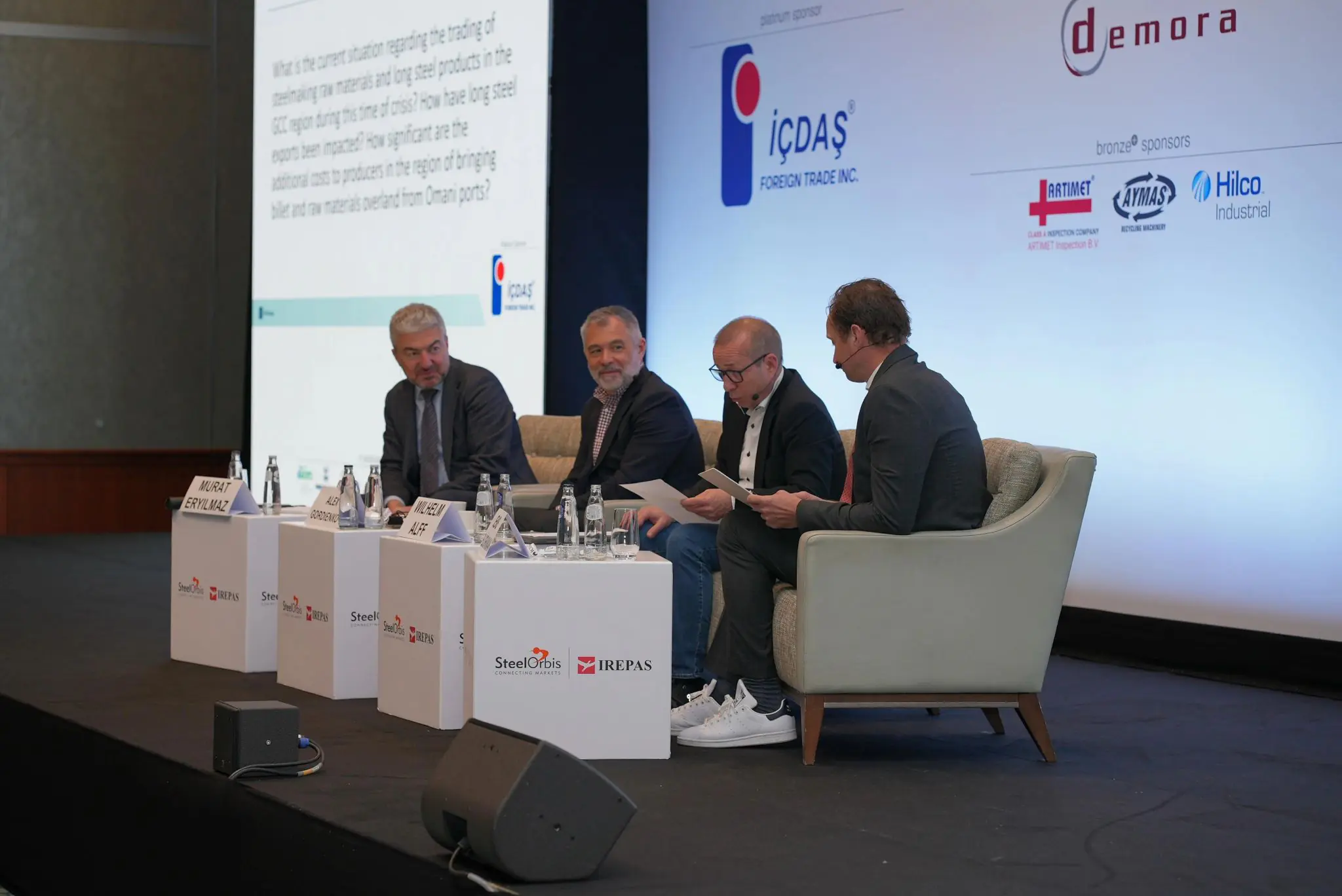
Slower than anticipated GDP growth, persistent oversupply and geopolitical disruption — particularly linked to the Middle East — are reshaping steel markets, shifting competitive advantages away from pure cost efficiency toward security of supply, domestic capacity and market accessibility, Alexander Gordienko, export director of Celsa Group said during his presentation.
Global steel output and long steel demand: uneven recovery across regions
The global economic backdrop remains fragile. According to the April 2026 update from the International Monetary Fund, global GDP growth expectations for 2026 were revised down to 3.1% from 3.3% projected in January and this is assuming that the military conflict in the Middle East ends by mid year.
This growth is, however, insufficient to drive a strong recovery in steel consumption.
The World Steel Association expects global steel demand to rise by just 0.3% in 2026 — a mild recovery from a low base rather than a rebound.
Steel demand is uneven across regions. The strongest growth momentum continues to come from India, where it is expected to grow 7.4% in 2026. Africa is projected to add 3.8% to its demand; The US, Canada and Mexico, 2.1%; and Europe, combined with the United Kingdom and ASEAM countries, are to add 1.3%.
Meanwhile, in the Middle East steel consumption is expected to drop by 7.4% in 2026 amid unfavorable geopolitical situation.
Construction trends largely explain these patterns
In Europe, residential construction remains weak, while infrastructure and public spending provide limited support.
According to Gordienko, housing remains the key upside potential, with the European Commission estimating that around 2 million homes per year are needed to meet demand — although it remains unclear whether governments can unlock these projects, and bureaucracy is the major bottleneck for their realization.
The US construction market shows a similar picture, with residential activity subdued and steel demand supported mainly by selective infrastructure, power and data center projects rather than broad based construction growth.
China remains the central drag on global steel demand. There has been no meaningful recovery in real estate: in the first quarter of 2026, residential floor space sold fell by 13.1% year on year, while commercial floor space dropped by 10.4%. Domestic demand remains insufficient to absorb production, keeping export pressures elevated.
India stands out as the strongest demand market, with continued infrastructure investment and spending for 2026 2027 raised by 11.4%.
In such conditions, the Celsa Group predicts global long steel demand to remain resilient but stagnant in 2026.
According to the estimates provided by Gordienko, Europe will remain steady at 31 million tonnes and North America will improve to 12 million tonnes from 11 million tonnes. Asian rebar consumption is to decline to 268 million tonnes from 272 million tonnes, largely because of China, while the Commonwealth of Independent States is to fall to 12 million tonnes from 13 million tonnes.
On the supply side, global steel production reached around 1.85 billion tonnes in 2025, which is equal to pre-pandemic level, with production geography continuing to shift in early 2026.
India remains the clear production leader, with output up 10.8% year on year to 44.7% in the first quarter of 2026. Germany rebounded by around 9% to 9.3 million tonnes from a low base of 2025, whereas the US and Turkey recorded gains of 5.7% to 21 million tonnes and 5.3% to 9.7 million tonnes, respectively.
By contrast, Chinese output fell 4.6% in the same period to 247.6 million tonnes. Brazil declined by 3.1% to 8.1 million tonnes and Russia dropped by 10% to 15.8 million tonnes. Iran also exited the list of the world’s top ten producers, while Vietnam entered it for the first time having increased production by 10% to 6.4 million tonnes, which is a notable structural shift, Gordienko stressed.
Security, national capacity and social stability reshape steel priorities
Beyond short term demand trends, a more structural shift is underway. Governments are increasingly prioritizing security, defense, energy independence and social stability over pure cost optimization — a change accelerated by geopolitical tensions such as the US Iran conflict.
“For many years, the global economy rewarded efficiency above everything else. The logic was simple. Buy the cheapest, keep supply chains lean. The US-Iran conflict and what happened after the conflict will change the logic. Governments stop behaving like cost optimizers. They start thinking in terms of national security and national capacity. That changed the vision,” Gordienko said.
“If a country wants strong defense capability, it needs factories, logistics, ports, rail, storage, shipbuilding, and industrial depths. All of that is steel intensive. If a country wants social stability, housing becomes part of the story. Energy independence needs not only fuel, but also power generation, transmission, drilling, substations, storage, interconnections, and backup capacity. All of that, again, is very steel dependence,” he explained.
As a result, steel is becoming less of a purely global commodity and more of a locally strategic material, Gordienko added.
Market access emerges as the decisive competitive factor
In the current evolving environment, market accessibility has become one of the key determinants of competitiveness in steel — alongside, and sometimes ahead of, production cost, according to Gordienko.
“For many years, the market mostly compared means by cost of production at that is no longer enough. A mill may have cheap power, cheap labor and raw materials, but if it tries to sell to the market with quota, carbon tax, certification requirements, then the theoretical cost advantage suddenly becomes less relevant,” he said.
This shift marks a fundamental change in the market. Buyers are less willing to optimize purely for price when supply chains are fragile and delivery risks are elevated. As a result, reliable access to markets — physical, regulatory and financial — is becoming as important as cost efficiency itself.
Over the coming years, this trend is likely to define the global steel market, reinforcing regionalization and elevating the strategic importance of steelmaking capacity within national and regional boundaries, according to Gordienko.

Every day is a battle, Feralpi Steel says
The company was achieving this despite a challenging environment marked by volatile energy prices, transport bottlenecks, tightening scrap supply and limited backing from governments and customers, he said during the Wire and Tube trade fair in Düsseldorf on April 13-17.
“Every day is a strong test. Every day is a battle,” Reinecke said of the challenges facing the company daily.
Energy-driven cost pressure
Of all the challenges, cost pressures have intensified most sharply in recent months, with energy emerging as one of the most critical issues. The escalation of geopolitical tensions in the Middle East has fuelled volatility in global gas, fuel and electricity markets. This was pushing up energy prices across Europe and putting further strain on steelmakers such as Feralpi which use electric-arc furnace (EAF) processes.
“We have three main costs,” Reinecke said. “The cost of scrap, the cost of energy, and then comes the personnel cost. Personnel costs are in third place.”
According to Reinecke, before the current US-Iran conflict began, gas prices in Germany were around €32 ($38) per MWh, but jumped to €45 ($53) per MWh the day after hostilities began.
“We are seeing a rise in natural gas prices of more than 30% while electricity prices increased significantly because, in Germany, power prices are still mostly defined by margin prices of fossil fuel power production,” he added.
Feralpi and other member companies of Germany’s national steel industry association asked government to fix a target power price at €50 per MWh, which would be equivalent to €0.05 per kWh.
“But when I look at my calculation, it depends on the daily prices,” Reinecke said. “With all the additions under German regulations, I come to €0.08-0.09 per kWh. The difference to the target price is €0.03-0.04 per kWh, and it varies daily, depending on the actual day-ahead prices.”
Even when avoiding peak-hours energy prices, which is the benefit of EAF-based production, in reality, German producers have only one option, which is to pass higher costs to customers.
“With an EAF, we are able to react very quickly – to stop the furnace or to switch it on,” Reinecke said.
Logistics as a bottleneck
Transportation was another bottleneck issue for German producers, with the availability of trucks being low and fuel costs rising.
“We have a lot of transport companies, with trucks, which have gone out of business in the past few years. A lot of company owners [in the haulage sector] have grown older and cannot find young people to continue the business,” Reinecke said.
In such difficult conditions, steelmakers need to think for themselves. Currently, Feralpi has 21 trucks and intends to expand its fleet to 35 trucks, according to Reinecke.
Meanwhile, the war in the Middle East has made fuel costs rise, resulting in increased transportation costs.
Scrap supply risks increase
Germany’s ferrous scrap market has come under increasing pressure in recent months, with prices rising sharply since the end of 2025.
According Reinecke, scrap prices have risen by around €40-50 per tonne since December, adding to the cost pressures already created by higher energy prices.
Despite the price increase, Feralpi believed that scrap availability in Germany has not yet become a critical issue. The bulk of supply continues to be sourced domestically, with around 70% of scrap used by German mills coming from the local market. The remaining volumes were imported mainly from neighbouring countries such as Poland, the Czech Republic and Slovakia.
Nevertheless, securing enough material at workable prices was described as a regular monthly challenge, particularly while Feralpi looks to ramp-up production.
“We produce 1 million tonnes [per year] of steel and you need 1.1 million tonnes [per year] of scrap for that,” Reinecke said. “We want to increase our steel production over the next two years to 1.3 million tpy because we have a second rolling mill. So it’s a big job to get enough scrap at fair prices. It’s always a fight for our director in the scrap purchasing team every month to get the right prices and the quantity we need.”
Looking ahead, concerns were growing about medium- to long-term scrap availability while Germany’s steel industry accelerates its transition away from blast furnace operations. Major flat steel producers were investing in direct reduced iron (DRI) plants and EAFs, a shift that will substantially increase demand for both scrap and electricity.
“We have four large steel producers in Germany,” Reinecke said. “Thyssen[krupp], Salzgitter, Saarstahl and ArcelorMittal. They work with blast furnaces [at the moment] but they are moving in our direction – building EAFs and DRI modules, with plans to use hydrogen. So they will need more electricity and scrap in the future, which will be a challenge to existing EAF based producers.”
The subject of scrap exports was also unresolved. Feralpi argues that more scrap should stay within Europe, to support decarbonization efforts, but there were currently no binding regulations to restrict exports.
While the topic was being debated at both national and EU level, Feralpi acknowledged that any regulatory changes were likely to take time due to the complexity of the legislative process.
“The discussion started in Berlin with the economy ministry, as well as in Brussels [at the EU], but there’s a long way [to go to reach] an agreement… because it’s very bureaucratic,” Reinecke said.
At the same time, external factors could indirectly ease European scrap tightness. Potential lower steel production in Turkey, driven by issues related to the EU’s Carbon Border Adjustment Mechanism (CBAM) and safeguard measures, could reduce Turkish scrap demand, potentially leaving more material available for European buyers.
But Feralpi believed that this alone was unlikely to fully offset the rising structural demand for scrap within the EU.
Demand outlook improves, but green steel premiums remain elusive
According to Reinecke, construction steel demand in Germany was expected to be favorable over the next few years owing to housing infrastructure and development projects.
“There are not many investments in industrial buildings construction in Germany,” he said. “But in the area of Dresden, we have an exception because there is some construction going on. And we are only 30km from Dresden.”
In addition, Dresden was set to become a local hub for semi-conductor production, with TSMC, Infineon and Global Foundries building new capacities in that area.
“My colleagues from the sales department are cautiously optimistic for the next few months, and for the summer,” Reinecke said.
Feralpi expected demand in 2026 to recover compared with 2022-25, when Germany’s steel industry capacity utilization rate dropped by 10-20% after the war in Ukraine began.
At the same time, Reinecke noted that even though demand for steel with low CO2 emissions was rising in Germany, customers were not ready to pay any premiums for it.
“I think, in the construction steel sector, we have one of the lowest emissions [rates], with less than 0.4 tonnes of CO2 per tonne of steel under Scope 1, 2 and 3. And our new spooler product in Riesa has 0.3 tCO2e per tonne of steel, as we seek to purchase green energy to use more electricity, not gas, and to optimize production. But our customers will not pay even a €10 per [tonne] premium for this,” Reinecke said.
“It is important for our customers to buy more green steel because the target for CO2 reduction will go up next year [in Europe],” he added. “But it’s impossible to improve production without financial support from the state. There must be a push from the government.”
Unlike the giant companies in flat steel production, he said, Feralpi “does not have massive financial support from the state.”
“For our transition to steel production with a lower carbon footprint,” Reinecke said, “we invested more than €220 million [$258 million] in our rolling mill in Riesa.”
Truck cartel: Dutch court quantifies the damages
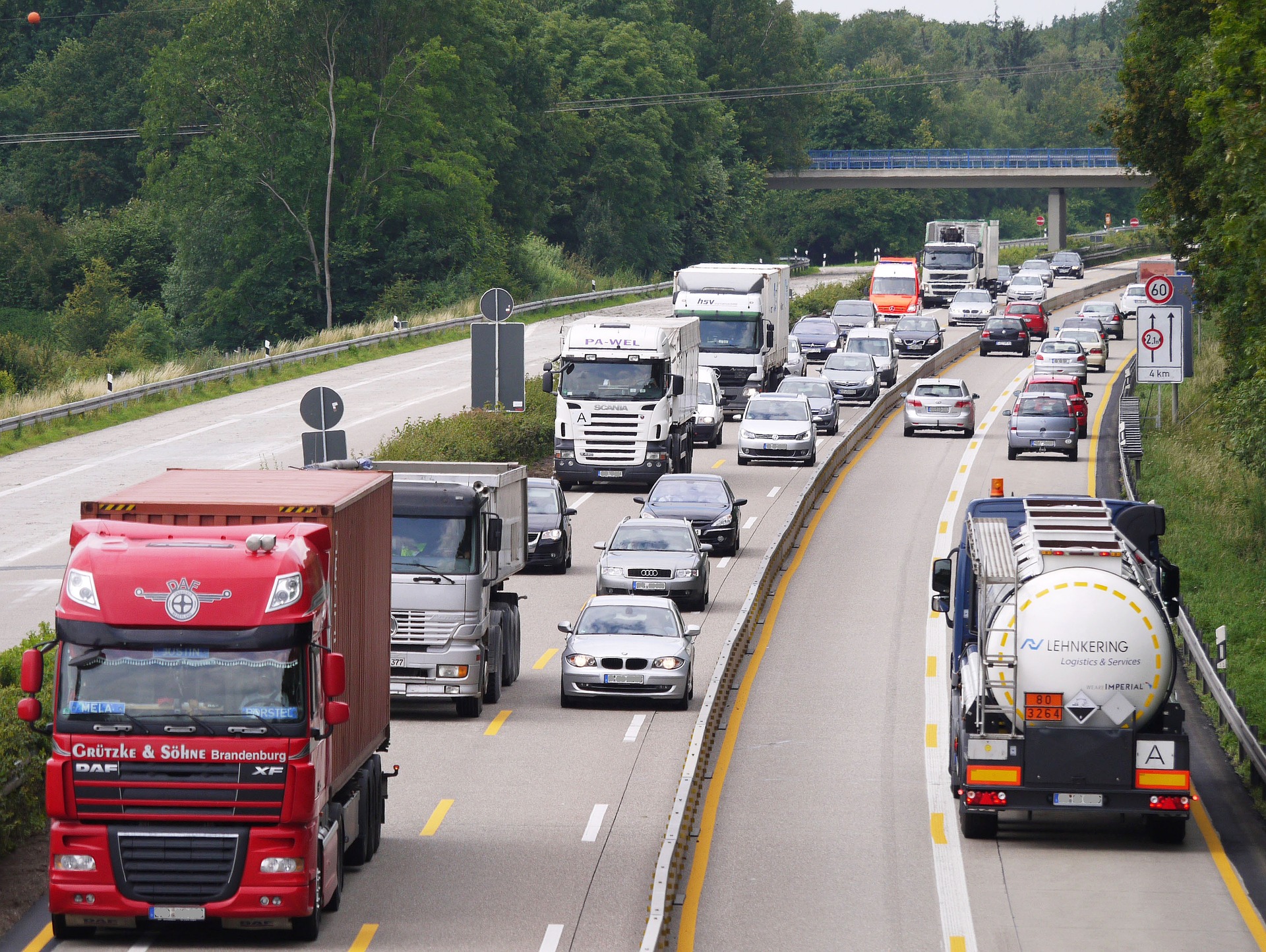
Ten years after the 2016 European ruling, the Amsterdam court has upheld the principle of damages arising from the lorry cartel, set the additional cost at 7% and paved the way for potentially substantial compensation for buyers. The manufacturers had been required to pay fines totalling nearly €3bn. Around 20 Luxembourg-based companies were among the victims.
On 15 April, the Rechtbank Amsterdam handed down a landmark ruling in the European heavy goods vehicle cartel case, recognising the harm suffered by buyers and setting an average price premium of 7%. The case pits several manufacturers—MAN, Daimler, Iveco, Volvo/Renault and DAF—against Retail Cartel Damage Claims (CDC), a Luxembourg-based entity specialising in aggregating claims from companies that have purchased or leased lorries.
The dispute stems from the decision adopted on 19 July 2016 by the European Commission, which imposed fines for a cartel covering the entire European Economic Area between 17 January 1997 and 18 January 2011, a period of nearly 14 years. This cartel concerned lorries weighing over 6 tonnes, including medium-duty and heavy-duty vehicles, and involved the coordination of gross prices as well as the timing and passing on of costs associated with Euro III to VI emissions standards.
Builders’ liability
The European Commission had imposed fines totalling nearly €2.93bn, divided between Daimler (€1.008bn), DAF (€752.7m), Volvo/Renault (€670.4m) and Iveco (€494.6m), whilst MAN was granted full immunity as a whistleblower.
In its judgment, the Dutch court relies on these findings to establish the manufacturers’ civil liability. It rejects the arguments regarding the limitation period and accepts an average cost overrun of 7%, whilst acknowledging that the effects of the cartel continued until 30 May 2013.
Arthur Welter Group among the 20 known victims in Luxembourg
In Luxembourg, some companies had already decided to join these legal actions. This is notably the case for the Arthur Welter Group, one of the first national players to join the initiative led by CDC before the Dutch courts. Its finance director, Claude Quaring, explained at the time to our colleagues at Le Wort that the company had no knowledge of the cartel during the period in question, whilst noting price movements deemed atypical: “With every change in emissions standards, the price of lorries rose by €10,000—another €10,000 between Euro IV and Euro V, and another €10,000 between Euro V and Euro VI—a strange coincidence.”
Support for the collective action was also based on economic and strategic considerations. “The CDC offered us a token sum for our claims. It costs us neither money nor manpower. They take care of everything,” he said, adding: “It’s more a question of European solidarity. Even with just a hundred lorries, together we have more clout.”
The Dutch ruling does not, however, bring the dispute to a close. It leaves several key issues unresolved, notably the exact volume of the transactions in question, their economic value, and the question of whether the additional costs will be passed on to end customers. It does, however, confirm the rise in Europe of compensation litigation structured around specialist firms such as CDC—founded in Luxembourg—and based on the pooling of claims, within a legal framework that is increasingly favourable to victims of anti-competitive practices.

ETS: delayed responses, a cautious approach and key demand
Four parliamentary responses in three days, ranging from the ‘technical’ minister to the Prime Minister himself, and one constant: when it comes to reforming the European carbon market, Luxembourg is playing for time, whilst quietly pushing a key point regarding industrial exports.
Four parliamentary questions tabled between late February and early March received their answers… on 24, 27 and 28 April. A delay of nearly two months that reflects the government’s stance: on the reform of the European Emissions Trading System (ETS), the pace is still being set in Brussels.
The calibre of the signatories underscores the sensitivity of the issue. In response to a technical query from the Minister for the Environment, Climate and Biodiversity, Serge Wilmes (CSV), in addition to the quotas allocated to ArcelorMittal, there are joint responses co-signed with the Minister for the Economy, Lex Delles (DP), as well as a more strategic response from the Prime Minister, Luc Frieden (CSV), from the Minister for Foreign Affairs and Foreign Trade, Xavier Bettel (DP); the Minister for the Economy, SMEs, Energy and Tourism and the Minister for the Environment, Climate and Biodiversity. This structure reflects a fully interministerial approach to management.
In substance, the government’s stance remains unchanged. The government reaffirms that the ETS is “a key pillar of climate policy” and forms part of the goal of carbon neutrality by 2050. This position is in line with the European framework set out in the “Fit for 55” package, which provides for a 62% reduction in emissions from the sectors covered by 2030. But very quickly, the focus shifts to industrial competitiveness. European industries are under “severe pressure”, linked in particular to energy costs and international competition deemed to be unbalanced. In this context, strengthening the Carbon Border Adjustment Mechanism (CBAM) appears to be a priority to ensure a level playing field.
Support for responsible European exporters?
It is within this context that one of the few truly transformative measures put forward by Luxembourg is situated. The government emphasises that the reform must ‘promote long-term structural solutions for industrial competitiveness’, particularly in the context of exports. Implicitly, this points to an unresolved issue within the European framework: whilst the MACF addresses imports, it does not cover exports, leaving European manufacturers exposed on international markets.
This issue also explains the position taken on free allowances. The government considers them to be a ‘transitional instrument’ which may need to be retained to avoid the risk of ‘carbon leakage’ until the corrective mechanisms have proven their effectiveness. In the strategic response, this rationale is explicitly linked to exports, with free allowances to be maintained ‘in the context of exports’ until the MACF is fully operational.
With regard to the functioning of the market, Luxembourg emphasises the need to maintain a credible carbon price signal whilst improving its transparency. The government is therefore calling for ‘greater regulatory stability’ and predictability in carbon pricing, which it considers essential for long-term industrial investment.
The issue of the system’s unintended consequences is also addressed. Free allowances must be ‘strictly regulated and made conditional on concrete decarbonisation efforts’, with strengthened monitoring mechanisms and greater transparency. At the same time, the government plays down the risk of windfall profits, pointing to the existence of a €500 million support scheme for the period 2021–2030 to offset the additional costs associated with the ETS.
Pending an impact assessment
Even the most technical responses reflect this caution. Regarding the valuation of the allowances allocated to ArcelorMittal, the government stresses that an overall estimate ‘would inevitably result in very rough estimates’, due to the volatility of carbon prices.
Taken together, these four responses form a coherent picture. Luxembourg advocates maintaining a robust ETS, whilst seeking to mitigate its impact on industrial competitiveness. However, it does not propose any specific structural reforms or an alternative timetable on the key issues. The government explicitly acknowledges this: it is awaiting “a proposal for legislative revision, accompanied by an impact assessment […] by mid-2026” in order to “finalise its position”.
In this context, one thing is certain. Whilst the system’s architecture has already been established at European level, its parameters remain open. The carbon price, the pace at which free allowances are phased out, the link with the MACF, and the treatment of exports will all be subject to future decisions.