

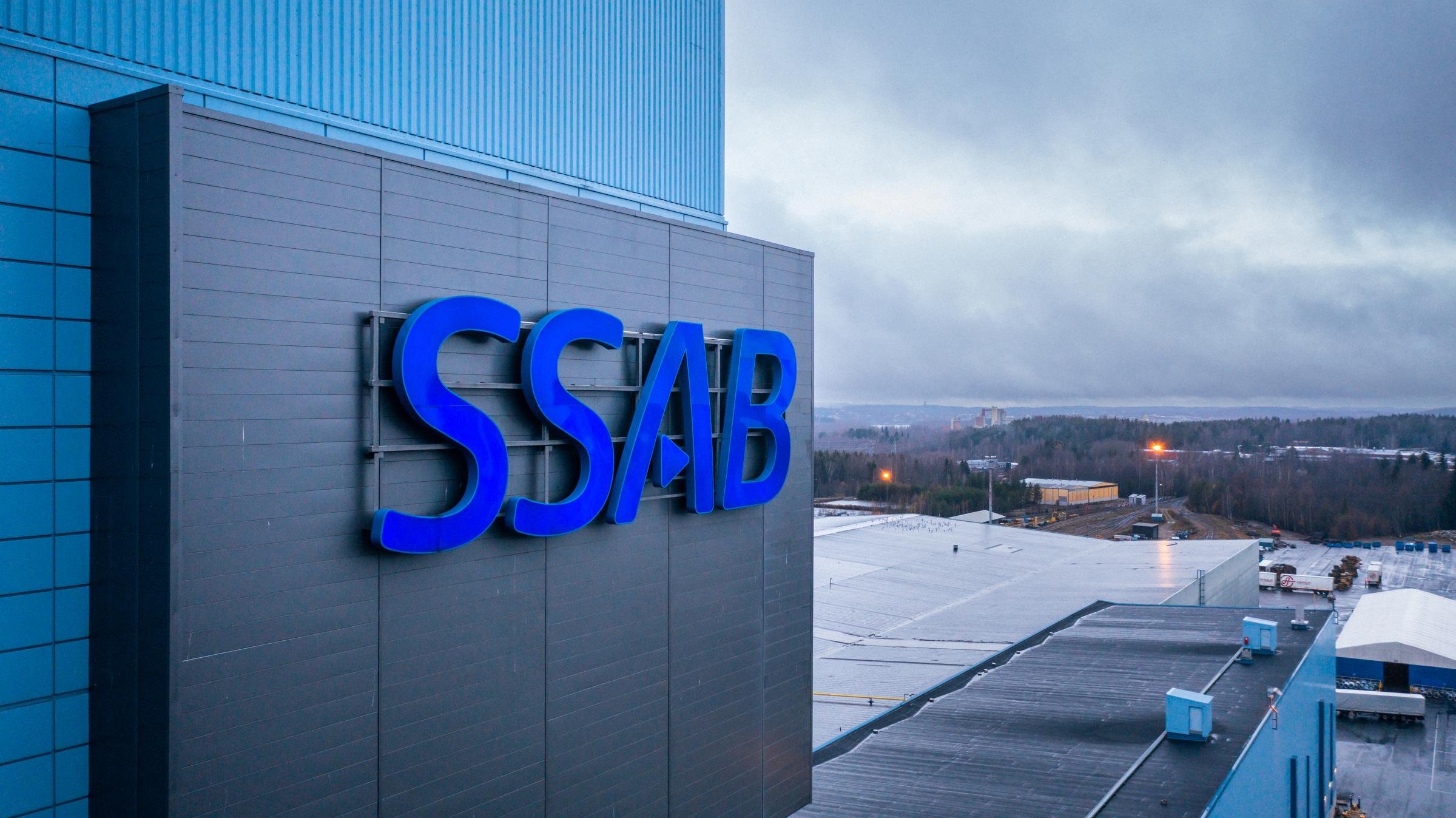
SSAB sees stronger steel prices ahead as Europe market improves
Swedish Steel AB said it sees signs of an improved supply-demand balance in the European market, with prices rising during the third quarter, sustained by the new EU trade measures that entered into force July 1, the steelmaker said Oct. 28 on its Q3 earnings.
SSAB said costs are increasing and realized prices for the steel divisions are expected to be somewhat higher in the fourth quarter than in the previous quarter.
The steel producer expects fourth-quarter shipments to be 5%-10% higher quarter over quarter at SSAB Europe, broadly stable at SSAB Americas and up to 5% lower at SSAB Special Steels. Raw-material costs are expected to be somewhat higher, while other variable costs, including freight and energy, are expected to remain high.
The outlook reflects divergent regional conditions. European steel demand remained cautious in the third quarter, but lower imports following new EU trade measures helped improve the supply-demand balance and lift plate and strip prices. North American plate markets remained strong, with rising prices and relatively low distributor inventories.
SSAB crude steel production increased 5% year over year to 1.90 million metric tons, while rolling production rose by 7% to 1.705 million mt. Steel shipments climbed by 4% to 1.530 million mt. However, all three measures declined from the second quarter due to planned maintenance and seasonally weaker demand. Special Steels shipments rose 9% year over year to 314,000 mt, while SSAB Europe’s deliveries increased 4% to 770,000 mt.
On decarbonization, SSAB maintained its key commissioning milestones. The Oxelösund electric arc furnace (EAF) is scheduled to begin production in the second quarter of 2027, while the new Luleå mini-mill remains within budget and on track for a late-2029 startup. Timing for the subsequent Raahe conversion remains contingent on raw material availability, financing capacity, market conditions and experience from earlier projects.
SSAB lowered its 2026 maintenance and strategic capital expenditure forecast to 11.2 billion Swedish kronor from 13.5 billion Kronor, citing revised supplier-payment timing rather than project delays.
Author: Annalisa Villa
Andreas Beil appointed Managing Director of Stahlo
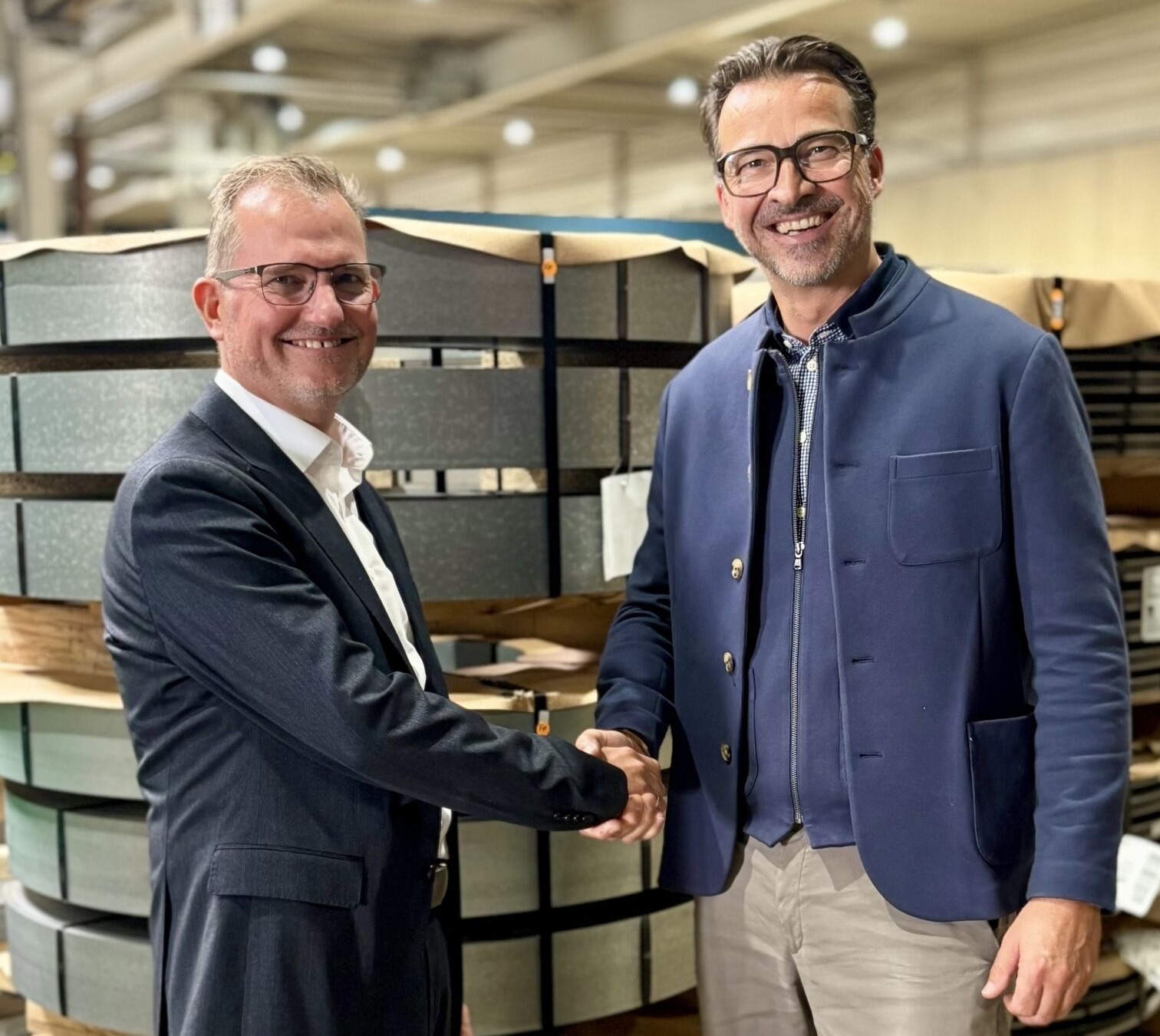
Stahlo Stahlservice GmbH & Co. KG has announced the appointment of Andreas Beil as Managing Director, effective 15 September.
Beil brings many years of experience in the steel and service business. He will work closely with outgoing Managing Director Oliver Sonst until the end of November to ensure continuity during the handover.
In its announcement, Stahlo said the transition aims to build on the company’s development while introducing new perspectives for the future.
Beil highlighted the importance of direct dialogue with employees, expressing his intention to get to know the people at Stahlo, listen to their views and work with the team to shape the company’s further development.
On 30 October, Andreas Beil and EUROMETAL Director General Ricardo Silva met online to discuss cooperation between Stahlo and EUROMETAL. Stahlo is a longstanding Steel Service Centre (SSC) member of EUROMETAL.
European Steel Forum: Competitiveness and innovation to shape the future of steel
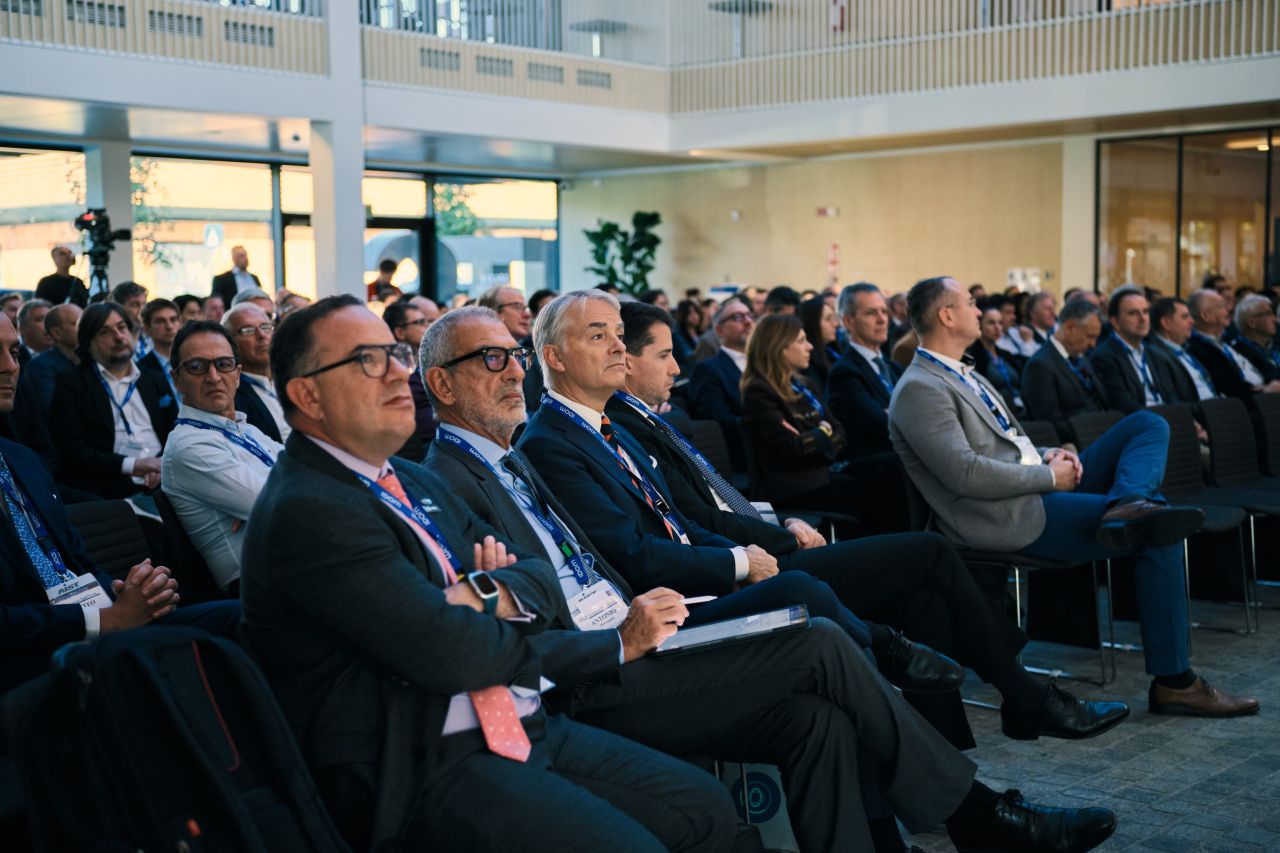
The second day of the European Steel Forum, organized by AIST (Association for Iron & Steel Technology) in collaboration with Danieli in Udine on October 27-28, opened with the Industry Leader Panel, featuring Marco Di Giacomo, CEO of Acciaierie Bertoli Safau S.p.A., Jean Arribe, Group CTO Steelmaking Expert at ArcelorMittal Luxembourg, and Yury Krotov, Vice President, Long Products Steel Operations at Steel Dynamics, Inc. The discussion was moderated by AIST’s John Ball.
The discussion highlighted that the steel industry’s transformation depends on its ability to combine decarbonization with competitiveness and resilient industrial supply chains. Investment in new plants is essential, but affordable energy, access to raw materials and a manufacturing base capable of sustaining demand are equally necessary. While European and US perspectives reflected different market conditions, participants identified shared priorities: strengthening supply chains, improving safety and making plants more efficient through innovation.
Competitiveness depends on the entire value chain
The future of the European steel industry is closely tied to that of downstream industries. This view was shared by Arribe and Di Giacomo, who stressed that safeguard measures can support operations in the medium term, but the sector’s survival requires lasting competitiveness.
“We need to understand our level of competitivity against the Middle East, Asia and India, and how we can support the downstream industry, because the lack of basic offer of downstream products will lead to a decrease of capability in Europe,” Di Giacomo stated.
Offering a US perspective, Krotov expressed confidence in manufacturing’s renewed strategic importance and growth prospects. He also challenged the perception of steelmaking as an industry reliant on outdated production methods, noting that continuous innovation in technologies and processes makes the sector more dynamic than it is often perceived to be.
Europe and the US seek common ground
Trade relations between Europe and the US remain complex. According to Arribe, pursuing a comprehensive political agreement from the outset could be too ambitious. A gradual approach built on practical measures could offer greater scope for progress, from mutual recognition of certifications to more consistent standards for low-carbon steel.
Di Giacomo emphasized the need to re-establish common interests, while acknowledging that the two sides’ positions still appear far apart. Krotov identified a basis for cooperation in shared free-market principles and the need to preserve manufacturing supply chains and technological expertise.
“When a non-free economy enters the picture, you need to put measures to protect your system. I do believe the US has a lot in common with Europe, Canada and Mexico, starting with a manufacturing base and innovation base that we need to make sure to nourish,” Krotov stated.
Building on these shared interests could support a more practical dialogue on protecting their respective industrial bases.
Scrap as a strategic resource
The transformation of production processes is bringing raw material availability into sharper focus. Growing interest in electric arc furnace steelmaking as a decarbonization route makes securing scrap supplies increasingly important. Vertical integration and the expansion of ferrous and non-ferrous recycling activities address this need. European governments and institutions are paying greater attention to the issue, while questions remain over how to ensure sufficient availability for the continent’s industry.
Arribe noted that the transition is changing sourcing requirements even for groups with well-established conventional supply chains. Investments in mineral resources help secure supplies for blast furnace production, while further work is needed to obtain the inputs required for lower-emission processes.
Energy and infrastructure shape the transition
Companies’ resilience also depends on the infrastructure supporting their operations. Di Giacomo distinguished between a company’s ability to respond to disruption and the structural conditions of the wider system. Producers can prepare to manage interruptions, but their options are more limited when problems involve power grids or other infrastructure.
Against this backdrop, Europe’s push for electrification must take account of electricity costs and the ability of grids to accommodate changing patterns of consumption and generation. Di Giacomo also raised concerns over the impact of the Carbon Border Adjustment Mechanism (CBAM) on certain ferroalloys.
For ArcelorMittal, Arribe explained, mitigating risks involves diversifying suppliers geographically and coordinating expertise across the group. Managing port infrastructure also helps ensure that products reach their destinations reliably.
On energy, Krotov outlined a strategy encompassing long-term nuclear power purchase agreements, investment in renewables and projects at plant level. Supply security and emissions reductions are therefore becoming part of the same industrial planning process.
AI supports knowledge transfer and new skills
Artificial intelligence applications are at different stages of development across the companies. Di Giacomo described AI as a tool with significant potential that ABS is still learning to integrate fully into decision-making and development processes, with plans to use it in analysis relating to its new plant.
Arribe outlined several ArcelorMittal pilot projects, including chatbots that help operators troubleshoot problems and tools for searching the group’s information resources. One particularly significant application involves knowledge transfer: the expertise of an employee approaching retirement was used to train an AI system to support the onboarding of younger colleagues.
Krotov then highlighted digitalization’s contribution to attracting younger generations. Showcasing the opportunities offered by AI, automation and the Internet of Things can help raise awareness of the steel industry’s technological capabilities. He also stressed the need to accompany experimentation with clear guidelines on how these tools should be used.
The discussion pointed to a transition involving the entire industrial system. More advanced technologies create new opportunities, but their effectiveness depends on access to energy, secure raw material supplies, adequate infrastructure and workforce skills. For Europe in particular, maintaining a strong manufacturing value chain remains crucial. Investment in decarbonization and innovation will need to translate into a stronger ability to produce, compete and sustain employment over the long term.
Author: SteelOrbis Editorial Team

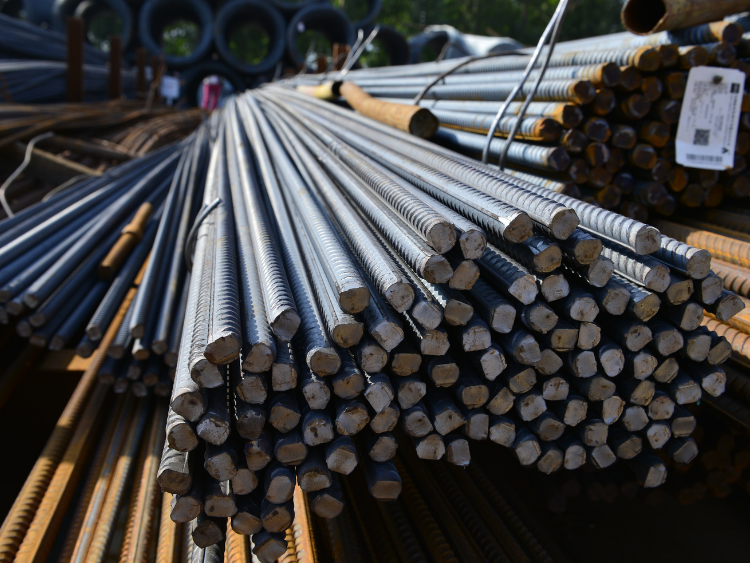
Italian rebar prices rise on mounting production costs despite weak demand
In Italy, market participants reported upward pressure on rebar prices, driven primarily by higher production costs rather than an improvement in underlying demand.
“Steel producers are pushing prices higher,” a distributor source told Fastmarkets. “However, the market remains depressed, with very weak demand.”
Market participants said truck driver strikes had disrupted deliveries to southern Italy, creating production bottlenecks and resulting in material shortages at some construction sites.
“The transport strikes and protests over the past few days have created considerable disruption in the South, particularly in terms of logistics, material availability and the ability to secure transport. This is adding another element of pressure to the market,” a buyer source told Fastmarkets.
In northern Italy, workable levels and deals were heard at €750-770 ($836-859) per tonne ex-works, while in southern Italy workable levels and transactions were reported at €760-790 per tonne ex-works.
As a result, Fastmarkets’ weekly price assessment for steel reinforcing bar (rebar), domestic, exw Italy rose to €750-790 per tonne on October 28,up from €730-780 per tonne the previous week.
Fastmarkets’ weekly price assessment for steel reinforcing bar (rebar), domestic, delivered Spain, was unchanged at €750 per tonne.
In Northern Europe, the latest workable levels were heard at €660-700 per tonne delivered.
Fastmarkets’ latest weekly price assessment for steel reinforcing bar (rebar), domestic, delivered Northern Europe, was therefore €660-700 per tonne on October 28, unchanged from the previous week.
European wire rod prices also remained stable during the assessment period.
Sources indicated workable levels for wire rod in Southern Europe at €670-680 per tonne delivered, unchanged from previous levels.
Fastmarkets’ weekly price assessment for steel wire rod (mesh quality), domestic, delivered Southern Europe, was €670-680 per tonne, stable week on week.
In Northern Europe, wire rod workable levels were heard at €705-715 per tonne delivered.
Fastmarkets’ weekly price assessment for steel wire rod (mesh quality), domestic, delivered Northern Europe, was therefore unchanged week on week at €705-715 per tonne on October 28.
Author: Nia Radenkova


European commercial vehicle registrations up 1.6 percent in Jan-Sept 2026 despite rising energy prices
The European commercial vehicle market delivered a mixed performance in the first three quarters of 2026, against a backdrop of rising energy prices.
In the first nine months of this year, new commercial vehicle registrations in the European Union (EU) increased by 1.6 percent year on year to 1,351,200 units, according to the European Automobile Manufacturers’ Association (ACEA).
New EU truck registrations recorded an increase of 7.5 percent year on year to 254,079 units in the January-September period this year. On the other hand, bus sales rose by 15.2 percent year on year compared to the same half of 2025, totaling 32,695 units.
In the given period, almost all major markets saw increases in truck registrations, including Poland (+20.5%), Spain (+13.2%) and Germany (+2.5%), in contrast, registrations in France declined by 1.6% over the first three quarters of 2026.

Tk accelis fetches €1.77bn market capitalisation upon listing
Thyssenkrupp (tk) listed tk accelis on the Frankfurt Stock Exchange on Wednesday, with the entity formerly known as tk Materials Services fetching an initial market capitalisation of around €1.77 billion ($1.96 billion).
Tk has thus completed the spin-off of 49% of tk accelis’ 63.5 million shares while retaining a majority, 51% stake in the unit. The stock began trading at €27.80 and peaked at €30.70 during Wednesday morning trading.
“Listing on the stock exchange is the logical continuation of our successful transformation,” tk accelis chief executive Ilse Henne says in a note seen by Kallanish. “Now that we are an independent company, we have greater flexibility. We can invest the capital we generate more purposefully in high-margin growth areas and systematically expand our product and service portfolio.”
In the first nine months of fiscal year 2025/26, tk accelis sales stood at €9.1 billion and adjusted Ebitda at €256 million, corresponding to an adjusted Ebitda margin of 2.8%.
Over the medium term, tk accelis is targeting an adjusted Ebitda margin of 4-5% and annual sales growth of 4% at group level. This will be driven by a focus on higher-margin businesses with a greater services component, expansion in North America, and disciplined efficiency measures.
The listing is a step towards thyssenkrupp group’s ACES 2030 future model, says group ceo Miguel López. “We are continuing to develop thyssenkrupp from an integrated industrial conglomerate into a lean financial holding – more decentralised, more agile, and with clear accountability,” he adds.
Author: Adam Smith

EU demand recovery stalls, economics must drive transition
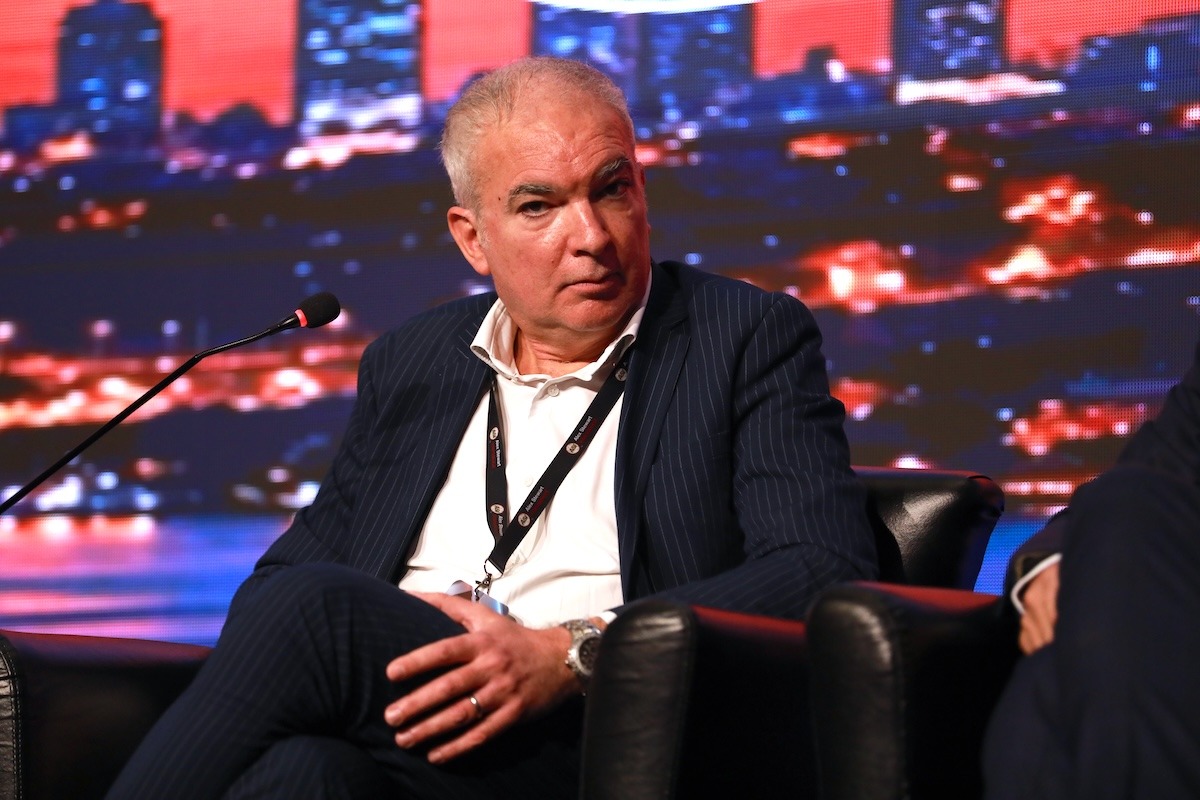
EU apparent steel consumption is set to be almost flat this year after an import-fuelled rebound in 2025, while global excess capacity continues to drive the downsizing of the region’s steel industry, Kallanish notes from keynote speeches at this week’s Steel Networking Summit in Istanbul, organised by the Turkish Steel Exporters’ Association.
Alessandro Sciamarelli, director of economic and market research at the European Steel Association (Eurofer), said EU apparent consumption rose 4.5% year-on-year to 134.5 million tonnes in 2025, after three consecutive years of contraction. The increase was driven by exceptional factors, including a 14% jump in imports concentrated in the second half of the year, as demand previously expected in 2026 was brought forward.
As a result, the recovery originally forecast for this year has turned into near-flat growth of 0.1%. This will be followed by 2.3% growth in 2027, leaving volumes still some 7mt below pre-pandemic levels.
Steel-weighted industrial production (SWIP), the association’s measure of output in steel-using sectors, is forecast to rebound 1.5% this year and 2.5% in 2027. Construction is expected to grow in 2026 but automotive will drop further before rebounding next year.
The EU has lost 59mt of crude steel production since 2008, with output falling to a record low of 125.8mt in 2025, Sciamarelli said. He attributed the decline to weak demand from steel-using sectors, global excess capacity of over 700mt according to the OECD, and structurally higher energy and production costs than in other major steelmaking regions. EU capacity utilisation remains at below 70%.
The EU’s trade deficit in finished steel products widened to 15mt in 2025, its ninth consecutive year in deficit, and was running at an annualised 11mt based on January-August data this year. Exports have fallen by about 9mt since 2018. Imports accounted for a record 30% of apparent consumption in 2025, up from 17% in 2012, before easing to 23% in the first quarter of this year.
Mehmet Ögütcü, chairman of Global Resources Partners and a former head of the OECD’s investment department, said the steel industry could no longer be treated in isolation from geopolitics, energy, finance and decarbonisation. The resilience of supply chains now matters as much as volumes or margins, he noted.
Ögütcü warned that pushing too hard on clean energy could force some major steel producers out of the market. The transition must be “economically feasible, commercially driven and also politically possible”, he said, noting that 81% of global energy consumption still comes from fossil fuels.
Yusuf Emre Akgündüz, deputy governor of the Central Bank of the Republic of Türkiye, said the war in the Middle East had been the year’s largest macroeconomic issue for Türkiye, an energy importer, affecting both inflation and the current account. Inflation has stalled at around 30%, driven by energy inflation of 45%, while services, core goods and food are giving milder signals, he concluded.
Author: Burak Odabasi Türkiye

European Commission cuts anti-dumping duties on Turkish cold-rolled coil; no new market impact expected
The European Commission has revised downward the anti-dumping (AD) duties to be imposed on Turkish cold-rolled coil (CRC) in November, sources told Fastmarkets on Monday October 26. No impact on the market is expected beyond what has already been observed, with import volumes down and local prices up.
In a document dated October 16, seen by Fastmarkets, the European Commission said it will decrease the initially announced AD duties on imported Turkish CRC by 1.9-2.6 percentage points, depending on the producer.
Thus, the AD duty for CRC produced by Borçelik will be 7.8%, compared with 9.7% before the revision. The AD duty for Tatmetal will be 3%, down from the initially announced 5.6%. The revised AD duty for the companies from the Erdemir group will be 4.9%, compared with 7.3% before the revision. The AD duty for all other Turkish exporters will be 7.8%, compared with the initially announced 9.7%.
The Commission received claims from the Turkish steel producers Tatmetal and Borçelik requesting a revision of the current AD duties. The two companies cited incorrect inflation adjustment assumptions about Turkey, a clerical error in the calculation of CIF values in some transactions, incorrect calculation of ex-works price levels and an error in the calculation of freight costs.
The Commission found all these concerns justified and decided to revise the AD duties announced in August, the document said. The new duties will enter into force after their publication in the Official Journal of the European Union.
Definitive AD duties on CRC apply to five origins
According to the August 2026 decision, AD duties should be imposed on imported CRC from five origins: India, Japan, Taiwan, Turkey and Vietnam. This step followed a 10-month investigation, initiated in September 2025 after a complaint by the European steel association Eurofer, which said dumped CRC imports were detrimental to the EU steel industry.
According to Eurofer data, combined CRC imports from these five territories accounted for 56.7%, or 1.5 million tonnes, of a total of 2.7 million tonnes of CRC imports into the EU in 2023. In 2024, the share was higher at 65.2% (1.9 million tonnes) out of a total of 3 million tonnes. Turkey alone recorded a 79% year-on-year increase in 2024, to 412,622 tonnes from 230,313 tonnes in 2023.
The Commission said lower-priced imports pressured EU producers’ prices, market share and profitability.
“The revision of the AD duties for Turkish imported CRC will not make any difference for the European market,” a producer source told Fastmarkets, implying that the correction of the duty levels was insignificant.
“With limited supplies from imports, CRC [market] in Europe will stay strong,” a trader source told Fastmarkets. They added that currently India, Japan and Brazil were not actively offering CRC in the European market, with Turkey remaining the main option for imports.
Recent European Commission data also showed that, due to the uncertainties surrounding the trade defense measures, the fourth quarter quotas for imported CRC to the EU were largely untouched.
Fastmarkets data also shows that, despite some fluctuations, the price for domestic CRC increased year on year.
For example, the average monthly price for steel cold-rolled coil domestic, exw, Northern Europe was €867.50 ($967.18) per tonne in October 2026, compared with €674 per tonne in October 2025.

European HRC prices mixed amid tight availability, sluggish demand
Hot-rolled coil (HRC) prices in Northern Europe increased on Wednesday October 28 amid tight availability for the remainder of the year, while Italian prices edged lower as subdued demand and operational difficulties at domestic mills limited market activity, sources told Fastmarkets.
In Northern Europe, bids were reported at €730-745 ($814-831) per tonne ex-works on Wednesday October 28.
A seller source reported deals for December-delivery material at €740-755 per tonne ex-works. Another mill was heard offering HRC at €800 per tonne delivered, equivalent to €780-785 per tonne ex-works, although market sources described this level as unworkable under current market conditions.
Meanwhile, a buyer source said that major producers were offering material at €760 per tonne ex-works.
The previous day, domestic mills across the region were reported to be largely sold out of 2026 production, with producers focusing on January 2027 delivery. Availability for the remainder of the year was also being constrained by planned mill maintenance in December, which will reduce the number of working days.
Despite weak demand, market participants said that domestic mills’ order books had been supported by the safeguard measures introduced in July. The reduction in import quotas had reportedly cut import volumes by 10-20%, increasing buyers’ reliance on domestic supply, a buyer source from Northern Europe told Fastmarkets.
Fastmarkets’ daily steel hot-rolled coil index, domestic, exw Northern Europe was calculated at €751.25 per tonne on Wednesday October 28, up by €2.86 per tonne from €748.39 per tonne on Tuesday October 27.
The index increased by €4.58 per tonne week on week and by €6.25 per tonne month on month.
In Italy, domestic HRC market activity remained subdued despite limited local availability, with major producers continuing to face operational difficulties.
The former Ilva steelworks in Taranto, operated by Acciaierie d’Italia under extraordinary administration, remained a key source of uncertainty for domestic supply. Its blast furnaces and coke ovens were idled in preheating mode until at least December 15, pending a Court of Cassation decision on whether operations could resume. Meanwhile, the company had opened a redundancy procedure covering 40 of its 51 permanent executives, and binding bids from prospective buyers were due by November 8.
Metinvest’s Italian re-rolling operations also remained affected by equipment breakdowns at Ferriera Valsider in August, leaving the mill temporarily absent from the HRC spot market. As a result, Arvedi remained the main active domestic supplier of HRC, according to sources.
Workable levels were reported at €730-740 per tonne ex-works, although negotiations remained limited. Mills were offering their remaining 2026 volumes at around €740 per tonne ex-works, while buyers indicated bids of no more than €750 per tonne delivered, equivalent to approximately €730-735 per tonne ex-works.
For January 2027 rolling, offers for HRC were heard at €760-780 per tonne delivered (€740-765 per tonne exw), with some initial bookings reported at these levels. However, a source from a producer said that buyers remained reluctant to accept prices above €750 ex-works for early next year, citing sluggish end-user demand.
Northern European mills were also stepping up sales activity in Italy amid limited domestic availability and reduced import volumes, with delivered offers reported at €780-790 per tonne.
Fastmarkets’ daily steel hot-rolled coil index, domestic, exw Italy was calculated at €741.63 per tonne on Wednesday October 28, down by €2.87 per tonne day on day from €744.50 per tonne on Tuesday October 27.
The index fell by €0.83 per tonne week on week but increased by €0.38 per tonne month on month.
In Central Europe, the most recent indications of tradeable levels continued coming within the range of €745-760 per tonne ex-works earlier this week.
For this reason, Fastmarkets’ weekly price assessment for steel hot-rolled coil domestic, Central Europe remained within the range of €745-760 per tonne ex-works on October 28, unchanged week on week.
A buyer in Poland said that, since material previously booked from Ukraine had failed to arrive, buyers were seeking replacement volumes in the local market.
The market leader continued targeting €790-800 per tonne CPT (equivalent to €770-785 per tonne ex-works) for hot-rolled coil in the region, sources said.
In Spain, ArcelorMittal was targeting levels similar to those heard in Central Europe.
One buyer said that for large customers a discount of around €20 per tonne could be applied and estimated tradeable levels within the range of €770-780 per tonne delivered or €750-765 per tonne ex-works.
Another buyer source said he would not be surprised if the seller achieved €800 per tonne ex-works soon, and claimed that “material shortages are starting in Spain as imports can only be cleared in small parts”.
Fastmarkets’ weekly price assessment for steel hot-rolled coil domestic, exw Spain was €750-770 per tonne on October 28, widening upward from €750-760 per tonne on October 21.

Salzgitter strengthens electricity infrastructure to support low-carbon steelmaking
German steelmaker Salzgitter AG has announced that transmission system operator TenneT Germany has officially commissioned a new industrial power line in Salzgitter, Lower Saxony, to support the company’s transition toward low-carbon steel production under its SALCOS® (Salzgitter Low CO₂ Steelmaking) program.
According to the company, the new power line will provide additional electricity transmission capacity for Salzgitter’s industrial facilities, supporting the increasing electrification of steelmaking processes and strengthening the region’s security of electricity supply.
First phase of SALCOS® program scheduled for completion in 2027
Heike Denecke-Arnold, chairwoman of the management board of Salzgitter Flachstahl GmbH, stated that the first phase of the SALCOS® program is nearing completion and is scheduled to be finalized in 2027. At that time, new production facilities, including an electric arc furnace (EAF), are expected to become operational. She emphasized that the new power line represents an essential infrastructure requirement for the implementation of SALCOS®, as the transition toward low-carbon steelmaking will significantly increase electricity demand.
Salzgitter noted that the existing 220 kV electricity grid would not have been sufficient to meet the anticipated long-term increase in industrial electricity consumption in the region. The new infrastructure consists of an approximately 10 km long, 380 kV overhead power line connecting the Liedingen and Bleckenstedt/Süd substations.