


Alleima secures steel tube and pipe supply order for Sizewell C nuclear project in UK
Sweden-based specialty steel producer Alleima has announced that it has received an order to supply nuclear tubes and pipes for the Sizewell C nuclear power project in Suffolk, the UK.
According to the statement, the order covers tubes and pipes for the two EPR1600 nuclear reactors planned at Sizewell C. The order was booked in the fourth quarter of 2026 under Alleima’s Tube division, with deliveries scheduled to begin in 2027 and continue for approximately two years.
The company has not disclosed the contract value, tonnage or exact technical specifications of the tubes and pipes covered by the order.
Carl von Schantz, president of Alleima’s Tube division, stated that the order marks the beginning of a new customer relationship in the nuclear sector. He emphasized that applications close to nuclear reactors require stringent material quality and technical performance standards, which the company aims to meet through its materials expertise and manufacturing experience.
European Steel Forum: Decarbonization challenges put competitiveness in focus
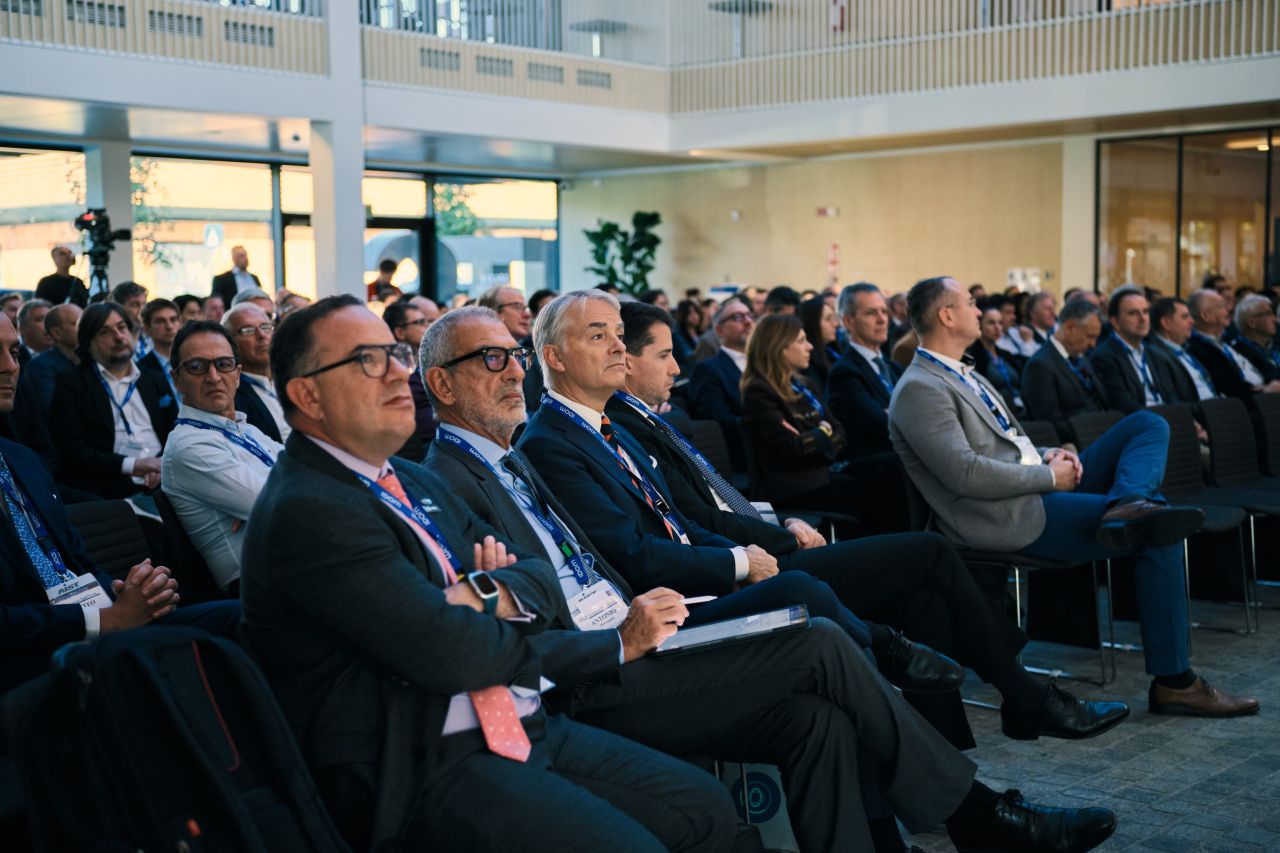
Decarbonization remains central to the transformation of the European steel industry, but the pace of the transition will depend on the availability of competitively priced clean energy, access to raw materials and a regulatory framework that supports investment. This was the key message emerging from the first day of the European Steel Forum, organized by the Association for Iron & Steel Technology (AIST) in cooperation with Danieli, held in Udine on October 27-28.
Participants were welcomed by Giacomo Mareschi Danieli, CEO of Danieli & C. and Rolando Paolone, CEO and CTO of Danieli Group, alongside José Noldin, chair of the AIST European Member Chapter and CEO of GravitHy. The subsequent presentations and panel discussions addressed the main challenges of the transition, linking innovation in production processes to the conditions needed to preserve the competitiveness of European industry.
Steel market enters a period of realignment
Ron Ashburn, executive director of AIST, outlined a period of realignment for the steel market, identifying three factors set to reshape its dynamics. The first concerns the changing rules of globalization: security of supply is becoming increasingly important alongside efficiency, while domestic production and supply chain resilience are being viewed as strategic assets. The second is overcapacity, which fuels trade imbalances and encourages greater reliance on tariffs, trade defense measures and industrial policies. The third concerns the opportunities created by decarbonization, artificial intelligence and electrification, with energy infrastructure and advanced manufacturing expected to support new sources of demand.
Net-zero ambitions: investment continues, but transition timelines lengthen
The first panel, Transformation of the European Steel Industry for Carbon Neutrality, was moderated by Jürgen Cappel, managing director of Cappel Stahl Consulting. Participants included Andrea Bianchi, CTO of Arvedi Group; Thomas Bürgler, CEO of K1-MET; Martin Pei, senior advisor at SSAB; Sebastian Börner, technical project manager for Power4Steel at Stahl-Holding-Saar; and Soeke Helmers, EAF lead at Salzgitter Flachstahl.
The presentations provided an overview of the different approaches being pursued to reduce emissions and modernize production assets. Bianchi highlighted Arvedi’s commitment to combining decarbonization with product quality, outlining its ESP production model, which can produce 2.8 million metric tons of hot rolled coil annually. The discussion also covered voestalpine’s Hy4Smelt demonstration project and the HYBRIT technology for hydrogen-based direct reduced iron production, presented by Pei. Börner and Helmers provided updates on their respective plant transformation programs.
The discussion then focused on hydrogen’s role as a reducing agent in steel production and the challenges affecting its large-scale use. While acknowledging that achieving carbon neutrality will take longer, participants reaffirmed their commitment to continued investment. “We will continue investing to replace blast furnaces with electric arc furnaces and expand our opportunities to use sustainable inputs,” Pei stated. Bianchi emphasized the complexity of the current situation: “We are at a crucial stage. Achieving carbon neutrality is difficult, and carbon capture still appears impractical. But we will not give up.”
Another topic was how to reconcile low-emission production targets with the continued use of carbon-intensive processes during the transition. Presenting Power4Steel, Börner described a program combining the construction of new plants with the transformation of existing assets, stressing the need for a pragmatic approach. “We need to find a way to produce green energy: the more clean energy we have available, the more green steel we will be able to produce,” he said.
Marcegaglia: decarbonizing without undermining European competitiveness
The relationship between the transition and competitiveness was explored further in the following presentation, during which Antonio Marcegaglia stressed a key principle for the sector: decarbonization must not lead to deindustrialization.
Noting that emissions reductions have coincided with declining production, Marcegaglia emphasized the need to set technologically achievable targets and keep the Emissions Trading System (ETS) focused on its regulatory compliance function, preventing speculative and financial considerations from taking precedence.
On trade, Marcegaglia welcomed the recent safeguard measures but called for their coordinated and pragmatic implementation. An excessively isolated market, he noted, could encourage indirect steel imports through finished products and components, while also limiting export opportunities for European companies. In his view, the Carbon Border Adjustment Mechanism (CBAM) should likewise retain its role in balancing the costs of the transition. “I believe that CBAM, a measure intended to offset the additional decarbonization costs incurred by European producers, should not become a protectionist tool,” he stated. Excessive steel price increases could undermine the competitiveness of downstream industries, encouraging purchases of imported components outside the mechanism’s scope and reducing the industrial value added generated in Europe.
Clean energy: costs, availability and industrial policies at the heart of the transition
Energy dominated the second panel, Carbon-Free Energy Sources for the European Industry, moderated by Susanne Michelic of Montanuniversität Leoben. Participants included Alexander Fleischanderl of Primetals Technologies, Gabriele Imparato of Unicalce, Lutz Weber of Alpacem, Gabriele Guastaferro of Danieli Green Metal and Christian Koulic of TotalEnergies.
The participation of representatives from the lime and cement sectors broadened the discussion to the interdependencies between energy-intensive industries. Imparato noted that approximately one-third of global lime production is destined for the steel industry, while Weber highlighted the complementary roles of cement and steel in infrastructure construction. The transition therefore requires coordination across several value chains that share energy needs and decarbonization challenges. Koulic summarized the issue through the so-called “energy trilemma”: ensuring that energy is affordable, sustainable and reliable at the same time.
The discussion highlighted the need to complement technological development with regulatory and financial conditions that enable projects to move forward. “Technology does not appear to be the problem. We need to create a system that gives us a clear direction in terms of regulation and investment,” Imparato observed.
Guastaferro added that the availability of market-ready solutions represents only part of the journey: to complete the decarbonization process, these technologies must be adopted widely enough to become industry standards. In this context, he highlighted the role of institutions and investment support mechanisms, citing the industrial heat auctions planned under the EU Innovation Fund.
Raw materials: quality and availability reshape the future of steel production
The day concluded with the panel Where and How Will Iron Be Made? Rethinking Feedstock and Geography in a Decarbonizing Steel Industry, which examined changes in raw materials and production geography. Moderated by Felix Firsbach of Badische Stahl-Engineering, the discussion brought together Naota Furihata of Mitsui, Thomas Brown of Binding Solutions, Thiago Campos of SMS group and Jan Eisbacher-Lubensky of Montanuniversität Leoben.
Furihata outlined the outlook for trade in direct reduced iron and hot briquetted iron (DRI/HBI), reporting global trade volumes of 12.4 million metric tons, compared with 79 million metric tons for scrap. According to the estimates presented, the situation is expected to remain relatively balanced through 2030, with developments depending on the availability of high-quality scrap and demand generated by new steelmaking projects.
Brown also outlined growth prospects for pellets, indicating a potential production volume of 190 million metric tons if all announced projects are implemented. Campos, meanwhile, drew attention to the increasing difficulty of sourcing high-grade iron ore, highlighting the need to develop and adopt technologies capable of processing low-grade material effectively.
“Decarbonization is not just about the energy transition; it also presents a challenge in terms of raw material quality,” Campos explained, adding that production solutions will need to be adapted to the resources and conditions of individual regions.
Decarbonization and competitiveness: advancing the transition across the value chain
The first day of the European Steel Forum highlighted a shared direction, alongside calls for a more practical approach to transition timelines and support mechanisms. Companies remain committed to investing in lower-emission processes, but the deployment of new technologies continues to depend on clean energy availability, access to suitable raw materials and the economic viability of projects. For the European steel industry, the challenge will be to advance these elements together through closer cooperation across value chains and an industrial policy framework that reconciles climate targets with continued production and competitiveness.
WSD anticipates weaker-than-expected 2026 steel demand
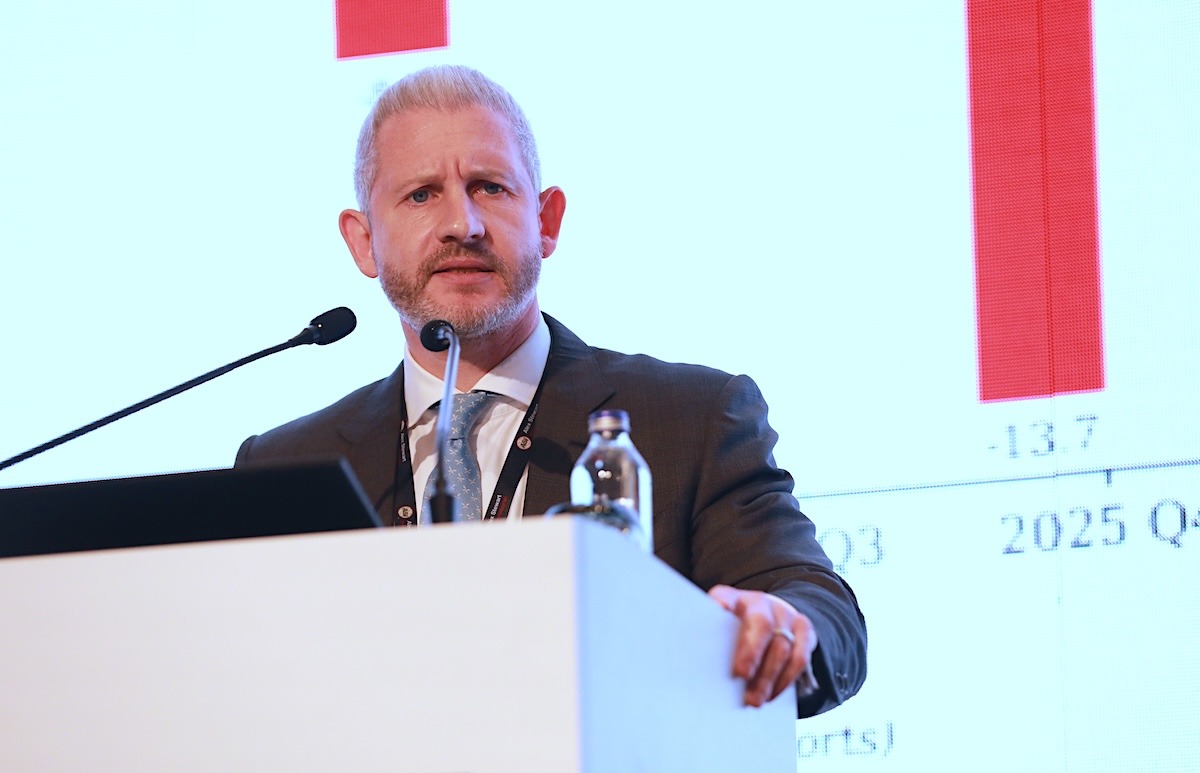
World Steel Dynamics (WSD) expects global steel demand in 2026 to materialise at considerably lower levels than World Steel Association forecasts, as Chinese consumption falls faster than expected.
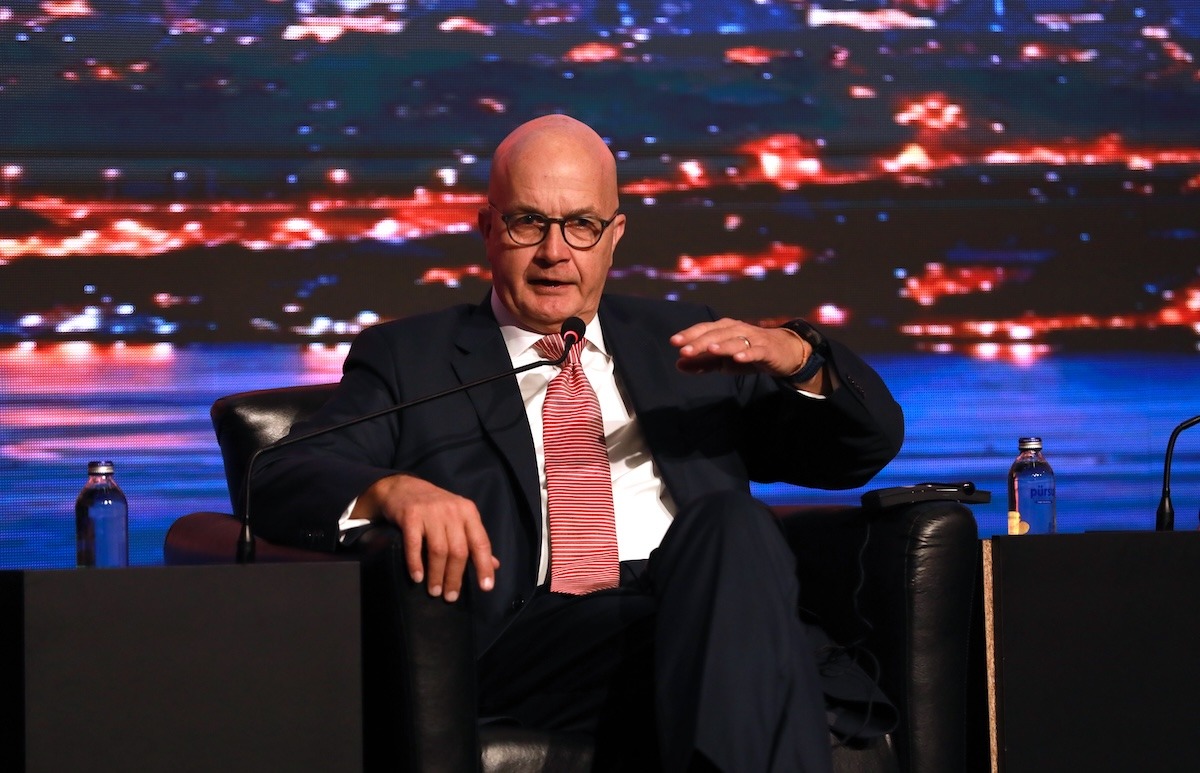
China’s apparent steel consumption was down almost 6.5% through August, chief executive Philipp Englin said during his keynote at this week’s Steel Networking Summit in Istanbul attended by Kallanish. A 2% decline “doesn’t appear to be likely to be the number. I think it will be significantly lower than that,” he projected.
International hot-rolled coil prices have been driven primarily by Chinese exports over the past three to four years, leaving steelmakers both inside and outside China losing money, Englin said.
Chinese finished steel exports have receded slightly this year, but including semi-finished products, exports have grown again in 2026. The growth in semis is primarily a substitution for Iranian semis in international markets and shows how quickly China can fill any gap in supply, he noted.
Outside China and India, steel demand has barely grown in the past decade and is “really just absorbing the net exports out of China”, Englin said. The Middle East conflict is weighing on demand, while India and, to a lesser extent, Vietnam are the only regions where consumption is growing appreciably.
Developing economies now find it almost impossible to follow the traditional route of building steel and manufacturing sectors, as China is capturing global manufacturing as it has steel, he observed. Some estimate Chinese net exports of steel-containing goods at 130-150 million tonnes, in addition to its finished steel exports.
Raw material support for steel prices has also eroded, with iron ore well off its peak and facing further headwinds, Englin said. Coking coal’s recent gains on Chinese mine curtailments have slowly unwound.
In the US, 50% tariffs have produced the highest sustained prices the market has seen, but the resulting arbitrage is drawing imports back. Sheet imports are approaching an annualised 8 million tonnes from about 5.5mt, while slab imports have jumped to almost 8mt annualised in recent months from a traditional 3.5-4mt, he said. This creates “a massive arbitrage opportunity for the re-rollers”.
In Europe, Englin called it “almost astounding” that prices have not improved more given the fall in imports, pointing to weak demand or inventory liquidation. Underlying demand indicators are not “flashing some kind of red disaster”, he said. WSD still sees some upside for European domestic prices as imports fall and supply is cut “quite aggressively”, assuming the tariff-rate quota (TRQ) system works.
For 2027, downside forces outweigh upside ones, he said, citing higher inflation, higher energy costs and more Chinese exports. He described steel-intensive stimulus and output discipline in China as unlikely. However, with “okay” demand growth outside China and slightly declining Chinese exports, “we might see another moderate increase in international steel prices,” Englin concluded.
Author: Burak Odabasi Türkiye

Big players miss out on Euroblech
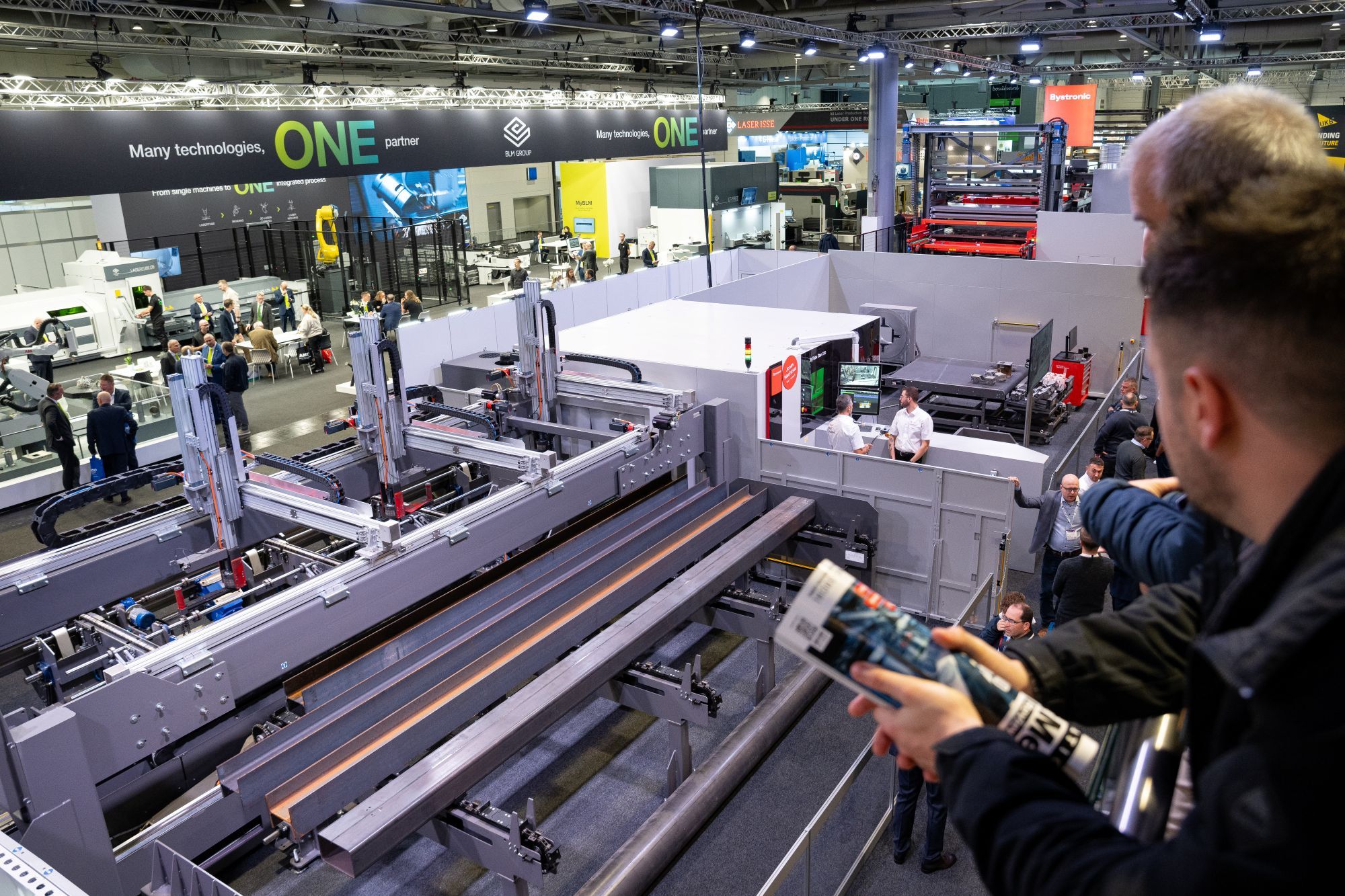
Euroblech in Hanover last week was probably the quietest European sheet trade fair of the 21st century so far. As a platform for technology and engineering providers, it may have fulfilled the expectations of exhibitors, but not for steel market trading participants.
Strikingly, Germany’s biggest mills, thyssenkrupp Steel and Salzgitter, stayed away from the event. By comparison, last year’s Blechexpo in Stuttgart saw not only their steelmaking units attend, but also distribution divisions thyssenkrupp Materials Services and Salzgitter Mannesmann. Both groups, when asked by Kallanish, say they will be in attendance again in Stuttgart next year.
It took less than one hand to count the steelmakers who had stands in Hanover: ArcelorMittal, voestalpine, Tata Steel Europe, and Marcegaglia. Again, by comparison, the 2025 Blechexpo saw representation from Arvedi, NLMK, big distributors and processors like Kloeckner, Knauf Interfer, Spaeter, and many more which did not show up in Hanover, at least not with a stand of their own.
“Costs, resources and time made many mills pull out,” one mill source believes. He finds that “the significance and the benefit of such fairs are not what they used to be”. Deals and contracts are no longer signed at the fairs, but have been moved more into daily contact business, he concludes.
Author: Christian Koehl Germany
EUROMETAL: Carbon costs weaken European manufacturers’ export competitiveness

World Steel Association: The gap between global steel capacity and demand is widening
European steel future needs energy, innovation: AIST conference
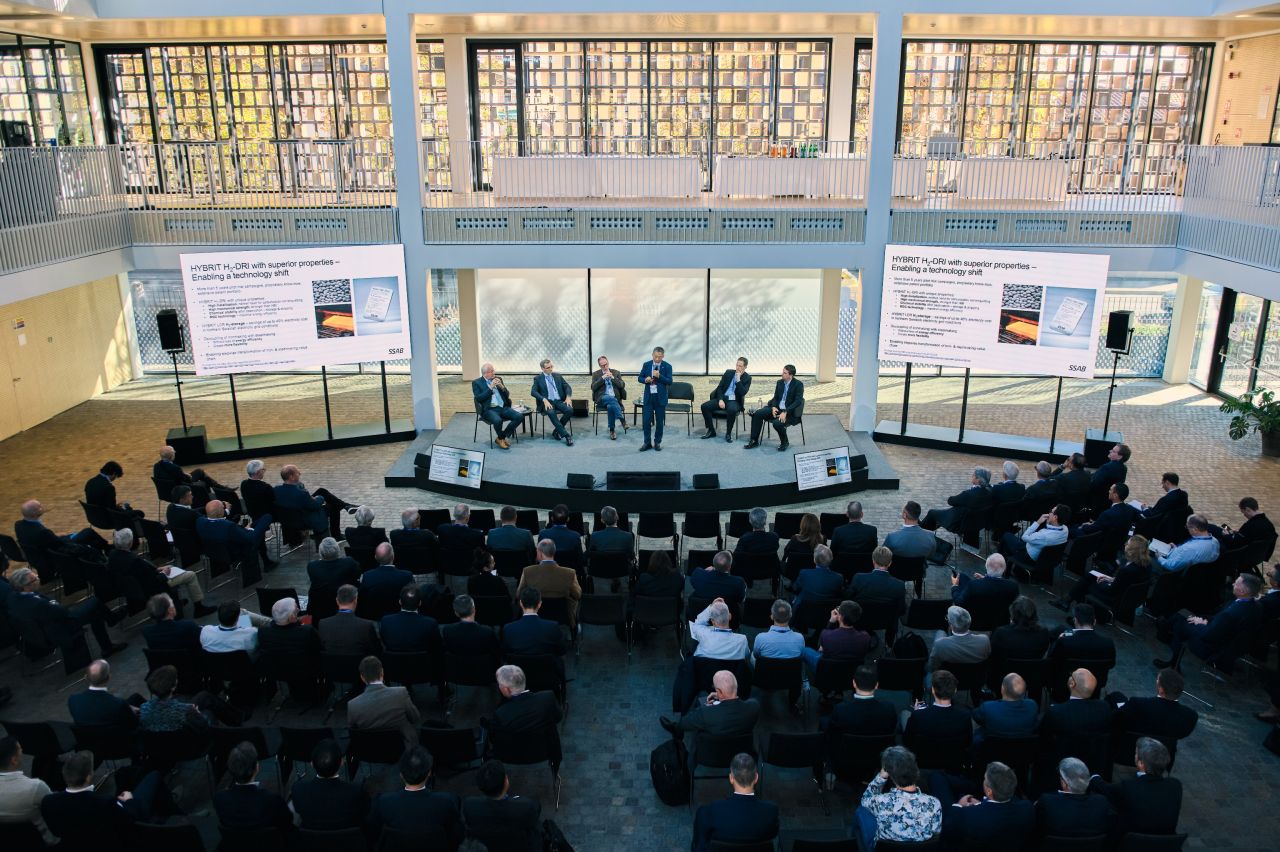
Low-cost clean energy availability continues to hold back steelmaking decarbonisation in Europe, with innovation the key to breaking the deadlock. Energy infrastructure is as dependent on steel as steelmaking is on energy supply. So was the conclusion of speakers at the Association for Iron and Steel Technology (AIST)’s European Steel Forum.
“Energy is the elephant in the room,” AIST chairman Ron Ashburn said on Tuesday in his address to open the conference held in Udine, Italy, and attended by Kallanish. He was quick conceding that it is not the only elephant these days, with artificial intelligence increasingly becoming a game changer in industries.
High costs in many European countries and the shortage of green energy to convert successfully to green steelmaking are dramatic challenges for European mills. Delegates noted that this is slowing down the transition to green steelmaking.
If, for example, Austrian steelmaker voestalpine would be able to produce steel with net zero CO2 output, using 100% renewable energy, “we would account for 50% of Austria’s energy consumption,” said Thomas Bürgler, chief executive of K-1 Met. The company is a research unit of voestalpine, Primetals and Austria’s Linz and Leoben Universities.
Antonio Marcegaglia, head of family-owned Marcegaglia group, expressed his own thoughts on the matter. Reasonably priced clean energy in Europe is available only in the Nordics and, to a lesser extent, harnessing solar power in the south. Hydropower and wind are not possible everywhere, he said. “We spend a lot of effort on renewable energies, but if you look at the return on investment, it is unproportional,” he noted, adding that he considers nuclear energy an option.
For Stahl-Holding Saar (SHS) and its companies Dillinger and Saarstahl, nuclear is however not an option. This is not only because Germany has banned nuclear energy, but also because of EU directives which exclude the use of nuclear energy in funding approval.
“That is how it is laid down in the Renewable Energy Directive 2,” Wim van der Stricht of the European Steel Technology Platform (ESTEP) informed Kallanish on the sidelines of the conference. The organisation is currently working on the third version of the Directive, he added.
“Just as steel needs energy, energy needs steel,” Ashburn said on the mutual dependence between the two industries. As part of this tricky relationship, “innovation will determine the winners, which will be the early adaptors”, he asserted.
He pleaded enthusiastically for the support of research and development. “If we get this right, we will improve the planet, and it will be a win-win-win game,” he said.
Closing his presentation, he directed the audience’s attention to AIST’s campaigns, supported by ArcelorMittal and SSAB among others, to raise awareness of steel’s applications among the general population.
Author: Christian Koehl Germany
Solines joins EUROMETAL as Stockholding Member
EUROMETAL is pleased to welcome Solines B.V. and Solines GmbH as new Stockholding Members. Solines is an international stockholder and distributor specialising in steel tubes and pipes.
Read more: solines.nl and solines.de
Swiss Steel targets 1 million mt of annual low-carbon steel supply from Canada starting in 2030
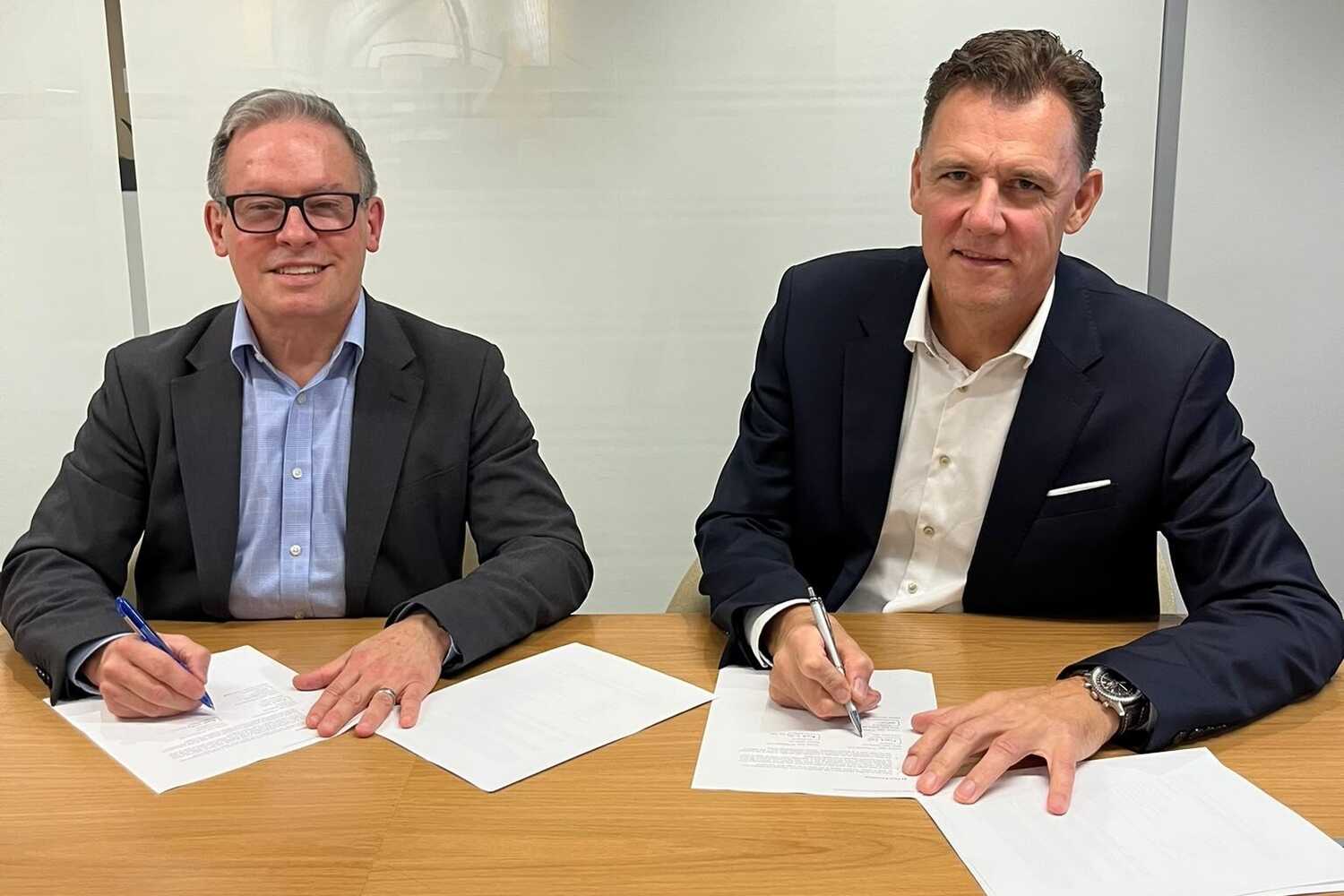
Swiss Steel Group has announced that it has signed an agreement with Canada Nickel Company outlining a potential long-term strategic partnership for the supply of low-carbon semi-finished steel products from Canada.
The agreement aims to combine Canada’s mineral resources and low-carbon energy advantages with Swiss Steel Group’s specialty steel production capabilities and established European customer network. Under the proposed partnership, Swiss Steel Group would secure exclusive access to approximately 1 million mt of low-carbon semi-finished steel products annually starting in 2030. The products, including billets and blooms, would be further processed at the company’s specialty steel production facilities.
Frank Koch, CEO of Swiss Steel Group, stated that the planned cooperation would support the company’s strategy of optimizing its industrial footprint while securing flexible access to competitive, low-carbon semi-finished steel products. He added that the companies would continue working toward establishing a commercially and technically viable long-term partnership.
NetZero Metals to supply low-carbon semi-finished steel
Canada Nickel intends to supply the products through its wholly owned subsidiary NetZero Metals, which plans to process concentrates from the company’s Crawford Nickel project into finished nickel products.
NetZero Metals also plans to convert nickel-chromium magnetite concentrate into low-carbon, potentially net-zero-carbon, semi-finished stainless and specialty steel products.
Author: SteelOrbis Editorial Team

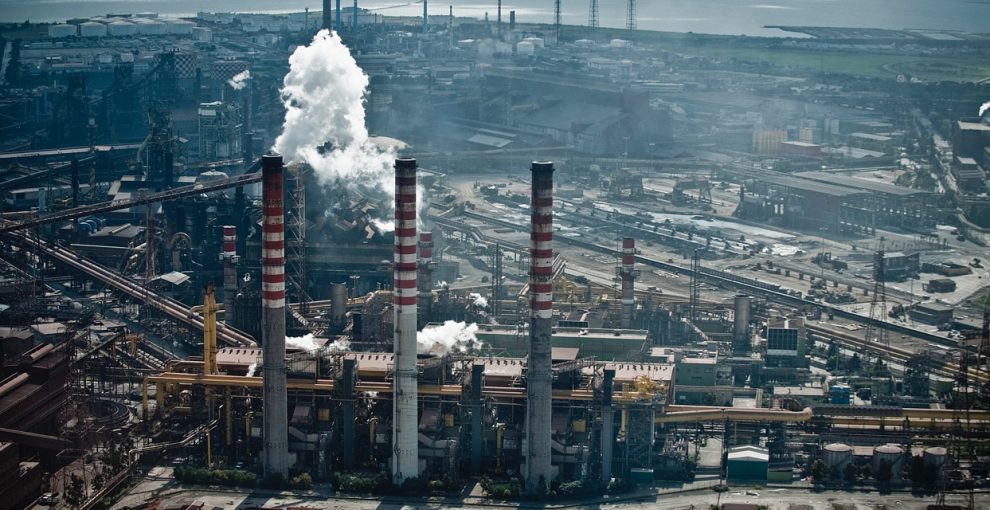
Former Ilva faces restructuring and new legal challenges amid uncertainty over steel production
A new phase of uncertainty is unfolding at the former Ilva steelworks in Taranto, amid corporate restructuring and further legal developments. Acciaierie d’Italia (ADI), currently under extraordinary administration, has initiated a collective redundancy procedure affecting 40 executives, while a new investigation by the Taranto Public Prosecutor’s Office is targeting several former company executives. On the production front, the hot-end facilities remain in preheating mode pending a ruling by Italy’s Court of Cassation.
Corporate restructuring and upcoming deadlines
In a statement issued on October 23, ADI announced the launch of a collective redundancy procedure involving 40 of its 51 permanent executives, as part of a restructuring process linked to the reduction of production activities. The procedure does not entail immediate dismissals but initiates a consultation process with trade union representatives.
Meanwhile, following the October 25 deadline for the shutdown of the hot-end facilities, a government legislative measure allows the plants to remain in preheating mode until December 15, pending the Court of Cassation’s decision. As previously reported by SteelOrbis, the court ruling ordering the shutdown of the facilities has raised serious concerns over production continuity at the site. The extension of the preheating period will help preserve the plants’ operational readiness, although it does not guarantee the resumption of production.
A new meeting between the government and trade unions is also scheduled for today, October 27, at Palazzo Chigi, the Italian prime minister’s office, to discuss the group’s industrial and employment prospects. Regarding the sale process, the deadline for potential investors to submit binding offers remains set for November 8.
New legal proceedings involving former management
Separately, the Taranto Public Prosecutor’s Office has requested that Lucia Morselli, former CEO of Acciaierie d’Italia, and two other individuals be placed under house arrest as part of an investigation into the management of the steelworks between 2019 and 2024. The allegations concern suspected environmental offences and irregularities in the management of emissions and CO₂ emission allowances. The requests for precautionary measures are to be assessed by the judge for preliminary investigations, with preliminary questioning scheduled for November 3.
The former Ilva’s crisis therefore continues to be marked by uncertainty over production, employment and legal matters, as key deadlines approach that could determine the group’s future industrial structure.
Author: SteelOrbis Editorial Team