


Trasteel moves closer to Nasdaq listing via SPAC
Steel trading and industrial group Trasteel has taken another step towards a Nasdaq listing through its planned merger with special purpose acquisition company (SPAC) Sizzle Acquisition Corp. II, the companies say in a joint note.
On 30 September, Trasteel S.A, a new Luxembourg holding company set up for the deal, submitted a draft registration statement on Form F-4 to the US Securities and Exchange Commission (SEC). The document relates to the business combination agreement the parties signed on 13 April 2026, which has since been amended.
The registration statement has not yet been formally filed or declared effective. It remains subject to SEC review, Kallanish notes.
Under the deal, the new holding company will acquire all of Trasteel’s shares in exchange for its own ordinary shares. Its wholly owned subsidiary, Trasteel Merger Sub Limited, will merge into Sizzle II. Both Trasteel and Sizzle II will then become subsidiaries of the holding company.
The transaction, expected to close by end of 2026, still needs the SEC to declare the registration statement effective, and Sizzle II shareholders must approve it, among other conditions. After closing, the new holding company is expected to trade on Nasdaq under the ticker TSTL.
Trasteel is headquartered in Lugano, Switzerland, and in Luxembourg. Sizzle Acquisition Corp. II is a Cayman Islands-based special purpose acquisition company listed on Nasdaq under the ticker Szzl. Trasteel intends to use proceeds from this transaction for strategic acquisitions and investments.
The transaction values Trasteel at a pre-money equity value of $800 million. The value of the combined company is expected to be approximately $1.3 billion, assuming no redemptions by public shareholders of Sizzle II. (see Kallanish passim).
Italian rebar prices rise in recent deals
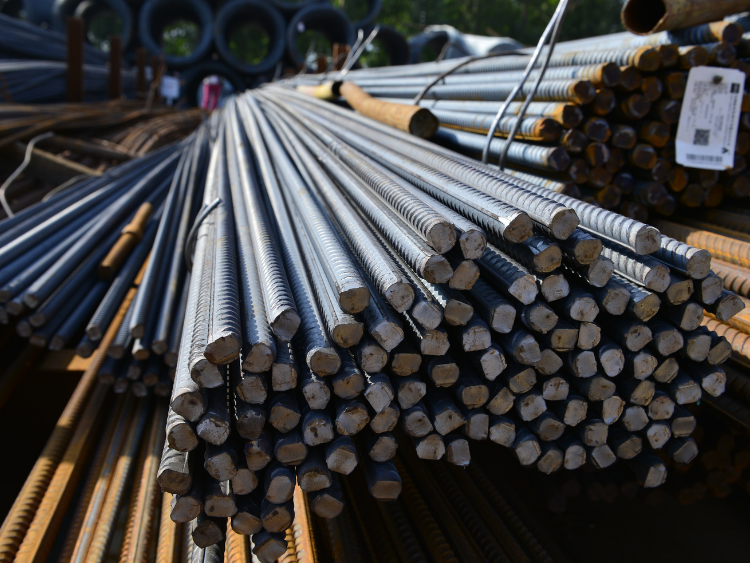
Italian rebar contracts have ticked higher in recently concluded deals, with producers pushing prices up further in October, asking for €480-490/tonne ($545.8-557.2/t) base ex-works.
The increases, however, are struggling to take off with buyers who are adopting a cautious stance considering the weak market activity, sources tell Kallanish.
Some sources say they are starting to feel the impact of EU-funded infrastructure projects coming to an end. One distributor reports weak demand for rebar and mesh in recent weeks. A construction company is more positive, however. It expects a good October as new orders are coming in.
“Payment delays persist, and despite a slightly better demand in the second half of September, the market remains challenging,” another source comments.
Rebar contracts implemented last week were concluded at €430-440/t base ex-works on average.
The level of €460/t is heard being charged for a truckload, equivalent to 30 tonnes. Kallanish assesses Italian rebar at €690-730/t ex-works on Friday, including size extras of €260-270/t.
Mesh prices are reported at €520-540/t delivered, excluding €300/t for size extras.

CBAM certificate price rises in Q3
The price of Carbon Border Adjustment Mechanism (CBAM) certificates for the third quarter of 2026 has been set at €82.32 ($92.3), rising steeply, by €7.04 from the previous quarter, Kallanish notes.
This comes as EU carbon permit (EUA) prices increased on-quarter in Q3, peaking at above €88 in mid-September as increased coal use boosted demand for EUAs. However, they still did not reach the Q1 peak in excess of €93.
The Emissions Trading System (ETS) is being reviewed by EU lawmakers amid intense debate within the steel industry. Early decarbonisation investors want high EUA prices to ensure a business case, while other mills are asking to ease the cost pressure until conditions enabling decarbonisation are in place.
The European Parliament recently voted to maintain the invalidation of allowances in the Market Stability Reserve (MSR), but raise the threshold from 400 million to 650 million allowances. Eurofer said the phaseout of free allowances should be slower than planned, with focus also given to providing low-carbon energy, effective trade measures and lead markets for low-carbon steel.
CBAM is also coming under attack. The World Trade Organisation (WTO)’s Dispute Settlement Body (DSB) has established a panel at Russia’s second request to determine whether the EU’s CBAM and alleged ETS export subsidy are consistent with the bloc’s WTO commitments.
EUROFER: EU steel imports decline, trade deficit narrows

EU HRC prices up slightly amid output issues, fewer import negotiations due to risks
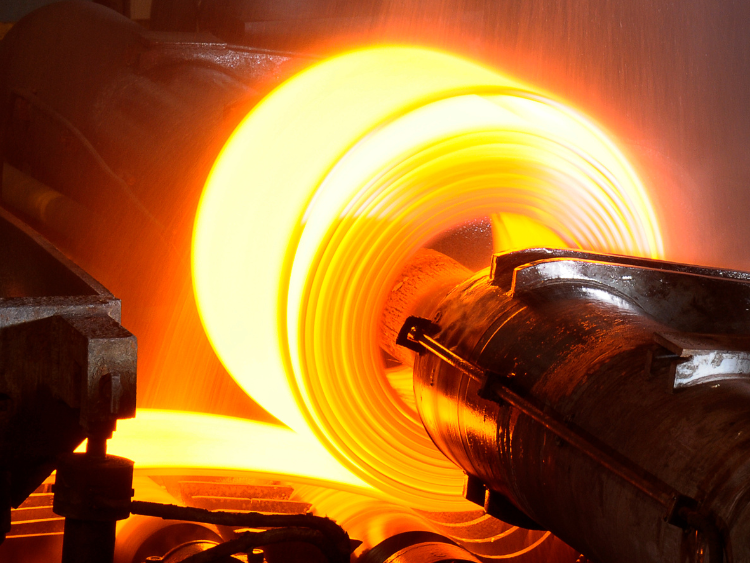
Domestic HRC business activity in the EU has remained at moderate levels this week with some price increases being seen in certain regions, mostly due to some production issues faced by a few mills, particularly in Italy and Germany.
The general stocks of HRC across Europe is still at medium to high levels, but sentiment remains firm as regards pricing remains due to strong market fundaments and high risks facing imports. The import activity for HRC has diminished this week in Europe since many believe the quota for some origins has been already closed and exceeded for Q1 2027 while others prefer to refrain from imports due to CBAM uncertainties to be faced in Q1-Q2 next year.
In Italy, according to sources, amid the issue with production at Arvedi, local HRC prices have moved up by €20-30/mt in the latest targets to €760-780/mt delivered, while the transportation cost is estimated at roughly €10-25/mt depending on the region. In Spain, the workable price level has improved by €5-10/mt to €740-745/mt ex-works, while in the northern part of the EU the price levels are at €740-760/mt and up to €770/mt ex-works. Meanwhile, a source has reported that one mill in the Benelux region has been selling at as low as €725-730/mt ex-works, but the level is not widespread in the EU. In eastern Europe, some of the producers have increased offers by €20-30/mt to €760/mt delivered, while others remained at €765-775/mt and up to €790/mt CPT.
In the import HRC segment, duty paid offers from Turkey have been reported at $700-710/mt or €625-635/mt CFR, up by €5-10/mt over the past week. The latest offers from India have been reported at $730-740/mt and up to $750/mt CFR (€650-670/mt) CFR, up from the latest deals at $715-725/mt CFR. “Both India and Turkey seem to have sold a lot [of HRC] for Q1 2027. They will fight for the FTA [CSQ] and it is going to be a mess,” a European trader told SteelOrbis. “So, we have decided not to import any HRC,” he added.
Most of the HRC import offers continue to be heard on DDP basis since the buyers are aiming to minimize their risks as much as possible. Japan and Taiwan are at €770/mt while South Korea is offering at as high as €790/mt, while the workable levels are still considered to be closer to €730-750/mt DDP.
€1 = $1.12
Author: SteelOrbis Editorial Team


Italian longs prices still under upward pressure, but sales volumes remain low
According to market participants in the Italian long steel segment, attempts to raise sales prices have continued this week, although sales volumes remain modest.
As for prices, sources have reported list prices at €470-490/mt ex-works base (€735-755/mt ex-works including regular extras), around €50/mt higher than the levels at the beginning of September. However, sales continue to be reported at €460/mt ex-works base (€725/mt ex-works including regular extras) and even at lower levels for limited tonnages.
End-users state that they are unwilling to build up inventories during the remainder of the year and are limiting purchases to immediate requirements to avoid ending the year with excessively high stock levels.
In the wire rod segment, sales forecasts for October indicate a slight month-on-month increase of around €5/mt, with the increase remaining limited due to the substantial lack of demand. This would bring drawing-quality wire rod prices to €675-685/mt and mesh-quality wire rod prices to €665-670/mt, both delivered.
According to one market participant, this slight increase is mainly driven by rising production costs, while demand from end-users continues to be restrained by the impact of the international situation and the depletion of European funds for construction and infrastructure.
No wire rod export offers have been reported from Italy, while rebar offers have been heard at around €590-600/mt FOB, although one source stated that it had also heard offers at levels around €20/mt lower.
In conclusion, it could be said that the Italian market – as well as the broader European market – is facing a paradox: producers have to cope with higher costs and therefore seek to raise prices, but at the same time these higher prices are passed on to downstream consumers, which are unable to bear them.
Author: SteelOrbis Editorial Team
Rosseel acquires Aleja’s steel distribution business in Belgium
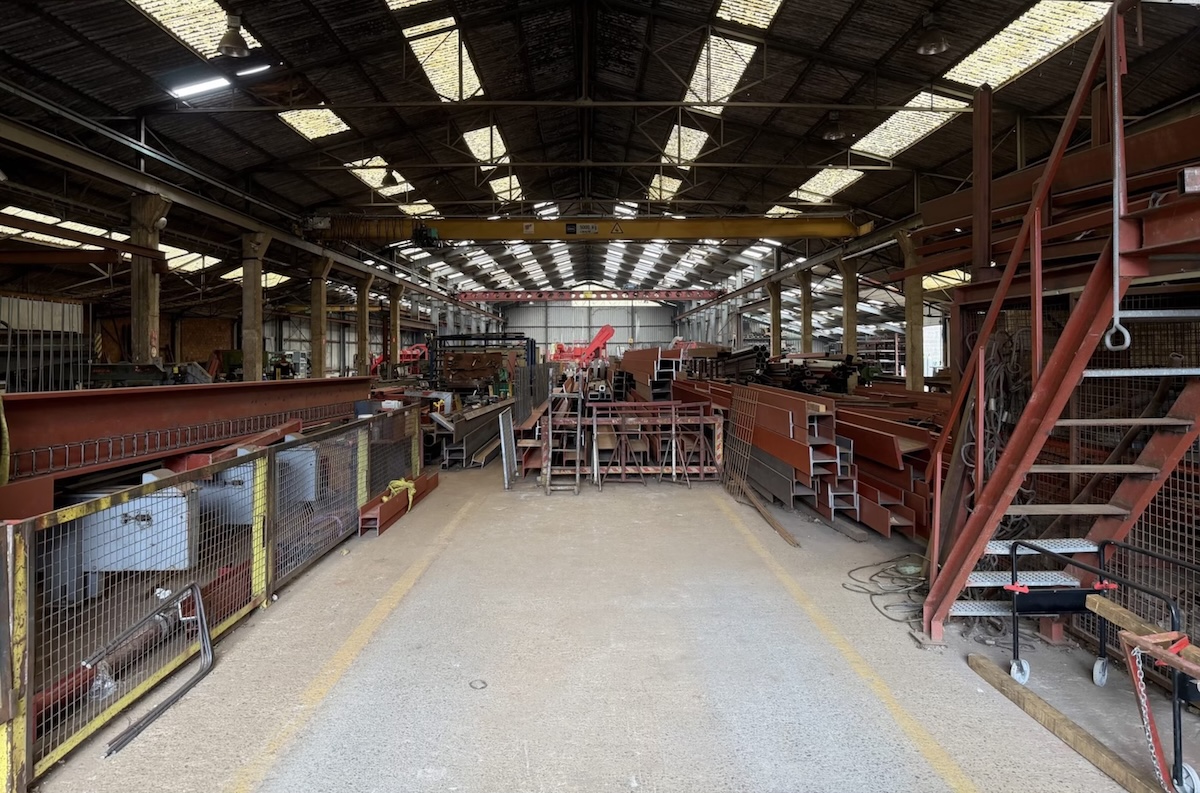
Belgian steel distributor NV Rosseel, based in Tielt, has acquired the business of NV Aleja in Welle-Denderleeuw from Marc De Winter and his family, effective 1 October. Day-to-day operations will initially remain unchanged, with the existing team continuing at the same location.
The acquisition adds production capacity and technical expertise to Rosseel’s operations in Tielt and Ruddervoorde, where it has been active since 2021. Aleja specialises in steel beams and reinforcing steel, bringing capabilities that complement Rosseel’s existing activities.
“What makes Aleja interesting for us is that it is not simply more of the same,” said Johan Rosseel, Managing Director of Rosseel. “Aleja is strong in steel beams and reinforcing steel and brings production capabilities that we do not currently have in the same form.”
Rosseel highlighted the technical knowledge and experience of Aleja’s team as a key benefit of the acquisition. Aleja will, in turn, gain access to the stock and customised processing services available at Rosseel’s Tielt and Ruddervoorde sites.
Source: HLN
European domestic HRC prices increase slightly despite subdued market activity
Steel hot-rolled coil prices rose slightly in both Northern Europe and Italy on Thursday October 1, despite buyers resisting higher prices from mills, Fastmarkets heard.
“People have high stocks and are not accepting higher levels at the moment,” a source in Northern Europe said.
According to the source, import pressure is limited thanks to the Carbon Border Adjustment Mechanism (CBAM), giving mills more scope to raise prices. However, customers are not yet accepting higher offers from producers.
In Northern Europe, sources indicated tradable levels hovering at €740-750 ($839-850) per tonne ex-works, with reports of offers heard at €760 per tonne ex-works.
However, no reports of fresh trading activity were heard during the week.
Fastmarkets’ daily steel hot-rolled coil index domestic, exw Northern Europe was calculated at €748.33 per tonne on Thursday October 1, up by €1.45 per tonne from €746.88 per tonne on Wednesday September 30.
The index was up by €6.66 per tonne week on week and stable month on month.
Meanwhile, in Italy, trading activity also remained limited.
Indications of workable levels were heard at €740-750 per tonne ex-works, with no reports of new offers or trading activity from market sources.
Fastmarkets’ daily steel hot-rolled coil index domestic, exw Italy was calculated at €745 per tonne on Thursday October 1, up by €1.25 per tonne from €743.75 per tonne on Wednesday September 30.
The index was up by €7.5 per tonne week on week and by €32.5 per tonne month on month.

WTO establishes CBAM dispute panel at Russia’s request
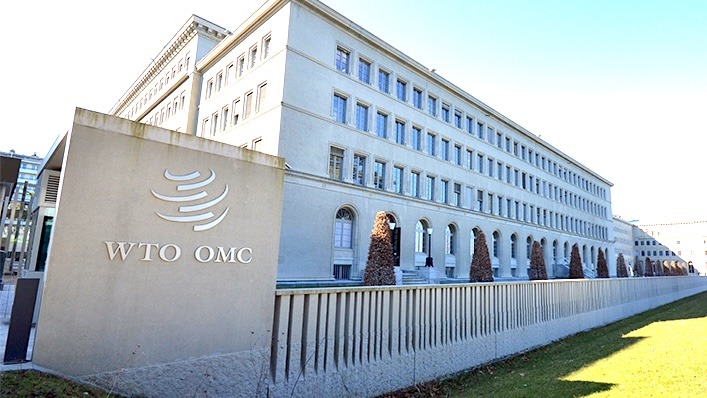
The World Trade Organisation (WTO)’s Dispute Settlement Body (DSB) has established a panel at Russia’s second request to determine whether the EU’s CBAM and alleged ETS export subsidy are consistent with the bloc’s WTO commitments, Kallanish notes.
The EU had objected to Russia’s first request for a panel at a DSB meeting in July.
Russia says the CBAM package creates significant trade barriers for covered goods imported into the EU. Russia adds that the EU’s allocation of allowances to certain companies under the Emissions Trading System (ETS) amounts to an export subsidy intended to strengthen the competitiveness of certain domestic industries.
The EU has reiterated that the request “creates an extraordinary situation” whereby the international law compatibility of EU regulation is being assessed at the request of a member waging war against another member in violation of international law. The war is an “existential challenge” for the EU, it adds. As long as it continues, Russia “cannot expect to be able to rely on WTO rules for improved access for its exports” to the bloc, it notes.
The bloc nevertheless says it will participate in the panel proceedings, not because it finds Russia’s actions legitimate but “because of its firm support for the rules-based multilateral trading system”.
The EU is “confident that the Carbon Boder Adjustment Mechanism and free allocation under the European Union Emissions Trading System are WTO-compatible and has, therefore, a strong interest in ensuring an objective assessment of the matter by the panel, consistently with the DSU,” it notes.
The EU will only engage with the panel and not directly with the Russian Federation, it concludes.
Russia initially requested consultations with the EU on the matter in May 2025.
Author: Adam Smith

Nova Hut sources semis from Benteler
Nova Hut says it has received input materials from Germany’s Benteler Group in new dimensions at its medium section mill for operational testing.
The delivery is part of a growing cooperation with the steel and tube division of Benteler, Kallanish learns from an online post by the Czech steelmaker. It notes that it is testing various steel grades of the semi-finished products.
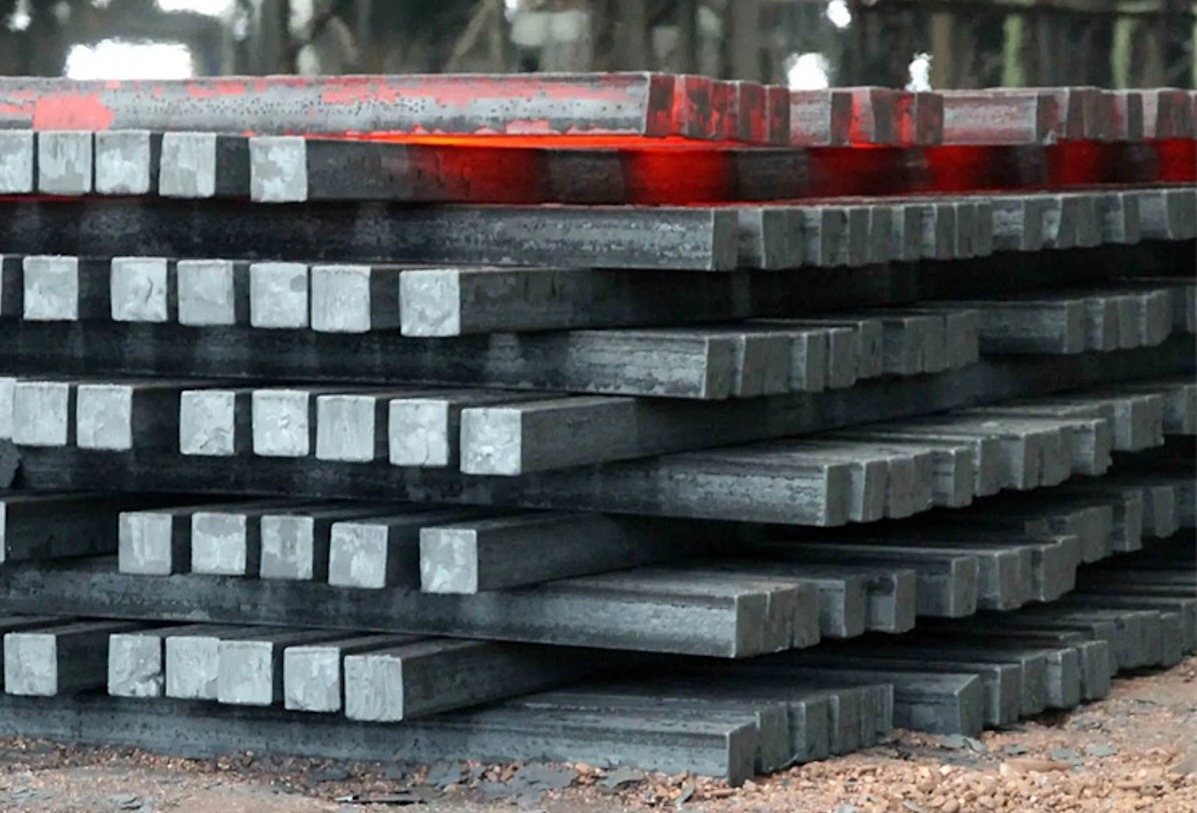
From Benteler’s mill in Lingen, Germany, Nova Hut has received square billets for the direct rolling of bars and smaller profiles, and blooms, which require a greater degree of formation, it says.
“In addition to our medium section mill’s standard portfolio, we will use these materials to produce OTB bars (threaded and anchor bars),” Nova Hut says. OTB bars are used in construction, geotechnics, tunnelling and mining.
In August, the steelmaker reported that it was sourcing billets from 7Steel Nordic, a division of Czech company Sev.en Global Investment.
Author: Christian Koehl