
High-quality material loops are technically feasible in the automotive industry, and copper-bearing impurities in steel scrap can be reduced notably, according to BMW, following the Car2Car research project it conducted with partners.
The main focus of the project was on steel, aluminium and copper, but it also considered other materials like glass. BMW’s consortium of partners included Scholz Recycling, thyssenkrupp Steel Europe, Salzgitter Mannesmann Forschung, alongside academies like TU Bergakademie Freiberg.
BMW says the findings show that additional processing and sorting steps can significantly increase the potential of high-quality material loops.
The project’s key findings are illustrated by the example of steel. Up until now, copper-bearing impurities from cables, connectors and other components have hindered the recycling of end-of-life vehicle scrap into high-quality automotive steels. The project has now demonstrated that an additional processing step can substantially improve scrap quality, BMW claims.
Copper contamination was reduced in a targeted manner by sorting the steel scrap. This ensures high-quality steel scrap as the starting material for new flat steel that meets the requirements of modern automotive applications. A patent application has been filed for this process, Kallanish learns.
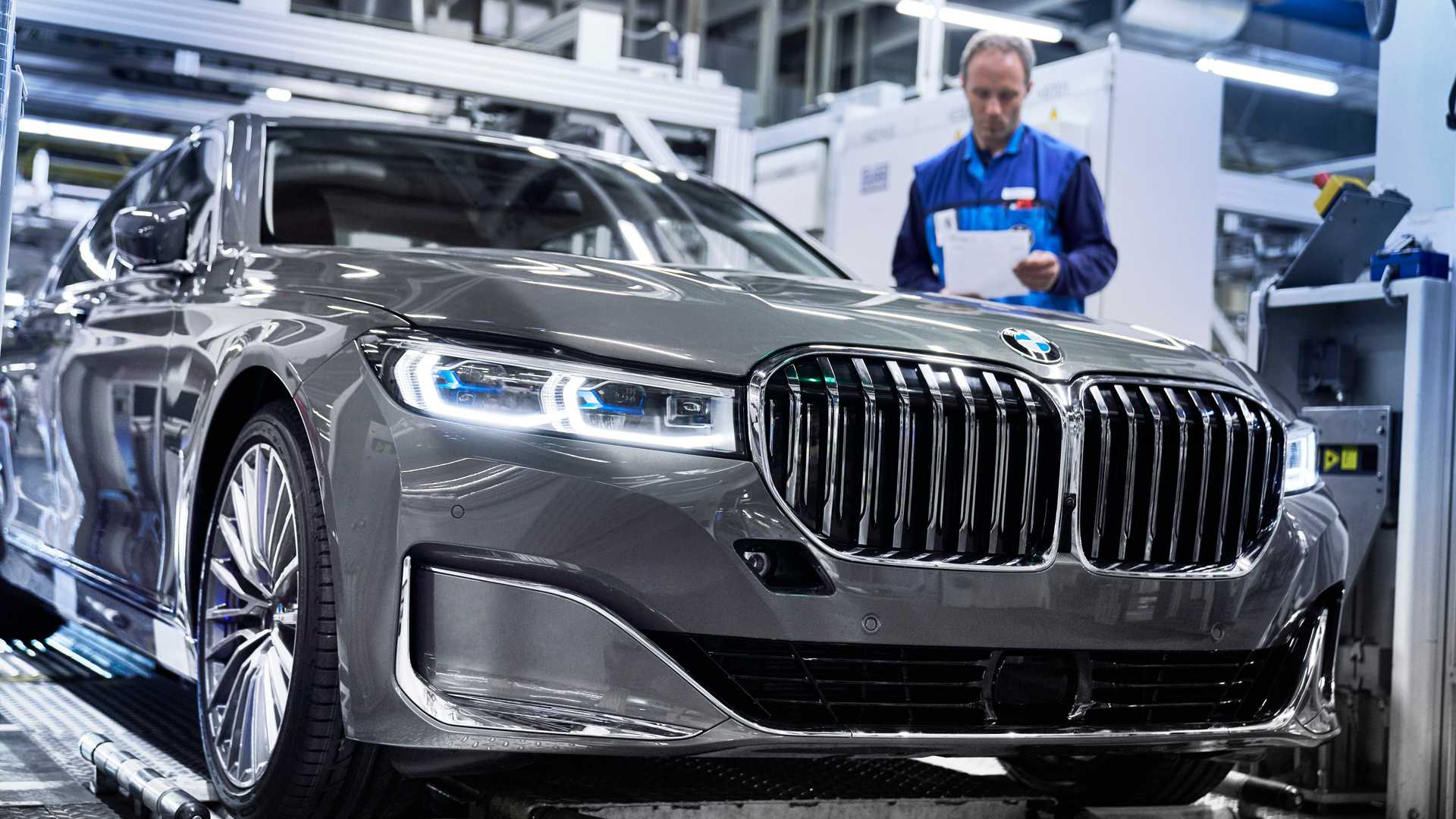
The steel coils produced using this method were integrated into industrial production following successful material and quality testing. “In the field test at BMW Group Plant Leipzig, more than 100,000 series parts were produced using this steel and installed in vehicles – making the project’s results tangible,” says Hilke Schaer, Car2Car project manager at BMW Group
However, for large-scale industrial implementation, scalable process chains, additional infrastructure and viable business models are still needed, BMW notes.