

India, EU prop up June steel production growth
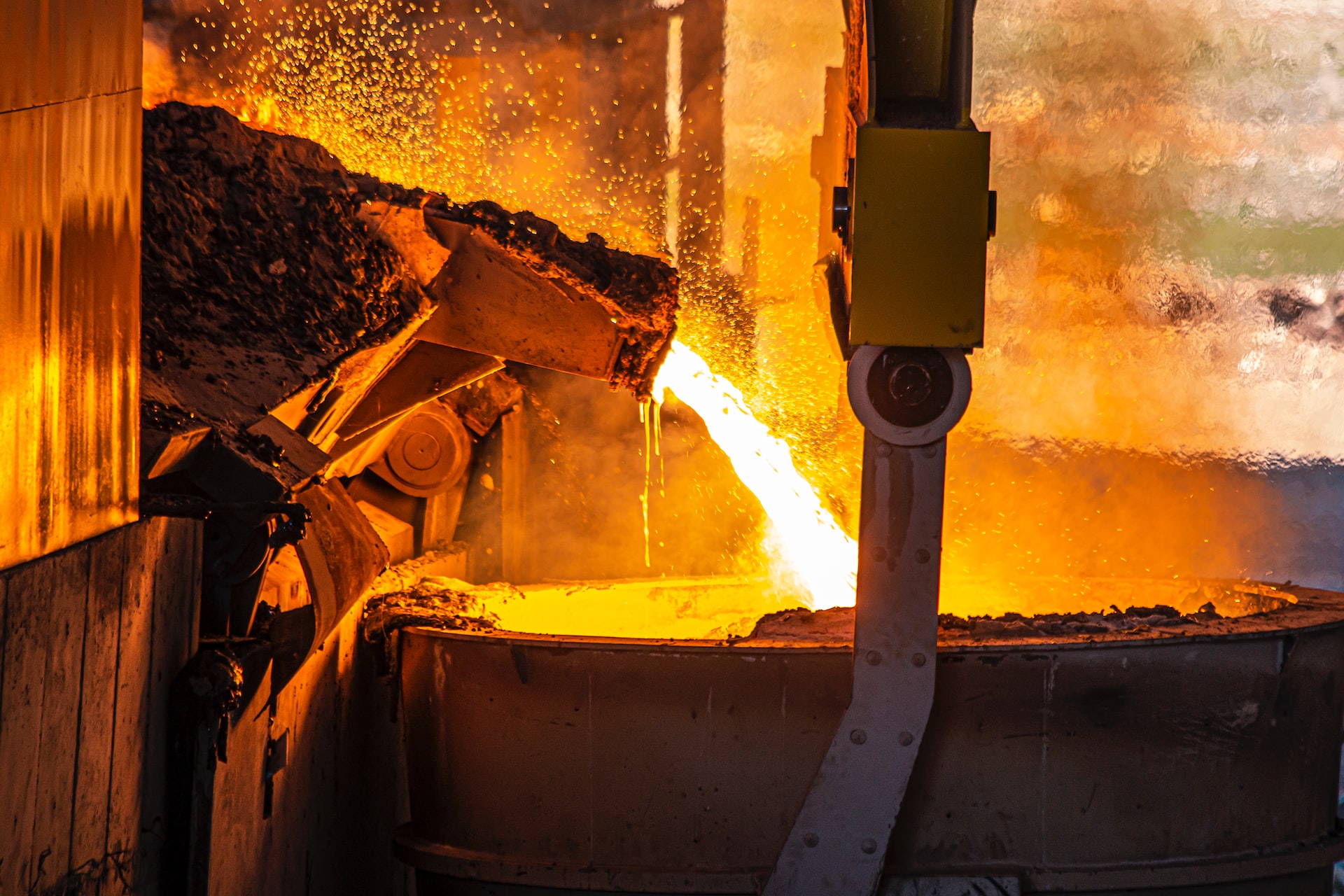
Global crude steel production inched up 0.5% on-year in June to 161.4 million tonnes – but fell 2% versus May – as Indian and EU production growth offset declines in the US, Japan and Korea, Kallanish notes.
Chinese output rose 0.2% on-year to 91.6mt, but was down on-month, while Indian output grew 6% on-year to 12.3mt, and was also up on-month. Japanese and Korean production fell 4.2% and 7.2% respectively to 7mt and 5.1mt, according to worldsteel data.
EU27 production actually grew handsomely, by 5% on-year to 11.08mt, but remained down versus May. The on-year comparison comes from a low base, after EU mills cut output 11% on-year in June 2023.
The growth was due to German production surging 8.9% on-year in June to 3.2mt, while Spanish output rose 8% to 990,000t and French output by 3% to 729,000t. Italian production meanwhile dropped 3% on-year to 1.85mt.
Compared to May, however, Spanish and French output were down 11% and 28% respectively. Italian output fell 4% and German production was unchanged.
Turkish production rose 4% on-year in June to 3.07mt.
US output declined 1.5% to 6.66mt but Brazilian production surged 12% to 2.87mt.
Russian production was estimated down 4% to 6.03mt and Ukrainian production was confirmed up 68% to 735,000t.
Crude steel output in the 71 countries monitored by worldsteel was thus down only 100,000t on-year in the first half of 2024 at 954.6mt, as slightly lower Chinese and Japanese output were offset by growth in India, Germany and Turkey.
Adam Smith Poland

Cogne invests in Aosta plant
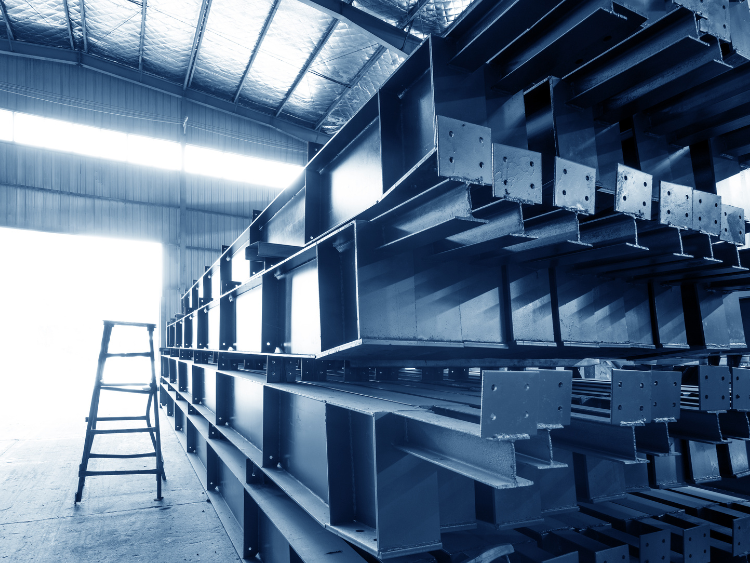
Italian stainless long steel producer Cogne Acciai Speciali is investing in the modernisation of its Aosta plant in Italy by revamping the cooling chamber of the continuous casting machine for special steel blooms.
The goal is to enhance machine efficiency and simplify maintenance activities, Kallanish notes. The upgrade will be carried out during this year’s four-week summer shutdown.
As part of the intervention, a new cooling chamber made of stainless steel will be installed in the mobile curved zone, covering the wet zone that has been impacted by secondary sprays. With this design, there will be a significant decrease in the amount of saturated air that needs to be aspirated, resulting in substantial electricity savings for the fans and a noticeable reduction in maintenance time, says Danieli, which is revamping the unit.
The work will include a series of new roller modules; new hoods, designed for heat containment and ease of operation and maintenance; and new extraction guides for all operational stirrers across various casting lines. This will make operations more efficient and give them a longer lifespan, Danieli notes.
Cogne, a subsidiary of Taiwanese stainless steelmaker Walsin Lihwa, completed this year the acquisition of its main stainless steel scrap supplier, ComSteel Inox, as well as part of Outokumpu’s long products business in Degerfors and Storfors, Sweden.
Since it was acquired by Walsin Lihwa, the steelmaker has expanded through a series of mergers. Last year, it completed the acquisition of Sheffield-headquartered Special Melted Products (SMP). Walsin is investing over €110 million ($119m) in Cogne’s Aosta plant between 2022-2024. The growth strategy involves gaining market share in Europe and Asia, and developing the group’s presence in the US (see Kallanish passim).
Natalia Capra France

Italian minister to meet two more Taranto suitors
According to Minister of Enterprises and Made in Italy Adolfo Urso, the Italian government plans to begin the process of allocating Acciaierie d’Italia (ADI)’s Taranto steelworks by the end of July. Urso told local press this week he has scheduled meetings with two potential buyers who are interested in acquiring the troubled steelmaker.
Urso confirmed his intention to meet with trade unions and ADI’s special administrators on 25 July to discuss the new industrial plan for the relaunch of Taranto. The steelmaker’s management is once again undergoing a reshuffling. Alessandro Faroni will take over the role of commercial director, succeeding Andrea Bellicini.
The Italian government has set aside approximately €1 billion ($1.09 billion) from the country’s development fund for a direct reduced iron plant in Taranto, Kallanish notes. Authorities will also provide support amounting to €700 million to whichever company acquires ADI’s production equipment. The steelmaker will need to allocate about €1 billion to address the damage to its equipment that occurred during the previous administration.
The project is set to commence by the end of this year, with the new special administration planning to allocate approximately €400m in payments in 2024 (see Kallanish passim). Meanwhile, production at Taranto continues to be limited, with blast furnace no.4 the sole operational BF.
Natalia Capra France

Spain’s rebar market shows good momentum before shutdowns
Spanish rebar prices have moved up after a month of stability. The increase comes ahead of planned stoppages at large manufacturers, Kallanish learns from market sources.
“Local demand is in a good momentum, supported by private projects after a quiet few months. Major public infrastructure works have also been unblocked and July looks set to be one of the best months so far this year for long steel sales,” one stockist says.
According to another source, the latest price increase of €15-20/tonne ($16.3-21.7) has been driven by the absence from the market of Spanish manufacturers in the coming weeks. “Large local mills are closing deals at higher levels ahead of their annual stoppages in August. The new levels could last until the end of the summer,” a seller comments.
“Steel mills’ demand forecasts for the summer have been very tight due to market uncertainty. Producers have carried out only small stocking ahead of the August closures and, if demand continues at this rate, there may be material shortages in some regions, even though it is a holiday period,” the source adds.
The monthly index for Spanish domestic rebar prices in July rose by 1.65% over the previous month, according to data published by the Spanish Chamber of Commerce. The index is almost 7% higher year-on-year and stood at 175.29 in July. It is based on a value of 100 in 2014.
16mm rebar is currently being offered in Spain at €368-373/t ($400-405/t) base. Including €262/t size extras and loading expenses, transaction values are at €630-635/t ex-works.
Todor Kirkov Bulgaria

ArcelorMittal increases longs prices: sources
ArcelorMittal is announcing increased prices for long products throughout Europe, according to market sources. The decision has been motivated by rising production costs and the need to regain profitability, Kallanish hears.
The steelmaker is increasing its prices for all commodity grade longs, such as rebar, beams, and wire rod, by €20/tonne ($21) above its June quotes, sources note. According to one, the rise in costs of electricity across Europe and of ferroalloys have significantly affected production cost.
Demand is at a favourable level and sellers in Europe have observed a resurgence in apparent demand in July, he adds. Customers are fulfilling their restocking requirements ahead of the August mill shutdowns in various EU countries.
The increase will take effect immediately. EU Electricity prices saw a significant 25% increase from May to June, thereby pushing up production costs, and it is anticipated that this upward trend will continue into July.
Natalia Capra France

Italian steelmaker Cogne Acciai Speciali sourcing all energy from renewables
Italian steelmaker Cogne Acciai Speciali is now sourcing all of its power needs in Europe from renewable energy, with further plans to build a hydroelectric plant and electrolyzer at its main Italian site in Aosta.
“We are proud to declare that all our products will have zero impact in terms of Scope 2,“ Sales Manager Andy Vuillermin said late last week, adding that, since January, the company has managed to use renewable sources.
The 1-MW electrolyzer will be powered by renewable energy—generated by the nearby hydroelectric plant as well as by a newly constructed rooftop solar plant—to produce 210 normal cubic meters of hydrogen per hour, which will be stored before becoming available to all users. The steelmaker expects to build the electrolyzer and the hydroelectric plant by June 2026.
“We are extremely satisfied with this first step, which will enable us to achieve the goal of producing green hydrogen, a clean and renewable energy resource,” Vuillermin said.
The hydrogen project in Cogne is part of Italy’s National Recovery and Resilience Plan and is being funded by the European Union through NextGenerationEU.
Cogne Acciai Speciali has seven production plants, five of which are in Europe—Italy, Sweden, Switzerland and the UK—and two overseas—China and Mexico. The company is finalizing the acquisition of Mannesmann Stainless Tubes, with five plants dedicated to the production of seamless stainless steel and nickel-based alloy tubes.
Platts, part of S&P Global Commodity Insights, assessed Northwest Europe hot-rolled carbon-accounted coil at Eur735/mt ex-works Ruhr July 19, up Eur5 on the day.
The assessment was calculated in line with the sum of Platts daily carbon-accounted steel premium assessment and Platts daily hot-rolled coil price assessment in Northwest Europe.


Turkey’s H1 steel exports to EU rise on back of Red Sea disruptions: EIB
Turkish steel mills managed to raise exports in the first half of 2024, as Asian mills, their top rivals in the European market, faced challenges passing through the Suez Canal due to the conflict in the Red Sea, Egean Ferrous and Non-ferrous Metal Exporters’ Association (EIB) Chairman Yalcin Ertan said.
“Due to the security challenges in the Red Sea route, passes from the Suez Canal fell substantially and the delivery times from China to the EU more than doubled to 65-70 days,” he said in a late July 19 statement, adding that freight rates also doubled since the start of the year.
Turkey’s overall steel exports, particularly flat steel, increased 31% year on year to 8.8 million mt in H1, due to increased competitive power and higher shipments to the EU, he said.
“Although we have begun to regain our market shares in the EU region, economic conditions in the domestic market continued to pressure our margins and profitability,” Ertan said, citing high input costs, inflation and a low exchange rate policy.
Electricity tariff hikes came into effect on July 1, adding around $10/mt in cost increases to steel production, according to Turkish industry sources.
Ertan called for Turkish mills to increase investments to comply with the EU’s Green Deal, saying the Turkish government’s expected regulation in the inward processing regime should not erode mills’ competitive power.
Platts, part of S&P Global Commodity Insights, assessed Turkish domestic hot-rolled coil at $575/mt EXW July 19, down 19% decline since the start of 2024.
European HRC prices remain steady amid slow start to the week
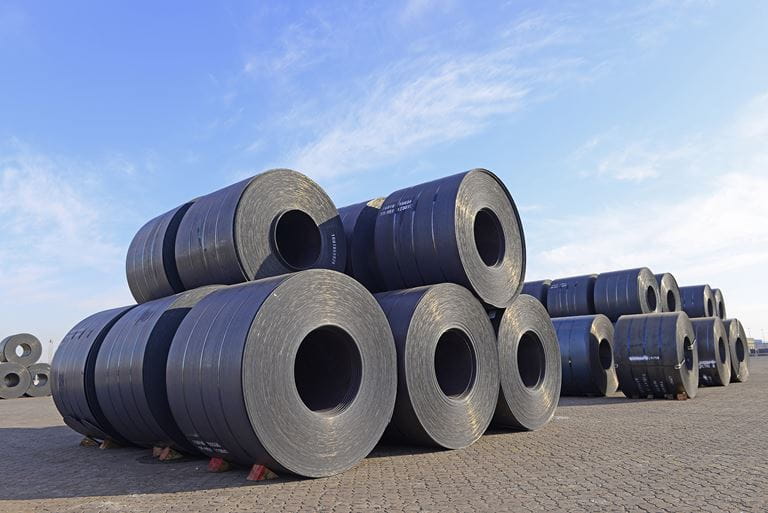
Domestic prices for European hot-rolled coil remained steady July 22, as demand continued to stagnate amid a worsening outlook for the rest of the summer.
“Market is very quiet and there have been no changes since the past few months,” a service center source said. “It will become quieter.”
Market sources said that prices are at or close to the bottom, with mills most likely selling at a loss or break-even level. They also noted that mills will either have to raise prices or reduce output.
“None of the mills are earning any money at these levels, especially in Europe,” a service center source said. “Mills have to increase prices or reduce capacities.”
However, the outlook for the coming months remained bleak, with buyers restocking at low levels to avoid building up inventory, sources said.
“It is very calm,” a trader said. “Everyone is waiting.”
Platts assessed Northwest European HRC at Eur625/mt ex-works Ruhr July 22, stable on the day.
Most tradable values were reported at Eur620-630/mt ex-works Ruhr.
Meanwhile, Platts assessed domestic HRC prices in Southern Europe stable on the day at Eur625/mt ex-works Italy July 22.
Tradable values were reported at Eur625-630/mt ex-works Italy.

Prices for European HRC remain stable amid seasonally slow trading
Demand continued to be low, with customers showing no interest in restocking, Fastmarkets heard.
In Northern Europe, mills offered August/September-delivery HRC in the range of €630-650 ($685-707) per tonne ex-works.
But sources estimated the tradeable market level at €620-630 per tonne ex-works.
Fastmarkets calculated its daily steel HRC index domestic, exw Northern Europe at €629.00 per tonne on Monday, up by just €0.42 per tonne from €628.58 per tonne on Friday July 19.
The index was down by €2.25 per tonne week on week and by €1.00 per tonne month on month.
“Mills in Northern Europe are still struggling for orders, but there is simply no demand,” one buyer source told Fastmarkets.
The source added that the period of summer vacations could already be felt in the region and many producers would close for planned maintenance. As a result, many clients would probably wait and see what the market looks like in September.
A second buyer source believed prices would remain largely unchanged by the end of September. Thus, despite rising production costs, suppressed and postponed demand might play a more decisive role in the market in the coming weeks.
But regardless of the soft demand, some producers in Northern Europe were considering higher offer prices for October-delivery HRC, Fastmarkets understands. Offers for such material were heard at €660-670 per tonne ex-works.
In Italy, trading was also seasonally slow on Monday, sources told Fastmarkets.
HRC with lead times of four to five weeks was still being offered by a local supplier at €640-650 per tonne delivered, which corresponds to €630-640 per tonne ex-works.
Market participants estimated the workable market level to be in the range of €620-640 per tonne ex-works, depending on volume.
Some bids were heard at €610 per tonne ex-works.
In Southern Europe, Fastmarkets calculated its daily steel HRC index domestic, exw Italy at €621.67 per tonne on Monday, up by €1.25 per tonne from €620.42 on Friday.
The index was down by €3.33 per tonne week on week and by €7.08 per tonne month on month.
Offers of imported HRC from Vietnam were heard at €570 per tonne CFR Italy. But Vietnam has already exceeded its import quota allowance for the third quarter of the year so a safeguard duty should be paid for the volumes that exceed the quota.
Material from Saudi Arabia was offered at €610 per tonne CFR Italy.
Offers of HRC from Turkey were available at €600-610 per tonne CFR, including the anti-dumping duty.
Julia Bolotova in Brussels contributed to this report.
Published by: Darina Kahramanova


German crude steel output recovers from trough
German crude steel production saw some recovery in the first half-year, from the historical low seen last year, Kallanish learns from national steel federation Wirtschaftsvereinigung Stahl.
January-June crude steel output totalled 19.4 million tonnes, up 4.5% on the first half of 2023. The increase was especially pronounced in June, with an output of 3.19mt, up 8.9% on-year. It must be noted, though, that June 2023 marked a similarly steep year-on-year fall, with output down over 8% on June 2022.
The drastic fluctuations come mainly from electric arc furnace mills, which cut back production after power prices had peaked last year. The year-on-year production increase at EAF mills in June was a considerable 20.8% – to 1.01mt – whereas oxygen-route mills hiked output 4.1%, to 2.17mt.
In H1, EAF mills grew output by 8.7%, to 5.89mt, with converter-based mills hiking by 2.7%, to 13.48mt.
“German steel production appears to have passed the nadir,” says Kerstin Maria Rippel, managing director of WV Stahl. She warns, however, that “the sustainability of this trend is by no means guaranteed”, given the weakness in demand from important consumer sectors.
Although power prices have come down from the heights of the last two years, they are still higher than before the Covid pandemic, and, most of all, higher than in most other countries, Rippel notes. The surge in grid fees, especially, is playing a big part in this cost burden, she adds.
Christian Koehl Germany