

Ensure quick CBAM compliance, consultants warn conference
Importers of steel from outside of the EU should quickly get familiar with the Carbon Border Adjustment Mechanism (CBAM) and start collecting the relevant information from their suppliers. With CBAM just days away from implementation, however, many steel buyers will struggle to obtain data for emissions imbedded in their products, especially if these have been processed by multiple suppliers.
At a Polish Union of Steel Distributors (PUDS) meeting in Warsaw on Wednesday, Tomek Orlowski and Przemek Januchta from PricewaterhouseCoopers warned that importers will ultimately bear responsibility for incorrectly calculated emissions. Following CBAM implementation from 1 October, steel importers will need to declare details about their suppliers, including manufacturing equipment and Scope 1 emissions levels.
Also important will be to state whether the supplier needs to pay any carbon tax in their home market, as this will allow the importer to reduce the cost of its emissions by the amount of tax paid in the supplier country.
During CBAM’s transition phase, which runs till 2026, there will be a €10-15/tonne of undeclared emissions penalty, the PwC consultants said at the event attended by Kallanish.
One member of the audience argued that suppliers are not yet able to provide EU importers with detailed information about their emissions. This is made all the more complicated by multiple levels of processing along the supply chain. He gave the example of one major European importer who buys hot rolled coil that was produced by a mill that bought slab from another producer, who in turn bought raw materials from somewhere else.
To account for teething problems, the EU is easing in the procedure, meaning that importers will be allowed to modify their first two quarterly CBAM reports until the submission deadline for the third report – 31 July 2024.
However, Januchta warned: “Don’t leave it till the last minute.” The next few quarters are designed to get to know the system and push suppliers into following the regulations. It’s also a case of competition. Those importers who are quicker at adapting to the new rules will ensure business continuity, he added.
In Poland’s case, the National Centre for Emissions Management (KOBiZE) will be responsible for processing emissions data from importers and ensuring compliance, in cooperation with Polish Customs.
Under CBAM, there will be no trading of emissions allowances like happens today with the Emissions Trading System, in order to prevent speculation. An importer will be able to sell back up to one third of its unused certificates only to authorities.
Adam Smith Poland
Renewed market weakness amid China slowdown concerns OECD
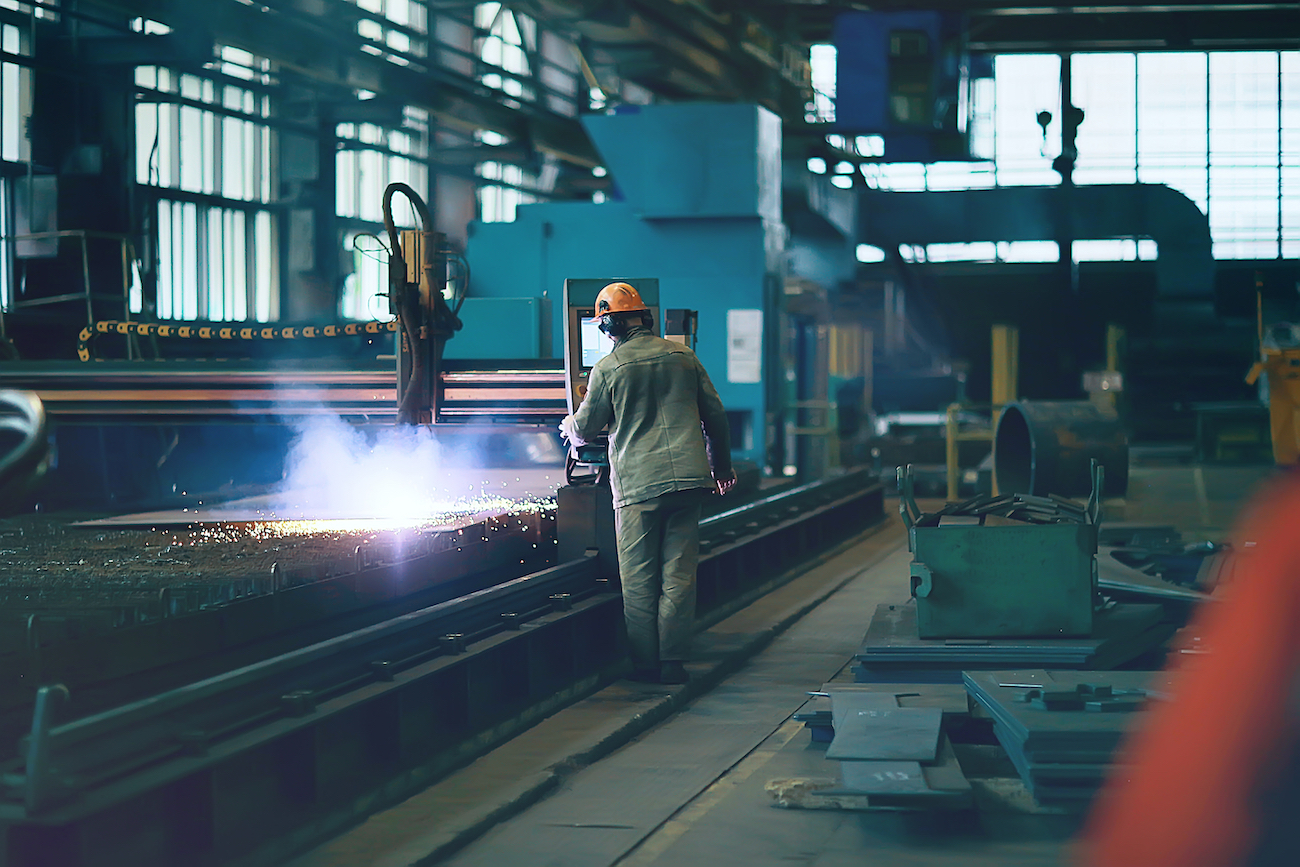
The OECD Steel Committee expressed grave concern this week about the deterioration in global steel market conditions currently being driven by growing overcapacity, softening demand for steel, and government interventions in some economies, Kallanish notes.
The gradual recovery in global steel market conditions that began earlier this year was short-lived, with China’s post-Covid economic rebound not living up to expectations. The latest data point to renewed weakness in steel market conditions. Demand is starting to falter amid growing concerns over China’s real estate crisis and the impact this will have in international steel markets, the committee chair summarised after the 94th session.
Five consecutive years of global steelmaking capacity growth have led to burgeoning over-investment in the industry, with most of this concentrated in BF/BOF steel production routes. World steelmaking capacity is swelling to a record-high level of 2.5 billion tonnes in 2023, far in excess of steel demand prospects, according to the OECD. The organisation projects global capacity to surge by 56mt in 2023 alone, taking the gap between global capacity and steel production to 612mt.
“In China, land-use rights, cash grants, cash awards, tax breaks and reduced tax rates are commonly provided by local governments to steel firms to incentivise them to relocate to other regions, modernise their equipment and increase the concentration of the domestic steel industry. This is strengthening ‘national champions’ with considerable global reach that are investing abroad and securing raw material sources and technologies, including through joint ventures,” the OECD chair observes.
“Data show that [Chinese] state involvement in steel firms often comes with much larger subsidies both in the form of cash transfers and below-market borrowing, and thus has a greater potential to worsen the global steel excess capacity issue,” the summary adds.
Growth in global steel demand is expected to decline in 2024, with forecasts being ratcheted down in the wake of lower economic growth projections and risks emanating from the downturn in Chinese demand.
While the steel industry is advanced in its pathway to decarbonisation, the Committee noted that governments still need to improve the enabling conditions to accelerate this process. This includes addressing market distorting subsidies and excess capacity which undermine the industry’s ability to address this challenge.
Another key aspect is to ensure the availability of critical raw materials for the steel industry’s green transition, including strategic inputs such as ferrous scrap. Participants emphasised the positive role that market forces play in fostering scrap supply, as well as the need to work together to ensure that government policies ensure continued open access to critical minerals, the chair’s summary concludes.
Adam Smith Poland


Prices, quotas limit interest in EU HRC imports
European traders have in recent weeks noticed very little interest from buyers to make new orders of hot rolled coil from non-EU suppliers. This is due to uncompetitive offers, as well as expectations that new safeguard quota availability will be very limited in the fourth quarter of 2023 and Q1 2024.
Currently, traders in southern Europe are reporting offers at €605-645/tonne ($640-680/t) cfr for HRC. These levels are considered uncompetitive by buyers, who are preferring to destock available material rather than order new import volumes.
“We are in a situation similar to the second half of 2019,” a trader tells Kallanish. “Nobody wants to buy and the high interest rates are hitting sentiment even further.”
In addition to prices, buyers are reluctant to place new orders as they are aware that quotas for most Asian import sources as well as Egypt are expected to be rapidly used in Q4 2023 and Q1 2024.
During Q3, import quotas for South Korean HRC have been fully utilised, similarly to those for the “other countries” sub-group, which includes Egypt and Japan. Indian quotas this quarter have been 80% utilised, but traders believe that in Q1 2024, these will be fully utilised, based on orders already placed in recent months.
Only 40% of Q3 quotas assigned to Turkey for HRC have been used, but duties continue making Turkish offers uncompetitive for European markets, Kallanish understands.
“I don’t expect importers to restart ordering HRC before November this year,” another trader comments.
Emanuele Norsa Italy
European buyers push for lower heavy plate prices; mills try to resist
Italy
Restocking was limited in the country during September, with buyers constantly pressuring prices down.
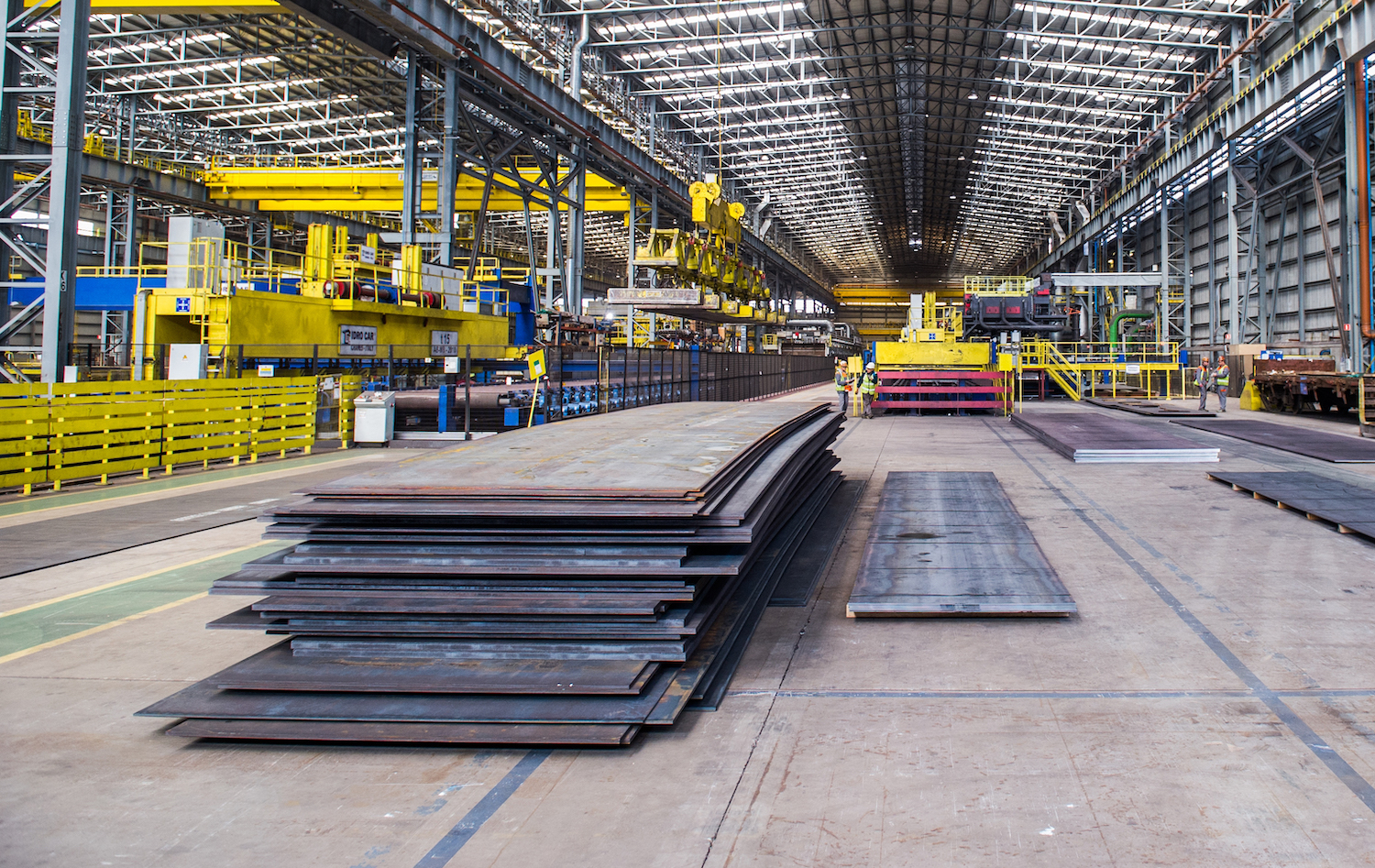
Notably, bids from stockholders for commodity-grade heavy plate were reported at €670-680 ($711-722) per tonne ex-works. Re-rollers said that selling at such costs might only be profitable for someone who’s using Russia-origin slab.
Producers were trying to maintain offers for the spot market at €720-730 per tonne ex-works, while rare transactions were heard at €700-720 per tonne ex-works.
Italian re-rollers could still offer end-October delivery plate to the market.
For long-term projects, plate offers were ranging €730-750 per tonne ex-works, sources said.
As a result, Fastmarkets’ weekly price assessment for steel domestic plate 8-40mm, exw Southern Europe remained at €700-720 per tonne on Wednesday September 27, stable week on week.
Import plate offers to Italy were rare in the past week, with the dollar strengthening against the euro further limiting interest for overseas bookings. The gap with domestic prices was also too low to spur any demand for import plate.
Notably, plate offers from South Korea and Indonesia were reported at €680-690 per tonne CFR for November shipment.
Northern Europe
Fastmarkets’ weekly price assessment for steel domestic plate 8-40mm, exw Northern Europe was €820-840 per tonne on Wednesday, stable week on week.
German mills continued avoiding giving firm offers on the spot market, according to participants, with indications heard at €840-880 per tonne in the week to Wednesday. The upper end, however, was deemed totally unworkable due to available cheaper alternatives from other European suppliers.
Buyers’ estimations of achievable values were heard at €800-820 per tonne ex-works.
There was market chatter about sales from a German mill down in the spot market at the price below €800 per tonne ex-works for S355JR-grade heavy plate, but it was not widely confirmed by all sources.
“German mills are traditionally more focused on project business, particular selling higher grades [of steel plate] like foundations for offshore and windfarms, bridges, etc. Spot market is not a priority for them, only sporadic volumes to close gaps in order books, to regular customers,” a trading source said.
Restocking was also going slow in the region, despite inventories trending lower. Stockholders claimed slow sales and low prices downstream, and therefore were not rushing with fresh bookings.
Offers from one Nordic mill were heard around €790 per tonne EXW for about eight weeks delivery, same as a week earlier.
A re-roller from the Czech Republic was offering S235-grade plate to Poland and the Czech Republic at €735-740 per tonne EXW.
But sources said that the lowest prices were only possible from the producers that are using Russia-origin slab.
Published by: Julia Bolotova


Slow demand, competitive imports drag on European steel CRC price; HDG steady
European mills tried to avoid making further price reductions for CRC and HDG, citing high production costs.
Notably, offer prices in Southern Europe on CRC for delivery in late November or early December were in the range of €730-750 ($773-794) per tonne ex-works, and about €750-770 per tonne ex-works for HDG.
Buyers’ estimates of tradable values were in the range of €710-720 per tonne ex-works for CRC and no higher than €750 per tonne ex-works for HDG in Southern Europe. One source reported a bid for CRC at €700 per tonne ex-works, but producers were reluctant to accept such low prices.
Slow demand from the end-user side remained the major concern for the market, with no rebound in sight in the fourth quarter of 2023, market sources said.
“The construction sector is very slow at the moment, with no new projects,” a trader in Europe said. “Automotive demand is likely to drop further in the fourth quarter and, with prices for hot-rolled coil [the feedstock for CRC production] trending lower, I think we will soon see lower prices for CRC and HDG as well, unless mills start to reduce output.”
Fastmarkets’ weekly price assessment for steel CRC, domestic, exw Southern Europe, was €720-730 per tonne on Wednesday, down by €10 per tonne from €730-740 per tonne the week before.
The corresponding weekly price assessment for steel HDG, domestic, exw Southern Europe, was €750-760 per tonne on Wednesday, unchanged in the past fortnight.
Meanwhile, competitive offers from overseas suppliers were putting additional pressure on European prices.
“Unlike for hot-rolled coil, for CRC imports there are no quota concerns [related to EU import restrictions] and the price gap with European mills is quite workable,” a trading source in Italy said.
Offers of Japan-origin CRC for November shipment were reported at €675 per tonne CFR to Southern Europe, while CRC offers from South Korea and Taiwan were around €680-690 per tonne CFR.
A Vietnamese supplier was offering $840 per tonne CFR for 0.5mm HDG with Z100-120 coating for November shipment.
Published by: Julia Bolotova

European HRC producers reject lower bids despite low orders, citing costs
Fastmarkets calculated its daily steel hot-rolled coil index domestic, exw Northern Europe, at €625.63 ($662.05) per tonne on September 27, down by €2.45 per tonne from €628.08 per tonne on September 26.
The index was down by €9.25 per tonne week on week and by €18.12 per tonne month on month.
Trading in the region has been persistently weak throughout September.
Slowing consumption and a poor macroeconomic outlook were limiting purchasing activity in the spot market, according to sources.
“We can wait a couple weeks more to make any bookings; our inventories are enough for the current levels of demand [from end users],” a stockholder in Germany said.
Mills had short orderbooks and could offer HRC with 5-6 weeks lead times, sources said.
But producers tended to reject lower bids despite low orders, citing mounting input costs.
Notably, a bid for HRC in the region was reported at €590 per tonne ex-works, but an integrated mill had reportedly rejected it.
“€600 [per tonne ex-works] is already a breakeven price for us, anything lower than that would be just lossmaking,” a mill source said.
Producers avoided giving generalized offers to the market, claiming that “buyers just talk the price down and make no bookings.”
Estimations of tradeable values from the mills in Northern Europe were heard at €620-640 per tonne ex-works.
Buyers gave indications of €610-630 per tonne ex-works, and one source reported a bid a €600 per tonne ex-works, but it was not clear by the time of publication whether it was accepted by the seller.
Sources agreed that output cuts at European steelmakers could help balance the oversupplied market. Nonetheless, the effects of the reduced output will likely only be seen in the first quarter of 2024.
“We need to see European steelmakers gradually switching off furnaces – that would create supply concerns and motivate buyers to make bookings for the first quarter [of 2024]. But so far, only a few mills [have cut output],” a trading source in the region said.
Meanwhile, Fastmarkets’ calculated its daily steel hot-rolled coil index, domestic, exw Italy, was €608.96 per tonne on September 27, down by €4.79 per tonne from €613.75 per tonne the previous day.
The Italian index was down by €13.12 per tonne week on week and by €26.04 per tonne month on month.
Trading in Italy was said to be largely non-existent, with buying interest for both domestically produced and imported HRC close to nil.
Early November-delivery coil was offered by Italian mills around €630-640 per tonne delivered, which would net back to €615-625 per tonne ex-works.
Bids were reported at €570-590 per tonne ex-works on Wednesday, but those were not accepted by the mills due to the costs factor.
“Mills will defend €600 per tonne ex works as a threshold, the line they wouldn’t like to cross. [We] will see how situation with imports shapes in October, probably by the end of the month buyers will return to the market and start bookings for January delivery,” a buyer in Italy said.
Meanwhile, buying interest for imported coil was also very weak in Europe, mainly due to the long lead times, the small gap with domestic prices and safeguard-related risks.
HRC from Asian countries was said to be on offer at €600-610 per tonne CFR Italy for January arrival, with only Vietnamese mills offering below that levels – at €585 per tonne CFR.
Bids from European buyers were no higher than €540-550 per tonne CFR.
Therefore, no new business for overseas coil was reported over the past week due to the bid-offer mismatch.
Published by: Julia Bolotova

EUROMETAL at Arcelormittal Europe Tubular Products Lexy
EUROMETAL participated today in a visit to the ArcelorMittal Europe Tubular Products Lexy facilities.
During the visit it was possible to follow the entire process of welded cold formed and hot finished tubes.
This visit was part of the Fédération Française de la Distribution et de la Transformation des Métaux (FFDM) 2023 Convention taking place in the city of Metz, France.
[ Photos ]

EU recyclers warn against Critical Raw Materials Act
European recyclers umbrella organisation EuRic has issued a note of concern on a report presented to the European Parliament on critical raw materials (CRMs).
The report was drafted by the Parliament’s Committee on Industry, Research and Energy (ICRE) and EuRic expressed satisfaction with its original version issued at the beginning of the month. The organisation stated it was particularly satisfied with the lists of strategic and critical raw materials which prevented the inclusion of materials like ferrous scrap or aluminium.
However, amendments occurred around mid-month that have raised concern. “The recent last-minute endorsement for the formation of a secondary list of strategic raw materials (SRMs), with ferrous scrap quoted as example, raises several questions,” Euric writes in its latest statement. “The inclusion of ferrous scrap without sufficient data sets an alarming precedent for the unrestricted addition of materials to the list, lacking clear conditions or a methodology for assessment,” Kallanish reads.
According to EuRic, consistent data gathered over years demonstrates that steel faces no supply risk issues; it is abundant, enabling Europe’s recycling industry to meet and even exceed steel demand. Essentially, EuRic and its members fear that the inclusion of ferrous scrap will block EU scrap merchants from selling scrap to overseas markets (see separate story).
EuRic calls on the Parliament to incentivise the environmental advantages of using recycled steel scrap in steelmaking, and to promote electric arc furnace technology in Europe. This latter ambition however creates a contradiction, as increasing EAF production would require increasing scrap feed, which would be an argument in favour of export restrictions.
Christian Koehl Germany

New EU Russia sanctions concern UK manufacturers
New EU sanctions on Russia could significantly impact UK downstream manufacturers who source steel worldwide. They must therefore urgently study the legislation, warns the Confederation of British Metalforming (CBM).
The new rules, which come into force from 30 September, require evidence that iron and steel used to produce goods in a third country – outside the EU, including the UK – does not originate from Russia. Material test certificates will be required to confirm the facility and location at which the material was originally melted and poured as well as for secondary steel processes.
CBM president Stephen Morley says many firms will be unaware of this change to exporting. It could cause products to be delayed at customs and, in some instances, trigger “catastrophic production stoppages in critical automotive and aerospace sectors”, he tells The Manufacturer magazine.
“It is important to recognise that the scope of the EU measures on iron and steel products extends far beyond primary and secondary steel products to encompass many finished goods, including fasteners and other industrial consumables. They will also cover many ‘retail’ products, such as stoves, cookers and kitchen and sanitary ware,” Morley observes.
“Effectively, it is a case of prepare for the worst-case scenario, while fervently hoping that EU authorities recognise that the stringency of compliance requirements will jeopardise the flow of UK to EU supply chains,” he adds.
“There’s a lot of mixed messaging out there currently, with some suggestions that German Customs may take a more pragmatic view about what evidence is required, whilst the latest info from Belgium and France suggest a more stringent approach,” Morley continues.
“These sanctions – across the board – could have a dramatic impact on both UK exporters and importers, with many of our members bringing in their steel from all over the world. It’s a delicate issue and our best advice is to plan ahead to avoid any supply chain disruption,” Morley warns.
CBM represents UK manufacturers of fasteners, forgings and pressings, cold rolled and sheet metal products.
The new sanctions have recently seen Turkish billet buyers postpone bookings from Russia to evaluate their impact (see Kallanish passim).
Adam Smith Poland
EU raw materials act hits scrap business: Stahltag
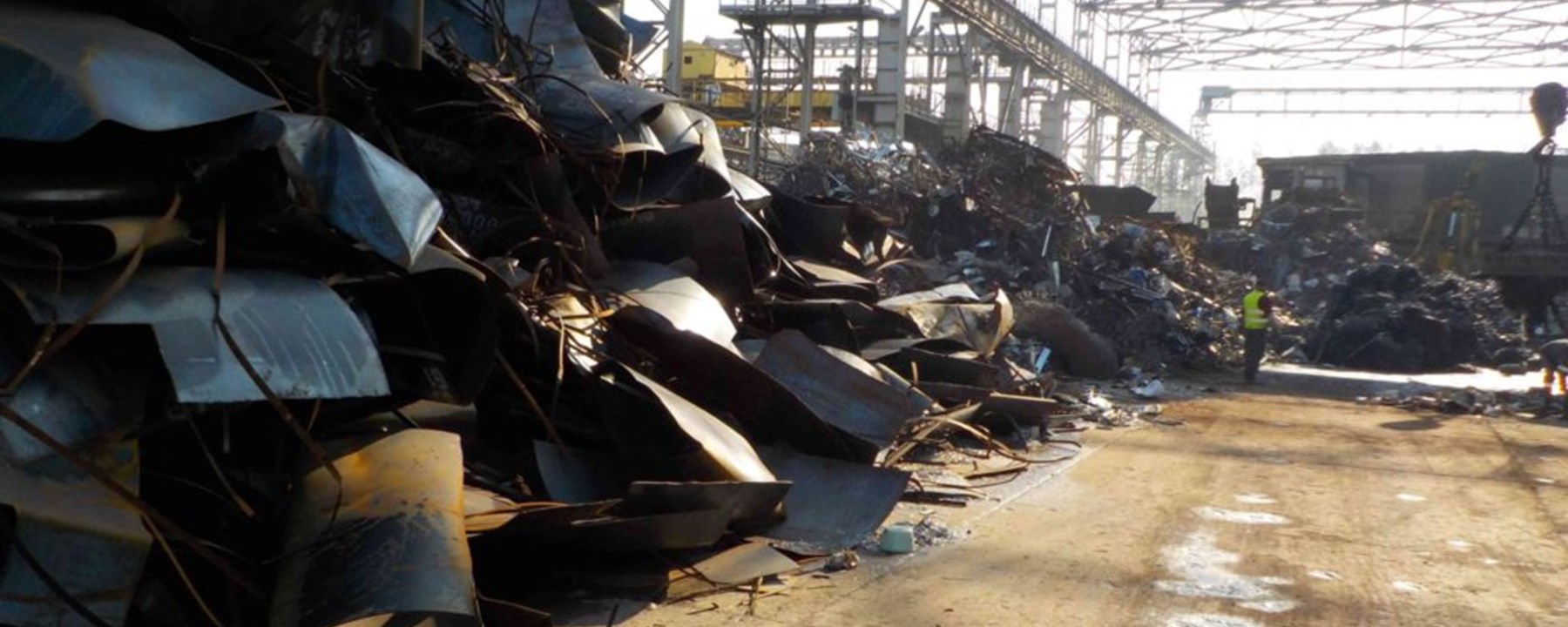
Amendments to the EU’s Critical Raw Materials Act (CRMA) are concerning the bloc’s scrap merchants. The latest version of the CRMA report contains ferrous scrap, to the surprise and dismay of many in the sector.
This “is a blow for us,” Sebastian Will, head of ferrous scrap at German recycling federation BVSE, said at last week’s MBI Infosource Stahltag in Frankfurt. “We fear the consequences that list will bring for us.”
Earlier this month, the European Parliament adopted by 515 votes to 34, with 28 abstentions, amendments to the latest report version published in early September. The adopted text states: “By six months from the adoption of this Regulation, the Commission should submit to the European Parliament and to the Council a list of strategic secondary raw materials, including ferrous scrap.”
Will said political limitations on ferrous scrap exports would take away overseas markets for EU merchants. It would especially limit exports meant for Turkey, “where the scrap price is made”. He pondered: “Will the price double?” Will anticipates that EU mills would not be able to cover their demand, and might go for scrap from the USA. “And then the Turks will bid, too, and we will be in the four-digit figures,” he warned at the event attended by Kallanish.
Another topic he addressed in his presentation is the increasing role of analytical tools in scrap processing., especially as “there will be much consumer scrap accruing in the mid-term”. He referred to “Reders”, the joint project of thyssenkrupp and recycling group TSR, which created the “TSR40” scrap grade that is especially suited for feed in blast furnaces. He spoke of “designer scrap” that reduces risks in the steelmaking process. But he also noted that a facility, as set up at TSR last year, “is expensive, and not immune to errors”.
He presented three scenarios of scrap demand in Germany if oxygen-route mills increase their feed in the converter, or blast furnace as in the project above. With a scrap feed of 15%, oxygen-route mills would need 3.7 million tonnes; at 30%, it would be 7.5mt; and if 50% is technically feasible, demand would reach 12.4mt. In that case, it would surpass the demand of the country’s EAF mills, which currently stands at 10.1mt.
Christian Koehl Germany