


Beltrame halts European lines on costs, increases prices
Italian merchant bar producer Beltrame is stopping its merchant bar production in Europe. The steelmaker is idling lines in Italy and France due to unsustainable cost of production, a source at the company tells Kallanish. The merchant bar production line in Switzerland, where the company produces mostly rebar, will also be idled.
Expensive energy, particularly in Italy, and high scrap and raw material prices, coupled with lower European consumption are beginning to erode margins. The company will raise quotes for merchant bar from stock by €20/tonne ($21.8) in Europe starting from 10 July.
In both Italy and France, long steel market activity continues to stagnate, with buyers only purchasing back-to-back despite low stocks, and pushing for prices to decline. If need be, Beltrame will continue to implement production stoppages for merchant bar in Europe throughout the summer to address the issue of overcapacity.
According to market sources in Italy, values are now at €360-380/t ($404-414) base delivered, depending on tonnage. Including size extras, domestic values are hovering at €770-800/t delivered, sources say.
The Italian government may cancel the tax credit for energy-intensive sectors such as steel and scrap, as well as the exemption from electricity transport and distribution charges. This move risks increasing electricity costs in the country by 35% for steelmakers, Federacciai president Antonio Gozzi warned last week.
The French industry pays about €42 per megawatt-hour electricity, while German steelmakers pay approximately €60/MW-h. Including the tax credit and exemption from electricity distribution charges, Italian steelmakers pay about €100/MW-h. Without the government’s help, energy-intensive industries will pay some €120/MW-h.
Natalia Capra France

French, Benelux scrap to decline less than expected
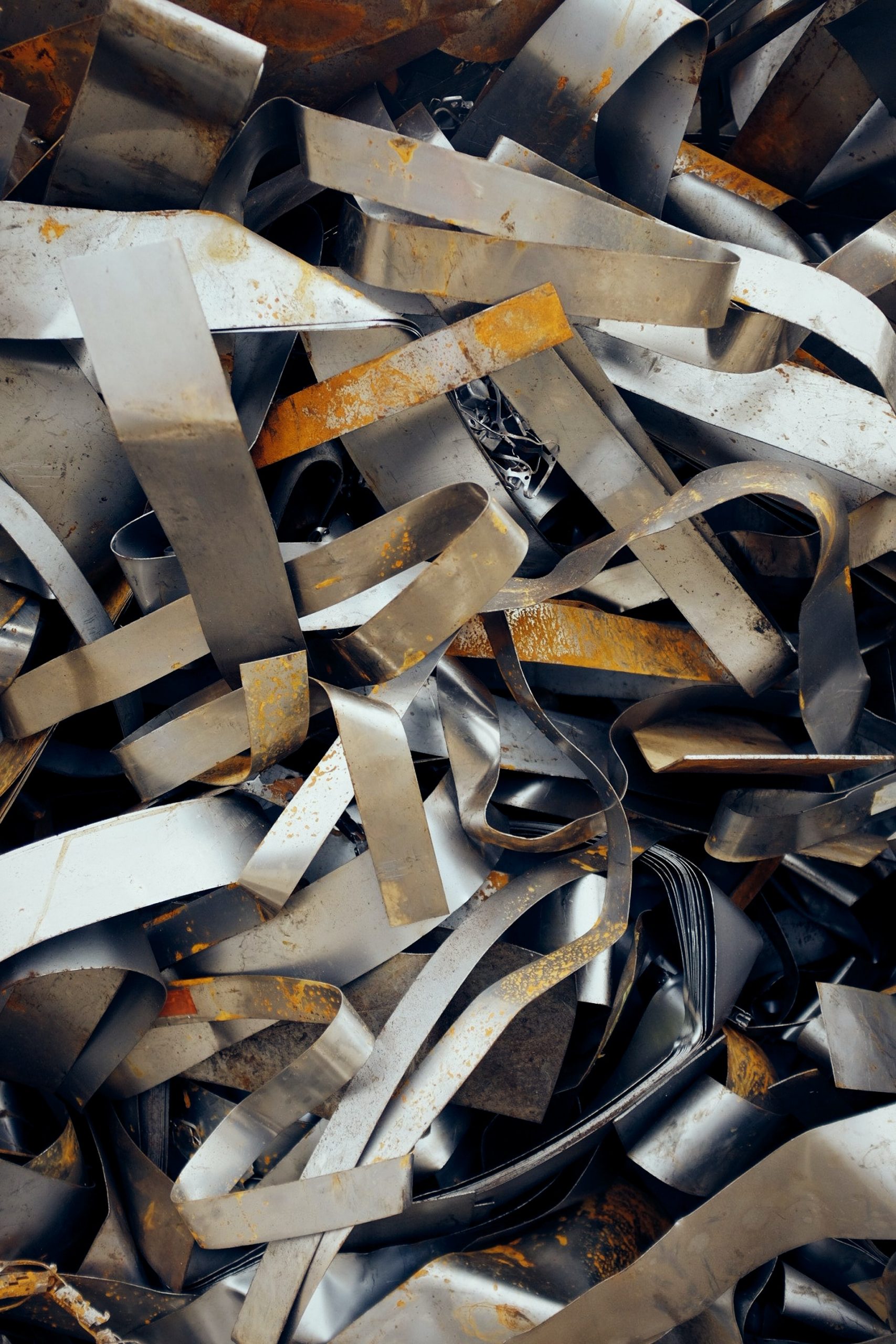
French and Benelux scrap prices for some grades may decline by €20-30/tonne ($21-32), although steelmakers need to reduce prices by more due to the very poor performance of finished long products markets, Kallanish notes.
According to sources, suppliers in France, Germany and Belgium are refusing drastic price drops and quoting high figures for shredded E40 and E8 new arisings.
Finished products markets continue to be stagnant, hence the need for producers to contain production costs. This concerns both flats, longs and now also specialty steel. A buyer says that if suppliers refuse to reduce their prices significantly in July, they will simply stop buying and idle production, as current demand can be satisfied by material in stock.
Italian merchant bar producer Beltrame is idling its merchant bar production in Italy, France and Switzerland due to unsustainable costs and the stagnant finished product market (see separate article).
Low collection is being reported for new arisings E8 and shredded E40. While suppliers are citing shortages to mitigate price falls, buyers see a workable price for E40 this month at €300/t delivered or slightly below. This is down from June’s level of €350/t delivered on average. However, achieving the new value may be challenging.
Despite their different scrap needs, producers in Western Europe share the same concern regarding high costs of production, energy and scrap, and the continued downturn of the construction sector. This concerns all Western and northern European markets, from France to Germany, Netherlands, Belgium and Luxembourg, where new construction permits are plummeting. In southern Europe, however, there is a rush to procure scrap amid a tense market and mills paying some increases.
Natalia Capra France

Weak construction output hampers European aluminium, steel markets
Slower demand for construction materials continues to weigh on Europe’s aluminium and steel markets, pushing premiums and price levels downward while high interest rates and increasing material costs compress project investment across the continent.“The outlook for 2023 is more pessimistic, with investment in construction in Europe expected to fall by 2.5% [year on year], with all sectors expected to contract except for civil engineering,” European construction association FIEC said in its statistical report 2023, published on June 27.
“Sweden is expected to be the country that is hit the hardest, with investment in construction expected to fall by 13.7%, while Portugal should be the best performer with expected growth of 3.4%. In terms of employment, the sector employed 11.1 million workers in 2022, a decrease of 4.0% compared with 2021,” the FIEC report added.
Weaker building and construction demand has weighed heavily on the European aluminium billet market over recent months, with several producers taking extended summer maintenance breaks due to a lack of inquiries, market participants told Fastmarkets.
“I would estimate that physical [building and construction] demand has reduced by around 30-45% in Europe this year,” one aluminium trader said.
Fastmarkets assessed the aluminium 6063 extrusion billet premium, ddp North Germany (Ruhr region), at $525-565 per tonne on June 30, compared with $530-580 per tonne two weeks earlier, and its lowest mid-point since February 2021.
The premium was down by 61% from $1,350-1,500 per tonne at the corresponding time last year, when premiums spiked across the continent amid soaring energy costs and heightened supply concerns.
“Inflation and interest rates are still high and likely to increase,” one European billet producer told Fastmarkets. “There’s no government stimulus to make further investment attractive, and over the next six-to-nine months I don’t see any reason why [building and construction] demand would get any better, unless something changes in terms of support schemes.”
Premiums in Italy have also been declining, with the construction sector weakening after the end of government stimulus to boost the sector in the wake of the Covid-19 pandemic.
Fastmarkets assessed the aluminium 6063 extrusion billet premium, ddp Italy (Brescia region), at $520-570 per tonne on June 30, falling from $530-580 per tonne the week before, and down from $650-700 per tonne at the beginning of the year.
“Global construction activity remains restrained in a post-Covid world. With the higher cost of living, interest rates and sticky inflation, the outlook for a fast recovery is rather unlikely for now,” Fastmarkets analyst Andy Farida said.
“Some raw material costs are coming down, and supply chains have eased to an extent,” he added, “but a speedy recovery is unlikely because China is still not keen to overstimulate its real estate [sector] and Europe faces a difficult winter.”
P1020 premiums lower as supply story gives way to weak demand
The weakening demand outlook has also been weighing on Rotterdam ingot premiums, market participants said, with previous strength from supply-side concerns providing only limited support against the recent decline.
Fastmarkets assessed the aluminium P1020A premium, in-whs dp Rotterdam, at $290-320 per tonne on July 4, compared with $300-320 per tonne on June 23 and down by 6% from $310-340 per tonne at the beginning of June.
The premium had found support from low global inventories, after rising from $255-270 per tonne at the beginning of the year on estimates that more than 1 million tonnes of European primary aluminium capacity has temporarily come offline.
But weakening demand and some requests to postpone deliveries have been damping the market and prompting lower offers, market participants said.
“I’m not too worried, but you also can’t kid yourself for too long. The supply story is still there, but there are more and more demand questions emerging,” one trader in the region said.
“If demand does return, there could be a sharp premium increase due to the low inventory levels, but for now there’s definitely a growing number of people in the market who are spooked by fewer inquiries,” he added.
Fastmarkets assessed the aluminium P1020A premium, in-whs dup Rotterdam, at $220-240 per tonne on July 4, compared with $220-245 per tonne the previous week and down from $240-250 per tonne at the beginning of June.
“It feels like summer came early this year, and it’s dead across most markets. Demand is sluggish and producers have material to sell,” a second trader said.
But others said that while weak demand is prompting a number of lower offers in the market, London Metal Exchange spreads in wide contango were halting the decline to some extent, with reduced pressure to let go of units.
“The third quarter doesn’t seem to be performing as we were expecting, but spreads are super-soft and I’m not in a huge rush to liquidate,” a third trader said.
The LME aluminium cash/three-month spread was most recently in a $46.76 per tonne contango, widening from $37.31 per tonne contango one week earlier and flipping from a $36.50 per tonne backwardation at the beginning of June.
Weak construction demand putting pressure on European steel markets
Chronically weak demand from the construction industry, the major consumer of steel rebar, has been one of the major factors behind the downtrend in the European long steel market in recent months.
“The construction industry is facing pressure from rising interest rates. There is a lack of new projects,” a trading source in Europe said.
In the Northern European rebar market, prices have fallen to lows of €610 ($665) per tonne ex-works in late June 2023 from highs of around €1,030 ($1,122) per tonne ex-works in September 2022.
“We see persistent weakness in the construction sector. With multiple factors contributing to instability and weakness, we cannot forecast when it will improve,” a trader source in Germany said.
“There is a direct relationship between the health of the long [steel] market in Europe and consumption levels in the construction sector,” he added.
In the Northern Europe wire rod market, prices have fallen to lows of €605 per tonne ex-works in late June 2023 from highs of around €970 per tonne ex-works in September 2022.
Meanwhile, in some Central European countries, market sources pointed out that a lack of funds was the major obstacle to a rebound in construction demand.
“In Poland, the main problem is that we are still waiting for EU funds. We already know what we want to build, but Poland and Hungary are still waiting for these funds. And it is unlikely that we [will] receive them before the end of the year,” a trading source in Poland said.
Indeed, rebar prices in Poland have been falling almost non-stop since early May, amid weak construction demand.
Late in June, local steelmakers made an attempt to increase prices, but it was not clear yet whether the increase would be sustainable.
Fastmarkets’ most recent weekly price assessment for steel reinforcing bar (rebar), domestic, exw Poland, was 2,650-2,700 zloty ($652-664) per tonne on June 30, up by 50-70 zloty per tonne from 2,600-2,630 zloty per tonne on June 23.
Spikes in energy costs affect construction activity
Because of the Russia-Ukraine war that has been raging since February 2022, energy prices across Europe have rocketed, reaching historical peaks in the summer of last year.
As a result of unworkable energy costs, government subsidies were created to support companies in the heavy industries that had been affected.
Coupled with depressed demand, rising input costs made it difficult for producers to remain above the cost line, sources said. Producers across Europe cut production during the second, third and fourth quarters of 2022.
“A lack of demand from private and public projects in Europe has affected demand for long steel products. With energy costs high we cannot reduce prices. Dropping prices will not stimulate buying anyway, it will only freeze the market while customers wait for further price drops,” a producer source in Italy said.
Meanwhile, in the Italian rebar market, prices have fallen to lows of €677 per tonne ex-works in late June 2023 from highs of around €1,000 per tonne ex-works in September 2022.
In the Southern European wire rod market, prices have fallen to lows of €585 per tonne ex-works in late June 2023 from highs of around €975 per tonne ex-works in September 2022.
“The private sector has been less affected in Italy than elsewhere in Europe, meaning we have experienced stronger demand than in Northern Europe,” another source from Italy said.
“Italians have the highest private savings of any demographic in Europe. This means Italians are less likely to need to borrow to do private construction projects. Higher private savings create a buffer to a country feeling the recession as strongly,” he added.
Bearish outlook prevails for European steel market
With government subsidies removed, and energy costs expected to rise over summer 2023 in Southern Europe, market participants remained bearish regarding input costs.
Coupled with this, it was still uncertain when and how the construction sector would rebound.
“In July 2023, Italian mills face two main challenges,” a producer source in Italy said. “The first is energy and gas costs. Between the beginning and end of June, electricity prices rose by €40 per MWh. Furthermore, government aid has stopped from July. With demand remaining weak from the construction sector, mills are likely to cut production rather than to reduce prices further.”
Bearish sentiment also prevailed in Northern Europe.
“I do not know when demand will rebound or when [long steel] prices will pick-up,” a buyer source from the Netherlands said. “[Long steel] prices cannot continue to fall, and mills would rather cut production.”
European steel producers’ association Eurofer expected the construction industry to decline by 1.6% in 2023, after recording 4.8% growth in 2022. The sector was expected to recover modestly (+1.3%) in 2024.
The reasons behind this drop were the long-lasting effects of rising construction material prices, increasing scarcity of construction materials, and a shortage of construction workers in many EU countries, coupled with the overall economic slowdown due to the war in Ukraine, Eurofer said in its most recent economic outlook report, published in May 2023.
Overall construction activity should continue to benefit from government-funded schemes, with the civil engineering sub-sector expected to provide the strongest contribution to the construction sector’s performance.
But, Eurofer added, the effect of government housing support schemes was expected to ease substantially over the course of 2023.
Published by: Julia Bolotova, Imogen Dudman, India-Inés Levy

Turkish mills stay away from deep-sea bookings amid weaker steel sales
The Turkish deep-sea steel scrap market remained quiet on Wednesday July 5, amid limited finished steel sales and falling prices in the country, sources told Fastmarkets.The most recent deep-sea deals were heard on Tuesday July 4, when a steel mill in the Marmara region booked a US cargo, comprising HMS 1&2 (85:15) at $381 per tonne, shredded and bonus at $399 per tonne CFR. The same mill also booked a European cargo of HMS 1&2 (80:20) at $369 per tonne CFR.
Despite scrap prices holding steady in the latest bookings, steel prices in Turkey recently weakened in response to falling demand.
In the Karabük region near the Black Sea, long steel mill Kardemir opened its domestic billet sales book on Wednesday July 5, offering 150x150mm, S235JR-grade steel billet at $565 per tonne EXW, and the same size B420-grade at $570 per tonne EXW.
Fastmarkets’ weekly price assessment for steel billet, domestic, exw Turkey, was unchanged week on week at $575-580 per tonne on Thursday June 29.
Turkish mills were heard offering rebar for export, meanwhile, at $610-620 per tonne FOB on an actual-weight basis, down from Fastmarkets’ June 29 price assessment for steel reinforcing bar (rebar), export, fob main port Turkey, at $620-625 per tonne.
The lack of fresh trading activity in the deep-sea market on Wednesday, left the daily scrap indices unchanged.
Fastmarkets’ daily index for steel scrap HMS 1&2 (80:20 mix) North Europe origin, cfr Turkey was calculated at $373.60 per tonne on Wednesday, unchanged day on day.
And the corresponding daily index for steel scrap HMS 1&2 (80:20 mix) US origin, cfr Turkey was $377.52 per tonne on July 5, also flat day on day, leaving the premium for US scrap over European material at $3.92 per tonne.
Published by: Cem Turken
Downstream flat steel prices stable to slightly higher across Europe; trading limited
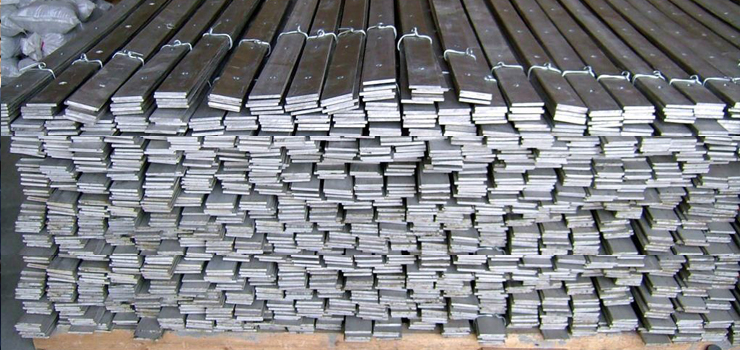
The European market for cold-rolled and hot-dip galvanized coil remained quiet over the past week with subdued trading, sources told Fastmarkets on July 5.Firm offers were rare, especially for HDG, with most integrated mills taking a “case by case” approach.
“In recent weeks, producers were largely focused on long-term contract negotiations with end users [from the] automotive industry, rather than on spot sales,” a trading source said.
Buyers’ estimates of tradeable values were heard between €770 ($839) and €790 per tonne ex-works for CRC and around €780-800 per tonne ex-works for HDG in Northern Europe.
One integrated mill in the region was offering CRC at €780 per tonne EXW and HDG at €800 per tonne EXW, both for September delivery, sources told Fastmarkets.
An Italian mill sold a small HDG lot to Germany with August-delivery at €790-800 per tonne CPT, sources said.
Buying interest has improved a bit, with customers looking to book material ahead of summer stoppages at mills, but traded volumes remained low, according to market participants.
“Now we mainly see buying activity to cover possible shortage of coil as summer holidays are almost [here] and some mills might prolong the holiday periods for maintenance. On top of that, technical issues at some [French and German mills] might lead to reduced material availability and longer lead times,” a trading source said.
Fastmarkets’ weekly price assessment for steel cold-rolled coil domestic, exw Northern Europe was €770-790 per tonne on Wednesday, up by €10 per tonne from €760-780 per tonne on June 21.
The corresponding weekly price assessment for steel hot-dipped galvanized coil domestic, exw Northern Europe was €790-800 per tonne on Wednesday, narrowing upward from €780-800 per tonne a week ago.
Import offers for CRC and HDG were few in the assessment week, sources said.
August-shipment material was sold out at most mills, while new offers were mainly for September and October shipments, which would mean arrivals would take place in November and December.
One Vietnamese mill was reportedly aiming for €720 per tonne CFR to Italy for CRC with September shipment, while bids were no higher than €700 per tonne CFR, sources said.
Deals for Japan-origin CRC were reportedly sealed at €690-695 per tonne CFR late in the week to June 30, but Japanese suppliers were reportedly not offering the material this week.
South Korean mills were also out of the market due to quota issues, sources said.
“Some traders are facing losses as some quotas have been exceeded,” a second trading source said.
Published by: Julia Bolotova
European HRC prices mostly flat despite bullish mills pushing for increases
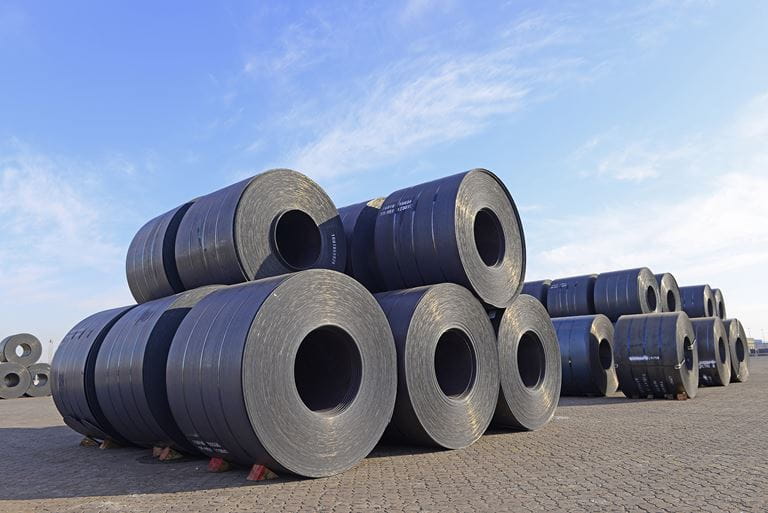
European hot-rolled coil producers were targeting higher prices on Wednesday July 5, but the uptrend was hindered by persistently slow trading, sources told Fastmarkets.In Northern Europe, buyers reported tradable values at €670-700 ($730-763) per tonne EXW, while offers from one integrated mill for September-delivery HRC were heard at €700-710 per tonne EXW.
Sources had reported a slight pick-up in trading in recent weeks, but traded tonnages were limited, with buyers still preferring hand-to-mouth bookings only.
“Now we mainly see buying activity to cover possible shortages of coil because the summer holidays are almost here and some mills might prolong the holiday period for maintenance. On top of that, technical issues at some [French and German mills] might reduce the availability of material and [extend] lead times,” one trading source told Fastmarkets.
Some producers are expected to announce price rises of €30-50 per tonne for September HRC before the summer stoppages, which one distributor described as “a traditional tactic.”
In general, however, market participants said there was no room for large price rises because demand from end users remains stable at low levels, while steel service centers and distributors are struggling to increase downstream prices.
Fastmarkets’ daily steel HRC index, domestic, exw Northern Europe was calculated at €681.67 per tonne on Wednesday, up by €0.21 per tonne from €681.46 per tonne on July 4.
The latest calculation of the Northern European index was up by €11.04 per tonne week on week, but down by €41.66 per tonne month on month.
Fastmarkets calculated its corresponding daily steel HRC index, domestic, exw Italy at €657.92 per tonne on Wednesday, stable day on day.
The Italian index was up by €12.74 per tonne week on week, but down by €12.08 per tonne month on month.
The price increases announced by Italian mills earlier in the week were not sealed in deals, however. So while official offers came in at €680-700 per tonne EXW, transactions were actually reported at around €650-660 per tonne EXW. Buyers said the tradable level was €640-650 per tonne EXW.
One source reported a sale of a limited tonnage of September-delivery HRC at €680 per tonne EXW, but this was not widely confirmed by other market participants.
The major obstacle for HRC price rises in Italy is slow demand from end users, sources told Fastmarkets.
“Prices for tube and for cut-to-length HRC are still low. We need to increase them by €50-60 per tonne,” a steel service center source said.
HRC import prices were stable day on day, with interest in overseas bookings recently limited by stretched lead times. Most suppliers are already offering September-October shipments, with November-December arrivals.
A sale of India-origin HRC for mid-October shipment was heard at €600 per tonne CFR to Italy late in the week to June 30. And HRC was on offer from one Japanese mill at €630 per tonne CFR for September shipment, while smaller-volume transactions reported at €620 per tonne CFR to Italy in late June.
Other suppliers from Asia were aiming for €610-620 per tonne CFR for September-shipment HRC to Italy.
South Korean suppliers remain out of the market and are unlikely to come back with new offers any time soon, with suppliers having exceeded their quota volumes for the next quarter and therefore inactive, according to market participants.
Published by: Julia Bolotova
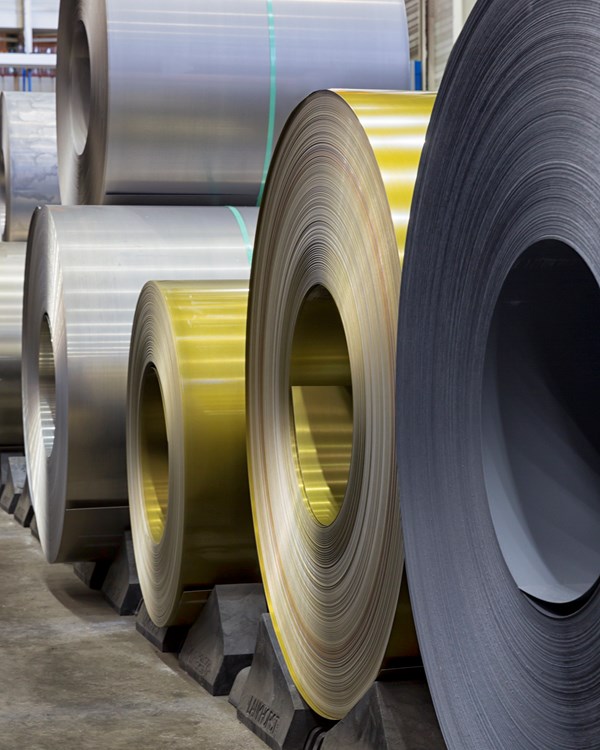
EU HRC prices inch up, demand remains low
Domestic prices for hot-rolled coil have inched up in Europe on July 4, although traded volumes remained limited due to slow demand.
Platts assessed domestic prices for hot-rolled coil in Northwest Europe up Eur5/mt on day to Eur685/mt ex-works Ruhr.
Deals for small lots of coil have been heard at Eur670-700/mt ex-works Ruhr. Market sources estimated achievable prices at Eur680-700/mt ex-works Ruhr.
Majority of the market participants believe that scheduled maintenances at some mills and unplanned production issues at other plants would support the domestic prices. But the availability reduction unlikely to be enough to result in substantial price recovery.
“Demand is quite low and EU mills strategy to motivate customers to buy on spot base with further discounts did not work so now they are trying to get higher prices,” a German service center source said.
European buyers have been showing limited interest in imported coil from Asia due to long lead times. In addition, spread between domestic and imported coil prices has not been wide enough to spur buyers’ interest.
Platts assessed prices for imported hot-rolled coil in Northwest Europe stable on the day at Eur625/mt CIF Antwerp July 4. Offers have been reported at Eur630-650/mt CIF Antwerp for the material from Asia and tradable values at Eur610-630/mt CIF Antwerp.
In South Europe, Italian mills have been aiming for higher prices, but continued to give discounts to secure sales in the slow market.
“Italian mills increased the offers, but it is a nominal rise, as the mills continue to sell at lower prices to generate cash flow,” an Italian trader said.
Platts assessed domestic prices for hot-rolled coil in South Europe at Eur650/mt ex-works Italy on July 4, up Eur5/mt on the day.
Tradable values have been heard at Eur640-650/mt ex-works Italy and unconfirmed deals at Eur680/mt delivered Italy.
Platts assessed prices for imported hot-rolled coil in the region at Eur620/mt CIF Italy on July 4, up Eur5/mt on the day.
Deals for the material from India have been reported at Eur620-625/mt CIF Italy and offers for the coil from Far East have been heard at Eur610-620/mt CIF Italy.
Platts is part of S&P Global Commodity Insights.
Author Maria Tanatar


Nordic developer Blastr, Cargill to work on iron ore pellets, steel sourcing
Norwegian developer Blastr Green Steel AS said July 4 it had signed a strategic framework agreement with US trading group Cargill to jointly develop Blastr’s supply of iron ore and pellets and sell low-carbon steel.
The terms build on Cargill’s support developing Blastr’s projects under an October 2022 memorandum of understanding, with the trader now committing $10 million in Blastr’s planned Series A financing round, the Lysaker-based start-up company said in statement. Blastr was set up in 2021 to pursue low-carbon steel led by a 2.5 million mt/year finished steel project, and backed by shareholder investment fund Vanir Green Industries. A final investment decision for the steel and pellet plants is due by 2025, the company website states.
Cargill and Blastr will finalize definitive agreements covering the areas included in the strategic accord over the next few months, Blastr added.
Cargill’s agreement covers the supply of iron ore feed to Blastr’s pellet plant, along with offtakes and sales of direct reduction pellets, hot briquetted iron (HBI) and low-carbon steel products. Further, Cargill will be involved in ferrous scrap sourcing, low-carbon shipping and logistics, along with supply of working capital and risk management services to Blastr, it said.
Cargill will work with Blastr across the supply chain and enable “the development of transparent certified supply chains,” along with supplying steel customers, growing the low-carbon steel segment, according to Lee Kirk, Cargill Metals’ managing director.
Cargill will support Blastr in developing and commercializing low-carbon steel products for the European market, it added.
Blastr said it is initially developing a 6 million mt/year DR-grade pellet plant in Gildeskal, Norway, and a 2.5 million mt/year direct-reduced iron plant and an electric arc furnace in Inkoo, Finland, with its own green hydrogen production, supporting a major reduction in primary ironmaking emissions compared to using coal-based fuel in blast furnace processes.
Blastr said it targets the potential to deliver more than a 90% reduction of Scope 1-3 C02 emissions per ton of steel.
“Cargill’s access to raw materials and end-customers, combined with innovative trading, shipping, and offtake solutions, bring us a giant leap forward in realizing green steel production at scale”, said Blastr CEO Hans Fredrik Wittusen.
Cargill is expected to consider regional and global sources of iron ore to meet quality requirements and available supply with the project’s timelines. Iron ore mines in Norway and Sweden, along with other sources may have suitable qualities with industry plans to grow high-grade supplies over the next few years. Regional iron ores are already used in several pellet plants. Usage for pelletizing may also depend on grinding capacity and pricing terms.
H2 Green Steel is seeking to develop a green DRI and EAF-based steel plant close to Lulea in northern Sweden, and is projected to start supplying material to markets earlier, with several sales accords with end-users. Cargill in June signed up to a multi-year agreement with H2 Green Steel for the supply of low-carbon steel. H2 Green Steel intends to secure supplies of DR pellets and feedstocks from the markets, with ferrous scrap also planned for usage.
Industry interest to secure low-carbon, or near zero carbon steel has increased in some sectors, with premiums and associated pricing establishing a market for certified steel demonstrating emissions reductions. Auto sector end-users and suppliers across flat and long steel, as well as service centers close to the industry, have signed up to available low-carbon steel supply and future volumes.
However, market observers note that European steel demand is not projected to grow materially to absorb additional supplies, after recent declines in consumption rates. Critics state new greenfield steel projects, including those which have not secured raw materials and energy needed and may be susceptible to volatile pricing risks, may put at risk existing European steel production and employment, as well as accelerating changes in the iron and steel industry. Steel users may increase exposure to plants with renewable energy supplies and utility market prices, as well as depend on growth in related wind and hydro generating capacity to support new DRI and EAF needs.
Author Hector Forster

Italian HRC producers seek higher prices, but buyers hold back
Producers of steel hot-rolled coil in Italy were pushing for higher prices but buyers were reluctant to accept increases, citing slow downstream sales, Fastmarkets heard on Tuesday July 4.Italian producers have increased their offer prices for August-September delivery coil, some of them by as much as by €50 ($55) per tonne, but these increases have not been consolidated in deals so far.
Offers from one integrated mill in the country were heard at €700 per tonne CPT (around €680 per tonne ex-works), while another integrated producer was aiming even higher, asking for €730 per tonne CPT (around €700 per tonne ex-works).
Offers from re-rollers were reported around €680-700 per tonne ex-works. But most buyers estimated a workable value at €640-650 per tonne ex-works, citing slow demand.
“We are trying to increase prices to our customers, but it might take us a couple of weeks to consolidate [these],” a steel-service center source told Fastmarkets. “[HRC] prices have been falling for quite a long time. Until recently, cut-to-length HR sheet was sold at €700 per tonne CPT in Italy.”
Fastmarkets calculated its daily steel hot-rolled coil index, domestic, exw Italy, at €657.92 per tonne on Tuesday, up by €7.92 per tonne from €650.00 per tonne on Monday.
The Italian index was also up by €11.93 per tonne week on week, although it was down by €22.08 per tonne month on month.
Import HRC prices have been stabilizing recently, with some suppliers looking for small rises of about €10-20 per tonne. Interest in overseas bookings has been limited recently due to stretched lead times. August-shipment material was sold out at most mills, while new offers were mainly for September-October shipments, which would mean November-December arrivals.
An HRC offer from Japan was reported at €630 per tonne CFR for September shipment, while smaller-volume transactions were reported at €620 per tonne CFR to Italy.
October-shipment HRC of Indian origin was offered to Italy at €600 per tonne. And a Vietnamese mill was offering €610 per tonne CFR for September-shipment HRC to Italy.
South Korean suppliers were out of the market. According to market participants, suppliers might have exceeded their quota volumes for the next quarter and therefore were not active.
Meanwhile, Fastmarkets’ daily steel hot-rolled coil index, domestic, exw Northern Europe, was calculated at €681.46 per tonne on Tuesday, up by €1.46 per tonne from €680.00 per tonne on Monday.
The latest calculation of the Northern European index was also up by €9.46 per tonne week on week but was down by €55.62 per tonne month on month.
Firm offers were rare in the region, with most integrated mills taking a “case by case” approach.
Buyers’ estimates of tradeable values were heard between €670 and €700 per tonne ex-works, with transactions for smaller tonnages reported at €670-680 per tonne ex-works.
Some sources suggested that producers would follow the Italian mills and try to increase prices in the spot market, especially given the outcome of long-term contract negotiations.
“Contracts [for the second half of the year] with automotive [manufacturers] were settled at €800 per tonne, similar to first-half levels. But this is significantly above the current spot market, so a logical step for the mills would be to push for a rise,” a distributor said.
But buyers doubted the likely success of such a move, given the slow demand from end-users.
“It would make sense for mills to take small steps [in terms of price rises],” a second steel-service center source said. “Market conditions are not good for a massive price rise. Maybe some upward correction would be possible during July restocking, but that’s all.”
Most sources agreed, however, that HRC prices were unlikely to decline, so a rollover or an upward correction were equally possible for July.
Published by: Julia Bolotova

Niedax sources CO2-reduced steel from Tata UK
Niedax, a producer of cable protection systems, has started sourcing and processing certified Optemis Carbon Lite steel from Tata Steel UK.
This week, the first coil was delivered to the steel centre in Schwerte, Germany operated by Niedax subsidiary Boecker Stahl-Service GmbH, Kallanish learns from Niedax. The maker of cable tray systems from steel sheet received hot-dip galvanized coils of 22 tonnes. It informs that CO2 emissions in the production of material were reduced by 85% in the course of an independently certified in-setting process.
The CO2-emission-reduced steel enables Niedax to manufacture cable management systems for large infrastructure projects in its own steel service centre with a significantly more favourable carbon footprint, it says. In the coming weeks, the Niedax Group expects further deliveries of Optemis Carbon Lite steel.
Anil Jhanji, chief commercial officer of Tata Steel UK, calls the partnership “with a leading international company like Niedax an important step on our journey to carbon-neutral steel”. Niedax chief executive Bruno Reufels adds: “We are already registering initial interest from consumer-related sectors such as the construction and automotive industries.”
Christian Koehl Germany