


2023: Kein Déjà-vu am Stahlmarkt

Am Jahresende 2022 haben die Stahlpreise am Spotmarkt ein Niveau erreicht, das Stahleinkäufer im Frühjahr mehr erhoffen als erwarten konnten. Stahl ist immer noch nicht billig, aber wieder zu realistischen Bewertungen zurückgekehrt. Ist damit eine neue Phase der Stabilität eingeleitet oder handelt es lediglich um eine kurze Ruhephase, bevor wieder neue Stürme aufbrausen? Manche Marktteilnehmer trauen dem Frieden nicht. Die Versorgungskrise 2020/2021 sitzt tief in den Köpfen fest. Obwohl es manche Parallelen dazu gibt, ist eine Wiederholung der damaligen Entwicklung nicht wahrscheinlich.
Ähnlich wie zur Jahresmitte 2020 hat der Stahlmarkt eine längere Phase mit einem ausgeprägten Bestandsabbau und stark fallenden Preisen hinter sich. Ähnlich wie damals haben die EU-Stahlerzeuger darauf mit Produktionsrücknahmen reagiert. Und ähnlich wie damals könnte sich manches Konjunkturszenario als zu pessimistisch erweisen. In den vergangenen Monaten blieb die Industrieproduktion insgesamt robuster als es noch im Frühherbst vielfach befürchtet worden war. 2022 dürfte fast genau das Niveau des Vorjahres erreicht worden sein, im November wurde sogar der zweithöchste Wert des Jahres erzielt. Die kurzfristigen konjunkturellen Folgen der Energiekrise sind bisher weniger dramatisch als es zunächst den Anschein hate.
Zumindest der Preistrend bei Flachprodukten hat sich im Dezember gedreht und weist derzeit nach oben. Der Ausblick auf das Jahr 2023 ist von großer Unsicherheit vor allem beim Blick auf die Nachfrageentwicklung geprägt. Es werden ganz unterschiedliche Szenarien gehandelt. Manche Stahleinkäufer befürchten aufgrund der Parallelen, dass Stahl wieder knapp werden könnte.
Aber es gibt Unterschiede zum Jahr 2020. Ein Unterschied liegt im Ausmaß der Produktionskürzungen. Die hochofenbasierte Oxygenstahlerzeugung erreichte im Jahr 2020 in Deutschland den tiefsten Stand im Juni bei gut 1,5 Mio. Tonnen. Das Jahrestief 2022 lag im November deutlich höher bei knapp 2,0 Mio. Tonnen. In Deutschland sind kaum Hochöfen außer Betrieb gesetzt worden, so dass eine Produktionserhöhung bei Bedarf schneller als vor zwei Jahren möglich wäre. Elektrostahlwerke können ihre Erzeugung ohnehin flexibel anpassen. Zudem dürfte auch das Importangebot im Jahr 2023 deutlich höher bleiben als vor zwei Jahren.
Auf der Nachfrageseite haben in den vergangenen Monaten zweifellos Bestandseffekte die dominierende Rolle gespielt. Die Stahlbestellungen liegen seit April 2022 ungewöhnlich weit unter der Industrieproduktion. Offenbar hatte nicht nur der Stahlhandel im Frühjahr zu hohe Bestände aufgebaut. Auch die Industrie hat über Monate in großem Maßstab auf vorhandene Bestände zurückgegriffen.
Nun lautet die Frage, in welchem Umfang es wieder zu Lagerergänzungen kommen wird. Schließlich war ein von Lagereffekten getriebener steiler Nachfrageanstieg der Auslöser für die im 2. Halbjahr 2020 beginnende Versorgungskrise, die dann 2021 voll eskalierte.
Die Wiederholung dieser Entwicklung ist wenig wahrscheinlich.
Der Bestandabbau scheint zwar noch nicht bei allen Unternehmen vollständig abgeschlossen. Er ist aber in den vergangenen Monaten ein großes Stück vorangekommen. Daher ist nun eine stärkere Annäherung der Stahlbestellungen an den tatsächlichen Bedarf wahrscheinlich. Dieser zeigte sich zuletzt robust. Angesichts der noch hohen Auftragsbestände in weiten Teilen der Industrie dürfte dies zunächst so bleiben. Am schwierigsten ist die Lage in der Bauwirtschaft und dort insbesondere beim Wohnungsbau. Dies trifft vor allem die Nachfrage nach baunahen Langprodukten.
Damit liegt es nahe, dass die Stahlbestellungen im 1. Quartal anziehen werden. Dies gilt umso mehr, als der Tiefpunkt der Spotmarktpreise erreicht scheint, so dass taktische Käufe zum realen Bedarf hinzukommen werden.
Ein sehr steiler Anstieg der lagergetriebenen Nachfrage, dürfte aber aus mehreren Gründen ausbleiben.
Die Bedarfsaussichten sind weiterhin mit vielen Unsicherheiten behaftet. So ist der Auftragseingang der Automobilindustrie seit Monaten stark rückläufig. Zusammen mit verhaltenen Prognosen für den globalen PKW-Markt könnte dies dazu führen, dass sich die Lage der Branche nach Abarbeitung der Altaufträge spürbar verschlechtert. Auch andere Stahlabnehmerbranchen zehren derzeit in hohem Maße von Altaufträgen. Die für viele Regionen der Welt nur schwachen Konjunkturerwartungen sind in der exportorientierten deutschen Industrie noch nicht richtig angekommen. Dazu kommen die mittelfristigen Auswirkungen der europäischen Energiekrise, die die Unternehmen im globalen Wettbewerb zurückwirft, und der wieder steigende Euro. Zahlreiche politische Unsicherheiten wie der Fortgang des Kriegs in der Ukraine, die Corona-Pandemie in China und die Taiwan-Frage wirken zusätzlich dämpfend.
Zusammen mit gestiegenen Finanzierungskosten und einer in vielen Unternehmen angespannten Liquiditätslage sollte dies dazu führen, dass der Lageraufbau am Jahresanfang schwächer als üblich ausfällt. Damit ist eine neue Versorgungskrise wenig wahrscheinlich, auch wenn sie nicht gänzlich ausgeschlossen werden kann. Mit wieder längeren Lieferzeiten und Engpässen bei einzelnen Spezifikationen muss dagegen gerechnet werden.
Eine wieder besser Stahlnachfrage, die reduzierte EU-Erzeugung, höhere Rohstoffkosten und ein schwächerer Importdruck dürften in den kommenden Wochen zwar vor allem bei Flachstahl zu höheren Spotmarktpreisen führen. Bei den im Elektroofen hergestellten Langprodukten spielt die weitere Entwicklung der Strompreise eine große Rolle, so dass der Trend weniger klar ist.
Es wäre eine riesengroße Überraschung, wenn die Stahlpreise im Frühjahr auch nur annähernd in die Spitzenpreise der Jahre 2021 und 2022 erreichen würden. Bei allen Unsicherheiten sei zudem die Prognose gewagt, dass im Jahresmittel 2023 die Preise spürbar unter dem Niveau des Jahres 2022 liegen werden.
von Dagmar Dieterle
Der Beitrag stammt vom Leverkusener Stahlmarkt-Berater Andreas Schneider, StahlmarktConsult.
Foto: StahlmarktConsult und Fotolia
Der Gastkommentar spiegelt die Meinung des Autors wider, nicht notwendigerweise die der Redaktion von marketSTEEL.


SMS proposes ‘EasyMelt’ syngas furnaces for cleaner steel
Plant-builder SMS Group has designed technology to act as an intermediate step in the transition to low-emission steelmaking, and is looking for industrial partners to develop this with.
The path to low-emission steel envisaged by most steelmakers involves direct reduced iron plus an electric arc furnace. Ideally, these will be fuelled with hydrogen, but until there is enough of it available, mills plan to work with natural gas for a transitory period.
Given mills are looking for pathways that preserve facilities they already use, SMS says it asked itself: “Is there another way to maintain existing facilities? We say yes and we call it EasyMelt, Electrically Assisted SYngas sMELTer,” Jörg Brinckmann, head of green steel at SMS subsidiary Paul Wurth, said at last week’s Green Day conference organised by German steel stockholders federation BDS, attended by Kallanish.
According to Brinckmann, EasyMelt can make do with a fifth of today’s consumption of 300kg of coke and 200kg of pulverised coal injection as long as hydrogen is not sufficiently available. Basically, “we take a DRI facility and put it over a blast furnace,” he explained. The agent for the reduction process will by synthetic gas in small volumes which can be disposed of with carbon capturing.
In view of regional supply shortages of natural gas, “EasyMelt is an option for regions which have no natural gas resources”, he added. Apart from many European countries, this also applies to strong steel-producing nations like Korea and Japan, he pointed out.
Christian Koehl Germany


Sarralle launches hydrogen ladle heater in Spain
Spanish technology supplier Sarralle Group tells Kallanish it has supplied a ladle preheating station capable of running entirely on green hydrogen to a Spanish steelmaker. This was the company’s pilot project.
“We replaced the existing burner that used natural gas as fuel with an oxy-combustion burner which can use 100% H2,” Sarralle explains. Using hydrogen, we achieve zero CO2 emissions in the ladle, as only water vapour is generated in the process.”
Electric arc furnaces, ladles and tundish heaters, continuous casting oxyfuel-cutting and the rolling mill reheating furnace are among the main steelmaking equipment with large natural gas consumptions that can be conditioned to work with the new burners, the company confirms.
Todor Kirkov Bulgaria
UK government prepares British Steel aid package: reports
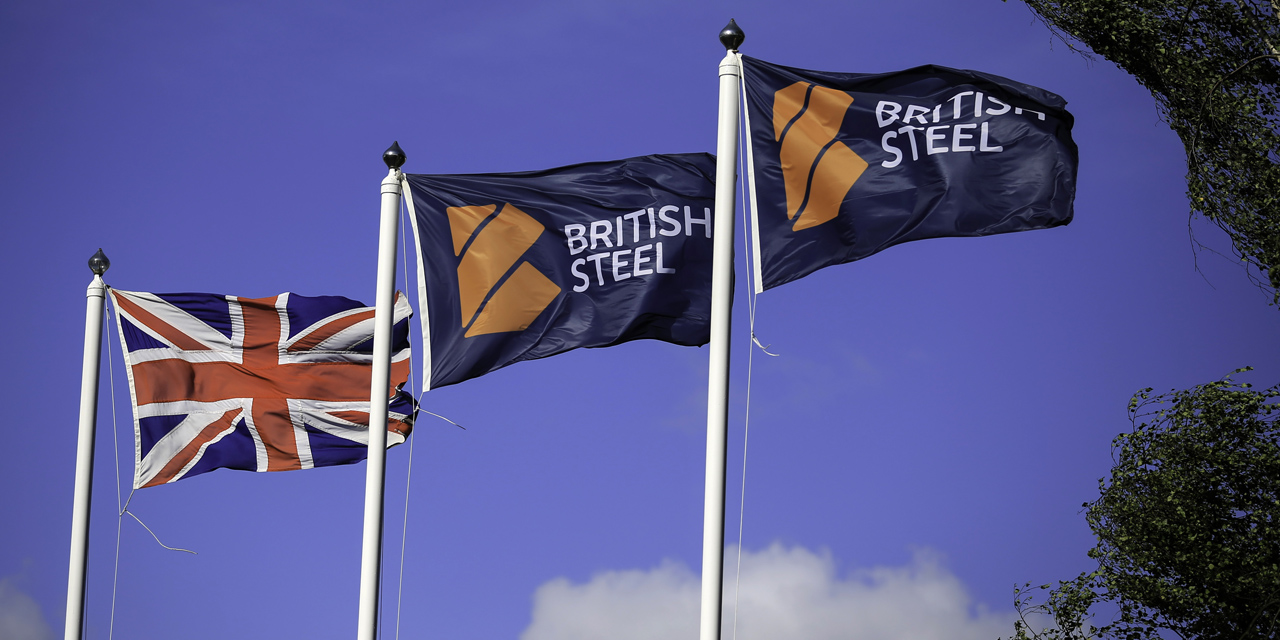
UK Chancellor Jeremy Hunt is set to approve a £300 million ($371m) tax payer-funded aid package to British Steel, to be handed to the steelmaker in instalments during the next few years, Sky News reports.
The funding would be “directly linked” to a project to replace British Steel’s blast furnaces at its Scunthorpe site with a greener electric arc furnace, the news agency cites one person close to the situation as saying.
Jingye Group, British Steel’s Chinese owner, would also be obliged to invest at least £1 billion in the business by 2030 and make commitments relating to job retention.
When contacted by Kallanish, the Department for Business, Energy and Industrial Strategy (BEIS), which speaks for the UK government on matters relating to steel, declined to comment on the British Steel case.
It did however say: “The Government recognises the vital role that steel plays within the UK economy, supporting local jobs and economic growth and is committed to securing a sustainable and competitive future for the UK steel sector … The Business Secretary considers the success of the steel sector a priority and continues to work closely with industry to achieve this.”
British Steel did not respond to request for comment before deadline on Friday.
British Steel chief executive Xifeng Han said earlier this month that Jingye has invested £330m in capital projects during the first three years of ownership and “continues to invest unprecedented sums of money in British Steel” (see Kallanish passim).
“Jingye is committed to our long-term future but we also require the UK Government to provide the necessary support, policies and frameworks to back our drive to become a clean, green and sustainable company,” he added. “We’re continuing formal talks with the government about decarbonisation, along with the global challenges we currently face. The government understands the significant impact the economic slowdown, rising inflation and exceptionally high energy and carbon prices are having on businesses like ours, particularly during such a key period in our transformation.”
The firm’s new £54m billet caster is scheduled to be commissioned this spring. Last year it secured funding from the UK government for a feasibility study into switching from natural gas to green hydrogen as a fuel source for re-heating furnaces.
British Steel has pledged to deliver net zero steel by 2050 and significantly reduce its CO2 intensity by 2030 and 2035. It launched its Low-Carbon Roadmap in October 2021, which besides the use of hydrogen entails increasing the amount of scrap used in the integrated steelmaking route, using hot-briquetted iron, and assessing carbon capture and storage, and EAF steelmaking.
Adam Smith Poland

Saarland mills launch label for green steel
Germany’s Saarland mills, Dillinger Hütte and Saarstahl, will be marketing their low-emission products under the name of “Pure Steel”, Kallanish learned at the Green Day meeting organised by German steel stockholders federation BDS last week.
Just like Germany’s other blast furnace-based steelmakers – thyssenkrupp, ArcelorMittal and Salzgitter – the Saarland mills have decided to convert to the direct reduced iron-electric arc furnace route. In December, their parent holding company, Stahl-Holding-Saar (SHS), announced an investment of €3.5 billion ($3.8 billion) for its technological transition (see Kallanish 2 December).
“These are investments of an adventurous dimension, carried out during ongoing operation,” SHS chief executive Karl-Ulrich Köhler said at the conference, where he laid out the group’s transformation path. Until 2030, it plans to start operation of a DRI facility plus two EAFs with a capacity of 3.5 million tonnes/year of crude steel. “We will then need 55,000 tonnes/year of hydrogen – today we have none yet,” he cautioned. By 2045, the mills plan to install another EAF with a capacity of 1.2m t/y.
Köhler is not uncritical regarding the trend of labelling what is meant to be green steel. “We need to be careful with such labels,” he said during the subsequent discussion. “What we need is a sincere solution, not a label solution.”
So far, Germany’s other main mills have come up with labels of their own for their low-carbon products: thyssenkrupp with “Bluemint”, Salzgitter with “Salcos”, and ArcelorMittal with “XCarb”.
Christian Koehl Germany

Weak demand stifles trading in Italy, Spain rebar markets
Slow demand was limiting trading activity in Southern Europe’s rebar markets in the week to Wednesday January 18, sources told Fastmarkets.Before the Christmas closures, steel mills successfully targeted higher prices, but the all-pervasive wait and see sentiment among buyers, coupled with weak demand, resulted in few trades taking place.
Some market participants told Fastmarkets there had been an increase in requests for material, but others said the market remained dormant.
Fastmarkets’ weekly price assessment for steel reinforcing bar (rebar) domestic, exw Italy was €810-860 ($876-930) per tonne on Wednesday, down by €10-25 per tonne from €835-870 per tonne.
The Italian rebar market has remained largely stable following the reopening after the Christmas/year-end holiday closures. And reduced energy costs and weak demand could put further downward pressure on prices, Fastmarkets understands.
“This week the market is still stable,” a buyer source said. “The market is flat, energy costs are at a 10-month low and scrap prices are stable.
“The market is still dormant, and demand is still on stand-by. Prices have fallen slightly, but we think [they] will probably fall a little bit further in the [near] future,” the buyer source added.
Other market participants, however, said there had been a slight pick-up in demand.
“The price for the steel rebar has dropped a little, [but over] the past 10 days there have been more requests for material,” a second buyer source said.
“I don’t know if this is a coincidence or if the trend will continue,” the source added.
International scrap prices affect the price of all long steel products and increased in early January, but have since dropped.
Fastmarkets’ daily calculation of the index for steel scrap, HMS 1&2 (80:20 mix), North Europe origin, cfr Turkey, was $401.60 per tonne on January 18, down from $414.22 per tonne week on week.
Spain
Demand picked up slightly in the Spanish rebar market in the week to Thursday, again after mills began to reopen.
“Buying has picked up along with scrap and buying has improved,” a Spanish market participant told Fastmarkets.
“General expectations are positive and another increase could be just around the corner,” the source added.
Fastmarkets’ weekly price assessment for steel reinforcing bar (rebar), domestic, delivered, Spain was €765-785 per tonne on Wednesday up by €25-35 per tonne from €730-760 per tonne.
Published by: India-Inés Levy


Germany’s Dillinger supplies steel plates to Liebherr for energy transition applications
Germany’s Dillinger is supplying high-strength steel for equipment manufacturer Liebherr’s HLC 295000 heavy lift crane for energy transition applications, the steel platemaker said in a Jan. 19 statement.
The steel being supplied is up to 220 mm thick, meeting special requirements for yield strength, impact strength, and specific properties related to plate thickness.
Liebherr’s largest-ever crane, with lifting height up to 175 meters and load capacity up to 5,000 mt, has uses including in dismantling disused offshore oil and gas production facilities, and the installation of foundations for offshore wind turbines, recently at the Arcadis Ost 1 wind farm off the island of Rügen, where Dillingen Group’s Steelwind Nordenham subsidiary supplied XXL monopiles for the wind farm.
The crane is located offshore, installed on the Orion, a purpose-built vessel belonging to the Belgian DEME Group.
Domestic prices for heavy plate increased in Europe in the week ended Jan. 13, supported by strong mill order books and seasonal demand revival.
Rerollers have had to aim for higher prices and are expected to continue attempts to move prices further due to high slab and energy costs, market sources said.
Platts, part of S&P Global Commodity Insights, assessed heavy plate in Northern Europe up Eur15 ($16.22) on the week at Eur940/mt ex-works Ruhr Jan. 13.
— Diana Kinch


UK distributors await return of HRC mills to market, pessimistic on increases
Offers were heard as largely withdrawn in the UK hot-rolled coil market Jan. 19, with mills expected to return week beginning 23 Jan. for second-quarter sales.
What material was available on the market was indicatively offered at GBP720-730/mt DDP West Midlands ex-Europe from a prime mill, according to market participants.
Bookings earlier in the week were reported at around GBP660-670/mt for limited tonnages. Cheaper material was heard as available in the high GBP600s from one European re-roller, but this price level is expected to disappear in the near-term as mills return to market.
Steelmakers are widely cited as having secured their orderbooks for the first quarter, now looking bullishly to the second quarter on reduced production and stronger bookings.
However, many in the hot-rolled coil markets see the increased demand as illusory – unsupported by end-user consumption, with some distributor stock levels sufficient to sustain until around March before resuming more substantial purchasing.
“The concerning thing for everyone right now is demand, and we don’t have any real confidence that things will be better than average at best,” said a stockholder source. “The mills are trying to add two and two and getting five – higher prices on a weak market doesn’t make sense and they’ll end up falling over each other to cut prices again later in the year as capacities come back online and stock levels fail to deplete.”
Platts assessed hot-rolled coil in the UK up GBP10/mt on week, at GBP680/mt DDP West Midlands.
Platts is part of S&P Global Commodity Insights.
— Benjamin Steven
Slovakia’s US Steel Kosice restarts BF1
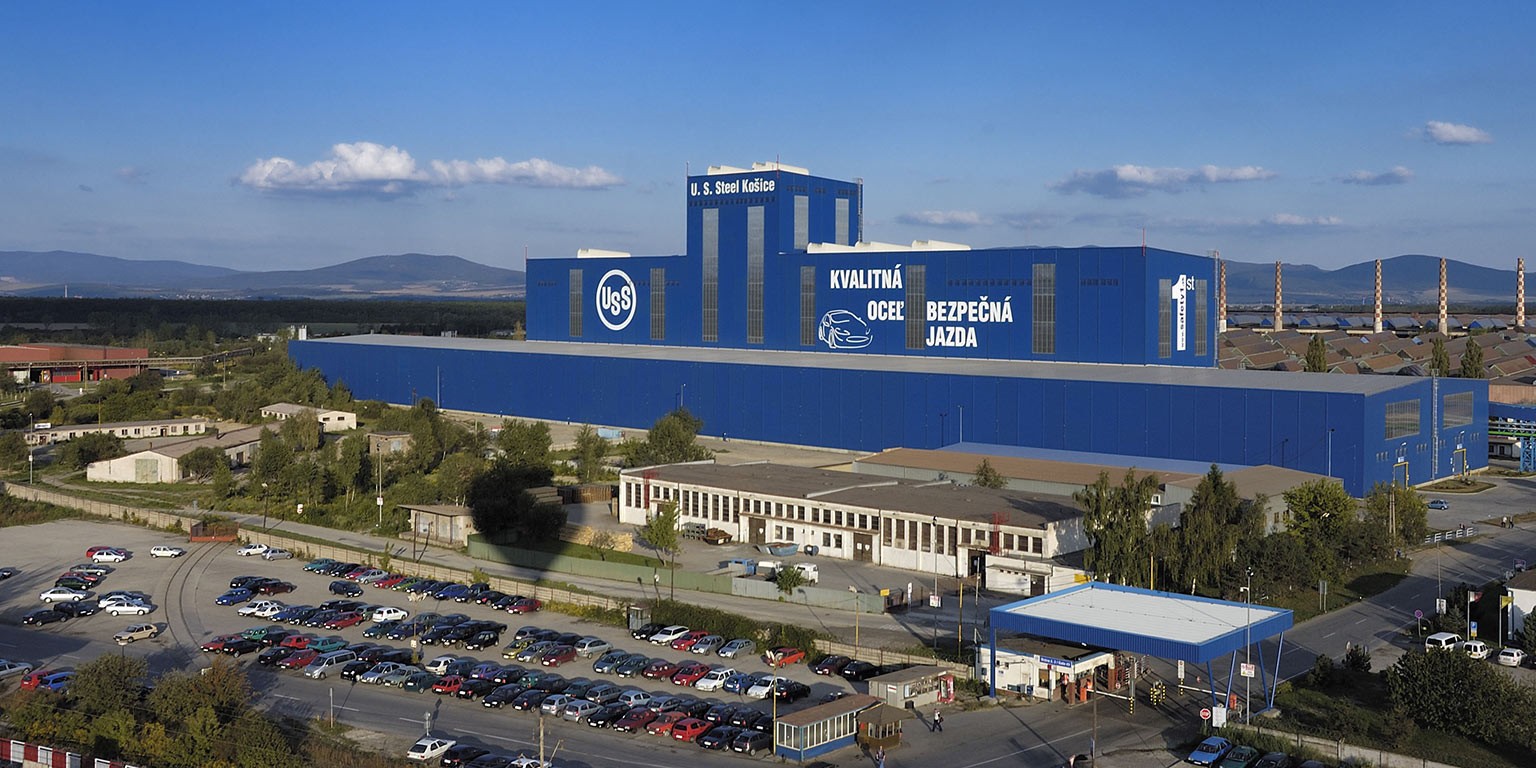
Slovakian steelmaker US Steel Kosice has restarted operations at its blast furnace 1, which was idled Dec. 2, a spokesperson for parent company US Steel told S&P Global Commodity Insights Jan. 19.
Operation restarted early January, they said, with a separate USSK spokesperson also confirming the return to operation and saying the company was operating two blast furnaces.
The company has three blast furnaces and a total crude steel production capacity of 4.5 million mt/year.
It had been planned that BF1 would return to operation in the first quarter of 2023 after it was idled due to high energy prices, low market demand and surging imports.
US Steel Kosice previously idled its BF2 on Sept. 4 for an initial 60 days, keeping BF1 and BF3 operational.
At the time, the company said the BF2 idling was a planned outage and it would continue to adjust maintenance schedules according to demand.
Neither spokesperson gave any other details about why BF1 had restarted operation and did not respond to questions about BF2’s restart.
However, a number of market participants said USSK would be restarting another blast furnace in February.
“US Steel Kosice approached us saying that they plan to restart a blast furnace in February, meaning that they will have more material,” a source at a Central European service center said.
“I think if all the mills start to restart the idled furnaces, we might forget about price rise. The demand is not strong enough to absorb additional volumes,” he said.
A European trader also said USSK planned to restart a BF in February, although said there was not much detail available. This was echoed by a third source.
Concerns are growing in the market that the increase of flat steel production rates might put an end to the bullish trend settled in the European coil market since mid-December.
A number of European steelmakers had idled a number of blast furnaces in the second half of 2022 in the attempt to prevent coil price downtrend.
USSK is not the only steelmaker returning blast furnaces to operation, with ArcelorMittal saying Jan. 18 it may restart the 4.5 million mt/year blast furnace A at its works in Gijon, Spain, at a reduced level in February.
Platts, part of S&P Global, assessed domestic HRC prices in Northern Europe at Eur740/mt ex-works Ruhr Jan. 18, down 20% since the start of 2022.
— Jacqueline Holman, Maria Tanatar

EU HRC producers withdraw offers as returning capacities threaten bullish trend
The majority of the European producers of hot-rolled coil withdrew offers from the market on Jan. 19, preparing to increase prices.
Concerns have been growing among buyers that a lack of demand recovery and the return of idles blast furnaces into operation could put an end to the upward trend settled in the European market since the middle of December.
Multiple market participants said that the steelmakers planned to target Eur800/mt ex-works Ruhr in Northwest Europe and similar prices in the rest of the EU.
Platts assessed hot-rolled coil in Northwest Europe stable at Eur740/mt ex-works Ruhr Jan. 19.
Market participants reported tradable value at Eur730-Eur760/mt ex-works Ruhr.
Trading activity has been limited, as buyers have preferred to avoid putting material in stocks and booked only minimum required volumes. Such an approach was caused by the concerns among buyers that the price rise might not be sustainable.
“The market lacks realistic price indications,” a service center said. “We try to buy bare needed minimum as I do not believe that the current price trend is sustainable.”
The coil price recovery has been mainly been driven by restocking and reduced availability. However, end user demand has not improved and the return of the volumes to the market threatens the bullish price trend.
A number of European steelmakers had stopped blast furnaces in 2022 in an attempt to balance supply and demand and therefore support the coil prices. In January, ArcelorMittal Spain and US Steel Kosice in Slovakia confirmed the return of the capacities, and as a result European buyers were concerned that the increased production would put an end to the price rise.
European steelmakers claimed that they had either fully booked the first quarter rolling coil or had limited volumes for March.
“Production increase it will be a price killer,” a trader said. “This bull run will not last enough to make a profit.”
Some market participants, however, believed that the lack of competitive import and balanced approach of the mills to capacity restart would still allow the coil price recovery.
“Prices will continue to rise despite stable demand,” a Germany-based distributor said. “Mills return capacities with caution, so they should not disrupt the positive trend.”
Platts assessed domestic prices for hot-rolled coil in South Europe at Eur730/mt ex-works Italy on Jan. 19, up Eur10 on the day. The assessment was based on achievable prices heard at Eur730-Eur740/mt ex-works Italy.
Platts is part of S&P Global Commodity Insights.
— Maria Tanatar