


UK HRC market awaiting certainties before restocking
The UK HRC market was in wait-and-see mode June 24, as high stock levels in the market delayed restocking activity to July.
Some buyers were heard as ready to return to the market, though were reluctant to resume purchasing on uncertainties as to price direction and relevant floors.
A mill source said production cuts would give buyers a degree of reassurance as to price stability, with initial indications of capacity reductions already heard in the European market, such as ArcelorMittal’s idling of blast furnaces in France and Germany. The source predicted further announcements of output cuts in the near-term, effective from mid-July.
Downstream, service centers were reportedly down 30%-50% on day-to-day demand, the mill source added.
Prices for sales from stockholders to end-users were heard to have fallen sharply in recent weeks, a trader source said.
“The simple answer is that current price levels are a correction, though people are a bit concerned it’ll continue to fall below pre-war levels,” said the trader. “Demand is poor everywhere right now. This kind of situation doesn’t have much to do with price specifically – people stop buying until they realize where prices are going.”
Platts assessed hot-rolled coil in the UK June 24 at GBP800/mt DDP West Midlands.
A stockholder source reported mills offering at around GBP800/mt DDP, putting tradable value at the same level. A trader considered tradable value at GBP850/mt DDP UK, though characterized said indication as the high end of the workable price range.
A mill source saw prices as falling below GBP800/mt DDP in the near-term, reinforced by an offer reported by another mill source on the day at GBP730/mt DDP West Midlands. The source said the offer could be a special deal for a larger tonnage or to undercut import offers, doubtful whether that level was representative of market price.
Said doubts were reinforced in circulating the offer to other sources in the market, with one stockholder describing the offer as “far too cheap” and non-sensical against competing mill offers heard much higher at GBP800/mt DDP West Midlands.
— Benjamin Steven, Maria Tanatar

Slovakia’s steelmaker US Steel Kosice idles blast furnace on weak demand: sources
Slovakia’s flat steel producer US Steel Kosice idled one of its three blast furnaces, or BFs, in an attempt to balance supply with low demand, and to preserve prices from dropping further, market sources told S&P Global Commodity Insights.
The steelmaker closed its “smaller BF,” several sources said.
US Steel Kosice did not reply to S&P Global’s multiple requests for comments.
The costs are really high and it is better to idle an asset and sell lower volumes, a big buyer of US Steel Kosice’s HRC said. “Every producer needs to play their part in restricting capacity to control prices,” the buyer added.
“Takes a lot of discipline for a mill to completely mothball an asset. The moves will serve to draw a floor on the market, will bring certainty back, and some demand will come back if certainty comes back,” the buyer said.
The mill had to close a furnace as it relies heavily on automotive sector due to the its location, a German source said. “And demand from carmakers is minimal.”
Demand for flat steel has been weak across the EU due to a combination of lower sales of vehicles on the back of component shortage and high stocks with distributors.
Majority of market participants anticipated announcements of the steelmaking equipment stoppages in the EU due to weak demand and gloomy outlook on consumption.
The mills were expected to try to tackle oversupply and put an end to the downtrend in the EU market by cutting output.
European coil producers were reported running at substantially reduced capacities, in line with ArcelorMittal’s recent announcement to idle its 1.5 million mt/year blast furnace in Dunkirk, France, as well as another furnace in Eisenhuttenstadt, Germany.
Domestic prices for HRC have been declining in Europe since the second half of March due to weak demand. Platts daily assessments for HRC in Northern Europe declined to Eur860/mt ex-works Ruhr on June 23, down by 41% since March 18 when the prices reached their peak, according to S&P Global Commodity Insights data.
— Maria Tanatar, Benjamin Steven
EC confirms definitive measures for global steel safeguard quotas
The European Commission has released official definitive plans to introduce global quotas for some products and continue steel safeguard measures to 2024, it said in an official journal document dated June 24.
After an annual safeguard review, the EC sent a draft of proposed reviewed safeguard measures to the World Trade Organization on May 30, which said it planned to introduce global quotas for some products and prolong steel safeguard measures to 2024.
Yearly import quota volumes were increased to 4% from 3%, with all the definitive measures to come into effect July 1 following the traditional yearly safeguard review cycle.
For product categories 7, which includes quarto plates, and 17, including angles, shapes and sections, the EC has decided to substitute country-specific quotas with global quotas to increase flexibility for users to import the steel needed from any source to combat the loss of supply from Ukraine.
Ukraine historically represents around 33% of total volume imports in each category, but since Russia’s invasion of Ukraine, the EC said it there had been virtually no imports of the two categories from Ukraine into the EU, suggesting that “Ukraine is currently unable to produce and/or export these product categories in any meaningful volumes to the Union market.” This had resulted in a risk of potential shortage of supply for EU users in these categories if action was not taken.
The adjustment would be reassessed if there were changes in trade flows in the two categories or if undue crowding out effects were identified, the EC said.
On May 24, the EU adopted a regulation allowing for temporary trade liberalization for some Ukrainian products in the wake of the ongoing war, which has halted the application of the steel safeguard measure for the time being.
The EC updated the list of developing countries and added Vietnam to the other countries quotas.
It said all developing countries were included in the category 4A, or hot-dipped galvanized steel imports quotas list, because the sum of all imports in 2021 that were below 3% was higher than 9%.
Egypt, Ukraine and Vietnam were added to category 1 (hot rolled flat steel), and China was included in category 2, namely cold rolled flat steel, while Brazil and Vietnam were excluded in category 2.
Turkey was added and Egypt excluded from category 8, namely stainless hot-rolled flat steel, while China was added to category 9 (stainless cold rolled flat steel), while Malaysia and Thailand were excluded.
Moldova was added to category 12 (merchant bars and light sections), the United Arab Emirates to category 16 (alloy wire rod) and Brazil to category 6 (tin mill products), among other changes.
The EC also concluded that the recent changes to the US Section 232 import tariff of 25% into a tariff-rate quota for the EU would not affect the functioning of the EU steel safeguard and did not alter the basis underpinning its assessment regarding the risk of trade diversion.
In March 2018, the US imposed a 25% duty on imports of certain steel products under the US Section 232 measure.
Earlier in June, the European Steel Federation Eurofer welcomed the adoption by EU member states of the EC’s proposal to continue steel safeguard measures, saying it supported the stability of the EU steel market and ensured smooth supply flows.
Domestic prices for HRC have been declining in Europe since the second half of March due to weak demand. Platts daily assessments for HRC in Northern Europe declined to Eur860/mt ex-works Ruhr on June 23 and in Italy to Eur780/mt ex-works, both down 6.7% since the start of 2022, according to S&P Global Commodity Insights data.
— Jacqueline Holman

ArcelorMittal CLN sells French subsidiary
ArcelorMittal CLN, the Italian joint venture between ArcelorMittal and large service centre CLN, has sold its 70% stake in France’s AcierPlus, a flat products service centre and distributor with two facilities in Hericourt and Ancenis, Kallanish learns from the company.
“ArcelorMittal CLN sold 45% of the shareholding to Mr. Angelo Cazzolla, manager of the company who already holds 30% of the shareholding in AcierPlus, and the remaining 25% to MA S.r.l., company belonging to the CLN Group,” the seller says.
AcierPlus performs cutting, shaping and welding services on steel products, and supplies the yellow goods, railway and construction equipment markets.
In 2016, ArcelorMittal CLN took full control of Acierplus, a company created in 2015 to incorporate the plants dedicated to steel processing for the yellow goods and railway industries (see Kallanish passim).
Natalia Capra France

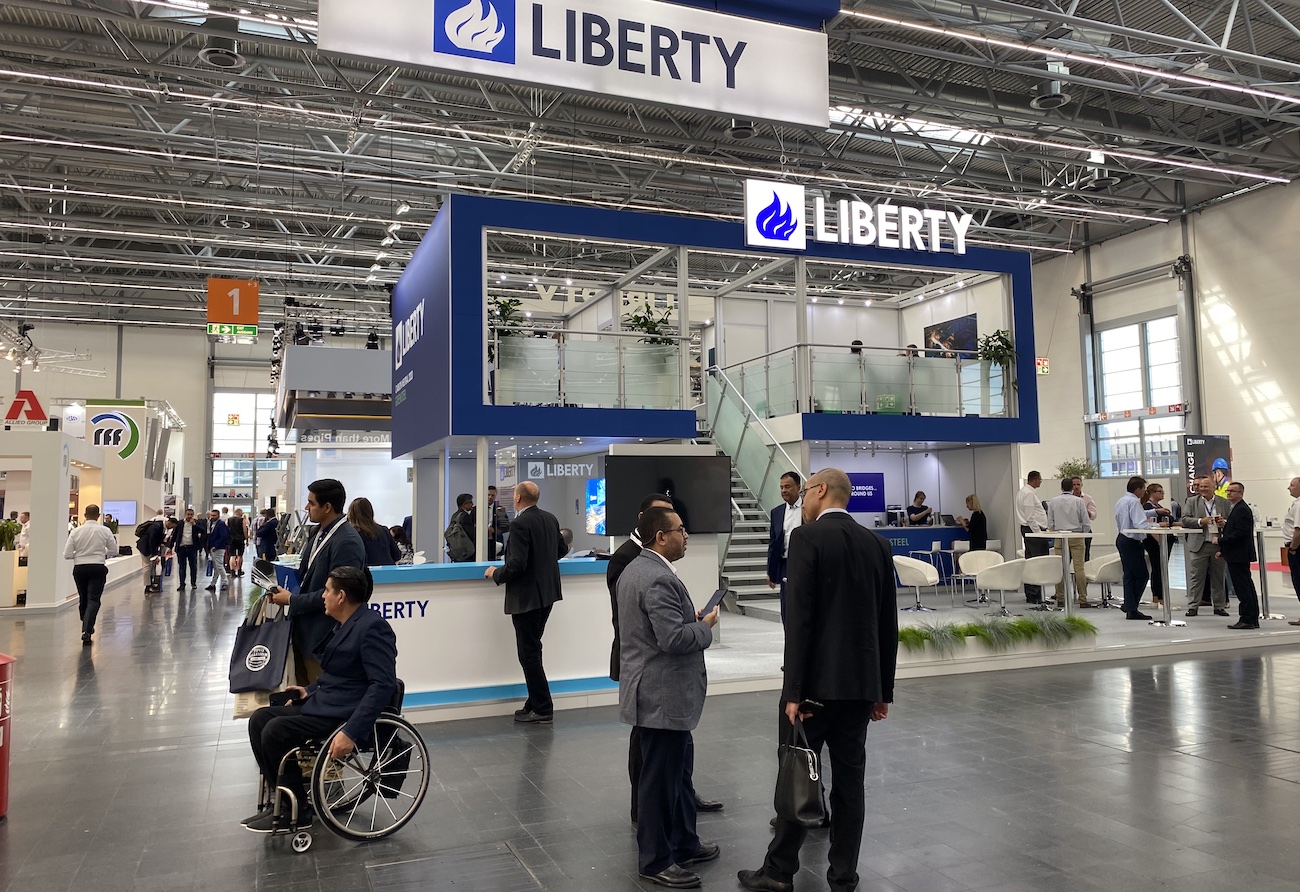
EUROMETAL was at Wire & Tube 2022 in Düsseldorf
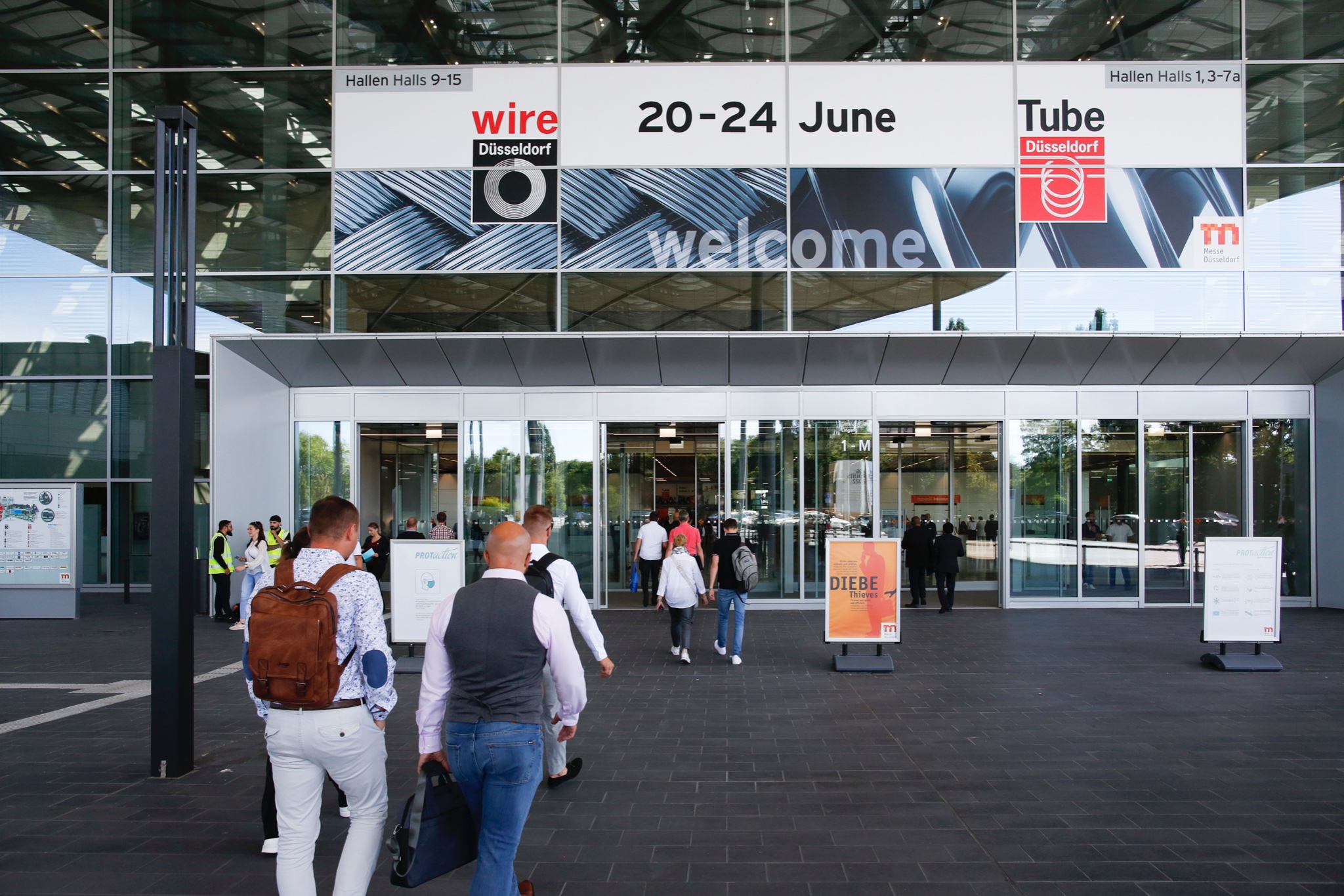
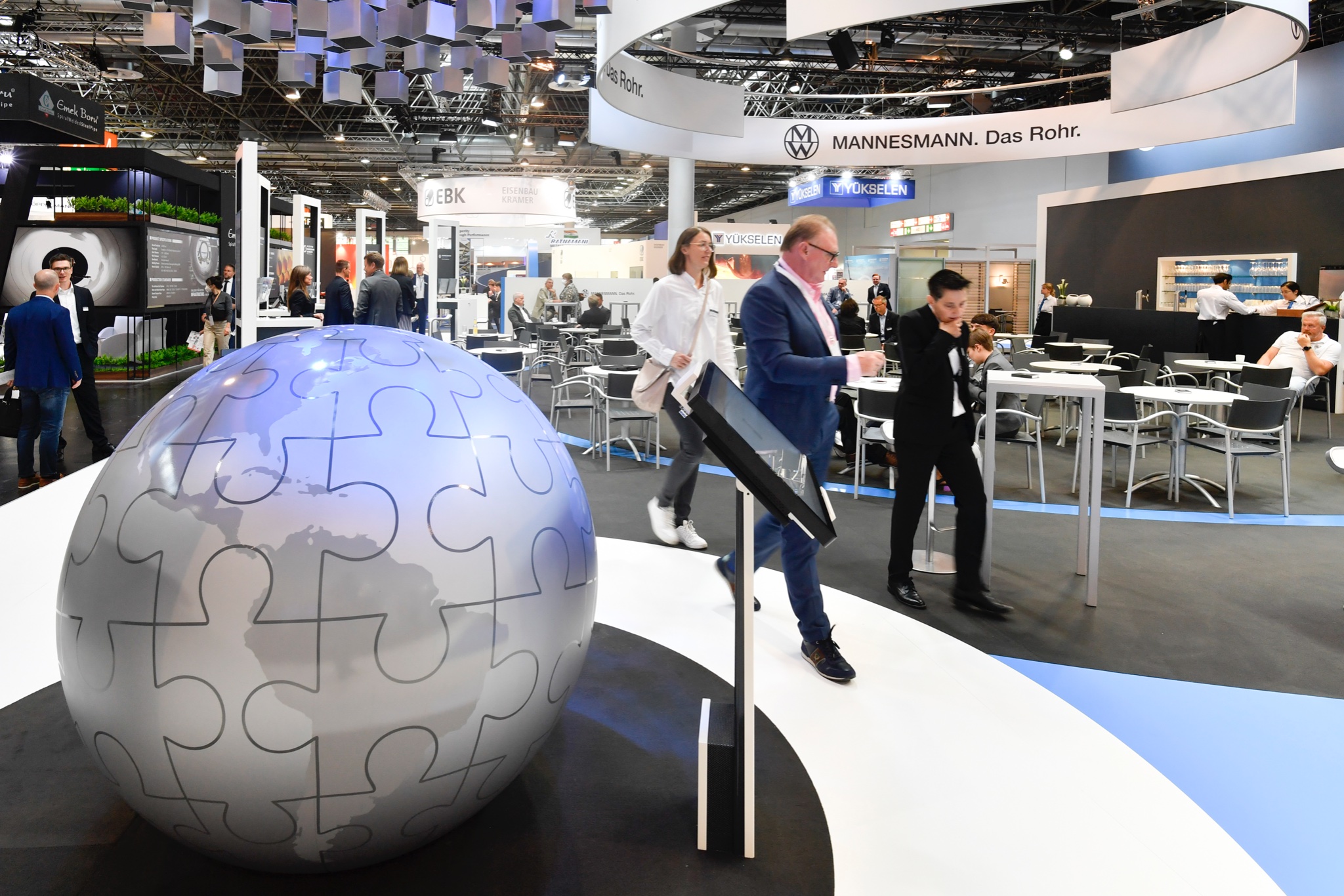
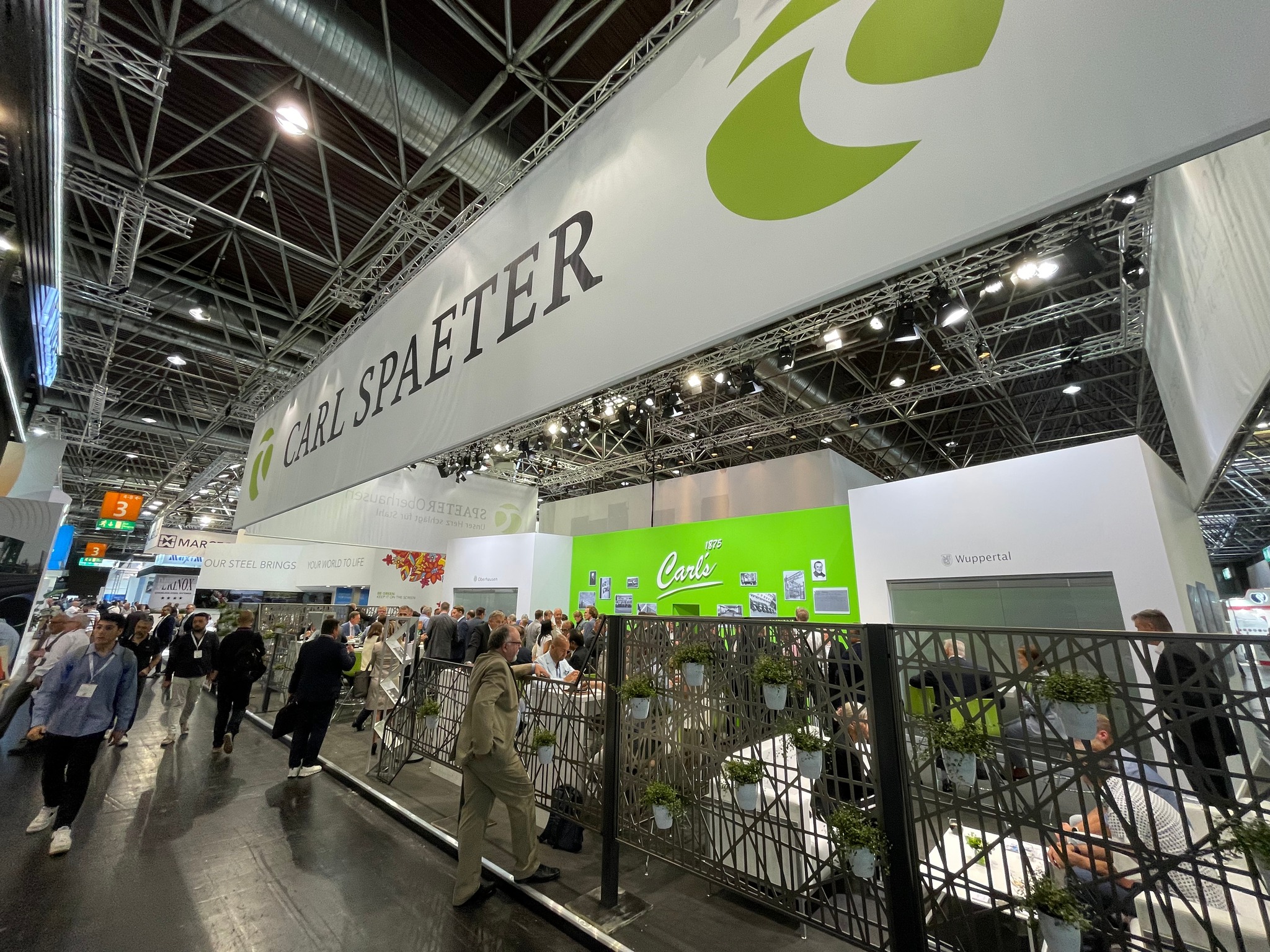
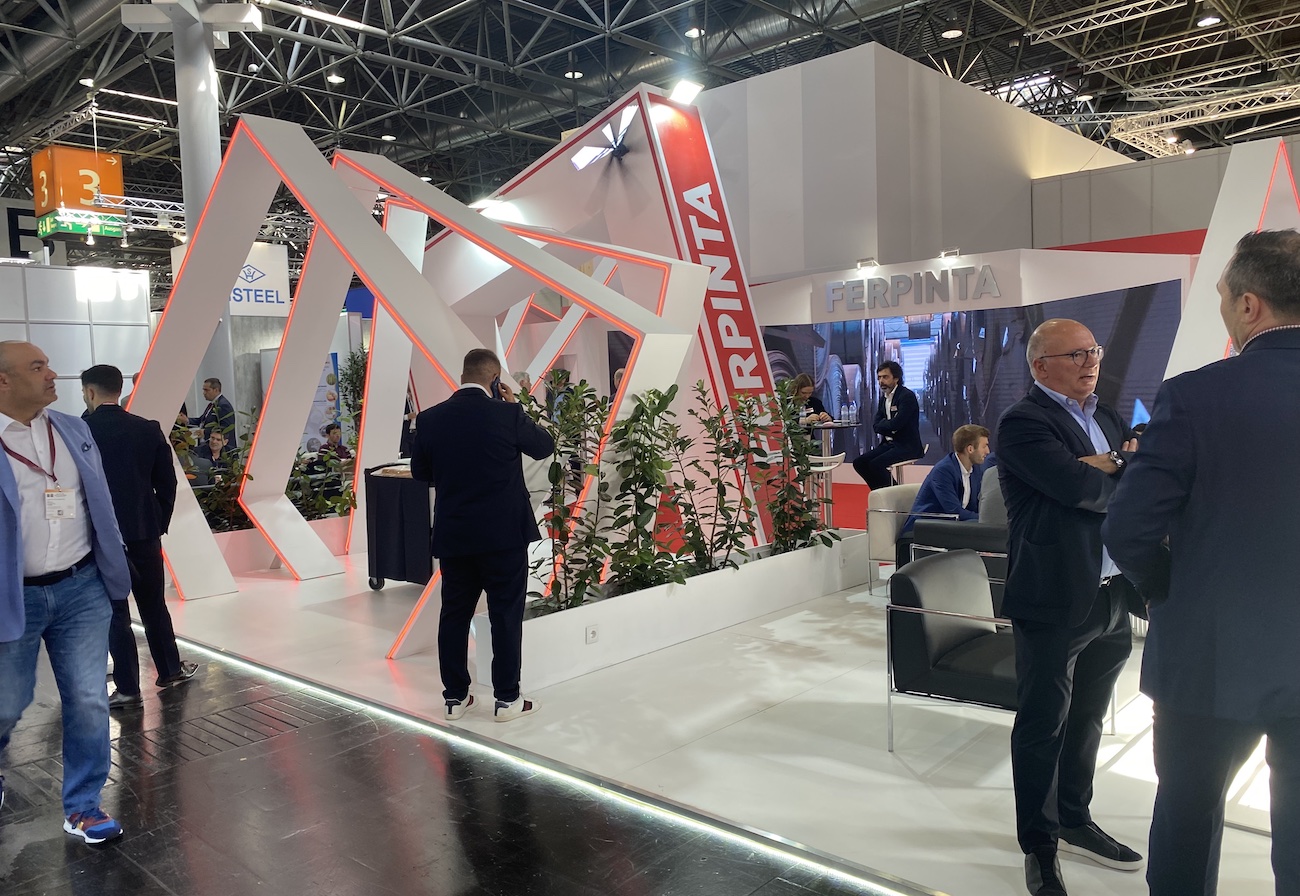
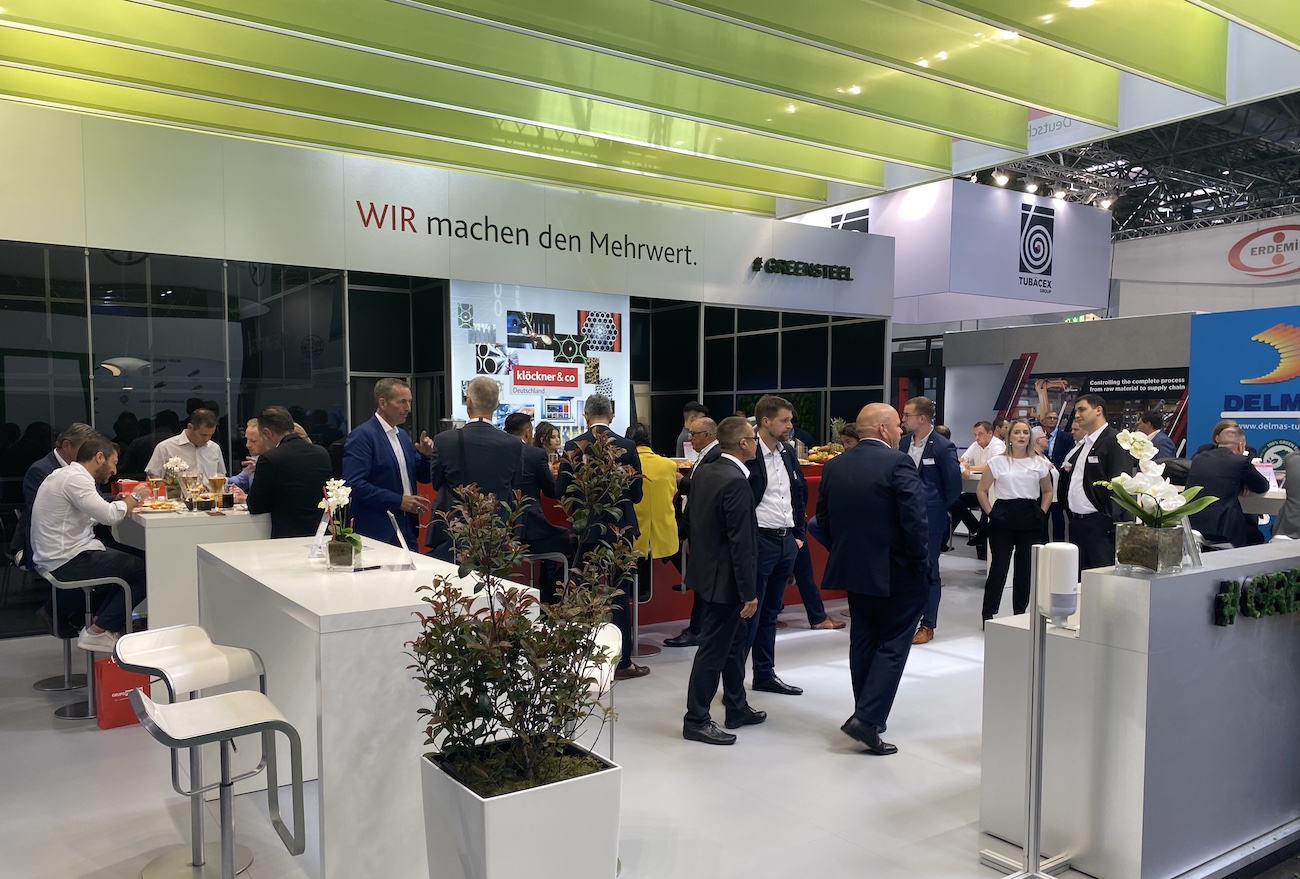
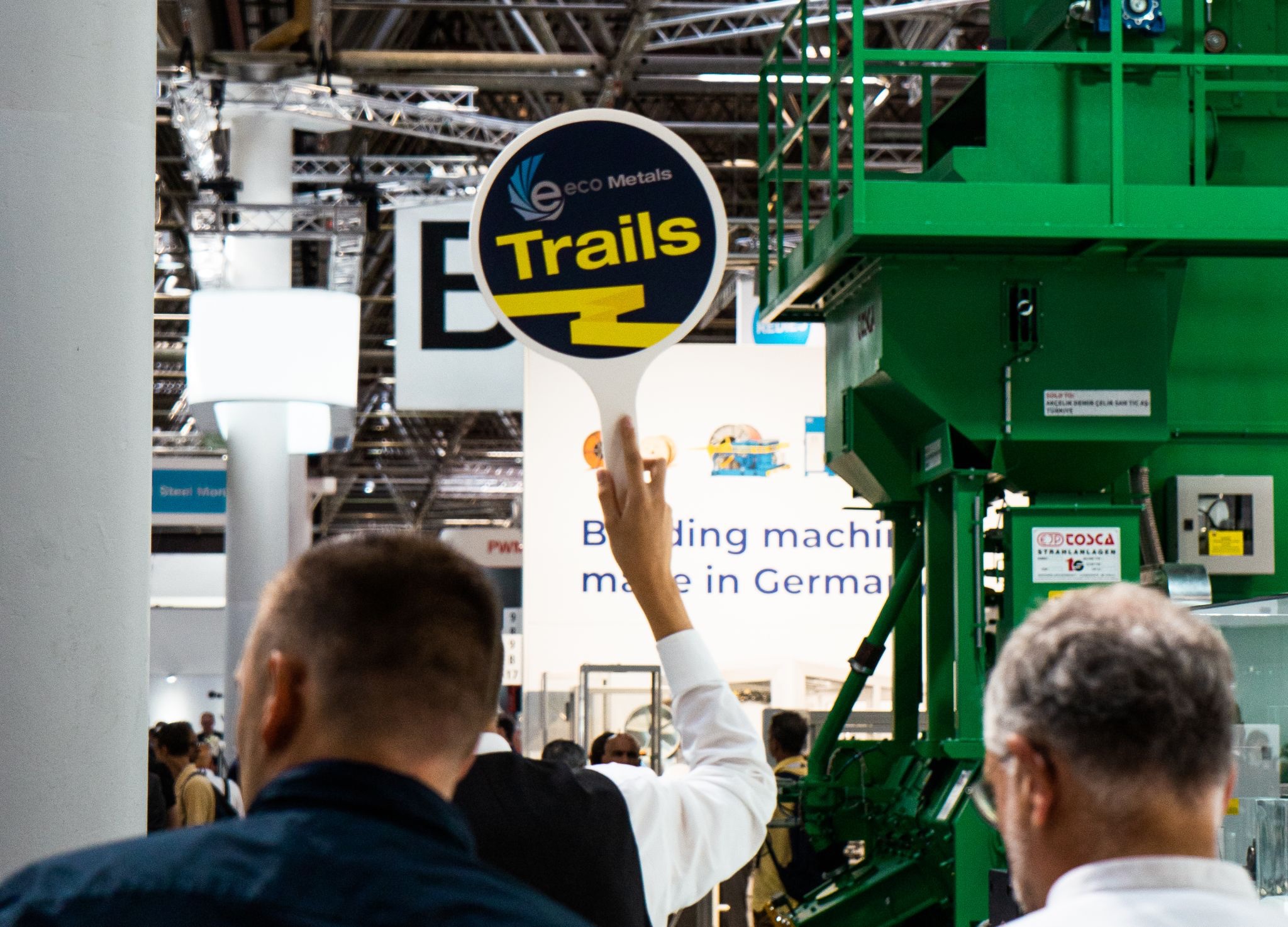
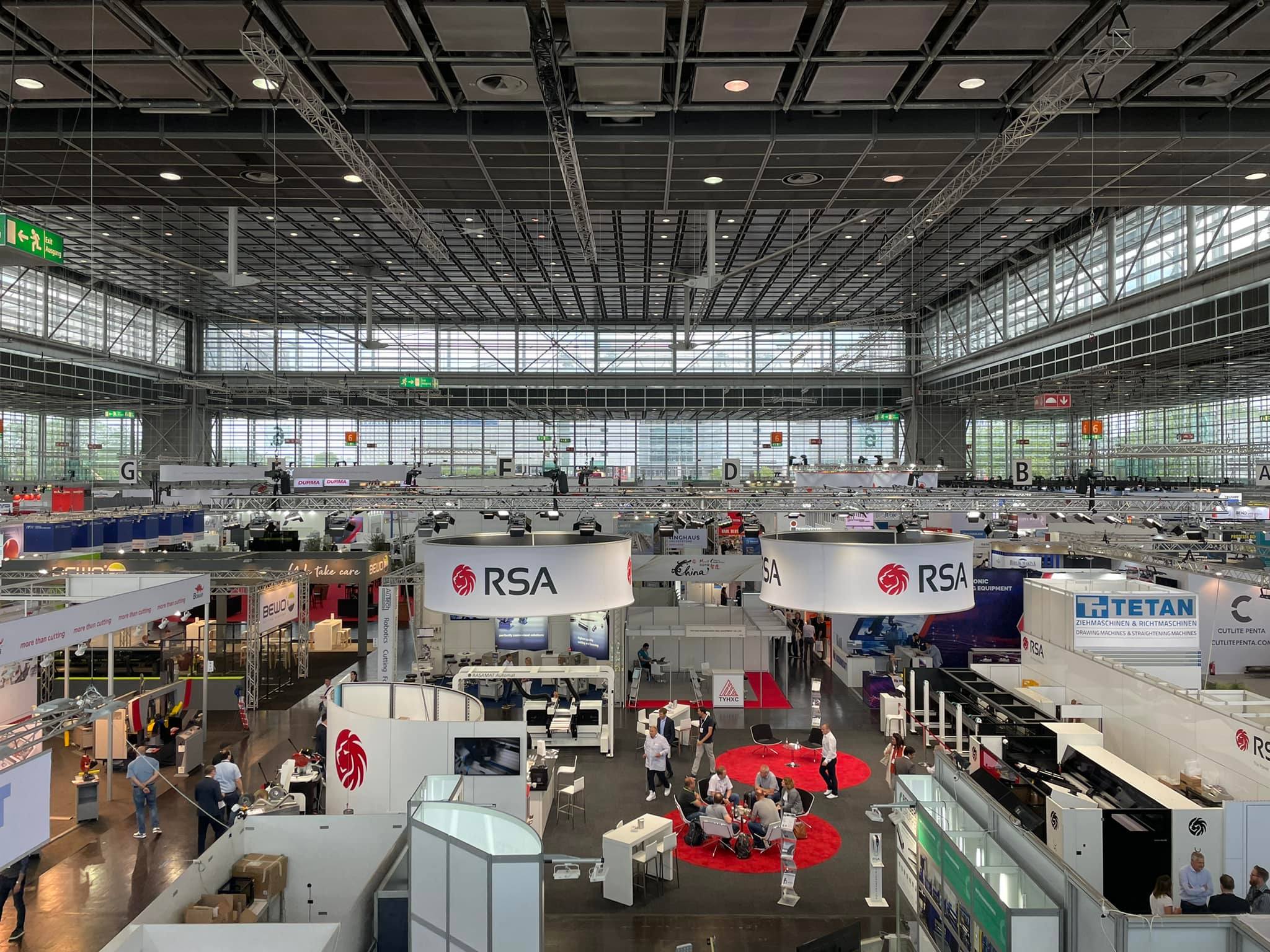
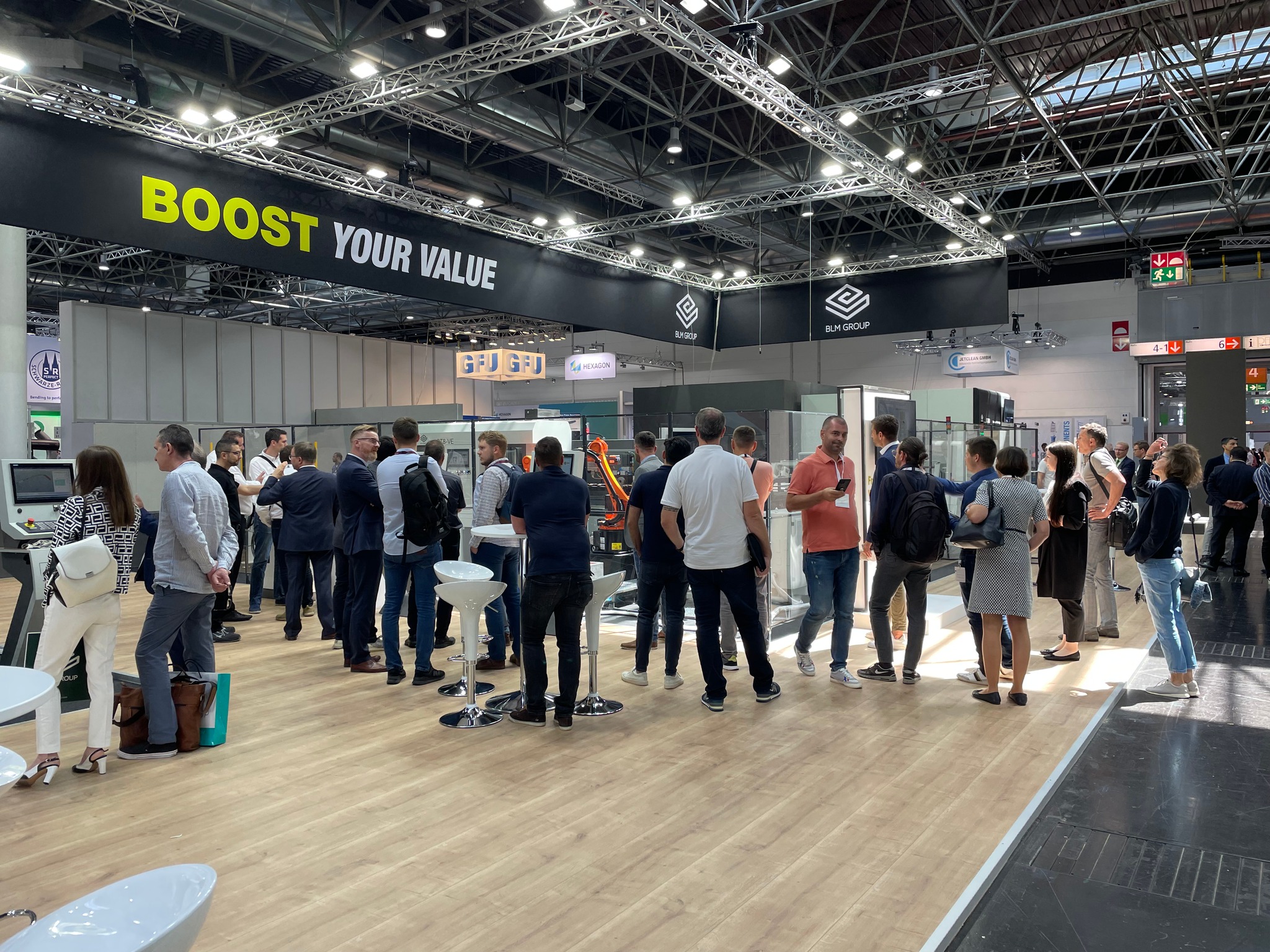
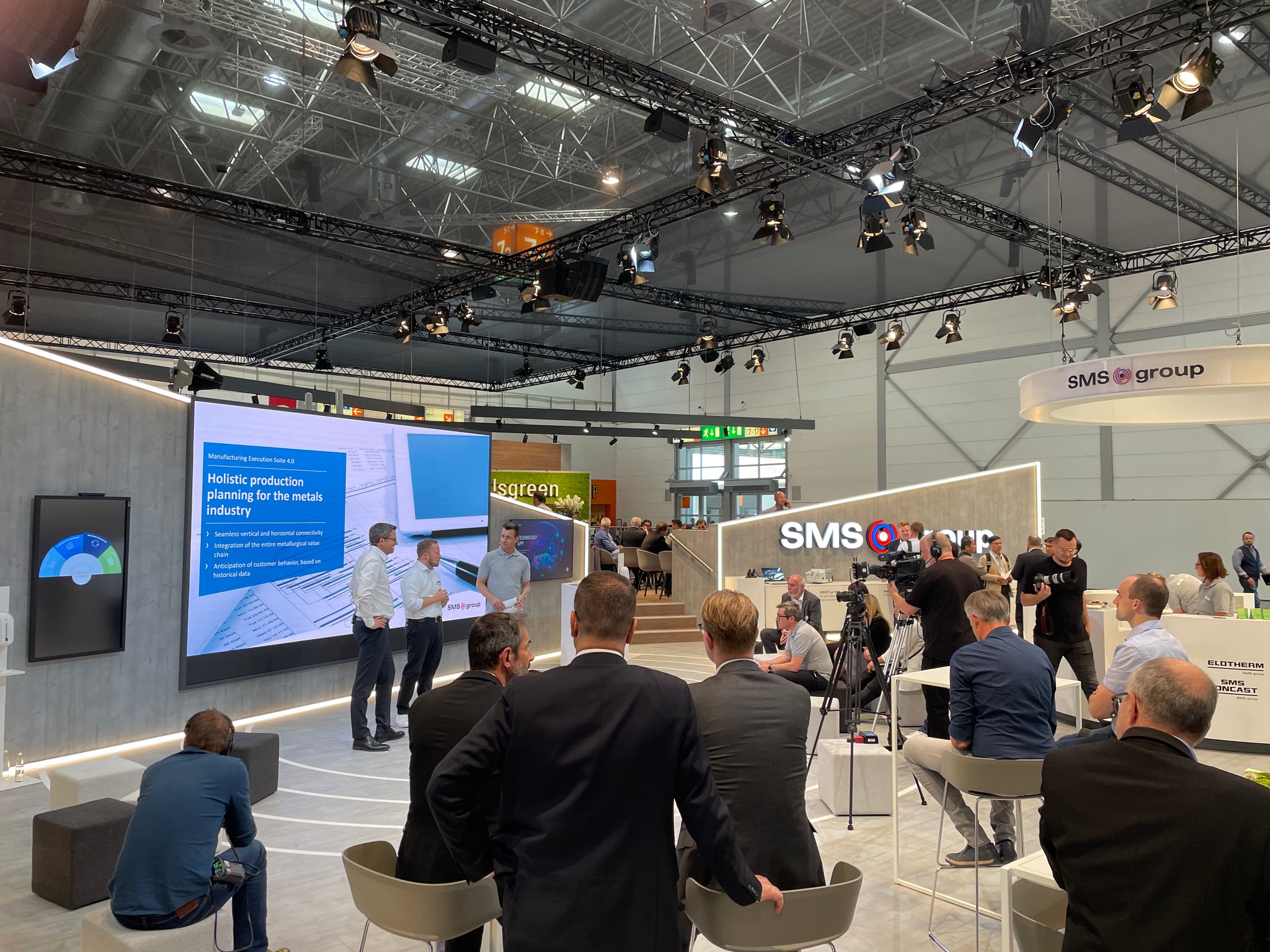
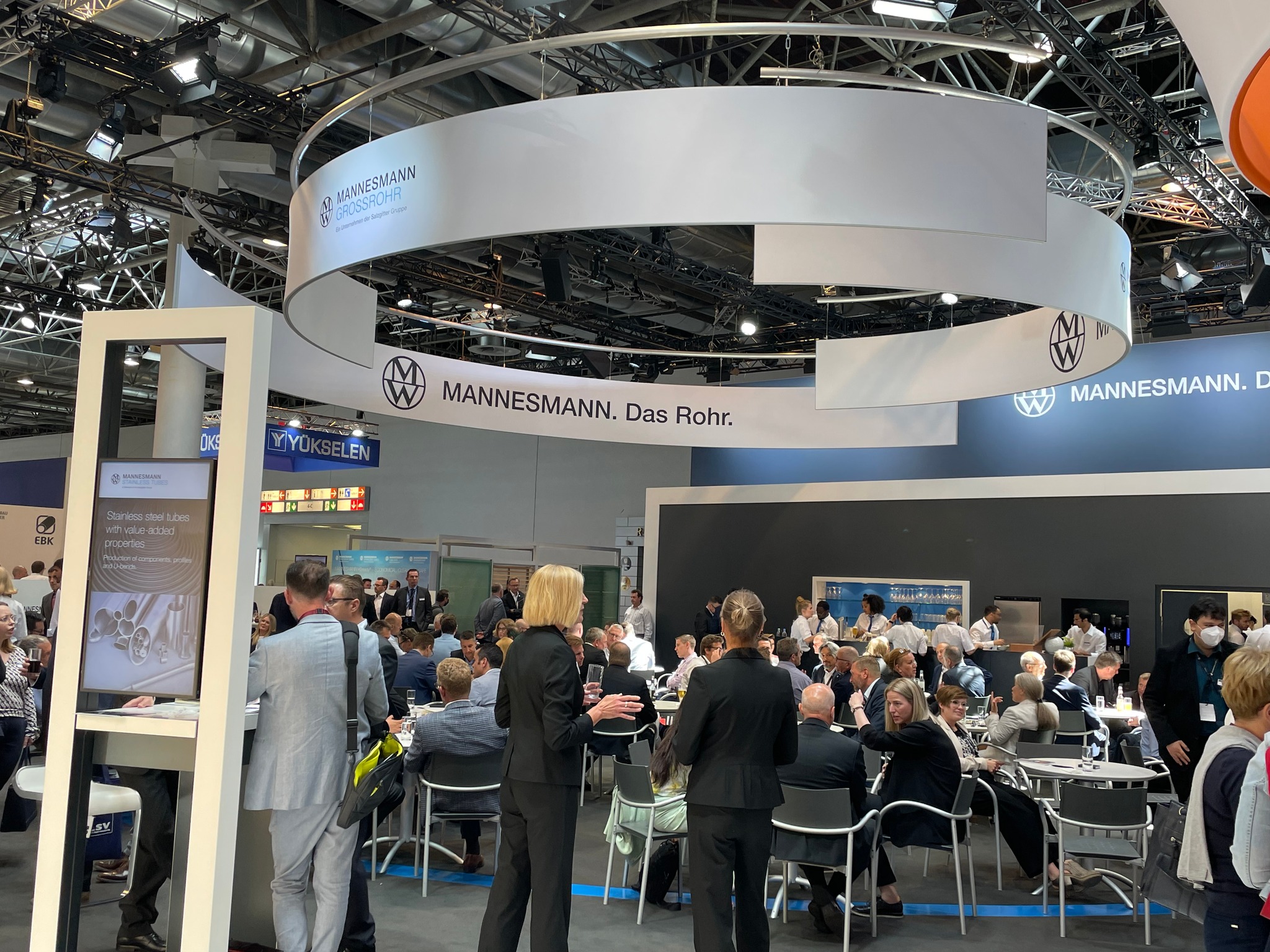
This week took place the Wire & Tube 2022 Düsseldorf fair. Considered the world’s most important trade fair for the tube, wire & cable industry and the central hub for international business, the 2022 edition brought together around 1900 exhibitors and thousands of visitors from all over the world.
Besides the latest technologies and manufacturing components, the most modern machines, products and high-end solutions have been presented, focusing on the trend topics of our time such as sustainability and Industry 4.0.
EUROMETAL’s presence at the fair made it possible to meet colleagues, members and future candidates.
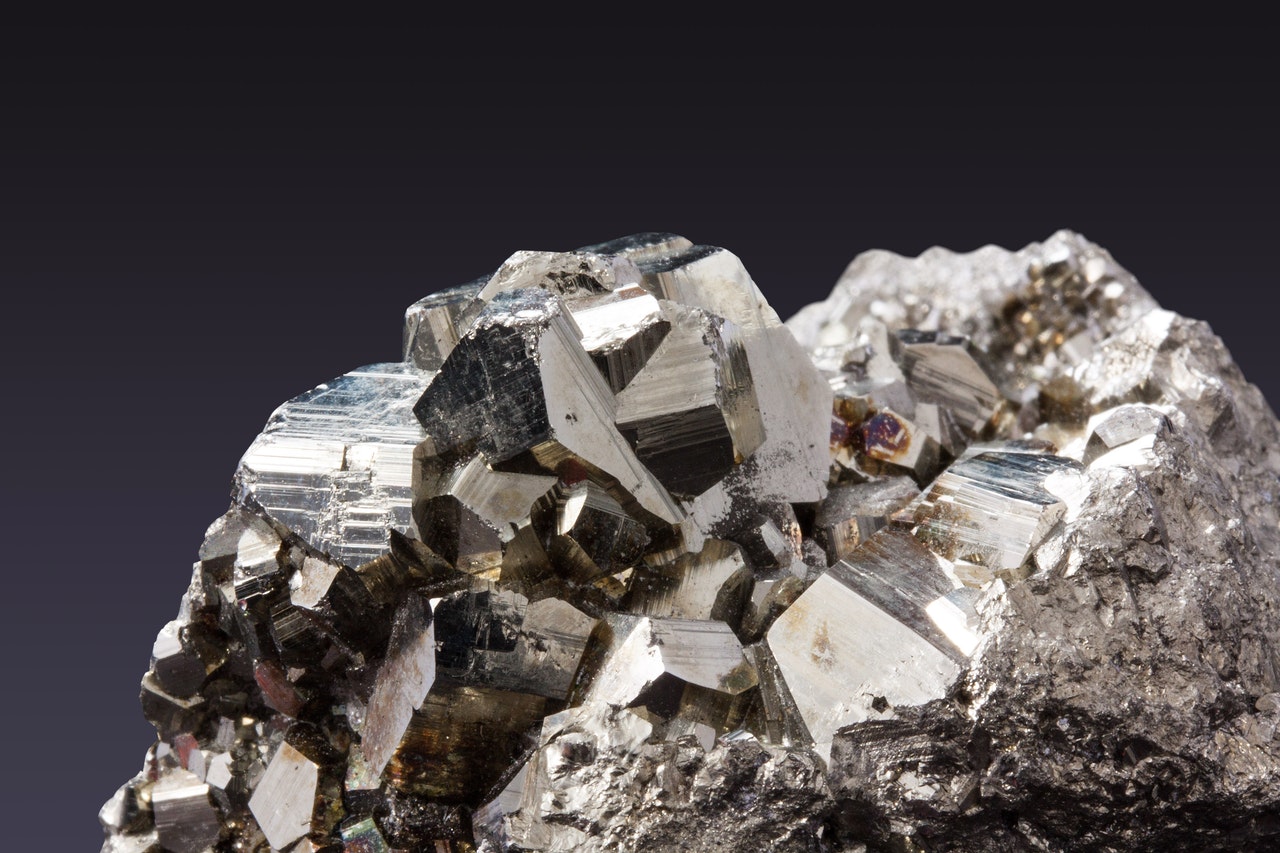
Iron ore seeks direction
Seaborne iron ore prices have continued to fluctuate in a range despite dramatic swings in futures markets. Government attempts to reassure the economy continue to founder despite a focus on the most optimistic sectors.
The Kallanish KORE 62% Fe index picked up $0.32/t to $116.59/dry metric tonne cfr Qingdao. The Kallanish KORE 65% Fe index slipped $0.23/t to $135.25/dmt cfr, and the KORE 58% Fe index dropped $3.92/t to $113.34/dmt cfr. 170,000 tonnes of PB fines sold at $113.50/t with a laycan in 28 July-6 August.
On the Dalian Commodity Exchange, September iron ore settled down CNY 2.5/t at CNY 729/t ($108.67/t), while on the Singapore Exchange July 62% Fe futures settled up $8.01/t at $116.15/t. The same contract for 65% Fe and 58% Fe futures settled up $6.79/t at $131.12/t, and down $0.14/t at $119.90/t respectively.
Scrap prices continue to tick lower but billet held its ground. 6mm+ heavy scrap delivered to mills in the Yangtze River Delta dropped CNY 21/t to CNY 3,192/t. Tangshan billet held steady at CNY 3,920/t.
Chinese ferrous markets were stronger on Thursday but sentiment continues to swing wildly. Government attempts to steady the ship focussed strongly on the automotive sector in recent days. This is in part because it is a sector that is susceptible to stimulus.
In the weekly State Council executive meeting on Wednesday, premier Li Keqiang discussed various measures to boost automotive sales. He said these could spur automotive consumption by CNY 200 billion this year. At less than 0.2% of GDP, however, these measures will not be enough to support overall economic growth.
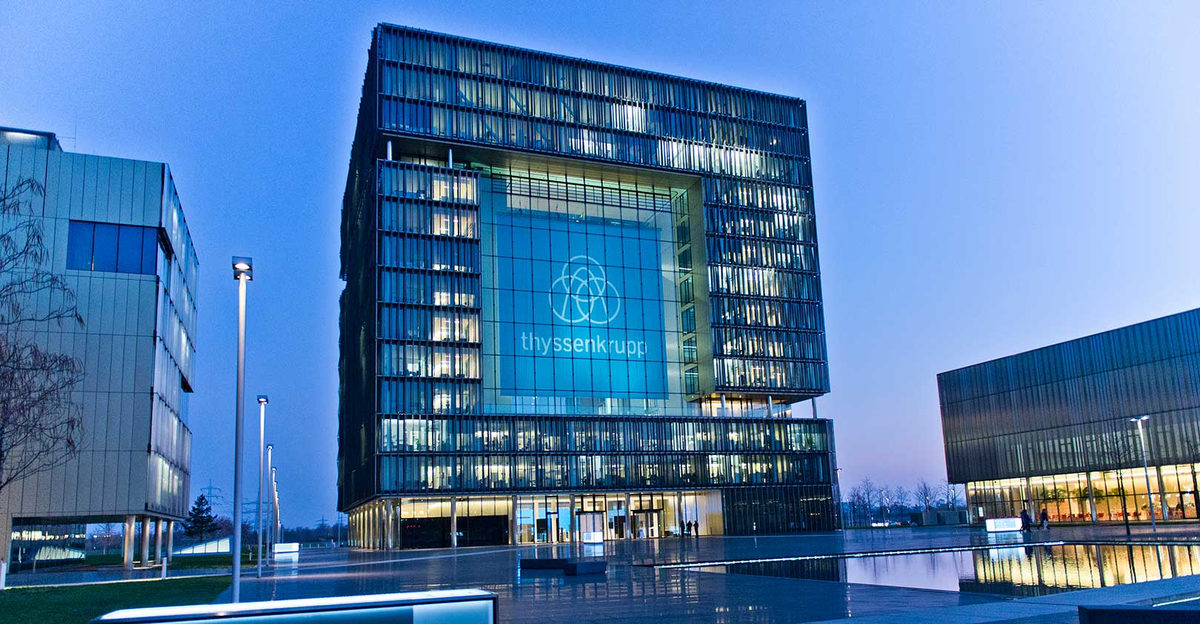
EU court upholds Commission’s Tata-thyssenkrupp merger prohibition
The General Court of the European Union has upheld the European Commission’s decision in 2019 that the proposed Tata Steel Europe-thyssenkrupp joint venture would be incompatible with the internal market and the European Economic Area.
The rejection of the merger had been anticipated by the two companies, who called off the merger plan in May 2019 (see Kallanish passim).
The proposal related primarily to metallic coated and laminated steel products for packaging and hot-dip galvanised steel products used in the automotive industry.
The Commission considered that the transaction would result in a significant impediment to effective competition, in particular due to horizontal non-coordinated effects resulting from the elimination of an important competitive constraint. As a result, customers would have faced a reduction in the number of suppliers, as well as higher prices.
According to the Commission, the remedies proposed by thyssenkrupp and Tata Steel did not address in a full and lasting manner the competition problems identified. Consequently, thyssenkrupp brought an action before the General Court of the European Union for annulment of the decision.
The court has now rejected all the arguments raised by the steelmaker and upheld the Commission’s decision.
An appeal can be made to the European Court of Justice within two months and ten days of notification of the decision.
Since the 2019 ruling, Tata Steel Europe has undergone a restructuring that involves splitting its Dutch and UK operations into separate business units. Thyssenkrupp had meanwhile planned to spin-off its steel business, but this move was halted in March following the outbreak of war in Ukraine.
Adam Smith Poland

Some Italian longs demand seen resuming before stoppages
Prices for some long and tube products are forecast to stabilise next month as the pace of decline is slowing, particularly for beams and merchant bars, say some Italian service centre sources. Sluggish demand for all flats, tubes and longs however continues, with buyers focusing on destocking.
Sources tell Kallanish the imminent production stoppages at Spanish beams and merchant bar mills should support Italian prices next month. Both beams and merchant bar values have fallen considerably less than other products such as rebar, for which the many producers and buyers create a very competitive market in Italy.
According to sources, meanwhile, the German government is currently discussing a significant reduction in gas supply to energy-intensive companies, including steel producers, due to the Ukraine war impact. Some long steelmakers have this week stopped sales and are beginning to say prices will increase in July as a consequence, although no official announcement has yet been made.
Buyers for beams, tubes and merchant bars are seen going back to purchasing in July before summer production stoppages are implemented throughout Europe. Italy is currently a two-tier market, with weak activity in the north and virtually no activity in the south, which relies heavily on public projects that are delayed because of the current economic uncertainty, Kallanish hears.
At present, domestic merchant bar remains at €780-800/tonne ($820-841/t) base ex-works. Including size extras, values reach €1,200-1,240/t ex-works. The first category of sections also remains at €1,330-1,350/t including size extras, distributors indicate.
Welded tube demand is also particularly weak but local re-rollers are said to have resumed shopping for hot rolled coil feedstock globally. While some tube makers in Italy are also reducing production and implementing line stoppages, they have re-modelled their price lists, taking into account energy, transport costs and lower HRC prices. According to the new price lists, tube discounts are at around 20 points.
Natalia Capra France
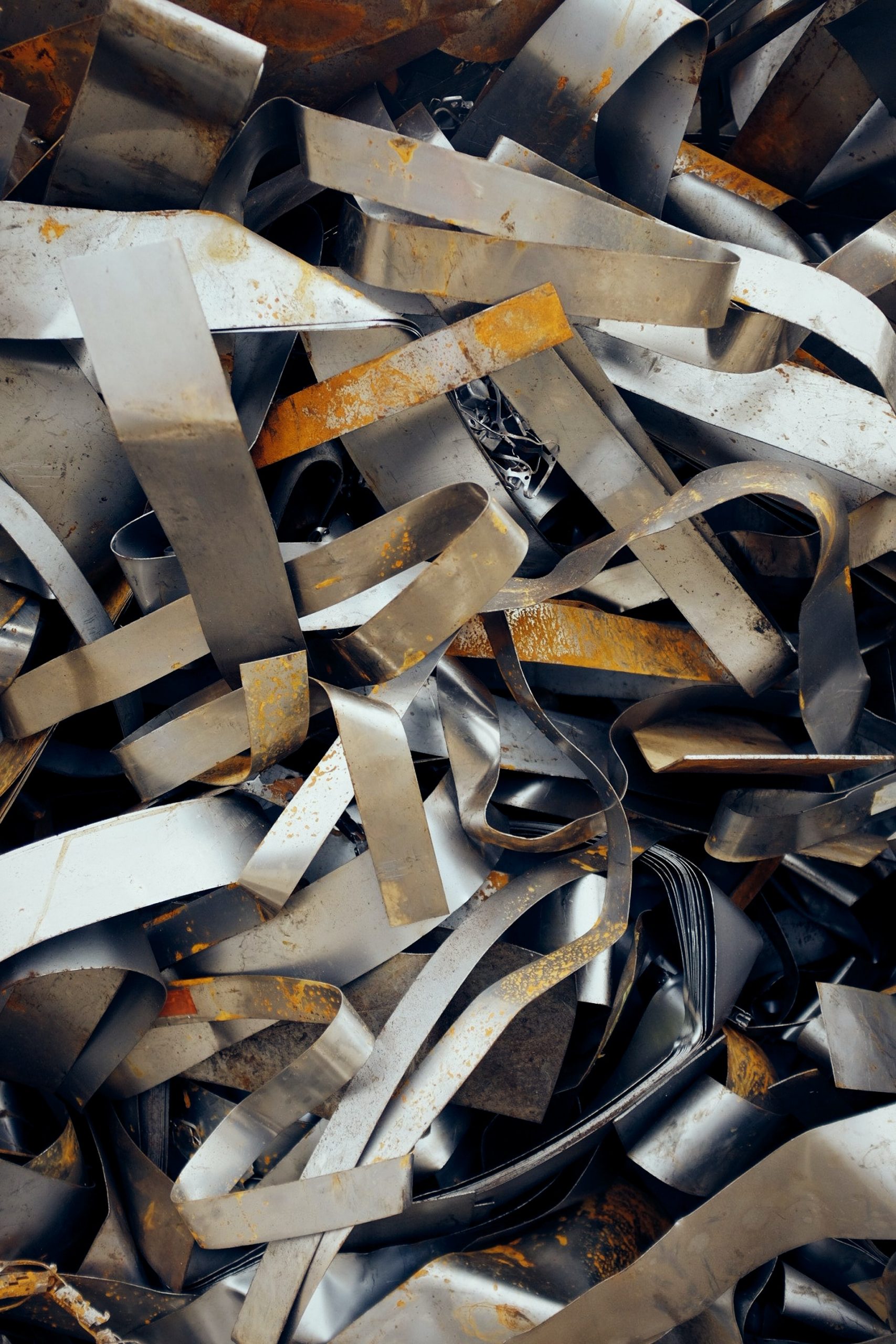
Experts debate scrap price floor at Kallanish conference
Experts at Thursday’s Kallanish International Steel Scrap Conference in Istanbul held differing opinions over the future of Turkish scrap prices, which have continued to drop recently.
US-based recycler Novek representative Ali Sezen said prices are approaching bottom. According to him, the influx of Russian billet into the Turkish market, which has depressed scrap prices, is likely to end soon as production costs at Russian mills are very high due to the strong rouble.
Russian mills will stop exporting cargoes and sell their production to the local market, he added. Moreover, Turkey’s flat products import tax will soon be increased to 9% from 6% currently.
“My personal feeling is that scrap prices will continue the downtrend this summer, but will recover in September if everything goes well,” he commented.
Conversely, Belgium-based recycler Casier Recycling commercial director Alain Eeckman opined that scrap prices are likely to fall below $300/tonne cfr Turkey.
“Technically, it’s possible [for prices to fall below $300/t cfr], but I tend to agree that falling below $300 is very hard. Let’s not forget this is for the material that exporters will be bound to sell. This is $20-30 below the price now; the average price, I’m sure, is way above $300,” he observed.
He also does not expect scrap prices to recover by mid-August, as Western Europe enters into the holiday season.
“I think a lot of people are already in holiday mood – let’s not do anything, let’s just wait,” he said.
Kallanish assessed HMS 1&2 80:20 scrap at $320-325/t cfr Turkey on Thursday.
Siew Mung Tan Malaysia

EU Parliament’s CBAM stance hits EU steel, aluminum competitiveness: groups
The European Parliament’s latest proposal to formalize a regional carbon market including a Carbon Border Adjustment Mechanism import control risks hitting the EU steel and aluminum sectors’ competitiveness and undermining their decarbonization efforts, industry representatives said June 23.
The EP June 22 agreed on its position on proposed reforms to the EU Emissions Trading System, clearing the way for negotiations with member states and the European Commission on CBAM. The proposed EU ETS reforms aim to cut regional greenhouse gas emissions by at least 55% by 2030 from a 1990 baseline, also called the “Fit for 55” target.
The vote in Brussels cleared a major hurdle in the process for the draft reforms to pass into law after the EP had previously rejected the proposals in a vote in Strasbourg June 8.
‘Next steps crucial’ for steel, aluminum
The “next steps are crucial to make ETS and CBAM fit for the green steel transition,” cautioned Eurofer, the European Steelmakers’ Association.
“From the EP side that was the final step. From the EU Council side, next Tuesday there will be the Environment Council meeting with the EU27 ministers, who will have to agree on a final position on the Fit for 55 files,” a Eurofer spokesperson said in a June 23 email. “Following that, most likely in September, trilogues will start to find the final compromise between the three EU institutions’ positions (Parliament, Council, Commission). The negotiations will be led by the incoming Czech presidency of the EU. The outcome of the trilogues will become the final legislative text.”
Both the EP and Council must approve the final text on CBAM for it to be adopted, said a spokesperson from aluminum producers’ association European Aluminum. “Once the final CBAM legislation is passed, in January 2023 at the earliest, the CBAM will likely start with a pilot phase, as set out in the Commission’s proposal,” the spokesperson said.
The proposal needs to be approved by a majority, usually 55% of EU member states, and legislation requires Council approval to be passed.
Alignment to steel decarbonization needed
According to Eurofer, the provisions outlined by the EP’s plenary vote June 22 still need to be aligned with the deployment of the EU steel industry’s ambitious low-carbon projects.
Eurofer notes that the EU steel sector is lobbying for the following inclusion in the carbon market text:
- provision for exports, to preserve a part of EU steel production worth Eur45 billion/year ($47.3 billion/year);
- a smooth phase-out of free ETS allocations and compensation of related indirect costs until the CBAM is effective;
- review of current provisions on the Market Stability Reserve;
- inclusion of ferroalloys in the list of input materials to be considered, as they significantly contribute to CO2 emissions.
In addition, “the Parliament missed the opportunity to concretely address the upstream emissions of input materials used for the production of stainless steel. Those emissions are up to seven times higher in imported products compared to EU stainless steel production,” Eurofer noted.
The EU steel industry has 60 low-carbon projects with a CO2 emissions potential abatement of 81.5 million mt/year by 2030, equal to around a 2% cut of overall EU emissions, the steelmakers’ association said.
“For the steel sector, on its path to carbon neutrality, this represents a 55% cut compared to 1990 levels, in line with the EU Fit for 55 target,” it said.
The proposal may bring emissions rise: aluminum group
European Aluminum said it was “very disappointed” by the CBAM vote, with European members of parliament opting to include indirect emissions in its proposal. This would ensure an increase in global carbon emissions from aluminum production, the association calculated.
“In the European aluminum industry, production leakage has already led to +10.3 million [mt] of CO2 in the past year,” European Aluminum stated. Since October, Europe has lost 50% of its primary aluminum production (1.1 million mt) because of record prices for electricity, which usually make up 40% of its costs, it said.
These losses have been replaced by increased production in third countries, notably China, and with new capacity being installed in countries, including India and Malaysia, where the average carbon footprint of primary aluminum production is up to three times higher than Europe, according to the association.
“The vote comes without any robust method to calculate indirect carbon costs on imports, and without [the] realization that the European electricity grid must be much closer to decarbonization before Europe can draw any benefit from CBAM on indirect emissions. European Aluminium calls for a more cautious approach to phasing in indirect emissions,” it said.
Carbon-intensive aluminum producers in third countries would benefit from the inclusion of indirect emissions in the proposal as they pay lower indirect carbon costs than European producers using green electricity because of the EU’s unique electricity market design, according to the association.
— Diana Kinch