

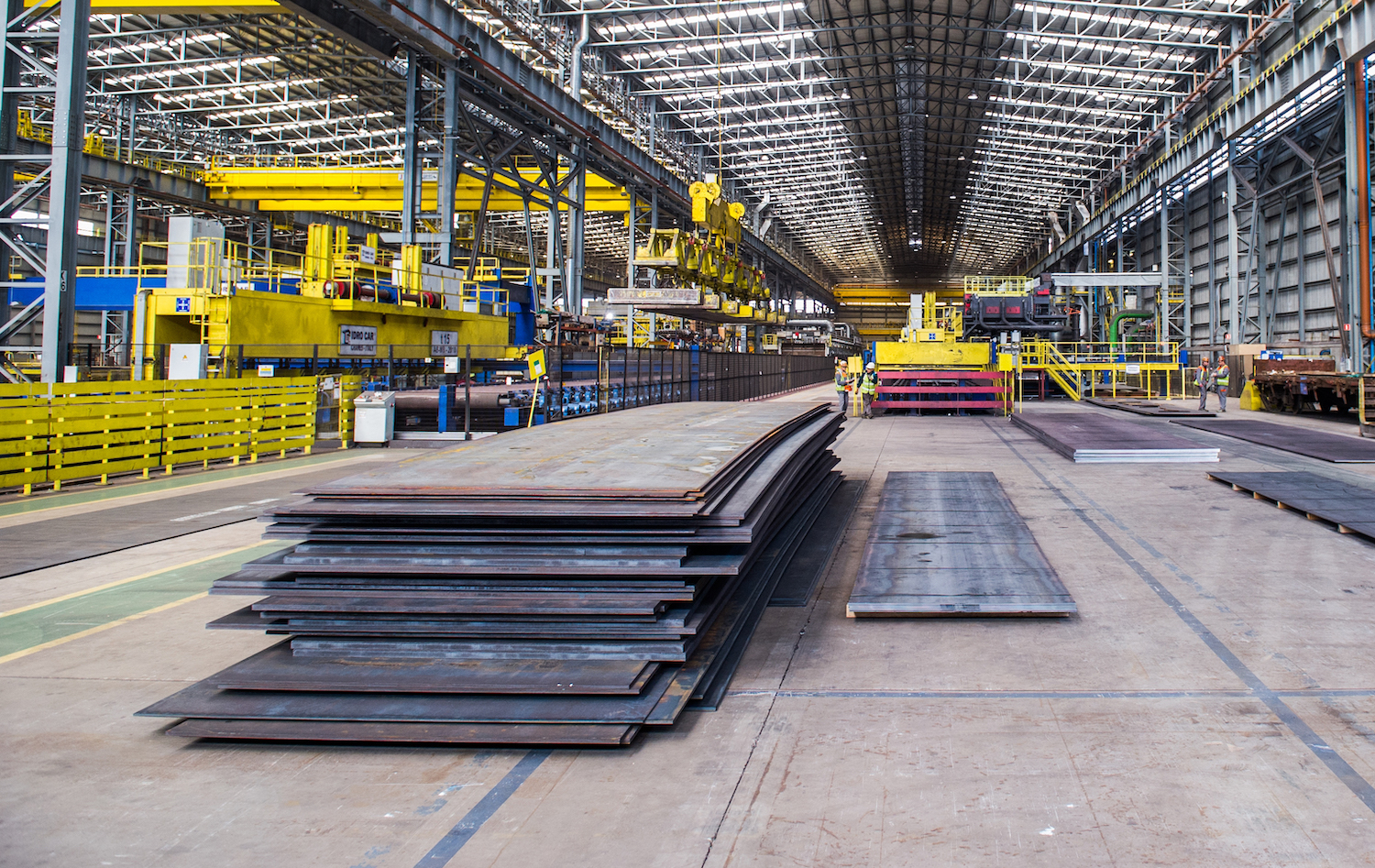
Plate demand to sustain in 2022: EU shipbuilders
Heavy plate and hot rolled coil demand will continue this year from the shipbuilding sector, but the issue of reducing the carbon footprint of steel products procured will come more into focus in the coming years, European shipbuilding sector sources forecast.
Companies are looking to diversify their source of supply between electric arc furnace and blast furnace route steel, according to carbon footprint, and will be ready to pay a premium for greener, high-quality plate and coil.
Large plate buyers in Europe have found alternative sources of supply since war broke out in Ukraine, a major supplier. The international diversification of most European firms’ supply chains has helped secure required volumes. Shipbuilders throughout Europe have a significant order backlog for the coming years, sources observe.
“We are doing that [securing alternative supply] in a relatively short period of time … The point is to establish what is the real balance in terms of their [mills’] capability compared to our need for finished product. In that sense, the full transparency and visibility we get from our suppliers throughout the entire supply chain was key to giving us the assurances we needed,” one source tells Kallanish.
Since the beginning of the conflict, some companies have worked closely with their suppliers, also supporting them in procuring slab. Transparency is a key element in the relationship with platemakers when setting up procurement rules.
Because of disruption in the value chain, some firms had to review their procurement mix, shifting some volumes from plate to HRC. When availability dropped and prices skyrocketed, “we were able to try to change the balance and move some quarto plate procurement volumes to coils”, the source comments.
Natalia Capra France


EU steel industry’s 60 decarbonization projects could cut emissions by a third
The European steel industry’s 60 decarbonization projects in the pipeline this decade will reduce the industry’s direct and indirect CO2 emissions by a third, or by 81.5 million mt, Axel Eggert, director general of steel association Eurofer, told a Clean Steel Partnership webinar June 1.
The projects represent Eur31 billion ($33 billion) in capex, and their operational costs are estimated at 55 billion euros, with uncertainty regarding hydrogen and green electricity prices underpinning the high figure.
As a result, a ton of green steel could initially be 35%-100% more expensive than its blast furnace-route analogue, but in time it is expected to become competitive, according to Eggert.
To make it attractive at all, Eurofer suggests creating lead markets for green steel and using contracts to cover the difference and other risk-sharing instruments. Introducing incentives for green steel use in downstream sectors would help too, with its end-users feeling like they get a bonus when they choose green steel.
Public procurements and contracts can create lead markets for green steel products too given their large — 20% — share in EU total spending.
Time to decide, steelmakers say
For now, steel plants need to make investment decisions on decarbonization projects; they say they need to proceed with decisions this year at the latest in order to achieve their 2030 emission targets, but uncertainty hangs over the projects because of the lack of aid for the transition.
There are many programs to fund industrial projects, innovation and Important Projects of Common European Interest, but while the Clean Steel Partnership is already running well, the other schemes remain underfunded, or approval of projects is slow or delayed, Eggert noted.
Whether they will have access to competitively priced energy, in particular electricity and hydrogen, also holds some back. For the EU steel industry to achieve carbon neutrality by 2050, it will need 400 TWh/year of electricity, just over half (230 TWh/year) of which to be used on the production of 5.5 million mt of hydrogen.
To put it in perspective, Eggert said 400 TWh/year equates to the electricity consumption of France and is seven times more than what the steel industry purchases from the grid today, but in the near future this would be the requirement of only one sector, which will be competing for decarbonized electricity with many others.
“These are massive amounts, and infrastructures are not at all available today, which is a problem for companies to take investment decisions,” Eggert said.
Natural gas option limited
Building the necessary infrastructure is becoming even more crucial given the Russia-Ukraine war, which points to a need to speed up the rollout of this new infrastructure as Europe and its steel industry may not be able to rely on sufficient supply of natural gas.
“We thought we could use natural gas [to help reduce the carbon footprint of blast furnaces] at least until 2030 or beyond until hydrogen starts to be introduced more and more into steel plants, but we will need hydrogen probably much sooner now,” Eggert said.
Blast furnace-based plants produce their own electricity from their off-gases, but this will not be the case in the future given the needs of hydrogen in the same gases, and this means the BF mills will take more electricity from the grid, which calls for big infrastructure measures as well.
Compared with the total human-made CO2 emissions, the figures seem to be small in the EU — the union’s steel industry emits 0.2 gigatons of CO2, but the sector’s share within the EU is significant — 6% of the total, or 25% of the industrial emissions.
Most of these are concentrated on 20 sites, mostly those equipped with blast furnaces, which account for 5% of the union’s CO2 emissions, and the trick is to decarbonize these sites.
30% emissions reduction by 2030
The EU steel industry has collectively committed to reduce emissions by 30% by 2030 versus 2021 but is seeking ways for this to be achieved as cost efficiently as possible.
Eurofer is advocating for greenhouse gas emission benchmark-based free allocation of CO2 allowances, compensation of indirect costs and complementary carbon adjustment as the elements that will help through the transition; the EU parliament is expected to vote on its proposals soon.
The association estimates the EU steel mills’ shortage in free emission allocation at Eur3.5 billion/year, expecting it to increase to Eur13.8 billion/year by 2030.
— Ekaterina Bouckley

EU CRC, HDG demand remains minimal, outlook gloomy
The EU downstream coils market saw prices fall on the week on muted demand, while mill sources reported maintenance to galvanizing lines in the summer period.
Platts assessed cold-rolled coil in Northern Europe stable on the day at Eur1080/mt ex-works Ruhr, according to S&P Global Commodity Insights data. Hot-dipped galvanized material was down Eur30/mt on the week at Eur1,120/mt ex-works Ruhr.
Demand for cold-rolled material remains minimal, though a 400 mt deal was heard May 31 at Eur1,080/mt ex-works Northern Europe. The deal matched offer indications received from buy- and sell-side sources, all citing offers at Eur1,080/mt ex-works Ruhr.
A service center source described downstream demand as “completely dead.”
“There is absolutely no demand whatsoever for downstream coils and automotive shows no prospect for recovery to pick things up again,” said the source. “Customers are repeatedly cancelling contracts as component shortages are causing vehicles to fall outside contractual terms – it’s unsustainable.”
For galvanized material, sources saw offers on a wider spread, with most offers heard at Eur1,100-1,150/mt ex-works Ruhr. A mill source reported a larger competitor offering at Eur1,050/mt ex-works Northern Europe, though other sources could not confirm receipt or sight of the said offer in the market. A mill source reported a bid received for Eur1,050/mt but rejected the bid as too low for current price levels.
Market participants reported Northern mills are performing maintenance on galvanizing lines through the summer period, confirmed by mill sources, with one smaller German producer reportedly communicating reduced availability of some steel products to customers for the short-term. The said mill remains the only producer to have communicated reduced capacities, going against buyer expectations of widespread production cuts for the summer period.
“Mills don’t seem to be cutting production, or at least aren’t talking about it,” said a service center source. “There is no chance to keep prices from falling with current demand and production rates.”
In South Europe, downstream coils saw more pressure, with cold-rolled coil assessed down Eur70/mt on the week at Eur1,030/mt ex-works Italy. Hot-dip galvanized material moved down Eur100/mt June 1 to Eur1,050/mt ex-works Italy.
Demand in the Southern market was similarly muted, with no transactional activity reported on the week.
On cold-rolled coil, buy-side sources saw tradable value on a spread of Eur980-1,050/mt ex-works Italy, with achievable prices for hot-dip galvanized material reported wider at Eur1,020-1,120/mt ex-works.
A service center source reported an offer for HDG at Eur1,080/mt ex-works Italy.
Another service center source reported pessimistic sentiments – “if we call prospects for the galvanized market ‘foggy’ then the picture for cold-rolled can only be described as ‘dark’.”
— Benjamin Steven, Maria Tanatar

UK steel, aluminum exporters start tariff-free exports to US
Steel and aluminum exporters in the UK no longer have to pay tariffs to export material to the US, with some volumes allowed to be exported duty-free from June 1.
The US had said in March that it would replace Section 232 steel and aluminum tariffs on shipments from the UK with a quota system.
Up to 500,000 mt/year of steel, 900 mt/year of unwrought aluminum, 11,400 mt/year of semi-finished aluminum and 9,300 mt/year of aluminum foil will now be allowed to enter the US without duties.
The US’ imports of steel products from the UK must be melted and poured in the UK to be eligible for protection under the quota, according to the arrangement, which also includes a novel smelt and cast requirement for aluminum.
Additionally, any metal produced in the UK by a company linked to China will come under review and require an “attestation.”
The UK government said in a June 1 statement that this was the first time UK steel and aluminum exporters could export tariff free into the US since 2018.
“The lifting of tariffs has been hailed as a huge win by UK steelmakers and will bring new business opportunities for companies across the supply chain,” it said.
It is a significant day for the UK steel companies and their US customers, UK Steel Director General Gareth Stace said, adding that the implementation of the deal was a “major improvement in the trading environment for the UK sector.”
“From today UK steel producers will again be able to sell steel to American consumers tariff free, giving them a critical competitive advantage over global competitors and allowing them to recover market share lost in the years since tariffs were imposed,” Stace said.
Platts assessed weekly UK hot-rolled coal prices at GBP950/mt DDP West Midlands May 27, up 14.5% since the start of 2022, according to S&P Global Commodity Insights.
“From today, our UK steel and aluminum exporters can also get back to exporting across the Atlantic to our largest trading partner,” UK Secretary of State for International Trade Anne-Marie Trevelyan said.
In response, the UK has ended its “rebalancing measures” on a wide variety of US products, including whiskey, making US products cheaper to import and lowering costs for UK consumers and businesses.
The US imported a total 281,606 mt of steel from the UK in 2018 and 231,104 mt in 2019, including carbon, alloy and stainless products, according to Commerce Department data. Imports from the UK fell to 190,240 mt in 2020 but rose to 272,079 mt in 2021.
The US imported 127.5 mt of unwrought aluminum, 4,862 mt of flat semi-finished aluminum and 9,314 mt of aluminum foil from the UK in 2021.
— Jacqueline Holman, Nick Lazzaro

EU HRC prices decline further on oversupply, low demand
Domestic prices for hot-rolled coil in the EU moved down again on June 1 due to supply exceeding the demand in the region, sources said.
Platts assessed HRC in Northern Europe at Eur975/mt ex-works Ruhr, down by Eur5/mt on day, according to S&P Global Commodity Insights.
Offers of HRC have been reported at Eur970-980/mt ex-works Ruhr, and a majority of sources confirmed that the achievable prices were in the same range. Some higher offers of Eur1,000-1,025/mt ex-works Northern Europe have been heard from other mills.
One source also reported unverified transactions at Eur950/mt ex-works Northern Europe, but the information was not widely confirmed. Some sources, however, believe that domestic prices in the Ruhr area and Northern Europe would reach Eur950/mt ex-works in either short- or medium-term.
And hot-rolled coil in South Europe was assessed at Eur930/mt ex-works Italy, down Eur10/mt day on day, according to S&P Global Commodity Insights data.
Italian mills have been offering HRC at Eur900-940/mt ex-works. Lower offers were available from a steelmaker that had recently revied its priced retroactively, cancelled orders and also reportedly facing some technical issues, so buyers have not been looking to make the deals despite lower prices.
One source said that domestic HRC prices in Italy might drop to Eur850/mt ex-works before the floor is reached.
“I think that with demand as low as it is now and with no hope for automotive steel demand recovery any time soon, we will see domestic HRC at Eur850/mt ex-works,” an Italian distributor said. “Demand is close to zero. Buyers need to restock. But even when restocking will start supply will be way higher than the demand.”
Market participants expect that trading activity might rebound slightly soon as buyers would need to restock for September. Although the traded volumes are not expected to be substantial, at least the trade flaws would increase from minimal over the past month, sources said.
“Mills did not fill order books for June production yet, so they are desperate for orders. And they need to manage excess capacities as soon as possible before prices dropped further down,” a Northern European trader said.
Short lead times from all European producers – majority of mills have June-July production coil – have resulted is stronger competition between steelmakers from different regions, sources said.
“Central European mills usually had shorter delivery and lower prices available compared with German mills. But now they all compete for the same timeframe,” a trader said.
Central European mills were reported to sell HRC to Italy at Eur880/mt delivered and to Northern Europe at Eur870/mt delivered.
Offers of import HRC to the south of Europe have also moved down slightly, although the pace of decline has slowed down.
Offers of HRC from Turkey, including anti-dumping duties, and Asia have been heard at Eur835-860/mt CFR Italian ports.
Indian suppliers have been offering boron added HRC to Italy at Eur800/mt CFR. The addition of the alloy is needed to allow the steelmaker to avoid export duty imposed recently on HRC in India.
Despite the competitive price, European buyers have been showing little interest in the material.
“People remember similar attempts of Chinese mills to sell boron added coil in the past, they did not end well,” an Italian producer said. “And you cannot really weld the material with boron, and if you cut it for something you will still need to weld it and you still will not be able to do it.”
— Maria Tanatar, Benjamin Steven
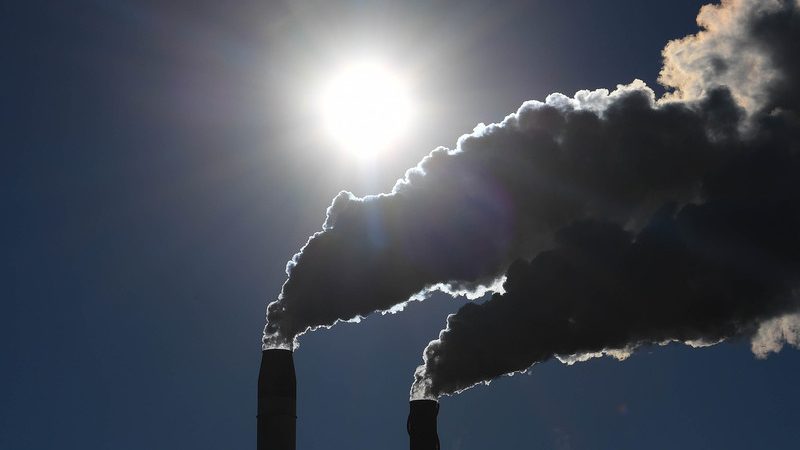
Emissions trading, CBAM proposals could derail green transition: EU steel, aluminum industries
Members of European steel association Eurofer and the European Aluminium Association have warned that the EU’s proposal on emissions trading and carbon border adjustment could decrease competitiveness and derail the green transition.
The European Commission has proposed reforms to the EU Emissions Trading System to align the market with its aim to cut greenhouse gas emissions by at least 55% by 2030 from a 1990 baseline.
The ETS will phase out free carbon allowances from 2026 to end in 2030 and put a ‘bonus-malus’ system into effect from 2025, which will reward companies that reduce emissions and penalize those that do not.
The Carbon Border Adjustment Mechanism, or CBAM, regulation will cover a number of sectors, including iron and steel, and aims to avoid carbon leakage and encourage countries to establish carbon pricing policies.
The proposals were backed by the European Parliament’s environment committee on May 18 and a full parliament vote will take place in June.
In an open letter to the European Parliament, over 50 steel company CEOs said the proposals undermined their capacity to invest in projects to reduce the sector’s CO2 emissions by at least 55% by 2030 and to achieve climate-neutral steel production in the EU by 2050 and would “derail the transition to green steel production in Europe.”
“These commitments represent a truly industrial revolution that requires a massive Eur30 billion ($32.1 billion) capital investment in breakthrough technologies over the coming eight years and a significant increase in operational costs stemming from the use of decarbonized electricity and hydrogen,” they wrote.
Favor international competitors
The proposals would weaken the industry’s carbon leakage protection in the domestic and global markets and favor international competitors that were not subject to equivalent carbon costs, the CEOs said.
EU carbon allowance prices climbed 139% in 2021 due to tighter future supply and increased demand. EU Allowances for December 2022 delivery were pegged at Eur83.59/mtCO2e ($89.51/mt) at the close May 30, according to Platts assessments published by S&P Global Commodity Insights, down from Eur84.15/mtCO2e on May 27.
The CEOs added that the new allocation rules in Europe would reduce the main CO2 benchmark by around 40% by adding one plant that was previously not in the scope and set a value that no company would be able to achieve in three years.
“This is due to a premature transition from the free allocation and indirect cost compensation system to a CBAM which has not yet been tested,” they said.
There were many risks that could undermine the CBAM’s effectiveness, including circumvention and resource shuffling, the CEOs said, adding that the CBAM also did not provide any measure to preserve the EU’s 20 million mt/year of steel exports, worth Eur45 billion.
It also did not capture the much-higher carbon footprint of stainless steel imports derived from the embedded alloying elements, they said.
“The proposals also remove massive allowances from the market, further driving the carbon and electricity price in Europe at a time when businesses and households are struggling with skyrocketing energy costs and inflation,” the CEOs wrote.
They called on the European Parliament to address these concerns to avoid scaling back existing carbon leakage protection until the CBAM’s effectiveness was proven, ensure a solution for exports was in place and prevent a sharp decrease in free allocation for existing steel plants.
They proposed that low carbon technologies should be rewarded without reducing prematurely benchmark values, at least in the first few years when technologies were being introduced at an industrial scale.
“The aforementioned changes to the ETS and CBAM will allow us to make the green steel transformation happen now within the EU. Our investments will greatly benefit climate protection, the EU’s industrial competitiveness, and hundreds of thousands of jobs across the EU,” they said.
Uncompetitive
European Aluminium warned in a separate statement that aluminum smelters would become cost uncompetitive if the CBAM covered indirect emissions and removed existing carbon leakage measures.
Costs for aluminum production in Europe were forecast to rise by 24% to 31% if, as implied under the proposal, indirect emissions were included in the CBAM and carbon leakage measures were fully phased out.
This could lead to a large share of EU production being replaced, because fossil fuel-based aluminum producers in third countries would pay less indirect carbon costs than European companies using decarbonized power.
In addition, the association said that the ETS would result in higher indirect carbon costs, which could result in primary aluminum imports for semi-fabrication possibly increasing up to 43%.
It insisted that, given the challenges the aluminum industry faced as an electricity-intensive industry, the CBAM should first be tested on direct emissions only, as originally intended by the European Commission.
The inclusion of indirect emissions should ideally be considered after 2030, when the European power grid was sufficiently decarbonized, European Aluminium suggested.
“Until we understand the real impact the CBAM has on downstream industries, we need to preserve, where applicable, existing national ETS compensation schemes,” European Aluminium Director General Paul Voss said.
— Jacqueline Holman, Ekaterina Bouckley

ASML to expand semiconductor equipment production in Connecticut
Dutch semiconductor equipment manufacturer ASML will invest $200 million to expand operations at its facility in Wilton, Connecticut, as it looks to support growing chip production capacity in the US, the company said May 31.
“The semiconductor industry’s growth continues apace,” CEO Peter Wennink said in a statement. “To meet projected demand in the years ahead, ASML is investing in infrastructure and people. Our Wilton office is a good example of that investment and one of several sites in the US that are fundamental to ASML’s success.”
At Wilton, ASML designs, engineers, develops, and produces the machinery used by manufacturers to create advanced semiconductor computer chips.
ASML’s investment comes as Congress continues to debate the passage of the Bipartisan Innovation Act, which includes $52 billion of investment for the research, development, and production of semiconductors in the US.
“Since day one, the Biden administration has pledged to revitalize our domestic manufacturing economy and keep our country safe,” Deputy Secretary of Commerce Don Graves said in the statement. “Achieving these goals starts and ends with advanced semiconductors made right here in the United States.”
“ASML is a valued member of the coalition of private sector companies from around the globe who are choosing the United States as their home for semiconductors, and for that, we are immensely grateful,” he added. “We need to build on this momentum by getting the Bipartisan Innovation Act to the president’s desk for a signature because it is critical to our economic and national security.”
The House of Representatives and Senate have each already passed their respective versions of the legislation, which includes proposed funding for US semiconductor manufacturing, but progress on the package has stalled in recent months as the two chambers have worked to draft a final bill that reconciles differences between their respective versions.
In anticipation of the proposed funding, Intel said in January it would invest more than $20 billion to build two semiconductor chip factories near Columbus, Ohio, with production expected to start in 2025.
Multiple industries across the world have been affected by the global semiconductor shortage that began in early 2021 as a result of changes to industrial patterns during the onset of the coronavirus pandemic. Most notably, the chip shortage has caused automotive manufacturers to cut production amid surging demand.
— Nick Lazzaro

Ukraine war disrupts trade patterns, prices receding: Irepas
The Ukraine war is shifting trading patterns and creating new opportunities for steelmaking countries other than Russia and Ukraine, said participants at this week’s International Rebar Exporters and Producers Association (Irepas) meeting in Istanbul.
As one example, the war has created a nail supply shortage in the EU as Russia and Ukraine are the leading nail suppliers with a combined 90% market share.
India’s new export duties on steel and steelmaking raw materials, lockdowns in China and sanctions on Russian steel due to its invasion of Ukraine are having significant consequences on steel trade flow. Patterns have shifted, and if the sixth package of EU sanctions on Russia is implemented, there will be more unprecedented impact on the steel industry.
“Substantial price hikes have been witnessed due to panic buying as the war created a vacuum in semis and finished steel supply. However, prices are returning to the pre-war period, and scrap prices are at the bottom curve,” Seba International president F.D. Baysal said at the event attended by Kallanish.
“Undeniably, gradually softening prices of Russian billets to the nearest market, Turkey, suppressed Turkish mills’ scrap buying price level, as the last round of sales are levelled at around $440/tonne cfr [Turkey] for HMS 80:20 grade scrap,” observed a senior Turkish mill official.
“The Russian invasion has led to raw material shortages, supply chain disruptions, price hikes, and high energy costs,” commented Jens Björkman from Stena Metal International. “Some steel producers have idled their operations, and demand has turned negative due to increased inflation in the EU. The lack of finance for raw materials supply and credit insurance companies’ reluctance to avoid taking risks are lowering demand for steel and steelmaking raw materials.” Indian’s iron ore export duty will have little impact on prices as India is an insignificant global supplier of the raw material, he added.
“The magnitude of money is the primary factor in a country’s wealth and independence,” Özgür Demirtas, Turkish economy professor at Sabancı University in Istanbul, meanwhile explained. “As the US is the largest economy globally, its currency has a game-changing role globally. When US dollar liquidity increases, wealth will be felt. Taking previous years’ experiences as a reference, we will likely see a liquidity increase and a relief in the global economy within six and nine months. Then commodity prices will pick up, including steel.”
“The market fears the most from uncertainty. The more important huge food crisis is coming as Russia and Ukraine are the leading grain suppliers globally,” Demirtas concluded.
Burak Odabasi Turkey
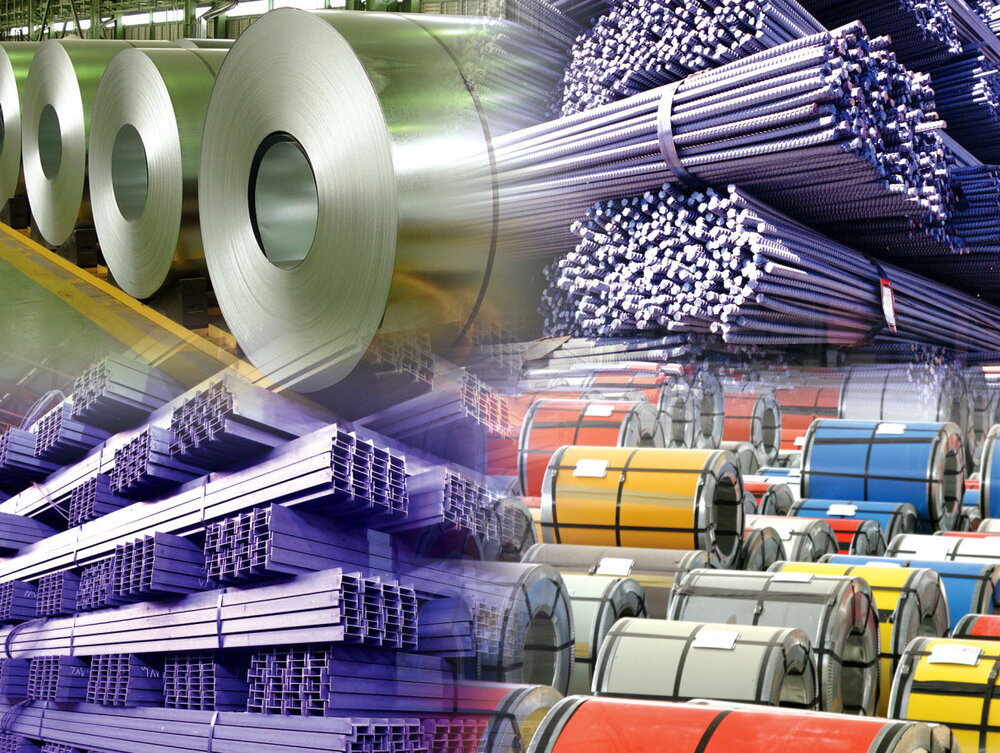
EU steelmaker executives warn of ‘premature’ CBAM transition
An array of top EU steelmaker executives have put their names to an open letter warning the European Commission to avoid a “premature” transition from free carbon emissions allocations to the untested Carbon Border Adjustment Mechanism (CBAM).
The proposed acceleration of this transition would weaken carbon leakage protection, favouring international competitors which are not subject to equivalent carbon costs. “In Europe, new allocation rules will suddenly reduce the main CO2 benchmark by around 40% – because of one plant that was previously not in the scope – and set a value which no company can achieve in just three years,” the letter states. “Circumvention and resource shuffling are only a few of the many risks that could undermine the CBAM’s effectiveness.”
Moreover, CBAM does not yet foresee any measure to preserve the EU’s 20 million tonnes/year of steel exports, worth €45 billion ($48 billion), and the 30,000 jobs that are directly dependent on these, the executives point out in the letter sent to Kallanish.
“The proposals also remove massive allowances from the market, further driving the carbon and electricity price in Europe at a time when businesses and households are struggling with skyrocketing energy costs and inflation. Finally, they fail to capture the much higher carbon footprint of stainless steel imports derived from the embedded alloying elements,” the letter continues.
The executives call on the European Parliament and Council to avoid further scaling back of existing carbon leakage protection until CBAM has proven its effectiveness and a solution for exports is in place. They also want to prevent a sharp decrease in free allocation for existing steel plants which would result from a modification of the benchmark scope. Instead, low carbon technologies must be rewarded without prematurely reducing benchmark values, at least in the first years when such technologies are introduced at an industrial scale, the executives conclude.
Among the names to sign the letter are Geert Van Poelvoorde, CEO, ArcelorMittal Europe; Bernhard Osburg, CEO, thyssenkrupp Steel Europe AG; Henrik Adam, Chairman of the Board, Tata Steel Netherlands Holding; Francesc Rubiralta Rubio, Chairman and CEO, CELSA Group; and Olavi Huhtala, CEO, SSAB Europe.
Adam Smith Germany
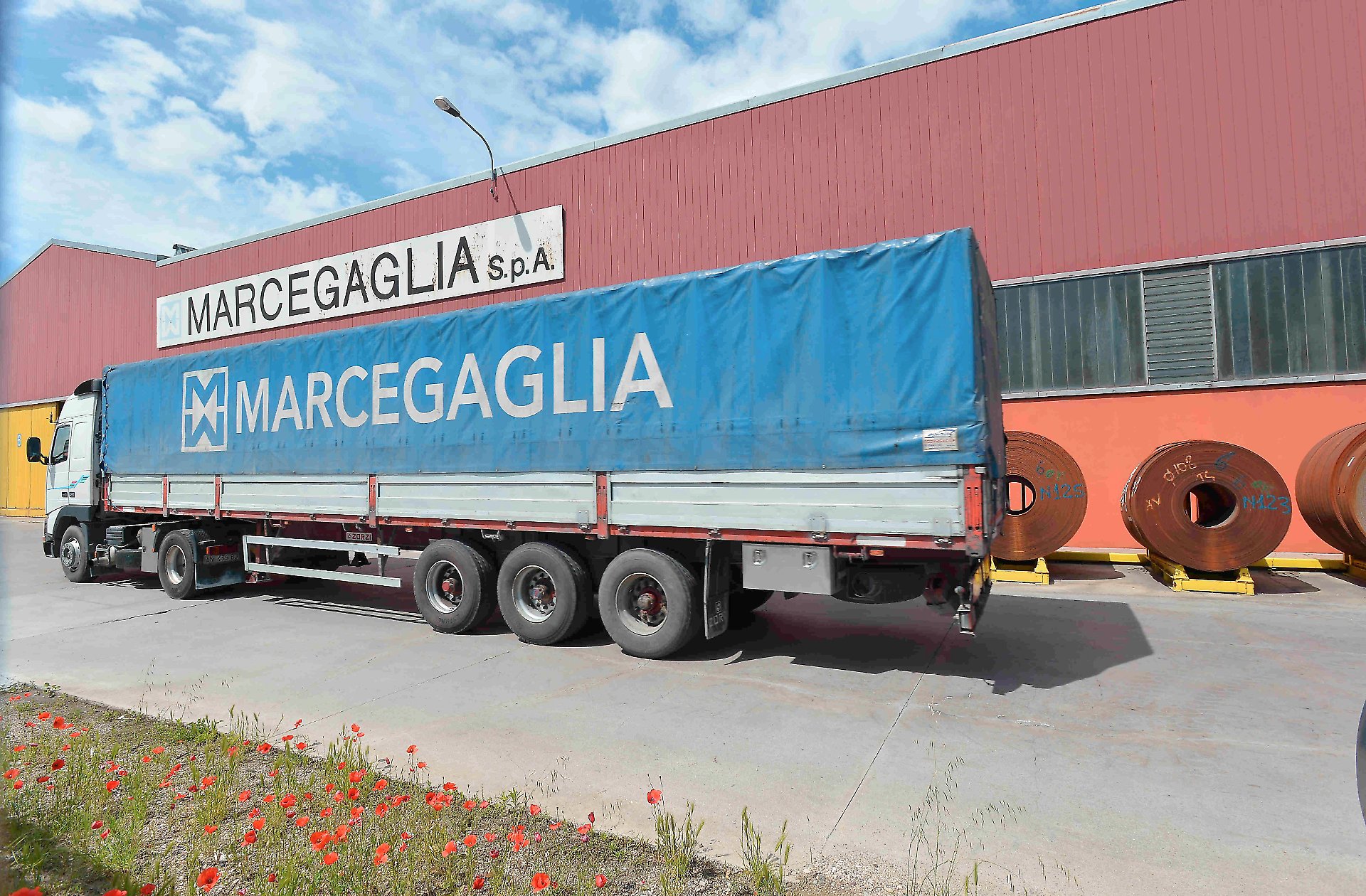
Marcegaglia prepares for new acquisitions, investment
Italian tubemaker Marcegaglia has obtained a six-year credit facility of €1 billion ($1.07 billion) from a pool of Italian and foreign banks. These include Intesa Sanpaolo as a global coordinator and agent, BNP Paribas, Crédit Agricole CIB, Santander CIB and Unicredit, Kallanish learns from the steel firm.
The credit facility includes €700 million that will be used to refinance medium-term lines maturing between 2024 and 2026, €200m to support the company’s future investments and €100m in revolving credit.
“The loan will support the new development plan of the Mantuan industrial group … promoting growth programmes and projects in the steel sector, including possible new acquisitions and alliances,” the company says.
Marcegaglia is one of Europe’s largest re-rollers. Last year it achieved a turnover of €7.7 billion and employs 6,600 workers. It re-rolls about 6.2 million tonnes/year of steel and has 29 re-rolling mills.
Natalia Capra France