

Shipments of EU distributors suffer in Jan-Feb
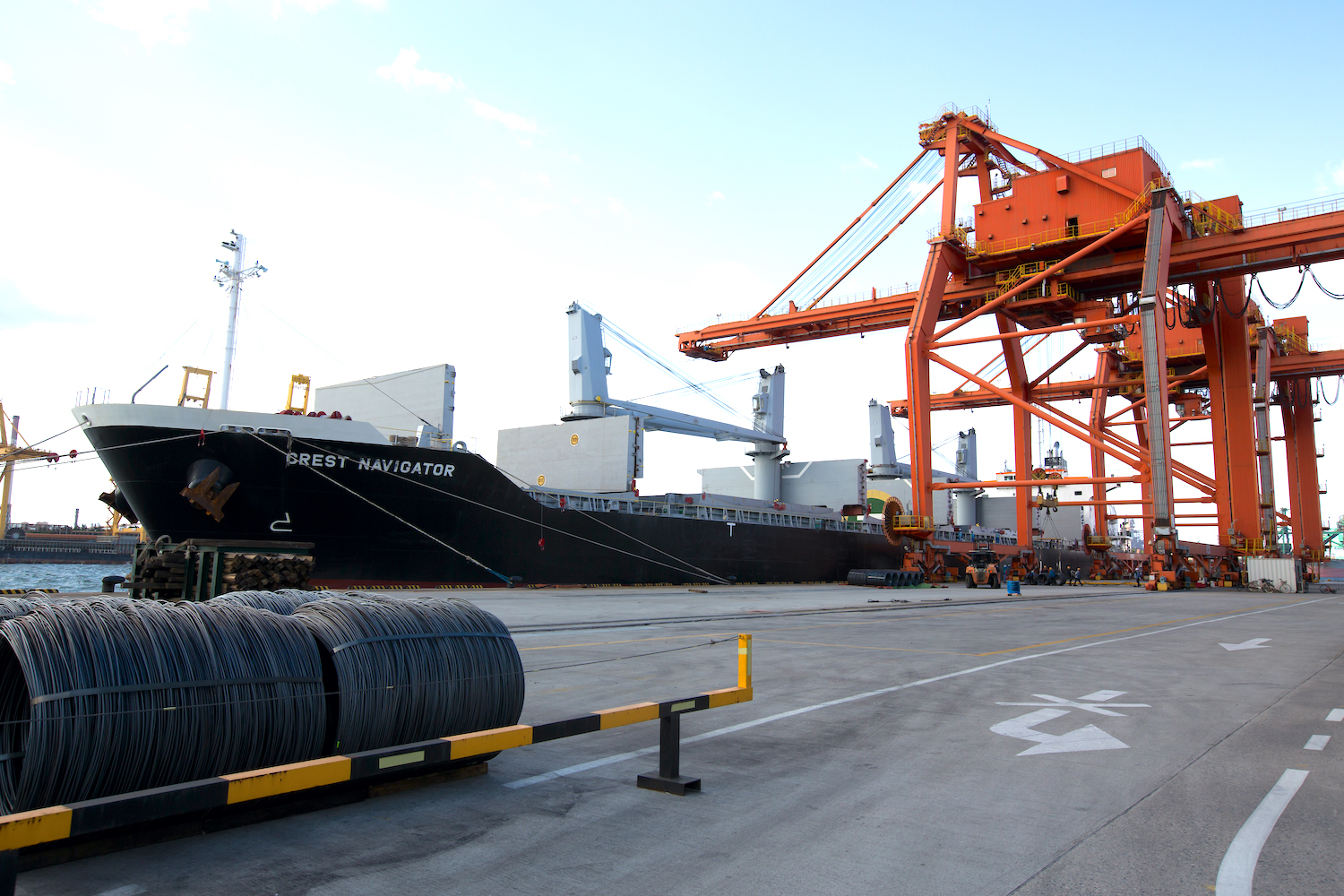
Steel shipments from European stockholders and distributors suffered significantly in February, according to the latest data published by Eurometal.
Steel service centres for flat products saw their shipments moving down -0.3% y-o-y during the two-month period. In January alone, shipments had increased 4.3% y-o-y, confirming the negative activity registered since February.
Multi-product distributors and stockholders saw their shipments during the Jan-Feb period falling -9.4% y-o-y, Kallanish understands.
“Only merchant bars, rebars, stainless steel and plates had a positive run, registering higher shipments. All other products had a negative run,” Eurometal explained.
Emanuele Norsa Italy


Mariupol plants sustain further damage, control unclear
Metinvest’s steel plants in Mariupol have suffered further damage as a result of the fighting between Ukrainian and Russian military forces in the besieged city, the company told Kallanish on Friday.
Earlier on Friday, Russian Ministry of Defence representative Igor Konashenkov claimed that Moscow’s forces and units of the self-proclaimed Donetsk Peoples Republic had completely seized Metinvest’s Ilyich Steelworks in Mariupol.
“The status of Metinvest’s production facilities located in Mariupol, and Avdiivka coke plant, has not changed significantly – they remain in hot conservation mode,” the enterprise said. “At the same time, assets in Avdiivka and Mariupol are reported to have suffered further damage as a result of the fighting in those cities. Until the active phase of the Russian military aggression is stopped and reliable channels of communication with the plants are not established, it is impossible to assess its impact on the group’s enterprises.”
In March, Metinvest suspended production at Mariupol-based Ilyich and Azovstal following the outbreak of war, and declared force majeure (see Kallanish passim).
At the beginning of April, Metinvest flat steelmaker subsidiary Zaporizhstal restarted two of its blast furnaces after an idle period due to the war. The plant plans to produce 65,000 tonnes of pig iron in April, ramping up to 150,000-170,000t in May. Production at sister firms Zaporizhkoks, Zaporizhvognetriv and ZLMZ was partially restored earlier.
In March alone, Metinvest subsidiary Kametstal was Ukraine’s only mill to produce at pre-war volumes and is now operating at approximately 80% of its capacity.
Metinvest’s iron ore and coking coal assets in Ukraine are operating at approximately 60% utilisation, providing sufficient raw material for Kametstal. The rest is currently being exported. In addition, the Pokrovskoye mine and Metinvest’s assets abroad continue to work.
Metinvest plans to allocate 900t of steel free of charge for the manufacture of approximately 80,000 units of body armour for the Ukrainian army. In addition, the company has produced about 50,000 anti-tank hedgehogs and 20,000 studded chains.
Most Ukrainian steelmakers have resumed production since the start of April despite the war continuing.
Svetoslav Abrossimov Bulgaria

Van Leeuwen cashes in on shortages in 2021
Van Leeuwen Pipe and Tube Group says it achieved excellent sales and net profit figures in 2021, positively influenced by improving market demand and higher sales prices.
When disruptions in the global supply chain led to material shortages during the year, the Dutch tubes distributor was able to continue to supply customers thanks to a strong inventory and sourcing network, it says. Revenue amounted to €1,431 million ($1,547m), after €1,178m in 2020. The operating result came to €79m, up from €15m, and net result rose to €64m from previously €9m.
At the beginning of 2021, economic conditions were more favourable than expected, Kallanish hears from the company. The recovering economy then led to major supply disruptions and material shortages, while prices and delivery times increased rapidly. After the summer, shortages diminished, and the company even observed a minor price decrease for welded pipe. Due to very rapidly increasing energy prices, prices however later increased again, especially for seamless pipe, Van Leeuwen reports.
Van Leeuwen says it also profited from the extra strength it gained with the acquisition of Benteler Distribution at the end of 2019.
Christian Koehl Germany
Bowim boosts flats sales, anticipates procurement re-routing cost
The redirection of supply chains following the outbreak of war in Ukraine and subsequent sanctions on Russia will be neither easy nor cheap, and will take time, says Polish distributor Bowim. The redistribution of Russia’s EU safeguard quotas to other producers is however a positive step.
In 2021 Bowim’s direct trade with Russia, Ukraine and Belarus amounted to a 0.5% share in overall procurement and 0.4% in overall sales. The firm also traded indirectly with these countries through companies registered elsewhere or whose beneficiaries fall under EU sanctions – this business accounted for a 25% share in overall procurement, Bowim says in its 2021 annual report.
Countries such as Turkey, China and India, as well as those not dependent on supply of semi-finished products from countries involved in the war will be the biggest beneficiaries of the EU’s ban on Russian and Belarussian steel, it adds. The resulting increased cost of procurement further exacerbates the unprecedented rise in prices of gas, coking coal and carbon emissions.
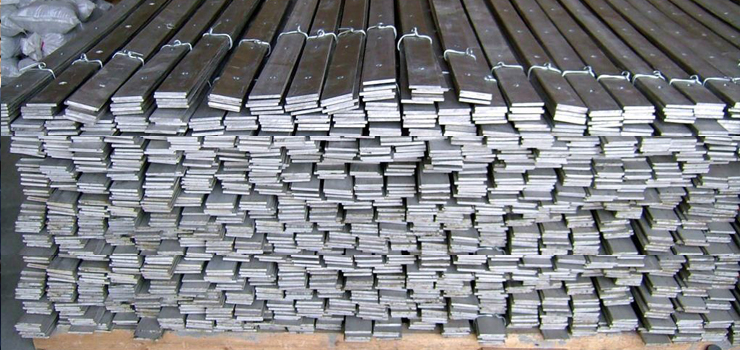
Bowim reported a 6% on-year increase in consolidated shipments in 2021 to 539,121 tonnes, with flat products taking a notably larger share than the previous year and rebar figuring less in overall deliveries, Kallanish notes.
Flat product sales rose 11% last year to 205,208t, with pipe sales down 2% to 96,210t and rebar shipments down 15% to 75,687t. The steel structures segment took a 28% share in sales versus 24% the previous year, at the expense of the trading segment which saw share drop to 15% from 19%.
Bowim’s consolidated revenue surged 87% in 2021 to PLN 2.26 billion ($527.3 million), while net profit ballooned almost nine-fold to PLN 153.3m.
Adam Smith Germany
Slow sales plague Italian longs market
Slow sales and an uneventful market are clouding Italian long products sales in April. While this is a seasonally slower month due to the Easter and 25 April bank holidays, the market seems to have stopped absorbing price increases.
Demand is said to be slow for rebar, merchant bar and wire rod. Sources who spoke to Kallanish however say that March was a record month for sales and, despite April being much slower, March-April sales combined have increased compared to the same period in 2021. Some distributors also say their sales are much slower and no new orders are coming in.
For the moment, merchant bar prices remain at €800-850/tonne ($872-927/t) base ex-works, mostly stable compared to the previous week. Including size extras, domestic contracts are hovering at €1,220-1,270/t ex-works.
Meanwhile, a stable market is reported for sections, for which values also remain flat. The first category of sections remains at €1,500-1,540/t ex-works, including size extras. Limited availability continues to persist for both merchant bar and beams.
Natalia Capra France
Microchip shortage continues to impact Turkish vehicle output
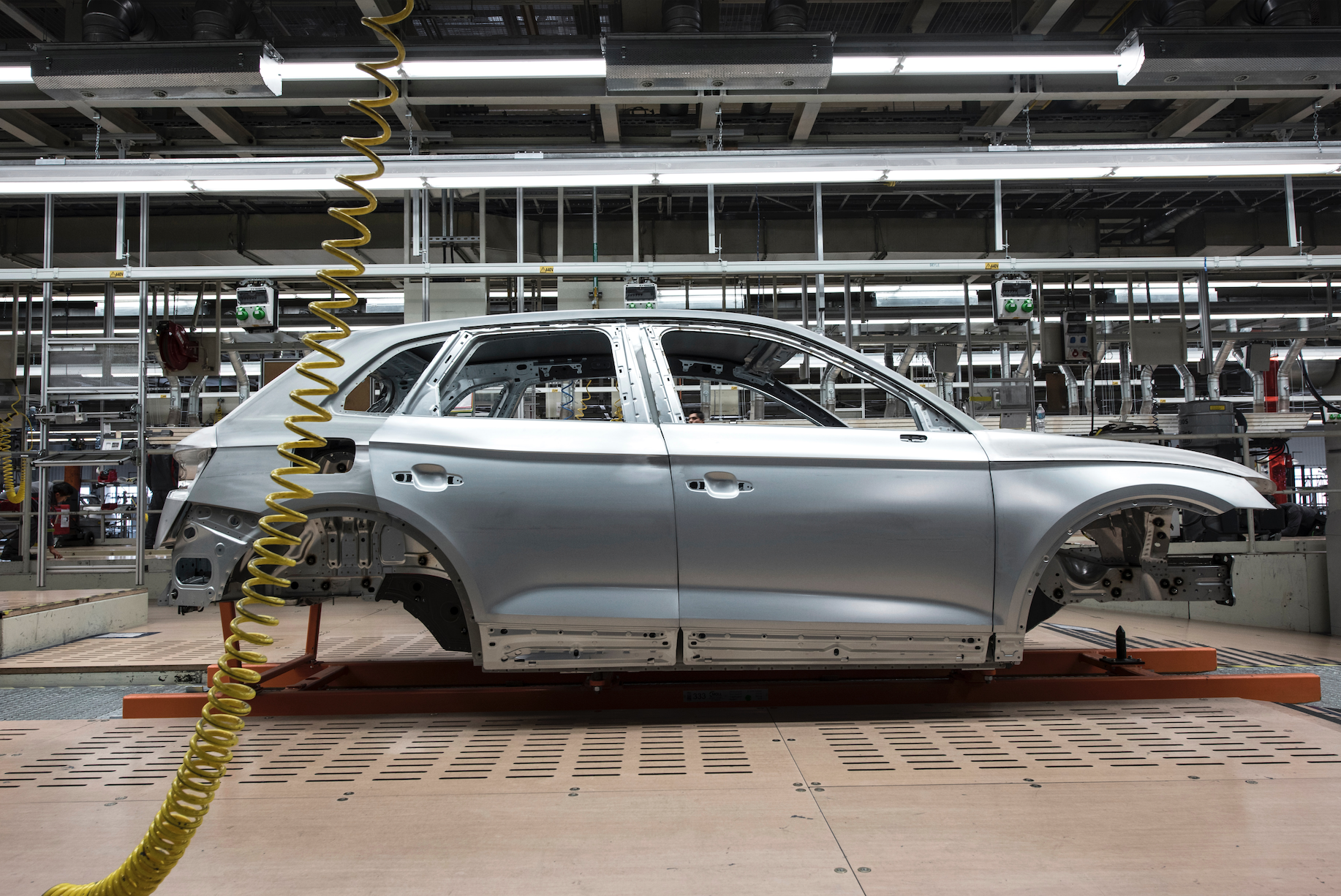
As the microchip shortage that hit Turkey’s automotive output in 2021 continues in the first half of 2022, one of Turkey’s major automakers, Oyak Renault, has re-paused output for seven days at most of its production departments as of April 18.
Oyak Renault recently paused output for 10 days as of March 25 for the same reason, while Turkey’s other major auto producer, Toyota, also suspended production at its Turkish plant for five days as of March 7, as previously reported by S&P Global Commodity Insights.
These decisions follow output cuts by major producers throughout 2021 and in the first quarter of 2022.
Turkey’s total vehicle production fell 12% on year to 302,730 units in Q1 in this environment, while automobile output declined 21.5% to 166,363 units, according to the Turkish Automotive Manufacturers’ Association (OSD) data.
Bursa-based Oyak Renault is a joint venture between France’s Renault Group and Turkey’s Oyak, parent company of Turkey’s largest integrated steel producer Erdemir.
These stoppages have also been affecting the sector’s steel demand, sources said.
Oyak Renault has 360,000 units/year of automobile production capacity and 750,000 units/year of motor production capacity.
Ongoing microchip shortages could continue to affect automotive output in Turkey in the coming months, as the global shortage is expected to continue albeit at a diminishing pace throughout 2022, according to industry reports.
— Cenk Can

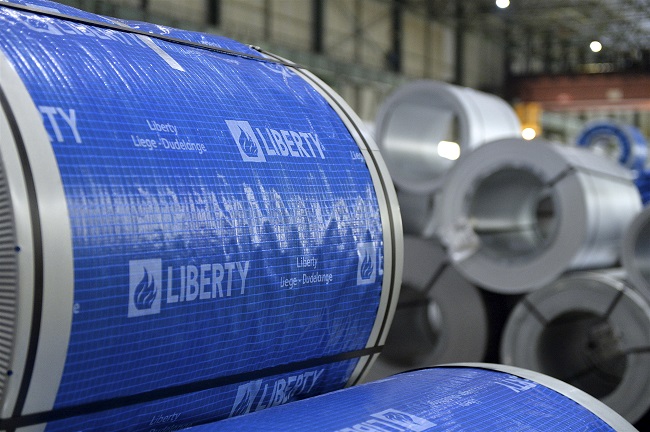
Liberty Steel vows to appeal after court rejects restructuring plan, orders liquidation of Belgian assets
The Commercial Court of Liège in Belgium has rejected a restructuring plan for Liberty Steel’s Belgian assets and ordered the liquidation of its Liberty Liège subsidiary, Fastmarkets understands.The court proceedings involved Wallonia district-owned investment company Sogepa and local trade unions, according to local media reports.
In June 2021, the management of Liberty Liège secured a loan through Sogepa for the further development of the business. And from September, the company was in negotiations to sell a 49% stake in the Liege operations to Sogepa in an exchange for further financial aid, sources told Fastmarkets.
Liberty has had problems with its Belgian sites since spring last year when it started to ask for upfront payment for its steel products and even canceled orders.
The problems with Belgian assets were preceded by turmoil surrounding a creditor of Liberty Steel’s UK-based parent company, the GFG Alliance.
Liberty Liège comprises the Flémalle and Tilleur production sites in Belgium, which each produce cold-rolled coil, hot-dipped galvanized coil and tinplate.
Liberty Steel said it was “disappointed” with the court’s decision of Wednesday April 13 and said it would appeal.
“We continue to believe our transformation plan provides the business with a long-term, sustainable future and preserves 650 jobs,” a Liberty spokesperson said.
The Tilleur site can produce 200,000 tonnes per year of CR steel and tinplate, while Flémalle operates two galvanizing lines with a capacity of 950,000 tpy, producing hot- and cold-rolled galvanized steel.
The packaging line in Tilleur was restarted on February 14, 2022, while the galvanizing lines in Flemalle have remained idle since December 2021 due to a lack of feedstock.
Liberty’s plan for the sites includes developing a new business model for the tinning line at Tilleur, including closer partnerships with major customers to manufacture specialist packaging, and using the G5 galvanizing line at Flémalle to generate short-term profits.
Liberty’s parent company, GFG Alliance, claims to have provided funding of more than €80 million to Liberty Liège since July 2019, €28 million of which has been provided since December 2021, according to a statement from the company seen by Fastmarkets.
GFG’s said its long-term investment plans for the Belgian plants were undermined by the poor steel market in 2019 before the business was adversely affected by the impact of the Covid-19 pandemic, along with the related supply chain disruption, and now by the war in Ukraine.
And investigations into GFG Alliance’s main financier, Greensill Bank, have also affected the company’s plans, Fastmarkets understands.
Liberty acquired the Liege sites from ArcelorMittal in 2018.
Published by: Julia Bolotova

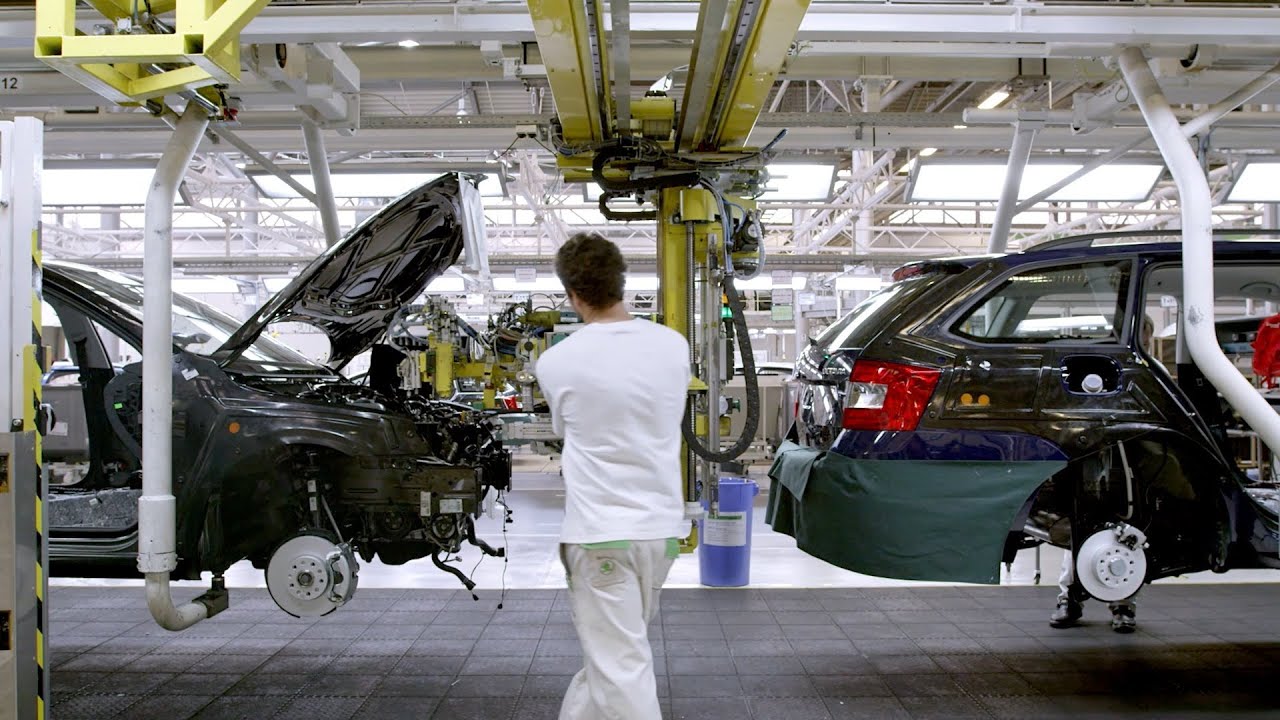
Ukraine war to delay automotive sector recovery: worldsteel
The expected recovery of the global auto industry is still being hampered by the microchip shortage. The situation was expected to ease by the second half of this year; however, the war in Ukraine is likely to delay the return to normal of the supply chain, especially in Europe. So said worldsteel director general Edwin Basson during Thursday’s short-range outlook conference attended by Kallanish.
“Last year was disappointing for the automotive sector. The microchip shortage led to reduced demand and increased prices,” the executive commented. “It had been expected that the supply bottlenecks would dissipate in the second half of 2022. However, the war in Ukraine is likely to delay the recovery.”
Automotive production in China is estimated to continue to grow between 2022 and 2023, after rising 4.8% on-year in 2021. Meanwhile, the recovery in the US market in this period is likely to be driven by higher demand for light vehicles. Both markets are in line with the global increasing production share of electrical vehicles in developed economies.
“EVs will continue raising their presence in 2022. The new technologies and materials used in their production do not threaten the consumption of steel in the automotive industry. We see a positive development in the sector, which is already anticipating an evolution from EVs towards fully automated vehicles,” Basson explained.
Global sales of EVs in 2021 reached 6.6 million units, almost 100% higher on-year. Their share in overall shipments increased from 2.5% in 2019 to almost 8.6% in 2021.
Todor Kirkov Bulgaria
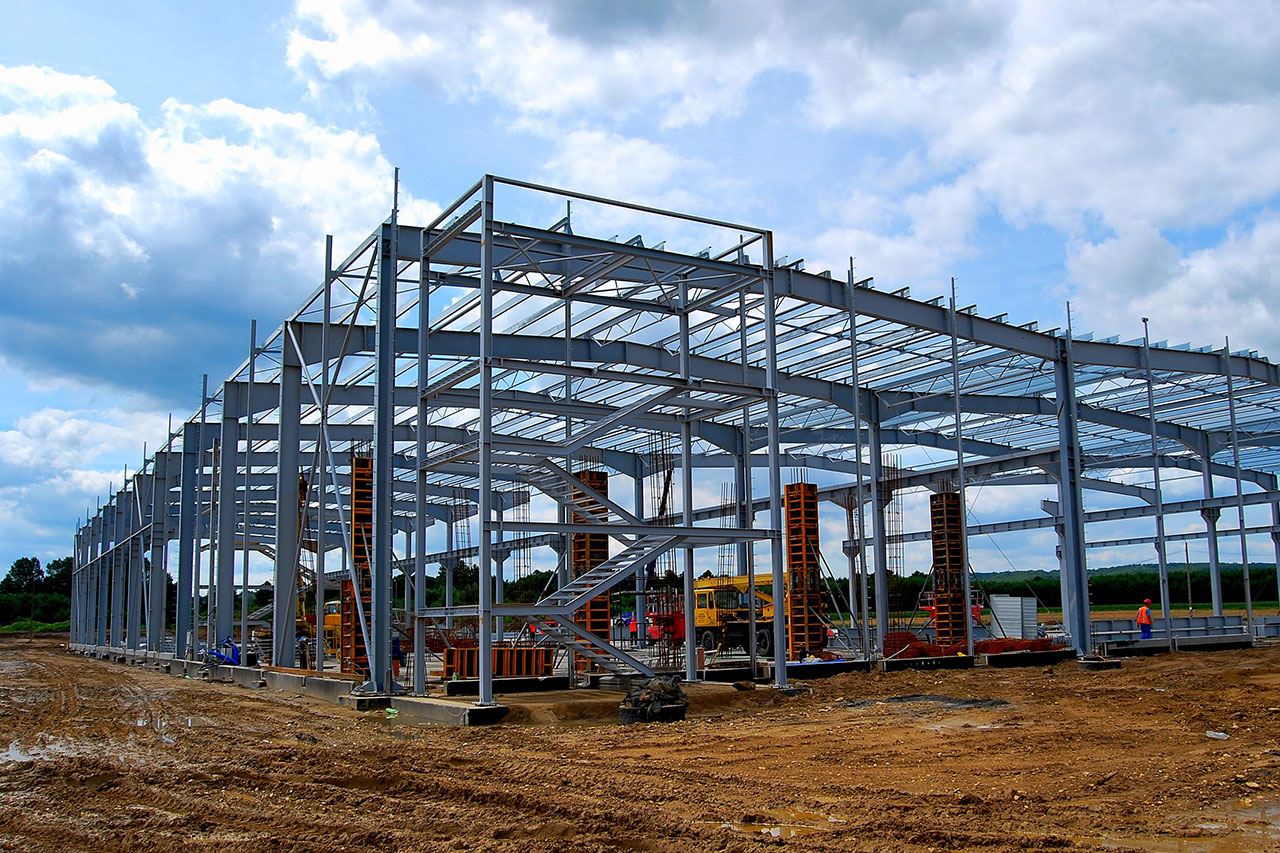
Worldsteel sees improving global construction activity in 2022
Global construction activity will continue growing this year despite a contraction in China observed in 2021, according to worldsteel.
The association’s positive perspective is supported by strong infrastructure initiatives observed in many countries, as well as upcoming investments related to the energy transition. However, construction faces headwinds from rising costs and interest rates, Kallanish notes.
“Like other sectors, the global construction sector is experiencing supply problems, leading to increasing costs,” worldsteel observes. This along with the move of central banks to raise interest rates to fight inflation may play a negative role in the growth of construction activity between 2022 and 2023.
“The residential sector was performing well due to low interest rates and the expansion of working from home practices. Accelerated inflation is forcing buyers to rush into property markets, using them as a hedge. However, rising housing prices might undermine future housing affordability for some social groups,” the association comments.
In the non-residential sector, while office buildings suffered from remote working practices, e-commerce and IT-related investments supported the sector.
“We see strong growth in the multi-unit segment in the US. Large infrastructure investment and recovery in energy-related projects are also expected to boost construction activities in the country,” worldsteel continues.
Meanwhile, in China, government policies to combat the housing bubble should fuel the recovery of the construction sector, with infrastructure projects being the main factor. In India, the increase in activity will be supported mainly by the building of new highways, railways, water infrastructures and housing. Worldsteel sees the construction sector in Brazil as having moderate growth in 2022 due to the monetary tightening cycle and the US interest rate hikes.
Todor Kirkov Bulgaria
Global demand growth plunges on Ukraine war: worldsteel
Worldsteel has revised down its 2022 global steel demand growth forecast to 0.4% on-year, giving 1.84 billion tonnes. This follows 2.7% growth in 2021. The correction is due to the impact on trade of the Russian invasion of Ukraine, which has created devastating effects on Ukraine, consequences for Russia and a major impact on Europe.
Furthermore, the war will also impact the steel supply chain, and steel raw materials and energy prices in 2022, worldsteel said during Thursday’s short-range outlook press conference attended by Kallanish. Other downside risks come from the continued surge in Covid-19 infections in some parts of the world, especially in China. The expected tightening of US monetary policy and rising interest rates will hurt emerging economies financially.
“In 2021, recovery from the pandemic shock turned out to be stronger than expected in many regions, despite continuing supply chain issues and Covid waves,” said worldsteel economics committee chairman Maximo Vedoya. “However, a sharper-than-anticipated deceleration in China led to lower global steel demand growth in 2021. For 2022 and 2023, the outlook is highly uncertain. The expectation of a continued and stable recovery from the pandemic has been shaken by the war in Ukraine and rising inflation.”
Despite the Covid-led economic slowdowns and the manufacturing sector’s supply chain constraints, steel demand in the advanced economies recovered strongly in 2021. However, owing to inflationary pressure coupled with the Ukraine war, demand growth has weakened in 2022.
Steel demand growth outlook in the EU has plunged due to its high dependency on Russian energy, as well as refugee inflows. After a surge of 16.5% in 2021, steel demand growth in the developed world is seen being restricted to 1.1% and 2.4% in 2022 and 2023, respectively.
Owing to stringent measures in the real estate industry by the Chinese government, Chinese steel demand witnessed a major slowdown in 2021. However, on the back of the government’s efforts to boost infrastructure investment and stabilise the real estate market, demand is expected to remain flat in 2022. The stimuli introduced in 2022 are likely to support small positive growth in steel demand in 2023.
Developing economies – excluding China – will continue to face challenges from the Covid-led worsening external trade environment, the Russia-Ukraine war and the US monetary tightening. Owing to this, steel demand in the developing economies will grow by only 0.5% in 2022 and then 4.5% in 2023, worldsteel said. ASEAN and Middle East and North Africa will see marginal growth of 3.5% and 3.2%, respectively, in 2022.
Sayed Aameer India