New car registrations across the EU rose 5.7% in the first half of 2026 to 5,896,683 units, driven by surging demand for battery-electric and hybrid vehicles, which could reshape steel consumption patterns across the bloc’s struggling automotive supply chain, according to data from the European Automobile Manufacturers’ Association released on July 23.
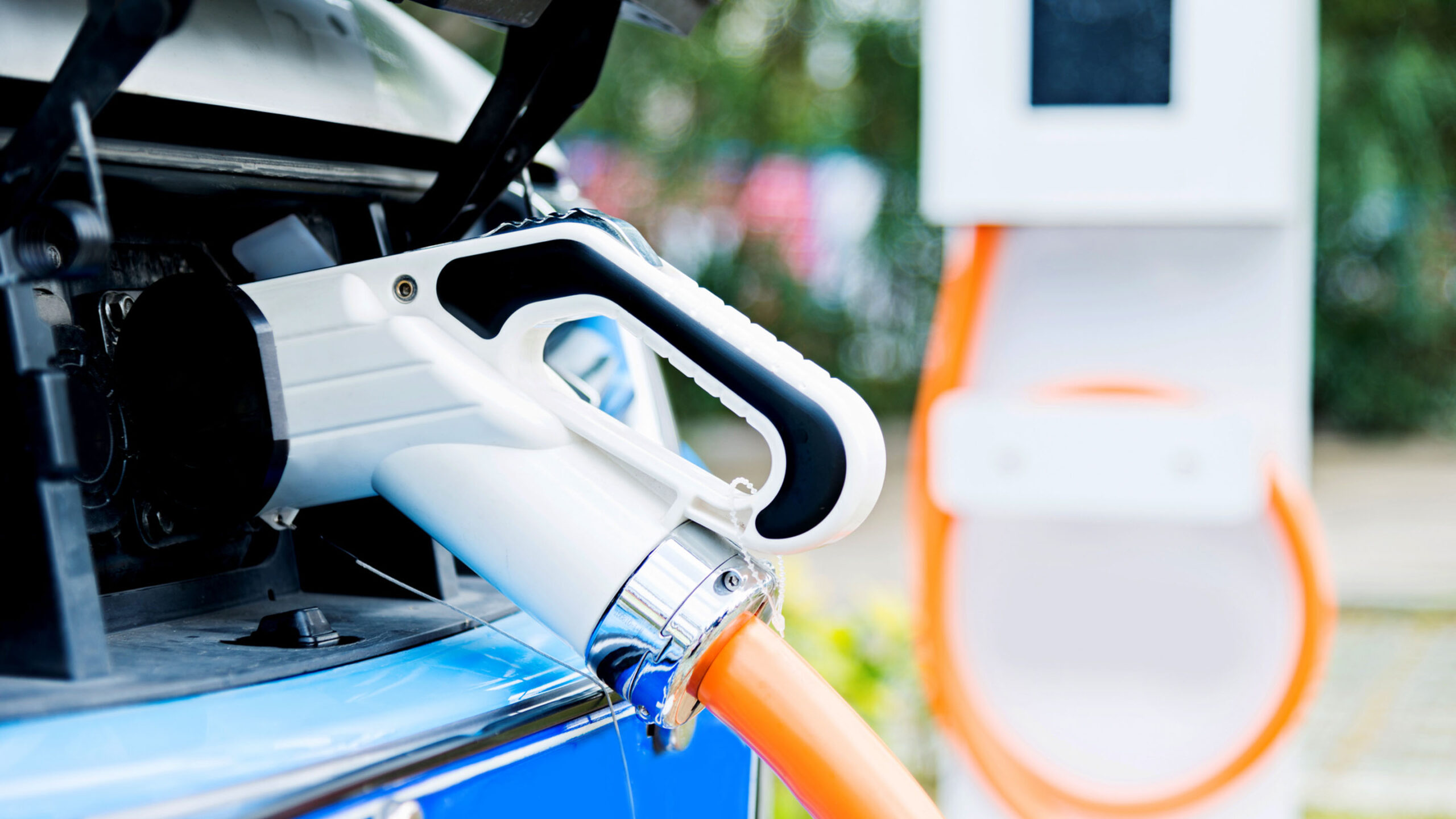
Battery-electric cars accounted for 20.7% of the EU market through June, up from 15.6% a year earlier, with 1,220,890 units registered, according to ACEA. The shift toward electrified powertrains comes as the European steel industry grapples with six consecutive quarters of declines in automotive sector output, according to Eurofer, the European Steel Association. The divergence highlights how evolving vehicle technologies are reshaping material requirements even as overall manufacturing activity remains subdued.
“The market continued to benefit from robust consumer demand for a range of electrified technologies, driven primarily by market support measures,” ACEA said in its statement. Hybrid-electric vehicles lead as the most popular powertrain choice among buyers, while plug-in hybrids captured 9.8% of the EU market.
The transition to electric vehicles typically requires different steel grades and quantities than traditional internal combustion engine cars. A mid-size car contains approximately 900 to 1,400 kilograms of steel, according to Eurofer data, used in the body, powertrain, suspension, and other components. Battery-electric vehicles often require advanced high-strength steels for structural components to offset battery weight while maintaining safety standards.
Steel sector headwinds
The automotive sector remains the weakest major steel-using industry in Europe, with output declining for six consecutive quarters and remaining well below pre-pandemic levels, Eurofer said in its June economic report. After a small rebound of 0.8% in the third quarter of 2025, output contracted again in the fourth quarter by 1.3% due to multiple uncertainty factors, including overall manufacturing sector weakness and slower-than-expected EV uptake.
Eurofer now forecasts a further moderate decline of 0.2% in 2026, down from a previous forecast of 0.9% growth, reflecting ongoing trade and geopolitical tensions and energy price increases. The sector is expected to return to growth only in 2027, with a projected increase of 2.9%.
France led battery-electric car registration growth in the January-June period, surging 62.9%, followed by Germany at 48% and Denmark at 41.2%. These three markets, along with Belgium, accounted for 63% of all battery-electric car registrations in the EU. Belgium posted a more moderate increase of 8.2%, compared with the larger markets.
Hybrid-electric vehicles remained the most popular powertrain choice, with 2,198,148 units registered, accounting for 37.3% of the EU market. Plug-in hybrid registrations totaled 577,735 units, representing 9.8% of EU registrations, up from 8.5% in the same period of 2025.
The combined market share of gasoline and diesel cars fell to 29.7% from 37.8% a year earlier. In the first six months of the year, gasoline car registrations declined 17.2% to 1,309,153, and the market share for gasoline fell to 22.2% from 28.4% in the first half of 2025.
Diesel car registrations declined by 16.5%, accounting for 7.5% of new car registrations, down from 9.4%.
As a highly export-oriented industry, the EU automotive supply chain remains particularly exposed to energy and trade shocks, Eurofer said. The steel association noted that persistent geopolitical headwinds continue to weigh on the outlook for both the automotive and steel sectors.
The shift toward electrified vehicles could eventually support steel demand recovery if production volumes rise, though the timeline remains uncertain amid ongoing macroeconomic pressures and trade tensions affecting European manufacturing.
Platts, part of S&P Global Energy, assessed imported HRC in Northern Europe at Eur585/mt CIF Antwerp July 22, up Eur5/mt, and in Southern Europe at Eur580/mt CIF Southern Europe, stable day over day.
Author: Annalisa Villa