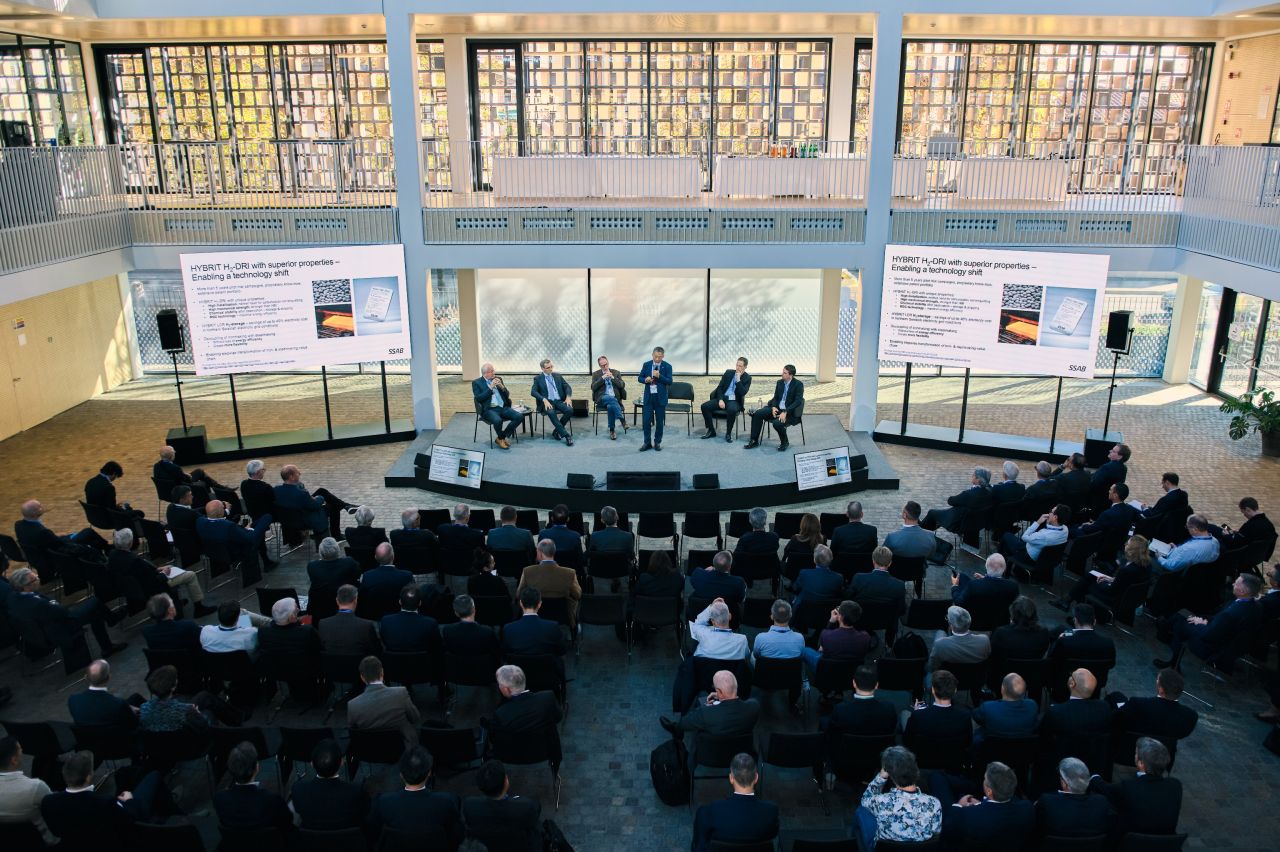
Low-cost clean energy availability continues to hold back steelmaking decarbonisation in Europe, with innovation the key to breaking the deadlock. Energy infrastructure is as dependent on steel as steelmaking is on energy supply. So was the conclusion of speakers at the Association for Iron and Steel Technology (AIST)’s European Steel Forum.
“Energy is the elephant in the room,” AIST chairman Ron Ashburn said on Tuesday in his address to open the conference held in Udine, Italy, and attended by Kallanish. He was quick conceding that it is not the only elephant these days, with artificial intelligence increasingly becoming a game changer in industries.
High costs in many European countries and the shortage of green energy to convert successfully to green steelmaking are dramatic challenges for European mills. Delegates noted that this is slowing down the transition to green steelmaking.
If, for example, Austrian steelmaker voestalpine would be able to produce steel with net zero CO2 output, using 100% renewable energy, “we would account for 50% of Austria’s energy consumption,” said Thomas Bürgler, chief executive of K-1 Met. The company is a research unit of voestalpine, Primetals and Austria’s Linz and Leoben Universities.
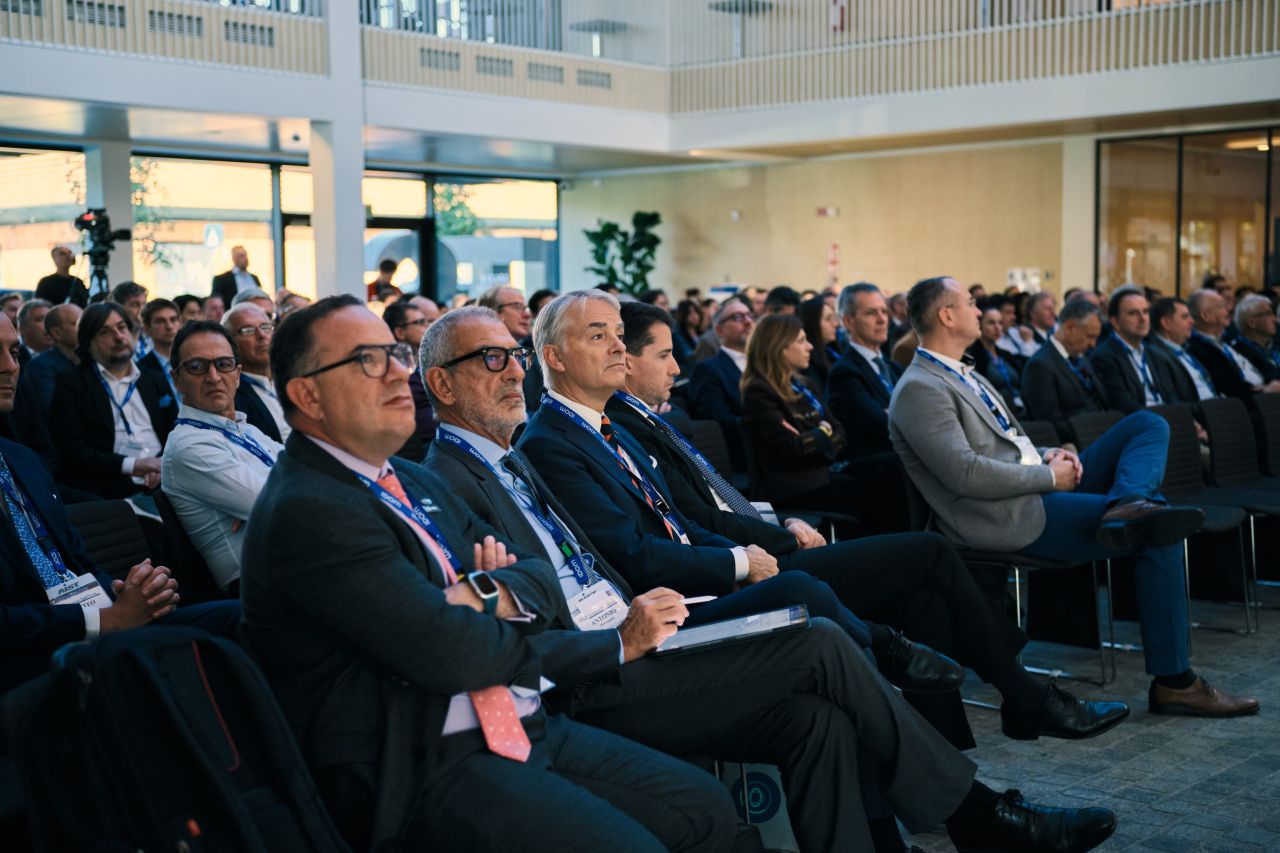
Antonio Marcegaglia, head of family-owned Marcegaglia group, expressed his own thoughts on the matter. Reasonably priced clean energy in Europe is available only in the Nordics and, to a lesser extent, harnessing solar power in the south. Hydropower and wind are not possible everywhere, he said. “We spend a lot of effort on renewable energies, but if you look at the return on investment, it is unproportional,” he noted, adding that he considers nuclear energy an option.
For Stahl-Holding Saar (SHS) and its companies Dillinger and Saarstahl, nuclear is however not an option. This is not only because Germany has banned nuclear energy, but also because of EU directives which exclude the use of nuclear energy in funding approval.
“That is how it is laid down in the Renewable Energy Directive 2,” Wim van der Stricht of the European Steel Technology Platform (ESTEP) informed Kallanish on the sidelines of the conference. The organisation is currently working on the third version of the Directive, he added.
“Just as steel needs energy, energy needs steel,” Ashburn said on the mutual dependence between the two industries. As part of this tricky relationship, “innovation will determine the winners, which will be the early adaptors”, he asserted.
He pleaded enthusiastically for the support of research and development. “If we get this right, we will improve the planet, and it will be a win-win-win game,” he said.
Closing his presentation, he directed the audience’s attention to AIST’s campaigns, supported by ArcelorMittal and SSAB among others, to raise awareness of steel’s applications among the general population.
Author: Christian Koehl Germany