The global steel sector is seeking to understand the short- and long-term impacts of the current conflict in the Middle East which escalated over the weekend, Kallanish observes.
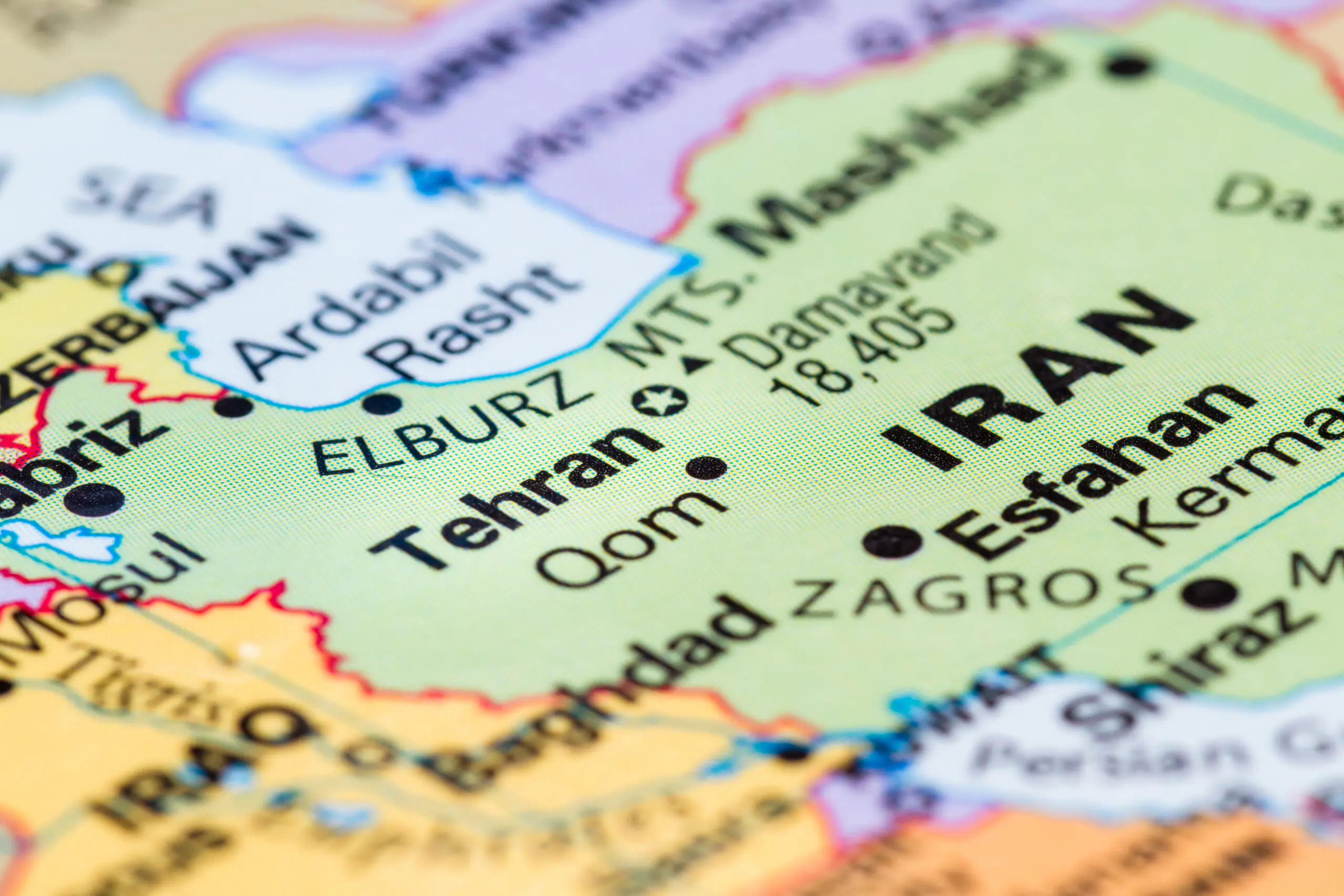
A notable area of concern is the Strait of Hormuz now being largely impassable, resulting in energy price volatility and potentially higher steelmaking costs.
“The Strait of Hormuz is the single most important chokepoint in global energy trade, and it now sits in an active warzone. Even without a formal blockade, the commercial consequences are already unfolding: insurers are cancelling cover, shipping premiums are spiking, and vessels are re-routing or pausing transits. The knock-on effects extend well beyond energy,” ING says in a note.
“The Iran war lands on a global trading system that had already been under stress from Trump’s tariff offensive and the lingering fragmentation of supply chains since Covid and the war in Ukraine,” it adds.
Jefferies analysts believe the closure of the Strait of Hormuz will directly impact the iron ore market, with Iran accounting for around 3% of global iron ore production and 1.5% of seaborne iron ore supply.
“The war will have an indirect impact on other commodities as a result of … rising and steepening cost curves due to higher energy prices and supply chain risks,” they note.
Traders say there is very little up to date information about the operational status of steel mills and ports in Iran due to lack of internet connection. They expect electricity supply in the country to likely be disrupted.
“Steel users mainly in Southeast Asia and ASEAN are waiting for Iranian steels,” says one trader. “The conflict will lead to decreased rates of loading and discharging, and cargo flows by ships.”
Iran’s exports of finished and semi-finished steel reached to 10.32 million tonnes during the first ten months of the current Iranian calendar year. Iron ore concentrate and pellet shipments amounted to 20.7mt.
Data by Navigate Commodities show Türkiye, Armenia and Pakistan as top destinations, accounting for 331,705t, 252,632t and 223,401t respectively.
United Arab Emirates and Saudi Arabia market participants meanwhile note that if seaborne raw materials and billet imports are diverted to arrive via Omani ports and then by road, this would increase steelmaking and conversion costs in the region.
As expected, oil and gas prices opened higher on Monday. Commodities analysts at ING saw ICE Brent open higher by as much as 13% initially, trading above $82/barrel.
“Perhaps more surprising is that the market has given back some of these gains, trading just 6% higher at the time of writing,” it adds.
“For gas markets, the real impact will be on European and Asian LNG prices. Around 20% of global LNG supply is at risk, leaving plenty of upside for European gas prices,” it adds, noting EU gas storage is below 30% full.
Veysel Yayan, Turkish Steel Producers Association (TCUD) general secretary, notes that besides affecting Gulf countries, the energy disruption would also directly challenge the United States’ strategic priority of keeping energy prices stable.
Yayan also highlights that competing steel producers across the globe would all be exposed to energy price fluctuations.
“Freight related to the Red Sea has increased a lot, and today a ship owner couldn’t give us an offer. For insurance we added a war clause, causing prices to increase,” one Chinese trader says.
“The relatively small container volumes that transit the Strait of Hormuz should mean the disruption will mostly impact shippers and markets in the region only, though the cutting off of Jebel Ali will also impact ocean volumes that typically continue on from the UAE by air,” notes global freight marketplace Freightos.