Italian passenger car production plunged again year-on-year in July and fell in the first seven months of the year, a member of automotive association Associazione Nazionale Filiera Industria Automobilistica (Anfia) confirms to Kallanish.
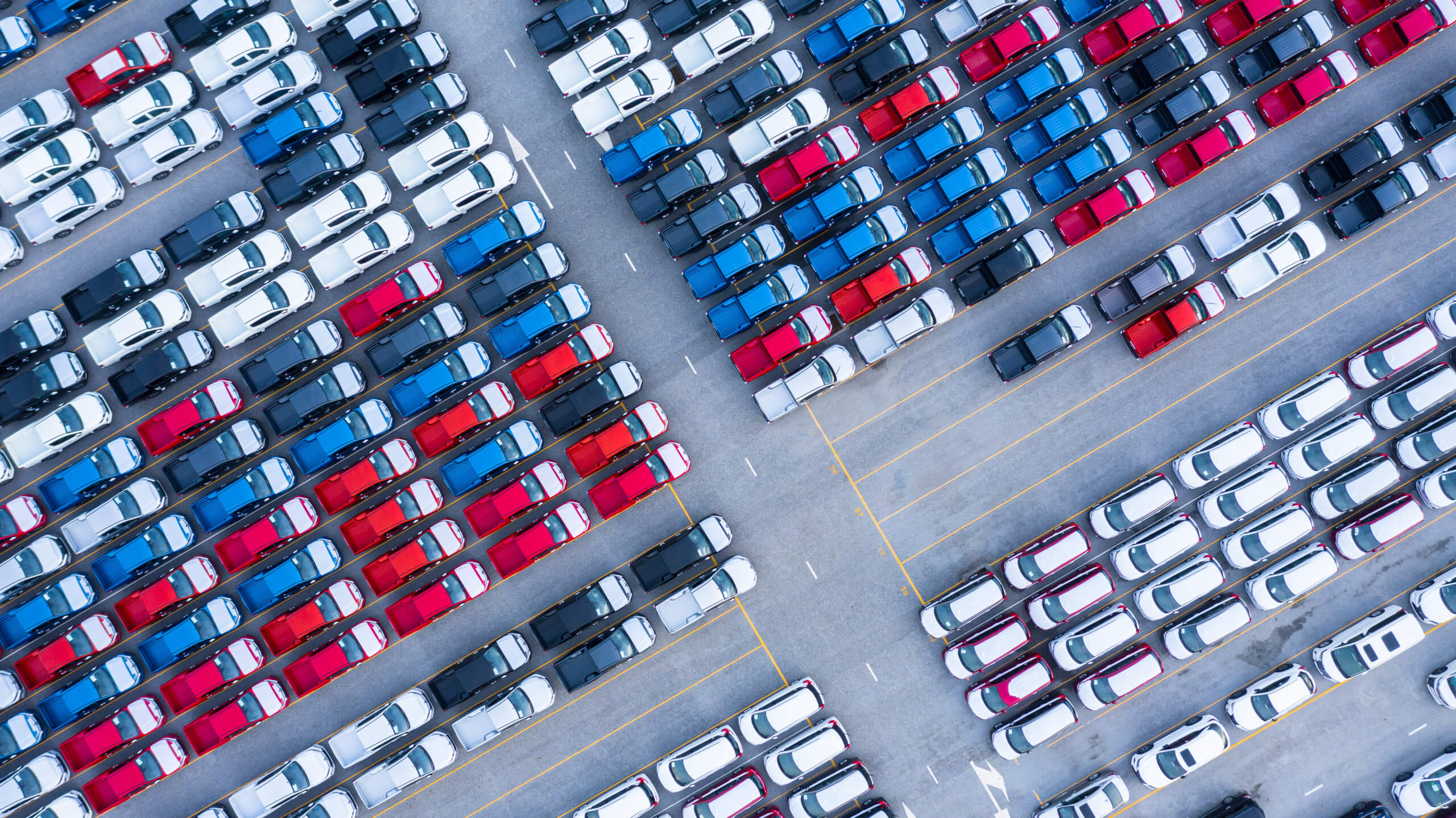
Car output stood at 16,899 units in July, down by 33.9% on-year. In the first seven months, output fell 31.8% on-year to 153,339 units.
By comparison, the UK recorded a hefty y-o-y decline in July of 31.5% to 69,100 cars and a more moderate 5.5% decline to 454,900 units in January-July. German production ticked up in July and January-July by 5.6% to 347,100 cars and 5% to 2.5 million units, respectively, according to Anfia data.
Italian car output in 2024 declined 42.8% versus 2023 to 309,758 units. The total number of vehicles produced in the country last year, including heavy duty vehicles, amounted to 519,000 units, reflecting a 32.3% decline compared to 2023.
On 16 September, European Commission President Ursula von der Leyen and Mario Draghi opened a conference to review progress on the recommendations from Draghi’s report published last year on Europe’s future competitiveness.
In a speech monitored by Kallanish, Draghi said the 2035 deadline for eliminating exhaust emissions was expected to trigger a virtuous cycle; clear targets would stimulate investment in charging infrastructure, expand the domestic market, drive innovation in Europe, and make electric vehicles more affordable. The batteries and semiconductors sectors were also expected to develop. But this has not happened.
The electric vehicle market has grown more slowly than anticipated. European innovation has lagged behind, models remain expensive, and supply chain policy is fragmented. In reality, Europe’s car fleet of 250 million vehicles is ageing, and CO2 emissions have declined only marginally in recent years.
“The foundations of Europe’s growth – expanding world trade and high-value exports – have weakened further … Our growth model is fading. Vulnerabilities are mounting. And there is no clear path to finance the investments we need,” noted Draghi.
Anfia reiterates the urgent need to act in line with the Draghi Report. In a note obtained by Kallanish it is calling for a revision of CO2 targets for the 2025-2027 period and a recalibration of the 2030 targets, suggesting an increase to 75-80 g/km. For 2035 it proposes both a five-year extension to compliance deadlines and a quota allowing up to 25% of vehicles to be non-BEVs.
The primary objectives of these proposals are the decarbonisation of mobility, the protection and competitive repositioning of the supply chain, and the achievement of technological sovereignty free from external dependencies. The association also seeks to enhance EU-made vehicle and component production, while calling for the introduction of a regulatory framework on local content.
Natalia Capra France