
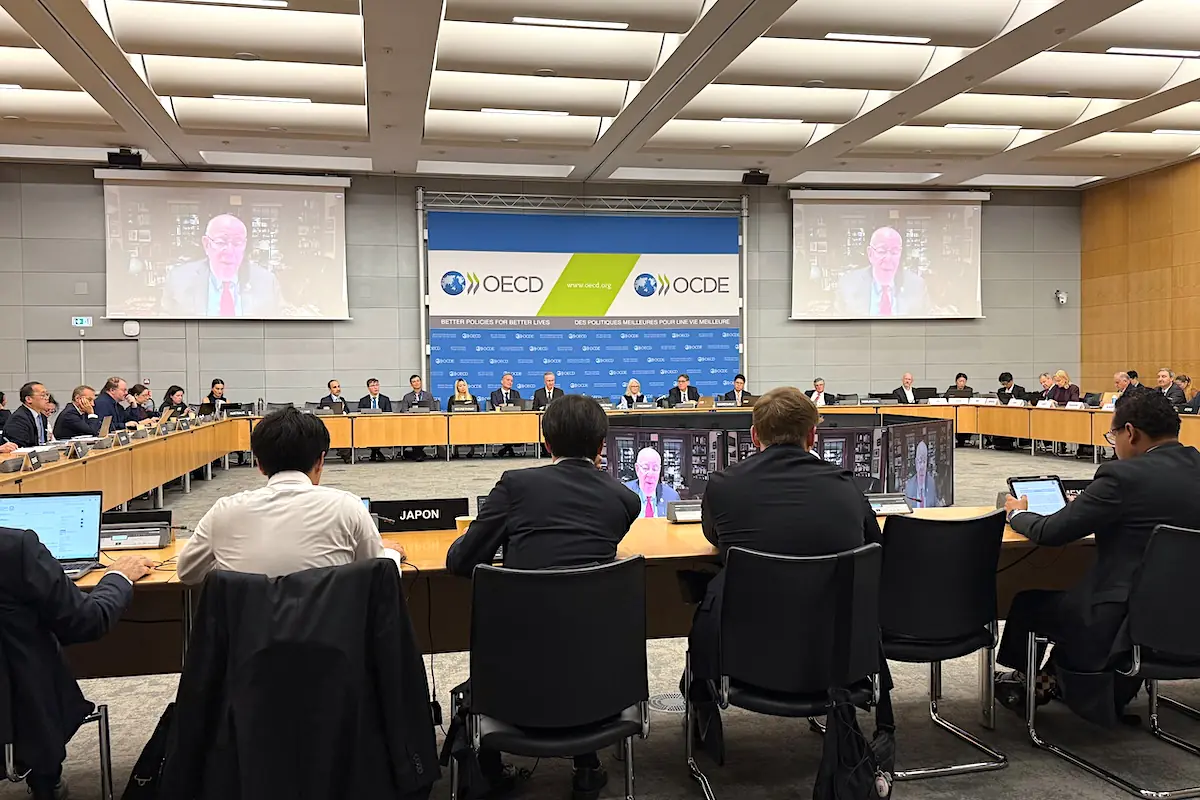
Latin America’s steel industry is facing mounting pressure from global excess capacity and rising imports, particularly from China, according to a new report published by the Organization for Economic Co-operation and Development (OECD) on November 17.
The report reveals that combined direct and indirect steel imports into the region’s six major steel-producing economies increased by 47 percent from 37.6 million mt in 2019 to 55.4 million mt in 2025, highlighting the region’s growing exposure to international steel trade imbalances. The OECD noted that approximately 40 percent of these imports consisted of indirect steel trade, referring to steel incorporated into manufactured products such as machinery, vehicles and fabricated metal goods.
China’s growing steel exports intensify competitive pressure
According to the OECD, China remained the dominant source of direct and indirect steel imports into Latin America, with combined volumes more than doubling between 2019 and 2025.
Meanwhile, Southeast Asian countries, particularly members of the Association of Southeast Asian Nations (ASEAN), have gained importance as suppliers to the region. However, the OECD found that Chinese steel reaching Latin America through third countries accounted for a relatively limited share of total flows, indicating that direct trade remains the principal transmission channel.
The report emphasized that conventional steel import statistics do not fully capture the region’s exposure to global excess capacity, as substantial volumes of steel also enter Latin American markets through downstream manufactured products.
Import penetration rises as capacity utilization remains low
The OECD highlighted that increasing import penetration has significantly weakened the competitiveness of Latin American steelmakers.
In the six major steel-producing economies, steel import penetration increased from 33.8 percent in 2019 to 40.3 percent in 2025. Direct steel imports from China alone accounted for approximately 13 percent of regional steel demand in 2025, compared with 7 percent in 2019.
Despite regional steel demand reaching approximately 76.7 million mt in 2025, domestic steel producers continued to face difficulties maintaining production levels, with capacity utilization remaining at an unsustainably low level of around 60 percent.
The OECD also found that steel originating from China and ASEAN, whether imported directly or incorporated into manufactured goods, accounted for more than half of foreign-sourced steel consumed in the region in 2024.
Regional steel trade and exports decline sharply
The report revealed that growing import competition has also undermined regional steel trade, with trade among the six major Latin American economies falling by 45 percent between 2019 and 2025.
Chile and Colombia recorded particularly sharp declines in regional sourcing. The share of Chile’s steel imports originating from other major Latin American economies decreased from 18 percent in 2019 to 5 percent in 2025, while Colombia’s corresponding share fell from 40 percent to 9 percent.
Meanwhile, Brazil and Mexico experienced substantial losses in export competitiveness. Brazil’s steel exports declined by approximately 34 percent from nearly 12 million mt in 2019 to 7.8 million mt in 2025, while Mexico’s exports fell by the same percentage from around 5 million mt to 3.3 million mt.
The OECD warned that rising import competition, combined with high energy and logistics costs, infrastructure constraints and insufficient investment, has increased concerns over potential deindustrialization and the loss of high-quality manufacturing jobs across the region.
OECD highlights need for stronger trade defense and international cooperation
In response to these developments, the OECD emphasized the importance of coordinated international action to address the underlying causes of global steel excess capacity, particularly market-distorting subsidies and other non-market policies and practices.
The report raised the question of whether Latin American countries should strengthen their regional trade defense framework as excess-capacity-related exports and trade diversion increasingly affect domestic steel industries.
The organization also highlighted the importance of cooperation with international partners through existing plurilateral mechanisms, particularly the Global Forum on Steel Excess Capacity (GFSEC), to address structural market distortions rather than focusing exclusively on individual import flows.
Furthermore, the OECD’s analysis underscored the importance of monitoring indirect steel trade and tracing the original production sources of steel embedded in manufactured goods, as conventional customs statistics alone may underestimate the region’s exposure to global excess capacity.
The report concluded that stronger international policy coordination is essential to limiting the adverse effects of excess capacity on Latin American steel producers, preserving regional industrial competitiveness and addressing the long-term risks associated with increasingly distorted global steel markets.
Author: SteelOrbis Editorial Team