EU reintroduces country-specific sections safeguard quotas
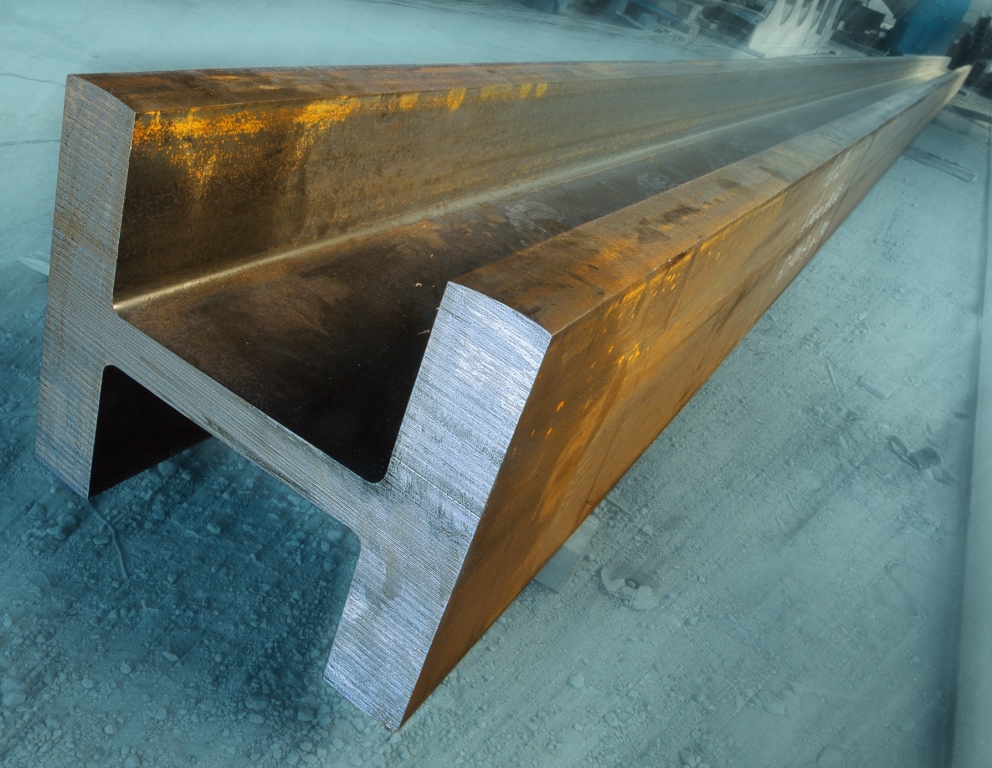
The European Commission has removed, effective 1 July, the 15% cap on the category 17 angles, shapes and sections EU safeguard quota. It will also re-introduce country-specific quotas for the UK, Türkiye and Korea, and reinstate the residual quota without a cap, Kallanish notes.
The 15% cap was introduced recently because of undue crowding out of certain traditional suppliers. However, that country-cap is affecting the traditional trade flows of certain trading partners, restricting their access to duty-free volumes to levels below their historical trade levels, the Commission notes.
As part of the upcoming change, the country-specific quota holders will not have access to the residual quota during the last quarter of a safeguard year.
The measure applies to HS codes 7216 31 10, 7216 31 90, 7216 32 11, 7216 32 19, 7216 32 91, 7216 32 99, 7216 33 10 and 7216 33 90. Ukraine will have a quarterly quota exceeding 31,600t, the UK 27,500t, Türkiye 22,800t and Korea 5,000t, with the residual quota at 12,555t.
The duration of the measure remains until 30 June 2026 and the rate of liberalisation remains 0.1% yearly.
Consultations on the change will take place, either in person in Brussels or in a virtual setting, from 12 June until 19 June.
Adam Smith Poland

European HRC prices hold firm as market eyes quota decision
European hot-rolled coil prices remained largely stable on Feb. 20, with sources pointing to a combination of cautious buying and expectations of further increases amid ongoing discussions on safeguard quotas and import restrictions.
Market sentiment was mixed, with mills and traders closely monitoring developments on the European Commission’s safeguard measures, expected to be announced later this week, some sources noted. While some market participants remained confident that the quota adjustments would help stabilize domestic prices, others were concerned about persistently weak demand.
A mill source highlighted the uncertain demand outlook. “We have taken the projection that there will be no growth in Europe,” the source said. “Real demand is still concerning, and many buyers remain risk-averse. That being said, restocking later in the quarter could provide some support.”
Despite these concerns, domestic mills continued to push for higher prices. Tier 1 mills in Northwest Europe were reported to be offering HRC at a minimum of Eur600/mt ex-works Ruhr, with tradable values ranging at Eur600-630/mt for specialty applications. Meanwhile, in Iberia, tradable values were reported at Eur610-620/mt ex-works.
A trader noted that higher import costs had limited the competitiveness of non-EU suppliers, helping to support European prices.
“Imports aren’t very attractive right now due to quota risks, taxes, and uncertainty around arrivals. That should continue to prop up domestic prices,” the source said.
Offers for imported HRC into Northwest Europe were heard at Eur550-560/mt CIF Antwerp from Indonesian suppliers for June arrival, while in South Europe, Turkish material was reported around Eur600/mt CIF Italy, duty paid.
In addition to the safeguard discussions, sources also cited supply-side factors as a key influence. “Some mills are stepping back from the market as they look to return with higher prices,” a distributor said.
Meanwhile, carbon-accounted HRC offers were heard at Eur200/mt, although volumes in this segment remained small.
Platts assessed HRC in Northwest Europe at Eur605/mt EXW Ruhr, stable on the day. Platts assessed HRC in South Europe at Eur610/mt EXW Italy, up Eur10 on the day.
Platts assessed imported HRC prices in Northwest Europe at Eur550/mt CIF Antwerp and South Europe at Eur550/mt CIF Italy, both stable on the day.