Hybrit initiative presents final report
Sweden’s Hybrit initiative will present the results of six years of research into fossil-free direct reduced iron-making technology in a final report to the Swedish Energy Agency, Kallanish learns from SSAB, a partner in the project.
Hybrit is a collaboration between SSAB, mining company LKAB and energy company Vattenfall, which have received several patents based on the results. The project is now continuing in the next phase where the process is to be implemented on an industrial scale.
The pilot phase resulted in the development of a new hydrogen-based technology for efficient fossil-free iron and steel production with 0.0 tonnes of CO2 emissions per tonne of steel. It also developed a new fossil-free iron product – sponge iron – that has significantly better properties than iron reduced with fossil gases such as natural gas. It also produced an efficient process practice for melting fossil-free sponge iron into crude steel in an electric arc furnace.
The project is the first in the world to demonstrate that the fossil-free value chain – from iron ore to steel – works on a semi-industrial scale. So far, more than 5,000 tonnes of hydrogen-reduced iron have been produced at the pilot plant in Luleå. Customers such as Volvo, Epiroc, Peab and many more are already using the fossil-free steel in vehicles, heavy machinery, buildings and consumer products.
Christian Koehl Germany
Swedish steel output falls further on-year
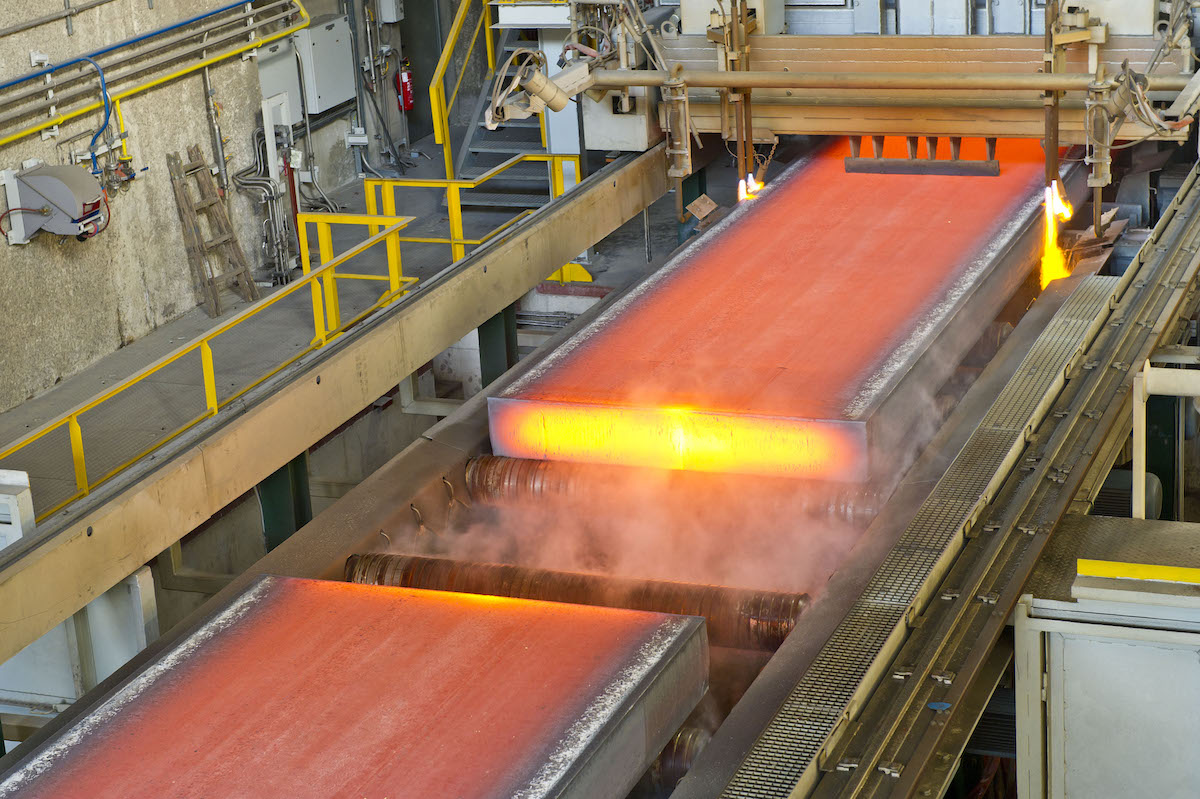
Sweden’s crude steel production decreased in June compared to the same month last year, and over the corresponding half-year periods, Kallanish learns from the country’s steel federation Jernkontoret.
In June, 356,000 tonnes of crude steel were produced in Sweden, which is 2.6% less compared to June 2023. During the first half of the year, a total of 2.18 million tonnes of crude steel were produced by Swedish mills. This is a decrease of 3.8% compared to the same period last year, the association notes.
Output in the first six months of 2023 was already 4.5% less than in the first half of 2022. A gentle uptrend occurred this year in March and April, which showed some increase year-on-year.
The production statistics are compiled by Jernkontoret and are based on data from eleven crude steel manufacturing plants in Sweden.
Christian Koehl Germany
Swedish SSAB chooses Danieli to build new Lulea mill
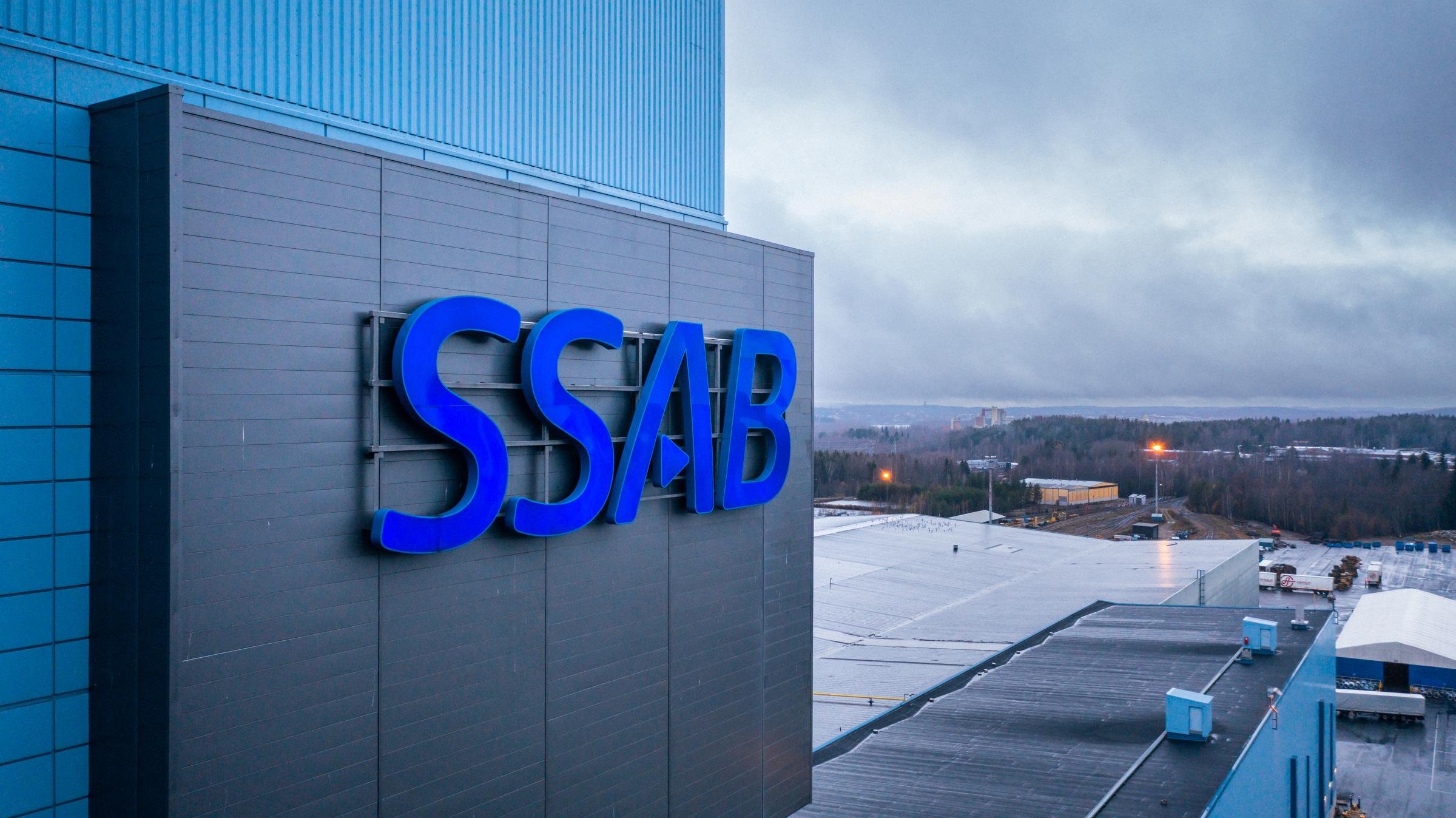
Swedish steelmaker SSAB has awarded Italian steel plant maker Danieli to build a new mill in Lulea, northern Sweden, the two companies said July 15.
The plant will have a capacity of 2.5 million mt/year and consist of two electric arc furnaces, a secondary metallurgy facility and a direct strip-rolling mill to produce SSAB’s specialty products, along with a cold rolling complex.
The new mill will be supplied with a mix of fossil-free sponge iron from the Hybrit demonstration plant in Gallivare and recycled scrap.
The overall selected configuration of Danieli technology will allow SSAB to produce a wide range of hot-rolled strip in coil-to-coil and semi-endless modes, resulting in a product portfolio expansion incorporating a fully electric tunnel furnace to ensure a minimum carbon footprint, the press release said.
The startup of the new mill is planned for the end of 2028, with full operating capacity one year later with environmental permits that are expected at the end of 2024.
When completed, SSAB will decommission the existing blast furnace-based production system in Lulea and this will reduce Sweden’s CO2 emissions by 7% in addition to the 3% from the other company’s mill conversion in Oxelosund.
Platts, part of S&P Global Commodity Insights, assessed Northwest European hot-rolled carbon-accounted coil stable on the day at Eur750/mt ($818/mt) ex-works Ruhr July 12.
Annalisa Villa