


European Staal growing and investing in Europe
At a time when large parts of Europe’s steel value chain are under increasing pressure, European Staal is pursuing a different path, centred on industrial recovery, reinvestment and long-term development within Europe.
Around a year and a half ago Belgian investor Amaury Hellssen took over several former subsidiaries of the Russian Mechel Group located in Belgium, Netherlands, Austria, Czech Republic and Germany. According to a press release issued by the company, the first months following the acquisition were marked by significant operational and structural challenges inherited from the former ownership.
Thanks to sustained efforts by the management teams across the group’s subsidiaries, combined with strong commitment from employees, European Staal progressively stabilised its operations. In 2025, the group succeeded in restoring its market position, and the current year is expected to mark its return to profitability.
For Amaury Hellssen, however, financial recovery alone is not the end goal. “My objective is not simply to make the various entities of my group profitable,” he explains, “but rather to implement innovative, environmentally responsible solutions to ensure the future of the companies I have acquired.”
In line with this ambition, European Staal has already invested in modern, high-quality equipment designed to reduce energy intensity and improve operational efficiency. At the same time, the group is assessing options to improve the environmental performance of its industrial sites. As Hellssen notes, “we have already invested in less energy-intensive equipment, and we are also exploring how to make our buildings more eco-friendly.”
The group is also expanding the range of solutions offered to its customers. Through the integration of Technochim, a newly acquired subsidiary specialised in surface coating technologies, European Staal will soon be able to deliver higher value-added finished products. These solutions are expected to serve demanding sectors such as luxury goods, pharmaceuticals, automotive and chemicals.
Looking ahead, European Staal’s development strategy continues to evolve. Negotiations are currently underway for the acquisition of an additional company in Austria, which would further complement the group’s service offering. In parallel, the group intends to rely heavily on its partnership with Technochim to develop new areas of activity in France, Belgium, Germany and Austria. “The story will not end here,” Hellssen emphasises. “We are already preparing the next steps and I look forward to reviewing where we stand in a year’s time.”
Source: europeanstaal.eu
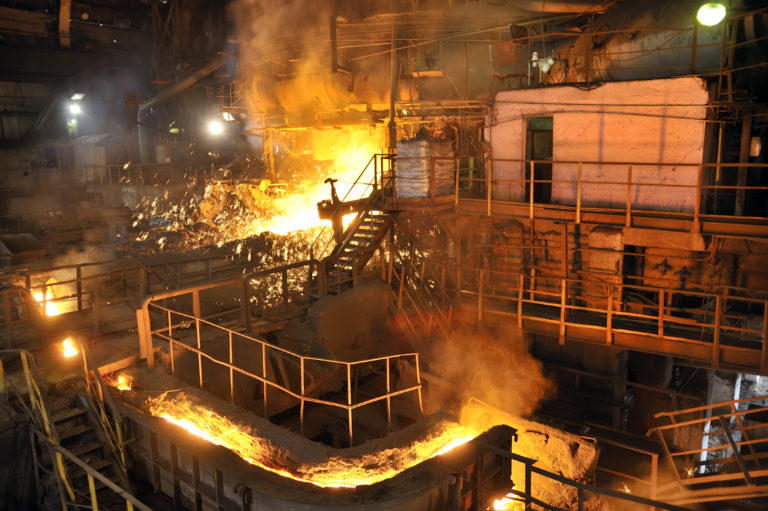
UMB Steel orders technology to revive Oțelu Roșu production
Romania’s UMB Steel has contracted SMS to provide a Continuous Mill Technology (CMT) 700 mill to enable 700,000 tonnes/year of bars, compact coils, and wire rod production in a continuous endless process.
The new unit, the first in Europe, upgrades the existing Oțelu Roșu plant infrastructure by enabling the uninterrupted production of long products from scrap by continuously feeding cast products from the meltshop to the rolling mill, SMS tells Kallanish. Process lead time from scrap to finished product is approximately 120 minutes, guaranteeing minimal carbon emissions and high production efficiency.
UMB Steel aims to meet increasing demand for sustainable construction materials, primarily supporting the UMB group’s highway construction operations.
SMS will deliver the plant on a single source basis, delivering mechanical, electrical and automation systems to integrate the new caster and rolling mill into the existing Oțelu Roșu steelmaking complex.
The electric arc furnace-based mill has been out of action since 2012, when it was known as Mechel Ductil Steel Otelu Rosu under its former Russian owner.
The new mill will reduce CO2 emissions up to 30% since no natural gas is required for billet reheating. It is designed for a flexible production mix thanks to the combination of a vertical compact coil (VCC) system for coils weighing up to 8 tonnes, a wire rod line for high-carbon construction grades produced in a billet-to-billet process, and a straight bar finishing area, SMS says.
No information was provided on the condition of the EAF or date for new mill commissioning.
Dorinel Umbrărescu-owned road construction conglomerate UMB group acquired the Oțelu Roșu steel plant in late 2024. It also recently agreed to purchase the Romania-based Hunedoara steelworks from ArcelorMittal.


Italy seeks faster CBAM extension to downstream products
Italy is calling for a faster extension to the scope of the Carbon Border Adjustment Mechanism (CBAM) to downstream products, calling the current proposed start date of 1 January 2028 too distant, Minister of Enterprises and Made in Italy Adolfo Urso says.
The comments were made at a recent meeting in Rome with representatives from other ministries and industry associations, including Federacciai, Italy’s steelmakers’ association.
Urso noted that the scope of finished products covered by an expanded CBAM must be carefully defined to protect industrial value chains and avoid market distortions. He added that any potential inclusion of ferrous scrap should be considered. Clarity is also needed on how the temporary decarbonisation fund – designed to support exports – will operate, as well as any CBAM anti-circumvention mechanisms.
Regarding the review of the EU Emissions Trading System (ETS), Urso said it should take into account the first evidence emerging from CBAM and address existing market distortions, starting with excessive price volatility linked to speculation.
He added that for some energy-intensive sectors, climate neutrality remains technically and economically unachievable at present, effectively turning the ETS into an additional form of taxation. In this context, maintaining free allowances beyond 2034 would represent a balanced choice to recognise the efforts of companies already engaged in decarbonisation.
2026 must be the year of reform and a turning point. “The Commission now needs to take bold and pragmatic decisions to defend and revive European production in the most exposed sectors, such as automotive and energy-intensive industries,” Urso states in a ministry note obtained by Kallanish.

Another German OEM closes its doors: KMS Gesenkschmiede Solingen plant put up for sale
KMS Gesenkschmiede, a recognised specialist in high-precision forged components, has initiated the sale of its drop forging and machining facility in Solingen, appointing KRUDO to manage the transaction.
The decision forms part of a broader restructuring effort as the German and European forging industries face sustained economic and structural pressures. For many years, KMS Gesenkschmiede supplied fully automated, high-precision forged components with complex geometries to a wide range of industrial customers, including major automotive manufacturers such as Audi and Volkswagen.
Located in Solingen, historically regarded as the heart of German forging expertise, the facility represents a highly advanced industrial platform. It combines multiple automated forging lines with extensive machining and toolmaking capabilities, including equipment installed as recently as 2023. Over the years, the site has enabled the production of first-class quality components meeting the most demanding technical standards, reflecting a long tradition of German engineering excellence.
According to KRUDO, the sale has already attracted strong interest from manufacturers outside Europe, notably from India, Türkiye and other Asian markets, seeking to acquire complete production setups. Commenting on the transaction, Sivakumar Krishnaprasad, Country Head of KRUDO India, highlighted the exceptional technical level of the facility, noting that it was designed to manufacture some of the most complex hot-forged components using state-of-the-art machinery combined with German engineering know-how. At the same time, all machinery and equipment remain available for sale either as a complete package or in partial lots, offering flexibility to potential buyers.
The sales process is expected to be completed by the end of the first quarter of 2026, enabling the removal and relocation of machinery by the end of the year. KRUDO’s role includes buyer matchmaking and the facilitation of the end-to-end relocation of German-engineered equipment to its new destination.
Beyond the transaction itself, the closure of yet another German forging site underscores the growing challenges facing Europe’s manufacturing base. While the technological assets remain highly attractive on a global scale, their potential relocation outside the European Union raises pressing questions about industrial competitiveness, supply chain resilience and the long-term preservation of strategic manufacturing capabilities in Europe.
Source: krudoind.com
Kloeckner acquires Pennsylvania stainless service centre Camalloy
Kloeckner Metals (KMC) has announced the acquisition of Camalloy, a stainless steel and aluminium service centre in Pennsylvania. This strategic move aims to enhance Kloeckner’s ability to deliver solutions across the sector, particularly in its core automotive and industrial end markets, supported by a more integrated North American supply chain, Kallanish learns from press release.
Camalloy serves a diverse regional customer base across the Mid-Atlantic and Midwest with shortened lead times and consistent material availability. The facility in Washington, Pennsylvania, serves key markets across Pennsylvania, Ohio, New Jersey, New York, Indiana, Maryland, Delaware, Kentucky and West Virginia. The acquisition bolsters Kloeckner’s regional delivery coverage while enhancing its support for industrial customers..
The 35,000-square-foot space is equipped with shearing and PVC application capabilities, expanding Kloeckner’s processing footprint and expertise.
John Ganem, chief executive of KMC, comments: “Camalloy raises the bar for our non-ferrous business, helping us deliver faster service and more dependable supply to stainless and aluminum customers.”
KMS operates as a subsidiary of Klöckner & Co with about 2,800 employees in 45 sites in the US and Mexico.
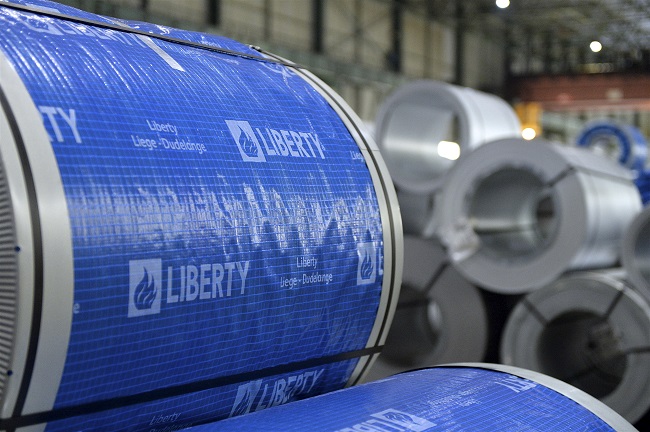
Liberty Galati to auction mill in March: reports
Troubled Romanian steelworks Liberty Galati will seek a strategic investor to acquire its steel mill through a tender in March, says Remus Borza, president of Euro Insol, the company’s bankruptcy administrator.
“We will organize the international auction on 12 March and the participation guarantee will be 7%,” he is reported as saying in Ziarul Financiar.
“The asset valuation was carried out by the Romanian company Darian, which specialises in industrial and real estate asset valuations. As part of the sale procedure, 13 investors have expressed interest in taking over the plant so far,” he adds.
Among those interested are industrial groups from India, China, Turkey, Ukraine and Iraq, as well as the Romanian company UMB Grup, Kallanish notes.
Also on the list of potential buyers are JSW Steel and Jindal Group from India, DeLong Steel from China, KMC Steel from Turkey, Galiawa Group from Iraq and Metinvest from Ukraine. The Ukrainian group is already present in Romania, after its acquisition of the ArcelorMittal Tubular Products factory, which completed in December.
Liberty Galati and Euro Insol had not replied to requests for comment by Kallanish at the publication deadline.
Liberty Galati has amended an earlier restructuring plan proposed by the two administrators, which was approved by the Galati County Court.
The plant has annual production capacity of around 2.5 million tonnes of steel for the construction, naval, oil and gas, and power generation sectors. It was acquired by Liberty Steel Group from ArcelorMittal in July 2019.
The plant is part of the Liberty Group and entered into a preventive arrangement in March 2024, in an attempt to avoid bankruptcy. Since then, the plant’s activity has been severely affected.
Last summer, Liberty Galati resumed operations at its metallurgical plant following a pause of almost a year.

CBAM to strongly impact European plate market
Heavy plate prices and availability will be particularly impacted by the Carbon Border Adjustment Mechanism (CBAM), according to German consultant Andreas Schneider of Stahlmarkt Consult.
In contrast to most other products, Europe’s plate market is a hungry absorber of slab as the semi-finished input material used by many re-rollers in Italy, and other countries. The CBAM fees will be imposed on imports of plate as well as slab, meaning that this value chain will see barriers on both channels, Schneider says.
“The effect of CBAM on the costs of heavy plate and slab is even more unclear than for other product groups,” he tells Kallanish. The fee on plate could well range between €100-300/tonne ($118-354/t), he adds.
The EU’s gradual phasing out of Russian slab until 2028, or its potential ban from July this year as part of the new trade regime, has already caused a diversion to Asian sources. But countries like China and Indonesia will easily face default fees of €300/t or more, which will render them unattractive.
Most recently, slab from traditional Asian suppliers, excluding CBAM costs, were still reported at around $520/t cfr southern European ports (see Kallanish 30 January).
Among European re-rollers, the subsidiaries of NLMK in Belgium and Denmark are most dependent of material from Russia and will need to gradually divert to other sources. Although European mills have excess capacity of slab for coil production, these are normally thinner and cannot be easily used for rolling heavy plate.
European integrated mills are reportedly tempted by the low prices of Russian and Brazilian slab. Market sources suggest they occasionally do buy slab from import, rather than using their own production, and such transactions are sometimes heard in the market, but remain unconfirmed.
According to Schneider, “it’s one of the best-kept secrets – that [European] mills buy slab from overseas imports.”

Italian coil derivative prices increase
Coil derivative prices in Italy are rising sharply with buyers resuming purchases of tubes and sheet products amid higher coil prices linked to safeguard measures and the impact of CBAM, re-rollers and service centres tell Kallanish.
Some renewed buying interest is currently emerging for sheet and strip, as customers procure material in anticipation of further price increases. One source notes that higher price levels are welcomed, as they increase the value of existing inventories, but notes that it does not reflect a genuine improvement in real demand.
According to market participants, downstream consumption remains unchanged compared with last year’s levels.
The market has started the year slowly, with January remaining subdued following some restocking activity in December. However, hot rolled sheet contract prices have moved higher, rising from around €720/tonne ($852.79/t) base delivered at the start of January to €750–760/t this week, with higher grades reported at €780–790/t delivered.
These increases reflect price hikes implemented last week by service centres.
“Below these levels, service centres are unwilling to accept orders,” one source comments.
Several service centres warn that further price escalation could follow in the coming weeks, citing sharp increases in coil prices linked to CBAM and other protectionist costs.
The Italian market remains highly competitive due to its fragmented structure, but rising costs are reducing steel processors’ willingness to grant price concessions. Several market participants note that sheet prices continue to lag recent coil increases and will need to rise further in February.
Meanwhile, tube prices are also moving higher, with re-rollers this week narrowing discounts to around 40 points. A shortage of certain grades is emerging, driven by slow customs clearance of imported coils and production cuts.
One purchasing group says that while January started slowly, volumes for sheet and tube products were satisfactory overall. The group expects prices to continue rising in the coming weeks.
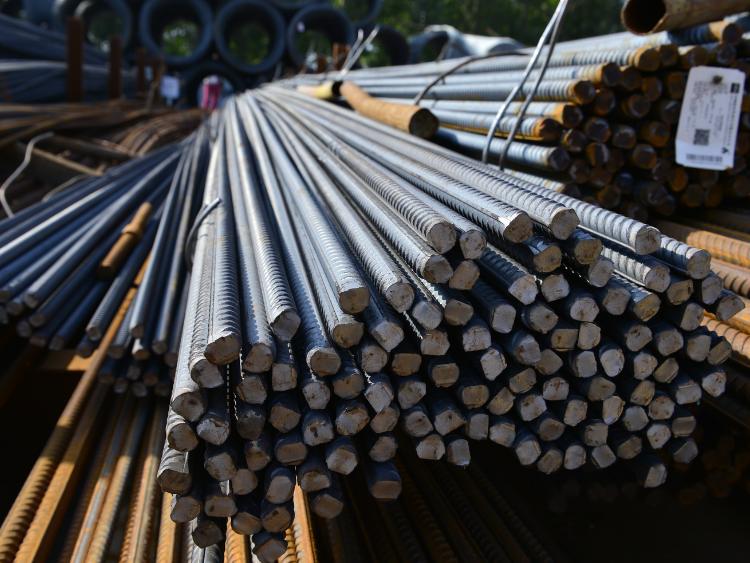
Italian rebar makers seek increases
Italian rebar prices are ticking up moderately, by around €10/tonne ($11.89/t), compared with early January. Producers are seeking new increases to €320/t base ex-works, driven by rising scrap costs, Kallanish notes.
Market activity, however, remained subdued in January and consumption is still weak following some year-end restocking in December. In central Italy, prolonged heavy rainfall has slowed construction activity and steel deliveries, a construction company and an agent confirm.
Despite this, producers’ determination to raise prices remains strong amid high production costs, with some mills quoting at as high as €350/t base ex-works. These increases are meeting market resistance, as consumption does not support higher levels.
Nevertheless, contract prices last week edged up from around €280/t base ex-works in mid-January to €290-300/t base. One seller reports concluding a single truckload sale at €320/t; a truckload represents around 30 tonnes.
Mesh prices are also ticking up to €390-400/t base ex-works, plus approximately €300/t in extras. Including size extras of €260-270/t, effective rebar transaction prices are currently assessed at €550-570/t ex-works, sources suggest.
Sidenor president becomes chairman of Spanish train manufacturer
The president of steelmaker Sidenor, José Antonio Jainaga, who heads the consortium that has taken control of Tren Articulado Ligero Goicoechea Oriol (Talgo), has been appointed chairman of the Spanish train manufacturer.
He will succeed Carlos de Palacio Oriol, who is stepping down after 38 years at the company. The handover marks the departure of the founding families from the top management of the Basque train manufacturer, Kallanish notes.
Last December, Sidenor acquired a 27.4% stake in Talgo’s share capital, paying €156 million ($185.9m).