

Tata Steel UK cuts Llanwern capacity utilization amid rising galvanized steel imports
Tata Steel UK’s Llanwern plant in South Wales is reportedly operating at around half of its capacity amid increased competition from lower-priced steel imports following changes to the UK’s tariff-free steel import quotas, according to the company’s announcement published by The Guardian.
The Llanwern plant, which produces approximately 600,000 mt of galvanized steel annually, accounting for nearly half of UK demand, has been experiencing insufficient orders to keep its production lines running continuously. Workers are reportedly being assigned maintenance and cleaning activities during periods when production lines are idle.
Higher galvanized steel quotas increase import competition
Although the UK introduced 50 percent tariffs on steel imports exceeding tariff-free quotas in July, quotas for certain galvanized steel suppliers were increased. India’s quota rose from 98,000 mt to 125,000 mt, while Vietnam’s quota more than tripled from 51,000 mt to 174,000 mt. South Korea was allocated a quota of 100,000 mt.
Tata Steel UK has raised its concerns regarding the situation with the UK government. Russell Codling, commercial director at Tata Steel, stated that the company’s Zodiac galvanizing line at Llanwern is already being significantly affected by the new quotas and that the current situation is not sustainable.
Pressure on Llanwern raises concerns over Port Talbot transition
Meanwhile, concerns have been raised that prolonged pressure on Tata Steel’s downstream operations could also affect the company’s transition to electric arc furnace-based steelmaking at its Port Talbot plant. Tata Steel is investing £1.25 billion, including a government grant of approximately £500 million, in a three million mt electric arc furnace at Port Talbot.
UK trade union Community has also called on the government to take stronger measures to safeguard Llanwern, highlighting the site’s role in supplying galvanized steel to the automotive and construction industries.
The UK government stated that its steel trade measure is intended to balance the protection of domestic production with maintaining secure supplies. It added that imports under the relevant product category are currently below the established quota levels and that it will continue monitoring the impact of the measure. The quota system is scheduled to be reviewed after 12 months.


Polish long steel prices remain largely stable amid subdued market activity
Polish domestic long steel prices remained mostly flat in the week to Friday August 21 as the market remained quiet following the recent seasonal slowdown during the summer months, Fastmarkets heard.
“Everything is slow with no demand, nothing is happening right now,” a source said.
During the week, offers for drawing-quality wire rod were reported within the range of 3,000-3,100 zloty ($811-838) per tonne, delivered, with no reports of trading activity heard from the market.
Fastmarkets’ weekly price assessment for steel wire rod (drawing quality), domestic, delivered Poland, was 3,000-3,100 zloty per tonne on Friday, narrowed upward from 2,990-3,100 zloty per tonne the previous week.
Meanwhile, for domestic rebar, prices remained stable.
“Nothing has changed recently, demand for rebars is very low and we don’t see any extra activity before September,” another Polish source said.
Mills’ offers were heard at 2,650 zloty per tonne CPT, while estimates of tradable levels were reported at around 2,650-2,680 zloty per tonne CPT.
Fastmarkets’ weekly price assessment for steel reinforcing bar (rebar), domestic, CPT Poland, was 2,650-2,680 zloty per tonne on Friday, unchanged week on week.

NW European coil price flat, some mills out
Coil prices in northwestern Europe are little changed, with at least one mill out of the market for now and not giving new offers.
According to various sources, the bottlenecks for shipping on the river Rhine with its low water levels has resulted in one mill cutting back on offers.
The mill tells Kallanish that “deliveries to customers are not at risk”. It is likely the mill is meeting existing order deliveries, but did not state if it is accepting new orders.
“I talked to one of their people only a day ago, and he would not give me an offer,” one steel service centre manager says, an experience echoed by other service centres.
To its customers, the mill refers to the waterway bottlenecks, causing limited supply of raw materials, and reduced production. The SSC manager wonders “how long that argument will be valid, but so far they use it to stay off the market”.
Elsewhere, another buyer says that he has also not received new offers amid a shortage of raw material arrivals.
Some buyers at German distributors have been told that the stand-off could last until the end of the quarter, “which for me means that it cannot be caused by the waterway problems,” a southern German buyer says.
A mill’s absence from the market – for whichever reason – can make sense in the current lull, with many German states still on school holidays.
The earlier announcement by the market leader mill to bring hot-rolled coil up to €740/tonne ($864/t) delivered has not been realised yet. Transactions remain sparse, with many believing there are some deals below this mark.
According to a Dutch manager, various orders for October delivery have been booked at steel mills at base prices ranging from €710-730/t ex-works.

Swiss Steel is selling its entire subsidiary in Brazil

Metinvest Adria seeks third partner for Piombino EAF project, construction may slip to 2027
Metinvest Adria, the joint venture between Ukrainian steelmaker Metinvest and Italy-based plantmaker Danieli, is working to bring a third investor into its project for the construction of a new electric arc furnace-based steel plant in Piombino, Italy, which is set to produce hot rolled coil (HRC).
According to Italian media reports, construction work could be postponed to spring 2027, implying a delay of around eight to ten months compared to the original schedule. The possible postponement is reportedly linked both to the complexity of the permitting process and to the need to complete the project’s financial structure. The overall investment is estimated at approximately €3.2 billion, including €285 million in public funding.
In particular, the pool of banks involved in financing the project has reportedly requested that the shareholder structure be strengthened through the entry of a third financial or industrial partner.
Metinvest Adria CEO Luca Villa stated that the company has already received several expressions of interest from infrastructure investment funds, industrial players linked to the steel value chain, as well as Italian and international steelmakers. The company is aiming to finalize the process by the end of October.
Meanwhile, the environmental authorization procedure is moving forward. Metinvest Adria said it submitted the additional documentation requested by the Tuscany regional authorities on August 11 and August 20, following a request for clarifications and supplementary information issued on July 20 as part of the environmental impact assessment (EIA) screening procedure.
According to the company, the procedure is progressing in line with the timeframe established by national and regional regulations. Following the submission of the additional documentation, the competent authority has 45 days to issue its decision. The current deadline for the completion of this stage is October 4, 2026, subject to any exceptional extension provided for by law.
Metinvest Adria also clarified that the submission of the supplementary documentation will not trigger a new 30-day public consultation period, as this stage has already been completed.
A further key step is scheduled for October 20, when Italy’s Ministry of Enterprises and Made in Italy (Mimit) will hold a new meeting to review the progress of the Piombino project.
As SteelOrbis previously reported, the Metinvest Adria project is one of the key elements in the broader plan to revitalize the Piombino steelmaking hub, alongside the industrial restructuring process involving JSW Steel Italy.

Romania approves new railway investment plan with potential support for steel demand
Romania has approved a new railway infrastructure development strategy for 2026-30, setting out a broad investment program focused on the renewal and modernization of the country’s rail network. Although no direct estimate for steel consumption has been included, the scale of the planned works could generate additional demand for rail and construction steel as projects move forward. This could offer some support to the domestic steel market, where consumption has remained subdued and infrastructure investments have so far provided only limited support to steel demand.
The need for railway renewal remains significant, with more than 9,700 km of lines, or close to 73 percent of the network, already overdue for renewal. Around €2.66 billion in funding is estimated to be needed during 2026-30 for the renewal of railway lines and critical infrastructure, while another €3.33 billion is envisaged for projects within the Trans-European Transport Network (TEN-T), the EU’s strategic transport network. The program covers track renewal, electrification, rehabilitation of bridges and tunnels, and other infrastructure works, providing potential demand for rails, rebar, structural steel and related products.
Nevertheless, Romanian market participants remain cautious regarding how much of the announced investment will translate into steel consumption. A local trader told SteelOrbis that the Romanian state is already struggling to finance ongoing works, while significant delays continue to affect existing projects, raising doubts over the feasibility of another large investment program. Financial pressure across the wider economy has also intensified, with 1,016 insolvency cases opened in July, up around 26 percent year on year, while insolvencies in residential and non-residential building construction increased by almost 48 percent. Against this background, the railway strategy could still offer meaningful support to steel demand, although its real contribution will depend on how effectively the planned investments are financed and brought into execution.

German finance minister calls for firmer China stance amid pressure on steel industry
Speaking in Bitterfeld-Wolfen, Klingbeil said Germany could no longer rely solely on traditional free-trade principles while China strengthened its competitive position.
“They’re not playing by the rules,” Klingbeil, a co-leader of the Social Democrats and Germany’s vice chancellor, said. “Overcapacity, state subsidies, joint venture obligations – all these things.”
“We simply have to do more in this regard,” he added.
His comments come amid growing concerns over Europe’s industrial competitiveness. European policymakers have increasingly argued that stronger trade-defense measures and industrial support mechanisms may be necessary to counter competitive pressures from China.
In June, EU leaders tasked the European Commission with preparing further measures aimed at addressing the bloc’s trade imbalance with China.
In April, the European Steel Association (Eurofer) welcomed the EU’s new steel trade measure, describing it as an unprecedented response to record import levels and global overcapacity.
The EU’s latest steel trade measures, which entered into force on July 1, reduced tariff-free import quotas to 18.3 million tonnes and introduced a revised quota allocation system aimed at addressing global overcapacity and unfair trade practices, as previously reported by Fastmarkets. According to Eurofer, imports of semi-finished and finished steel products into Europe rose by 14% year on year in 2025 to 40 million tonnes, while EU crude steel production fell by 2.9% year on year to a record low of 125.8 million tonnes.
Klingbeil also pointed to China’s ability to produce cheaper green steel at a time when European producers are facing rising decarbonization costs and weak demand.
Growing support for European industrial preference
Klingbeil’s remarks reflect a broader shift in the debate over European industrial competitiveness, particularly in sectors such as steel and automotive manufacturing.
Over the past five years, imports from China have nearly doubled, rising from €3.9 billion to €7.3 billion, now accounting for a quarter of all EU automotive components imports, German industry association ArGeZ said, citing data from CLEPA, the European Association of Automotive Suppliers.
Combined with US trade measures, this has put European manufacturers at a disadvantage and increased the need for proportionate trade-defense measures such as a European preference scheme.
Earlier this August, ArGeZ backed the European Commission’s proposed Industrial Accelerator Act (IAA), arguing that the legislation could strengthen domestic manufacturing, accelerate decarbonization and expand European production capacity. The proposal would introduce “Made in Europe” requirements and low-carbon criteria in public procurement and support programs covering strategic industries, including steel and automotive manufacturing.
Implications for green steel investment
Industry groups increasingly argue that trade competitiveness and decarbonization can no longer be considered separately.
Eurofer warned that rising import pressure and global overcapacity are undermining the economic viability of European steelmaking at a time when producers are being asked to invest heavily in low-carbon technologies. According to the association, measures that support domestic steel production are also necessary to enable continued decarbonization efforts.
A study published by economists at the University of Mannheim in July concluded that lower production costs alone would not be sufficient to secure the success of climate-neutral steelmaking in Germany and Europe. The researchers argued that measures such as “Buy European” procurement policies, protective tariffs and public participation in strategically important steelmakers may be necessary to maintain industrial capacity and support domestic demand.
Similar concerns were highlighted in a PricewaterhouseCoopers (PwC) Germany study published in August.
PwC said the transformation of the European steel sector is stalling, with nearly half of announced green steel projects postponed, scaled back or halted amid high energy costs and uncertainty over hydrogen supply. At the same time, new low-emission steelmaking capacity is being built in the Gulf States and India, designed for exports to Europe and creating potential competition for European producers.
Fastmarkets previously reported that the consultancy identified energy costs, hydrogen availability and policy support as critical factors for Europe’s low-carbon steel competitiveness.
Fastmarkets defines green steel as material with combined Scope 1, 2 and 3 carbon emissions not exceeding 0.8 tonnes of CO2 per tonne of steel produced – where Scope 1 refers to direct emissions generated by an entity or its subsidiaries; Scope 2 refers to indirect emissions from energy used by an organization; and Scope 3 refers to indirect emissions beyond an organization’s control.
Market participants have told Fastmarkets that uncertainty over future demand remains one of the biggest barriers to investment in green steel production.
Fastmarkets’ weekly price assessment for green steel domestic, flat-rolled, differential to HRC index, exw Northern Europe, was €150-200 per tonne on August 20, unchanged week on week.
Author: Nia Radenkova

Vlada Novokreshchenova in Ukraine and Ivelina Nikolova in Bulgaria contributed to this report.
BMW’s research project demonstrates feasibility of metal recycling
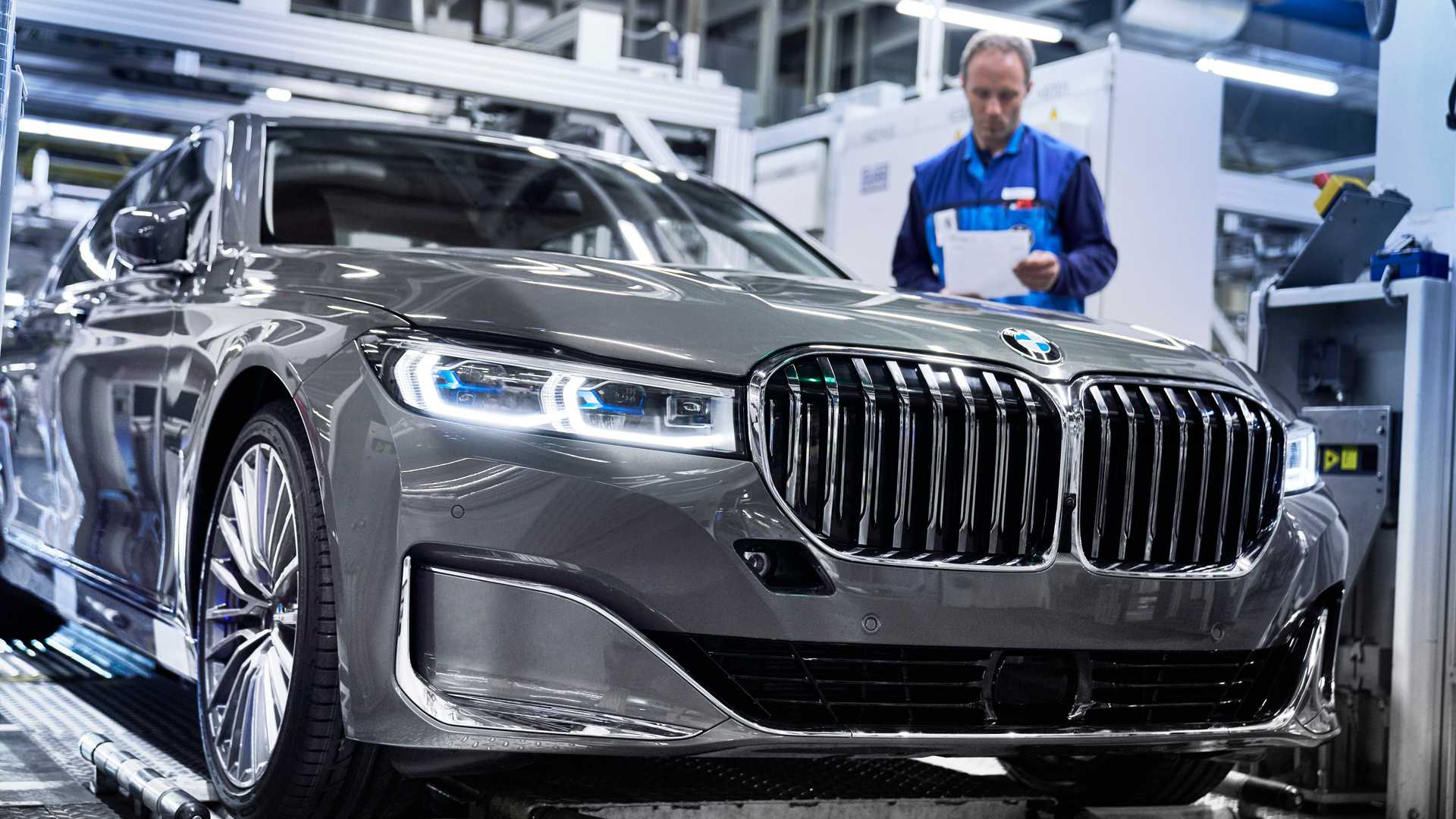
High-quality material loops are technically feasible in the automotive industry, and copper-bearing impurities in steel scrap can be reduced notably, according to BMW, following the Car2Car research project it conducted with partners.
The main focus of the project was on steel, aluminium and copper, but it also considered other materials like glass. BMW’s consortium of partners included Scholz Recycling, thyssenkrupp Steel Europe, Salzgitter Mannesmann Forschung, alongside academies like TU Bergakademie Freiberg.
BMW says the findings show that additional processing and sorting steps can significantly increase the potential of high-quality material loops.
The project’s key findings are illustrated by the example of steel. Up until now, copper-bearing impurities from cables, connectors and other components have hindered the recycling of end-of-life vehicle scrap into high-quality automotive steels. The project has now demonstrated that an additional processing step can substantially improve scrap quality, BMW claims.
Copper contamination was reduced in a targeted manner by sorting the steel scrap. This ensures high-quality steel scrap as the starting material for new flat steel that meets the requirements of modern automotive applications. A patent application has been filed for this process, Kallanish learns.
The steel coils produced using this method were integrated into industrial production following successful material and quality testing. “In the field test at BMW Group Plant Leipzig, more than 100,000 series parts were produced using this steel and installed in vehicles – making the project’s results tangible,” says Hilke Schaer, Car2Car project manager at BMW Group
However, for large-scale industrial implementation, scalable process chains, additional infrastructure and viable business models are still needed, BMW notes.

ADI BF restarts, Federacciai joins race for control
Blast furnace No. 2 at the Acciaierie d’Italia (ADI) steelworks in Taranto has restarted pig iron production 24 hours after an anomaly disrupted its operation on 23 August, sources at the company tell Kallanish.
The asset is now running and is currently the only active blast furnace at the site. BF No.1 has been seized by authorities, while BF No.4 is idled for maintenance works. The Milan Court of Appeal has previously ordered the shutdown of the hot end area by 26 October.
Authorities, meanwhile, are considering launching a new tender following the court ruling and remain in talks with Jindal Steel International for the sale of the company.
US investment firm Flacks Group has abandoned the race, a source close to the company confirms, and may submit a new offer for Taranto’s real estate assets. The Indian steelmaker is said to have renewed its interest in Taranto despite the court ruling.
Meanwhile, the Italian steelmakers’ association, Federacciai, has submitted a letter of interest for the Taranto steelworks.
A source close to the association confirms that 14 steelmakers have formed a consortium. This includes Acciaierie Bertoli Safau (ABS), Arvedi, Acciaierie Venete, Advanced Steel Solutions (Asonext group), Beltrame, Alfa Acciai, Compagnia Siderurgica Italiana, Duferco Travi e Profilati, Feralpi, Valsabbia, Lucchini RS, Marcegaglia, ORI Martin and Rubiera Special Steel.
Federacciai’s board authorised president Antonio Gozzi to submit a formal expression of interest. Gozzi briefed members on developments at the former Ilva site and the potential role of Italian steel companies in reviving operations of the area unaffected by the hot-end shutdown.
However, the expression of interest “is conditional on a series of enabling conditions being met”, Federacciai’s note says. Additional companies may join the consortium in the coming days.
The Federacciai expression interest is limited to the cold-rolling area and is non-binding but allows the group of steelmakers to access the financial and production figures. A source tells Kallanish the steelmakers could operate the cold rolling area using imported slabs, with one or more electric arc furnaces potentially built over time.
A separate source expresses scepticism toward both the Italian consortium’s interest and a proposal from Jindal, citing the significant investment required to revamp equipment, part of which is currently idled or outdated.
Italian president Giorgia Meloni, meanwhile, recently told the press the government will do anything in its power to save the steelmaker.
Authorities who met recently with workers unions are looking at leasing the cold end area, including the tube mill, and launching a revised tender that reflects the new situation.
Jindal Steel International is said to have sent a letter to the special commissioners saying its interest in Taranto has not changed following the recent ruling and is willing to accelerate the negotiations to reach a deal (see Kallanish passim).