


European HRC prices firm on reduced imports, higher energy and transport costs
Hot-rolled coil (HRC) prices in Europe are currently driven by lower imports and higher energy and transportation costs rather than demand, sources told Fastmarkets on Tuesday November 10.
HRC prices in Europe are currently driven by lower imports and higher energy and transportation costs rather than demand, sources told Fastmarkets on Tuesday November 10.
An Italian buyer source reported deal levels in the country at €750 ($839) per tonne ex-works, versus unofficial targets of €780 per tonne ex-works.
“But I believe the gap will be closed till Christmas as import is too tight,” he said.
A seller source meanwhile reported offers within the range of €750-765 per tonne ex-works and indications of tradable levels within the range of €740-760 per tonne.
Fastmarkets’ daily steel hot-rolled coil index, domestic, ex-works Italy, was calculated at €750.31 per tonne on Tuesday November 10, up by €4.48 from €745.83 per tonne on Monday November 9.
The index was up by €4.31 per tonne week on week and up by €7.81 per tonne month on month.
In Northern Europe, a re-roller was heard selling material at €780 per tonne delivered, equivalent to €760-765 per tonne ex-works. The same re-roller is said to be negotiating at €790 per tonne delivered, equivalent to €770-775 per tonne ex-works.
Other mills were heard selling within the range of €770-780 per tonne delivered or €750-765 per tonne ex-works.
A German buyer confirmed purchasing some lots at €760 per tonne but said that in new negotiations mills are targeting €775-795 per tonne ex-works, pushed by tighter imports and higher energy and transportation costs.
The general range of offers was reported at €770-800 per tonne delivered or €750-785 per tonne ex-works.
Separately, the market leader was heard offering its HRC at €820 per tonne delivered or ex-works, but this price was not included in the index calculation as it was too high.
Fastmarkets’ daily steel hot-rolled coil index, domestic, ex-works Northern Europe, was calculated at €762.50 per tonne on Tuesday November 10, down by €1.50 per tonne from €764 per tonne on Monday November 9.
The index was up by €4.31 per tonne week on week and up by €7.81 per tonne month on month.

Polish rebar, wire rod prices rise amid high production costs, weak demand
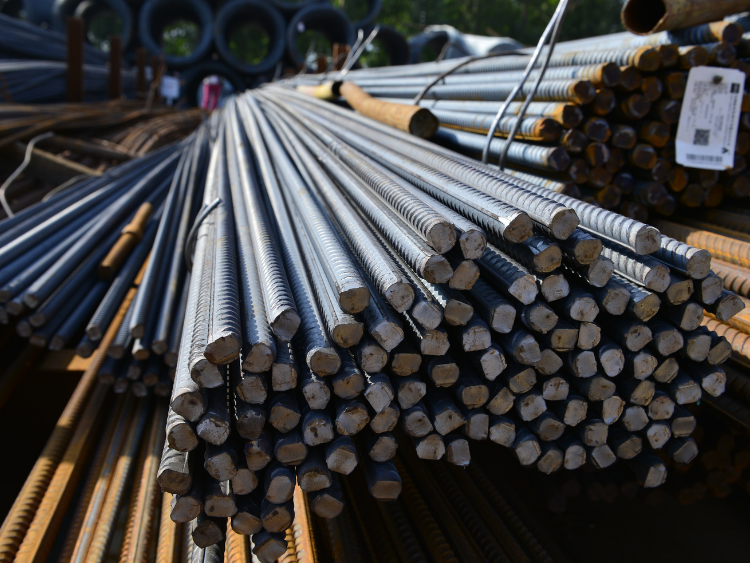
Polish domestic rebar and wire rod prices rose in the week to Friday November 6, driven by high production costs despite persistently weak demand, with market participants expecting further price increases, sources told Fastmarkets.
Deals and offers for rebar were heard at 2,900 zloty ($660) per tonne CPT during the assessment week.
As a result, Fastmarkets’ weekly price assessment for steel reinforcing bar (rebar), domestic, CPT Poland narrowed upward to 2,900-2,950 zloty per tonne on Friday November 6, from 2,850-2,950 zloty per tonne the previous week.
Market participants reported prevailing bullish sentiment despite weak underlying demand, although activity at cut-and-bend facilities remained strong. High production costs continued to put pressure on the market.
Sources also reported higher levels of exports, which they linked to limited supply from other countries.
In the wire rod market, offers, workable levels and deals for drawing-quality material were reported at 3,100-3,200 zloty per tonne delivered.
Fastmarkets’ weekly price assessment for steel wire rod (drawing quality), domestic, delivered Poland rose to 3,100-3,200 zloty per tonne on Friday November 6, from 2,900-3,150 zloty per tonne the previous week.
Steelmakers call for predictable ETS: Kallanish Green Steel Strategies
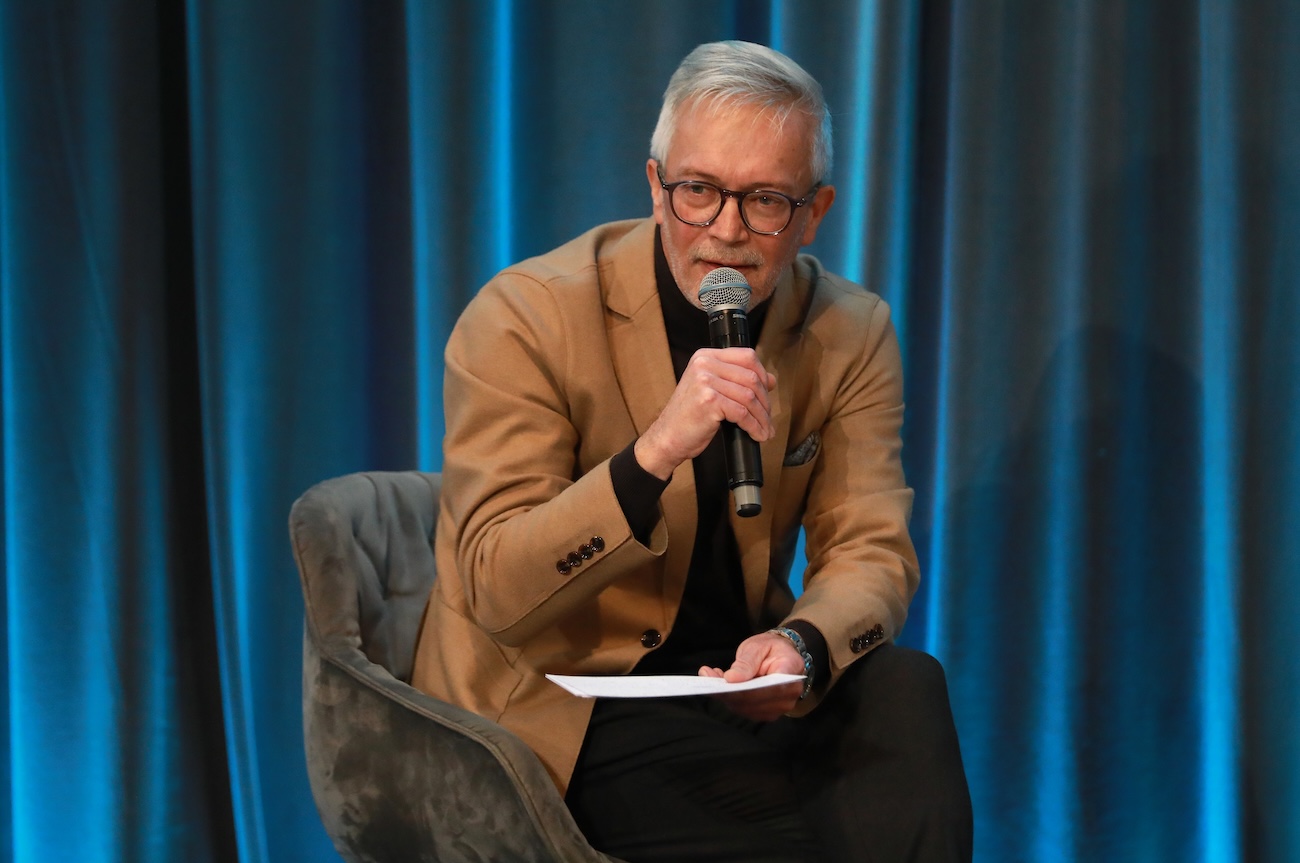
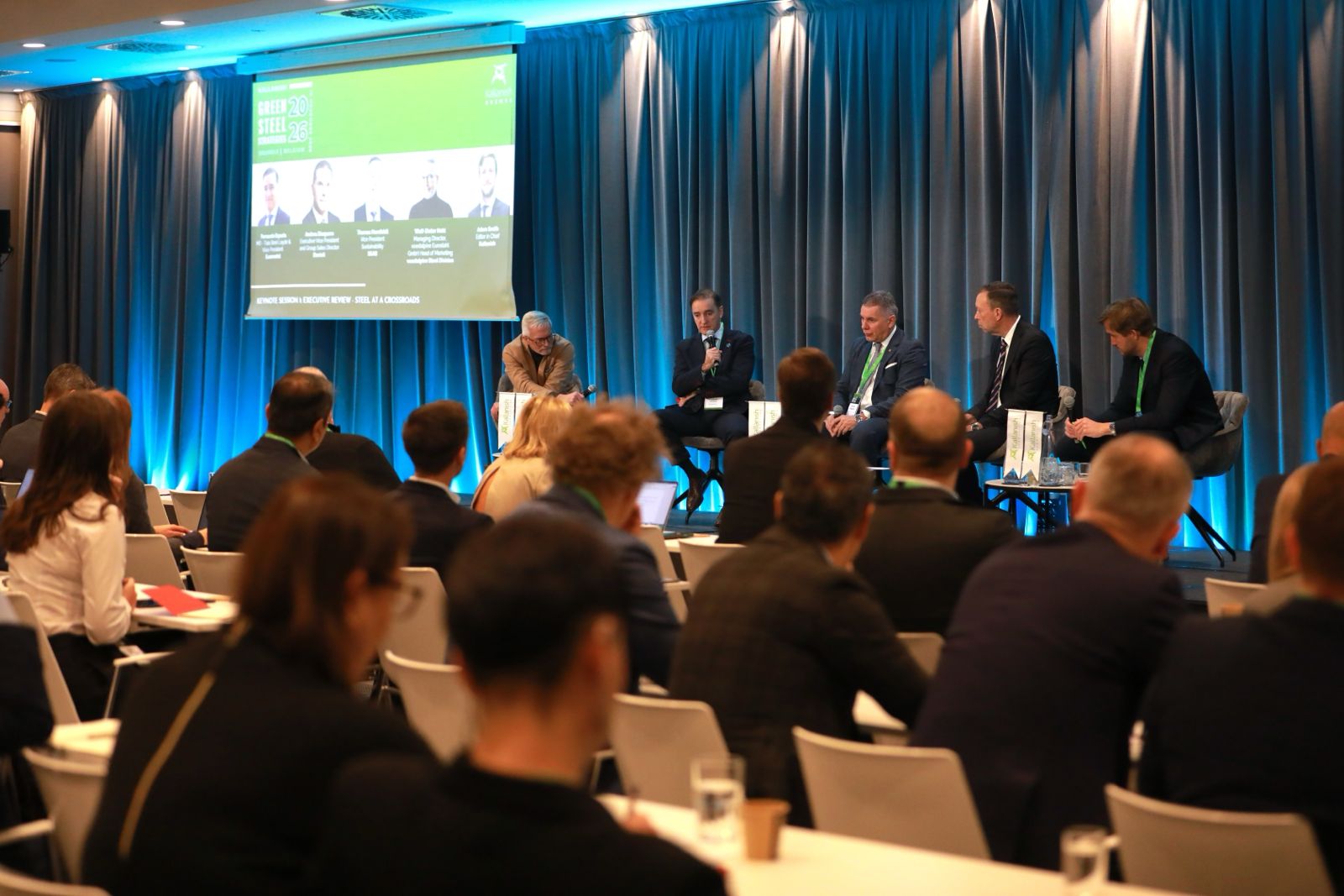
European steelmakers need a predictable carbon price and support to fund decarbonisation, panellists said at the Kallanish Green Steel Strategies conference in Brussels on 10 November.
The reform of the EU Emissions Trading System (ETS) is under way. Some producers have already invested heavily because they trusted the carbon price, while others say ETS costs are eroding the profits they need to invest.
“I need the money for investment, and that’s what this political framework should do,” said Wolf-Dieter Hohl, head of marketing at Voestalpine’s steel division. The Austrian steelmaker wants free allowances to be extended. “This is the only solution that we see, actually,” Hohl said, adding that “those who move faster should not be put in a competitive disadvantage”.
Voestalpine is investing around €1.5 billion ($1.6 billion) in new electric arc furnaces in Austria, due to start in the first half of 2027. “I can tell you that six years later, we are on schedule and on budget,” Hohl said.
SSAB’s vice president for sustainability, Thomas Hörnfeldt, said Europe has already decided to decarbonise its steel industry. “That’s not really the issue anymore,” he said. However, “we need a clear carbon signal… let’s make sure that we’re consistent and predictable.” Steelmakers invest for the next 30-50 years, and “we need to be able to trust those numbers,” he added.
Hörnfeldt welcomed the idea of returning 50% of ETS revenue to member states to support decarbonisation, but not only for new projects, as this would encourage companies to delay investment. “And we need to make sure also that we don’t create an incentive to wait when we are changing regulations,” he said. Free allocation would solve the export problem, “but that train has left the station”.
EU steel exports fell by around 20% in the first half, according to Kallanish analysis. Fernando Espada, vice president of European steel distributors’ association Eurometal, said carbon costs, including those passed on through electricity prices, cannot be recovered on exports. He suggested that exporters should get their ETS costs refunded, as they do with VAT. He said: “The way that it has been implemented is unfair, and they are losing their position upon exports”.
For distributors, the ETS is “another level of uncertainty, when taking a decision about what to import for the second or third quarter of next year”, he added.
Andrea Diasparro, executive vice president and group sales director at Italian plant maker Danieli, said steel producers “are willing to invest, they are willing to decarbonise, but they need the support”.
SSAB and Voestalpine have a clear strategy, but not all producers are in that position, he noted. Danieli is “available to provide technology, innovation, and high level automation”. However, the ETS must be backed by a clear programme with defined requirements, so that nobody abuses the system, Diasparro concluded.
Natalia Capra France
Policy-driven demand key to unlock green steel demand: Kallanish Green Steel Strategies
Policymakers must create lead markets and establish clear price signals to make green steel investments viable, speakers said at the Kallanish Green Steel Strategies conference in Brussels on 10 November.
The green steel market today “is so small that nobody knows the correct price signals,” said Thomas Hörnfeldt, SSAB’s vice president for sustainability. “If you can get those lead markets to be active enough, that will also create a market, it will create a tangible green premium.”
Public procurement should play a bigger role, Hörnfeldt added, and the 10% low-emission steel requirement should come into force earlier. “There is nothing that says that we have to stop at 10%,” he noted. Public procurement “has a role and a possibility to really be an acting forerunner here,” he added.
The cost for consumers would be small, he argued. Decarbonising all the steel in a passenger car would add less than €1,000 ($1,124) to its price. “It’s almost a rounding error,” he said. “Today, when you buy a washing machine, you see energy consumption, A to F, with different colours” and suggested a similar label could show for CO2 content.
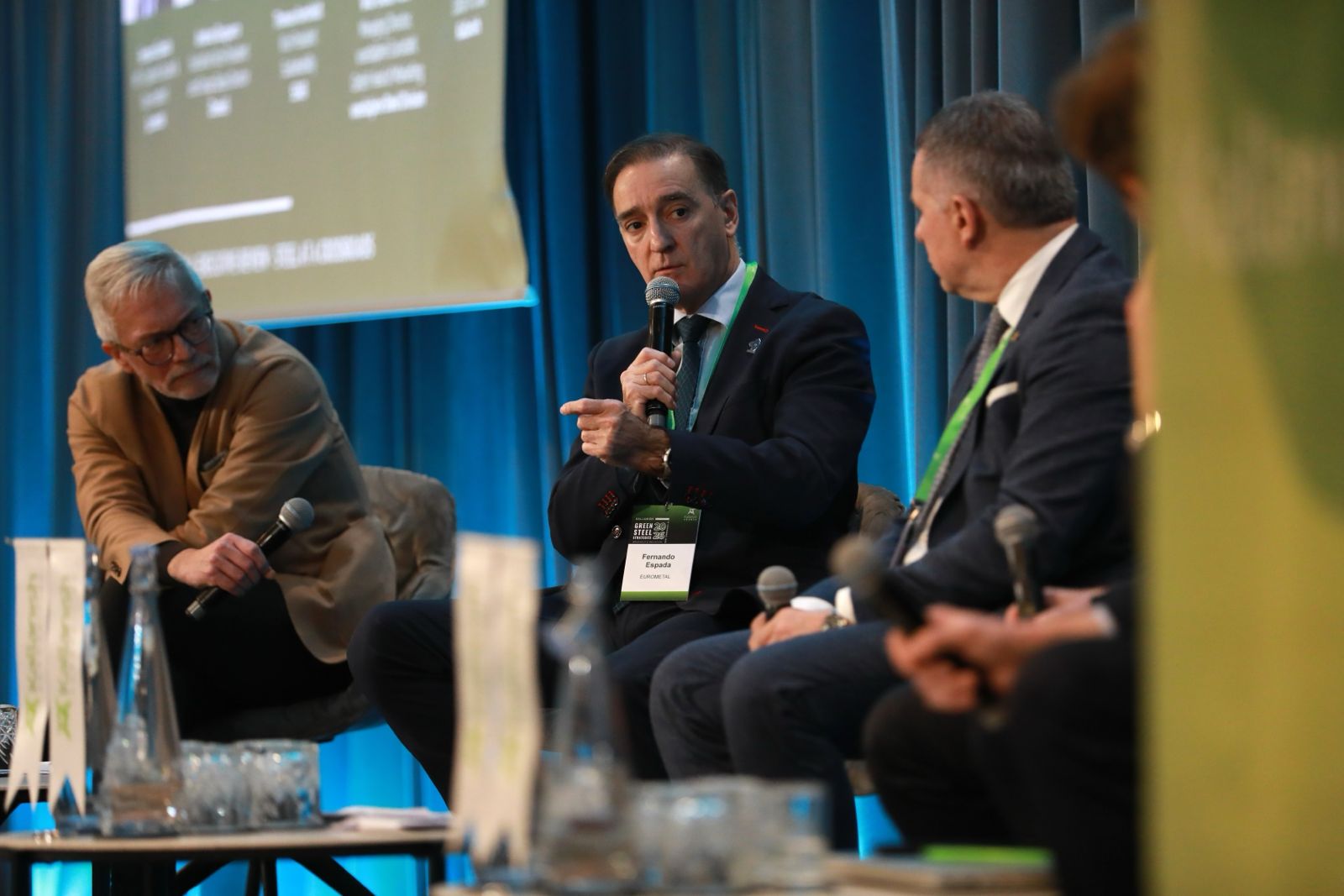
Fernando Espada, vice president of EUROMETAL, said distributors have no incentive to buy lower-emission steel “because we are not going to receive that money back from the market”. European processors are also losing business as steel once imported as coil now arrives as finished parts from Asia, he added, calling for CBAM to cover the whole supply chain. In solar, panels from China now arrive with their mounting profiles, and the European market for these profiles has disappeared, he also noted.
Meanwhile, Andrea Diasparro, executive vice president and group sales director at Italian plant maker Danieli said there was no single playbook for decarbonisation, “What I can say is that sustainability has to go hand to hand with the competitiveness,” he said.
Ironmaking is already moving to regions with cheaper energy, Diasparro observed. In Oman, two direct reduction plants are being built to produce HBI, possibly for export, while plants in Algeria will start with DRI and HBI and later move on to billets or slabs with Europe their first target market.
European steelmakers should invest now in plants flexible enough to use scrap and imported HBI, he said.
Europe’s new electric arc furnaces will need iron, Hörnfeldt noted. “There is a lot of natural gas nearby in the Middle East,” he said. Gas-based DRI, plus shipping and CBAM costs, will compete with hydrogen-based iron made in Europe. “Both could happen,” he noted.
Voestalpine invested in a DRI plant in Texas more than 10 years ago and now holds a minority stake, as “it’s not our business to produce DRI”, its head of marketing Wolf-Dieter Hohl said. “And I think good business model could be to have a variety of good suppliers.”
Author: Natalia Capra France


Italy to auction 33.000 tons of HBI through judicial sale

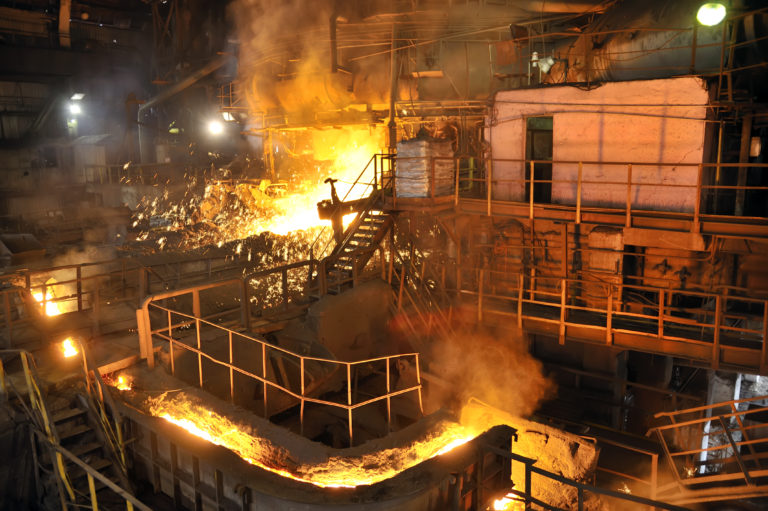
Romania’s Liberty Galati slashes sale price to €200 million as five investors show interest
Romania’s sole integrated steel producer, Liberty Galati, is making another attempt to attract buyers after two unsuccessful auctions, this time with a significantly lower asking price.
According to local media reports, the company’s creditors have approved a revised restructuring plan, reducing the minimum selling price for the steelworks and its tubular division from €463 million to €200 million, excluding VAT, a drop of almost 57 percent. The assets were initially offered for around €709 million, but neither of the previous auctions attracted buyers. Under the new plan, the facilities will be offered through direct negotiations rather than another public auction.
The revised approach comes as five potential investors have reportedly shown interest in acquiring the facilities, including India’s Jindal, Ukraine’s Metinvest, Romania’s UMB, Iraq’s Galiwa and China’s Risun, although their identities have not been officially confirmed. Three of them have already assessed possible investment opportunities, but no binding offers have been announced so far. The restructuring plan still requires court approval, after which the conditions and timetable for submitting offers are expected to be announced.
In the meantime, the Romanian government is continuing its efforts to prevent the steelworks from entering bankruptcy. The authorities have announced plans to extend salary support through the Wage Guarantee Fund for another six months, covering around 2,400 employees and providing additional time to secure a buyer.
The need to find an investor remains particularly important given the prolonged production difficulties at Liberty Galati. The plant has an annual crude steel production capacity of around 3 million mt and has faced repeated disruptions since mid-2024. Its tubular division, with an annual welded pipe production capacity of around 50,000 mt, resumed limited operations in September this year after several months of low activity. However, both facilities have been affected by a temporary suspension of operations since November 1 due to ongoing financial difficulties, with most employees placed on temporary layoff. With production currently suspended and no restart date announced, the future of the facilities remains closely linked to the outcome of the ongoing efforts to find a buyer.
Author: SteelOrbis Editorial Team

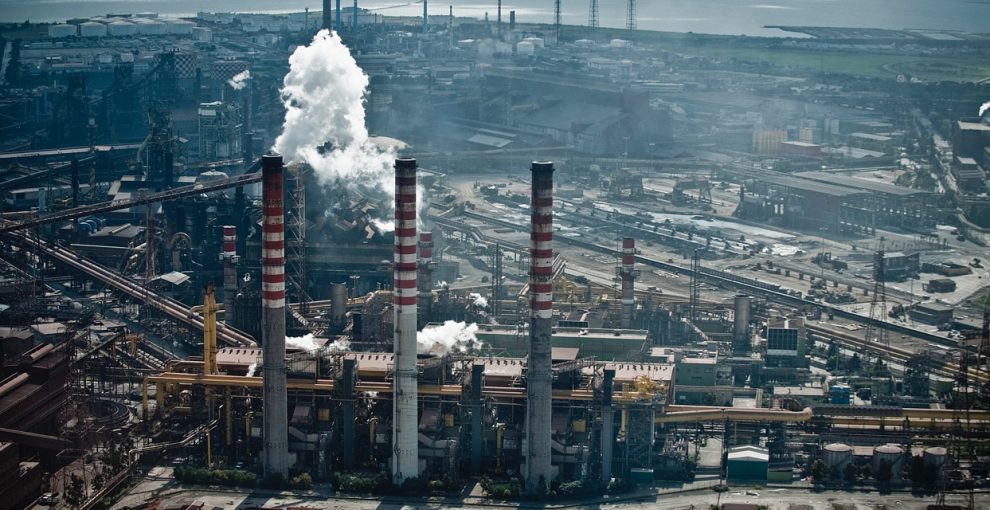
Arvedi and Jindal submit bids for acquisition of ex-Ilva steel plants
Two bids have been submitted for the acquisition of the former Ilva steel plants in Italy by the November 8 deadline.
The extraordinary commissioners of Acciaierie d’Italia and Ilva, both under extraordinary administration, confirmed today, November 9, that the offers were submitted by Arvedi Group and Jindal Steel International.
Both bids cover the acquisition of all active business assets. The extraordinary commissioners will now review the proposals to assess their completeness and compliance with the requirements set out in the tender.
This new phase of the sale process comes at a particularly critical time for the Taranto steelworks. As previously reported by SteelOrbis on October 30, Italy’s Court of Cassation upheld the order to shut down the plant’s hot-end operations, rejecting the appeals filed by the companies under extraordinary administration. The issue of production continuity therefore remains unresolved as the evaluation of the acquisition bids gets underway.
Author: SteelOrbis Editorial Team
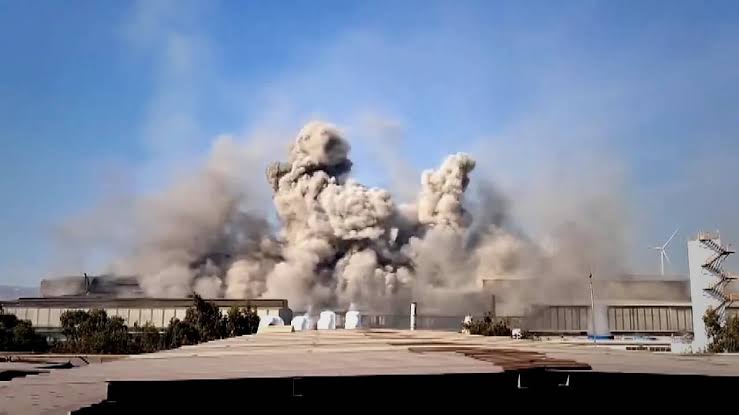
Fatal explosion hits Habas steelworks in Türkiye
A major explosion at the Habaş steelworks in Aliağa, Izmir, has killed ten people and injured 15, with rescue teams continuing to search for four workers believed to be trapped under the rubble.
The incident occurred at around noon on 9 November at the company’s facility in the Aliağa district, one of Türkiye’s major steelmaking centres.
According to a statement by the Izmir Governor’s Office, the preliminary assessment is that an overhead crane broke away and fell into an electric arc furnace during liquid steel casting operations, triggering the explosion.
A fire broke out following the blast, prompting the deployment of firefighters, medical teams and search-and-rescue personnel. The injured were taken to nearby hospitals, while rescue operations continued at the site.
Authorities have launched an investigation to establish the full circumstances of the accident, notes Kallanish.
The extent of the damage to Habaş’ steelmaking operations and any potential production disruptions remain unclear. The company has not yet provided details on the operational impact of the incident or when production might resume.
Habaş is one of Türkiye’s major industrial groups, with 4.5 million tonnes/year of steelmaking capacity in Aliağa.
Author: Burcak Alpman Türkiye
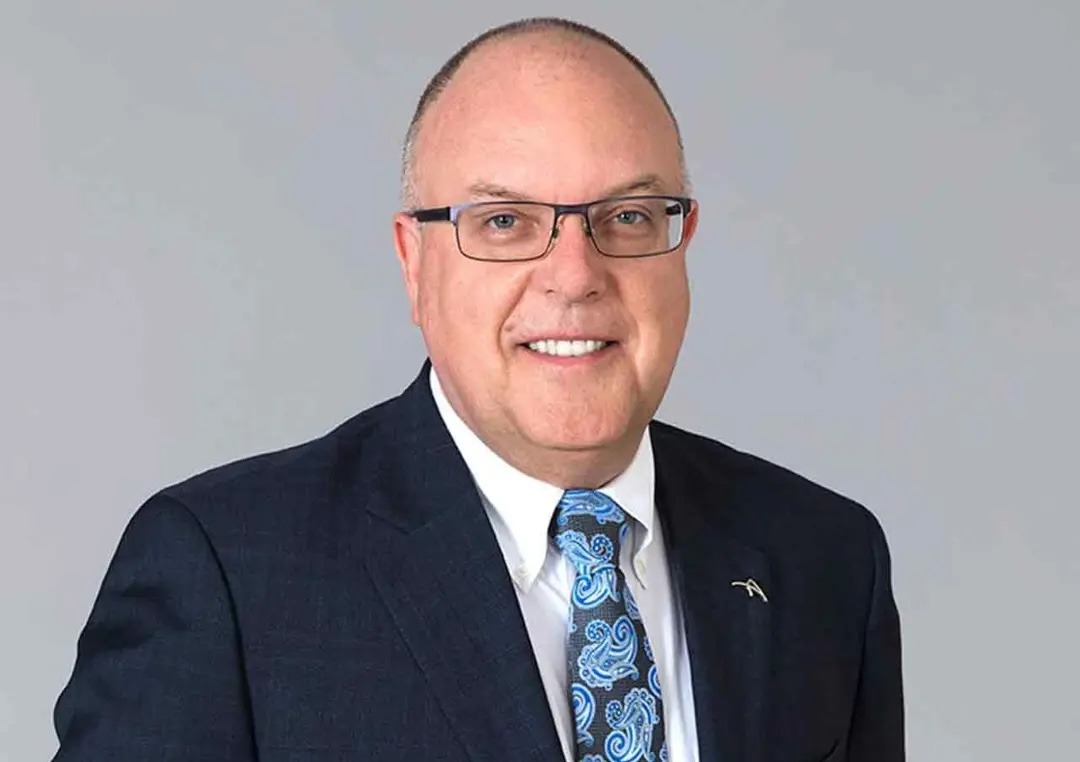
ArcelorMittal executive vice president Brad Davey to retire
After forty years in the steel industry, ArcelorMittal executive vice president Brad Davey will retire on 1 January 2027. The group will divide his responsibilities, including safety, R&D and sustainability, between three executives.
Brad Davey, Executive Vice-President and Head of Business Optimisation at ArcelorMittal, will retire on 1 January 2027. The group announced his departure in a press release dated 9 November and will divide his responsibilities between Pinakin Chaubal, Genuine Christino and Vijay Goyal.
“It is not an easy decision to make – to leave a company as diverse and dynamic as ArcelorMittal – but I take with me many fond memories and genuine friendships,” says the executive, who has spent forty years working in the steel industry.
From Dofasco to the group’s management
Brad Davey began his career at Dofasco in Canada as a project engineer before becoming responsible for maintenance of the hot mill in 1990. After more than a decade in manufacturing and technology roles, he moved into marketing and held several senior commercial positions, including roles covering North America and the global automotive business.
In 2018, he became CEO of ArcelorMittal’s North American segment and a member of the group management committee. Since 2021, he has overseen functions including health and safety, R&D, capital projects, automotive, communications and sustainability. Executive chairman Lakshmi Mittal praises his role in growing the global automotive business, noting: “Automotive is one of our most important customer segments.”
A new division of responsibilities
Pinakin Chaubal will oversee functions including health and safety, the group’s technology operations, R&D, capital goods, capital projects, global automotive, global ports and AMTB Europe and North America. He will report directly to CEO, Aditya Mittal. Sustainability and Corporate Communications will report to Genuino Christino, executive vice president and group CFO. Vijay Goyal, also an executive vice president, will oversee China and business development for South East Asia.
Aditya Mittal particularly highlights Brad Davey’s work on health and safety: “Brad gripped corporate health and safety with his typical energy, drive and commitment.” Referring to the three-year transformation programme, the CEO says: “Two years into the three-year transformation program, the progress is now clear to see.” Davey adds: “I will continue to stay in touch with the group’s successes and have every confidence in the company’s ability to continue to make progress on safety and achieve the goal of zero fatalities.”
Author: Rebeca Suay


Challenging automotive market impacts Gestamp’s Q3 results
Gestamp has reported weaker third-quarter earnings while its performance in the first nine months also edged down.
This reflects the adverse impact of foreign-exchange movements, the firm says in its latest earnings report, monitored by Kallanish.
The company operates in a market environment influenced by global light-vehicle production trends, which declined 0.8% year-on-year in January-September of 2026. According to estimates, output is set to fall 1.7% in full-year 2026 to 92.8 million units.
“The company’s strong operating model continues to drive greater efficiency across our processes and operations, with progress in key regions such as North America,” notes Gestamp executive director Francisco Riberas. “This, combined with the selective expansion of our industrial capacity in countries offering significant opportunities due to their strong growth prospects, including recent plant openings in India and Brazil, enables us to remain competitive in a market environment where uncertainty persists”.
Q3 revenue totalled €2.63 billion ($2.94 billion), down from €2.96 billion in Q2 and 0.1% lower y-o-y. Nine-month net revenue totalled €8.43 billion, a fall of 0.6% y-o-y.
The company says profitability continued to improve in the United States and Mexico under its Phoenix Plan (PP).
The supplier of components to the global automotive sector saw cumulative revenue fall 6.1% in North America to €1.14 billion, excluding profit and loss impact of €17.9m in the nine months and €12.2m in January-September 2025.
Revenue was also down 5.6% in Asia to €1.26 billion and declined 0.1% in Western Europe to €2.99 billion. Sales increased 1.3% in Eastern Europe to €1.43 billion and 7.6% in the South American (Mercosur) market to €649m.
Q3 Ebitda reached €296m, below €337m in Q2 but higher compared to €284m a year earlier. January-September earnings before taxes totalled €936m, which is 1.2% higher y-o-y.