


Import steel HRC prices soften in Europe amid cautious demand
The continuing uncertainty connected with the EU’s Carbon Border Adjustment Mechanism (CBAM) and related extra costs, as well as approaching implementation of new tighter safeguard measures on July 1, were some of the key factors weighing on trading activity in the region.
In such conditions, offers were limited.
In Northern Europe, offers of Indian material were reported at $660-670 per tonne CFR, which would be equivalent to €560-570 per tonne CFR.
Turkish material was heard available at €650 ($762) per tonne CFR including anti-dumping duty, which would be equivalent to around €610 per tonne CFR excluding the duty. This price was nevertheless said to be unworkable by the customer.
In such conditions, Fastmarkets’ weekly price assessment for steel hot-rolled coil, import, cfr main port Northern Europe, was €560-600 per tonne on May 13, down from €600-630 per tonne the previous week.
Due to the lack of inputs, Fastmarkets’ weekly price assessment for steel hot-rolled coil, import, cfr main port Southern Europe, was calculated at €550-615 per tonne on May 13, down from €590-645 per tonne.
After the assessment was filed, however, a source reported at Indian offer at $700-720 per tonne CFR, which would be equivalent to €597-614 per tonne CFR, as well as Algerian offers within the range of $735-760 per tonne CFR.
Several sources reported an Indonesia-origin cargo being sold to Italy at €660 per tonne DDP during the week.
Offers from Turkey were heard at €700-720 per tonne DDP to Italy.
And in Spain, offers from different suppliers were heard within the range of €690-750 per tonne DDP.
As a result, Fastmarkets weekly price assessment for steel hot-rolled coil, import, ddp Southern Europe, was €660-700 per tonne on May 13, versus €650-725 per tonne on May 6.
Also due to the lack of inputs, Fastmarkets’ weekly price assessment for steel hot-rolled coil, import, ddp Northern Europe, was €660-695 per tonne on May 13, versus €650-720 per tonne on May 6.


Italian rebar producers push for higher prices despite low buyer appetite; rest of European market remains stable
Market participants reported that demand conditions showed only slight improvement supported by production cuts but remained insufficient to support higher price levels across most regions.
“The market demand is slightly improving, so prices are consolidating,” a buyer source said to Fastmarkets.
Deals continued to be concluded within the established range, with buyers showing resistance to higher price levels.
In the North, tradable levels were estimated in the range of €710-730 ($830-854), unchanged week on week. In the South, transactions took place within the range of €750-770 with only minor tonnages sold at the upper end of the range.
Fastmarkets’ weekly price assessment for steel reinforcing bar (rebar), domestic, exw Italy, was €710-750 per tonne on May 13, unchanged week on week.
In Spain, tradable levels of rebar delivered were reported at €750 per tonne delivered base (16 mm diameter), indicating firm market conditions, which was reflected in the corresponding Fastmarkets assessment, steel reinforcing bar (rebar), domestic, delivered Spain.
In Germany, tradable levels of domestic rebar were reported within the range of €710-730 per tonne, with limited variation in pricing levels across the country.
Thus, Fastmarkets’ weekly price assessment for steel reinforcing bar (rebar), domestic, delivered Northern Europe, was €710-730 per tonne in the week to May 13, unchanged compared with the previous week.
Wire rod prices showed mixed trends in Europe in the reported week.
In Northern Europe, prices edged higher, reflecting slightly improved tradable levels in the region.
Fastmarkets’ weekly price assessment for steel wire rod (mesh quality), domestic, delivered Northern Europe, increased to €705-720 per tonne on May 13, from €700-720 per tonne in the previous week.
In contrast, wire rod prices in Southern Europe remained unchanged, with limited trading activity reported.
Fastmarkets’ weekly price assessment for steel wire rod (mesh quality), domestic, delivered Southern Europe, was €690-720 per tonne on May 13, unchanged week on week.

Nippon Steel assumes USSK direct ownership, eyes growth
Nippon Steel will transition US Steel Kosice (USSK) to direct ownership and rename the unit to Nippon Steel Slovakia effective 1 October. The Japanese steelmaker says it will therefore become more directly involved in enhancing the profitability of the European business and aims to capitalise on policy-driven European domestic mill market share growth, Kallanish notes.
Unlike US Steel, which secured special conditions when acquired by Nippon last year, including retaining its name, brand and headquarters in Pittsburgh, the 4.5 million tonnes/year crude steel capacity Slovakian mill will firmly bear the hallmarks of the Japanese steelmaker.
Europe is a mature market with large demand for high-grade steel, for which Nippon Steel can leverage its “state-of-the-art” product technologies, the Japanese steelmaker notes.
In Central and Eastern Europe, USSK’s main markets, steel demand is expected to increase in the medium to long term due to factors such as the relocation of customer bases to the eastern regions, it adds. The share of steel demand is shifting towards eastern Europe.
“Europe is undergoing a major structural transformation due to trends in decarbonisation and geopolitical uncertainties. It is also a market with a high intra-regional self-sufficiency rate due to factors including tariffs, safeguards, and the Carbon Border Adjustment Mechanism (CBAM). Nippon Steel therefore finds it important to capture the growing demand as an insider,” Nippon Steel says.
“By direct ownership of USSK, Nippon Steel will establish the company as a core hub for its European operations in its global strategy, and become more directly involved in enhancing the profitability and accelerating the growth of its European business,” it adds.
Takahiro Mori, representative director and vice chairman of Nippon Steel, as well as US Steel chairman, says: “I would like to express my sincere respect for USSK’s 60-year history of outstanding operations and development, as well as its strong business performance under US Steel since 2000. Going forward, Nippon Steel will further deploy cutting-edge technology and management resources to USSK to enhance its business foundation, while also advancing mid to long-term investments, including decarbonisation initiatives. Through these efforts, we will continue to contribute to European industry and our customers.”
US Steel president and chief executive Dave Burritt notes Nippon Steel has “values that align closely with the culture and capabilities built at USSK over many years.” He adds: “This transition also sharpens US Steel’s focus on our US-based operations and our historic growth strategy in America.”
Nippon Steel will also take direct ownership of Sweden-headquartered special steelmaker Ovako once Nippon completes in April 2027 its merger by absorption of subsidiary Sanyo Special Steel, which owns Ovako.
Author: Adam Smith

Salzgitter expects delayed safeguard replacement-driven demand growth
EU measures against steel imports will not boost domestic demand much before the third quarter, says the chief financial officer of Salzgitter AG, Birgit Potrafki.
“The impact from the safeguard measures as of 1 July will not come right away,” she said during a conference call this week monitored by Kallanish. Pointing at existing inventories being at sufficient levels, she expects that “we will see the improvement at the end of the year, rather than mid-year”. There has been some increase of inventory amid higher imports frontloaded before the introduction of CBAM and the new trade measure, she added.
Her outlook for steel prices is similarly modest. She expressed disappointment that the surge in European hot-rolled coil values got stuck at around €700-710/tonne ($822-834), “and even slightly below €700”.
The company is now in negotiations with customers on long-term contracts. Potrafki gave no indication of the potential rate of increases, also because of the widely differing term periods of contracts.
However, she did say negotiations have been factored into the company’s guidance, which has been brought up since the publication of the 2025 annual results two months ago. At that time, the company predicted an Ebidta of €500-600 million for full-year 2026. On the grounds of satisfactory sales in the first fiscal quarter, this range has been lifted to €625-725m.
On the crisis in the Middle East, she noted that events have had a negative effect on the company’s international business, but are yet to slow orders from domestic customers.
Author: Christian Koehl

EC proposes new ETS methodology to support industrial decarbonization
European Commission has announced that it has proposed updated benchmark values under the European Union Emissions Trading System (EU ETS) for the 2026-2030 period.
The proposal is expected to be formally adopted through an implementing act by the end of June following a four-week public consultation and review by member states within the Climate Change Committee.
Proposal aimed at supporting competitiveness and decarbonization
According to the Commission, the revised methodology is intended to support both industrial competitiveness and decarbonization while reinforcing stability and predictability within the EU carbon market. The Commission also emphasized that the revised framework should be implemented as early as possible to support industries most affected by the transition.
The Commission confirmed that the broader review of the EU ETS planned for July 2026 will assess whether the system remains suitable for supporting Europe’s industrial transition. The review is expected to examine the effectiveness of the ETS in balancing climate objectives with industrial competitiveness.
Indirect electricity emissions remain included
Under the updated methodology, indirect emissions linked to electricity consumption will continue to be included across 14 product benchmarks.
The Commission stated that this adjustment is intended to support industrial electrification efforts and results in higher benchmark values. According to the proposal, the financial impact of this measure is estimated at around €4 billion during the 2026-2030 period.
Free allocation system remains central
The benchmark update plays a key role in determining the volume of free emissions allowances allocated to industrial producers. The Commission stated that the proposed benchmarks would allow companies to continue receiving free allocations covering approximately 75 percent of emissions on average.
The revised benchmark values are based on greenhouse gas efficiency data submitted by installations for 2021 and 2022. The calculation methodology takes into account the performance of the cleanest 10 percent of installations in each industrial sector. Under the EU ETS framework, companies whose emissions exceed benchmark levels must purchase additional allowances, while more efficient installations benefit from higher free allocation levels.
Steel sector benchmark definitions revised
One of the major revisions concerns product definitions. The sintered ore benchmark has been expanded to include alternative agglomerated iron ore products, while hydrogen produced through water electrolysis has been included within the hydrogen and ammonia benchmark scope.
A significant steel-sector adjustment relates to the hot metal benchmark. Delegated Regulation (EU) 2024/873 expanded the hot metal benchmark definition to include steel production using direct reduction technology. However, the Commission clarified that direct-reduction-based steel production covered under the hot metal benchmark will not be included when calculating average greenhouse gas efficiency for determining revised benchmark values for 2026-2030.
As part of the upcoming ETS review, the Commission also plans to introduce sector-specific fallback benchmarks in response to industry requests. These benchmarks would be developed using dedicated methodologies tailored to individual industrial sectors.
Author: SteelOrbis Editorial Team


ArcelorMittal Belgium restarts Galva 5 galvanizing line after four-year shutdown
ArcelorMittal Belgium has announced that it has officially restarted its Galva 5 hot dip galvanizing line in Flémalle after four years of inactivity. The reopening strengthens the company’s industrial footprint in Europe and expands its production capabilities for metallic-coated steel products in thicker gauges.
Major modernization program completed
The Galva 5 line was acquired by ArcelorMittal in July 2025, after which the company launched an extensive refurbishment and modernization project.
The upgrades included roof renovations, maintenance work on coil feeding and uncoiling systems, restoration of the pickling section and zinc bath, and improvements to the site’s digital infrastructure.
Expanded coated steel production capabilities
With the restart of Galva 5, ArcelorMittal Belgium regains domestic production capacity for metallic-coated steel in thicker formats. The facility is integrated into the company’s broader European coated steel network and processes hot rolled coils supplied from ArcelorMittal’s Ghent plant.
The galvanized steel products produced at the Flémalle site are intended for several industrial applications, including road safety infrastructure, HVAC systems, industrial equipment, and automotive components. According to the company, the facility’s location in central Europe will improve proximity to customers and support shorter lead times and greater supply flexibility.
Advanced technical specifications
Technically, the Galva 5 line is capable of processing hot rolled substrates up to 6.35 mm thick and 1,880 mm wide. The facility also includes in-line pickling technology, enabling shorter production routes and compatibility with high-strength steels and various metallic coatings.
ArcelorMittal Belgium stated that the restart of the line also supports the company’s lower-carbon steel solutions strategy.
Author: SteelOrbis Editorial Team
UK will take action to safeguard steel: King Charles
The King’s Speech on Wednesday confirmed that the UK government will continue to explore ways to nationalise British Steel, Kallanish learns.
“The United Kingdom’s economic security depends upon world class infrastructure,” King Charles said. “My ministers will continue to take all action necessary to safeguard the domestic production of steel,” he added.
This comes after UK Prime Minister Keir Starmer announced earlier in the week, ahead of the King’s Speech, that the government would introduce legislation that will give it powers to bring the steelworks into public ownership, subject to a public interest test.
An agreement could not be reached with the current owners, Jingye, Starmer added. The move has been broadly welcomed by industry associations and workers’ unions.
The time frame for the proposed legislation is currently unknown.
Cara Haffey, leader of industry for industrials and services at PwC UK, says: “Measures to safeguard domestic steel production and invest in major infrastructure reflect the growing recognition of industrial sectors as strategic national assets, underpinning supply chain resilience and competitiveness.”
Author: Carrie Bone

Tata Steel Nederland joins European circular steel research project
Tata Steel Nederland, a subsidiary of Indian steelmaker Tata Steel, has announced that it has joined the European research project Circular Steel for Mass Market Applications (CiSMA), which aims to develop high-grade steel produced entirely from recycled scrap using electric arc furnace (EAF) technology.
The initiative focuses on creating low-carbon steel suitable for applications including automotive manufacturing and household appliances such as washing machines.
A key objective of the CiSMA project is to achieve a 70 percent reduction in carbon emissions in sheet steel production through the use of:
100 percent recycled scrap,
electric arc furnace steelmaking,
circular production methods.
Although fully scrap-based steel production is not yet commercially feasible on a large scale, the project is expected to generate valuable knowledge for producing high-quality steel with 30-40 percent scrap content.
According to Tata Steel Nederland researcher Dr. Radhakanta Rana, the project aims to strengthen the European circular economy while supporting the company’s transition toward green steel production.
The project seeks to recover valuable critical raw materials such as copper from scrap streams.
Automotive and appliance industries involved
The CiSMA consortium includes industrial and research partners from across Europe, including Volvo Cars, Electrolux Professional, voestalpine. The companies are evaluating the commercial applicability of recycled steel in cars, washing machines, and industrial equipment.
The CiSMA project is coordinated by Eurecat in Spain and involves 13 partners from five European countries. The project has a total budget of nearly €4.5 million and is funded under the EU’s Horizon Europe program.
SSAB delays Oxelösund EAF project due to permitting appeals
Swedish specialty steelmaker SSAB has announced that the conversion of its Oxelösund mill to fossil-free steel production will be delayed due to appeals connected to species protection regulations affecting the permitting process for a new power line. The delay impacts the electricity grid connection required for the company’s new electric arc furnace (EAF).
According to the company, Vattenfall Eldistribution informed SSAB that the timetable for the required grid connection has been postponed. The new power infrastructure is considered critical for the operation of the planned fossil-free steelmaking facility.
EAF construction continues as planned
Despite the permitting setback, SSAB stated that construction of the electric arc furnace itself continues according to schedule and remains within budget. The company had previously targeted the start of production at the new EAF in early 2027.
SSAB President and CEO Johnny Sjöström criticized the impact of Sweden’s permitting and grid approval procedures on industrial investment projects. He stated that uncertainty surrounding permitting processes and electricity infrastructure approvals represents a significant risk for future industrial electrification and modernization investments in Sweden.
Sjöström also emphasized that the European Union considers the steel industry a strategic sector, particularly amid increasing civil and military preparedness requirements across Europe.
The company said it will provide further updates once the full extent of the delay becomes clearer.
No major impact expected on 2026 performance
According to SSAB, the postponement is not expected to materially affect the company’s earnings or cash flow during 2026. The company also noted that current production operations and customer deliveries will remain unaffected.
SSAB stated that once the Oxelösund conversion project is fully completed, Sweden’s total carbon dioxide emissions are expected to decline by approximately three percent.
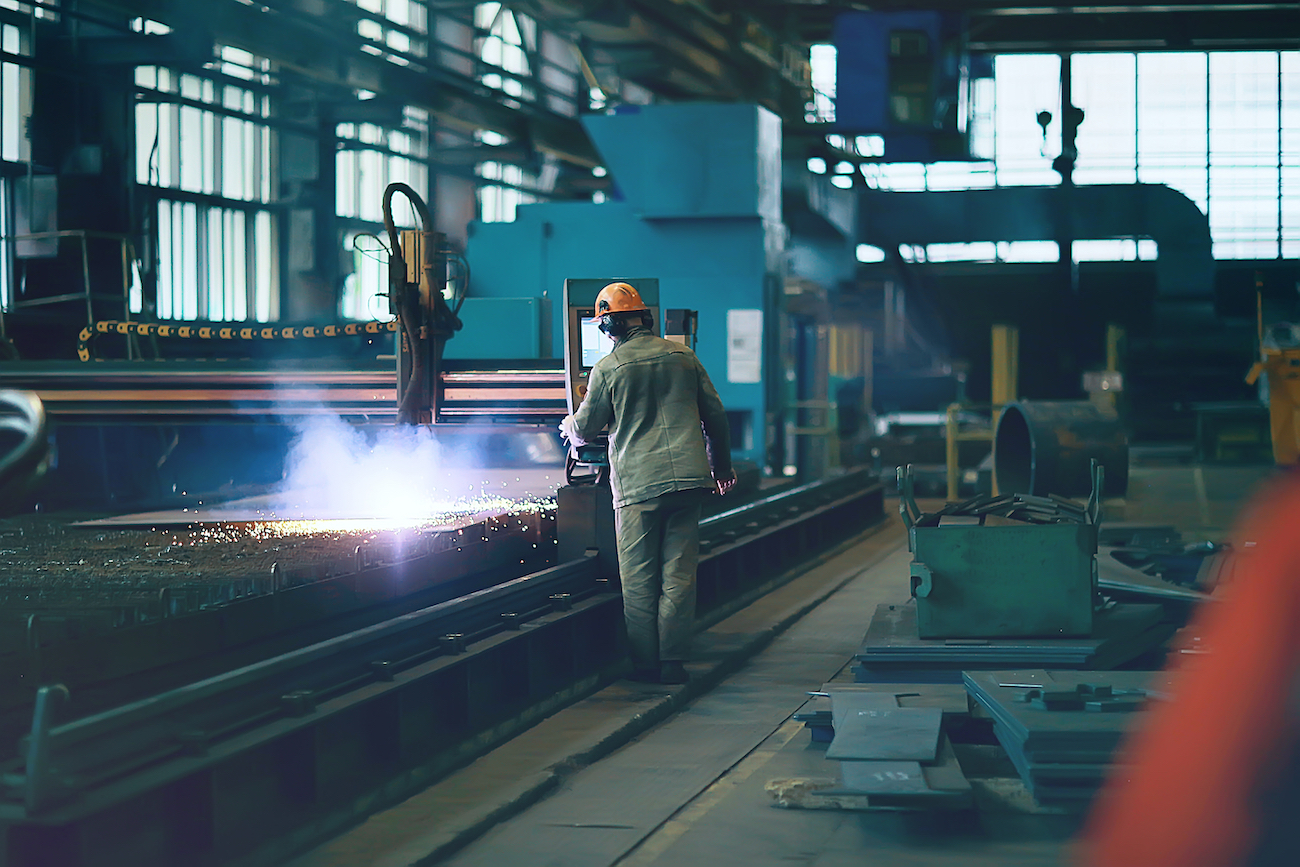
Steel production halt at Nova Željezara Zenica disrupts Balkan supply chains
The suspension of steel production at Bosnia and Herzegovina-based leading steelmaker Nova Željezara Zenica has begun disrupting regional industrial supply chains, affecting rail transport, port activity and downstream manufacturing sectors across Southeast Europe, according to a report by Intellinews.
The shutdown has raised concerns over broader economic consequences for Bosnia and Herzegovina’s industrial ecosystem and regional logistics networks.
The interruption in steel production has impacted:
railway freight operators,
port logistics,
raw material suppliers,
industrial customers dependent on steel deliveries.
The steelworks historically played a central role in regional supply chains, supporting both domestic and export-oriented industries.
Rail and port activity declines
The production suspension has reportedly led to reduced freight volumes on regional rail corridors and lower throughput at ports handling raw materials and finished steel products. The disruption is affecting iron ore and coal shipments, finished steel exports, and related logistics operations connected to the steel sector.
Meanwhile, manufacturers relying on steel from Nova Željezara Zenica are facing uncertainty regarding delivery schedules, inventory management, and sourcing alternatives.
Concerns grow over regional industrial impact
Industry observers warn that prolonged production stoppages could have wider economic implications for Bosnia and Herzegovina, including lower industrial output, reduced freight activity, employment risks, and pressure on local suppliers.