

Italian service centres register ‘unprecedented’ demand
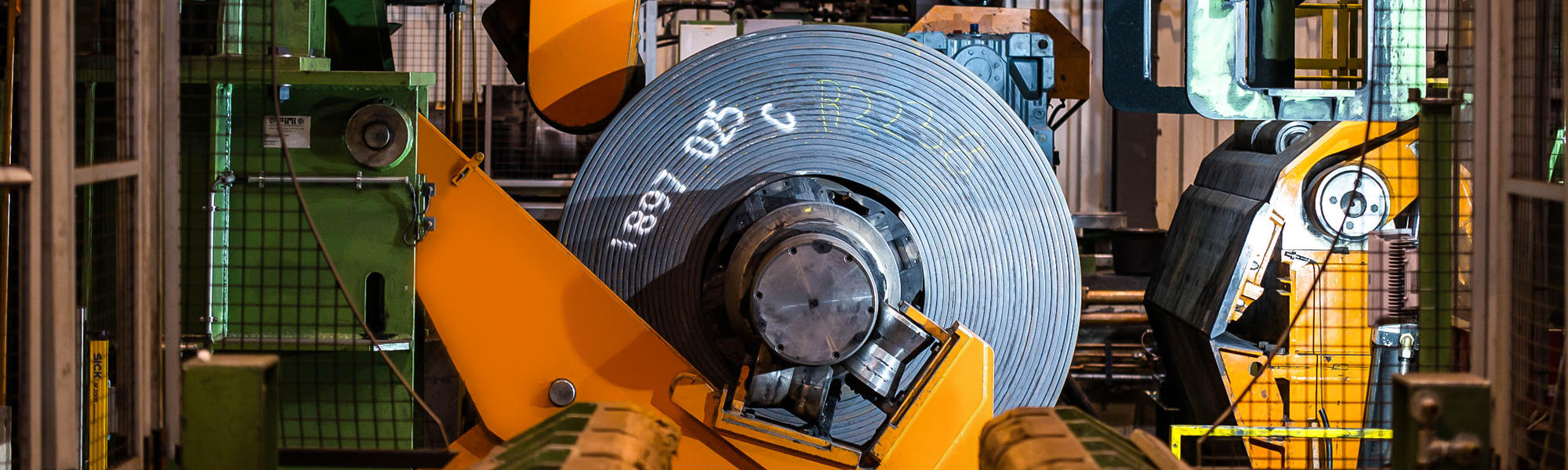
Italian service centres are experiencing an unprecedented surge in demand from the automotive sector and the appliances industry. Demand has been steadily increasing since August but the issue remains availability.
Kallanish learns from service centres that, despite hiking prices for Italian coils, spot buyers and customers who purchase on yearly contracts, such as large appliances makers, are increasing their orders. They are “…desperate to find material,” sources say. Coil import prices remain too high and lead times too long.
At the same time, European coil producers cannot guarantee a steady stream of supply, particularly in Italy where ArcelorMittal Italia is producing at minimum capacity and having issues with deliveries. Deliveries from ArcelorMittal facilities in Fos-sur-Mer, southern France, which traditionally supply Italian companies, are also unreliable. Many workers there are still laid off and the restart of blast furnace no.1 has been delayed again due to technical issues, Kallanish understands.
A large appliances maker is said to have registered its best third quarter in history. “Appliances makers have a huge backlog,” a service centre comments. “Our customers’ activity is booming, and they are asking for double the material compared to their normal orders. The delays in coil deliveries is causing a crisis in the entire value chain and sometimes you miss a chance because you have no material to sell.”
Demand is erratic and the automotive industry is also ordering high tonnages, he adds.
Italian hot rolled coil is currently pegged at €480-500/tonne ($567-591) base ex-works while cold rolled coil and hot-dipped galvanized are between €550-590/t base ex-works on average, sources confirm.


Samaddar returns as ArcelorMittal Poland chief

Sanjay Samaddar has been reappointed ArcelorMittal Poland (AMP)’s chief executive and chairman following more than 1.5 years away in different roles.
Samaddar left in February 2019 to become ArcelorMittal Europe Flat Products human resources and information systems director, and also took the position of AMP supervisory board chairman.
AMP’s latest ceo, Marc De Pauw, took up the position only from 1 January 2020. Following Samaddar’s reappointment, De Pauw has been elected a member of AMP’s board. The board also comprises Czeslaw Sikorski, Tomasz Plaskura, Adam Preiss and Tomasz Slezak.
AMP said last week it will close its Krakow hot-end for good after demand failed to recover to satisfactory levels, and environmental regulations and costly energy raised production costs (see Kallanish passim).
In 2019 the firm produced 4.8 million tonnes of crude steel, down -9% on-year, following the Krakow hot-end idling in November that year. ArcelorMittal’s sales in Poland plunged -26% on-year in the first half of 2020 to $1.55 billion. The country nevertheless leapt into fourth place in the list of ArcelorMittal’s highest-earning countries from sixth in full-year 2019.
Grüne Stahldistribution in Deutschland und Europa
Das Handlungskonzept Stahl fordert die Stahlbranche auf, bis 2050 klimaneutral zu arbeiten. Als ein strategischer Partner unterstützt die KALTENBACH.SOLUTIONS GmbH die Unternehmen der Stahldistribution umfassend im Performance Management – auch bei der Umsetzung der grünen Ziele. Gemeinsam können sie die neuen Herausforderungen im Bereich Lager / Logistik / Operations bewältigen und die Wettbewerbs- und Handlungsfähigkeit der Unternehmen stärken.
Das von Bundeswirtschaftsminister Peter Altmaier am 15. Juli vorgestellte Handlungskonzept Stahl entwirft die Vision einer starken, ökologischen und wettbewerbsfähigen Stahlindustrie in Deutschland und Europa. Als Schlüsselindustrie mit rund 86.000 Beschäftigen soll die Stahl-Branche Vorbild werden für einen Wandel in der deutschen Wirtschaft hin zu einer klimafreundlichen Industrie.
Stahl ist der unentbehrliche Rohstoff für unsere moderne Mobilität, für die digitale Kommunikation, die Urbanisierung und die Automatisierung. Bei der Herstellung und Verarbeitung entstehen bisher große Mengen an CO2; allein in Deutschland waren es 58,4 Mio. Tonnen im Jahr 2018. Seit Beginn der Pandemie ist die Abnahme von Stahl weltweit zurückgegangen und der Wettbewerb noch härter geworden. Einige Länder nehmen wenig Rücksicht auf die Umwelt und produzieren günstiger als Deutschland. Die Bundesregierung will grünen Stahl jetzt durch Forschung, Entwicklung und innovationsfreundliche Investitionsbedingungen fördern. Sie rechnet dafür mit Kosten von 30 Milliarden Euro bis zum Jahr 2050.
Die Stahlunternehmen selbst müssen den Wandel aktiv umsetzen. Dazu gehört eine klimafreundliche, ressourcenschonende und effiziente Stahldistribution. Gezieltes Performance Management im Bereich Lager / Logistik / Operations ist notwendig, um ungenutzte Potentiale zu heben und den Verbrauch an Ressourcen wie Energie, Maschinen, Transportkapazitäten und Flächen zu senken. Aus dem Maschinenbau kommend verknüpft die KALTENBACH.SOLUTIONS GmbH viele Jahrzehnte Erfahrung in der Stahlbranche heute mit innovativen Software-Lösungen. Durch diese umfassende Expertise wird sie ein umsichtiger Begleiter für die Unternehmen der Stahldistribution auf dem Weg in eine grüne und erfolgreiche Zukunft
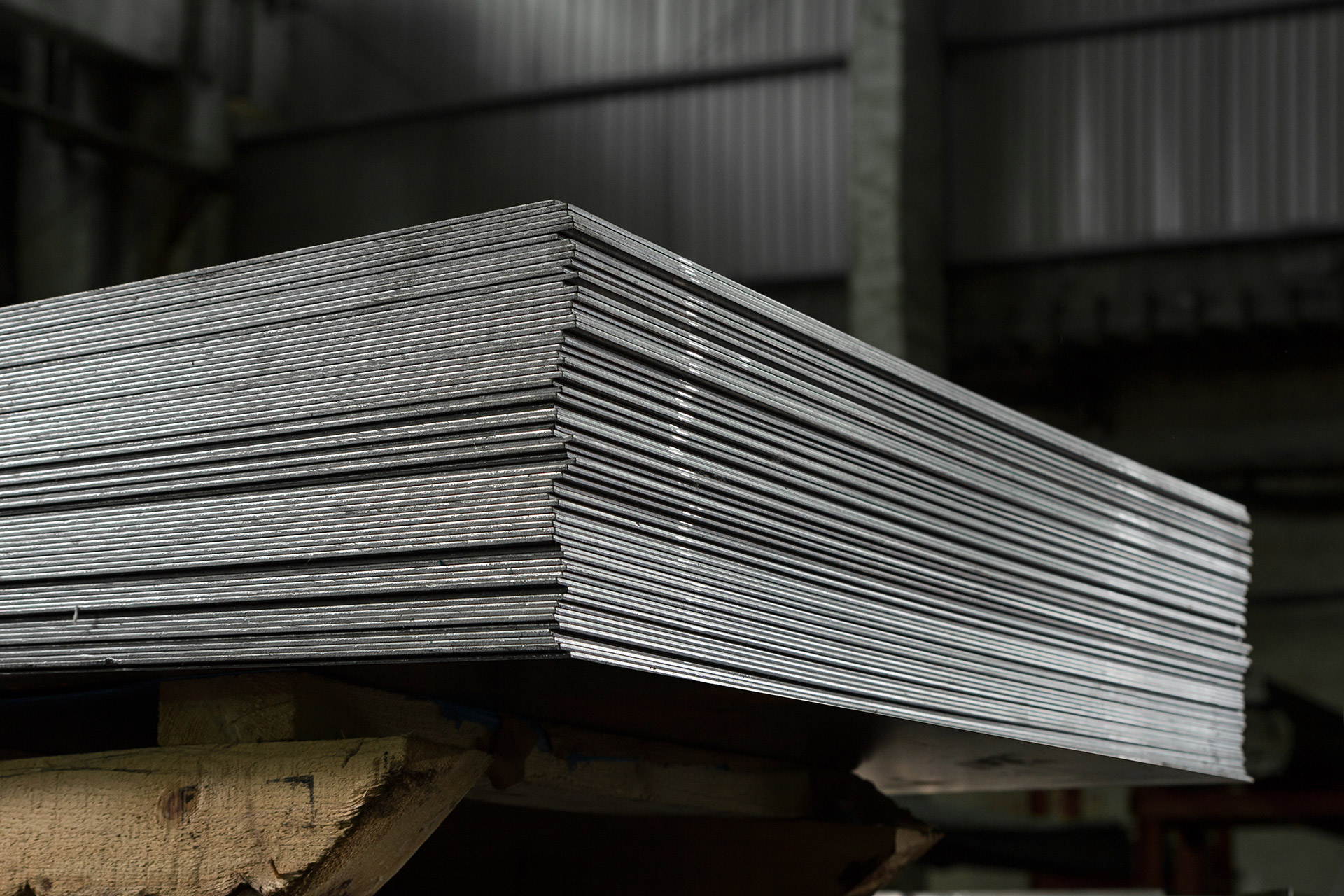
Quelle: KALTENBACH.SOLUTIONS GmbH / Vorschaufoto: marketSTEEL
Dutch service centre Laura gets new levelling machine
Laura Staalcenter in Maastricht has invested in a new levelling machine, Kallanish learns from the Dutch company.
Laura Staalcenter specialises in processing steel coils into sheets and sheet pickling. For the de-coiling it uses two cut-to-length lines. The newly acquired PeakPerformer levelling machine will replace an existing old machine which was outdated and not powerful enough to meet today’s demand for steel with a higher tensile strength, the firms says. It was supplied by German manufacturer Kohler, which is represented in the Netherlands and Belgium by the company HEVAMI Surface Technology based in Veghel.
The new machine, type PeakPerformer 100P.2500-RB-C, can level sheets up to 2,500mm wide. In practice, a maximum of 2,100mm will be processed as this is the maximum width of the de-coil lines at the service centre. The new machine has an over width to make optimal use of the existing crowned roll system which has been purchased to remove wavy edges and centre buckles from the sheet, Laura says.
Depending on the yield strength of the steel, sheets of 2,000mm wide can be processed up to a thickness of 12mm. The new machine is scheduled to be operational by mid-2021. The service centre is part of Laura Metaal group, which also makes sheet piling and road safety barriers.
MMSteelClub SMM 2020: UK & Europe Steel Session Highlights
Featured Speakers for the UK & Europe session included Fernando Espada, President EUROMETAL and Alessandro Sciamarelli, Director Market Analysis & Economic Studies EUROFER.
Here are the Highlights of the MMSteelClub SMM 2020: UK & Europe Steel Session.
Trump steel tariffs bring job losses to swing state Michigan
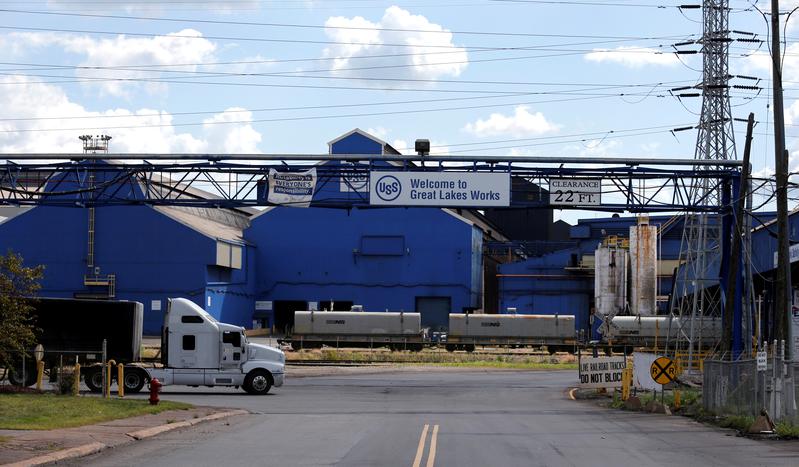
President Donald Trump promised a new dawn for the struggling U.S. steel industry in 2016, and the lure of new jobs in Midwestern states including Michigan helped him eke out a surprise election win.
Four years later, Great Lakes Works – once among the state’s largest steel plants – has shut down steelmaking operations and put 1,250 workers out of a job. A year before the June layoffs, plant owner United States Steel Corp called off a plan to invest $600 million in upgrades amid deteriorating market conditions.
Trump’s strategy centered on shielding U.S. steel mills from foreign competition with a 25% tariff imposed in March 2018. He also promised to boost steel demand through major investments in roads, bridges and other infrastructure.
But higher steel prices resulting from the tariffs dented demand from the Michigan-based U.S. auto industry and other steel consumers. And the Trump administration has never followed through on an infrastructure plan.
Michigan’s heavy reliance on the steel and auto industries puts Trump’s trade policy in sharp focus ahead of the Nov. 3 presidential election in this battleground state. Democrats say they aim to recapture the votes of blue-collar workers they lost to Trump four years ago – one key factor in his victory over Hillary Clinton. Trump won Michigan by less than one percent of the statewide vote total. The competition for the votes of often-unionized manufacturing workers – who historically have voted Democratic – will be just as fierce in the battleground states of Wisconsin and Pennsylvania, political analysts say.
Biden leads Trump in Michigan by 8 percentage points, according to a Reuters/Ipsos state opinion poll of likely voters conducted from Sept. 29 – Oct. 6, widening his lead from a few weeks earlier.
Nationally, the steel industry has been shedding jobs for the past year – since before the wider economic downturn caused by the COVID-19 pandemic – and now employs 1,900 fewer workers than it did when Trump took office, according to U.S. Labor Department data. (For a graphic on steel jobs, click tmsnrt.rs/2SRIEaF)
While the tariffs failed to boost overall steel employment, economists say they created higher costs for major steel consumers – killing jobs at companies including Detroit-based automakers General Motors Co and Ford Motor Co. Nationally, steel and aluminum tariffs resulted in at least 75,000 job losses in metal-using industries by the end of last year, according to an analysis by Lydia Cox, a Ph.D. candidate in economics at Harvard University, and Kadee Russ, an economics professor at the University of California, Davis. In all, they estimated, the trade war had caused a net loss of 175,000 U.S. manufacturing jobs by mid-2019.
Read more…
@reuters.com
Turkish pipemakers fill EU quota in one day
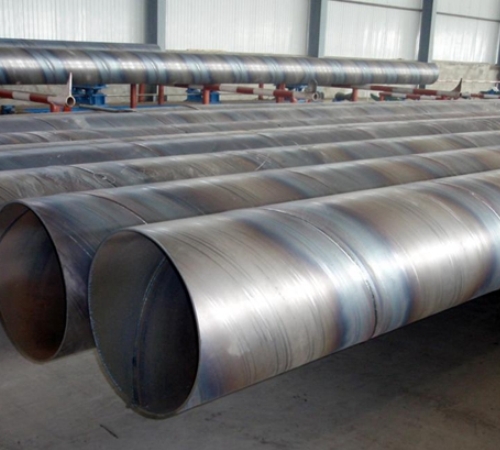
Turkish welded pipe producers, which have concluded high volumes of sales to the EU since July, have filled the EU second-term quotas that started on 1 October, in one day. As a result, many European buyers have been obliged to pay the 25% tax on surplus material.
A Turkish pipe producer tells Kallanish: “We have filled the previous term quotas in 15 days. Considering this, I shipped the material to be delivered on 3 October, but it was too late… I barely believed that was true.”
“Most of our regular buyers have remained in a very difficult situation; I don’t think they will prefer Turkey for their future pipe sourcing,” says another producer.
Although Turkish mills have already started selling pipe for the third-term quotas, European buyers have slowed demand this week following their experience with the second-term quotas last weekend.
As a result, Turkish electric resistance welded (ERW) pipe made from S235 grade hot rolled coil prices have declined to $570-580/tonne fob Turkey theoretical weight.
Although there have been some sales to Turkmenistan, Georgia and the Middle East for ongoing projects, demand, in general, has remained low, following the EU’s slowdown this week.
HRC offer prices, meanwhile, stand mostly at $520-530/t ex-works in the Turkish market, down from $535-540/t a week ago. Almost all market participants expect HRC prices to further decline following the decreases seen in scrap prices.

Schwarzwald Eisen acquires two rebar shops

German steel distributor Schwarzwald Eisen has taken over the two rebar operations of Stober, a wholesaler of building materials and sanitary equipment based in Karlsruhe.
Several weeks ago, Schwarzwald Eisen announced the takeover of one of Stober’s bending shops, in Kippenheim, Baden Württemberg state. “And we have just taken the second step,” with the acquisition of Stober’s rebar activities in Karlsruhe, Kallanish is told by Schwarzwald managing director Alexander Hatt. The acquisition included the takeover of Stober’s 50 employees across the rebar operations, he adds.
Schwarzwald Eisen is headquartered in Lahr in the Black Forest. In southwestern Germany it also operates steel distribution houses in Freiburg and Bad Säckingen. It previously acquired Westerwald Hürlimann Stahlhandel with three houses further north in the Rhineland region. This year, it will achieve a revenue of some €100 million ($117m), it says.

Eurofer calls for stricter measures on stainless imports
European steelmakers’ association Eurofer has called for the European Commission (EC) to go beyond the latest anti-dumping measures confirmed for stainless hot rolled coil from China, Indonesia and Taiwan.
In a note seen by Kallanish, the association welcomes the definitive duties imposed, but stressed the levels of duties are far too low compared with the calculated dumping margin.
“Although the Commission’s investigation clearly established that significant raw material distortions exist in China and Indonesia, the Commission has failed to lift the Lesser Duty Rule, and imposed final anti-dumping duties at the lower level of the injury margins,” says Eurofer director general Axel Eggert. “However, the dumping margins range from 17.7% to 106.5% for Chinese and Indonesian producers, so the effect of massive distortions has been ignored.”
Earlier this week Europe confirmed AD duties of 4.1-19% for stainless HRC imports from China, Indonesia and Taiwan. “Indonesia, China and Taiwan have a structural overcapacity problem. Their dumping has seriously harmed European stainless steel producers and these measures are necessary,” Eggert observes.
It is now important for the EC to be vigilant in regard to possible circumvention of the new measures in place, Eurofer adds.
Further duties could be imposed in relation to the ongoing investigation on stainless cold rolled coil imports from Indonesia and India.
“The recently opened investigation into imports of stainless steel cold rolled flat products originating in Indonesia and India will be another opportunity to enforce trade rules properly and send the right signal to third-country producers and their governments that deliberately ignore WTO rules and continue to build up excess capacity,” Eurofer concludes.

Court orders fresh tender for Polish plate mill

A third tender will be held for the sale of Polish plate mill Huta Czestochowa (HCz) after the winner of the previous tender, Sunningwell Steel Polska, failed to come to an agreement to buy the steelworks.
The Czestochowa district court tells Kallanish it dismissed a request from Sunningwell to amend the rules of the previous tender held in July, but does not specify what this request entailed.
Sunningwell won the previous tender and was readying to incorporate HCz into its steel holding (see Kallanish passim). This was set up in 2019 to operate steel assets acquired in Poland, Romania and potentially other Central and Eastern European countries.
The failure to reach a sale agreement, however, was the fault of Sunningwell, a court spokesman says, obliging authorities to call a fresh tender in which Sunningwell is not permitted to participate, according to Polish law.
The court has ordered the administrator to provide within 14 days new tender conditions for approval by the judge. It has also requested a new proposal for the leasing of insolvent HCz. Sunningwell has been leasing the plate mill since September 2019.
Sunningwell was the only company to make a valid bid in the July tender. Another bid came in from Liberty Steel-owned Corween Investments, which also participated in last year’s sales process for HCz. However, this bid came in after the deadline and did not contain the required deposit, resulting in it being rejected by the court.
Sunningwell did not respond before deadline to requests for comment.
At an industry meeting last month Sunningwell chief executive Marek Frydrych said the firm anticipated a profitable business from HCz as “…there is no plate in the market.” HCz’s order book for the fourth quarter is 170,000 tonnes, he added.
Electric arc furnace-based HCz has a 1.2 million tonnes/year capacity of heavy plate.