


Iron, steel dominate first CBAM imports
Iron and steel imports into the EU have accounted for the lion’s share of Carbon Border Adjustment Mechanism (CBAM) goods entering the bloc since 1 January, Kallanish learns from customs data.
The data, which covers the first reporting window from 1-6 January, shows that CBAM imports declared totalled 1,655,613 tonnes.
Within this, iron and steel accounted for 98%. Fertilisers accounted for 1.2%, cement 0.5% and aluminium 0.3%, while electricity and hydrogen saw 0%.
The main countries of origin of CBAM-covered imports included Türkiye, China, India, Canada, Taiwan and Vietnam, while the top importing member states were Belgium, Spain, Romania, Netherlands, France and Germany.
Seamless interconnection of the CBAM Registry with National Customs Import Systems, Taric and EU Customs Single Window by member states ensured real-time data exchange, efficient validation of declarants, and uninterrupted import procedures at EU external borders, the European Commission notes.
It adds that national authorities are reporting stable processing times, however, some industry sources have seen minor delays at some ports related to paperwork issues.
The progress demonstrates the EU’s capacity to deploy complex climate policy instruments without hindering trade, while reinforcing transparency, fairness, and climate ambition across global supply chains, the Commission says.
Other data show more than 4,100 CBAM economic operators successfully obtained CBAM authorised declarant status across the EU prior to and immediately after 1 January. From 1-7 January, 10,483 Import Customs Declarations with CBAM goods were validated automatically and in real time via integrated customs systems.

Italian re-rollers increase prices further amid rising costs
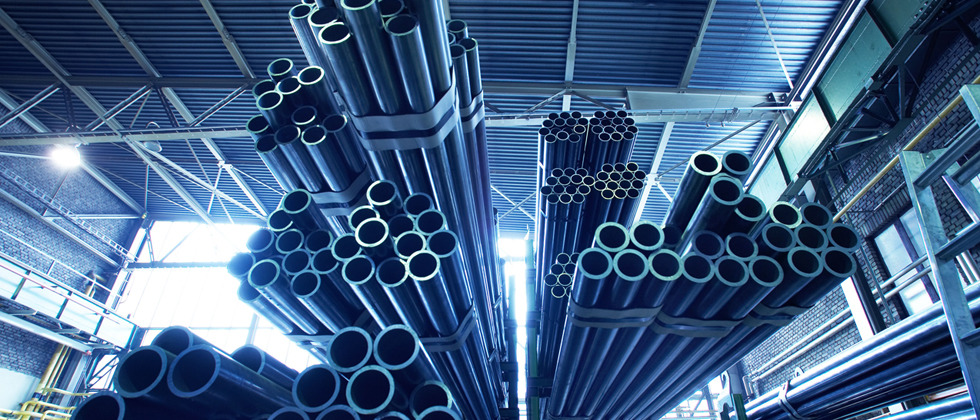
Italian re-rollers are planning to continue lifting tube prices in line with the sharp increases already seen for hot rolled coil values.
Several large players have continued to source imported HRC to cover substantial volume requirements, despite the prospect of higher costs linked to CBAM and quotas. One buyer tells Kallanish it is sourcing material from producers who are expecting to face lower CBAM charges, although it remains uncertain how costs will ultimately evolve, and the company is currently reviewing its supply chain. The source adds that CBAM effectively acts as a duty and an additional protection measure, while the harsher constraint on imports remains safeguard and quotas, which can be exhausted within days given the significant needs of some large EU steel processors.
Another market participant says that, should safeguard measures be confirmed under the expected rules, a sharp rise in European HRC prices is likely. “The key issue for us is understanding when this strong increase will occur,” the source comments.
Market conditions for tubes and coil derivatives in Italy and France remain relatively calm following the holiday period, sources say. However, due to recent price increases, apparent demand has re-emerged in Italy.
Tube prices are also expected to continue rising in the coming months, with the scale of increases depending on the severity of safeguard measures, according to re-rollers.
Following the implementation of new price lists by all Italian re-rollers in December, discount levels currently stand at around 42-43 points. Producers are now aiming to reduce levels to 40 points as early as this week, sources say.
One large European steelmaker confirmed to Kallanish last week that his asking price for HRC is €670/tonne ($779.39/t) base delivered. An Italian tube producer notes that, at a discount of 42-43 points, the standard 40x40x3 tube grade is priced at around €770/t, which is insufficient to generate a profit. Re-rollers require a spread of roughly €170/t between HRC and this workhorse grade to avoid operating below cost. This would imply a tube price of at least €840-850/t, alongside a reduction in discount to around 38 points in the coming weeks, to restore margins.
A French source adds that passing higher values downstream remains challenging, while Italian re-rollers have so far maintained a firm stance on pricing.

Polish rebar prices rise amid higher scrap and energy costs
Prices in Poland for domestic steel reinforcing bar (rebar) increased in the week to Friday January 16 amid higher production costs linked to increases in scrap and energy costs, sources told Fastmarkets.
Fastmarkets’ weekly price assessment for steel reinforcing bar (rebar), domestic, cpt Poland was 2,480-2,550 zloty ($682-702) per tonne on Friday, up from 2,400-2,450 zloty per tonne in the previous week.
The assessment matches some estimates of workable levels heard within the range of 2,480-2,550 zloty per tonne CPT, with the upper end of the range supported by a deal reported at 2,540-2,550 zloty per tonne CPT.
Sources said some producers have attempted to increase offers or indicated that higher offers are being pursued, but no price level for those offers was reported during the assessment period.
“There are rumors that prices might increase, but right now it is not clear what will happen,” a distributor source said. “Steel mills have to decide prices based on increases in scrap and energy costs,” the source added.
But the source said producers will have to see whether buyers will accept any price increase.
Meanwhile, a trader source said market mood remains calm with “no big demand” because low temperatures during the winter months affect market activity.
Prices remained flat for drawing-quality wire rod, with no new trading activity reported during the week.
Fastmarkets’ weekly price assessment for steel wire rod (drawing quality), domestic, delivered Poland was 2,600-2,650 zloty per tonne on Friday, unchanged week on week.

Quiet trading keeps European domestic steel HRC prices flat
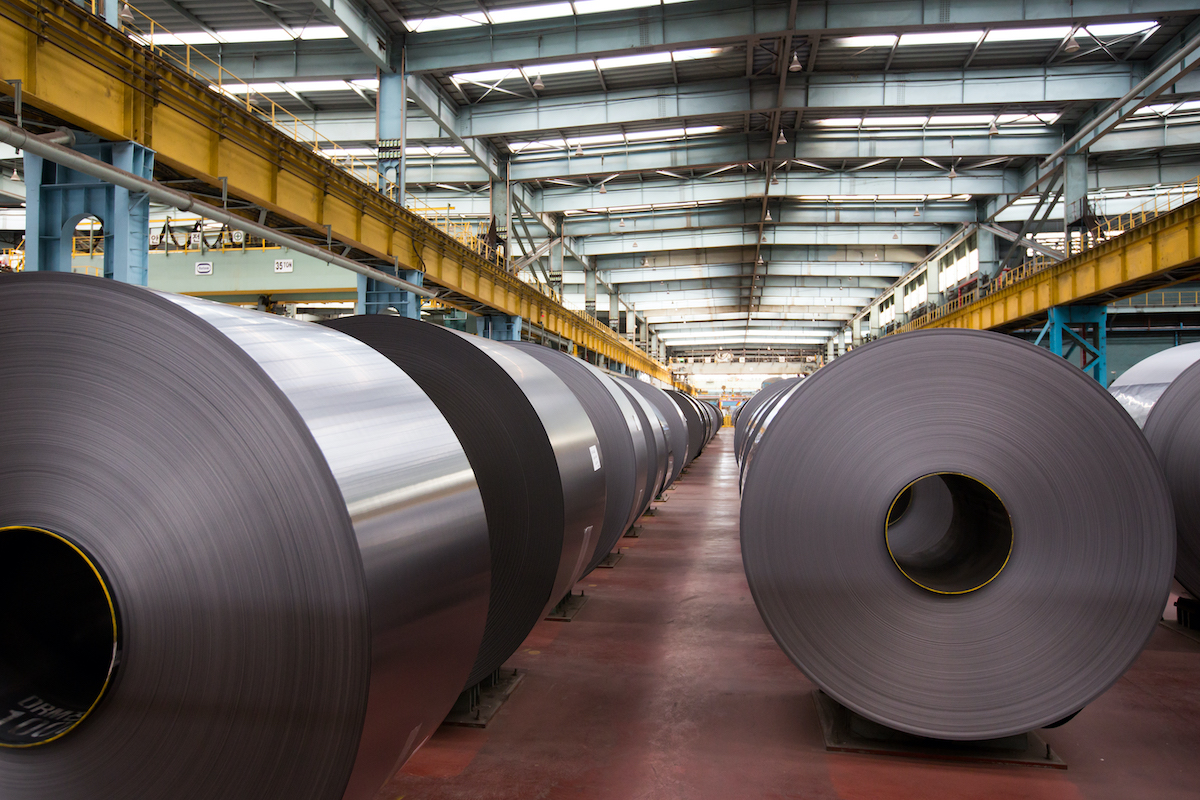
European domestic prices for steel hot-rolled coil (HRC) were largely stable on Monday January 19 with trading activity remaining muted.
Mills continued to seek higher prices for material with delivery from March onward amid the uncertainty in the import sector caused by the introduction of the EU’s Carbon Border Adjustment Mechanism (CBAM).
Suppliers in Northern Europe were offering March-delivery coil at €650-670 per tonne ex-works with some business said to be done at €630-645 per tonne ex-works.
Meanwhile, material for April delivery was offered at €670 per tonne ex-works and higher, but these prices have so far failed to gain traction with customers.
A seller from the Benelux region reported sales of April-delivery cargoes at €640 per tonne ex-works.
Fastmarkets’ daily steel hot-rolled coil index, domestic, exw Northern Europe, was €640.63 per tonne ($745.67) per tonne on January 19, up by €0.13 per tonne from €640.50 per tonne on January 16.
The index was also up by €5.00 per tonne week on week and by €16.88 per tonne month on month.
Italian producers were also hoping for higher prices with offers of March delivery coil within the range of €640-650 per tonne ex-works.
Workable prices so far have not exceeded €635 per tonne ex-works, according to market sources.
Service centres were said to have sufficient stocks built from domestic and import bookings made previously, with demand currently coming mainly from pipe makers.
Fastmarkets’ daily steel hot-rolled coil index, domestic, exw Italy, was calculated at €631.67 per tonne on Monday, up by just €0.42 per tonne day on day.
The index was also up by €4.17 per tonne week on week and by €17.92 per tonne month on month.

ArcelorMittal increases coil offers in Europe
ArcelorMittal increased its offer prices for steel coil in Europe on 20 January, according to trading sources.
The new target prices across Europe for April shipment hot-rolled coil (HRC) are EUR700/t delivered, for cold-rolled coil (CRC) – EUR830/t delivered and for hot-dipped galvanized coil (HDG) – EUR820/t delivered. These are around EUR30-40/t higher than the previous official rise announced in the middle of December 2025.
European coil prices have started to recover from the middle of January supported by the Carbon Border Adjustment Mechanism (CBAM) which came into force this year, seasonal demand recovery and an anticipated reduction in import quotas in the second half of 2026.
McCloskey’s weekly assessment for domestic HRC prices in Northwest Europe was EUR635/t ex-works on 16 January, up EUR15/t on the week.
The introduction of CBAM has made imports riskier as buyers face substantial duties based on default values unless the exporters can verify their actual emissions. This has made buyers either turn to European mills or to book from big trading companies on a DDP basis, making prices higher.
Most market participants anticipate that prices will continue to rise as the market share of European mills will expand due to the impact of CBAM and trade measures.
The CRC segment is expected to be particularly impacted by the new regulations, as European buyers have been mainly relying on imports for supply of commodity grade material. European mills have preferred to trade either HRC and HDG due to higher costs and lower prices for CRC.
ArcelorMittal’s new CRC offer price is slightly higher than that for HDG, reflecting a shift in the market. Traditionally HDG has traded at a premium to CRC.
The anticipated decision in the EU’s anti-dumping probe started in September against CRC imports from Japan, Turkey, Vietnam and Taiwan, China is expected to support the change in the market.


CBAM: EU steel lobby says importers struggling as Commission touts ‘successful’ CBAM launch
The full implementation of the carbon border adjustment mechanism (CBAM), which began on 1 January, was a success, the European Commission said on 14 January.
CBAM imports declared during that first six-day reporting window totalled 1.66 million tonnes — 98% of which was steel and iron; these materials had already dominated during CBAM’s 2023-2025 transitional period.
Yet for some importers, the picture is far less rosy.
Alexander Julius, president of the EUROMETAL lobby for steel and metals, told Contexte the first two weeks under the levy were “marked by confusion and uncertainty”, which was particularly difficult for small businesses.
Companies had “no realistic chance to prepare adequately”, as critical operational documents were published a day before the launch, he said.
New contracts for post-January deliveries have also slowed down, Julius added, as many companies wait for “greater clarity and risk assessment before committing to further imports”.


Andritz acquires 51% of China-based Sanzheng
Austria-headquartered Andritz has officially acquired 51% of the equity of China-based Baoding Sanzheng Electrical Equipment, Kallanish learns.
According to Andritz, the transaction was concluded in December. Andritz views this move as an important part of strengthening its position as a “comprehensive solutions provider for steel processing, in particular electrical steel”.
Sanzheng focuses on power electronics technology and provides comprehensive solutions for the induction heating field. It is located in Hebei Province, China’s largest steel-producing province.
Andritz states that Sanzheng’s annual revenue is approximately €30 million ($34.84m). This represents only 0.36% of Andritz’s revenue in 2024.
The technology supplier adds: “Sanzheng will continue to operate under its existing name and management structure, ensuring business continuity for customers and partners.”
UK’s TRA to review aluzinc, quarto plate safeguards
The UK’s Trade Remedies Authority has launched a review into the possible discontinuation of safeguarding measures on aluzinc, aluminised flat steel and quarto plate, Kallanish notes from published documents.
These products come under categories 4 and 7. The TRA is expected to issue its statement of intended determination in early February 2026, with any findings taking effect from 1 April.
This comes following a tariff rate quota review requested in a submission by the International Steel Trade Association (ISTA), which notes “the clear absence of any domestic production” of the products in the UK.
In a note to its members, ISTA acknowledges that the timeline leaves limited scope for imports ahead of the current safeguard expiry on 1 July, but the review could support the exclusion of these products from any future replacement measures.
Market participants may register their interest by 25 January, with a simplified registration process aimed at encouraging broader participation, the TRA notes.

Voestalpine bags Istanbul warehouse order, expands storage technology
The metal forming division of steelmaker voestalpine has reported a large order for a high bay warehousing systems for sporting goods for a Turkish logistics service provider in Istanbul, Kallanish learns.
The order includes the construction of a high bay warehouse and an automated small parts warehouse. It will have a height of almost 40 metres, a length of 222m and a width of 86m, composed of custom roll-formed profiles made at the division’s site in Krems, Austria.
With a total volume of around €41 million ($48m), the order is the company’s biggest for warehouse systems so far, it notes.
The metal forming division uses sections, tubes and precision strip steel products and ready-to-install system components made of pressed, stamped and roll-formed parts in its warehousing systems.
In the Netherlands, two 45-metre-high high-bay warehouses were recently completed for the distribution centre of furniture retailer JYSK. Another such project is currently being implemented for a retail company in the UK. The new facility, a fully automated pallet racking system, reaches a height of 30 meters and comprises thousands of storage locations for palletized and small goods.
The Austrian group says it plans further development of global activities in the area of storage systems. In the 2024/25 business year, a specially designed production site was built in Kentucky, which voestalpine says will be expanded with additional systems in the current business year.
Worthington, Klöckner agree on acquisition
Steel distribution groups Klöckner & Co and Worthington Steel announced on Thursday a business combination agreement, following the completion of due diligence and related negotiations.
As part of the transaction, US company Worthington Steel intends to launch a voluntary public takeover offer for all outstanding shares of the German-based group.
Under the terms of the agreement, Worthington is offering €11.00 ($12.78) in cash for each Klöckner share. This corresponds to a premium of 81% on the closing price of Klöckner on 5 December, the date prior to which negotiations were publicly disclosed. The implied total enterprise value of the transaction is approximately €2.1 billion ($2.4 billion), Kallanish learns from a Klöckner statement.
Both Klöckner’s management board and supervisory board welcome the offer and intend to recommend its acceptance to shareholders. In their view, it reflects the intrinsic value of the group’s shares and includes an attractive premium.
According to the statement, Klöckner’s largest stakeholder, SWOCTEM GmbH/Friedhelm Loh group, has committed to tender all of its 41.53% stake. Members of Klöckner’s management board have also confirmed they will tender all shares they hold into the offer.
Klöckner & Co has over recent years gradually increased its activities in the USA under Kloeckner Metals. This set-up “complements our own capabilities in an ideal way,” says Geoff G. Gilmore, chief executive of Worthington Steel. “Together, we are poised to sustainably enhance our offerings and accelerate our growth strategy.”
Under the agreement, Klöckner will continue to operate independently and be run by the current management, with its European headquarters remaining in Düsseldorf. There are no intended layoffs or site closures, and all works council agreements will remain in force, it notes.