


Tosyalı urges EU to remove Türkiye, Algeria’s quotas
Tosyalı Holding’s chairman Fuat Tosyalı is calling on the European Union (EU) to remove steel import quotas for Türkiye and Algeria, arguing that the measures undermine the EU’s own steel industry and contradict sustainability goals, Kallanish notes.
Tosyalı is quoted by Anadolu Agency saying the quotas which are designed to shield Europe from Asian, particularly Chinese, imports are also being applied to Türkiye, which he described as a key upstream supplier for the EU.
“The EU should lift quotas for countries like Türkiye and Algeria that provide low-emission upstream steel. Otherwise, it risks weakening its own downstream industries,” he adds while at the World Economic Forum Annual Meeting in Davos.
Tosyalı underlines that low-emission upstream steel products produced in Türkiye and Algeria should not be subject to any quota restrictions, adding that this would allow the EU to introduce green steel more effectively into its own industrial ecosystem.
He also warns that China’s dominance, accounting for nearly half of global crude steel production, continues to distort global markets, driven by overcapacity, subsidies and weak demand. Global excess steel capacity currently stands at around 680 million tonnes and could exceed 720 mt by 2027, he concludes.
Tosyalı also highlights that the steel industry is one of the main contributors to global warming, stressing that outdated, high-emission steel plants should no longer be supported by governments worldwide.


CBAM reshapes India’s steel access to Europe: webinar
The EU’s Carbon Border Adjustment Mechanism is emerging as a structural test for India’s steel export model. Carbon intensity, verification credibility and product exposure to EU demand are set to determine market access from 2026 onwards, speakers said during a recent webinar.
The first meaningful CBAM financial settlement will occur in 2027, based on emissions embedded in 2026 shipments for Indian exporters. Carbon costs are therefore expected to be reflected increasingly in product selection and customer pricing, rather than absorbed uniformly across export volumes, Kallanish notes.
Sentra.world’s co-founder and chief executive, Harsh Choudhry, said CBAM exposure could ultimately account for 10-20% of product cost for carbon-intensive steel once EU free emissions allocations decline.
Product exposure is uneven and concentrated in EU-facing flat steel grades. Cargill regional trading lead Ankur Mishra said around 50% of India’s hot rolled coil and plate exports are directed to Europe. While this represents a sizeable share, these volumes can be more easily diverted to Asian markets if EU economics weaken.
By contrast, dependence is far higher for downstream flat steel, as 95% of India’s CRCA exports and 80% of coated steel shipments, including galvanised and other value-added products, are sold into Europe.
Switching economics further amplify this risk as the price gap between selling HRC into Europe versus Asia is currently around $30/tonne, making diversion feasible. However, for CR and coated products, Europe offers a much higher premium that cannot be easily substituted in Asian markets.
Benchmark emissions for blast furnace-based steel are set at around 1.37 tonne of CO₂/t, while actual emissions for many Indian installations are closer to 2.1 tCO₂/t. When verified emissions data are accepted, this implies a CBAM cost of roughly €65-70/t for HRC and downstream coated products. If EU authorities apply default emissions values, the CBAM burden could escalate to €250-300/t, materially undermining competitiveness.
This places verification credibility at the centre of India’s export outlook. JSW Steel vice president of corporate sustainability Swaroop Banerjee said Indian mills are largely capable of generating verified emissions data, but EU buyers remain cautious as audit rules evolve.
Exports to the EU from carbon-intensive regions such as India and China will be affected as CBAM removes the price advantage of traditional production routes, Banerjee added.
Any perceived weakness in data integrity allows EU authorities to impose default values, effectively turning CBAM into a non-tariff barrier for Indian flat steel.
Despite these pressures, exports are unlikely to face an immediate collapse. Indian mills retain some ability to absorb CBAM costs of up to around €150/t, particularly for coated and value-added flat products that already command premiums in Europe. This buffer is expected to narrow steadily towards 2030 as free allocations are phased out.
Verification capacity may itself become a constraint. Bureau Veritas’ Anirban Chatterjee said only auditors accredited by EU-recognised national bodies can conduct CBAM verification. While interim pre-verification is possible, accredited audits will be mandatory for final compliance.

Domestic CRC, HDG prices rise across Europe as imports dry up amid regulatory pressure
European downstream flat steel prices continued climbing in the week to Wednesday January 21, but recent gains were mainly attributed to import-curbing regulatory pressure, rather than a real pickup in demand, sources told Fastmarkets.
Earlier this week, ArcelorMittal came to the market with higher offers for hot-rolled, cold-rolled and hot-dip galvanized coil across Europe, Fastmarkets reported.
Notably, offers for April-delivery HDG from the supplier were reported at €820 ($963) per tonne base delivered (around €805 per tonne ex-works), compared with €780 per tonne base delivered for March.
And for CRC, offers were reported even higher — at €830 per tonne base delivered (€815 per tonne ex-works) for April lead times.
The market was still digesting the increase, but most buyer sources in both Southern and Northern Europe continued reporting lower tradable prices for both CRC and HDG.
Northern Europe
Buyers in Germany and the Benelux area estimated workable levels for CRC at no higher than €740-760 per tonne ex-works during the week to January 2 — pretty much in line with the previous assessment period.
Some transactions were reported within the mentioned range.
One integrated mill in the region reported target offers at €770-780 per tonne ex-works for April-delivery CRC so far.
Another supplier was aiming for €780 per tonne ex-works.
Most of the suppliers in the region were sold out for the first quarter delivery CRC, Fastmarkets heard.
The CRC market in Europe is traditionally mainly dominated by imports, especially in the commodity grades segment, but recent regulations developments — notably an anti-dumping investigation, targeting CRC originating in India, Japan, Taiwan, Turkey and Vietnam, and covering around 65% of the EU’s total CRC imports — curbed import options.
On top of that, the Carbon Border Adjustment Mechanism (CBAM) rollout as of January 1 also limited new imports.
Therefore, stronger reliance on European suppliers allowed them to close first-quarter order books quite fast, sources said.
Fastmarkets’ weekly price assessment for steel cold-rolled coil, domestic, exw Northern Europe was €740-760 per tonne on Wednesday, widening upward from €740-750 per tonne the previous week.
For hot-dip galvanized coil, offers in Northern Europe were reported at €780-805 per tonne ex-works for April lead times.
Italy-origin HDG was offered to Germany at €770-780 per tonne base delivered.
So far, tradable prices for HDG across Europe have also remained below ArcelorMittal’s target offers — with recent trades in Northern Europe reported at €750-770 per tonne ex-works.
Fastmarkets’ weekly price assessment for steel hot-dipped galvanized coil, domestic, exw Northern Europe was €750-770 per tonne on Wednesday, narrowing upward from €745-770 per tonne a week earlier.
Southern Europe
In Southern Europe, especially in Italy, domestic CRC availability was tight due to limited number of suppliers.
Notably, in Italy, deals for CRC were reported at €770-780 per tonne ex-works during the assessment week.
“There is only one CRC supplier in Italy, and almost no new imports. So, CRC price increase is even outpacing HDG,” a buyer in Italy said.
“There is practically no import availability — since over half of traditional import is under anti-dumping investigation, and on top of that we have CBAM and safeguards. This [regulation pressure] is the only driver for domestic price increase,” a second buyer said.
Fastmarkets’ weekly price assessment for steel cold-rolled coil domestic, exw Southern Europe was €770-780 per tonne on Wednesday, rising by €10-20 per tonne from €750-770 per tonne heard in the previous week.
Meanwhile, Fastmarkets’ weekly price assessment for steel hot-dipped galvanized coil, domestic, exw Southern Europe was €760-780 per tonne on Wednesday, widening upward from €760-770 per tonne during the previous week.
During the assessment week, transactions were reported in Italy, Spain and Portugal within the mentioned range.
Sources were not ruling out further price rises in the upcoming weeks.
“Maybe ArcelorMittal’s move [to increase prices] was too soon, but we expected it. And buyers do not have many options to choose from,” a buyer in the Iberian market said.
Imports
In the meantime, the market for overseas coil was broadly quiet over the past seven days, with CBAM, ongoing anti-dumping investigations and expected change steel safeguards measures significantly curbing buyer’s appetite for overseas steel.
New offers were scarce — for both CRC and HDG coil, source said.
“For CRC, all traditional suppliers [India, Japan, Taiwan, Turkey and Vietnam] are under anti-dumping investigation, so we avoid booking from them. And for other there are CBAM costs, which are more or less manageable only for Brazil maybe,” a second buyer in the Iberian market said.
During the assessment week, an offer for Thailand-origin CRC was reported at €655 per tonne CFR to Italy, excluding CBAM costs.
And CRC offers from South Korea was reported at €750-760 per tonne DDP in Spain, versus €725-730 per tonne DDP before Christmas. No fresh deals were reported so far.
Buyers estimated achievable prices for imported CRC at €720-730 per tonne DDP.
So far, to manage unpredictable CBAM costs, European buyers were prioritizing import bookings on a DDP basis — which at least partially accounted for CBAM costs of imported goods, but deals were still rare.
Fastmarkets’ weekly price assessment for steel cold-rolled coil, import, ddp Southern Europe was €720-750 per tonne on Wednesday, rising from €700-725 per tonne seven days earlier.

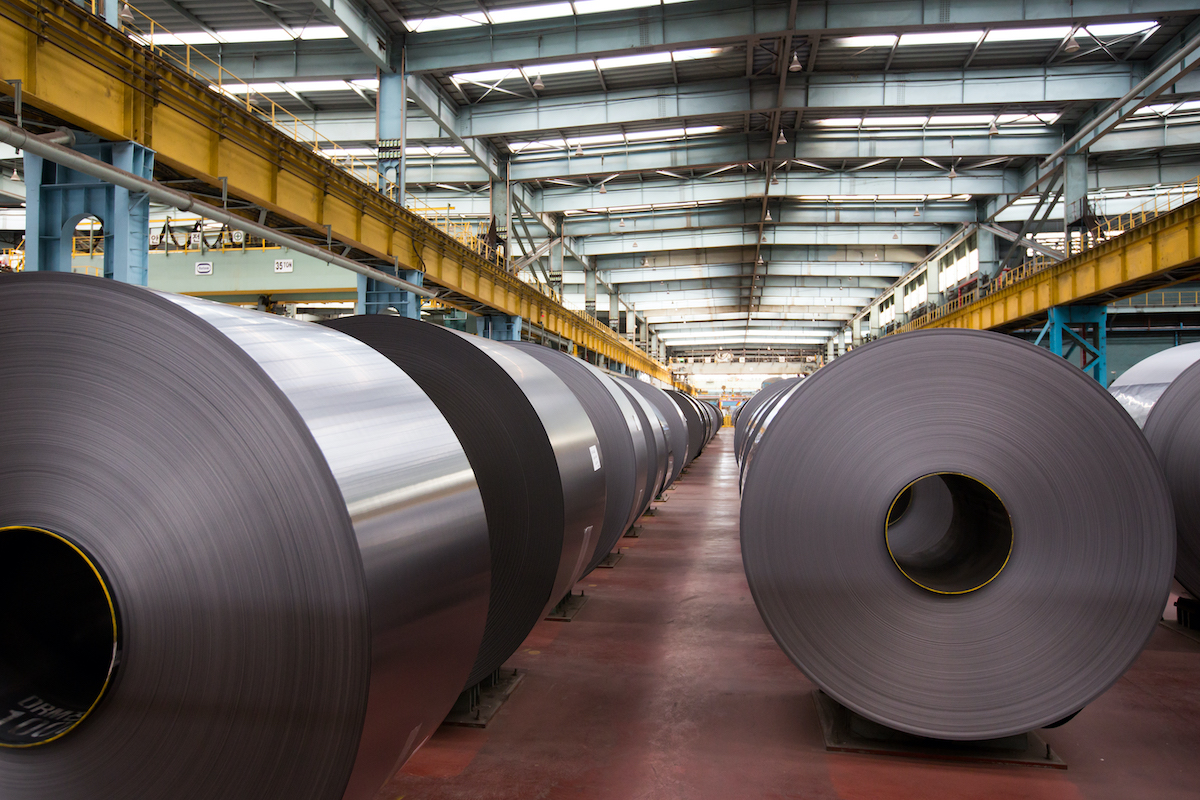
European steel HRC prices inch up on supplier bullishness, CBAM factor
The European steel hot-rolled coil market rose on Wednesday January 21 mainly because suppliers were pushing prices upward, having full order books at least till March, based to a large extent on limited import availability.
Earlier this week, leading European steelmaker ArcelorMittal increased its offer prices for flat steel across Europe.
The new HRC offer was €700 ($817) per tonne delivered, around €685 per tonne ex-works.
“The [ArcelorMittal] price increase came sooner than expected, and new offers are way above the real market level,” a buyer in Germany said. “We will not be able to digest this [new offer] quickly and pass it downstream.”
A buyer source pointed out that steel-service centres across the region were well stocked and not hungry for tonnages.
“The demand [for flat steel] remains stable [in Europe]. It’s neither great, nor terrible – flat since last year. So all these price rises are only due to Carbon Border Adjustment Mechanism [CBAM] and the safeguards effect on new imports,” a second buyer said.
One integrated supplier in Northern Europe said that it was also planning to increase offer prices for April-delivery HRC, but “in smaller steps,” setting a sales target at €650-660 per tonne ex-works.
At the same time, other sources said that one German mill was hoping to achieve at least €700 per tonne delivered for April volumes.
“New offers are absolutely out of touch with reality because buying is quiet, restocking is expected only in early February, and real demand is stable, so all rises are CBAM-driven,” another source on buyer side said.
A transaction was reported at €640-645 per tonne ex-works in the Benelux region area, while buyers’ estimates of achievable prices were around €630-640 per tonne ex-works on Wednesday.
Fastmarkets’ daily steel hot-rolled coil index, domestic, exw Northern Europe, was €642.59 per tonne on January 21, up by €1.84 per tonne from €640.75 per tonne on January 20.
The index was also up by €1.34 per tonne week on week and by €18.84 per tonne month on month.
Fastmarkets’ daily steel hot-rolled coil index domestic, exw Italy, was calculated at €635.00 per tonne on Wednesday, increasing from €631.67 per tonne a day earlier.
The index was up by €5.00 per tonne week on week and by €21.25 per tonne month on month.
Offers were reported as high as €650 per tonne exw, while estimates of a workable price were at €630-650 per tonne exw depending on volume.
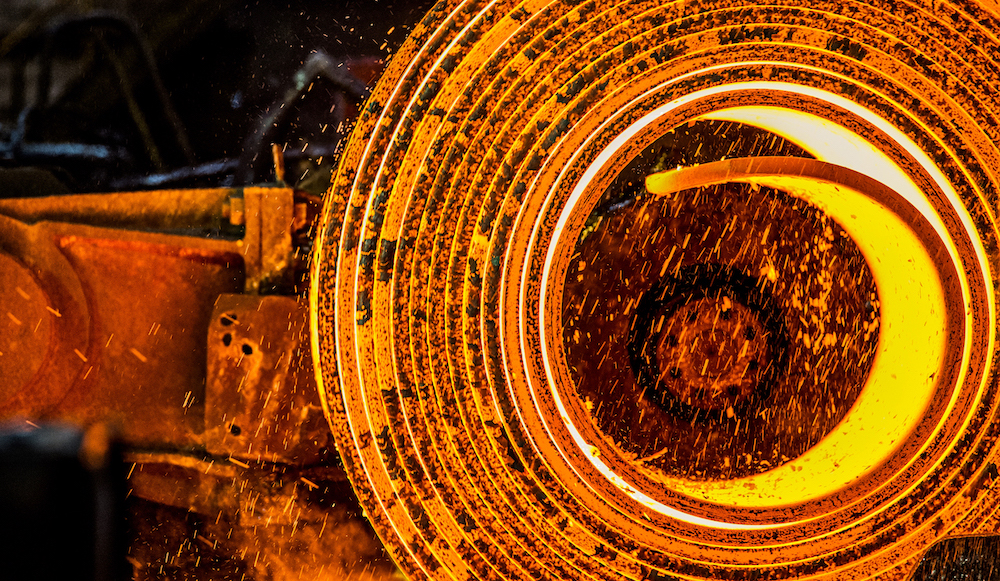
European HRC prices steady as import scarcity underpins market; ArcelorMittal raises April offers
European hot-rolled coil prices were broadly stable on Tuesday January 20, with limited import availability seen as a major driver behind recent gains. Meanwhile, ArcelorMittal surprised the market with new price increase, Fastmarkets heard.
European producers could still offer March delivery HRC, but availability was running tight, sources said.
Offers from integrated mills were reported around €650-670 ($755-778) per tonne ex-works, while transaction prices still didn’t exceed €630-640 per tonne ex-works in Germany and the Benelux area.
ArcelorMittal announced new offers for April delivery at €700 per tonne base delivered, but this remains “above tradeable levels” so far, buyers said.
A buyer source confirmed suppliers were aiming for even higher prices for second-quarter delivery, considering expectations of increasingly tight import steel supply due to both the Carbon Border Adjustment Mechanism (CBAM) and the approaching implementation of new safeguards measures.
“New safeguard measures will likely be imposed after old system expires, so on July 1. That means that even if someone risks buying new imports under the CBAM regime, they will have to make sure material arrives to Europe before the end of the second quarter,” the buyer source said.
In October 2025, the European Commission proposed sweeping reform of its steel import safeguards, suggesting cuts in tariff-free quotas by about 47% and imposing a steep 50% ad valorem duty on any volumes beyond the new threshold.
While total quota volumes have been revealed, it’s not clear yet how those volumes will be distributed, and country-specific quota volumes were yet to be revealed.
“New imports are totally missing from the market, because there is too much uncertainty over its costs and availability,” a second buyer said. “Therefore, we see increased reliance on European mills.”
Source also pointed out that European suppliers were not in a hurry to increase production volumes to fill the gap left by imports.
“Increasing steel production would mean the need to buy more carbon credits (a Carbon EUA [European Union Allowance]), which are getting more and more expensive. It makes more sense to keep [the HRC] market tight,” a third buyer said.
Fastmarkets’ daily steel hot-rolled coil index, domestic, exw Northern Europe was €640.75 per tonne on January 20, up by €0.12 per tonne from €640.63 per tonne on January 19.
The index was also up by €2.42 per tonne week on week and by €17 per tonne month on month.
Fastmarkets’ daily steel hot-rolled coil index domestic, exw Italy was calculated at €631.67 per tonne on Tuesday, stable day on day.
The index was also up by €2.40 per tonne week on week and by €17.92 per tonne month on month.
Prices of €650 per tonne delivered (around €635 per tonne ex-works) were said to be achieved in transactions for limited volumes.
Buyers estimated tradeable prices at €630-635 per tonne ex-works.
“There is no major restocking; steel-service centers keep quiet since they booked more volumes in the fourth quarter and now prefer to wait. At the same time, tubemakers are more active now and start negotiating with mills, partially accepting higher prices,” a local buyer said.
Italian suppliers could offer March-April delivery coil.
Tubemakers in Italy were traditionally more reliant on import coil, but sources said that new imports were very limited and very risky.
Sources reported offers from Turkey at €520 per tonne CFR including anti-dumping duty and at €490-495 per tonne CFR from India.
“For Indian material you have to add about €200 per tonne in CBAM costs, which makes price uncompetitive,” a buyer in Italy said.
A deal for Turkish coil was heard at €630-640 per tonne DDP, with CBAM costs included.
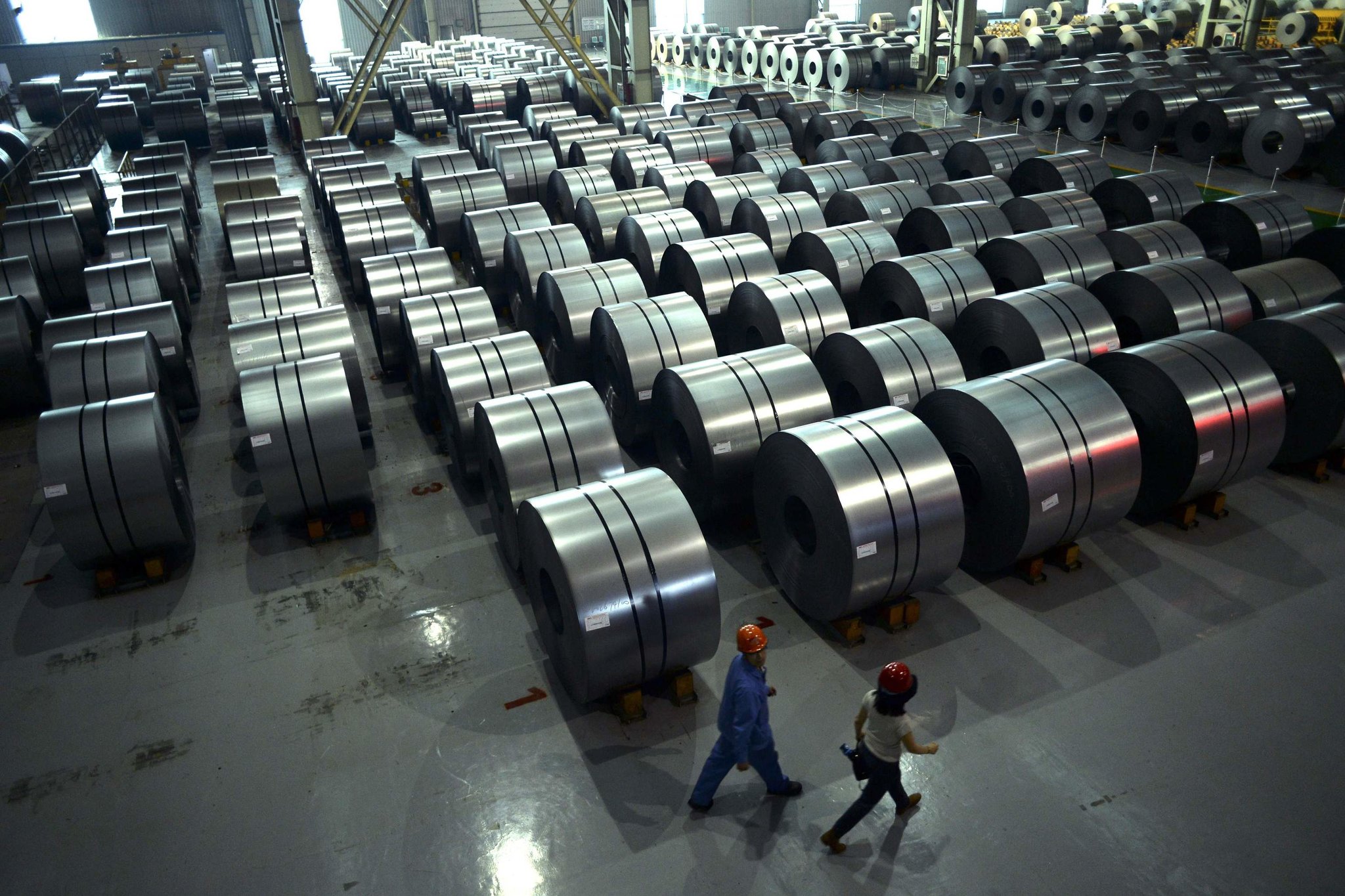
ArcelorMittal raises European flat steel offers for April delivery
Leading European steelmaker ArcelorMittal has raised its offer prices for hot-rolled coil across Europe by another €30 ($35) per tonne for April delivery, with even bigger rises for cold-rolled and hot-dip galvanized coil, Fastmarkets heard on Tuesday January 20.
Several industry sources familiar with the matter confirmed to Fastmarkets that ArcelorMittal had announced a price increase of €30 per tonne for April-delivery HRC, with new offers at €700 per tonne base delivered, compared with €670 per tonne base delivered for March delivery coil.
ArcelorMittal also announced new offers for downstream flat steel — cold-rolled coil and hot-dip galvanized coil.
Notably, offers for April delivery HDG from the supplier were reported at €820 per tonne base delivered, compared with €780 per tonne base delivered for March.
And for CRC, offers were reported even higher — at €830 per tonne base delivered for April lead times.
The CRC market in Europe is traditionally dominated by imports, especially in the commodity grades segment, but recent regulations developments — notably an anti-dumping investigation, targeting CRC originating in India, Japan, Taiwan, Turkey and Vietnam, and covering around 65% of the EU’s total CRC imports — curbed import options. On top of that, the Carbon Border Adjustment Mechanism (CBAM) rollout as of January 1 also limited new imports.
ArcelorMittal’s new offers have not been traded so far, but market sources noted that sentiment in the European flat steel market was becoming increasingly bullish.
But sources pointed out that the recent price increases achieved in the European flat steel market were driven entirely by shifting trade regulations — notably CBAM and new trade regime, while real demand remained sluggish.
“This is not a demand-driven increase. Flat steel prices are edging up yes, though this is largely driven by concerns over CBAM-related costs and potential new safeguards rather than underlying demand,” a buyer in the Benelux area said.
An Italian buyer said that only a limited number of companies are financially equipped to handle CBAM, leading to a sharp slowdown in import activity. As a result, reliance on domestic steel is expected to increase significantly this year, with imports becoming increasingly difficult to manage.
In January, European HRC prices continued climbing slowly, with buyer sources pointing out increased reliance on European mills, while new imports became “unmanageable.”
Fastmarkets’ daily steel hot-rolled coil index, domestic, exw Northern Europe, was €640.75 per tonne on January 20, up by €0.12 per tonne from €640.63 per tonne on January 19.
So far, tradable prices for HRC across Europe have remained below ArcelorMittal’s target offers — with recent trades in Northern Europe reported at €630-640 per tonne ex-works.

EU weighs EUR 93 billion retaliation over Trump’s Greenland threat
EU countries have discussed retaliation options — including up to EUR 93 billion in tariffs — in response to President Donald Trump’s decision to impose additional duties on some European countries over Greenland.
According to a report by Politico, EU ambassadors held an extraordinary meeting in Brussels following President Trump’s decision to impose additional tariffs on eight European countries over Greenland. During the meeting, concrete steps that could be taken against the US in case no agreement is reached in talks with Washington were discussed.
The ambassadors assessed various options that could be activated if Trump’s tariffs come into force. In this context, the reactivation of measures prepared by the EU last year — but suspended after a trade agreement was reached with the US in July — was brought back onto the agenda. These measures include the swift imposition of up to €93 billion in tariffs on US goods.
Another prominent option discussed was the EU’s so-called “trade bazooka,” formally known as the Anti-Coercion Instrument, which has never been used before. This legal framework was created to respond to economic pressure from other countries and allows the EU to take various economic measures against the US. Under this instrument, US companies could be restricted from accessing the European market, and their commercial licenses and participation in public tenders could be limited.
On January 17, President Trump claimed that world peace was at risk in relation to the Greenland dispute and announced that he would impose tariffs on Denmark, Norway, Sweden, France, Germany, the UK, the Netherlands, and Finland for opposing the US purchase of Greenland. Trump stated that a 10% tariff would apply to these eight European countries from February 1, 2026, rising to 25% after June 1, 2026, and that these rates would remain in place until a deal is reached for the full purchase of Greenland.
Trump’s remarks drew reactions from EU leaders and European countries.
Meanwhile, EU leaders will convene at an extraordinary summit on Thursday, January 22, following Trump’s decision to impose additional tariffs on countries supporting Greenland. In a written statement, the spokesperson for the EU Council Presidency announced that European Council President António Costa will hold a special EU Leaders’ Summit at 19:00 on January 22 to discuss transatlantic relations. Costa also said that EU member state leaders will meet again in the coming days to further discuss the Greenland issue.


GMH Gruppe brings kind & co., schmiedewerke gröditz and buderus edelstahl under one roof
GMH Gruppe has consolidated Kind & Co. and Buderus Edelstahl under a single Open Die Forging Group together with Schmiedewerke Gröditz, as part of its ongoing integration process within the group.
The move stands out as a key element of GMH Gruppe’s transformation strategy and aims to strengthen the group’s position in the European tool steel and open die forging markets. To support the integration, GMH Gruppe will invest approximately EUR 30 million across the Open Die Forging Group.
As part of the consolidation, coordination will be enhanced among the three companies in production planning, metallurgy, logistics and sales. Efficiency gains are expected through shared capacity management, process harmonization and the integration of interfaces.
Within the integrated structure, each brand has been given a clear positioning. Kind & Co. focuses on hot work tool steels, premium and remelted tool steels for technically demanding applications, while also offering end user services, technical application support and vacuum hardening. Schmiedewerke Gröditz specializes in open die forgings, rolled rings, engineering steels, special forged components for plastics processing, as well as stainless and remelted steels. Buderus Edelstahl is positioned as a full service tool steel supplier, providing high depth of processing engineering steels for large components, plastics processing applications, tool holders and die supports. This differentiation enables GMH Gruppe to address diverse customer requirements across a wide range of applications.
Within the Open Die Forging Group, standard, performance oriented and premium solutions are offered, allowing customers to select the option best suited to their technical requirements and expected service life. Together, the three companies cover the entire value chain for tool steel and open die forging, from scrap melting and remelting to forging, machining and heat treatment.
Across the integrated structure, the portfolio includes more than 400 steel grades and over 2,500 analysis modifications, ranging from standard tool steels to premium remelted grades. The ability to source small quantities and small format components from a single supplier is particularly important for industries requiring short lead times, prototyping and special geometries. GMH Gruppe CEO Dr. Alexander Becker stated that bringing three strong companies together under the GMH Open Die Forging Group has created a unique product and service portfolio, offering customers integrated solutions ranging from technological consulting and in house steel production and refining to forging, heat treatment and complex machining processes.
The integration also aligns with increasing demand for reliable Europe based supply in sectors such as automotive, mechanical engineering and foundry industries. Combined inventories in Germany, Italy, China and the United States are expected to improve material availability and reduce volatility in international supply chains. Total annual production across the integrated portfolio exceeds 100,000 tons.
Under the investment program, a new ladle transfer car will be commissioned at Schmiedewerke Gröditz to enhance production efficiency and material purity. Additional plans include the installation of a new hardening furnace for large structural and gigacasting components at the Bielstein site, the relocation of energy efficient forging furnaces from Wetzlar to Gröditz, and further modernization measures across the group. These steps are expected to contribute to capacity expansion, improved energy efficiency and the modernization of production technology.
GMH Gruppe follows a production route based exclusively on electric furnaces and recycled scrap material, achieving up to an 80 percent reduction in CO₂ emissions compared with conventional blast furnace methods. As one of Europe’s largest privately owned metal processing companies, GMH Gruppe operates more than 20 facilities in over 50 countries, employs around 6,000 people and generates annual revenues exceeding EUR 2 billion. Active in sustainable steel production, the group contributes to the circular economy through the use of recycled scrap and supplies low carbon footprint products to sectors ranging from automotive and mechanical engineering to energy and construction.

Italy’s steel production ended 2025 higher, with a strong rebound in December
Italy’s steel sector recorded a notable recovery in production in the final month of 2025 and ended the year on an increase.
According to data obtained by SteelRadar from the Italian steel producers’ association Federacciai, the strong rise in steel and hot-rolled product output in December pushed the sector to its highest monthly levels in the 2022–2024 period.
Crude steel production in Italy reached 1.4 million tonnes in December, up 20.5% year on year. As a result, total crude steel output for full-year 2025 amounted to 20.7 million tonnes, marking a 3.6% increase compared to 2024.
Production of hot-rolled products also maintained an upward trend in December. Long products output rose by 18.4% year on year to 811,000 tonnes, while flat products production increased by 4.4% to 663,000 tonnes over the same period.
Looking at the full year 2025, long products production grew by 5.5% to 12.3 million tonnes, while flat products output rose by 3.8% to 8.9 million tonnes. As a result, the increase in hot-rolled products supported overall production growth for the year.
UK market condemns BP’s Chinese procurement for Teesside
A plethora of UK industry players have reacted strongly to reports of BP procuring Chinese steel to be used in the Net Zero Teesside project, Kallanish learns.
The high profile project to build a gas-fired power station using carbon capture and storage has partial taxpayer support and government backing, and is situated on the former Redcar steelworks site.
UK industry minister Chris McDonald says he is “deeply disappointed” by the choice to use China-origin steel. “We have been clear we expect Net Zero Teesside Power to use UK steel wherever possible and I will be meeting the company urgently to discuss this,” he adds.
Industry association UK Steel has condemned the move. Its director-general, Gareth Stace, says: “BP’s decision to buy 7,000 tonnes of Chinese steel, worth around £5 million [$6.7m] for the Net Zero Teesside project, rather than sourcing it from British Steel just miles away, beggars belief. For a major, taxpayer-supported project, this is deeply disappointing and should never have been allowed to happen.”
He adds: “UK producers, including British Steel in the region, have both the capability and capacity to supply this steel. This decision underlines why clearer expectations and firmer delivery are needed, so companies benefiting from public support cannot continue to offshore value, jobs and strategic capability when UK supply is available.”
Meanwhile, in a strongly worded social media post, Ben Houchen, mayor of the Tees Valley, said it was “staggering” that thousands of tonnes of Chinese steel would be imported for the project “while the UK’s own steel industry remains on its knees”.
He added: “I’ve raised this issue directly with Government ministers, officials and the leadership at NZT and have been absolutely clear that this is wrong. Those warnings have clearly fallen on deaf ears. Here in Teesside we know better than anywhere else the devastation caused by the closure of industries like steelmaking. To now use Chinese steel on the very site where our own steelworks shut a decade ago is nothing short of a slap in the face.”
He also noted that the project is backed by UK government, using taxpayer money, meaning there was “no excuse for British steel not being at the heart of it”. The government is disregarding British manufacturing and British workers, he added, comparing the situation to when German steel was used to build the Riverside Stadium in 1995 – during a Conservative government.
In a separate social media post, Ben Cunliffe, director of sustainability at British Steel, said the move was an example of “what is wrong with the UK’s industrial landscape and policies” and that it was a “huge slap in the face for the people of Teesside”.
“Billions of pounds of UK tax payers money being used to buy steel from China whilst British Steel’s Teesside Beam Mill only a mile or so from the project site, is overlooked. For the avoidance of doubt, our mill in Teesside is capable of supplying all of the structural steel for this project. It’s beyond outrageous,” he concluded.
Kallanish has approached BP for comment.