


Europe longs: Tension mounts amid uncertainty
The European longs market has been quiet this week, as rising input costs forced most producers to pause trading, with many mills and buyers sitting on high inventory levels. The Argus weekly Italian rebar and drawing-quality wire rod assessments were flat at €865/t ex-works and €910/t delivered, respectively.
In Italy, some producers were withholding offers this week, with some already shut for the summer maintenance period, an Italian market participant said. Tradeable values for Italian rebar remained at €860-880/t ex-works, although offers rose to more than €900/t ex-works last week. Because of rising energy costs, supply is expected to be limited after the summer break and producers are expected to prioritise sales to higher-priced markets.
Rebar in coils from Italian mills was indicatively quoted at €1,000/t delivered and above to Germany and €900/t delivered to eastern European markets, but negotiations are expected to resume after the summer break. Meanwhile, German producers are pushing prices to around €950/t delivered domestically, or somewhat lower for other destinations. But trade has been muted for the past two weeks during summer holidays and traders have lower-cost inventory, which can be sold at lower levels should there be pockets of demand. “Demand will remain quiet for a few weeks until the holidays are over, but it is hard to make predictions for the rest of the year given uncertainty over gas supply,” said a German market participant. Rising energy costs could crimp demand while exerting upwards pressure on steel prices, which is why market participants are taking a cautious approach.
Rebar offers from local producers in Poland stood at 4,000-4,100 zloty/t (€835-855/t) delivered and similar levels were reported to nearby countries on delivered terms last week. Producers announced increases but no one will buy at such high prices, a Polish market participant said. Most distributors can replenish their stocks from the market because there is still a lot of cheaper material available from the stocks of big distributors, he added.
At the same time, most Italian producers preferred to stay out of the Balkan or other lower-priced markets, given their competitors were offering rebar at €760-770/t fob or around €800/t delivered there lately. Some southern European customers were looking to import from overseas suppliers amid a sharp drop in prices, with the Argus daily fob Turkey steel rebar assessment sliding by $55/t in the past week to $640/t fob on actual weight basis today amid limited demand and downward pressure from Asia.
Drawing-quality wire rod was quoted at €920-960/t delivered, but some producers were deemed to accept levels below € 900/t delivered for sizeable tonnages. Tunisian wire rod was heard on offer at €725/t fob, with bids coming €20/t lower. Algerian wire rod was available at $750/t fob last week. In the meantime, workable levels for Turkish wire rod fell below $700/t fob, with offers standing at more than $710/t fob.

Steel plate prices drop again in Italy, flat in Northern Europe
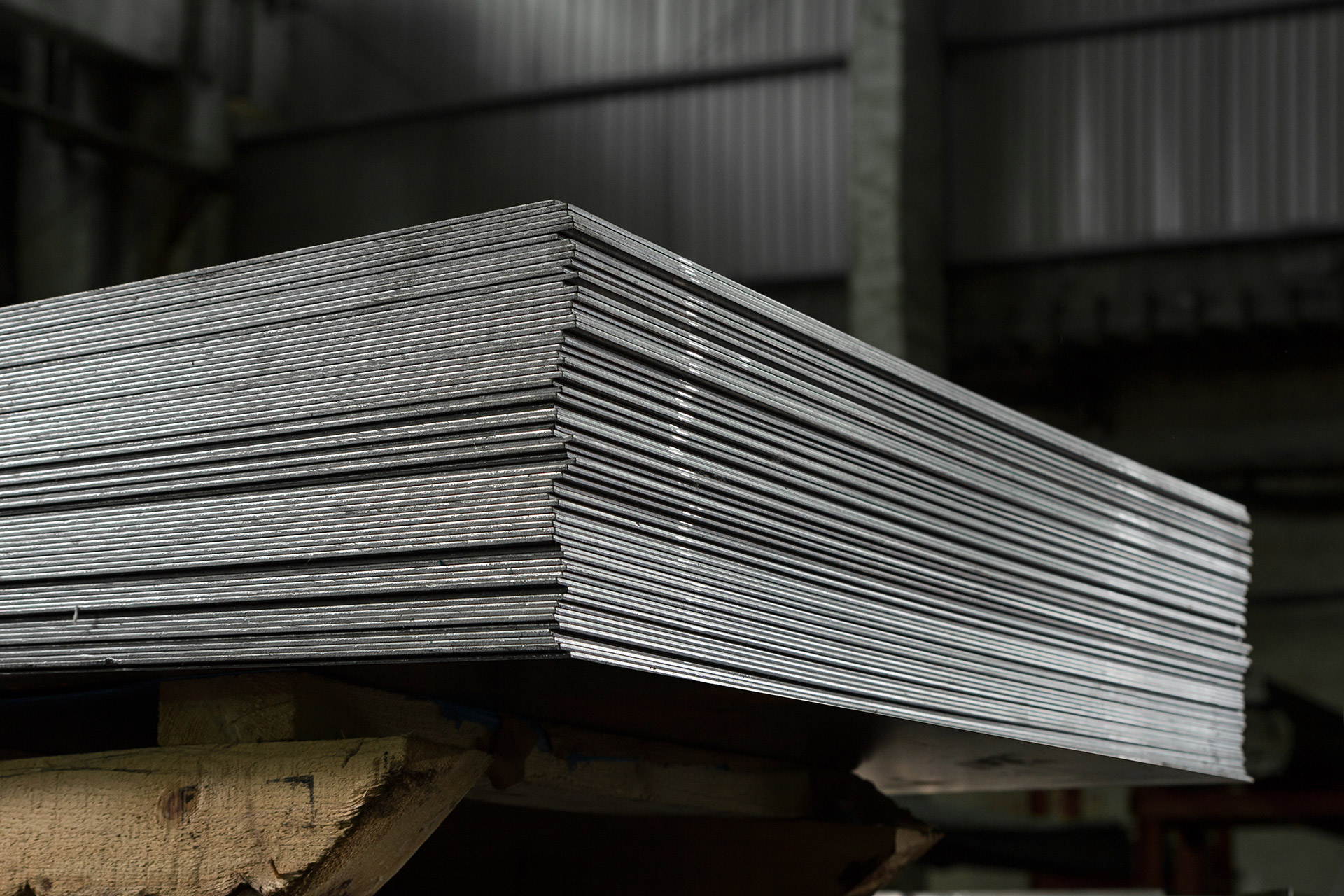
Steel plate prices dropped again in Italy during the week to Wednesday July 27, while those in Northern Europe were stable, market sources told Fastmarkets.
Italy
Domestic steel plate prices in Italy remained under pressure this past week because of slow buying activity and cheaper imports, sources said.
Bids from large buyers were reported at €930-950 ($945-966) per tonne exw, while transactions during the assessment week were heard done between €950 and €1,000 per tonne exw.
Offers from local plate producers were heard at €1,000-1,100 per tonne exw, but the high end was considered too high for the spot market, sources told Fastmarkets.
“We mainly sell [plate] at €1,100 [per tonne exw] and higher for projects,” a mill source told Fastmarkets.
A booking of plate from Asia with October delivery was heard at €870-890 per tonne cfr.
As a result, Fastmarkets’ price assessment for steel domestic plate, 8-40mm, exw Southern Europe was €950-1,000 per tonne on Wednesday, down by €50 per tonne from €1,000-1,050 per tonne one week prior.
This assessment reflects offers, deals and market participants’ estimations of achievable prices heard during the week.
Northern Europe
The steel plate market in Northern Europe was also quiet over the past week, with buyers still overstocked with commodity grades, Fastmarkets heard.
“Buyers hold sufficient stocks, and sales are quite slow in the secondary market; everyone prefers to hold back from purchasing [new tonnages of plate],” a trading source in the region told Fastmarkets.
Mills in the region were also not in a rush to cut offer prices for the spot market, citing strong order books.
Notably, plate offers from German integrated plate steelmakers were reported at €1,400-1,450 per tonne exw in the week to Wednesday.
One mill in the region was heard offering plate at €1,350 per tonne exw, sources said.
Buyers, however, were looking to pay closer to €1,300-1,350 per tonne exw, according to sources.
As a result, Fastmarkets’ weekly price assessment for steel domestic plate, 8-40mm, exw Northern Europe remained at €1,300-1,350 per tonne on Wednesday, unchanged from a week earlier.
The assessment was a reflection of the lower end of offers and market sources’ estimates of achievable prices.
Italy-origin plate was offered to the south of Germany at €1,000-1,100 per tonne cpt, depending on volume and chemistry.
Published by: Julia Bolotova


Northern Europe rebar price remains stable on mill maintenance closures, weak demand
Sluggish demand and a persistent wait-and-see attitude among customers resulted in little-to-no market activity in the Northern European domestic rebar market in the week ending Wednesday July 27.
In the week ended July 13, Fastmarkets heard how producers, most notably ArcelorMittal, were targeting significant price increases across all long steel products to counter the soaring costs of energy. These price increases, however, have not been achieved, sources said.
Fastmarkets’ weekly price assessment for steel reinforcing bar (rebar), domestic, delivered Northern Europe, was €930-1,000 ($946-1017) per tonne on Wednesday, unchanged week on week.
With demand remaining low and mills shutting down for maintenance during the summer season, trading activity remained depressed.
One source said buyers are still in a wait-and-see mode, hoping that prices will drop further. These hopes are based on the fact international scrap prices have dropped over the past week after surging in early July. This attitude, the market participant told Fastmarkets, does not account for energy cost surges as well as possible energy shortages heading into the fourth quarter.
Energy rationing, proposed by the European Commission on July 20, could, if it goes ahead, create upward pressure on energy prices.
Emergency legislation, designed to protect countries from the possibility of Russia weaponizing gas supplies over the coming months, would enable the EU Commission to impose 15% binding gas consumption restrictions on EU countries over the next two years.
Upon the proposal being accepted and the measure being passed, each country would have to decide how these cuts would be imposed.
With energy prices already exploding, news of rationing and potential implementation of rationing could drive up energy prices more. It would also make production cuts across EU steel mills very likely, Fastmarkets heard. Production cuts will likely reverse the downtrend across all long steel products, sources said.
Another source, while recognizing the impact cost increases might have over the longer term, said prices for rebar will remain the same until the end of August when the holiday season is over.
Decreasing international scrap costs since mid-April have also been a major factor in the falling rebar market. Scrap prices jumped in early July but corrected in the week ended July 20.
Fastmarkets’ daily calculation of the index for steel scrap, HMS 1&2 (80:20 mix), North Europe origin, cfr Turkey was $382.50 per tonne on July 20, down from $398.49 per tonne a week earlier.
The correction in scrap prices has continued this week, with the index most recently calculated at $351.19 per tonne on Wednesday, unchanged from a day earlier but down from $364.85 per tonne on Monday.
Published by: India-Inés Levy

Gestamp’s second-quarter revenue grows amid weaker market
Spain’s Gestamp saw overall performance grow year-on-year in the second quarter, the company says in its latest report monitored by Kallanish. Gestamp is a major supplier of components to the global automotive sector.
“Our results in the second quarter were solid despite a complicated environment marked by supply chain disruptions, microchip crisis and Covid-19,” says Gestamp executive director Francisco Riberas. “We are facing a difficult second half-year, characterised by similar uncertainty in addition to the potential gas supply restrictions in Europe and higher inflation scenario. However, as the electric vehicle transition is not slowing down, we are committed to our objectives for 2022.”
Gestamp’s first-half-of-2022 net revenue amounted to €4.87 billion ($4.93 billion), up 19.5% on-year. In Q2 alone, net revenue was €2.61 billion, a growth of 32.9% y-o-y.
The company’s H1 Ebitda was €554m, up 11.2% y-o-y. In Q2 alone, earnings before taxation were €301m, up €61m y-o-y.
Todor Kirkov Bulgaria


ArcelorMittal Bremen employs Smart Steel AI software
ArcelorMittal Bremen has integrated Smart Steel Technologies’ SST Casting artificial intelligence (AI) software, Kallanish learns from the Berlin-based software forge.
The software packages SST Casting AI and SST Surface AI are used to improve the casting process quality and reduce surface defects. The system for AI-based analysis of production data also serves as a basis for the deployment of further optimisation, SST notes.
The surface inspection system has furthermore been improved through a centralised and plant-wide display of all detections as well as the use of robust defect classification, SST notes. The software is based on its proprietary deep learning technology. SST previously implemented its solution at ArcelorMittal’s Eisenhüttenstadt mill.
Christian Koehl Germany
Liberty awaits orders to restart more Benelux lines
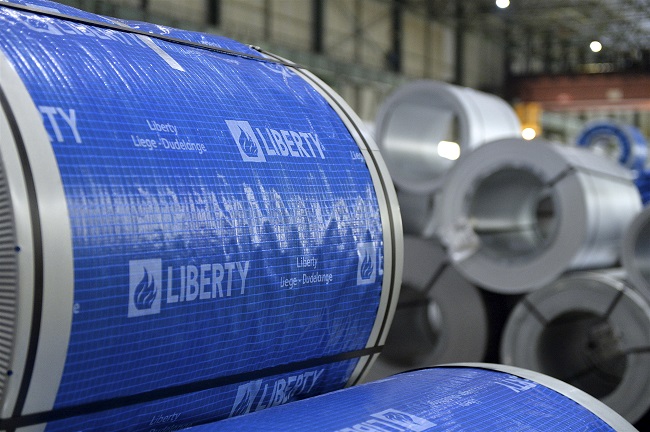
Liberty Steel is restarting activities at some coil lines in Liege, Belgium. Further restarts in Belgium and Luxembourg will be implemented as order books increase.
Liberty Liege received some 28,000 tonnes of hot rolled coil feedstock from its sister plant in Galati, Romania in June. This has supported the restart of tinplate packaging lines in Belgium. The company notes that demand in this sector remains “buoyant”.
At the Belgian unit, maintenance of the pickling tanks for the Galva 5 line started at the end of June and should continue until the end of July. Thereafter, a restart will be possible once sufficient orders are received.
In Luxembourg, the company restarted production at the Dudelange line in mid-July for a few days, but activity stopped again due to the lack of orders, Kallanish understands from local trade union sources.
“We are firmly convinced that the last quarter of this year will allow us to make good progress in our recovery plan,” says Liberty Steel EMEA chief executive Toker Ozcan. “While the economic situation is not making it easy for us, our teams are working hard to get there.”
“Over the past two months, the European galvanised steel market has seen a sharp decline – due in large part to the Ukrainian conflict’s impact on already high energy prices coupled with a rapid increase in inflation,” he continues. “Stockpiling in March/April by customers is also having an impact on current demand and pushing sale prices down. This makes it difficult to generate the sales volumes needed for regular production.”
“However, our order books are developing so we are preparing our lines and ensuring our raw material stocks to be ready to start production as soon as the order book allows it,” Ozcan concludes.
Earlier this year, a Belgian court ordered the liquidation of the local unit of Liberty Steel, but the company won an appeal against this decision in May.
Liberty Steel’s Belgium-based assets include a series of lines for packaging steel located in Tilleur and two hot-dip galvanising lines located in Flemalle. The units can produce up to 1 million tonnes/year of HDG and 200,000 t/y of packaging products. They were acquired by Liberty from ArcelorMittal in 2019. Liberty Steel also controls HDG capacity in neighbouring Luxembourg.
Emanuele Norsa Italy
Steel sales by German distributors in June down 8% on month: BDS
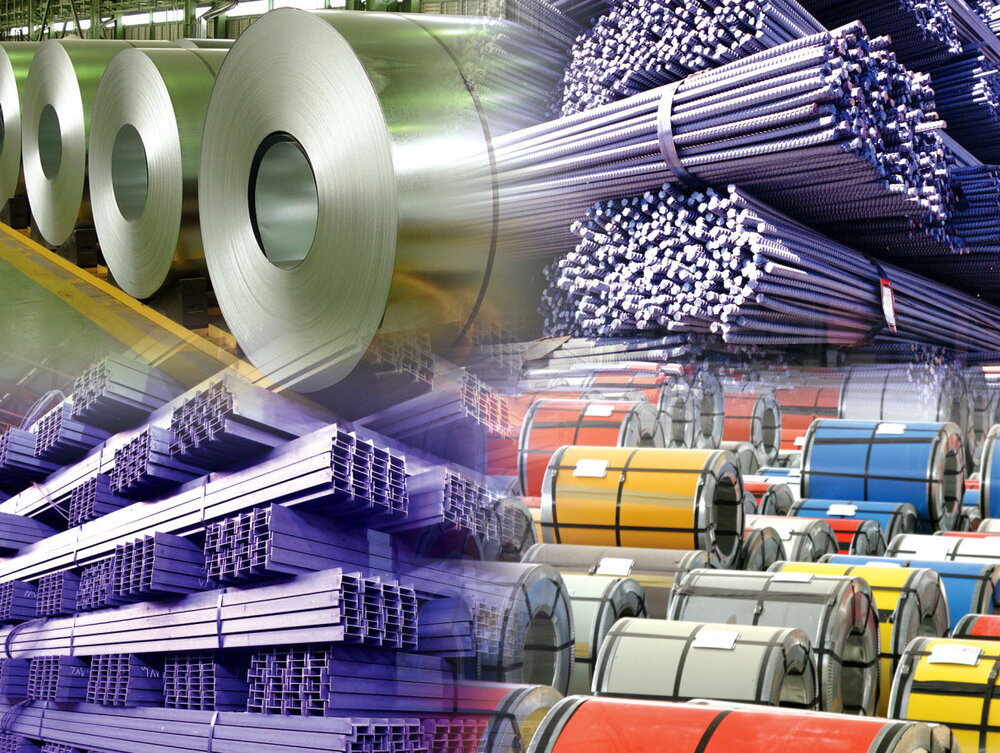
Steel sales by German distributors in June were down 8% month on month to a six-month low 800,867 mt, which was 15% lower year on year, according to data released July 26 by steel stockholders’ association BDS
The fall, to 11% below January-May’s average of 902,000 mt, was attributed by the BDS the decline to economic uncertainty.
Flat rolled steel comprised 481,081 mt, or 60%, of the total distributed in June, down 6% from May and 9.6% lower year on year.
Sales of long rolled steel, at 252,903 mt, were down 10.5% and 22% on the month and on the year, respectively, representing 32% of overall tonnage.
There were no statistics on the share of the material sold by German steel distribution produced in the EU and abroad, according to a spokesperson.
The June sales meant steel distribution in Germany in the first half of 2022 declined 5.5% year on year to 5.31 million mt.
Germany, the largest steel producer in Europe, saw its crude steel production fall 7% year on year in June to 3.2 million mt, which was down 1.5% on the month, according to World Steel Association data. That was due to high energy costs denting demand and the auto sector still being impacted by the ongoing semiconductor chip shortage.
In H1, Germany produced 19.6 million of crude steel, down 5.55% year on year, according to worldsteel.
North European HRC was assessed by Platts unchanged day on day at Eur860/mt ($871/mt) ex-works Ruhr on July 25, S&P Global Commodity Insights data showed.
Prices for hot-rolled coil in Europe have been weakening since mid-March on low demand.
In June, German steel stocks fell 1.8% from the previous month to 2.2 million mt, although that was 15% higher year on year. Of the total stocks, 793,543 mt were long products and 1.37 million mt were flat products, the BDS said.
— Ekaterina Bouckley

Cleveland-Cliffs reiterates EV future vision
Cleveland-Cliffs reiterates EV future vision Cleveland-Cliffs ceo Lourenco Goncalves emphasised the company’s position as a leader in the automotive sector on the company’s 22 July earnings call. As a top steel producer, the company will be integral in the supply chain of electrified vehicles, he says.
“I can see trends. The orders are starting to come more consistently. The unexpected shutdowns are gone. The announcements of new EVs from the likes of our clients, each one of them. You pick one, and we are there,” explains Goncalves.
Goncalves testified in a hearing before the US Steel Caucus this month. There, he expressed his support for the passage of the CHIPS bill, which would offer financial incentives for semiconductor manufacturing in the US. Semiconductor supply chains were disrupted by Covid-19, and delayed US manufacturing of electronic vehicles.
Cleveland-Cliffs earned $601 million on sales of $6.34 billion during Q2. This is a decrease from the company’s Q2 performance last year, when earnings totalled $795m on sales of $5.05 billion. Cleveland-Cliffs has been actively reducing its debt, Kallanish understands.
Kristen DiLandro USA
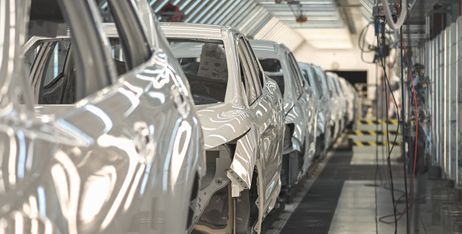
Spanish automotive industry keeps improving in June
Spain’s automotive sector saw production recover in June. Exports also moved up, supported by better market conditions, Kallanish notes.
“This growth is mainly due to the low level of production in June of the previous year, combined with a slight improvement in the supply of [input] materials that is allowing the factories to recover their production capacity and export levels,” Anfac observes.
Output in June was 232,407 units, an increase of 34.6% versus the same month last year. Six-month production however amounted to 1.13 million vehicles, down 5.8% over January-June last year.
Meanwhile, a recovery in sales in major markets boosted Spanish vehicle exports. These were 189,497 units in June, up 25.2% compared to the same month in 2021.
“The uncertainty in European markets due to the high inflation rates and the consequences of the war in Ukraine mean that figures similar to those prior to the pandemic have not been recorded, although moderate growth does seem to be in sight,” the association explains.
European markets represented 73% of Spanish deliveries in June, 22.2% higher on-year. From Spain’s ten main export destinations, Turkey and UK demand grew the most, by 46.3% and 37.7%, respectively. Spanish six-month exports fell by 7.7% over a year earlier to 955,363 vehicles, Anfac data show.
Todor Kirkov Bulgaria
Tubos Reunidos returns to profit, sees demand improvement
Spanish seamless tube supplier Tubos Reunidos (TR) saw most of its main indicators grow in the first half of this year compared to January-June 2021, Kallanish notes.
This was mainly due to an improvement in activity as a result of strong demand and the passing on of increased costs to sales prices, together with efficiency measures in its Strategic Plan, the company comments.
“The improvement seen in H1 2022 means that we can look to the rest of the year with moderate optimism,” TR says. “We have a large order book and the market is showing positive signs in terms of demand, but weathering the uncertainty and the challenges that it brings will undoubtedly remain the key focus.”
The preliminary anti-dumping measures announced by the US against a number of countries that are major exporters of OCTG to the upstream sector, such as Mexico, Argentina, Russia and South Korea, have led to price increases and shortages. Concern about potential difficulty procuring OCTG is benefiting TR’s sales, the company observes.
“In this scenario, the Group’s portfolio is mainly based on commodity products, albeit at prices significantly higher than usual due to the current rising costs as well as the upbeat signs from the demand point of view,” TR adds.
The company remains focused on selling OCTG green pipe for the upstream sector and pipe for the midstream and mechanical sectors, which is likely to be extended until the end of the year. It will pivot towards higher value-added and alloyed pipe in 2023, as downstream order intake recovers supported by the resumption of large power generation, as well as refining and petrochemical projects.
The group’s shipments reached 120,663 tonnes in H1, 64% more than in the previous six months. This volume was also 84% higher year-on-year.
TR sales revenue in H1 moved up by 113% versus July-December 2021 to €228.7 million ($233.8m) and by 99% y-o-y, with the North American market representing €104.9m.
The company posted Ebitda of €14.5m in H1, an improvement of €25.4m compared to a negative €10.9m in the same period of 2021.
Todor Kirkov Bulgaria