

Marcegaglia buys Liberty’s UK tube business
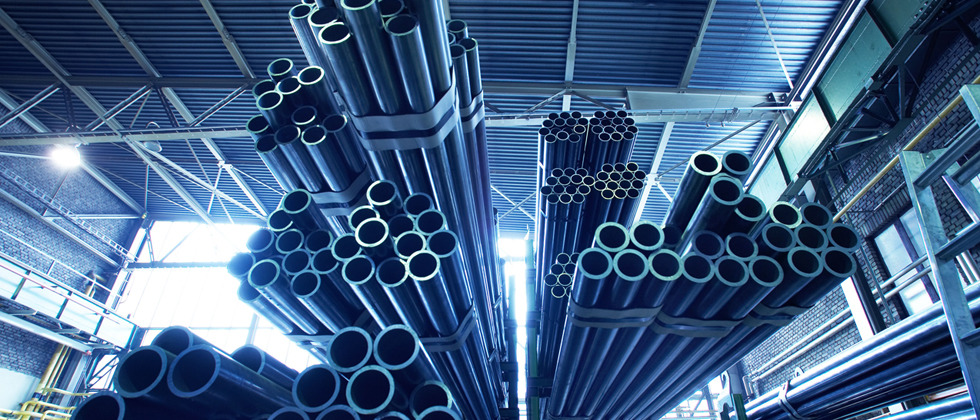
Marcegaglia’s UK division has acquired Liberty Steel’s Oldbury-based Precision Tubes assets in the West Midlands, the Italian pipemaker confirms to Kallanish.
Prior to the purchasing deal, Marcegaglia operated Liberty’s facilities under a licence agreement. “During the two-year assessment, Marcegaglia UK has used the assets to contribute to its existing business, which has aided the expansion of the company’s footprint in both the UK and international markets.”
Under the purchase agreement, all employees will transfer from Liberty Precision Tubes Limited to the Italian pipemaker’s UK division.
The sites of Hub le Bas and Accles & Pollock, part of the Precision Tube business, will continue to trade as normal.
In 2015, Liberty House acquired the Caparo UK business which included Caparo Tubular Solutions sites across the West Midlands (see Kallanish passim).
Natalia Capra France

French, Belgian scrap prices tumble
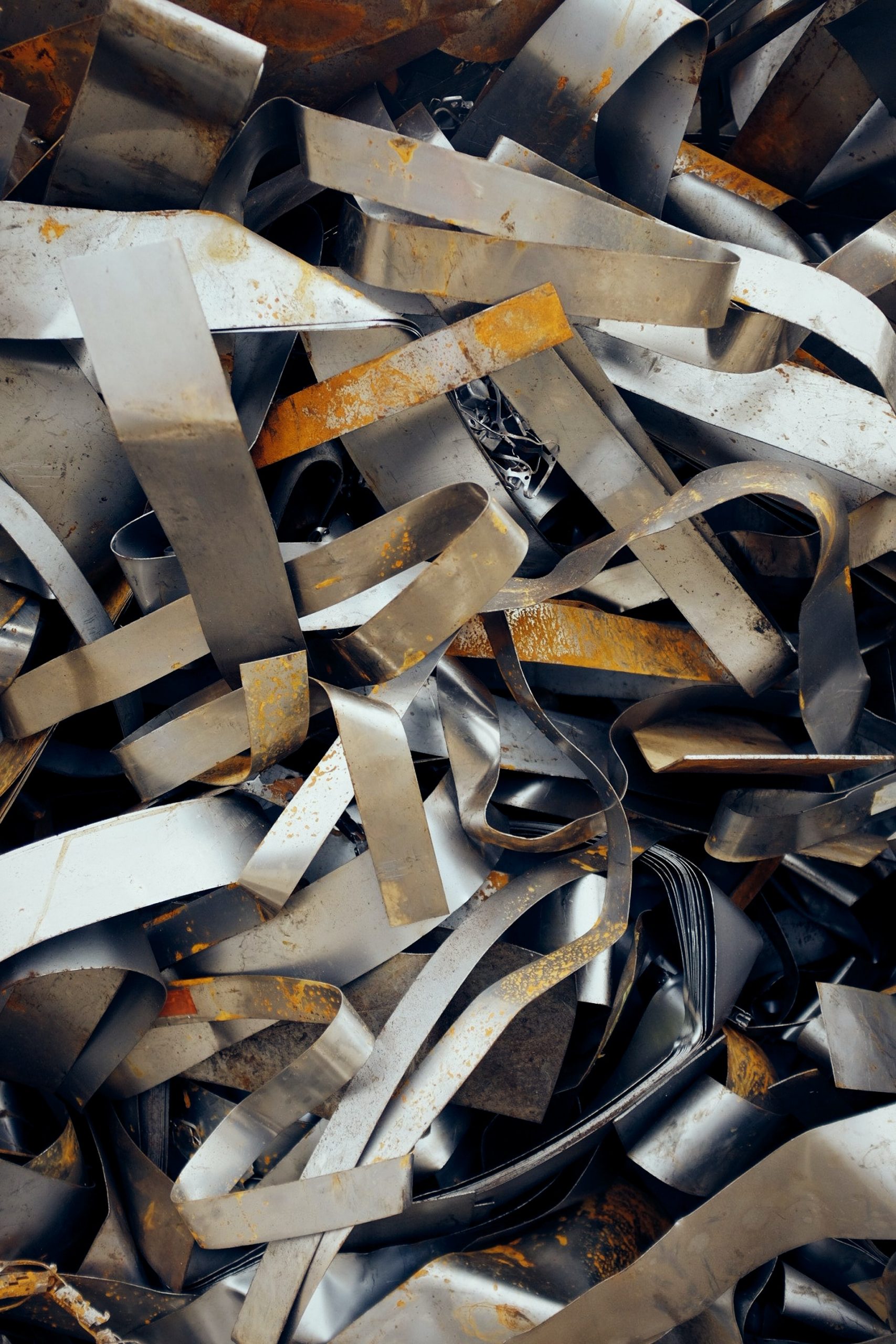
French and Belgian domestic scrap prices are down €100/tonne ($104/t) in new May contracts. Similar falls of between €70-100/t are being seen in southern and Eastern European countries, Kallanish notes.
While availability of automotive grades has improved in France, demand is strong for cheaper demolition grades. French and Belgian prices of the mixed E8 grade are reaching €490-500/t delivered. E1C, a cheaper grade, is transacted this month at €440-450/t delivered, while E40 is dropping to €460 delivered, sources suggest.
Pressure is increasing on Benelux scrap export prices. At the start of this week, exporters’ dock prices for HMS 1&2 80:20 in Belgium stood mostly at around €405-410/t, while in the Netherlands prices were €410-420/t delivered (see Kallanish passim).
Turkish mills have decreased their domestic scrap buying prices sharply this week due to the steep fall in imported scrap prices and weak finished steel demand. The latest premium HMS 1&2 80:20 booking was concluded at $480-490/t cfr Turkey.
Sources forecast scrap prices in Western European markets to continue to decline in June, mostly due to lower demand for finished long and flat products.
Natalia Capra France

Green steel needs hydrogen prices to halve: study
A Hydrogen Europe research study has calculated that hydrogen delivered costs in Europe need to move below €3/kg for green steelmaking projects using hydrogen to break even.
It estimates in a report seen by Kallanish that hydrogen prices in Europe are now at some €5.3/kg.
Hydrogen Europe believes the target hydrogen price level can be achieved in 2025-2030 period. “If the green hydrogen production costs fall down as predicted, by 2025-2030 it should be possible to eliminate the cost gap entirely – even in a scenario with low fossil fuel prices. In the meantime, however, if the end consumers are not willing to pay a green premium for fossil-free steel, significant financial support would be needed,” the study explains.
In addition to the challenges of prices, the transition to green steel production also includes the challenge of hydrogen supply. “The total capacity of all installed BF-BOF plants in the EU is around 103 million tonnes of hot metal per year. Switching all of those plants to hydrogen-based DRI/EAF could potentially save up to 196mt of GHG emissions per year, but in order to do so would require up to 5.3mt of renewable hydrogen and up to 370TWh of additional renewable electricity generation (including EAF electricity consumption),” Hydrogen Europe adds.
The third challenge will be providing a constant supply of hydrogen to the reduction shaft. The steel sector will remain a challenging market for imported hydrogen, Hydrogen Europe concludes.
Emanuele Norsa Italy

Italian HRC price decline continues
Italian hot rolled coil prices continue to fall amid a market standoff that is seen continuing over the coming days, Kallanish notes. This is in line with international flat and long steel price declines, together with the downturn in raw material values.
Against the backdrop of recession fears in Europe, end-users, re-rollers and service centres continue to restrict orders to low volumes in both the local market and for import purchases. The general attitude is to wait for prices to decline further.
Sources who spoke to Kallanish say domestic quotes from some producers at €1,020/tonne ($1,063/t) base ex-works are no longer workable. Buying activity today is mostly for small volumes and sometimes from stock.
HRC is offered from the Far East at €950-970/t cfr Italy for July loading, from countries such as Japan, India and South Korea. Some Italian domestic HRC contracts are reported at €1,100-1,140/t base ex-works. By June, values are forecast to reach €1,000-1,050/t base ex-works, sources say. Low visibility and pessimism are dominating sentiment.
Natalia Capra France

EUROMETAL SSC working group discussed digital transformation and pricing for value


EUROMETAL Regional Meeting of SSC from the region Austria + BENELUX + Germany was convened in Neuwied (DE) on 12 May 2022.
The meeting started with a presentation of ArcelorMittal SSC Europe who hosted us in Neuwied. Jean-Marc Butin, CEO ArcelorMittal Downstream Solutions Steel Service Centre (SSC) Europe, introduced the speciality of flat carbon steel processing with tailored products and services dedicated to the automotive segment and to the industry.
The presentation was continued by Michael Nonn, Chief Operating Officer, who introduced us to the developments and features of the steel plant.
Valentin Kaltenbach, CEO of KALTENBACH.SOLUTIONS, adressed the input on digital transformation in SSC operational excellence with a concrete example prepared for the occasion, which consisted of the prior installation of a monitoring system on one of the lines of the Knauf Interfer Stahl Service Center GmbH in Mudersbach.
Daniel Hess, Director at Simon-Kucher and Partners gave us a presentation on “pricing for value” highlighting key topics to achieve pricing power in steel distribution like: escape “commodity trap” and understand value, provide clear guidance for sales teams and build confidence & system support.
Both presentations generated several dialogues and exchanges of opinions.
Thomas Niederhofer, Head of Business Unit Steel at Knauf Interfer and our Chairman for the German-speaking SSCs presented the EUROMETAL Benchmark Report on West EU SSC Distribution and highlighted the interest in having more participants to increase the representativeness of the branch.
The event concluded with a visit to the ArcelorMittal Steel Service Center in Neuwied. The working group meeting in Neuwied was attended by 20 participants.
Toyota expects 13% rise in annual vehicle output amid higher green ambitions
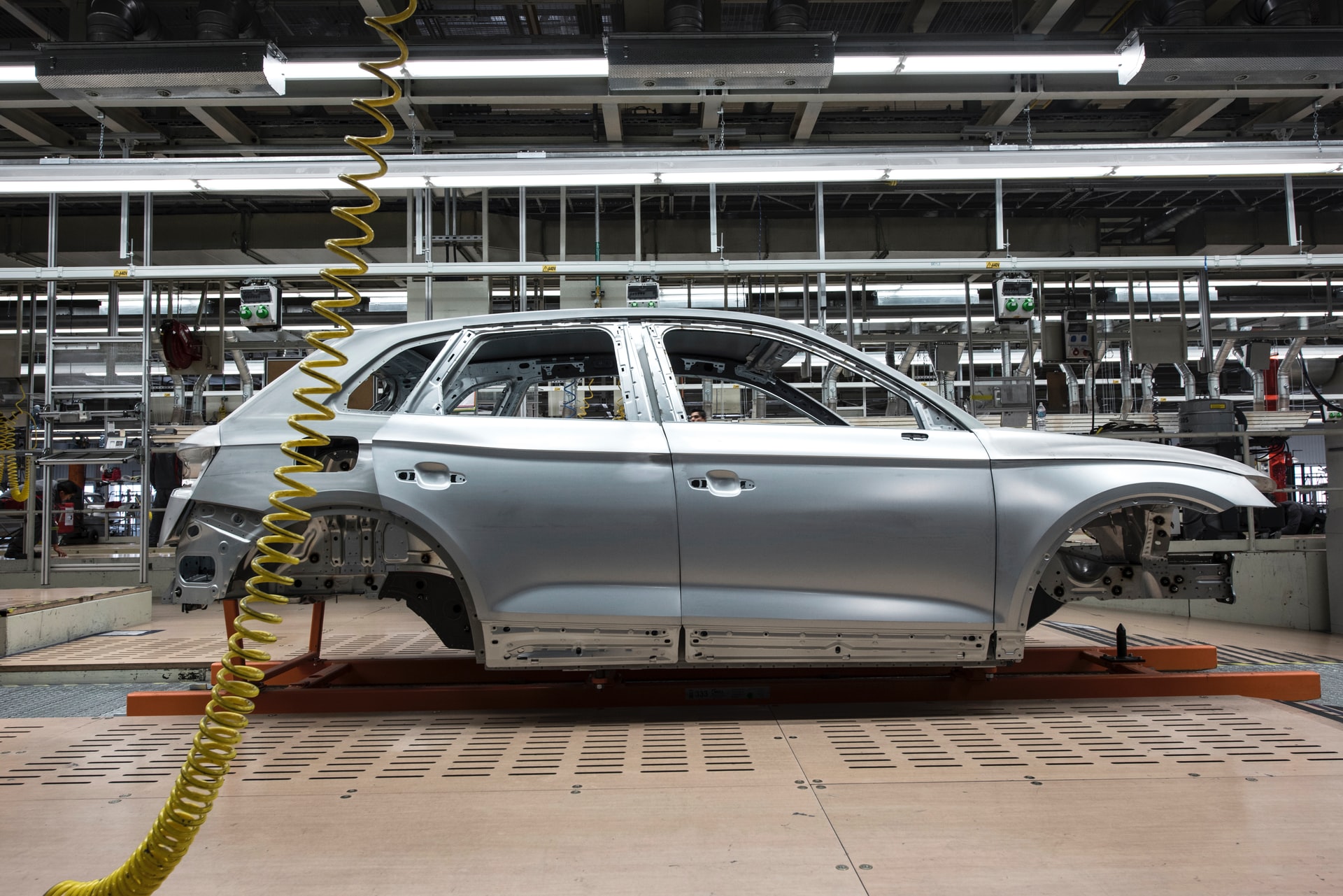
Japan’s Toyota Motor Corp. expects to produce 9.7 million vehicles for the year ending March 31, 2023, up 13.2% year on year from the 8.57 million vehicles, the company said May 11, aided by higher sales of “green” vehicles.
Region-wise, 3 million vehicles will be made in Japan against 2.76 million vehicles the year before, while 6.7 million vehicles will be manufactured overseas versus 5.81 million vehicles the prior year.
The bullish forecast rides on a higher annual sales projection of 10.7 million vehicles, up 3.1% on the year from 10.38 million vehicles the previous year. Both annual projections are based on its Toyota and Lexus brands.
For its annual sales forecast, Toyota plans to increase the share attributed to environmentally friendly vehicles to 31% of overall sales from 28.4% the year before, consisting of hybrid (HEV), plug-in hybrid (PHEV), battery (BEV) and fuel-cell (FCEV) electric vehicles.
Toyota expects its sales of HEVs to form the bulk of its annual “green” vehicle sales, at 2.85 million units, up 10.9% from the year ended March 31, 2022. Percentage wise, the biggest hike will come from its BEV sales, projected at 95,000 units, a nearly six-fold increase from 16,000 units the year before. By 2030, Toyota aims to have “green” vehicle sales of 8 million units.
Toyota is increasing its presence in the EV market. On April 29, its subsidiary, Toyota Motor Thailand, signed a memorandum of understanding with the Thai Excise Department to participate in a program for EVs.
Under the MoU, Toyota will be granted subsidy and tax incentives from distributing a BEV model, namely Toyota’s bZ4X BEV, which will be launched in Japan May 12. Similar agreements have been signed with Great Wall Motor Manufacturing (Thailand) and MG Sales (Thailand).
To achieve its goals, Toyota will spend $13.6 billion on battery technology, especially solid-state batteries, which will increase its demand for nickel and lithium.
— Clement Choo

Thyssenkrupp’s earnings win over costs in first half-year
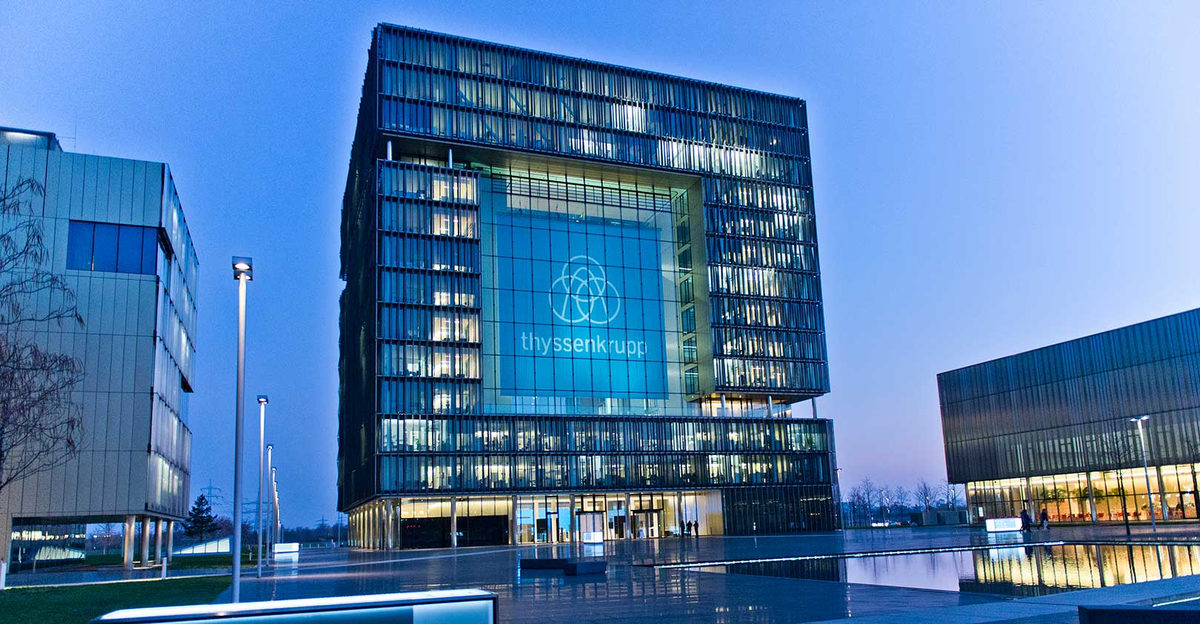
Despite macroeconomic and geopolitical headwinds, thyssenkrupp was able to continue its good performance into the second quarter of the fiscal year through September 2022 (FY22).
The group’s order intake went up by over 50% year-on-year to €13.6 billion ($14.4 billion). Key drivers were higher market prices for steel achieved by its mill unit, tk Steel Europe, and distribution unit, tk Materials Services.
During the first fiscal half-year – six months through March 2022 – the steelmaking unit lifted revenue by 46% on-year to €6.06 billion, despite a drop in tonnages. Pre-tax profit (Ebit) saw a massive turnaround from a loss of €137 million a year earlier to a plus of €607m.
March-quarter volumes declined to 2.6 million tonnes as a result of lower call-offs from almost all customer sectors, especially automotive, although this was partly offset by increased supplies to industrial customers, tk notes. The increase in earnings more than offset adverse factors from increasing raw materials, logistics and energy costs, and worsening supply chain problems, Kallanish understands.
Thyssenkrupp AG has thus raised its consolidated sales and earnings forecast for FY22 based on two assumptions. Firstly, the necessary fossil fuels – especially natural gas – and raw materials will continue to be available without restriction, and, secondly, their prices will remain at the levels of the March quarter. On this basis, the group predicts an increase in revenue by a double-digit figure, and an increase in Ebit from €796m to more than €2 billion.
Christian Koehl Germany
EC to propose potential steel import safeguard changes late May, following review
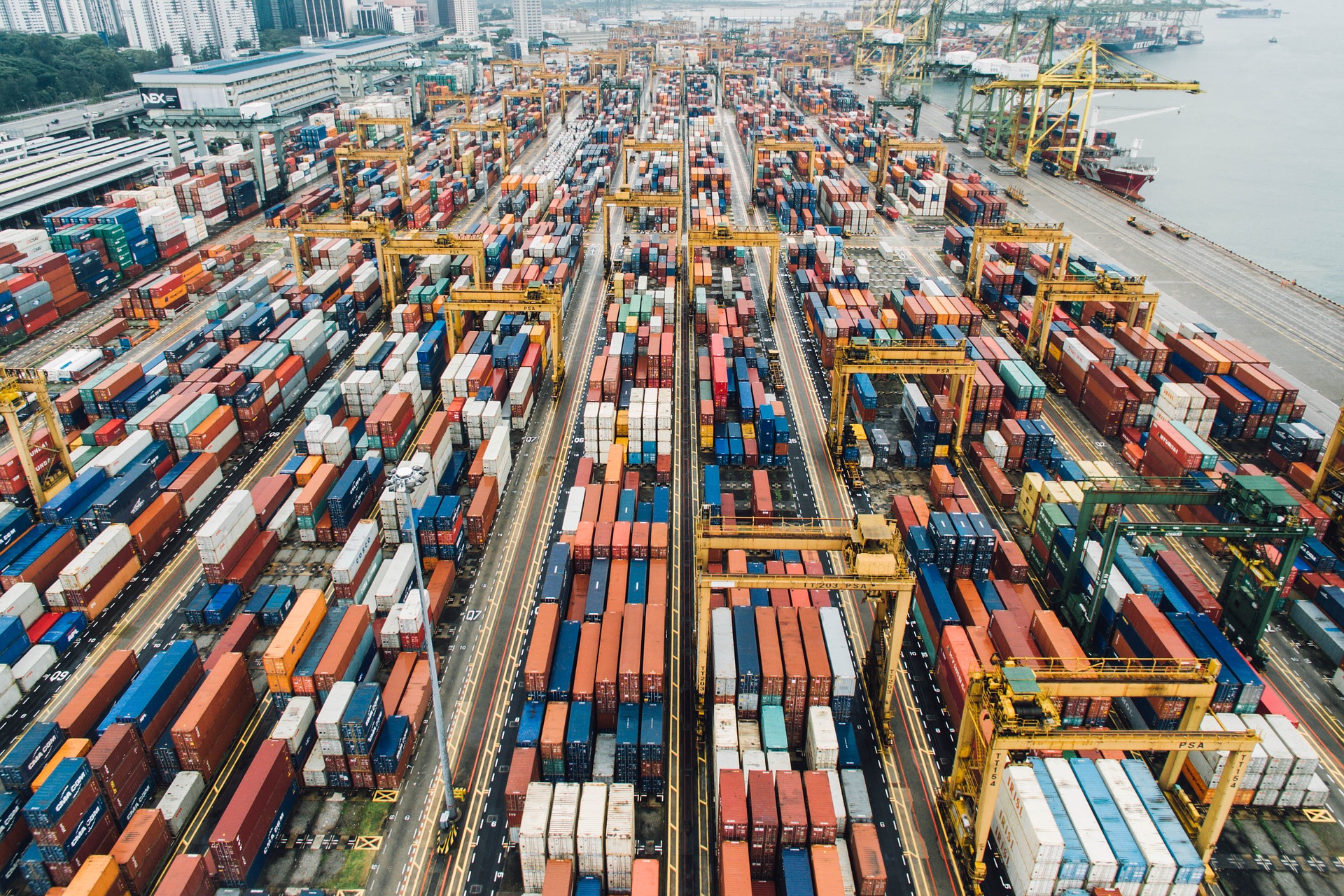
The European Commission is set to propose an updated European Union steel import safeguards regime later this month, with a view to effecting any changes in July, the EC said May 11.
“The review is still ongoing and should be concluded and adopted in time for any changes to apply as of 1 July 2022,” an EC spokesperson said in an email. “The Commission expects to issue a WTO notification with the main elements of the proposal towards the end of May or early June at the latest.”
The system, involving tariff-rate quotas, was introduced mid-2018 to curb trade deviation following US president Trump’s introduction of 25% tariffs on steel product imports from many countries under Section 232 legislation in March that year. From Jan. 1, Section 232 charges on EU steel have been replaced by a tariff-rate quota accord on trade between the parties concerned. A similar US-UK accord will be effective June 1.
EU steel consumers’ associations have lobbied during the current review for the safeguards to be annulled or suspended, or tariff-rate quotas to be increased. They argue the safeguards have contributed to high prices and product scarcity in the EU market and that the ban on imports of Russian steel and new trade opportunities for EU steel in the US now render them unnecessary.
In September 2021, Brussels-based steel consumers’ group European Association of Non-Integrated Metal Importers & Distributors Euranimi brought legal action to the General Court of the European Union in Luxembourg, requesting annulment of the three-year extension from June 2021 of the safeguard measure, alleging “a manifest error of assessment” on the part of the EC in the determination of serious injury and likelihood of serious injury from steel imports.
Prices falling
European steel producers’ association Eurofer counters that the steel import safeguards continue “to avoid serious disruption from sudden import surges without micro-managing supply or prices…Having peaked in March, European steel prices are now quickly and significantly decreasing (below US price level) as steel users are limiting orders speculating on further price decreases,” the association said.
North European hot rolled coil exw-Ruhr prices have fallen 17.2% since the start of Q2 to Eur1,150/mt May 11, according to S&P Global Commodity Insights’ assessment.
The current review of the EU’s system safeguards system – the fourth review of the system – was brought forward to December last year, with contributions from interested parties required by Jan. 10. Following Russia’s invasion of Ukraine on Feb. 24, the EC reallocated Russia’s and Belarus’ product quota among other exporting countries.
Finished steel imports from Russia and Ukraine together totaled around 6 million mt in 2021, around 20% of total EU imports and 4% of EU steel consumption of 150 million mt, Eurofer noted.
The review covers 26 product categories, including hot-rolled sheets and strips, cold rolled sheets, metallic coated sheets, tin mill products, stainless hot and cold rolled sheets and strips, merchant bars, light and hollow sections, rebars, wire rod, railway material, and seamless and welded tubes.
Aperam seeks stainless import curbs
Tim di Maulo, CEO of EU and Brazil-based stainless steel producer Aperam said May 6 that the company was counting with EC support to help curb “a dramatic increase in imports [into the EU] in Q1…. purely from China.”
An Aperam spokesperson said in a statement that “We expect more countries to fall under the safeguard in future with China being a prime candidate,” this being the company’s request for the upcoming revision. South Africa was recently included under the safeguard measures, he noted.
“China has found a way to sell much more in the past despite anti-subsidy measures,” di Maulo said on a call with investors to discuss the steelmaker’s Q1 results. “Imports are always putting pressure on the market.
“The Commission has been supportive and will continue to be supportive,” he said. “We believe the Commission will address this.”
Despite the higher imports, Aperam reported continued record results in Q1 on higher product sales and revenues and the addition of recycling results to its balance sheet. With a flat stainless and electrical steel capacity of 2.5 million mt/year in Brazil and Europe, the company expects further positive records in the second quarter.
Di Maulo added that the current situation in China has led steelmakers there to make extremely low or negative margins on their production, compared to positive margins over the last two years. However, this is “a cycle that may normalize in future,” he said.
Euranimi, however, noted in a Jan. 26 letter to the EC that in the EU “due to an unprecedented high level of protectionism and a booming demand, there is a huge shortage of stainless steel, especially SSCR (cold rolled flat stainless steel), and prices out of control.”
Changing scenario
“The economic and geopolitical situation has changed fundamentally compared to 2018 when the provisional safeguard measure was put in place,” said Euranimi director Christophe Lagrange in a May 11 email, citing the post-pandemic economic recovery, a shortage in Europe of materials including stainless steel, record price increases, record 2021 profits by European stainless steel producers, inflation rates in the EU, overseas transportation congestion resulting in extremely high shipping costs and much costlier imports, war in Ukraine, EU sanctions against Russia, succession of Donald Trump by Joe Biden as US president and the lifting of some Section 232 measures.
“Under such radically new circumstances and since the danger that this measure was intended to combat no longer exists, why keep in place a safeguard measure that was created to protect the EU steel mills in a totally different context?” Lagrange asked.
— Diana Kinch
Acciaierie d’Italia boosts output
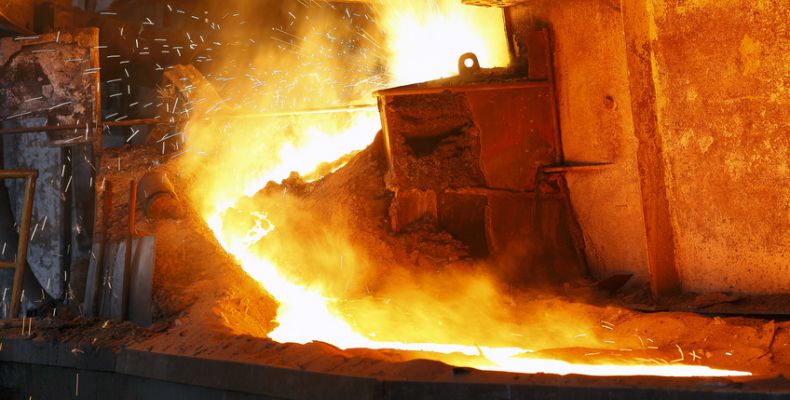
Italian steelmaker Acciaierie d’Italia will increase its steel output by 40% this year compared to 2021, Kallanish learns from the company.
The steelmaker thus intends to produce 5.7 million tonnes of steel.
Last Friday, the Fim, Fiom, Uilm and Usb trade unions announced a 24-hour strike across all facilities of Acciaierie d’Italia, following “the lack of concrete answers or clarity on environmental, employment and industrial (investment) issues”, they said in a note.
Workers are urging the Ministry of Economic Development (Mise) to start a dialogue on unresolved issues at the former Ilva (see Kallanish 28 April). Temporary layoffs are underway at the steelworks in Taranto since the end of March for over 2,200 workers. The unions are also lamenting a lack of agreement on this subject.
Natalia Capra France
Eurofer requests proposed EU waste shipment regulation changes
Eurofer has voiced concern over European authorities’ proposal on the new Waste Shipment Regulation (WSR), Kallanish notes.
The association believes Europe should not grant the approval of strict EU standards to all OECD countries, as reports have shown evidence of serious shortcomings in waste treatment in some of them. “A proper country level assessment should be introduced for all export destinations. This would also contribute to ensure a level-playing field across operators and jurisdictions,” Eurofer notes.
The new WSR has been seen for some months as an opportunity to create stricter regulation for steel scrap exports from Europe, in order to ensure scrap is exported to countries that respect the same high environmental standards.
“The current provisions on waste export are clearly insufficient and bound to become a missed opportunity for climate, industry, citizens and the EU as a whole,” says Axel Eggert, director general of Eurofer. “We are in an absurd situation where the EU sets very high environmental standards and circular economy objectives for the internal market – that the EU steel industry fully shares – while millions of tonnes of valuable secondary raw materials are being exported to jurisdictions where these same standards and objectives are not met.”
“We cannot afford to give away a key secondary raw material such as scrap, if we want to fulfil the circular economy and climate objectives as well as ensuring EU strategic autonomy and social standards,” he adds.
When it comes to European steelmaking, 48% is based on scrap use, and this share is expected to increase further as industry transitions towards greener steel. According to Eurostat, EU ferrous scrap exports reached 19.5 million tonnes in 2021, representing 48% of all exported recyclable materials. Turkey was the largest export destination, with 13.1mt.
“Today’s draft report is a first step, especially regarding the facilitation of intra EU shipment of waste and the support for research and development. However, we encourage the Environment Committee to consider significant improvements also with regard to waste exports to third countries, supporting a sound environmental policy,” Eggert concludes.
Emanuele Norsa Italy