
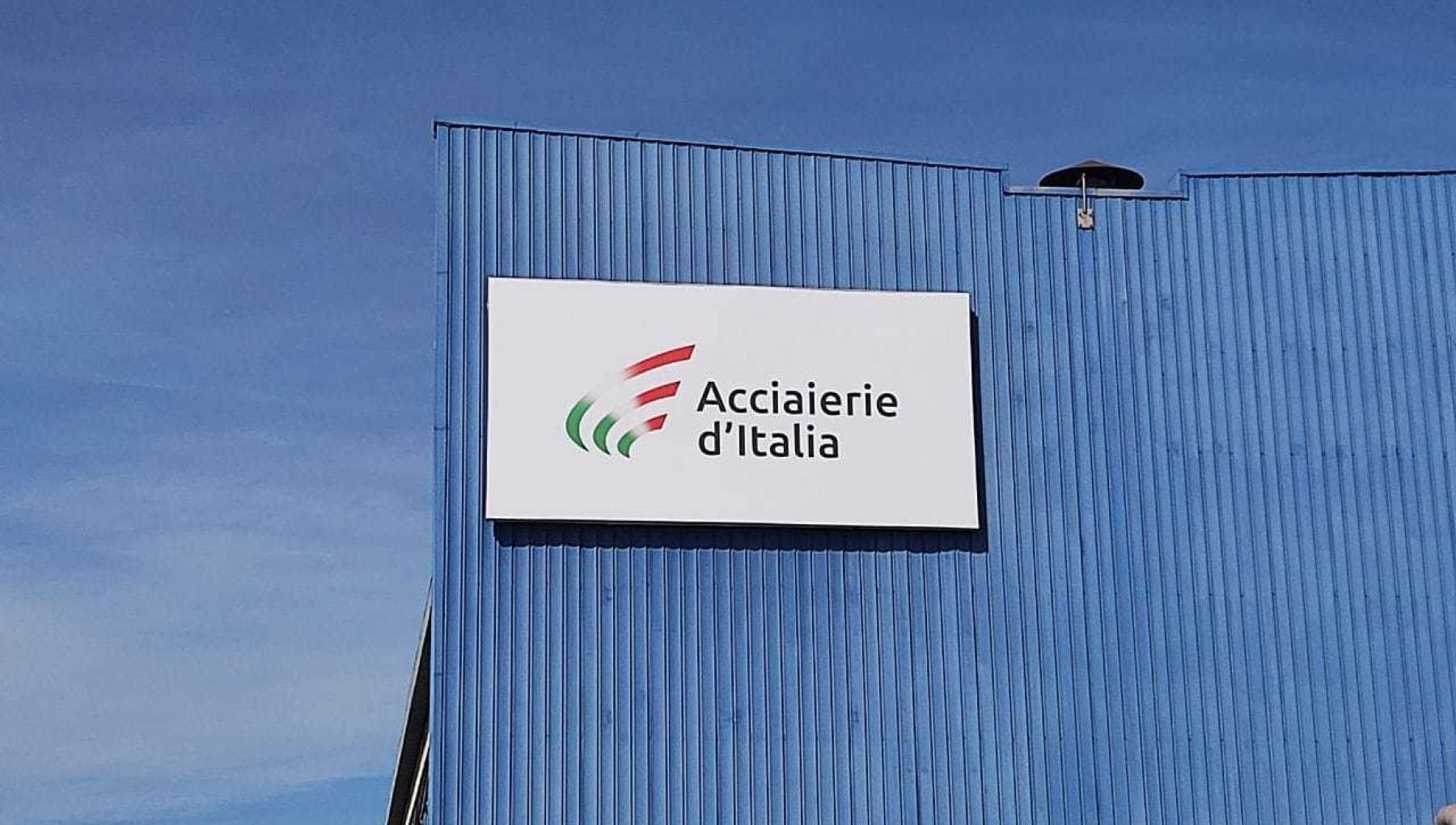
Acciaierie d’Italia (ADI) has begun a gradual shutdown of hot-end operations at its Taranto steelworks — the only integrated blast-furnace plant in Italy — after a Milan court rejected the company’s appeal against an earlier closure order, raising fresh uncertainty over the future of steel production at the site and its impact on European flat steel supply.
The shutdown, which started Sept. 16, follows a Milan Court of Appeal ruling Sept. 11 that dismissed an ADI challenge to a previous order mandating the closure of the hot-end section of the former Ilva plant. The court has ordered the suspension of the entire hot end of the company, which mainly comprises the coking plant units and blast furnace No. 2, with an annual capacity of about 2 million metric tons — the only one among the five blast furnaces operating — by Oct. 28.
An ADI press officer declined to comment when reached by S&P Global Energy.
Legal proceedings
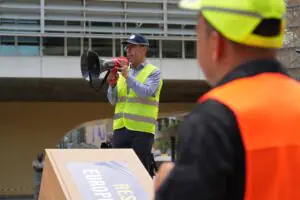
The special commissioners managing ADI under extraordinary administration have lodged another appeal, and the Court of Cassation — Italy’s highest court — is scheduled to hold an Oct. 20 hearing to consider the challenge to the Milan Court of Appeal’s shutdown order, unions said to S&P Global Energy after a Sept. 16 meeting with the government.
Sources close to ADI also confirmed the development, but it remains unclear when the Court of Cassation will issue its ruling following the Oct. 20 hearing.
The Taranto plant has a nominal crude steel capacity of about 8 million metric tons/year, produced from iron ore and coal through blast furnaces — making it the largest steelworks in Italy and one of the most significant integrated facilities in southern Europe. Its prolonged legal and operational difficulties have weighed on domestic Italian steel output.
ADI has argued that closing the hot-end facilities risks jeopardizing all steel production at the site, as the company’s northern sites reroll the coils produced in Taranto. The Italian government, which is seeking a buyer for the company now under extraordinary administration, faces mounting pressure to secure an alternative industrial solution ahead of a national election next year.
The former Ilva assets were placed under extraordinary administration Feb. 20, 2024, when special commissioners were appointed at the request of the Italian state investment agency, Invitalia, despite opposition from steelmaker ArcelorMittal, which was then the largest shareholder in ADI. The Taranto plant has long been at the center of disputes over public health, with environmental and safety concerns cited in successive court orders targeting its hot-end operations.
Platts, part of S&P Global Energy, assessed domestic hot-rolled coil in Southern Europe at €725/mt ex-works Italy Sept. 15, stable day over day, and imported HRC in Southern Europe at €580/mt CIF Southern Europe, also stable day over day.
Author: Annalisa Villa