Local HRC prices in Europe remain unchanged on Friday amid slow market sentiment
Steel hot-rolled coil (HRC) prices in Northern Europe and Italy were stable day on day, with sources quoting slow market activity and limited demand, Fastmarkets heard on Friday September 25.
In Northern Europe, market participants said the market remained somewhat flat and had not heard of any significant activity on September 25.
A buyer source said offers were being quoted within €760-790 ($865-899) per tonne ex-works but added that mills would have to wait to achieve these prices in deals, so they were discarded from the daily index.
A second buyer indicated levels at €720-730 per tonne ex-works, saying they were unchanged from a week earlier. However, this price was discarded due to a lack of fresh confirmation in the market.
The HRC market was mostly quiet on Friday, and no other price points were collected during the day. For this reason, prices included in Thursday’s index were carried over to Friday’s index, in line with Fastmarkets’ methodology.
On Thursday, two buyer sources indicated workable levels in the range of €740-750 per tonne ex-works. The second buyer also reported higher offers at €750-760 per tonne ex-works for October-November delivery.
A price point on the sell side of Thursday’s index was copied over from Wednesday, when a supplier reported an indication of achievable levels at €730-740 per tonne ex-works, based on the prices that steel service centers in Germany were willing to pay for limited stock replacement.
Thus, Fastmarkets’ daily steel hot-rolled coil index domestic, exw Northern Europe was calculated at €741.67 per tonne on September 25, stable day on day from September 24.
The index was up by €4.17 per tonne week on week and by €15.42 per tonne month on month.
In Italy, no fresh activity was reported either, as demand remained limited.
Latest indications of workable levels were quoted by sources on Thursday September 24 within the range of €730-745 per tonne ex-works.
As a result, Fastmarkets’ daily steel hot-rolled coil index domestic, exw Italy was calculated at €737.50 per tonne on September 24, also stable day on day.
The index was up by €6.75 per tonne week on week and by €18.75 per tonne month on month.

Italian steel heavy plate prices edge up on higher production costs; Northern Europe steady
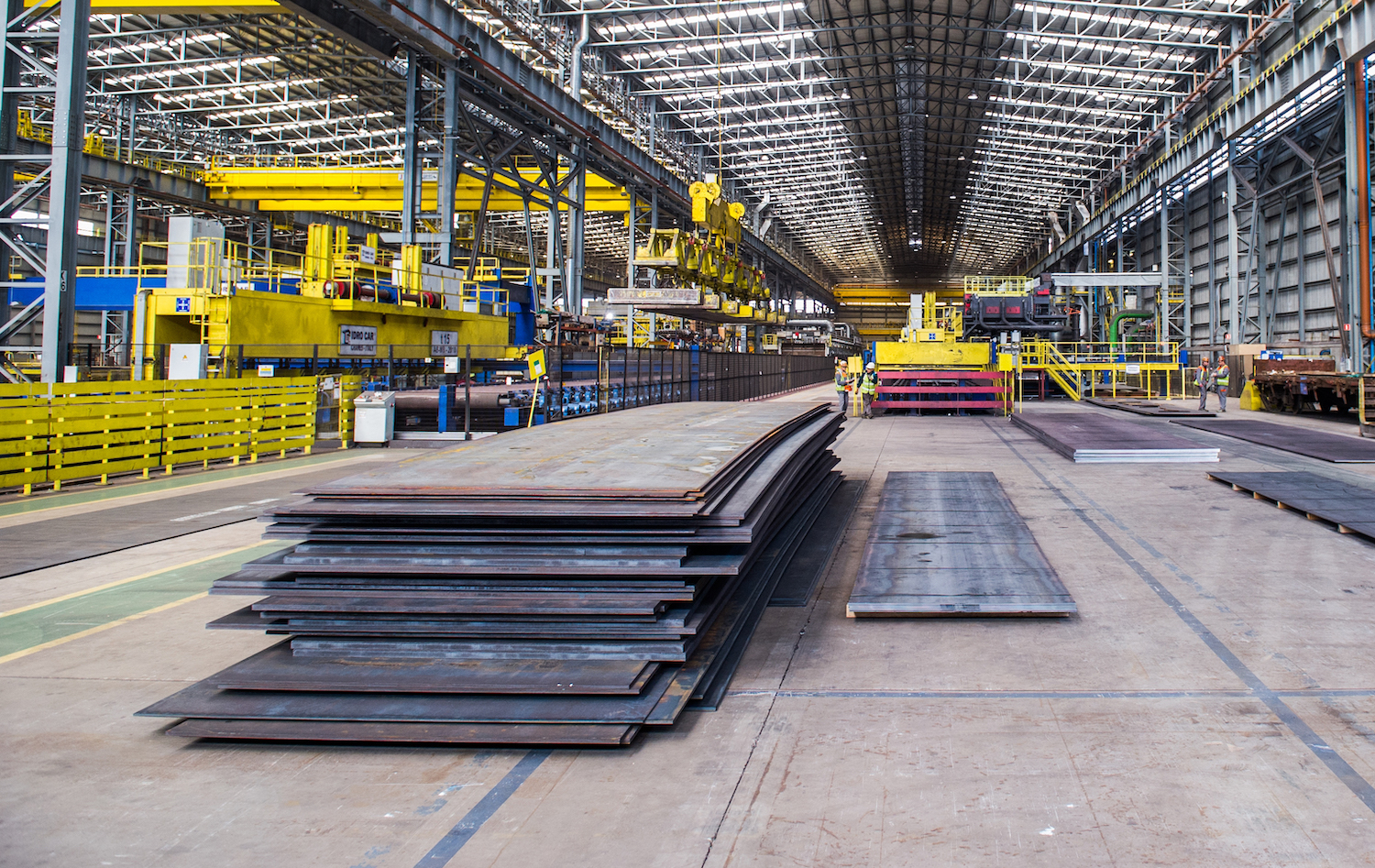
Domestic prices for steel heavy plate in Italy narrowed upward week on week, while mills were targeting higher levels for November delivery due to rising energy and slab prices, sources told Fastmarkets in the week to Thursday September 24. Meanwhile, the Northern Europe market was mostly stable despite mills’ ambitions to achieve higher levels.
Southern Europe
In Italy, re-rollers were heard selling base-grade plate at €740-750 ($842-853) per tonne ex-works for October-early November delivery, while targeting higher levels of €760-780 per tonne ex-works for November deliveries, sources said during the week.
One trade source said that workable levels were still within €730-750 per tonne ex-works, but the lowest price of the range was not supported by other participants. This range was in line with previous deals reported on September 17.
Prices above €750 per tonne ex-works were reported achievable mainly for project-related deals, the same source said.
They added that customers were slowly accepting price increases in the market, as demand remained moderate. At the same time, mills were under pressure due to higher production costs, such as rising energy and slab prices.
A producer said that the energy inflation was “adding up to €20 per tonne to costs of production” in the third and fourth quarter of the year, compared to the June-July period.
However, a second trade source did not support this narrative. “I know nothing about increases, just [the] opposite, mills are earning a very nice profit, despite gas price increases or higher slab prices,” the source said on Wednesday.
As a result, Fastmarkets’ weekly price assessment for steel domestic plate 8-40mm, exw Southern Europe was €740-750 per tonne on September 24, narrowed up by €10 per tonne from €730-750 per tonne a week earlier.
Meanwhile, latest offers for Asian slab were mainly reported within the range of $580-590 per tonne cost, insurance and freight (CIF), with prices from China being closer to $590 per tonne CIF and with earlier possible shipment in December, sources said.
They added that material with earlier delivery was already sold out in the market, so these prices were included in the assessment, despite Fastmarkets’ methodology delivery window of 8-10 weeks.
Some higher offers from China were heard at $600 per tonne CIF and above, a buyer told Fastmarkets, but other sources did not confirm these levels yet.
And a lower offer was reported from Southeast Asia to the port of Ravenna at $575 per tonne CIF, but details and specifications were unclear so it was not considered in the final assessment.
Fastmarkets’ weekly price assessment for steel slab import, cif Italy was $580-590 per tonne on Thursday, narrowed up by $10 per tonne from $570-580 per tonne a week earlier.
Fresh offers for plate imports from Indonesia to Spain were reported at $790 per tonne delivered duty paid (DDP) for arrival in the first quarter of 2027, but no new information was reported on a cost and freight (CFR) basis.
Thus, Fastmarkets’ weekly price assessment for steel plate (8-40mm), import, cfr main port Southern Europe, was €710-750 per tonne on Thursday, stable week on week.
Northern Europe
In Germany, mills were heard offering plate within the range of €850-900 per tonne ex-works, with latest deals reported around €850 per tonne ex-works, sources said.
A trade source said that levels as high as €900 per tonne ex-works did not attract buying interest and that they expected no commodities to be bought at such price.
Thus, Fastmarkets’ latest weekly price assessment for steel domestic plate 8-40mm, exw Northern Europe was €850-880 per tonne on September 24, unchanged from the previous week.
The import offers for plate from Indonesia at $790 per tonne DDP were also reported to Antwerp, while a trade source said the actual offers to the market were above €800 per tonne free carrier (FCA) Antwerp. However, no fresh activity was reported on a CFR basis.
Fastmarkets’ weekly price assessment for steel plate (8-40mm), import, cfr main port Northern Europe, was €710-750 per tonne on Thursday, stable week on week.
Polish domestic rebar prices edge higher on mounting production costs
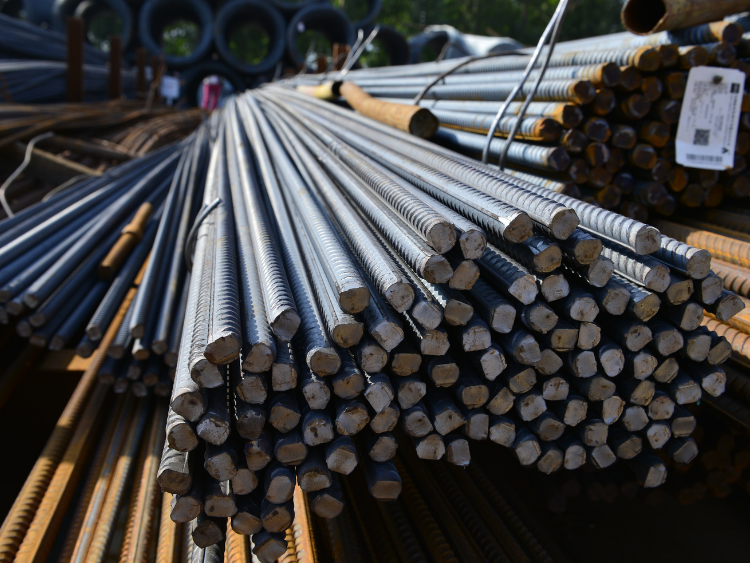
Polish domestic rebar prices narrowed upward in the week to Friday September 25, amid high production costs and slow demand.
“Demand remains weak,” a distributor source told Fastmarkets.
Market participants said mills were targeting higher prices due to rising oil and energy costs. Some mills adjusted their working hours in response to elevated energy prices.
Deals for domestic rebar were heard at 2,750-2,800 zloty ($724-737) per tonne, with offers and workable levels also heard within that range.
Fastmarkets’ weekly price assessment for steel reinforcing bar (rebar), domestic, CPT Poland, rose to 2,750-2,800 zloty per tonne on Friday, up from 2,740-2,800 zloty per tonne the previous week.
In the wire rod segment, indications were heard at 3,150 zloty per tonne delivered.
Fastmarkets’ weekly price assessment for steel wire rod (drawing quality), domestic, delivered Poland, remained unchanged at 2,900-3,150 zloty per tonne on Friday.

EU Steel Distribution: Improving outlook for Q4 as activity and price expectations strengthen
The September 2026 EUROMETAL Market Sentiment Survey points to a more constructive outlook for the European steel distribution sector as it enters the final quarter of the year.
While the assessment of current activity remains predominantly stable, sentiment has improved compared with the summer months. More significantly, expectations for activity over the next quarter remain positive, with the largest share of respondents anticipating an increase. Price expectations also maintain a clear upward bias.
Stock expectations, meanwhile, remain largely stable, suggesting that distributors continue to manage inventories cautiously despite improving expectations for activity and prices.
Overall, the September results indicate growing confidence for Q4 2026, although the significant number of neutral responses across several indicators suggests that market participants remain measured in their expectations.
Assessment of Current Activity
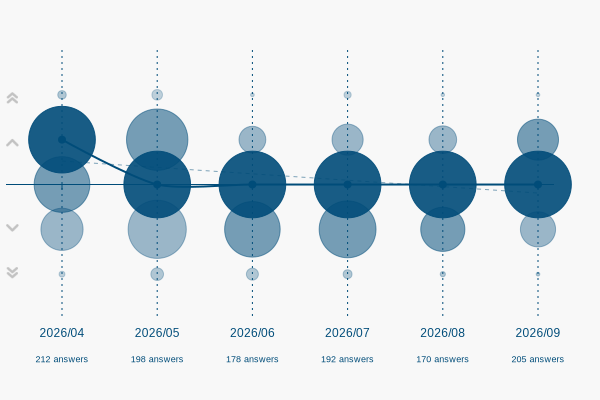
The assessment of current activity in September remains centred on the neutral line, meaning that the largest group of respondents considers activity to be stable.
However, compared with August, the distribution shows a small positive balance. The share of respondents reporting activity above the neutral level has strengthened, while fewer participants report weaker activity.
The results therefore point to stabilisation with some signs of improvement, rather than a broad recovery in current market activity.
Future Activity Forecast
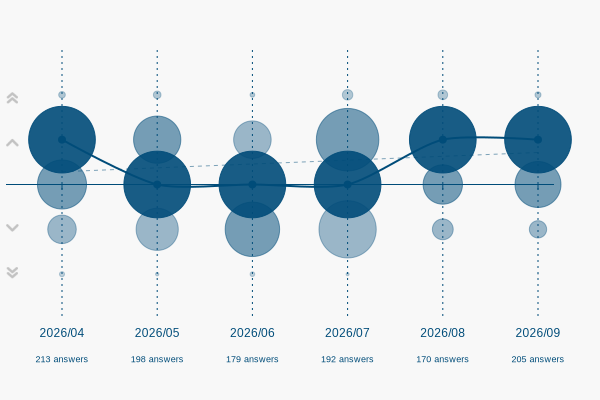
Expectations for activity over the next quarter remain positive in September, with the largest share of respondents forecasting an increase in activity.
This positive outlook, already visible in August, is maintained in September, with the dominant response remaining above the neutral line. A significant proportion of respondents still expects activity to remain stable, while comparatively fewer anticipate a decline.
The results therefore point to growing confidence in market activity for Q4 2026, although the sizeable neutral response suggests that this optimism remains measured rather than signalling expectations of a strong recovery.
Stock Position Outlook
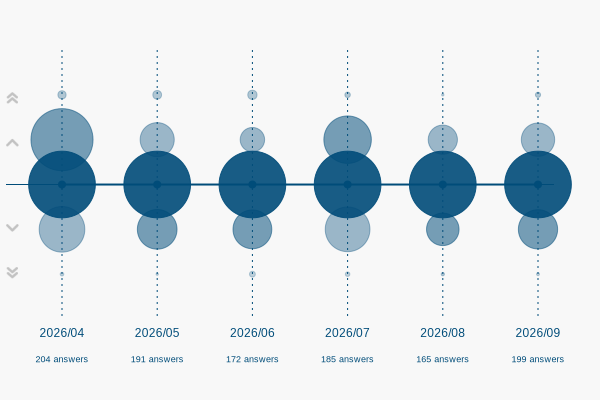
Stock expectations remain largely stable, reinforcing the cautious approach to inventory management seen across the European steel distribution sector.
The September results suggest that most distributors do not intend to make significant changes to their stock positions over the next three months. Expectations of increases or decreases remain secondary to the dominant view that inventories will remain broadly unchanged.
This continued focus on stability suggests that distributors are avoiding aggressive restocking and keeping inventories closely aligned with actual market requirements.
Price Development Expectations
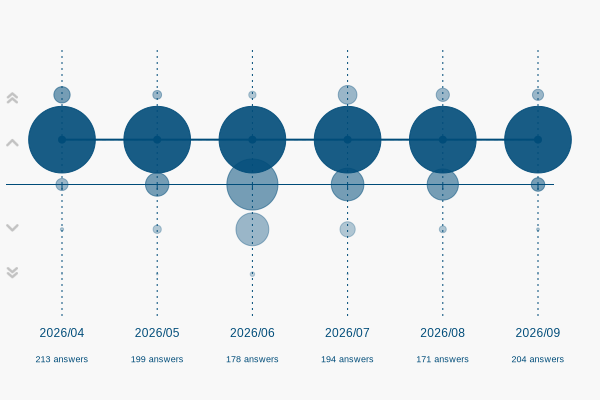
Price expectations remain one of the clearest positive signals in the September survey.
The largest concentration of responses is above the neutral line, indicating that respondents expecting price increases over the next three months outweigh those anticipating stable or declining prices.
A significant share of respondents nevertheless expects prices to remain stable, while comparatively fewer foresee downward price developments.
The September results therefore maintain a clear upward bias in price expectations, reinforcing the more constructive outlook for the final quarter of 2026.
Outlook for Q4 2026
The September survey presents a more encouraging picture of the European steel distribution market as Q4 begins.
Current activity remains predominantly stable but shows signs of improvement. More importantly, respondents are increasingly positive about activity over the next three months, while price expectations continue to point upwards. At the same time, stock positions are expected to remain broadly unchanged, highlighting the continued discipline of distributors in managing inventories.
Taken together, the results suggest that the sector is entering Q4 2026 with cautious optimism and greater confidence than during the summer months. Expectations of stronger activity and firmer prices provide encouraging forward-looking signals, although the continued importance of neutral responses indicates that distributors remain cautious about the strength and pace of any market recovery.
This analysis is based on the EUROMETAL Market Sentiment Survey, with 205 participants responding to the activity questions and 199 participants to the stock and price questions in September 2026. EUROMETAL surveys the market monthly, publishing the results by distribution (stockholding, flat steel service centers or trading); but also by region and industry.
Interested in our Sentiment Tool? Contact us.

Duferco establishes a new company for renewable energy

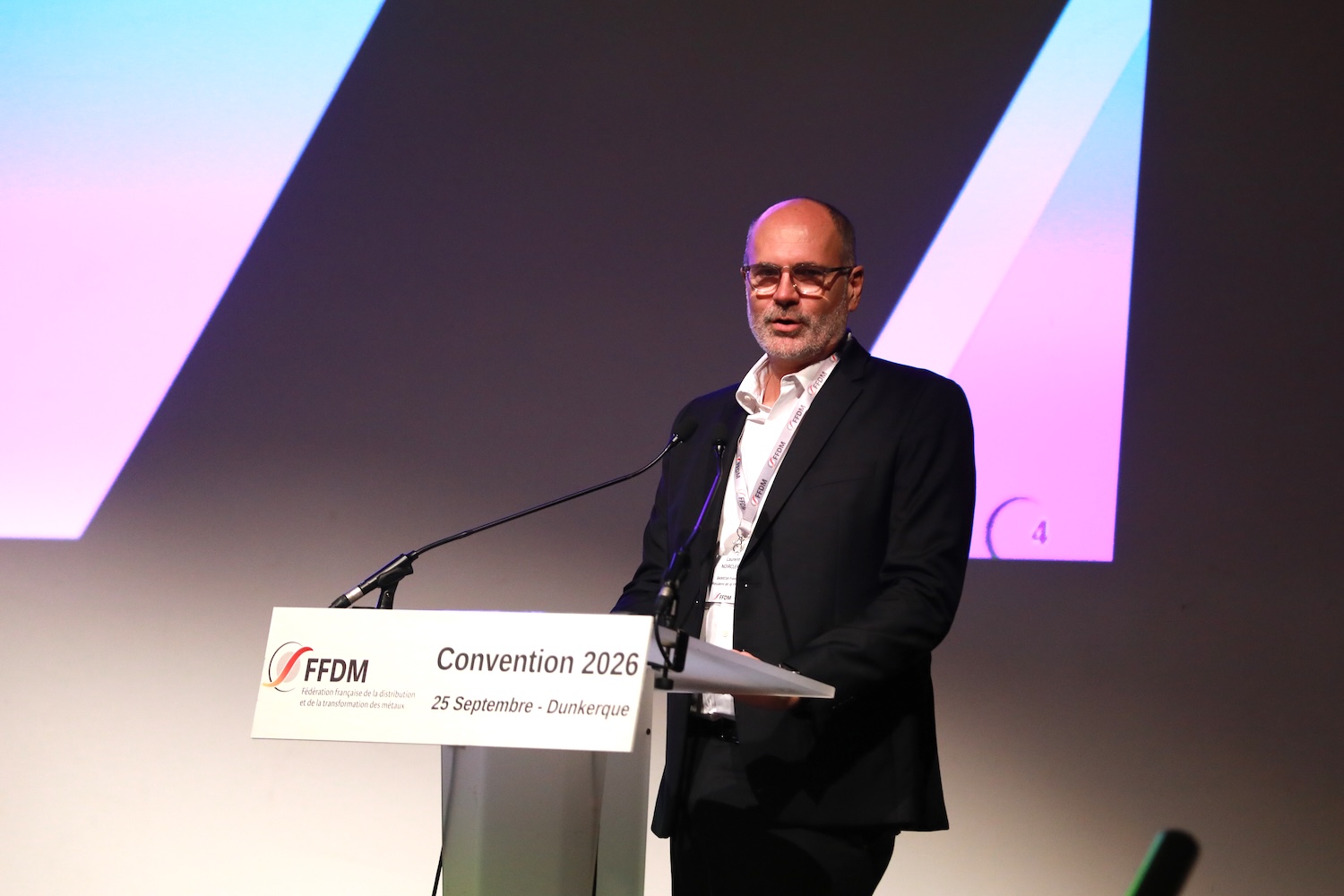
EUROMETAL joins FFDM’s convention in Dunkirk amid mounting pressure on European industry
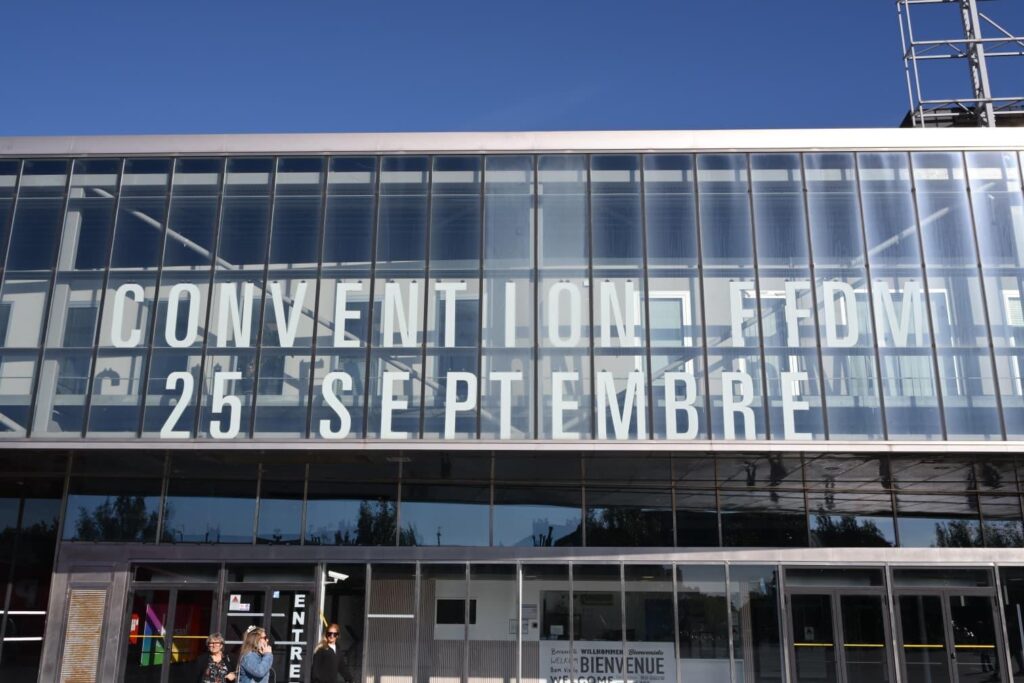
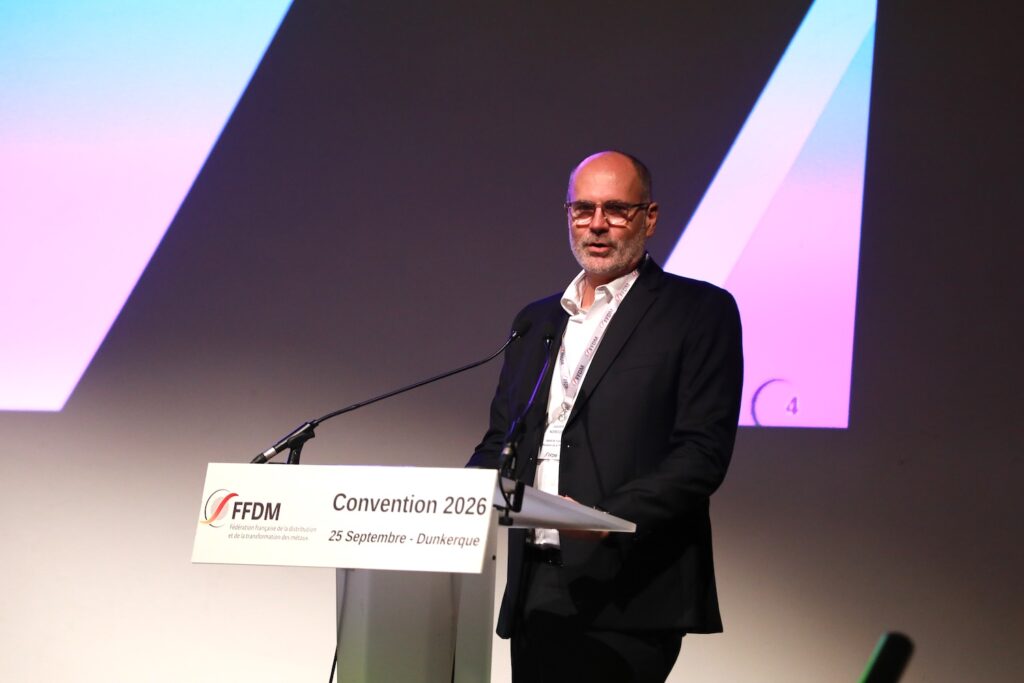
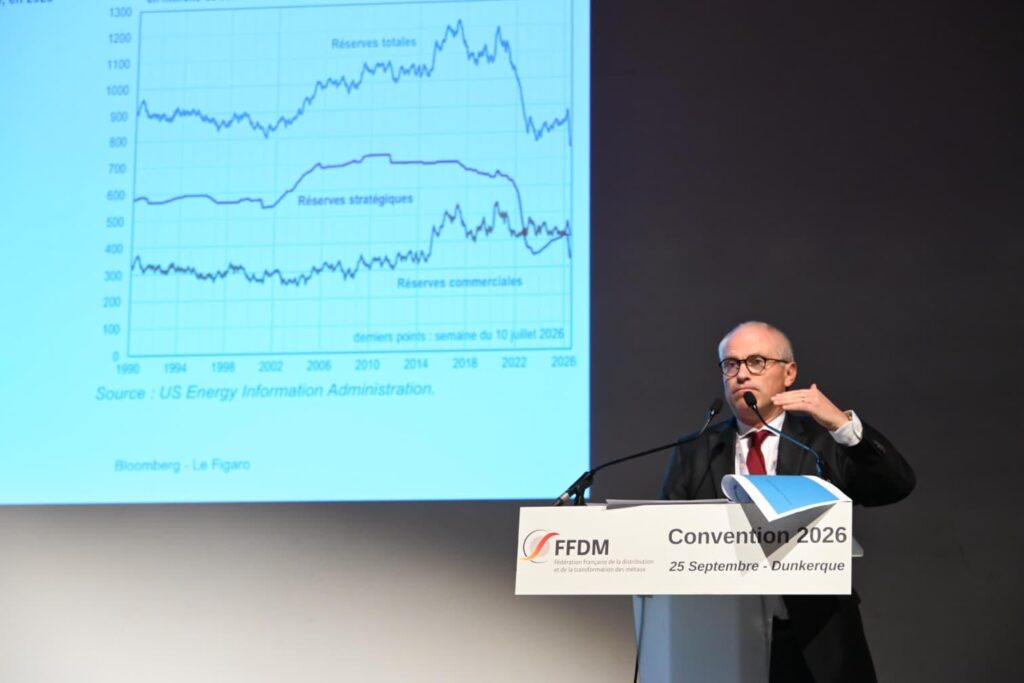
EUROMETAL participated in the 19th Convention of the French Federation for Metal Distribution and Processing (FFDM), held in Dunkirk on 24–25 September 2026.
Organised under the theme “Produire demain dans un océan de tensions” — “Producing tomorrow in an ocean of tensions” — the convention examined the economic, geopolitical, industrial and social forces reshaping the sector.
The programme began on 24 September with visits to ArcelorMittal’s Dunkirk steelworks and its Mardyck processing site, Aperam Isbergues, Dillinger and Ascodunes. The visits gave delegates a close look at strategically important links in the European steel value chain.
Dunkirk places industry at the centre of regional development
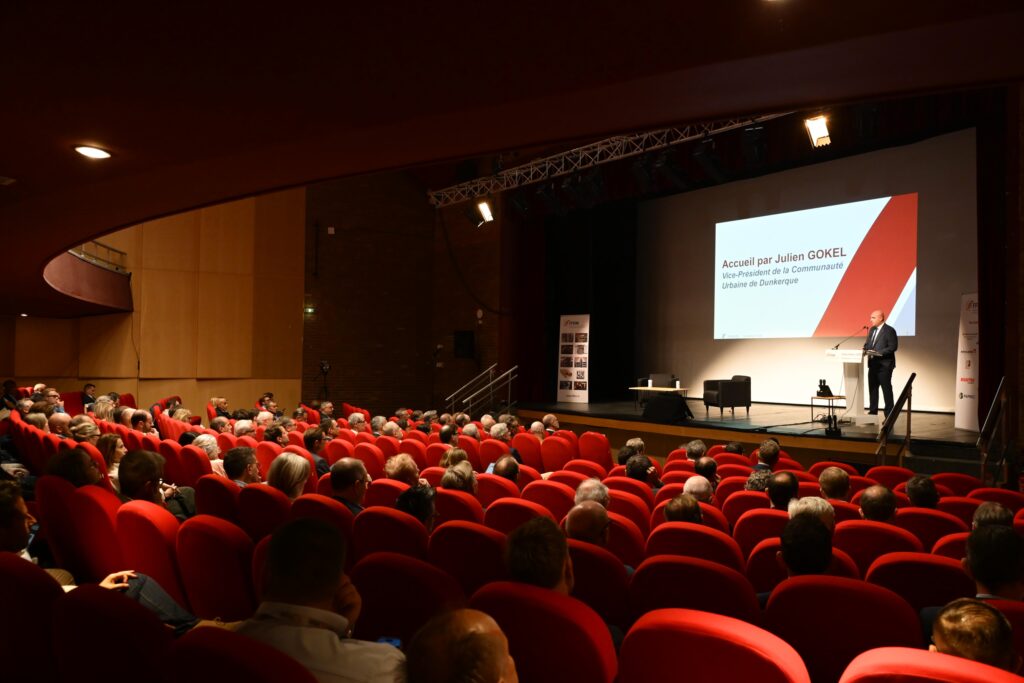
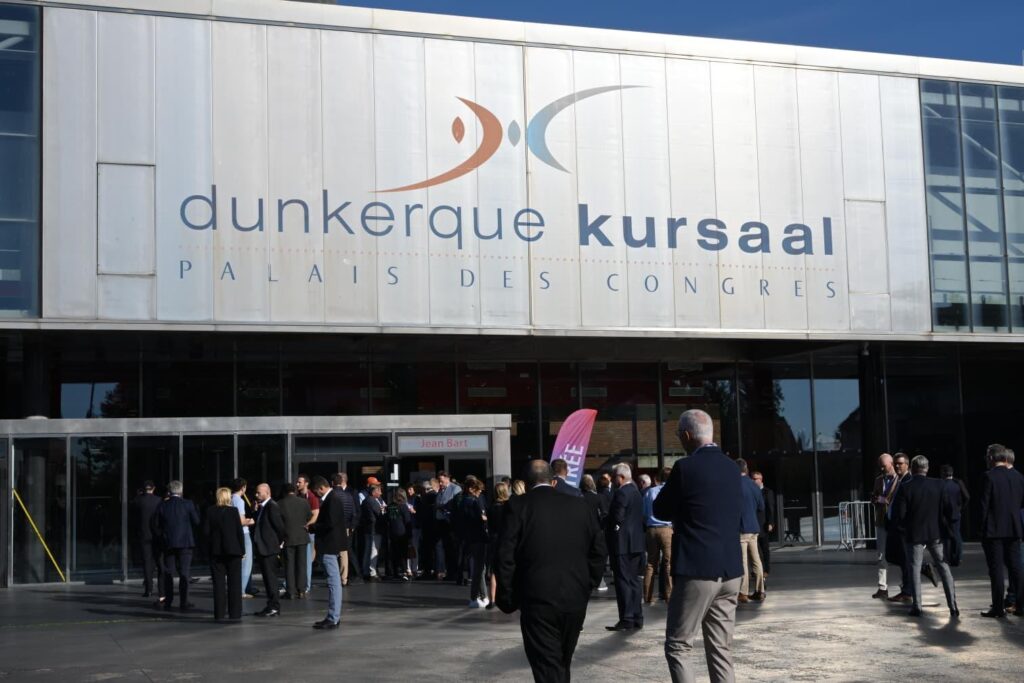
The convention continued on 25 September at the Kursaal Congress Centre in Dunkirk.
Julien Gokel, Vice-President of the Dunkirk Urban Community, welcomed participants and presented the region’s efforts to support industrial development. He emphasised Dunkirk’s maritime position, its access to imported raw materials and its growing role in new energy infrastructure, including offshore wind.
His address illustrated how ports, energy systems, transport infrastructure and industrial investment must work together if European regions are to attract new projects and retain existing production.
FFDM highlights unprecedented pressure on the value chain
Opening the convention, FFDM President Laurent Noirclerc described the severe pressures facing steel distribution and transformation companies. In what he noted would be his final convention opening after several years chairing the federation, he reviewed FFDM’s work to represent and support the sector during a period of exceptional uncertainty.
Noirclerc highlighted FFDM’s strong involvement in EUROMETAL’s 2026 initiatives. French companies provided significant support for the EUROMETAL Call to Action, which calls for urgent measures to preserve the entire European steel and metals value chain, including the manufacturing customers served by distributors and processors.
He also recalled the participation of FFDM and several of its members in the European Convoy for Industrial Competitiveness, held in Brussels on 7 September. The initiative brought more than 200 industry representatives, 15 trucks and ten symbolic industrial coffins to the European Quarter under the message: “Keep manufacturing in Europe.”
The French federation’s mobilisation has reinforced the industry’s shared demand for fair competition across the full value chain, stronger protection against downstream carbon leakage and policies that keep investment, production and skilled employment in Europe.
No rapid recovery for French construction
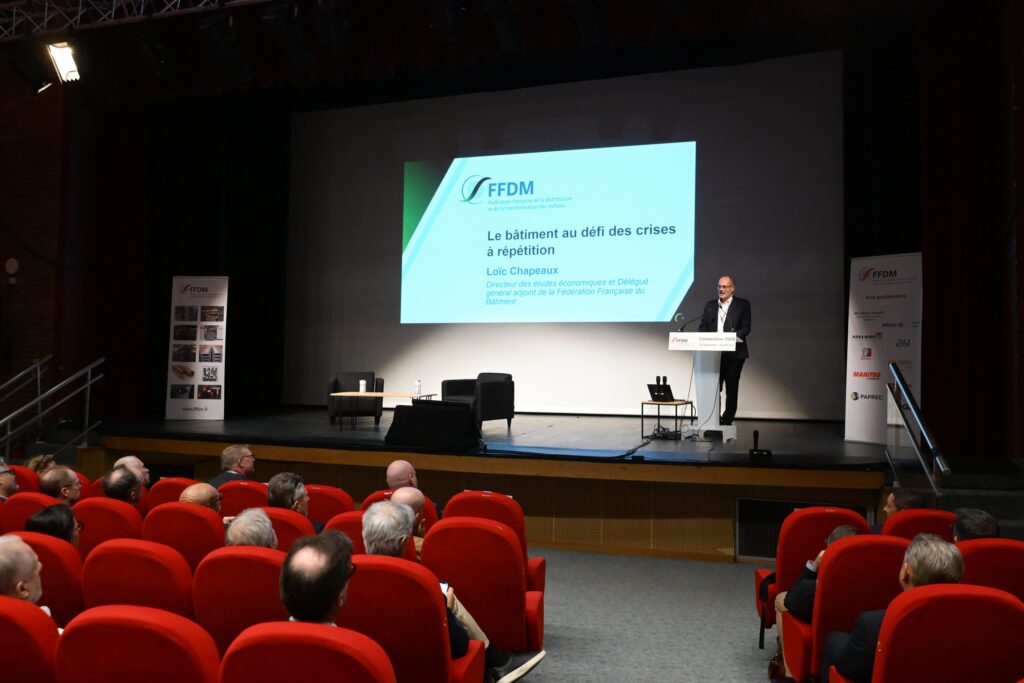
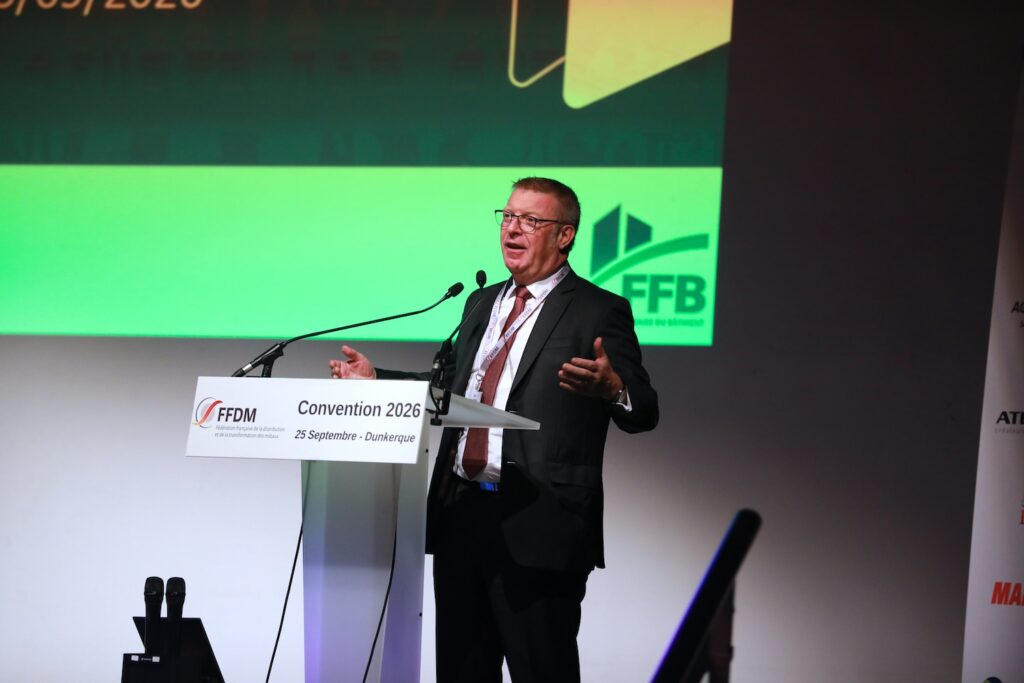
Loïc Chapeaux, Director of Economic Studies and Deputy Director General of the French Building Federation, presented a sobering assessment of France’s construction market.
A regular contributor to FFDM conventions, Chapeaux said the sector remained in a critical situation, with no meaningful recovery expected in the short term. He estimated that construction could lose around 20,000 jobs in 2026, following approximately 17,000 job losses in 2025.
The slowdown in public-sector construction, which has left projects delayed or suspended for several months, was identified as one of the causes. For steel distributors and processors, the weakness of construction continues to have direct consequences for demand, volumes and business confidence.
Global trade enters an era of permanent uncertainty
Fabien Lecomte, Director for Major Groups and Institutions at Allianz Trade, examined the geopolitical forces affecting international commerce.
He described a global trading environment increasingly shaped by strategic rivalry, protectionism, shifting alliances and unpredictable policy decisions. For companies operating across international supply chains, the lack of visibility has become a central business risk.
The presentation underlined the need for companies to remain agile in the short term while developing longer-term strategies for sourcing, investment and market diversification.
Can Europe meet China’s automotive challenge?
Tommaso Pardi, sociologist, CNRS researcher and director of Gerpisa, addressed whether the European Union is capable of responding effectively to China’s growing strength in the automotive sector.
His presentation explored the future of “Made in Europe”, the implications of Europe’s green industrial policies and the difficulties of reaching a coherent approach among all 27 EU Member States.
The automotive transition is not simply a technological contest. It also raises fundamental questions about industrial capacity, supply-chain sovereignty, energy costs, investment and Europe’s ability to translate common ambitions into coordinated action.
The future of work and industry’s skills challenge
Former French Labour Minister Muriel Pénicaud focused on the transformation of work. She discussed changing expectations among younger generations, the growth of remote and hybrid working, and a preference for shorter-term, project-based professional experiences.
Demographic decline and an ageing population will add further pressure. French industry already faces a shortage estimated at around 200,000 workers, despite an improvement in the public perception of industrial careers.
Pénicaud argued that companies must rethink recruitment, training, workplace organisation and career development. These themes also feature in Travailler demain, the graphic documentary-fiction project led by Pénicaud and journalist Mathieu Charrier, which examines artificial intelligence, equality, ecological transition, productivity and the changing expectations of employees.
A new industrial frontier at sea
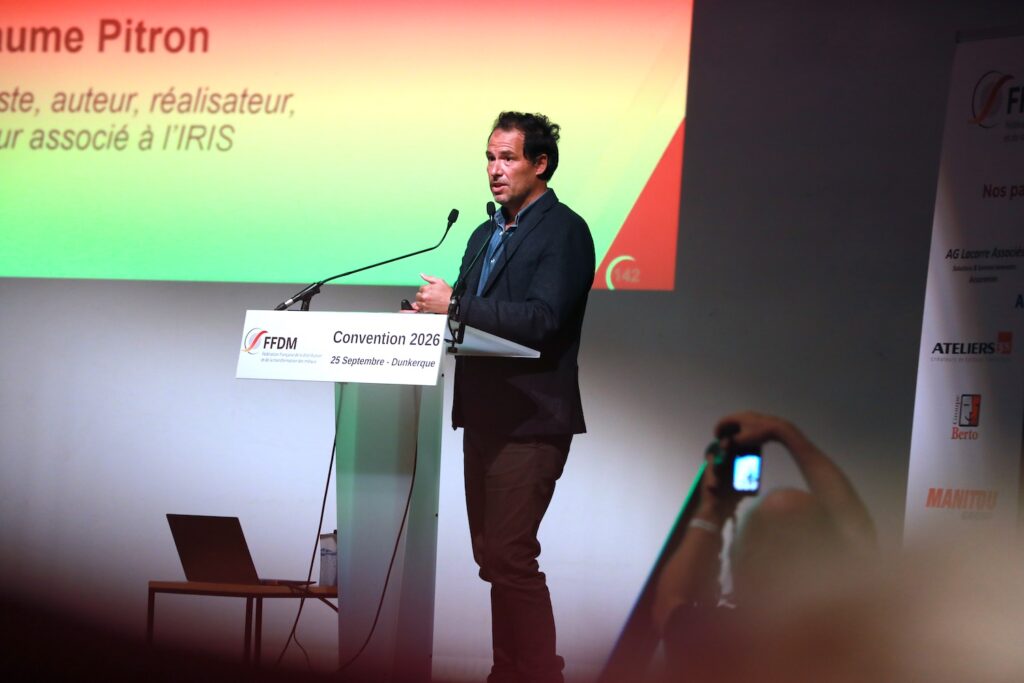
The convention concluded with journalist, author and filmmaker Guillaume Pitron, who examined the accelerating industrialisation of the world’s oceans.
Drawing on his new book, Océans – Le nouveau partage du monde, Pitron explored how energy production, digital infrastructure, transport, natural resources and geopolitical rivalry are transforming maritime spaces.
His contribution brought the convention back to its central theme. The ocean is both an essential source of resources and connectivity and an increasingly contested industrial and strategic domain.
The Dunkirk convention demonstrated that Europe retains major strengths: an advanced industrial base, strategic infrastructure, skilled companies and strong cooperation between national and European associations.
EUROMETAL Managing Director Ricardo Silva represented the federation at the event, which brought together members of France’s steel distribution, processing and manufacturing community.


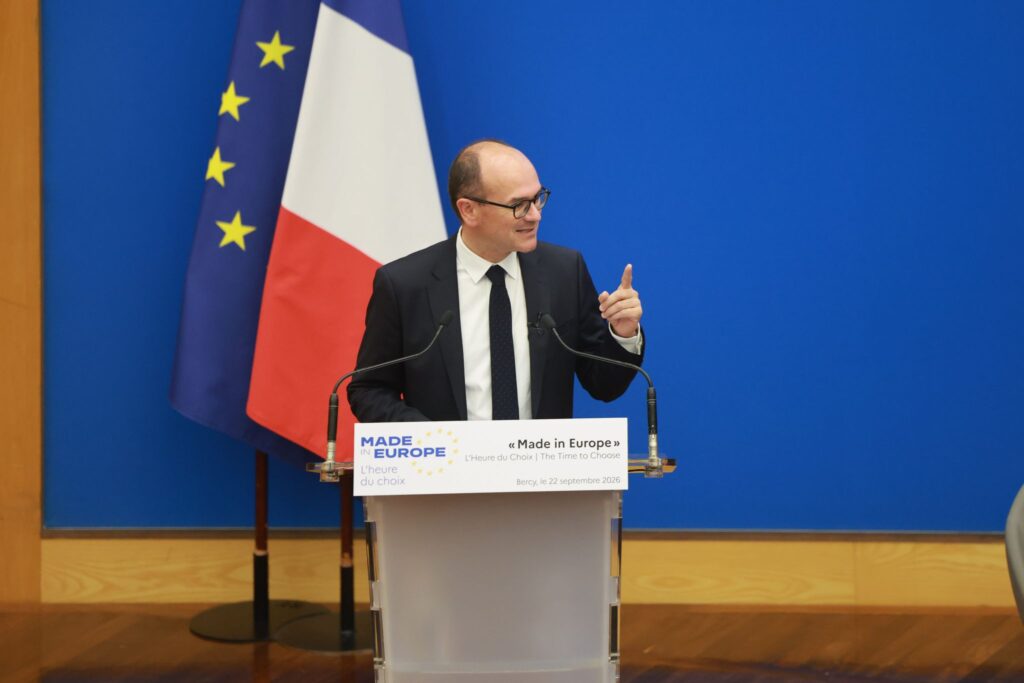
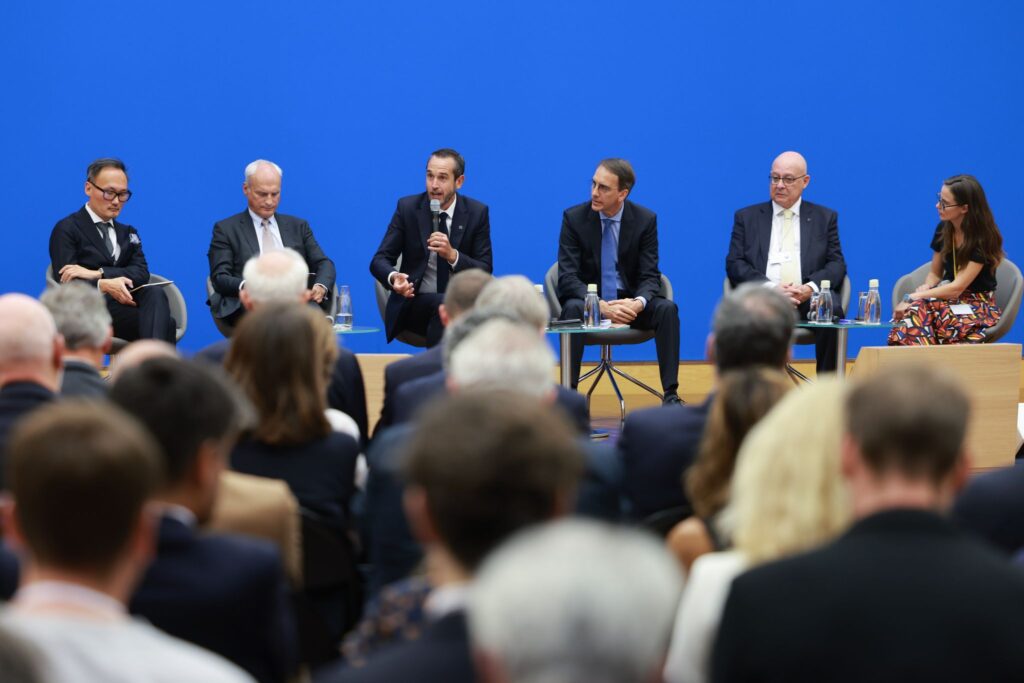
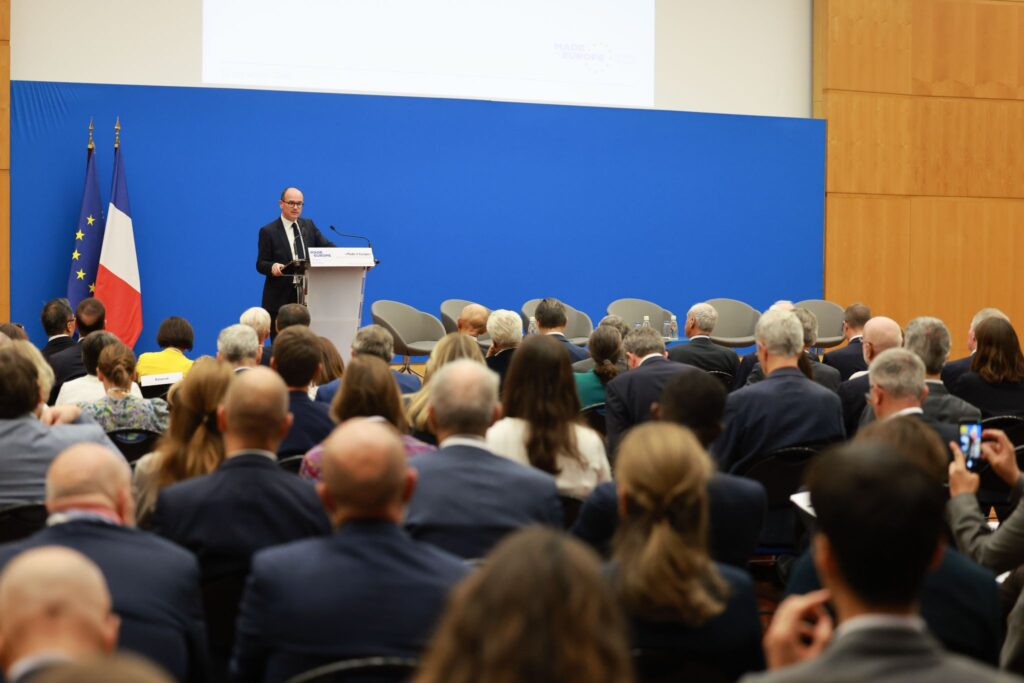
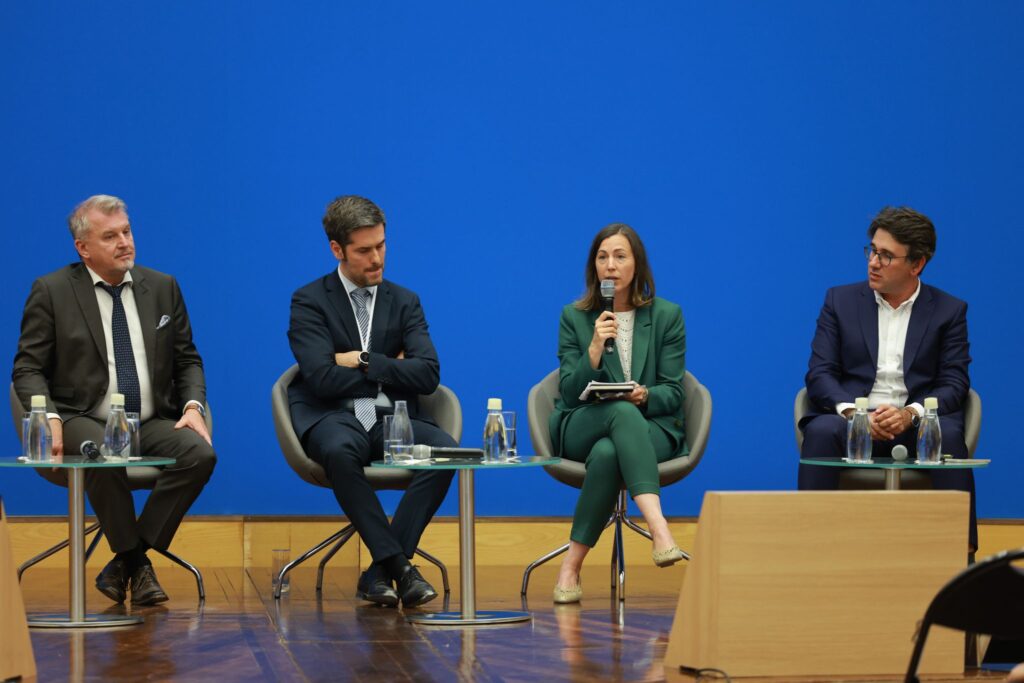
European industrial leaders rally in Paris for stronger ‘Made in Europe’ rules
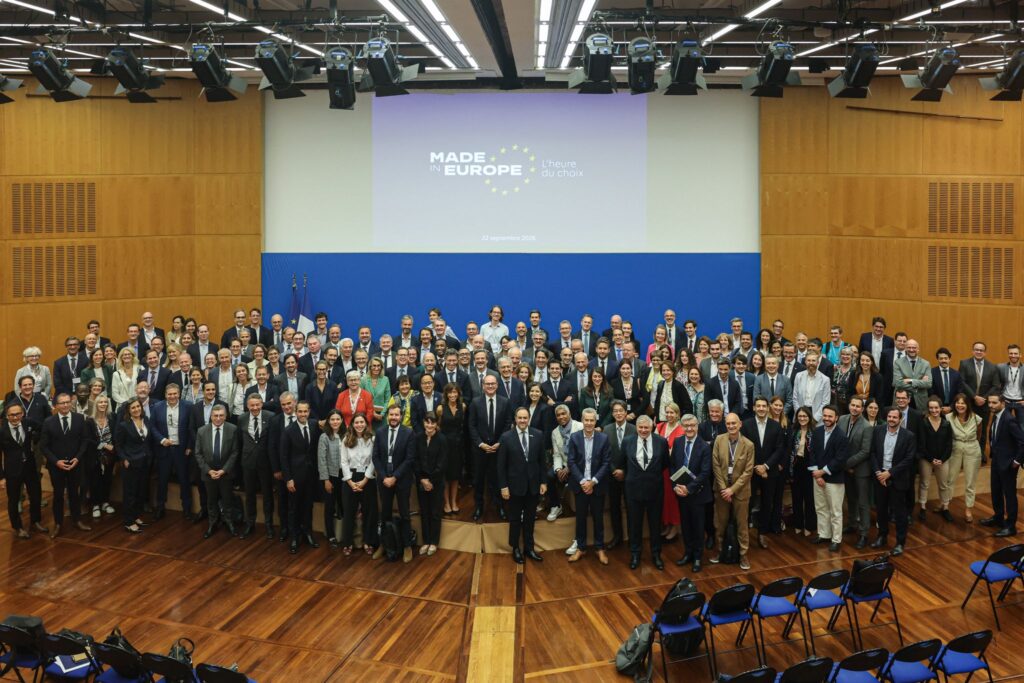
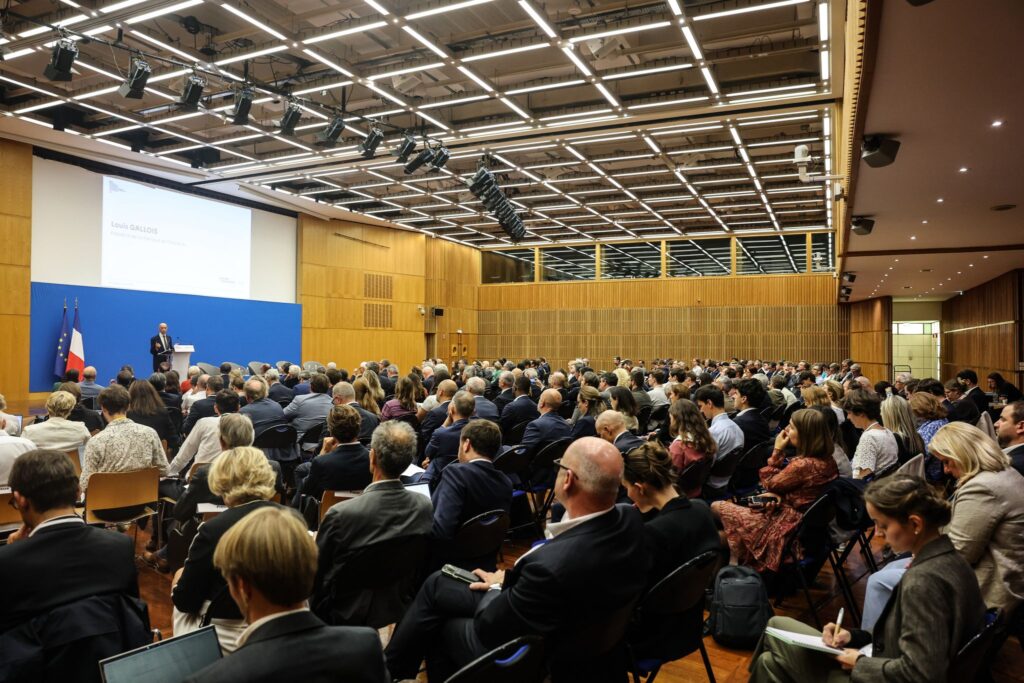
More than 300 European industrial executives gathered at France’s Economy Ministry in Bercy, Paris, at the invitation of French Industry Minister Sébastien Martin, to call for an ambitious European industrial preference policy.
The meeting focused on the proposed Industrial Accelerator Act (IAA), which could introduce European-content requirements in strategic sectors and public procurement. Martin urged the EU to ensure that the legislation supports production and value chains located genuinely within Europe.
“The ‘Made in Europe’ label must mean Made in Europe—not Made in the World,” he said, while stressing that the objective was not to close the European market but to establish fairer competition and build partnerships with countries sharing comparable rules.
The initiative received the backing of more than 600 industrial leaders and companies from across Europe. Signatories included France Industrie, Dassault Aviation, ArcelorMittal, Acerinox, Ferroglobe, Orano, Enedis and the French automotive platform PFA.
Martin said France would oppose any dilution of the IAA’s industrial ambition. However, he cautioned that expanding its scope to too many sectors could weaken political support among EU member states.
The minister also reported movement in Germany’s position and highlighted Italy’s support for the French approach. France wants the European Parliament to adopt the legislation before the end of the year, followed by a trilogue agreement during the first half of 2027 and implementation no later than 2028.
“European manufacturers no longer want words; they demand action,” Martin said as he presented the coalition’s position to his EU counterparts at the Competitiveness Council.

German steel sales fall 18% on month in August as weak demand persists
German steel distribution sales totaled 727,529 metric tons in August, down 17.8% from July and 2.7% below the same period a year ago, while stocks held steady at just under 1.92 million mt, broadly stable month on month, according to data sent to Platts by the German steel distribution association BDS on Sept. 24.
The monthly sales decline was broad-based across all product categories.
Flat products, which account for the largest share of distribution volumes, fell by 18.4% month on month to 414,052 mt in August and down by 5.6% year over year. Sales of long products declined to 250,106 mt in August from 293,272 mt in July, a fall of 14.7% month on month.
On a year-on-year basis, however, longs bucked the trend, rising 5.7% from 236,714 mt in August 2025, the only product category to record a year-on-year sales increase.
The others category — which includes tubes and other specialty steel products — was the weakest performer, slipping to 63,371 mt in August, down by 24.9% month on month and down by 12.3% year on year.
The data pointed to continued weak demand in one of Europe’s largest steel-consuming markets, with overall stable inventories alongside falling sales.
Total stocks at German distributors stood at 1,921,832 mt at the end of August, up just 0.1% month on month and up by 3.1% year on year.
Flat product inventories declined by 0.8% month over month to 1,251,363 mt, though they rose by 5.7% year on year. Longs stocks increased to 632,508 mt from 620,140 mt in July, a rise of 2% month on month, though they were 2.4% below 647,894 mt a year earlier. Stocks in the others category were broadly stable at 37,961 mt, virtually unchanged from July, but up by 15.5% year on year
| Sales and stocks of German steel distribution | ||||
| Sales (mt) | Longs | Flats | Others | Total |
| Aug-25 | 236,714 | 438,550 | 72,223 | 747,487 |
| Jul-26 | 293,272 | 507,498 | 84,419 | 885,189 |
| Aug-26 | 250,106 | 414,052 | 63,371 | 727,529 |
| Stocks (mt) | Longs | Flats | Other | Total |
| Aug-25 | 647,894 | 1,184,330 | 32,869 | 1,865,093 |
| Jul-26 | 620,140 | 1,261,213 | 37,939 | 1,919,292 |
| Aug-26 | 632,508 | 1,251,363 | 37,961 | 1,921,832 |
| Source: BDS | ||||
Author: Annalisa Villa


ArcelorMittal says Ukraine steel plant cannot restart safely
ArcelorMittal is unable to safely restart operations at ArcelorMittal Kryvyi Rih following multiple recent missile strikes, the steel company said in a Sept. 25 statement.
Over the past five weeks, ArcelorMittal Kryvyi Rih has been hit by four missile strikes, resulting in fatalities, injuries and extensive damage to production facilities.
In total, the attacks claimed five lives and injured 17 employees, ArcelorMittal said, adding that it had advised the Ukrainian government that the company was unable to restart operations at its Ukrainian subsidiary in a safe and sustainable manner.
“Since the war started, our people in Ukraine have worked tirelessly to keep the mines and plant operating. They have been the embodiment of bravery in circumstances most of us cannot begin to imagine,” ArcelorMittal Kryvyi Rih CEO Mauro Longobardo said in the statement.
The company is discussing the plant’s future with the Ukrainian government and will focus on preserving its infrastructure so that, when peace returns, options for restarting production remain available, Longobardo said.
ArcelorMittal expects to record a non-cash impairment charge of about $1 billion, principally reflecting the impairment of property, plant and equipment at ArcelorMittal Kryvyi Rih.
The statement follows a Russian ballistic missile strike overnight Sept. 21-22 on another steel plant, belonging to Ukrainian steel pipe and railroad products manufacturer Interpipe, which said its industrial facility in Dnipro halted production after key equipment and infrastructure were damaged.
Since mid-August, Russia has used missiles to strike several major Ukrainian steel mills, including Zaporizhstal, Kametstal and the Dnipro Metallurgical Plant, forcing them to suspend operations.
Intensified attacks on Ukrainian steel plants, infrastructure and logistics have already affected Ukraine’s ferrous metals business. In August, the country’s pig iron exports fell to 34 metric tons, down from 51,530 mt in July and 196,890 mt a year-earlier. Shipments of semi-finished carbon steel products declined by more than 70% both month over month and year over year to 26,000 mt.

Romanian longs prices stable amid limited buying and sufficient stocks
Romania’s longs market has continued to move sideways this week, as the overall market outlook still offers limited support for higher prices. Demand remains present but relatively limited, with construction activity not yet strong enough to generate a broader increase in steel consumption, while liquidity constraints are also encouraging buyers to remain cautious as regards purchasing volumes. As a result, most buying continues to be focused on immediate requirements, with little need to build additional stocks at current demand levels. Inventories across the domestic market are generally considered sufficient, which has further reduced pressure on buyers to secure extra tonnages. Under these conditions, domestic prices have remained broadly stable, while appetite for imported material has also continued to be limited this week.
Romanian retail rebar prices are still generally heard at around €610-615/mt ex-warehouse. However, some sellers are attempting to lift their quotations by around €5-10/mt, targeting levels closer to €615-625/mt ex-warehouse. So far, these higher levels have met with limited acceptance from buyers, preventing any broader upward movement in the market. Beltrame, Romania’s sole rebar producer, is meanwhile maintaining its official quotations at around €600-610/mt ex-works, with discounts of approximately €10/mt still understood to be available depending on tonnage and payment terms.
The wire rod market has followed a similar direction, with prevailing retail prices remaining at around €635-640/mt ex-warehouse. Sellers are also trying to add approximately €5-10/mt, bringing targeted levels to around €640-650/mt ex-warehouse.
Import activity has remained slow this week, as current domestic demand and sufficient local inventories have left buyers with limited appetite for additional imports. Bulgarian rebar quotations have moved higher to around €640-660/mt CPT Romania, compared with €630-650/mt CPT last week. No fresh Italian offers have been heard this week, while the latest available indications remain broadly stable at around €590/mt FCA, with freight to Romania estimated at €65-75/mt. Hungarian rebar in coils continues to be quoted at around €640-650/mt delivered, while Moldovan suppliers are also maintaining their previous levels at approximately €610-620/mt delivered for rebar and €645-655/mt delivered for rebar in coils. Turkish rebar export quotations have remained unchanged at $620-635/mt FOB this week. With freight to Romania estimated at around $25-30/mt, the corresponding level remains at approximately €555-570/mt CFR Romania, broadly in line with last week. Egyptian suppliers, meanwhile, have continued to seek higher levels. Rebar quotations have increased to $610-615/mt FOB from $600-610/mt FOB last week, translating into approximately €555-565/mt CFR Romania with freight estimated at $35-40/mt, compared with around €545-560/mt CFR previously. Egyptian wire rod offers have also edged up to $625-635/mt FOB from $620-635/mt FOB last week, corresponding to around €570-580/mt CFR Romania, versus approximately €565-580/mt CFR one week earlier.