


Uneven national implementation risks undermining EU state aid framework, metal markets warn
The European Commission launched the CISAF on June 25. This is a new state instrument intended to support the EU’s Clean Industrial Deal, focusing on decarbonizing industry and enhancing its competitiveness.
CISAF replaces the Temporary Crisis and Transition Framework, and enables EU member states to grant aid for clean energy, industrial decarbonization, and clean-tech development. It will be in effect until 2030.
Key support areas include: rapid roll-out of renewables and low-carbon fuels (such as hydrogen); temporary electricity-cost relief for energy-intensive users tied to decarbonization investments; incentives across diverse decarbonization technologies; expansion of clean-tech manufacturing including critical raw materials; and public-private de risking through equity, loans or guarantees.
Steel
European steel distributors’ association Eurometal has repeatedly flagged the “critical” challenge of high energy costs for Europe’s steel industry, on all sides of the supply and value chain of steel products.
“We welcome the European Commission’s new state aid framework as a step in the right direction, particularly in the context of safeguarding Europe’s green industrial base,” EUROMETAL president Alexander Julius told Fastmarkets.
“The new flexibility is helpful, but its effect will be uneven unless member states actively mobilize support plans – and this remains uncertain in many cases, especially for mid-sized market participants in the steel value chain,” he added.
Indeed, access to renewable energy at affordable prices has become a stumbling block for European steel industry decarbonization efforts.
Between 40 million and 50 million tonnes per year of new green steelmaking capacity – using just electric-arc furnaces (EAFs), or EAFs and direct reduced iron (DRI) – is expected to come online in Europe over 2025-30, Fastmarkets’ research team has estimated.
Currently, about 55% of steel in Europe is produced via the blast furnace-basic oxygen furnace (BF-BOF) route, while around 45% of European steel is manufactured using the EAF route. This figure is projected to increase to roughly 57% while the EU transitions to cleaner technologies in pursuit of its net-zero emissions target by 2050.
Moving to the DRI/EAF production route, however, raises concerns in the European market, notably regarding energy efficiency.
While BF-BOFs use 0.05MWh per tonne of steel production, EAFs use 0.45MWh per tonne of steel, a mill source has estimated. This makes EAFs as much as 10 times less energy efficient as BOFs.
“We need sufficient renewable energy at affordable prices to be able to decarbonize,” a second mill source said.
Electricity prices in Europe continue to be much higher than in many other parts of the world. Industrial rates frequently surpass €100 ($106) per MWh, whereas costs in regions such as the US and China are often closer to €30-50 per MWh. This disparity creates a serious competitiveness challenge for energy-intensive sectors such as steel production.
Producer sources have warned that, even taking into account the costs of the EU’s Carbon Border Adjustment Mechanism (CBAM), imports still might be more competitive than Europe-made steel. considering the “enormous” disparity in electricity costs.
European steel association Eurofer, meanwhile, said that it was too early to comment on the CISAF and its effect on markets.
“[CISAF] is an extremely complex piece of legislation which requires an in-depth assessment together with our members to fully understand the effect it will have on the sector. Therefore we are still examining it,” Eurofer’s spokesperson told Fastmarkets on June 26.
Silicon
Other metal production is also deeply affected by energy cost inputs. Silicon metal’s uses extend from silicone chemicals in white goods, to high-purity polysilicon for solar panels and semiconductors, and it is particularly heavily affected by energy costs.
The EU imposes an anti-dumping duty on silicon metal imports from China, but even after that duty, market participants tell Fastmarkets that China-origin material trades in the EU at prices not economically viable for European producers.
“Silicon metal is highly energy-intensive, with electricity prices being a major cost driver, often accounting for a significant share of total production costs,” Fastmarkets analyst Emre Uzun said. “In that sense, European producers are particularly sensitive to energy prices, whereas in the US and China, the effect is lessened due to the greater availability of low-cost energy.”
In the silicon market, there was also concern about uneven state aid. One long-time silicon market trader predicted that larger, wealthier countries would be able to be vastly more generous with their subsidies than smaller countries, contributing to a less balanced market.
And in silicon, poor conditions in the market could undermine the supply-side support measure.
“The effect will be very small,” the silico trader said. “Because of the general situation in the market, there is [heavily reduced] consumption in Europe.”


German sheet formers see ‘silver lining’
Germany’s sheet forming companies lost substantial business in 2024, but have nevertheless expressed modest optimism going forward, says their interest group, Industrieverband Blechumformung – IBU.
IBU’s 540 companies, mostly small and medium-sized enterprises, saw 2024 revenues drop by 12.2% year-on-year, Kallanish learns. Still, “despite lower revenues and a difficult regional environment for industrial production, sheet formers are looking ahead,” says IBU managing director Bernhard Jacobs. The companies’ sentiment has improved slightly since the end of 2024, but it is only a thin silver lining, Jacobs says.
One gentle booster for sentiment is the recent change of German government, and the hope for an improvement in the economic climate that this might bring. Policymakers have apparently become aware of the massive hurdles for businesses presented by bureaucracy, energy costs and taxation, Jacobs says. But he cautions that “our credit of confidence will soon run out if the government does not take measures quickly.”
By comparison with the pre-Covid year of 2019, sheet formers lost 15.5% of production volume and 10.6% of jobs in 2024, according to IBU.
Christian Koehl Germany


German rebar remains soft
Base prices for rebar in Germany and Austria remain unlikely to inch back up to the mark of €400/tonne ($469), which they surpassed for a period until June.
“I actually doubt that too many people bought for more than €400,” one central German buyer says. ”Mills had targeted €420 but did not get it.” Current base prices are at around €380/t, he says, “but it [rebar prices] remains under pressure”.
Further south in Bavaria and Austria, people are seeing paid prices at even lower, suggesting €360/t as a mark for recent deals. For rebar benders, prices would have to be even lower to break even in the competition for construction contracts. “€350 would be realistic” to do business downstream without making losses, one cut-and-bend manager tells Kallanish.
Influence from Italy seems to limited, as Italian offers to southern Germany are at only €10/t lower than local quotes, he says. This is quite remarkable given that domestic base prices in Italy are some €100/t lower. “The Italians sell to Germany only if they have to; they get better prices in other countries than Germany,” he finds.
He also mentions a recent push by German mills to bring prices back up by €20-30, but believes price stabilisation is the best they can hope for, with no upswing likely before summer.
Other buyers however have not confirmed the hike attempts. An Austrian buyer does however confirm the Italian prices. “The Italians charge us, in fact, €100 more than they do domestically, and I had a hard time negotiating a discount of €20 in a recent deal,” he says.
Christian Koehl Germany

Uncertainty continues to weigh on UK steel sector
Uncertainty continues to remain a key challenge for UK steel sector participants, weighing on demand and prices, said delegates at the National Association of Steel Service Centres (NASS) summer event last week, attended by Kallanish. A lack of clarity on tariffs and the incoming CBAM regulation are meanwhile constraining market activity.
One attendee noted there was a lot of talk about new UK infrastructure projects, defence spending, and the recently released industrial strategy, but “until the [demand] level actually starts coming up, [many] are staying in their lane, [and] being pretty conservative about what their aspirations are”.
The new Industrial Strategy and Infrastructure Strategy have both been welcomed by industry players as supportive for the domestic market, but it will take time for funds to be allocated.
“It’ll be like this for a while,” another attendee said, while a third noted the “full understanding was not there” regarding the incoming CBAM regulations in the EU. At a recent Kallanish conference, panellists were not confident that even half of the market were prepared for the January 2026 start.
It was also highlighted that some European mills were pulling orders forward to fill gaps ahead of the slower summer period, which typically sees slower trade and maintenance being carried out. This would result in some orders being delivered earlier than expected, and others after the maintenance work.
“There is plenty of capacity,” said one attendee.
There was also a tone of displeasure from some during the event following recent changes to the UK tariff rate quotes, with business secretary Jonathan Reynolds revising the safeguards beyond the recommendations. The changes will be implemented from 1 July, giving importers little time to digest them.
It was recently confirmed that the UK steel safeguards are to be tightened beyond those recommended by the Trade Remedies Authority (TRA). This includes new caps on residual quotes and the end of unused allocations being rolled over into new quarters.
“We are not expecting steel consumption to increase anytime soon, it’s still relatively flat,” noted another attendee, adding there is lots of talk from government but not enough action being taken.
The UK steel sector is also grappling with recent changes to the minimum wage and national insurance contributions, which would see costs sharply rise for employers.
One market participant said they were now facing an extra £60,000 ($82,000) in additional costs.
Elsewhere, a lack of definition for green steel continues to cause confusion among market participants, with no industry-wide definition yet agreed.
However, it was noted that some end user sectors such as construction are seeing customers seeking to use green steel in projects, with demand said to be evolving.
Carrie Bone UK
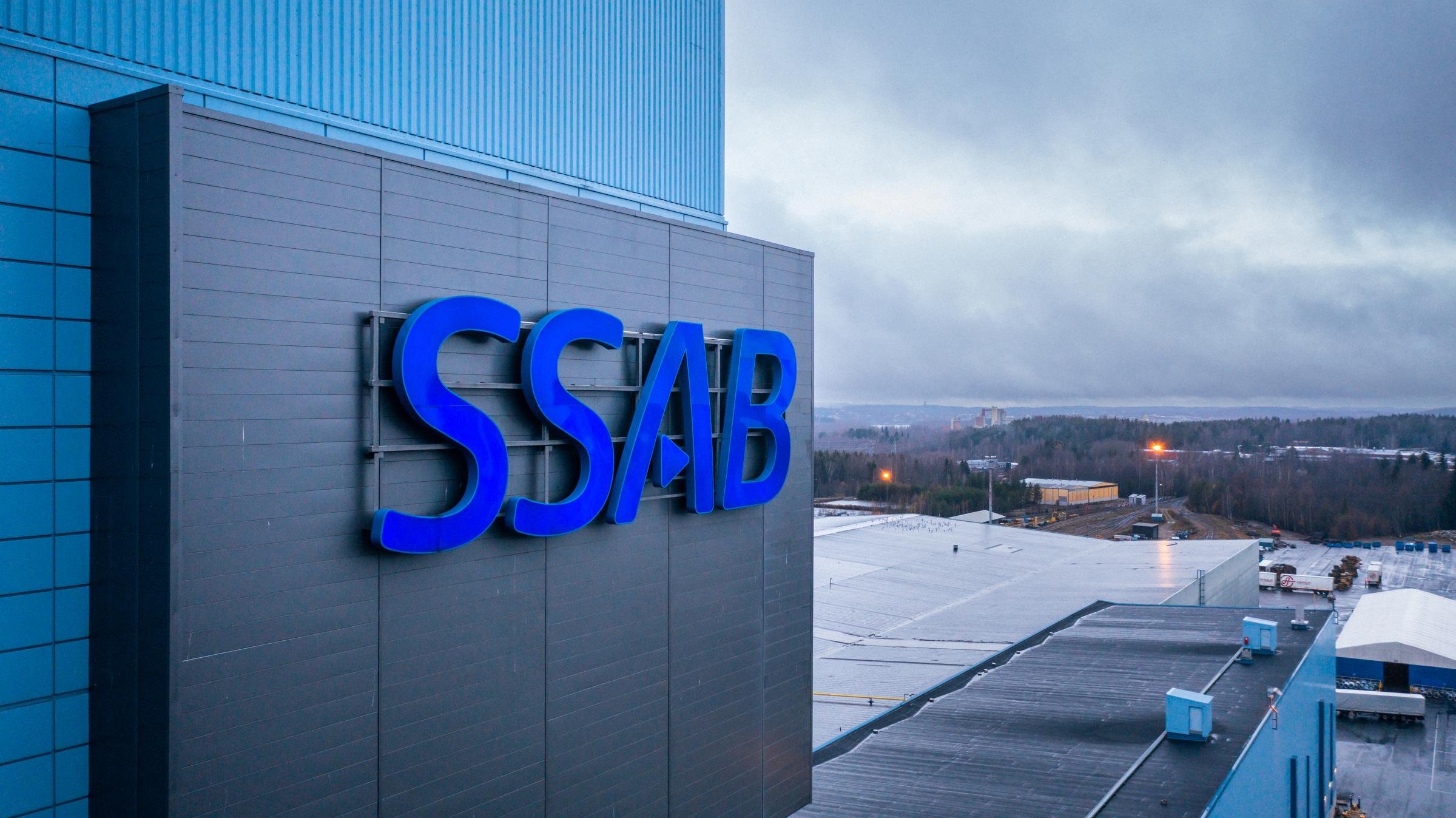
SSAB raises €430 million in financing for Luleå green transformation
Swedish specialty steel producer SSAB has secured an additional €430 million in green financing, completing the full funding package for its €4.5 billion transformation project in Luleå, Sweden.
The project will result in the creation of a state-of-the-art mini-mill that will lower production costs, shorten delivery times, and significantly reduce carbon emissions – by as much as seven percent of Sweden’s total CO₂ output.
“A key milestone” in SSAB’s green steel transition
“This final piece of financing marks a key milestone in our transformation journey,” said Leena Craelius, CFO of SSAB, adding, “It enables us to virtually eliminate CO₂ emissions from Luleå production, reduce costs, and improve our product mix.”
The new mini-mill will feature a 2.5 million mt annual capacity with two electric arc furnaces, advanced metallurgy, and an integrated rolling mill. The facility will also include cold rolling, galvanizing, and continuous annealing capabilities.
The project will reposition SSAB Europe as a premium steel producer while offering lower costs and shorter lead times. The mill will be able to use a flexible mix of fossil-free sponge iron, pig iron, and recycled scrap.

EU introduces new regulation to boost decarbonization, energy efficiency and clean tech production
The European Commission has introduced a new regulation called the Clean Industrial Deal State Aid Framework (CISAF) to help member states accelerate their transition to clean energy, industrial decarbonization and clean technology with the scope of the Clean Industrial Deal.
Accordingly, CISAF defines how member states can provide public support for clean industry investments under EU state aid rules. It enables the rapid implementation of national aid programs introduced by member states. The framework will apply until December 31, 2030, and will also offer long-term stability for governments and businesses.
There are five key focus areas of CISAF. One of them is offering simplified procedures to fast-track support for projects such as wind and solar power, and green/blue hydrogen with the aim of helping hard-to-abate industries in achieving the decarbonization goals of the Clean Industrial Deal.
Moreover, member states will now offer electricity cost support for companies that operate in industries exposed to global competition and rely heavily on electricity, allowing the reduction of the electricity costs of energy-intensive users that face higher costs than competitors in regions with less ambitious climate policies. In exchange, recipient companies will be required to invest in decarbonization efforts.
Furthermore, CISAF will offer flexible funding options for a broad range of decarbonization or energy efficiency technologies, including electrification, hydrogen, biomass, and carbon capture, utilization and storage (CCUS).
The framework will also provide public support for the investments in the production of clean technologies covered by the Net-Zero Industry Act. Aid will be provided on an individual basis when needed to avoid such investments from moving outside the EU. It will provide support for the investments in the production and processing of critical raw materials necessary for clean technologies. Additionally, the framework will encourage demand for clean technologies by offering tax incentives, such as accelerated tax deductions, to companies that invest in clean technologies.
Ultimately, CISAF will allow member states to reduce the financial risks of private investments by offering equity, loans, or guarantees, specifically for initiatives in energy infrastructure, the circular economy, and other clean industry areas.

New car registrations in EU down 0.6 percent in Jan-May 2025
In May this year, new passenger car registrations in the EU rose by 1.6 percent year on year to 926,582 units, according to the European association of car manufacturers ACEA.
In the given month, the French market (-12.3%) saw the sharpest decline, followed by Italy (-0.1%), while Spain (+18.6%) and Germany (+1.2%) reported positive results.
In the first five months of this year, new car registrations in the EU dropped by 0.6 percent year on year to 4.57 million units. France (-8.2%), Germany (-2.4%) and Italy (-0.5%) showed a negative performance. On the other hand, Spain (+13.6%) market saw its results increase.
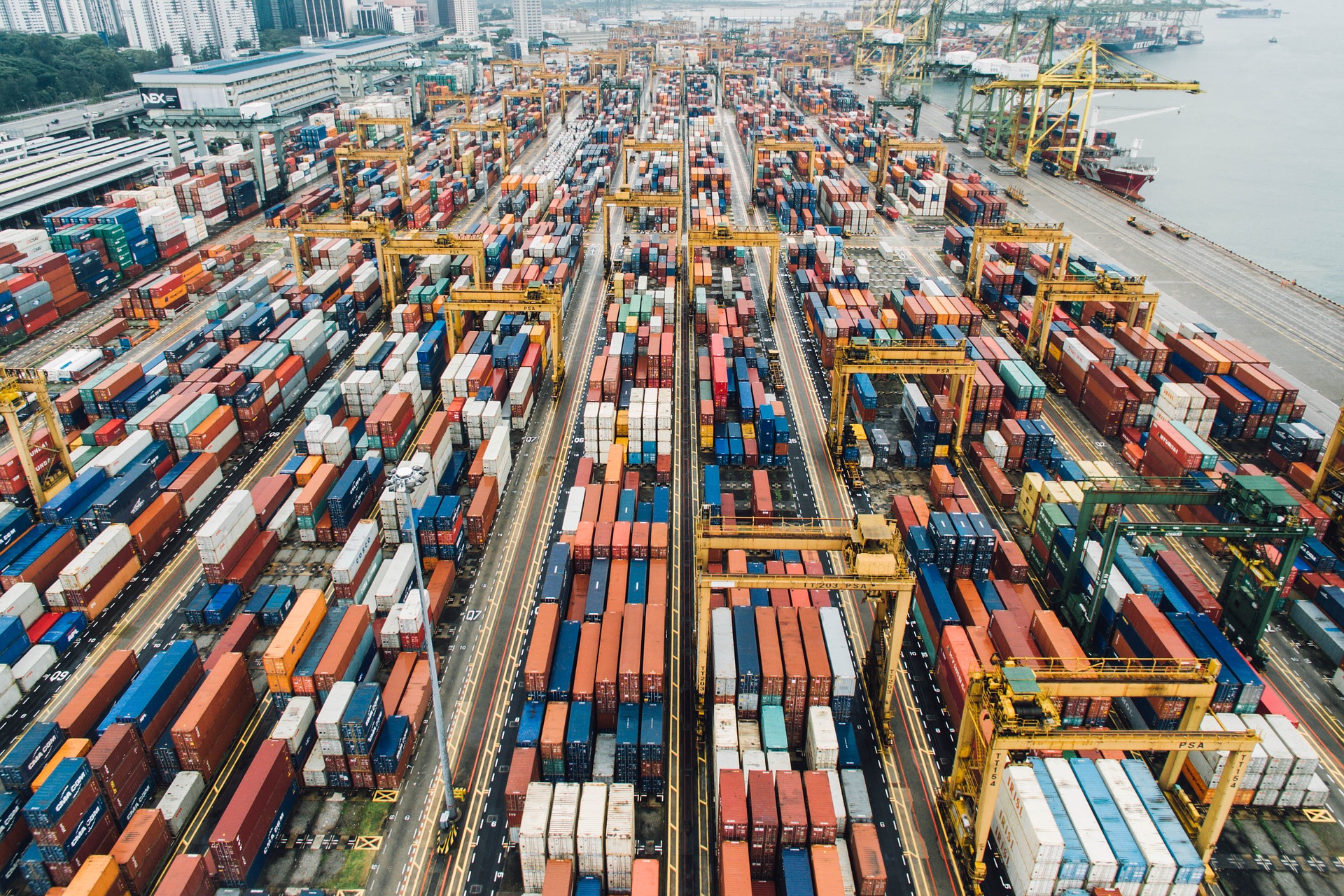
Most EU steel import quotas nearly exhausted as Q2 ends
As of June 26, approaching the end of the EU quota period between April 1, 2025 and June 30, 2025, some of the import quotas for certain steel products allocated for South Korea, Turkey, “other countries” and China have been exhausted, while over 80 percent of quotas for some steel products have been used up, according to the European Commission’s data.
Regarding the exhausted quotas, the quotas of 161,143 mt for HRC (1A) and 71,028 mt for organic coated sheets allocated to South Korea have been exhausted. China has exhausted the quota of 140,266 mt for merchant bars and light sections. Regarding the quotas allocated under “other countries”, the 43,468 mt quota for CRC allocated for Turkey, the 20,955 mt quota for metallic coated sheets (4B) for Japan, the 110,038 mt quota for quarto plates for South Korea and the 27,568 mt quota for rebar for Egypt have been used up .
Looking at the quotas allocated for Turkey, the country has used up 93.97 percent, 95.6 percent, 99.95 percent and 93.6 percent of its quotas of 627,026 mt for HRC (1A), 21,177 mt for stainless cold rolled sheets and strips, 49,432 mt for gas pipes and 43,093 mt for other welded pipes, respectively. The country has also used up 99.95 percent of the 118,012 mt quota for metallic coated sheets (4A) allocated under “other countries”.
Other product quotas used up can be seen at the table below.
| Product | Country | Amount (mt) | Used (%) |
| HRC (1A) | Australia (under other countries) | 111,380 | 99.34 |
| CRC | South Korea | 94,591 | 98.48 |
|
Electrical sheets (3B) |
China | 39,732 | 84.72 |
| Vietnam (under other countries) | 43,468 | 92.67 | |
| Taiwan (under other countries) | 43,468 | 82.47 | |
| Japan (under other countries) | 43,468 | 99.87 | |
|
Metallic coated sheets (4A) |
South Korea | 48,916 | 94.19 |
| UK | 49,849 | 98.65 | |
| Taiwan (under other countries) | 118,012 | 99.17 | |
| Organic coated sheets | Taiwan | 22,904 | 99.79 |
| Quarto plates | Indonesia (under other countries) | 110,038 | 93.28 |
| Rebar | Algeria (under other countries) | 27,568 | 99.92 |
|
Wire rod |
Malaysia (under other countries) | 15,074 | 99.44 |
| Algeria (under other countries) | 15,074 | 99.74 | |
| Egypt (under other countries) | 15,074 | 99.71 | |
| Hollow sections | Macedonia | 28,852 | 99.77 |
| Other seamless pipes | UK | 39,728 | 95.6 |

European longs market remains sluggish, higher energy costs may boost Italian rebar prices
Amid the generalized slowness in all European steel markets, from recycled steel to flat steel, the longs steel segment in Europe has also remained sluggish with a slight downtrend in the past week. However, rumors of a possible recovery are emerging, at least as far as rebar prices in Italy are concerned.
Taking up the words of the representative of one Italian steel mill and comparing them with the opinion of one of his counterparts, the common ground among Italian steel producers is to expect rebar prices to recover. Both sources said that the increase in electricity prices is having a major impact on production costs and so they doubt that such a low level can last much longer. According to reports, local rebar prices in Italy are standing at €240-250/mt ex-works base (€505-515/mt ex-works including regular extras), down by about ten $10/mt week on week on the lower end of the range. Although electricity prices have roughly returned to the levels seen at the beginning of June, standing today, June 27, at €118/MWh, after the peak of €135/MWh recorded on June 23, there is no doubt that they are the highest in the entire European Union: in the past week, average electricity prices in Italy have reached €126/MWh, compared to €57/MWh in France, €93/MWh in Spain, and €61/MWh in Germany.
In addition, a logistics crisis is seen in the Italian longs market. “The shortage of trucks is more severe than any other year, and waiting too long [to buy] would mean customers will not be able to receive their orders on time,” a spokesperson for an Italian mill commented. According to a local trader, however, it would be the excess of rebar supply that leads end-users to maintain low stocks and place punctual orders, as they are aware they can receive the material in a short time.
However that may be, it is likely that these factors, combined with imminent production stoppages, will produce a price increase in the Italian longs market, where for now wire rod prices remain stable at €620-635/mt delivered for drawing quality wire rod and at €605-620/mt delivered for mesh quality wire rod, unchanged week on week.
No change has been detected in export markets, where the average prices of rebar and wire rod from Greece have been reported at €575/mt FOB and €570/mt FOB respectively, unchanged week on week, and rebar export prices from Spain to UK ports have been reported at around €550-555/mt FOB, also unchanged compared to last week.
On the other hand, import prices of rebar and wire rod from Turkey have declined, standing at €480-490/mt CFR and €490-495/mt CFR, respectively. This figure is down by €10-15/mt week on week and by about $10/mt week on week, also due the fluctuations in the euro-dollar exchange rate, which, according to the European Central Bank, stood at €1 = $1.17 on June 26.
Austria ramps up crude steel production in May
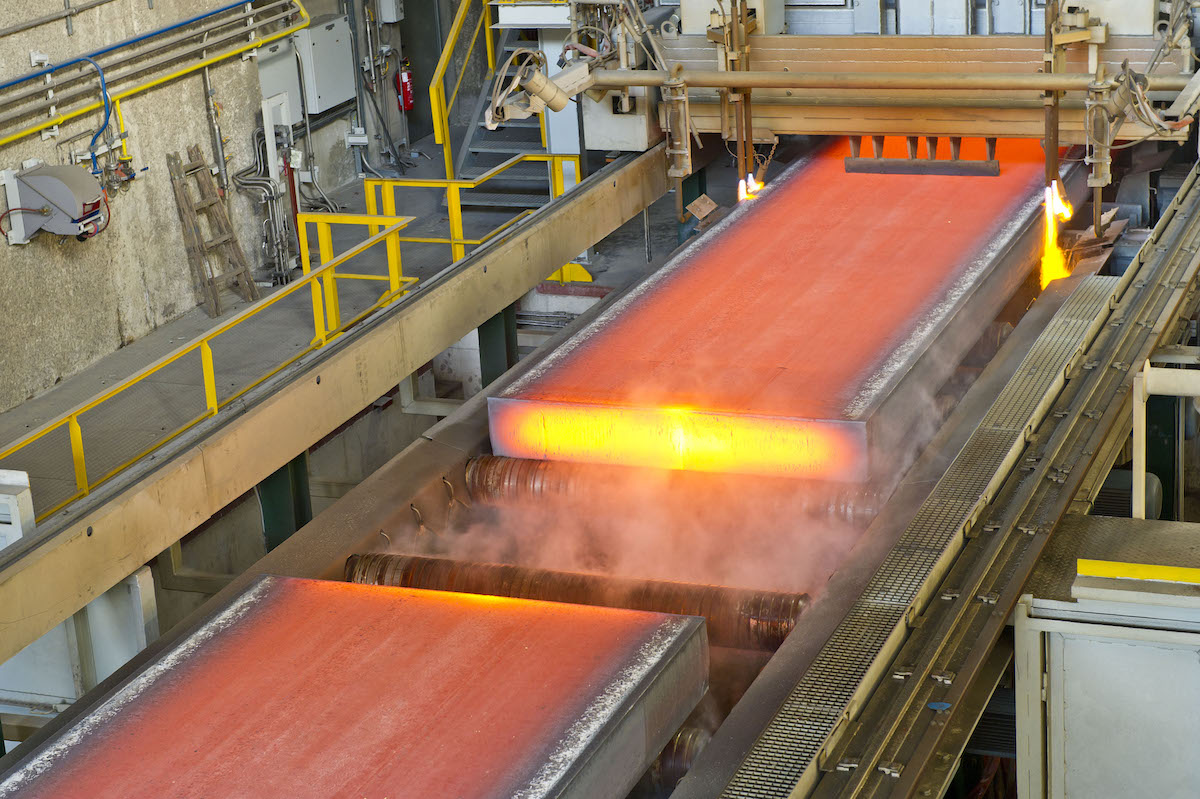
Austria increased crude steel production in May compared to the previous month, according to worldsteel data.
Output amounted to 690,137 tonnes, up 11.6% on-month and 1.3% year-on-year, Kallanish notes.
In January-May, the country produced 3.06 million tonnes of steel, compared to 3.2mt in the same period last year.
Austria remained in 23rd place in the ranking of top global steel producers, data show.
Overall EU output in May was down 3.1% on-year at 11.36mt. January-May production was almost 55mt compared to 56.3mt in the same period last year.
Austrian steelmaker voestalpine will supply steel to Chinese electric vehicle producer BYD for its new car factory in Hungary (see Kallanish passim). The company was chosen by BYD because of its geographical proximity to the Hungary plant, and the high quality and excellent reputation of Austrian steel, the Chinese company said.
Earlier, voestalpine expressed mixed feelings about US steel tariffs, as the firm operates multiple sites in the US, which it plans to expand, while actual Austria-origin imports into the US are limited. The steelmaker recently commissioned the profile rolling line at its hot tube rolling mill at Kindberg in Styria.
Svetoslav Abrossimov Bulgaria