


German service centre pre-orders green steel from Salzgitter
Stahlo Steel Service Center and Salzgitter AG’s strip steel unit Salzgitter Flachstahl have concluded a partnering agreement on the supply of green steel, Kallanish hears from the steelmaker.
Stahlo, which is part of the Friedhelm Loh Group of miscellaneous fabricators, is thereby already securing CO2-reduced steel that will be produced and supplied as from the end of 2025. The steel will come from the SALCOS – Salzgitter Low CO2 Steelmaking – transformation programme, with which the group will gradually convert its steel production to hydrogen-based processes.
Salzgitter is already producing CO2-reduced steel products by way of the scrap-based electric steel route. In 2021, Stahlo had already included these products in the company’s delivery programme.
“Many of our customers are pursuing a decarbonisation roadmap that outlines savings in consistent steps over the next few years. Our goal is to support them in achieving their CO2 optimisations in steel procurement for the coming years and in meeting the upstream Scope 3 requirements,” says Oliver Sonst, managing director of Stahlo.
Stahlo operates service centres in Dillenburg, Gera and Nordhausen. It supplies both Friedhelm Loh Group companies as well as customers in the processing and automotive industries with a range of flat steel products.
Christian Koehl Germany

ArcelorMittal continues scrap recycler acquisition spree
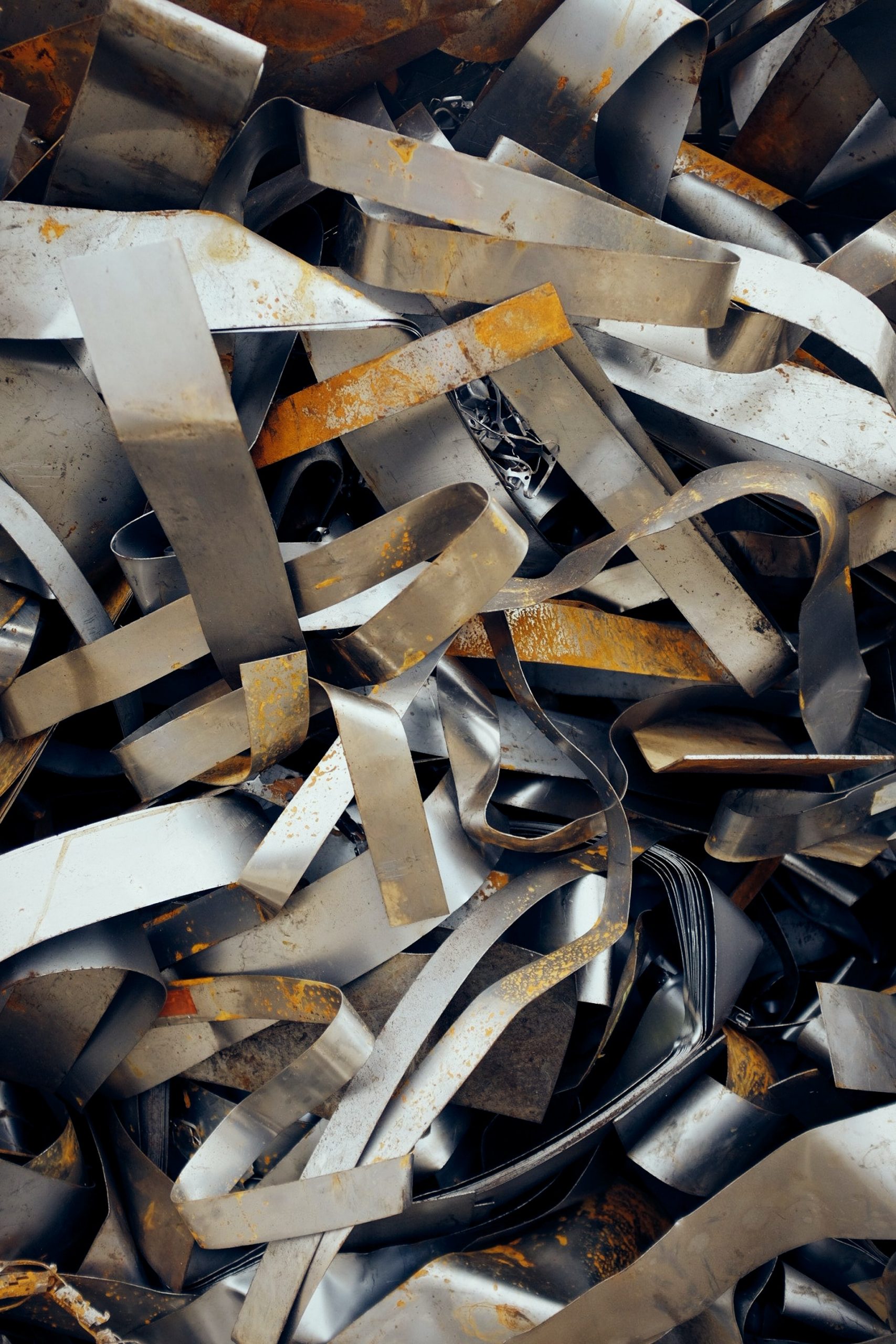
ArcelorMittal has agreed to acquire Polish scrap recycler Zlomex as it seeks to expand its global scrap procurement and processing infrastructure, Kallanish notes.
This was the fourth scrap merchant in Europe the steelmaker contracted to acquire in 2022 after Riwald Recycling, certain Alba International facilities, and John Lawrie Metals. The Polish transaction closing is subject to customary regulatory approvals and is expected during the first half of 2023.
Zlomex operates scrap yards in Krakow and Warsaw which last year processed and shipped almost 400,000 tonnes of ferrous scrap metal. ArcelorMittal’s Warszawa electric arc furnace mini-mill also based in Poland’s capital city uses predominantly scrap as feedstock.
Zlomex supplies a range of steel mills and has also been a long-standing supplier to ArcelorMittal’s steel plants in Dabrowa Gornicza and Warsaw. Zlomex is focused on ferrous scrap metal and in 2022 expanded its Krakow operations with the installation of a new shredder and separation equipment, and invested into an enlargement of its Warsaw yard.
“We have worked hard this year to secure greater access to the input materials we need for low-carbon emissions steelmaking. Acquiring four specialist scrap metal recyclers during the year is a very positive development and will play an important role in enhancing our ability to deliver low-carbon emissions steel,” ArcelorMittal Europe chief executive Geert Van Poelvoorde said in a note last week.
Adam Smith Poland
OEMs pursue dual strategy in annual steel negotiations
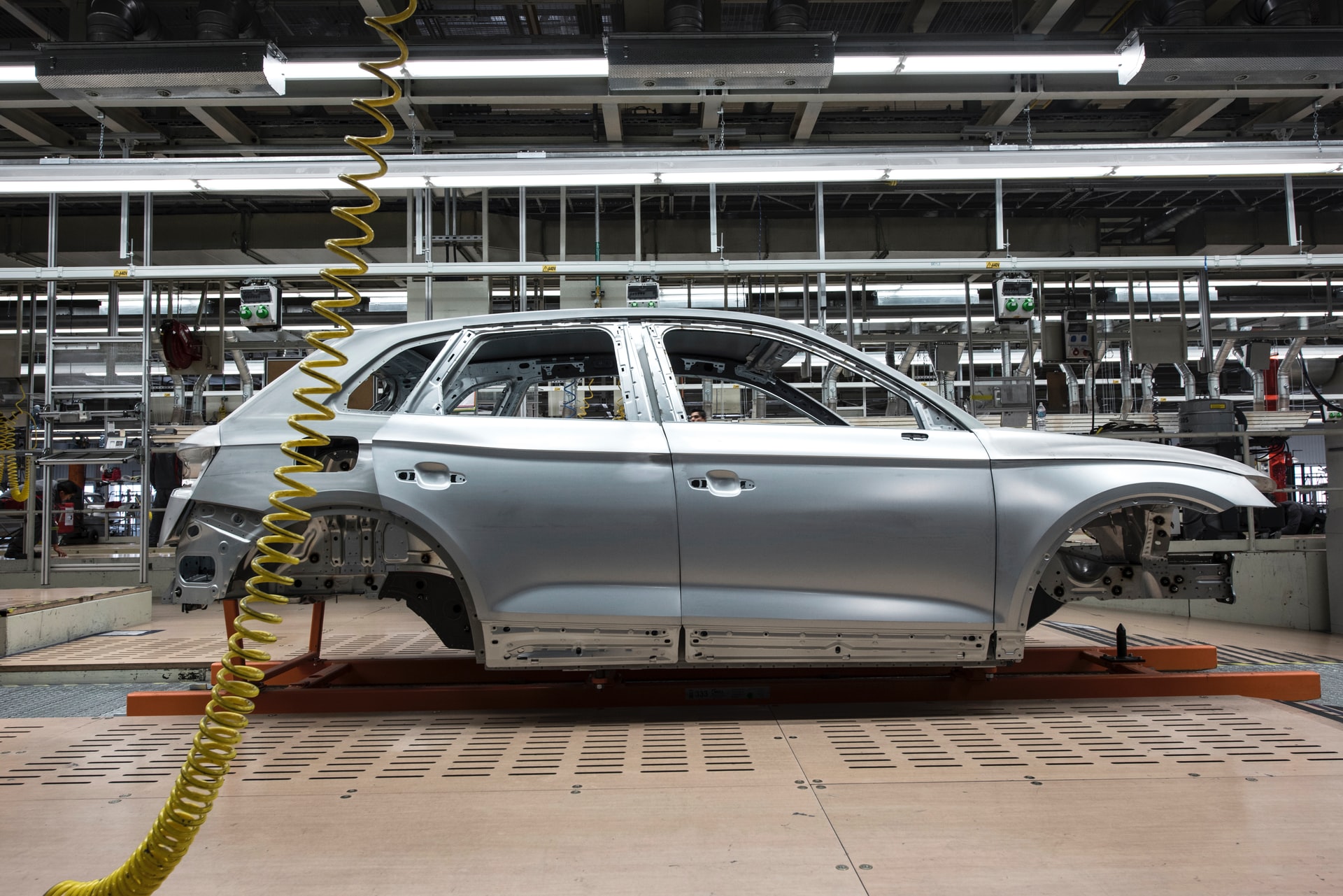
In the negotiations for annual coil supply contracts, big automotive customers have reportedly treated mills with relative sympathy, but played tricks with their supplier base.
“I heard the OEMs [original equipment manufacturers] were rather moderate, and did not force the mills to take the spot market as the common ground,” Kallanish hears from a market observer. Apparently, the manufacturing industry is becoming increasingly aware of the massive challenges and investments the steel industry is facing to convert to direct reduced iron, in the interest of cleaner steelmaking.
In fact, OEMs are encouraging steelmakers to go for cleaner production. “If you look at the new [car] models planned as of 2025, each inquiry coming from the OEMs our way has a passage that asks for green steel with a defined footprint. We ourselves have signed memoranda-of-understanding to that effect,” says a source at a big automotive supplier.
Contrasting that impression, rumour has it that OEMs pursued two contradicting strategies in the negotiations. On the one hand, the big carmakers themselves were among the first to conclude deals, thus setting a quick pace. On the other, they wanted their tier suppliers to keep dragging on their negotiations with mills, and to try to get better deals.
OEMs struck their deals at a €200/t ($213) reduction to the previous year, arriving at around €830/t ($885) for hot rolled coil, and apparently at €950+ for hot-dip galvanized coil. But they then asked their tier suppliers to keep bargaining, and to target a year-on-year reduction of €300, which became increasingly irrational with each December week.
“It is weird that OEMs drive their suppliers crazy, while themselves signing on early,” one buyer comments. Any tier company signing late will likely pay higher prices. OEMs speculate on that, as it gives them a stronger position when bargaining with their suppliers, the buyer believes.
Christian Koehl Germany

Annual EU coil contract prices to rise in January
In the wake of the relatively sudden acceleration in negotiations for long-term coil contracts in northwest Europe in mid-December, many steel users will be entering the new year with volumes secured at acceptable prices. Contracts that are still in the forging phase are likely to end at higher values going forward.
“Until early December still, I was positive that signatures will take until January,” says one market player, in accordance with many others that had taken a wait-and-see attitude. In the two weeks before Christmas, the attitude had widely changed, talks accelerated, and many industrial buyers and OEMs have now reported finalised deals for 2023.
The yardstick for negotiations was the roughly €1,000/tonne ($1,066) achieved one year ago for hot rolled coil throughout 2022 – a figure easy to remember. Many players entered and ended the talks with a year-on-year reduction of €200. One seasoned buyer tells Kallanish his company even undercut the mark of €800 for HRC still in around mid-December. But he will be one of few, as offer prices kept surging, and are expected to keep doing so.
A clear word has been heard from a northern mill that offered a y-on-y reduction of only €180, which it says will shrink to €150 y-on-y as January starts. For any deals taking longer, figures are not yet available.
“Those who did not sign in December will have a hard time in January getting the prices we did,” one buyer says, summarising the mood. “We have signed with four of the five mills we do business with, so we have secured 50% of our volumes,” says the buyer of a supplier company. One mill was not yet willing to conclude a deal, but after four successful deals the buyer sports confidence that the fifth will not take long. “They need our volumes,” he is sure.
Christian Koehl Germany
UK needs 10 mil mt of steel by 2030 to achieve energy self-sufficiency: Tata Steel
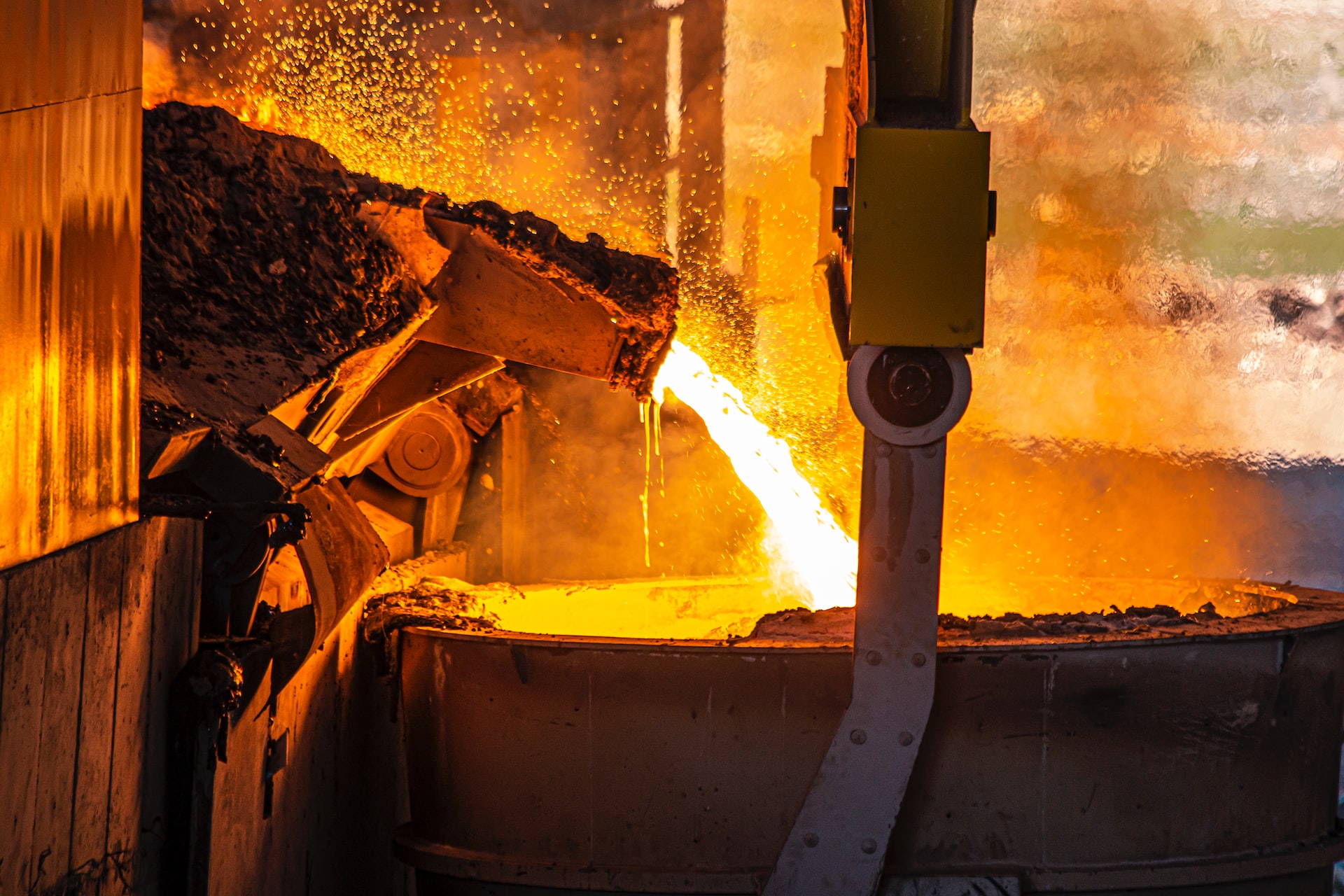
The UK will need more than 10 million mt of steel over the remainder of the decade to achieve its energy self-sufficiency plans, Tata Steel UK said in a statement Dec. 29.
The company, the UK’s largest steel producer, said new research it has carried out shows that more than 5 million mt of steel will be needed to build thousands of wind turbines at sea by 2030, while planned solar and nuclear power plants in the country are likely to require 3.5 million mt of steel over the coming years.
Building the infrastructure for hydrogen production and distribution, as well as large-scale carbon capture (CCS) projects would require another 1.5 million mt of steel, it said. Ferrous metal will also be needed to unlock new oil and gas sources in the North Sea, it added.
“The UK already has the largest offshore wind sector in the world, but with a target to increase capacity by 400% this decade we are only just getting started,” trade association UK Steel’s director general, Gareth Stace, said in a statement.
He added that similar opportunities exist in the domestic expansion of nuclear and solar capacity, and in the rollout of CCS and hydrogen networks.
Earlier this year, the UK government published its Energy Security Strategy in response to soaring energy prices.
“Achieving a secure energy supply will need an energy revolution [in the UK] requiring millions of tonnes of steel to build new energy generation projects,” Tata Steel UK Chairman Henrik Adam said, underlining the importance of investment in the country’s steel industry.
— Ekaterina Bouckley

Steel producer ArcelorMittal buys fourth European scrap recycler in 2022
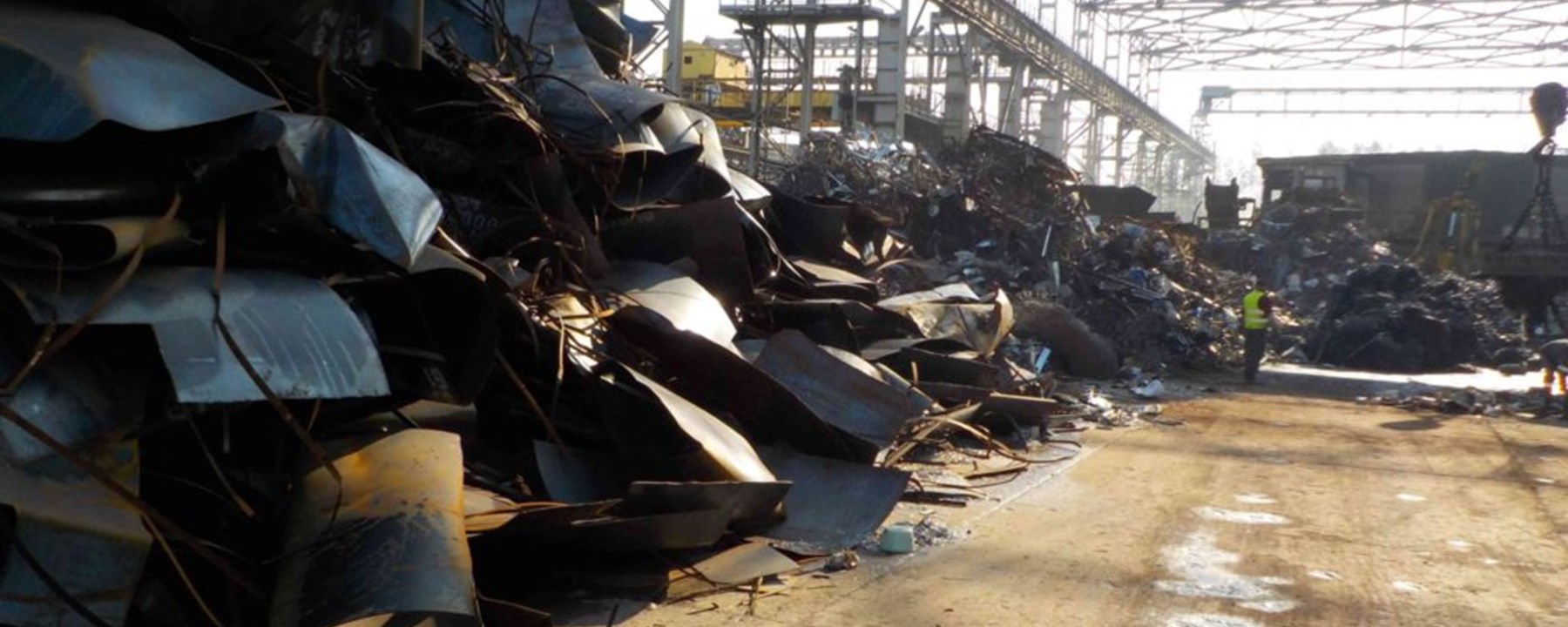
ArcelorMittal has signed an agreement to acquire Polish steel scrap metal recycling business Zaklad Przerobu Zlomu (Zlomex), it said in a statement Dec. 29, representing the fourth scrap company the steelmaker has acquired in Europe this year in line with its strategy to step up its use of recycled materials and reduce the carbon intensity of the steel it makes.
The closing of the transaction, which is subject to customary regulatory approvals, is expected during the first half of 2023.
Zlomex operates scrap yards in Krakow and Warsaw which last year processed and shipped roughly 400,000 mt of ferrous scrap metal. The firm supplies a range of steel mills and foundries and has also been a long-standing supplier to ArcelorMittal’s steel plants in Dabrowa Gornicza and Warsaw.
Zlomex is focused on steel scrap and has in 2022 expanded its Krakow operations with the installation of a new shredder and separation equipment and has also enlarged its Warsaw scrap yard.
ArcelorMittal said it is committed to support Zlomex’s ongoing growth.
This is the fourth scrap metal acquisition ArcelorMittal has undertaken in Europe during 2022, as the company continually seeks to enhance its scrap sourcing ability and through using more of this steelmaking raw material to reduce its carbon emissions.
“We have worked hard this year to secure greater access to the input materials we need for low-carbon emissions steelmaking,” said ArcelorMittal Europe CEO Geert Van Poelvoorde in the statement.
Acquiring four scrap metal recyclers during the year will play an important role in enhancing the company’s ability to deliver low-carbon emissions steel, and specifically to meet its target of reducing the carbon intensity of the steel it produces by 35% by 2030, Poelvoorde added.
In early December ArcelorMittal bought Netherlands-based Riwald Recycling, and earlier in the year had announced the acquisitions of John Lawrie Metals in Scotland and German metal recycling facilities of ALBA International Recycling, S&P Global Commodity Insights reported earlier.
Together with Riwald and Zlomex, these four businesses processed almost 1.5 million mt of scrap steel in 2021, S&P Global estimates.
Platts, part of S&P Global, assessed Turkish imports of premium heavy melting scrap 1/2 (80:20) at $390/mt CFR Dec. 28, up $3.25/mt on the day. The daily assessment has come off by 15% or by $73/mt from the $463/mt level at the beginning of 2022.
— Ekaterina Bouckley

Northwest Europe-based steelmakers aim for higher hot-rolled coil prices
Steelmakers in Northwest Europe were targeting higher domestic prices for hot-rolled coil on Dec. 29 despite a seasonal slowdown at the year’s end.
Mills in the other regions of Europe are likely to follow the price increase in January, sources said.
A big European steelmaker increased HRC offers to Eur730/mt ex-works Ruhr this week. A smaller German steelmaker had increased the offers up to Eur740/mt ex-works Ruhr last week. Another German mill had been targeting prices of Eur700/mt ex-works and higher, according to a Germany-based distributor.
A Northern Europe-based service center source estimated tradable value at Eur670-Eur690/mt ex-works Ruhr and a trader reported achievable prices at Eur650-Eur700/mt ex-works Ruhr.
Platts assessed North European hot-rolled coil unchanged on the day at Eur680/mt ex-works Ruhr on Dec. 29.
The mills’ bullish approach has been supported by combination of stronger demand in December that was expected to revive further in mid-January, higher energy costs that steelmakers need to cover, a lack of competitive import offers and effects from production cuts introduced by steelmakers in 2022.
The assessment for domestic HRC in Southern Europe was also stable day on day at Eur670/mt ex-works Italy Dec. 29.
Platts is part of S&P Global Commodity Insights.
— Maria Tanatar

Air Liquide completes hydrogen pipeline for thyssenkrupp
Industrial gas company Air Liquide has completed a pipeline leading to thyssenkrupp Steel in Duisburg. The approximately 4km pipeline connects the Duisburg steel mill site with Air Liquide’s hydrogen network in the Ruhr district, Kallanish learns.
The line is part of the H2Stahl laboratory sponsored by the German Federal Ministry for Economic Affairs and Climate Protection. Mona Neubaur, state minister for economy and energy in North Rhine-Westphalia, attended the inauguration of the pipeline.
Air Liquide’s 200km long hydrogen pipeline network in the Rhine and Ruhr region connects hydrogen production plants and major customers in Marl, Oberhausen, Duisburg, Krefeld, Leverkusen, Dormagen, Düsseldorf and other cities.
In autumn 2023, the “Trailblazer” in Oberhausen is scheduled to become the first 20MW industrial-scale water electrolysis plant to be connected to Air Liquide’s H2 network. In the first stage, this will allow customers to be supplied with up to 2,900 tonnes/year of renewable hydrogen via pipeline.
Christian Koehl Germany
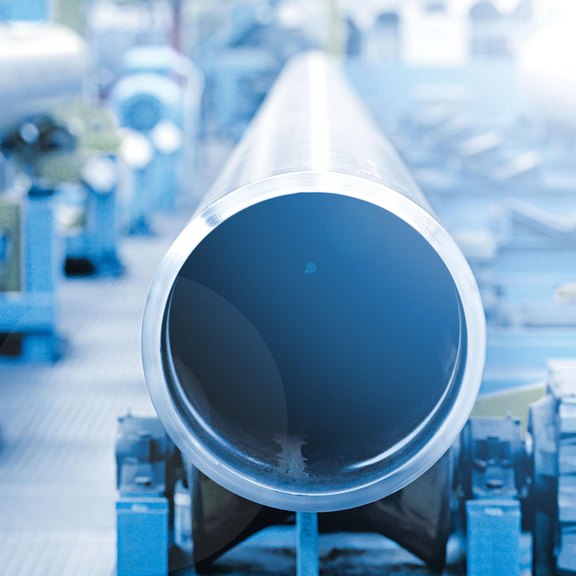
Mannesmann supplies pipe to Wilhelmshaven LNG terminal
Mannesmann Line Pipe has booked an order from northern German energy network operator EWE NETZ for the delivery of around 16,000 tonnes of H2-ready pipe, Kallanish learns from parent Salzgitter. The pipeline is scheduled to be commissioned at the end of 2023.
The 70km-long line will connect to the “WAL” pipeline running from Wilhelmshaven to Etzel, which is currently under construction. Along the route, natural gas is transported from the Wilhelmshaven LNG terminal to EWE’s cavern storage facilities, and to industrial and household customers via the downstream gas networks. Germany’s first LNG terminal was inaugurated on 17 December by chancellor Olaf Scholz and economy minister Robert Habeck.
The new pipeline has a capacity of up to 6 billion cubic meters of natural gas from the LNG terminal. Given sufficient liquefied natural gas is delivered to Wilhelmshaven, this could supply around four million households in the Ems-Weser-Elbe region with LNG.
All in all, Mannesmann Line Pipe is supplying a total of around 4,100 pipe units in the DN 600 size range, in lengths of 18 and 12 metres. Earlier this year, sister company Mannesmann Grossrohr reported an order for large-diameter pipe for a line along the same route.
Christian Koehl Germany
Global output returns to decline in November
Global crude steel production in the 64 countries reporting to the World Steel Association (worldsteel) returned to decline in November, dropping 2.6% on-year to 139.15 million tonnes. It also dropped 5% on October.
Global output rose in September for the first time since July 2021, and then remained flat in October. But a decline in EU and North American output, coupled with sluggish Asian growth brought down production in November, Kallanish notes.
Chinese production rose 7.3% on-year to 74.54mt, while Indian output grew 5.7% to 10.44mt. However, Japanese and Korean output fell 11% and 18% respectively to 7.18mt and 4.78mt, with Vietnamese and Taiwanese output also estimated down considerably. This meant Asian output grew only 2.8%.
EU27 production slumped 18% in November to 10.49mt, with German and Italian output down 18% and 15% respectively to 2.77mt and 1.85mt.
Turkish output meanwhile fell 31% to 2.38mt.
US and Brazilian output fell 10.5% and 16% respectively to 6.35mt and 2.62mt.
Russian output was estimated down 10% to 5.57mt and Ukrainian production was confirmed down 82% to 313,000t.
Global production in January-November thus fell 3.7% on-year to 1.69 billion tonnes.
Adam Smith Poland