


Arvedi achieves net-zero emission target
Italian steelmaker Acciaieria Arvedi has reached net-zero emissions of carbon dioxide at its Italian facilities, 28 years before the deadline set by the European Commission, the company says.
On 1 July, the steelmaker obtained from inspection and certification body RINA a certification based on the calculation model for the greenhouse gas emission (GHG) Protocol “Scope 2 Guidance”, Regulation CE 2066/2018. Starting from 1 September, Arvedi will be able to supply carbon steel from the Cremona and Trieste steelworks that is issued with a certificate of net-zero Scope 1 and Scope 2 CO2 direct and indirect emissions, Kallanish notes.
The company launched in 2018 an extensive decarbonisation programme, converting the hot-end area of the Trieste site into a cold rolling processing facility in a €260 million ($263m) investment. In parallel, investments at the Cremona plant have focused on quality, pre-treated and selected scrap and the injection into the electric furnace of polymers and vegetal carbon obtained from recycling. The company invested heavily in digitisation, renewable sources, primary and secondary metallurgy upgrades, calculation and simulation systems, and the use of electricity.
Acciaieria Arvedi also obtained EMAS (Eco-Management and Audit Scheme) approval for its environmental actions. It now has the status of a “circular” company, according to the European taxonomy, as it is based on a production cycle using an electric furnace and scrap, and the “ZERO WASTE” label as the company recycles 98% of its waste and processing by-products.
Natalia Capra France


Liberty Ostrava contracts Danieli for hybrid EAFs
Liberty Ostrava has signed a deal to procure from Danieli the two hybrid electric arc furnaces it plans to roll out in its bid to become carbon neutral by 2030.
Liberty initially outlined in 2020 its plan to replace blast furnace steelmaking with the EAFs, to use increased domestic scrap as feedstock and reduce CO2 emissions (see Kallanish passim).
The new EAFs entail an investment of CZK 8.6 billion ($352.7 million). Their combined capacity will be 3.5 million tonnes/year and they will reduce the overall CO2 emissions of the Ostrava steelworks by more than 80% by 2027.
The two 200-tonne furnaces use the innovative and patented Danieli QONE power electronics technology to control arc current and voltage for a more efficient and stable power delivery to the furnaces. This will allow the furnaces to be more flexible in the charge mix from large quantities of hot metal and direct reduced iron (DRI/HBI) and up to 100% scrap in the second phase of the project, Liberty says. The plant will thus reduce its reliance on imported coal and iron ore.
The new furnaces are expected to be operational in 2025 and will be able to melt 100% scrap in 2027 following the planned installation of a 400kV electricity line into the Ostrava steelworks.
Liberty has also launched the tender process for similar hybrid EAFs for its Galati plant in Romania. The group is targeting 10 million tonnes/year of “GREENSTEEL” capacity in Europe over the next five years.
Liberty Ostrava has also signed a Declaration of Cooperation with ČEZ ESCO, part of the ČEZ energy group. This partnership will identify and develop the renewable energy and hydrogen technologies required for Ostrava’s GREENSTEEL transformation.
Adam Smith Poland
Metinvest accelerates new Italian plant investment
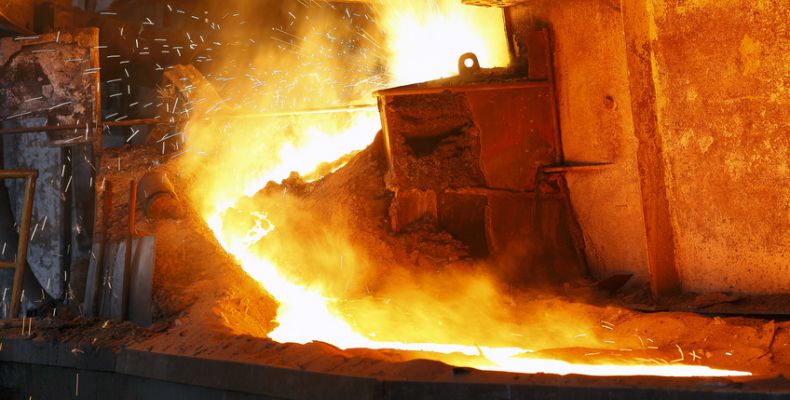
Metinvest is said to be accelerating the development of its planned new steel mill in San Giorgio di Nogaro, northern Italy, to be built by Italian equipment maker Danieli.
The management, including Metinvest’s chief executive Yury Ryzhenkov, were in the area last week for a series of meetings with regional authorities and Danieli ceo Gianpietro Benedetti. The parties carefully considered the feasibility of the new production site, sources close to the steelmaker tell Kallanish.
Metinvest refused to comment at this stage as the final investment decision is yet to be reached. However, the region of Friuli Venezia Giulia is ready to invest €80 million ($80.9m), of which €60m will be by the end of July. An agreement should be signed by the end of August.
Benedetti, who accompanied Yury Ryzhenkov on a visit to Danieli’s ABS steelmaking facility, told local press that Metinvest will need to produce about 1.5 million tonnes/year of slab after losing its flagship Azovstal plant in Ukraine. The steelmaker will also have to establish a second mill, at a cost of about €350m, to produce hot strip. The two facilities may cost €800m in total, Kallanish notes.
In May, Metinvest owner Rinat Akhmetov renewed his firm’s commitment to its Italian facilities Metinvest Trametal, in San Giorgio di Nogaro, and Ferriera Valsider in Verona, northern Italy. In an interview with Italy’s RAI television network, Akhmetov said Metinvest is going ahead with its plan to build in Italy a new 2m t/y flat products steel mill supplied by equipment maker Danieli (see Kallanish passim).
Natalia Capra France
Italian coil activity slows further
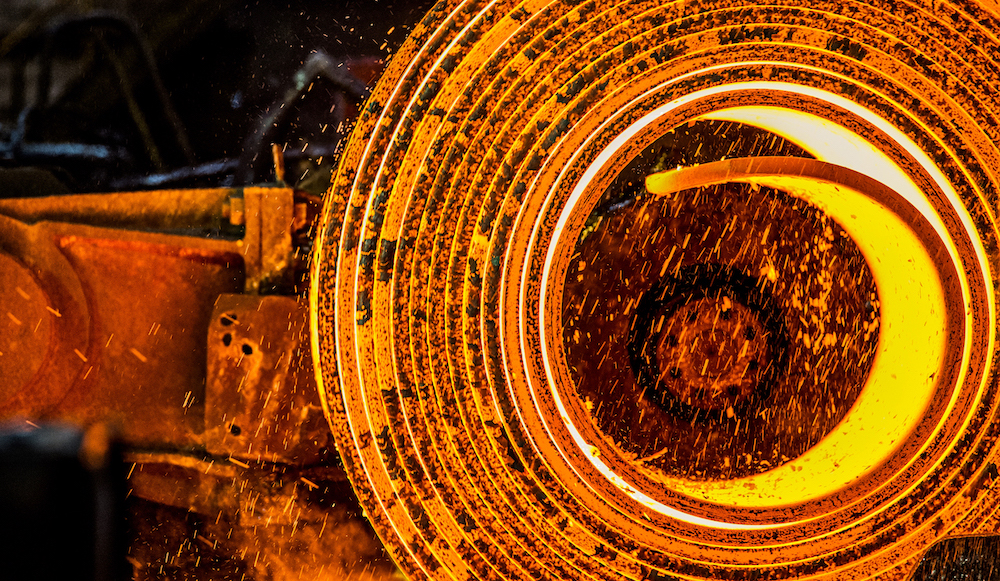
Italian hot rolled coil overcapacity and low demand is causing prices to continue to drop. Values have fallen by some €40/tonne ($50.6) compared to end-June, in line with the international downturn in flat steel products in Europe.
Cold and hot-dipped galvanised coil activity is also poor, amid weak consumer confidence and low price visibility. Back-to-back purchases are continuing for very limited quantities, market participants tell Kallanish.
July is expected to be a slow month as all Italian producers are reducing their output. Coil producers will start performing maintenance activity starting in the last week of July and will then not resume production until the third week of August.
Acciaierie d’Italia, the joint venture between ArcelorMittal and state-owned Invitalia, will be shutting down blast furnace no.2 this week and restarting it at the end of August. This follows the shutdown of its galvanising lines, sources say. The company however refused to comment.
Demand from end-users has reached a standoff and is not seen recovering before September. Sources indicate domestic HRC contracts at €750-780/t base ex-works, with lead times of end-July. One large steelmaker however is refusing to go below the level of €780/t base ex-works. HDG values now start at €880/t base ex-works or €900/t delivered, while CRC starts at €820/t base ex-works, sources suggest.
Natalia Capra France
Upcoming EU legislation affecting trade with the Union: Takeaways for foreign exporters
In the past months, the European Commission has adopted several legislative proposals affecting, directly or indirectly, international trade with the EU.
Below you’ll find a Van Bael & Bellis document that briefly illustrate the main aspects of these proposals, with focus on the expected implications for businesses established outside the EU.
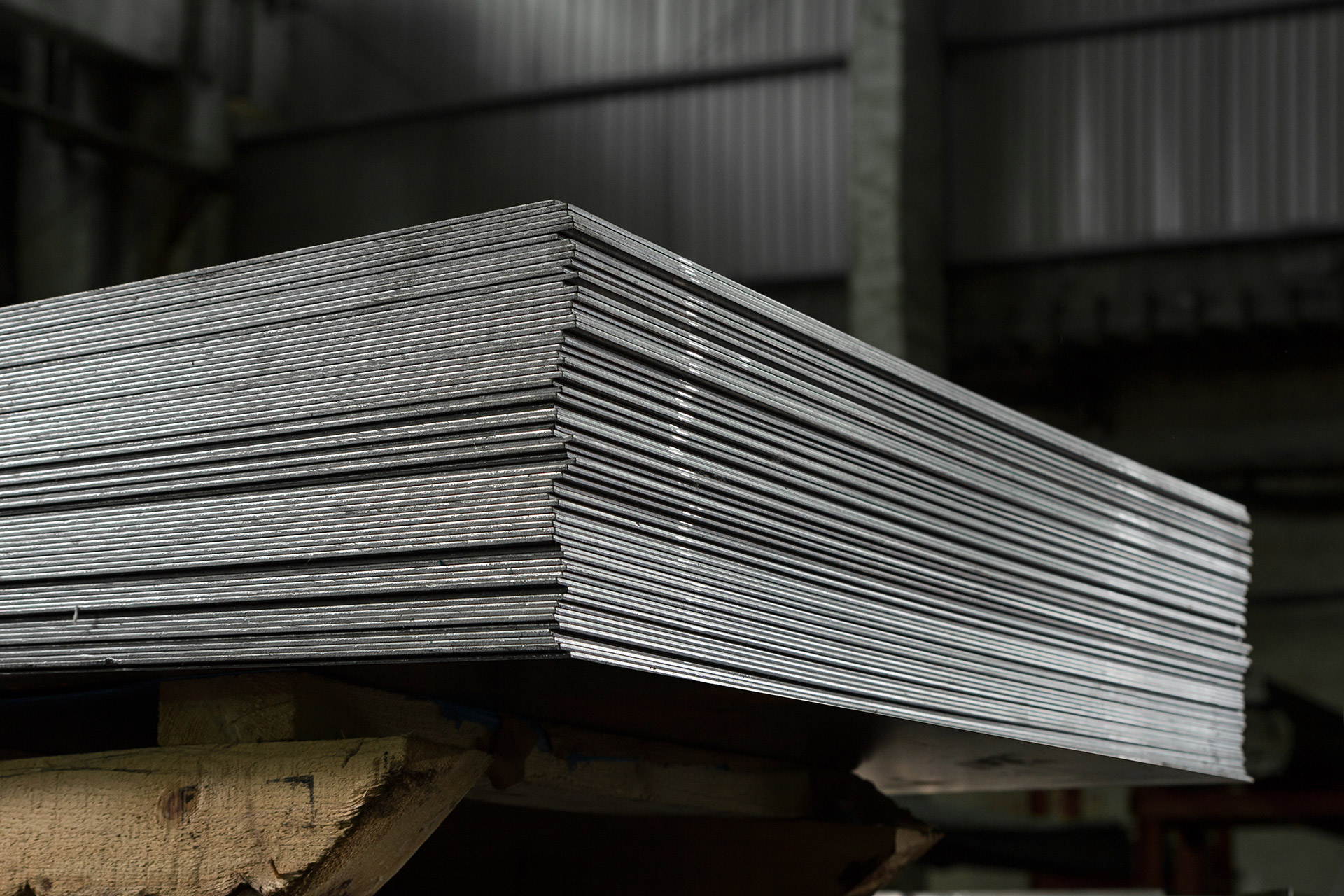
Plate prices slide in Italy, stabilize in Northern Europe; price floor yet to be touched
Plate prices have remained under pressure across Europe, and buyers have been holding back from trading given that the price bottom is not yet clear, sources told Fastmarkets on Wednesday July 6.
Italy
Italy’s plate market has remained quiet in the seven days to July 6 amid limited trading and buyers’ bearish expectations.
Plate producers in the nation had thin order books for July-August, sources said.
“Plate prices are still under pressure,” a producer source told Fastmarkets. “The main problem is massive unsold [plate] quantities for July-August and cheaper imports. It is still a buyer’s market.”
Bids from stockholders were heard at €1,100 ($1,136) per tonne exw, and even €1,050 from large buyers.
Offers from local rerollers were ranging between €1,150 and €1,200 per tonne exw in the week to July 6, sources said.
But such prices were not workable, market sources said, because in the secondary market, plate from stock was being sold at €1,150-1,200 per tonne cpt.
Buyers’ estimates of achievable prices were in the range of €1,050-1,100 per tonne exw.
Some limited restocking activity is expected in the second half of July, which could support sliding plate prices in the nation, sources said.
“In the plate market, there has been no full-fledged restocking for a long time,” a source in the local market told Fastmarkets. “We are seeing some inquiries for August and September delivery material.”
Fastmarkets’ price assessment for steel domestic plate, 8-40mm, exw Southern Europe was €1,100-1,150 ($1,136-1,187) per tonne on Wednesday, down by €100-150 per tonne from €1,200-1,300 per tonne a week before.
The assessment was a reflection of the lowest offers and highest bids heard in the market during the assessment week.
Offers for plate with August shipment from India and South Korea were heard at €950-980 per tonne cfr Italy, sources said.
Northern Europe
The plate market in Northern Europe was still heavily overstocked, especially for commodity grades, so buying activity has remained thin over the past week.
Stockholders in the region were mainly focused on selling devalued plate stocks rather than restocking in the declining market, Fastmarkets understands.
The official level of offers from German producers was still at around €1,450-1,500 per tonne exw and above, but the workable price buyers had in mind did not exceed €1,350-1,400 per tonne exw for German plate.
August-shipment rolling plate from Belgian reroller NLMK Clabecq was offered at €1,300 per tonne exw.
Fastmarkets’ weekly price assessment for steel domestic plate, 8-40mm, exw Northern Europe was €1,300-1,400 per tonne on July 6, unchanged from the previous week.
The assessment was a reflection of the lower end of offers and market sources’ estimates of achievable prices.
The official offers from German integrated mills were not included in the assessment since, as sources told Fastmarkets, they have been substantially above the spot market level.
German buyers were placing bids for Italy-origin material at €1,100-1,150 per tonne cpt during the week, Fastmarkets heard.
Plate offers from Poland were reported at 1,200-1,230 per tonne exw.
There may still be room for a domestic price drop in Northern Europe, market sources said.
“There are cheaper [plate] offers from Italy and Central Europe, so German prices are not attractive at all,” a distributor in the Benelux region told Fastmarkets, adding that “the level of stock is still pretty high, so buyers are in no rush.”
Published by: Julia Bolotova


European downstream flat steel prices stabilize
Cold-rolled and hot-dip galvanized coil prices in Europe remained broadly stable in the week to Wednesday July 6 amid a partial pick-up in demand, market sources told Fastmarkets. Flat steel producers in Northern Europe reported a slight improvement in demand from automotive original equipment manufacturers (OEMs) over the past week.
Notably, there were more inquiries from end users in the automotive industry for September-delivery material, with some restocking expected in the second half of July, according to market sources.
“The automotive producers are actually well-booked; they need material to keep them going,” a seller in Germany told Fastmarkets.
Potential restocking was supposed to end the price downtrend, which has been persisting in the market for the past couple of months.
“Producers still have some unsold tonnages of [downstream flat steel] for July and August, the market is still oversupplied. However, we do not expect [CRC and HDG] prices to drop significantly below current levels because of the costs [and] unclear post-holiday prospects,” a producer source in Italy told Fastmarkets.
Fastmarkets’ weekly price assessment for steel cold-rolled coil, domestic, exw Northern Europe was €950-980 ($981-1012) per tonne on Wednesday, unchanged from a week earlier.
Fastmarkets’ corresponding weekly price assessment for steel hot-dipped galvanized coil, domestic, exw Northern Europe was also unchanged week on week at €1,000-1,020 per tonne on Wednesday.
Both assessments were based on market sources’ estimations of achievable prices and lower offers heard from buyers and producers during the reported week.
Fastmarkets’ weekly price assessment for steel cold-rolled coil, domestic, exw Southern Europe was €860-870 per tonne on Wednesday, narrowing downward by €10 per tonne from €860-880 per tonne a week earlier.
Fastmarkets’ corresponding weekly price assessment for steel hot-dipped galvanized coil, domestic, exw Southern Europe was €880-890 per tonne on Wednesday, narrowing downward by €10 per tonne from €880-900 per tonne last week.
Post-holiday outlook
Market expectations for September-October were quite mixed due to prevailing uncertainty in the energy sector, Fastmarkets heard.
Should Russia cut off gas supply to Europe completely in the fourth quarter of 2022, energy prices will go “through the roof” and European mills will need to adjust or even halt their operations, sources said.
At the same time, automotive demand was expected to pick up in the final quarter of the year, from the lows seen in the first half of the year, with some automakers in Germany even announcing planned production increases in September.
Market sources see the combination of reduced supply and improved demand as having the potential to provide flat steel prices with a boost in the final three months of 2022.
Published by: Julia Bolotova
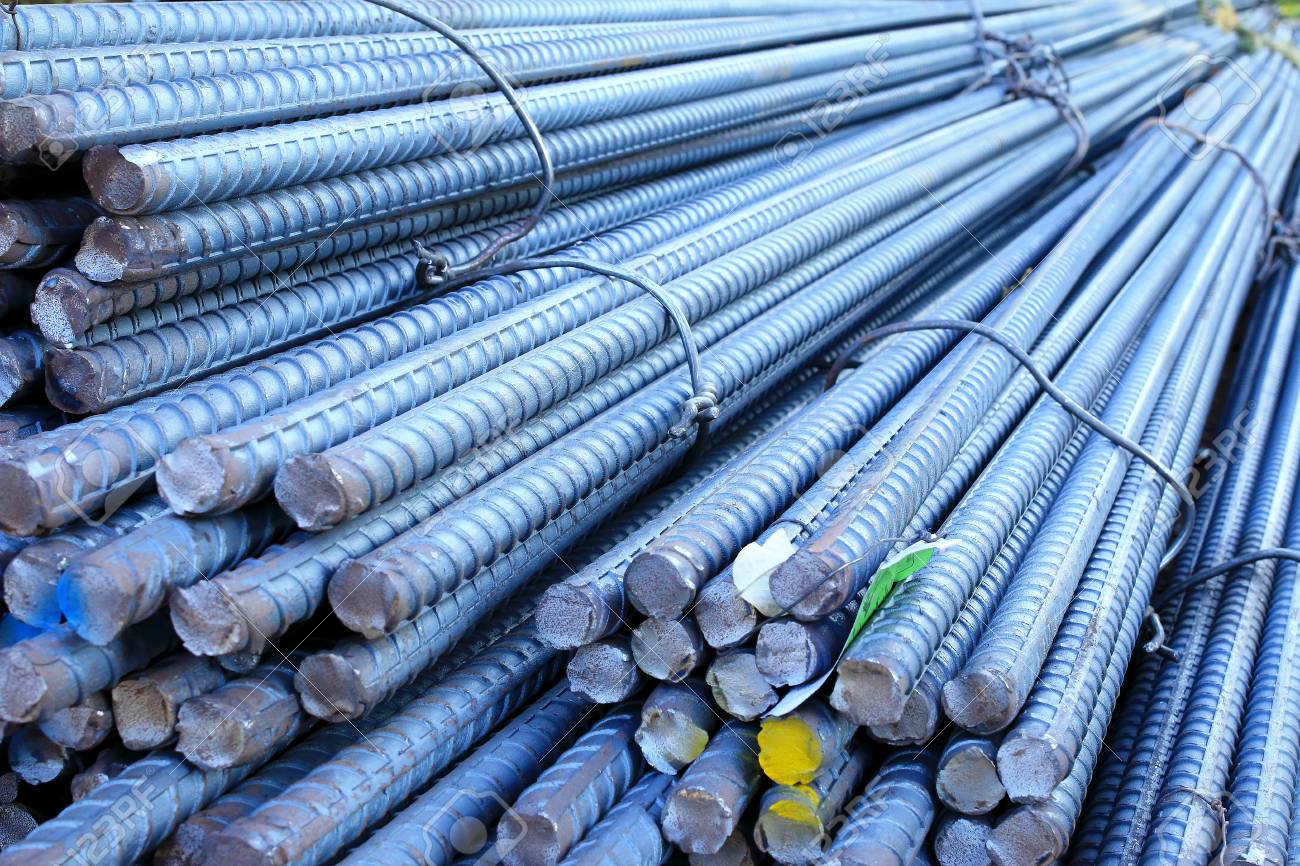
French rebar prices remain elevated despite low demand
The French rebar market remains in a lull with prices that remain high despite their recent drop. Low consumer confidence and the fear of recession continue to hamper sales.
Like in June, very small tonnages are being bought from week to week, Kallanish learns from sources. Domestic rebar contracts are now hovering at €730-740/tonne ($744-755/t) base ex-works, some €40/t less compared to June. Considering a €260-270/t average for size extras, effective values are at €1,000/t ex-works on average, sources suggest.
High values are also reported in Germany, but prices in southern Europe are lower. In the latter region, mills are implementing stoppages to address the current overcapacity. Rebar there is sold at below the level of €770-800/t ex-works, including size extras.
French rebar sales remain low throughout the value chain with customers adopting a wait-and-see attitude. Some demand is expected to resume in the second half of July as customers should stock up before the August summer break. Stocks however remain high.
Natalia Capra France

ArcelorMittal ramping up Eisenhüttenstadt BF shuttered in May
ArcelorMittal has started ramping up blast furnace 5A at its Eisenhüttenstadt, Germany, site, the steelmaker told S&P Global Commodity Insights July 7.
The blast furnace, which produces 1.8 million mt of hot metal, was shut May 20 to replace internal cooling plates, among other maintenance.
ArcelorMittal Eisenhüttenstadt makes steel mainly for the specific-application requirements in the automotive industry as well as organic coated products for use in construction.
Platts assessed hot-rolled coil in Northern Europe at Eur850/mt ex-works Ruhr on July 7, unchanged on the day, according to S&P Global Commodity Insights data.
HRC prices have reached floor in the EU, market sources believe. The downwards price trend in Europe since late March has came to an end due to change of approach by domestic mills that stopped giving discounts to stimulate buying and instead started to reduce production to balance supply and demand.
Steel demand from end-consumers is expected to remain below usual level, market sources believe. Steel demand from the automotive industry has been below usual as continuing component shortages has limited production.
— Annalisa Villa, Maria Tanatar

Turkey imposes duties on HRC imports from EU, South Korea
Turkey’s trade ministry has imposed antidumping duties on hot-rolled coil imports from the EU and South Korea after a year-long investigation, according to a presidential decree published July 7.
Acciaierie d’Italia S.P.A and all ArcelorMittal mills in the EU will be subject to a duty of 10.9%; Tata Steel Ijmuiden, 7%; Liberty Galati S.A., Liberty Ostrava, ThyssenKrupp Steel Europe and ThyssenKrupp Hohenlimburg, 8.95%, and all other EU producers 12.8%, according to the decree seen by S&P Global Commodity Insights.
South Korean producers POSCO and Hyundai Steel will be subject to a 7% duty and other South Korean producers 8.95%.
The duties were imposed with immediate effect July 7.
Turkey’s antidumping investigation was launched two days after the EU imposed provisional antidumping duties of 4.8%-7.6% on imports of HRC from Turkey at the start of 2021, which remain in force.
“It is determined that EU and South Korean hot-rolled coil producers sold their products to Turkey with dumped prices in the investigation period, and these imports caused damage in the domestic industry’s production,” the ministry said in the decree.
The duty rates announced by the trade ministry July 7 were lower than the duties announced in the preliminary report published March 11, S&P Global observed.
Ugur Dalbeler, vice president of the Turkish Steel Exporters’ Association and CEO of major steelmaker Colakoglu, told S&P Global July 7 that the dumping margins in the report did not reflect real dumping in the market, but were an important step to prevent unfair trade.
“It is also a message that Turkey will not allow the countries who are continuing unfair trade persistently,” Dalbeler added.
The duty decision is expected to support domestic HRC prices in the Turkish market, a service center manager said July 7, adding that some upward price movement in Turkish flat steel pricing had already begun and could be accelerated after the week-long Eid holiday in Turkey that begins July 8.
Turkish HRC prices, which exceeded $1,200/mt in mid-March due to the collapse of the supply chain from the Commonwealth of Independent States amid the war in Ukraine, have eased gradually since mid-April due to slow demand and low-priced import offers.
Turkish domestic HRC was assessed at $710/mt EXW July 1, down around $500/mt since mid-March, S&P Global data showed.
Although Turkish buyers imported 5.6 million mt of HRC in 2021, 1.5 million mt more than in 2020, imports from traditional main supplier the EU region fell over the same period, Turkish Statistical Institute data showed.
HRC imports from France fell 130,000 mt year on year to 315,000 mt in 2021, from Romania fell 28% over the same period to 157,700 mt, and from the Netherlands plunged to 23,500 mt from 155,000 mt.
Turkish mills’ HRC exports from South Korea in 2021 were also down 20% year on year at 225,000 mt, the data showed.
The affected products fall under CN codes 7208.10.00, 7208.25.00, 7208.26.00, 7208.27.00, 7208.36.00, 7208.37.00, 7208.38.00, 7208.39.00, 7208.40.00, 7208.52.10, 7208.52.99, 7208.53.10, 7208.53.90, 7208.54.00, 7211.13.00, 7211.14.00, 7211.19.00, 7212.60.00, 7225.19.10, 7225.30.10, 7225.30.30, 7225.30.90, 7225.40.15, 7225.40.90, 7226.91.20, 7226.91.91 and 7226.91.99.
— Cenk Can