

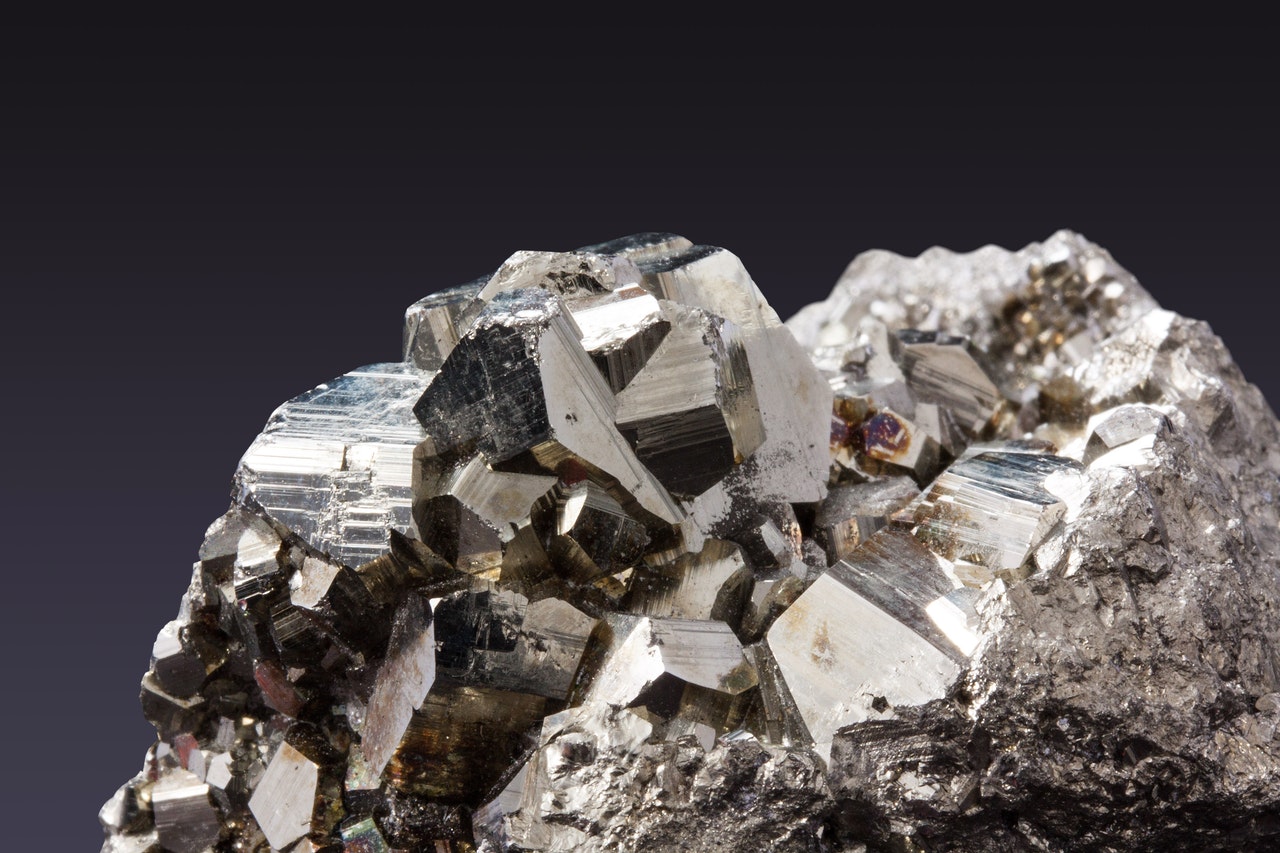
Iron ore hits four-month high on restocking
Seaborne iron ore prices have continued to increase, reaching their highest level in over four months. Mill restocking has pulled inventories lower ahead of the Chinese New Year.
The Kallanish KORE 62% Fe index gained $2.47/t on Friday and $7.50/t over the week to $136.99/dry metric tonne cfr Qingdao, the highest level since early September. The Kallanish KORE 65% Fe index increased $2.81/t from Thursday and $7.74/t on-week to $164.53/dmt cfr. The KORE 58% Fe index inched $0.31/t higher on Friday and recovered $9.55/t over the week to $109.73/dmt cfr. 40,000 tonnes of PB Lump sold at a floating price.
On the Dalian Commodity Exchange May iron ore settled up CNY 13.5/t at CNY 752.5/t ($118.67/t), while on the Singapore Exchange February 62% Fe futures settled up $3.29/t at $137.06/t. The same contract for 65% Fe and 58% Fe futures settled up $3.87/t at $164.60/t, and up $2.94/t at $103.15/t respectively. Tangshan billet held steady at CNY 4,440/t.
Across 35 ports, iron ore inventories fell 2.56 million tonnes to 150.08mt, according to SMM. A pick-up in mill restocking ahead of the Chinese New Year holiday finally brought inventory levels down decisively last week, helping drive iron ore prices higher. With only one more week of trading ahead of the holiday however this may not sustain prices for very long.
Steelmakers are however holding sales prices steady for now before seeing how the market responds to price increases after the holiday when end-user demand may recover. Their confidence in restocking has in part been supported by policies to stabilise the slowing Chinese economy. This includes a number of measures designed to ease the situation at China’s struggling developers. The success of these measures will be key in determining steel demand in the second quarter.


US, EU end WTO dispute on steel tariffs
The US and EU informed the World Trade Organization on Friday that they are terminating a panel dispute concerning steel and aluminium products. The two sides have instead agreed to arbitration in the matter, according to documents filed at the WTO and reviewed by Kallanish.
Late last year, the two sides came to an agreement in which the EU may send up to 3.3 million tonnes of steel products to the US free of the 232 tariffs currently imposed on steel and aluminium imports from most other countries. The agreement allows up to 384,000t of certain aluminium products from the EU to also enter the US tariff free. In response, the EU removed retaliatory tariffs placed on certain imports of US-made products.
The WTO Dispute Settlement Body procedures in this matter began in 2018 after then-US President Donald Trump imposed 10-25% tariffs on imports of steel and aluminium products as a matter of national security. The tariffs remain in place for many countries. The US has entered formal talks with Japan and the UK on an alternative to the tariffs like that of the EU’s.
Laura Miller USA

Experts differ over 2022 outlook for nickel
Commodity experts are not in agreement about where nickel prices are heading this year, says Roland Mauss of recycler Oryx Stainless, himself an expert on stainless steel scrap. In his monthly blog on Oryx Stainless, Mauss says Chinese researchers are playing down the growth potential, while others predict a super-cycle.
Chinese state-owned research institute Antaike forecasts falling prices as soon as the global economy has recovered from the pandemic. It expects that nickel supply will grow by 12% this coming year, while demand will rise 10%. Therefore, Antaike forecasts excess supply of 45,000 tonnes of nickel.
In contrast to this, US investment bank Goldman Sachs argues the other way round, that the recovery from the Covid-19 pandemic as well as global economic measures will boost demand in the long run. It will also be driven higher by the energy transition and global decarbonisation efforts, Kallanish understands.
This view is supported by asset manager BlackRock, which states that infrastructure spending is driving a lot of steel and cement demand, and that decarbonisation will require additional metals such as nickel.
Finally, Mauss takes a look at a survey taken by Reuters in October among analysts of leading commodity brokers regarding the average price of nickel. For 2021, the participants expected an average nickel cash price of $18,195/tonne (after $13,772 in 2020). The actual cash average year-to-date through October was around $18,170/t.
“It does, however, become more interesting for the year 2022,” he continues. The participants expect only a minor further increase due to a shift in the supply and demand ratio. While for 2021, a supply deficit of 62,000t was assumed, they expect excess supply of 72,000t for 2022 – higher than the forecast of China’s Antaike institute.
Christian Koehl Germany
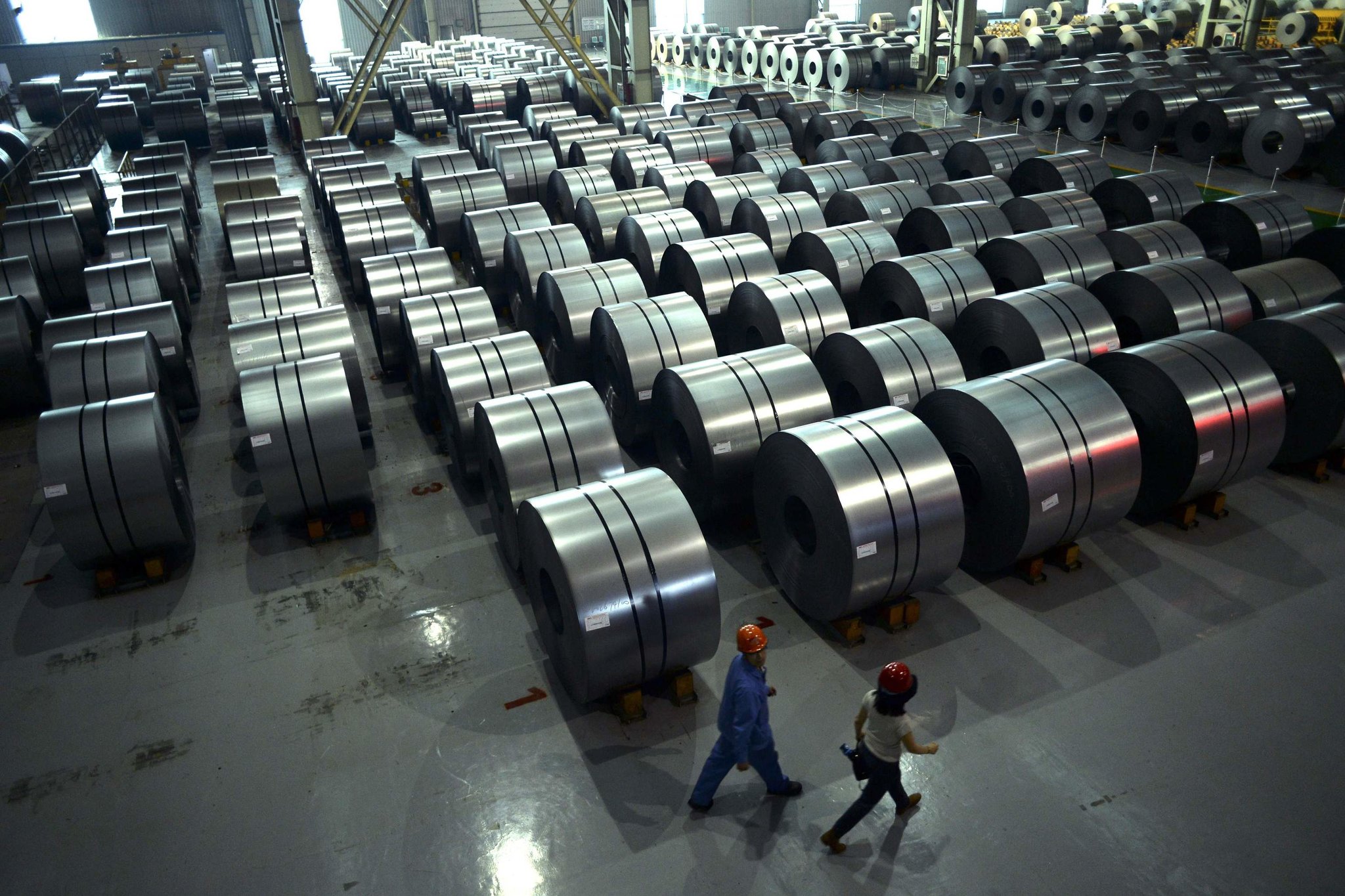
Nippon Steel announces acquisition of Thai steelmakers
Leading Japanese steelmaker Nippon Steel has confirmed it will acquire controlling stakes in G Steel and GJ Steel of Thailand to make them subsidiaries.
The acquisition was signalled last month, when Nippon Steel executive vice president Takahiro Mori said the firm is in talks to buy an integrated steel mill in Southeast Asia, Kallanish notes. However, Nippon Steel denied news of the acquisition in mid-December.
On 21 January, Nippon Steel entered into a share purchase agreement with funds managed by Ares SSG, currently the largest indirect shareholder in G/GJ Steel. Ares Management in the US owns around 50% of G Steel and 40% of G J Steel. The deal with Ares SSG is expected to be completed in February 2022, at a cost of $419 million. In addition, Nippon is also planning to purchase equity from other shareholders, at an estimated cost of $344m.
G Steel and GJ Steel are the only integrated flat steel producers in Thailand with facilities including electric arc furnaces and hot strip mills, supplying hot-rolled steel sheet for general purposes. The two steelmakers have a 1.58 million tonnes/year and 1.5m t/y steel capacity respectively, with hot rolled coil for construction and pipemaking as the main products.
As Nippon is using blast furnaces to produce over 90% of its steel, the acquisition is expected to help the company compete with other EAF steelmakers. Because of technical difficulties, EAFs are still the main way for steel companies to significantly reduce carbon emissions before hydrogen smelting becomes viable. Meanwhile, Nippon plans to boost its global crude steel capacity to 100m t/y by acquiring steel plants in Thailand and India (see Kallanish passim).
Kallanish Asia

British Steel hikes sections by £50
British Steel has hiked its prices for structural steel sections by £50/tonne ($68) for all new orders with immediate effect, an informed source tells Kallanish.
The move is thought to be the result of a further increase in production costs. The steelmaker last hiked sections prices by £30/t in November due to rising production costs (see Kallanish passim). It also reduced output of the products. A month earlier the firm implemented a £25/t surcharge for energy costs plus $5/t for transport.
British Steel produced 2.6 million tonnes of liquid steel in 2020 following its acquisition in March of that year by China’s Jingye Group. The steelmaker recently unveiled its “Low-Carbon Roadmap”, which involves adopting the use of hot-briquetted iron and scrap in the iron making process. It recently increased the amount of scrap used in the integrated steelmaking route and plans to further grow this by 2023. It is also assessing the possibility of electric arc furnace steelmaking.
Adam Smith Germany
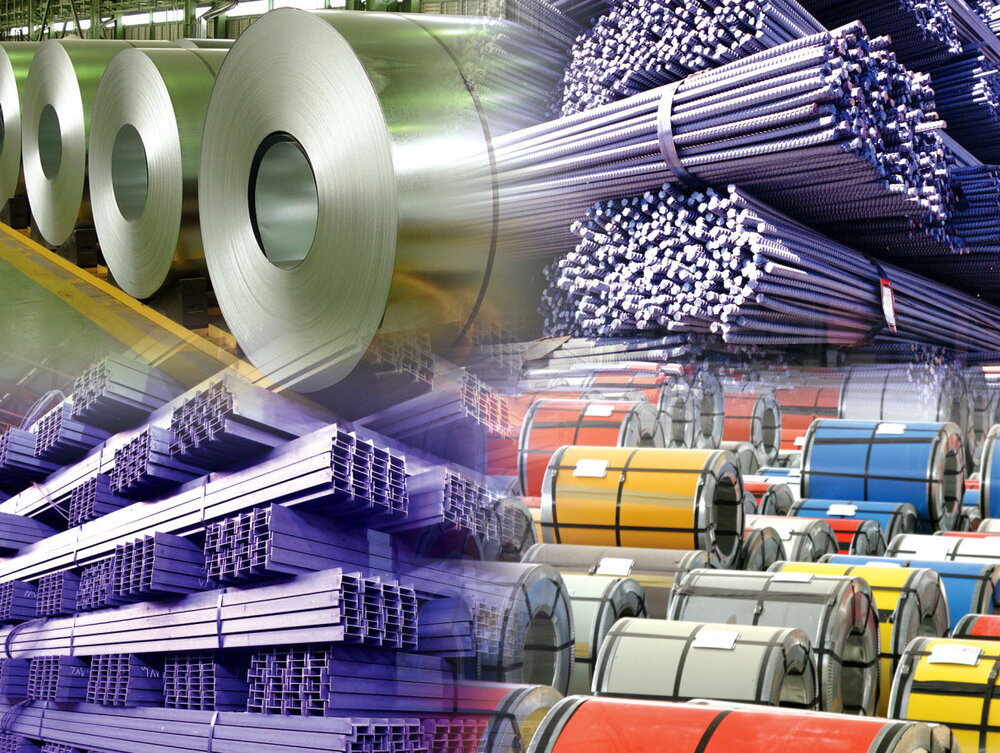
Italian crude steel output up 19.8 % in 2021 amid strong demand
Italian crude steel production in 2021 was up by 19.8% to 24.41 million mt amid strong demand for both long and flat products, although December recorded the first year-on-year fall in 12 months as mills reduced production on high energy costs, data released Jan. 20 by iron and steel association Federacciai showed.
Last year’s output also surpassed the 23.192 million mt in 2019, the last full year before the pandemic.
In December, crude steel production was down by 7% year on year to 1.5 million mt as mills were hit by the soaring energy costs. Long steel long products registered a decrease of 5.1% to 814,000 mt, while flat products were down by 3.9% to 781,000 mt.
The head of Federacciai, Alessandro Banzato, recently underscored in an interview with S&P Global Platts that high energy prices are an ongoing problem which could dent the positive outlook for 2022 unless addressed by the government.
Energy costs are the second most important cost for steel producers after raw materials. For the most electro-intensive producers, electricity represents approximately 20% of converting globally priced raw materials into finished steel products.
According to Federacciai data, electricity costs rose to an average of Eur124.37/MWh ($142/MWh) in 2021, against an average cost of Eur36.12/MWh in 2020. In December alone, average prices reached Eur281,24/MWh. The “typical” electric arc furnace without oxyfuel burners uses 475 kWh of power per metric ton of steel produced.
Crude production in 2021 started to pick up in March last year with prices that reached their highest historical level in mid-June.
In the whole 2021 long production went down by 21.8% to 13.6 million mt while flat production decreased by 16.6% to 11 million mt.
— Annalisa Villa

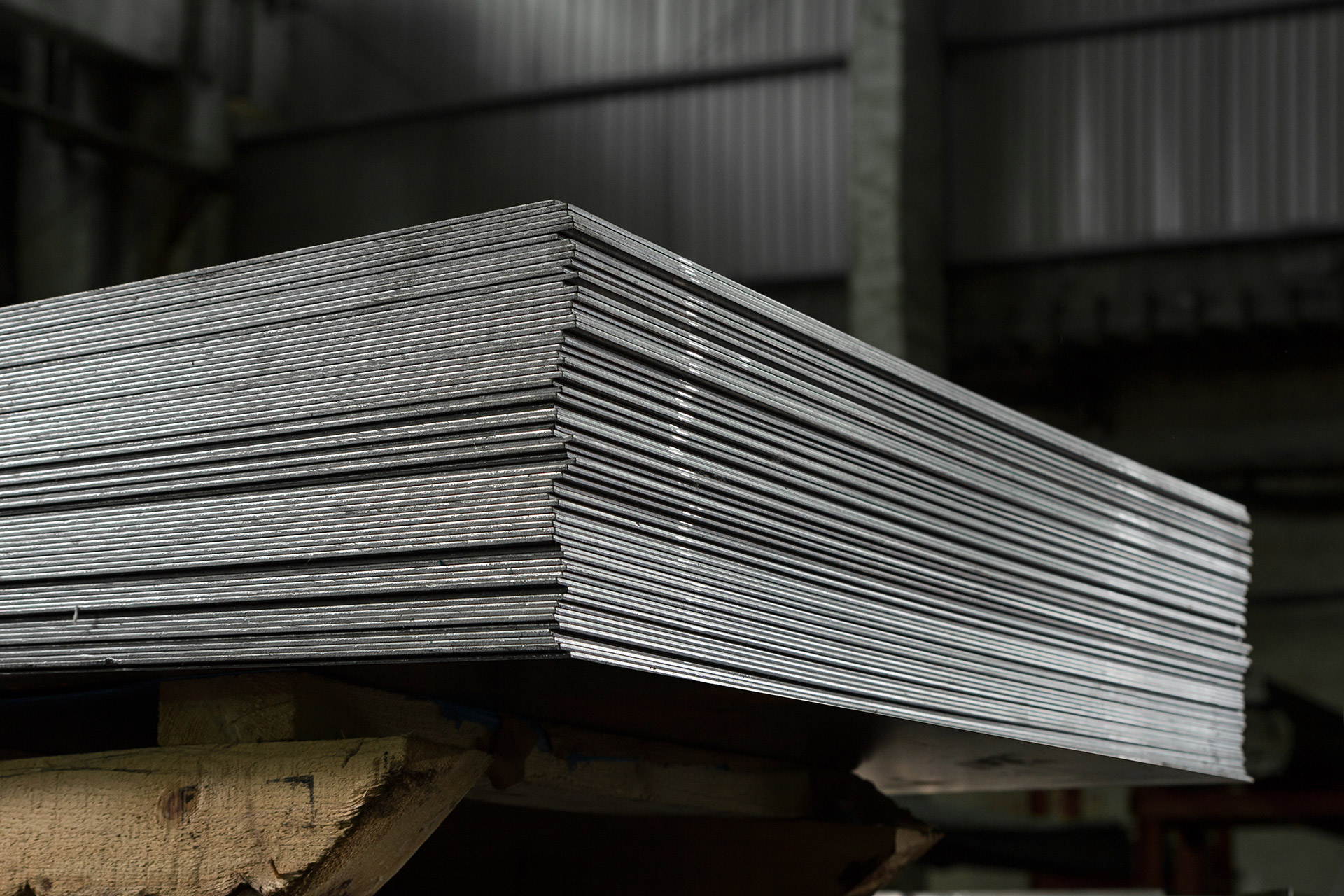
NLMK ramps up 2021 output but cuts sales
In 2021 NLMK increased output of crude steel by 10% on-year to 17.4 million tonnes. However, consolidated sales fell 4% to 16.8mt amid a renewal of slab sales to NLMK USA and lower commercial pig iron sales resulting from higher steel production, NLMK says in a statement sent to Kallanish.
Steel output increased on the back of basic oxygen and blast furnace upgrades at the principal Lipetsk site and higher output at the Russian Long products and NLMK USA segments.
Fourth-quarter steel output rose 16% on-quarter and on-year to 4.5mt, as oxygen supply infrastructure was repaired after the incident in August. Consolidated sales rose 8% on-quarter and 6% on-year to 4.5mt, as finished products sales gained 12% on-quarter and 18% on-year to 3.1mt on higher galvanised and hot rolled steel deliveries.
But sales growth was slower than output growth, rising 4% on-quarter and 5% on-year to 4.35mt. This was amid a 26% on-quarter and 16% on-year reduction in merchant semis shipments as internal slab shipments doubled on-quarter. Billet sales fell 86% on-quarter in Q4 amid negative profitability due to temporary export duties. The share of semis in sales was 31% or 1.4mt, down 2 percentage points on-quarter and 7pp on-year. Finished products sales at 3.1mt were up 12% on-quarter and 18% on-year.
NLMK cut Q4 export sales by 17% on-quarter and 21% on-year to 1.2mt amid high demand in home markets. This grew 14% on-quarter and 20% on-year to 3.2mt, with US sales at 0.52mt, down 11% on-quarter and up 41% on-year, and EU sales up 12% on-quarter and down 17% on-year. Russian sales grew 24% on-quarter and 31% on-year to 3.16mt on high construction sector activity.
Annual sales declined by 4% on-year to 16.8mt as sales of merchant semis fell 20% to 3.9mt on higher internal supply to NLMK USA, although finished products sales rose 6% to 11.2mt. Home market sales rose 6% to 11.4mt amid higher Russian and US consumption, while export sales fell 22% to 5.2mt due to the high baseline in 2020, when supplies were redirected to export markets.
Gas flow disruption to hit Turkish steel production
With Turkey’s steel industry already reeling from high costs and low finished steel demand, it has been further hit by natural gas usage restrictions, Kallanish observes.
In the middle of winter, as consumption of natural gas approaches record levels, gas supply problems have emerged. Turkish gas supplier Botas says the amount of gas purchased from Iran decreased by two thirds as of 17 January, and it was reset to zero as of 20 January. Iran informed Botas there was a “technical failure” and that gas flow would not be available for ten days.
Botas subsequently sent a letter to industrial plants and gas-cycle power plants that produce electricity saying it will cut natural gas flow by 40%.
The letter sent was sent to businesses with a daily consumption of more than 300 thousand cubic meters of natural gas. It reads: “Due to the increase in natural gas consumption related with seasonal conditions and the natural gas cut from foreign supply sources, some difficulties are being encountered in maintaining the supply-demand balance in our country. In order to eliminate the difficulties encountered in maintaining the natural gas supply-demand balance in our country, it has become necessary to take and implement the necessary additional measures.”
“As of 08:00 on 21 January until further notice, therefore, gas intake by enterprises is limited to an amount corresponding to 60% of its average daily gas intake amount,” it continues.
Kallanish learns that this situation will hit electric arc furnace-based steel producers rather than blast furnaces.
A Turkish EAF mill comments: “We now face the risk of not fulfilling our contractual obligations. This will cause delays to out shipments. It is not good considering we were already struggling to sell.”
Burcak Alpman Turkey

European stainless coil sales reach standoff
European stainless steel coil prices continue to increase amid a shortage of European material and increasing alloy surcharges, Kallanish learns from market sources.
Cold rolled coil is now being transacted at €4,400-4,500/tonne ($4,993-5,106) delivered on average for European material depending on customer and volumes of orders. This is CRC sold for March delivery, while mills will now quote April and May delivery. The price comprises €1,800/t base plus an average of €2,600 alloy surcharges, Kallanish notes.
Hot rolled coil prices have stopped increasing at €3,800-3,900/t delivered, due to lower-priced import offers, particularly from China, and service centres buying on the import market.
At the same time, Chinese mills have decreased their HRC and CRC prices significantly, enticing European buyers to purchase. Including duty, Chinese CRC is now at €3,650-3,670/t cfr, while HRC is at €3,200/t cfr. The gap between European and Chinese material is almost €800/t.
CRC is also being sold by Indian steelmakers into Europe at €3,700-3,750/t cfr including import duty, while CRC from Taiwan is mostly at Chinese levels, sources suggest.
Customers are importing material instead of buying in Europe and, for the first time in months, a standoff over European coil sales is being reported. The lull in the market is forecast to continue and even worsen.
Meanwhile in Europe, nickel prices skyrocketed to $24,400/t in the morning of 20 January only to decline to $23,700 some hours later. Alloy surcharges continue to be extremely high and will increase in the coming months. This is contributing to discouraging buyers from purchasing in Europe, Kallanish notes.
Natalia Capra France
Uncertainty hits Italian merchant bar prices
The Italian merchant bar market remains in a lull after the latest increases implemented in January of €30/tonne ($34) did not stick, market participants tell Kallanish.
General demand remains weak, with large distributors sometimes transacting at lower prices than producers. Today’s contracts remain at the equivalent of €500-520/t ex-works, stable on the beginning of January. Including size extras, domestic values are at €920-940/t ex-works. Purchases are still occurring back-to-back and apparent demand is practically absent at the current high prices.
Some merchant bar producers are asking for €580/t base ex-works. However, considering the uncertain market, keeping prices elevated next month may become too challenging. Sources forecast a price decrease in February, particularly if scrap values continue to fall in Italy.
Natalia Capra France