

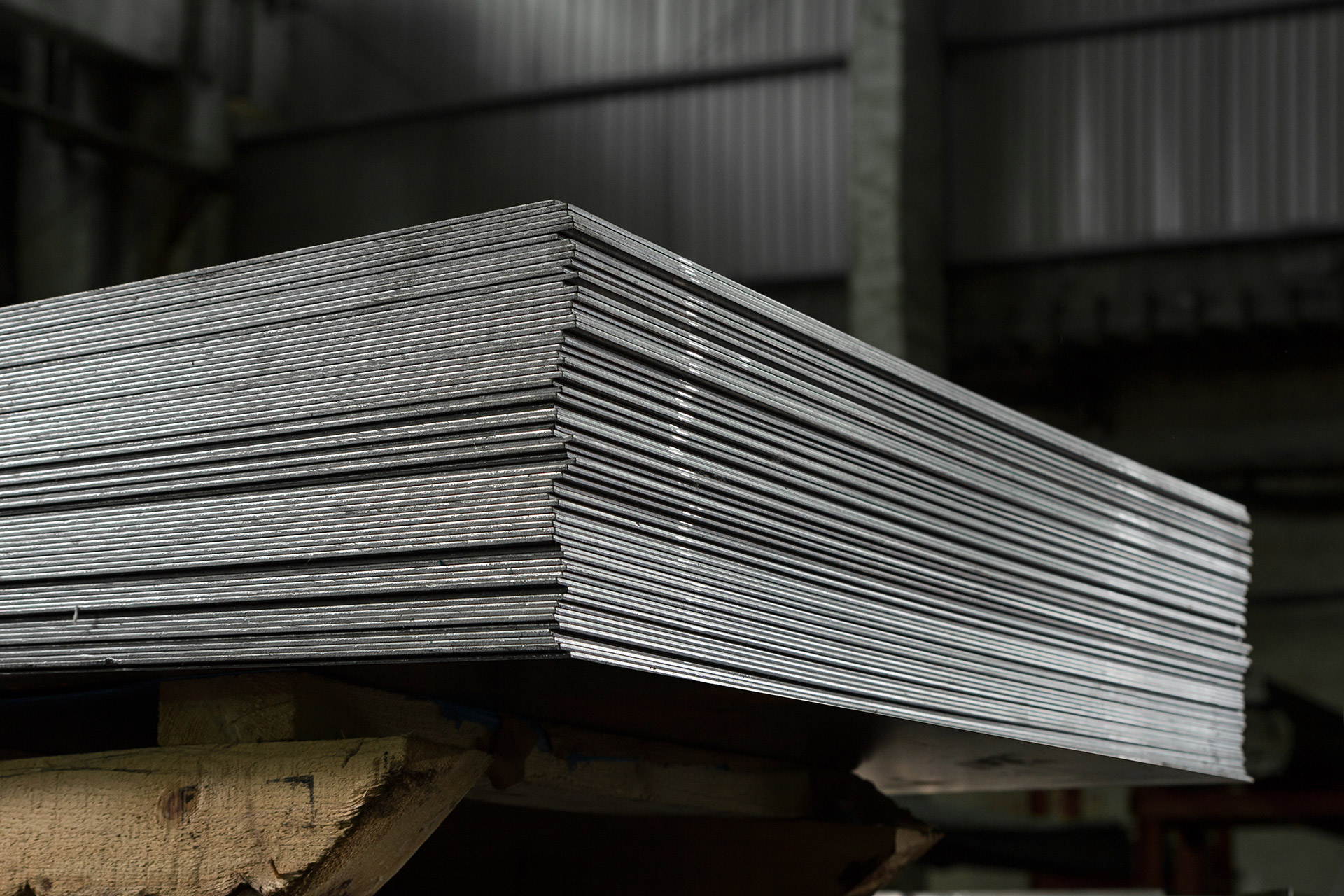
European plate price recovers on bullish sentiment, project investment
European plate prices showed signs of recovery Nov. 19, following sustained bullish sentiment from the market, with German producers reportedly offering over Eur1,000/mt ex-works Ruhr for orders.
In the Italian market, the trend was slightly more subdued, with tradable values still in between Eur880-900/mt ex-works Italy.
An Italian buyer said it had taken longer than expected to reach Eur900/mt ex-works Italy, with expectations of higher energy prices and higher slab costs fueling the bullish outlook on pricing.
“We were hoping to achieve something more this week, but it seems as if it was had to pass through an additional Eur20/mt, so we stuck with the Eur900/mt price level,” the source said. “It turned out to be satisfactory, it is a matter of keeping a balance.”
German producers were heard to be “not in the game” for spot plate and more heavily involved in contract business, though offers were heard from one German distributor at Eur1,030/mt delivered Europe, likely for smaller, one-off spot orders.
A European service center source cited a tradable value for S235 plate material at Eur980/mt delivered Europe, and S355 material heard higher at Eur1,000/mt delivered Europe.
“I think we need spot business [In Germany] its not enough for just long-term business,” the distributor said. “The money from the European community and from the government for coronavirus support to boost infrastructure projects would increase the demand for plate.”
The source cautioned this uptick in demand would not be visible for Q1 and more later on in the year.
Overall, the source was more optimistic about a recovery in plate, rather than HRC.
“If the market is recovered for semiconductors, auto will come back with a boom. No one knows when that will be, maybe May-June and prices will shoot up. For plate that will happen earlier,” they told Platts.
— Amanda Flint, Laura Varriale

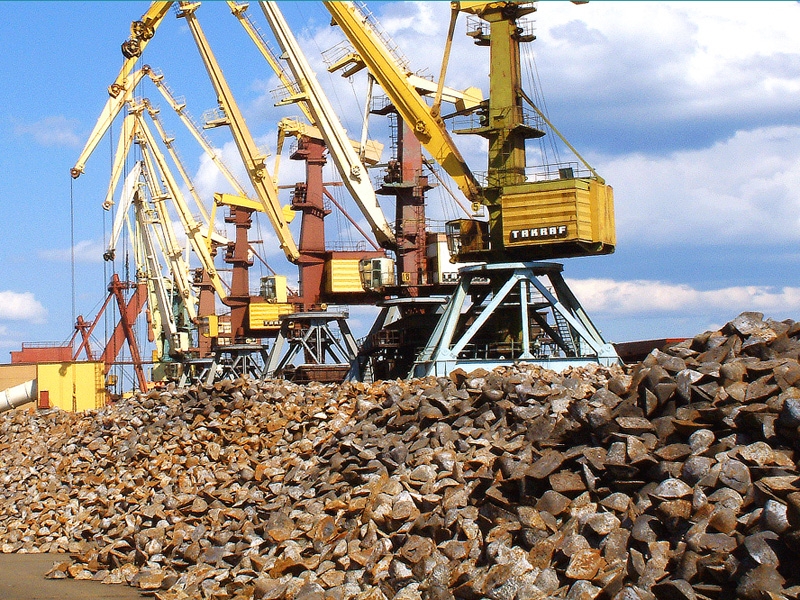
Mechel sees stable coal, steel output; demand slump, tariffs hit sales
Strong prices and ongoing modernization of its mining fleet helped Russian mining and steel company Mechel’s coal division to complete the July-September quarter with results equal to the previous quarter, although steel sales declined, affected by a slump in end-user demand and temporary export tariffs.
Aided by the mining equipment renovation – representing Rb3.3 billion ($45 million) investment this year – Mechel continued gradually restoring operational results in its coal division, it said.
In July-September, the company mined 2.9 million mt of run-of-mine coal, metallurgical and steam, largely the same amount Mechel delivered in the prior quarter.
“This year’s third quarter will be written into the history of international commodity markets…it saw a price rally both unprecedented in scale and unexpected for industry players,” said Mechel CEO Oleg Korzhov.
The price of premium coking coal FOB Australia more than doubled in Q3 to $400/mt. The price for premium coking coal CFR China set a new record in the last week of September, topping $600/mt. The signs of price adjustment appeared only in the fourth quarter, after Chinese authorities took measures to slash steel production.
In January-September though, the crude coal output fell 35% from the same nine-month period of last year to 8.5 million mt. The steep year-on-year drop in crude coal production over January-September was a result of decreased contractor mining at Neryungrinsky and Krasnogorsky open pits, as well as face relocations at Lenina and Sibirginskaya mines, said Mechel.
Q3 coking coal concentrate sales went down by 30% on quarter to 1.05 million mt as mining Neryungrinsky pit declined on difficult geological conditions, and also because Q2 sales included accumulated stockpiles. Of the Q3 total, 600,000 mt was sold to third parties, a drop of 44% from Q2.
Q3 PCI and anthracite supplies to third parties amounted to 616,000 mt, down 3% from Q2.
Iron ore concentrate supplies went down 12% to 367,000 mt (over 95% of these were absorbed within the group with a tiny amount sold to third parties) due to repairs at the Korshunovsky iron ore mining and beneficiation plant, in the Irkutsk region.
Coke supplies in 3Q went down 8% from Q2 to 690,000 mt – sales to third parties fell 19% to 293,000 mt – due to higher Q2 volumes supported by sales of inventories.
Steel sales
Pig iron and steel output in July-September remained largely stable quarter on quarter, at 790,000 mt and 891,000 mt, respectively, but sales volumes declined.
In July-September, Mechel sold 555,000 mt of long rolled steel products, 19% less than in Q2; flat rolled steel sales, at 106,000 mt, fell 12% on quarter, and hardware sales fell 8% to 130,000 mt.
The third quarter saw a slump in demand from the construction industry, steel fabricators, metalwork and machine manufacturers slumped.
“We think this logically followed the spike in [end-user] demand seen in the second quarter, when consumers were building up reserves,” said Korzhov
The temporary steel export tariffs, introduced in August 2021, also negatively impacted Mechel’s Q3 steel sales.
Before they came in force, exports accounted for over 30% of sales of its Russian mills, but after, this share contracted by 10 percentage points. The temporary tariffs are likely to cost the company Rb1.1 billion or 1% of its steel division’s revenues, Mechel estimates.
Looking at the nine-month 2021 results, the company emphasized the increased share of high-margin products in its portfolio, but the overall volumes were year-on-year lower. Long and flat rolled steel sales in the period decreased by 7% and 3% to 1.8 million mt and 332,000 mt, respectively. Hardware sales went down 6% to 389,000 mt.
Mechel also produces and sells forgings, stampings, ferrosilicon, thermal coal and electricity.
— Ekaterina Bouckley
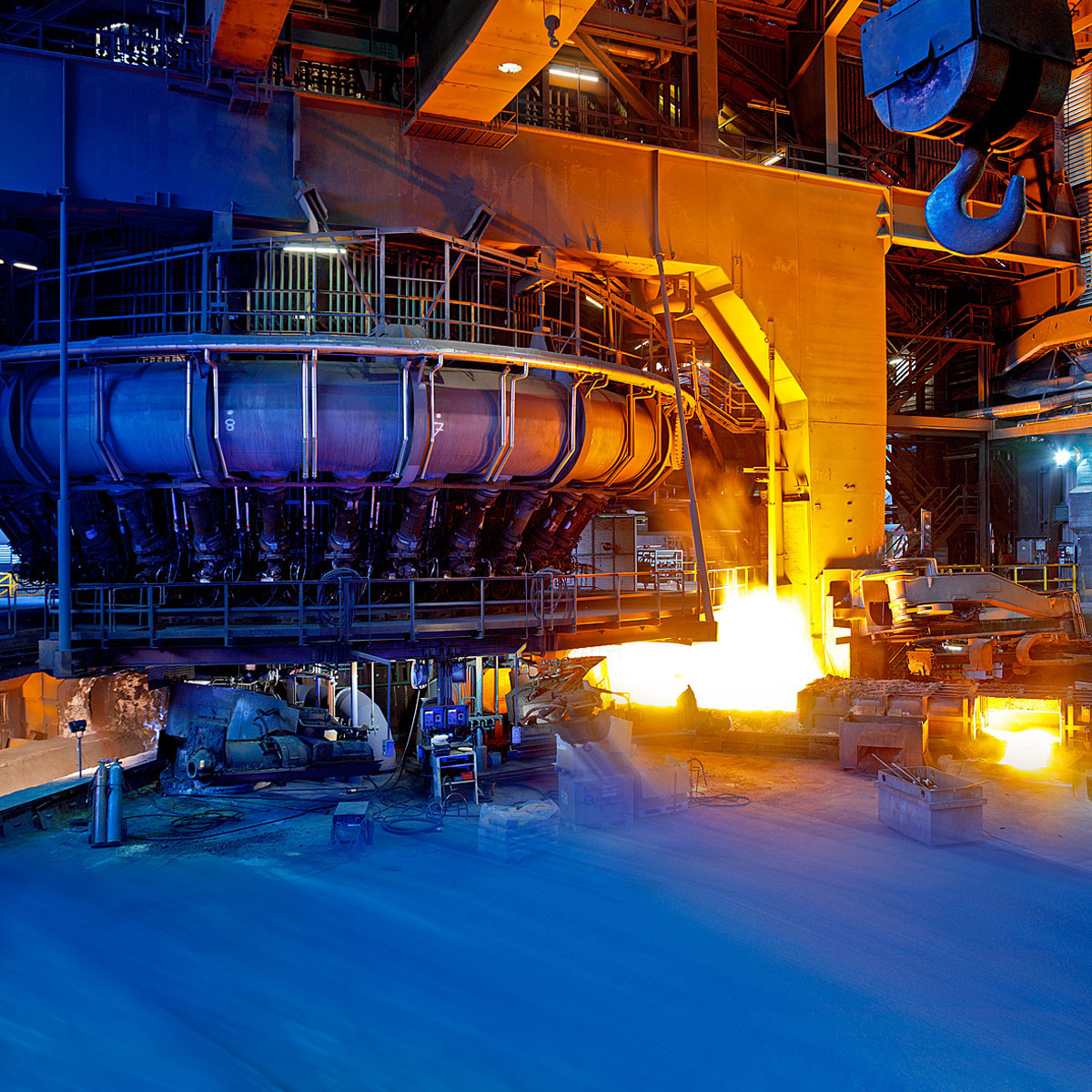
German steel output grows overall in October, but EAF output slows
German crude steel production in October was up by 9.4% on the month to 3.7 million mt, although output from electric arc furnace production slowed as supply chain problems and increasing energy costs remain risk factors for Germany’s steel industry, according to data published by German steel federation WV Stahl Nov. 19.
Year-on-year, October’s crude steel production grew 10.7%, while year-to-date output was up 16.1% to 29.9 million mt, reflecting the recovery pandemic-related shutdowns.
Looking at the breakdown between the two different furnace routes, 2.5 million mt of crude steel were produced via the oxygen route, up 14.4% month on month. Electric arc furnace production stood at 1.13 million mt, down by 0.2% on month.
Electric arc furnace producers, which mostly produce long steel products in Germany, have been hit harder by rising energy costs. WV Stahl told S&P Global Platts Nov. 19 it could not give more detail on the reasons behind the divergent trends for specific production routes.
“Generally, there have been palpable headwinds recently for the steel economy,” said a WV Stahl spokesperson, adding that slowdown was coming from the industrial sector with supply bottlenecks and higher energy costs.
However, in year-on-year comparison, EAF production was down 4.6%, while blast furnace production was up 13.2%. European sources in the long steel market told Platts previously that higher electricity costs are hitting production levels and several long steel mills such ArcelorMittal’s European longs mills have introduced an electricity surcharge on new orders.
Pig iron production stood at 2.3 million mt in October, up 14.1% month on month and up 10.5% year on year, while hot-rolled products increased 3% to 3.1 million mt on month, down 1.4% year on year.
— Laura Varriale

Eurofer re-elects Van Poelvoorde as president
The board of European steelmakers association Eurofer has re-elected Geert Van Poelvoorde as president for the fourth consecutive time, Kallanish notes.
Van Poelvoorde, chief executive of ArcelorMittal Europe, started serving as president of Eurofer in November 2015. The election of the president and vice-presidents takes place every two years, chosen from among the association’s membership. The board meeting, which took place on Thursday, also saw the re-election of the nine vice-presidents and the confirmation of the 20 members of the board. All are two-year terms.
“The renewal of the mandate comes at a crucial time for the steel sector,” Van Poelvoorde said on the occasion of his re-election. “The coming months will be key for re-adjusting the European Commission’s Fit for-55 package, so that the European steel industry’s ambitious decarbonisation plans towards climate neutrality can be reached.”
Christian Koehl Germany

Thyssenkrupp seeks ‘independence’ for steel unit
Thyssenkrupp wants to spin off its steelmaking division, thyssenkrupp Steel Europe, to become a company independent from the parent conglomerate. The company’s ownership would initially be identical to the existing shareholders of tk AG, and possibly be floated separately on the stock market.
Following several failed merger attempts with competitors in recent years, tk AG has decided in favour of a stand-alone option. But only now has it become clear that this would involve a separation from the parent. At the group’s annual press conference, chief financial officer Klaus Keysberg explained that separate ownership structures on the capital market facilitate a more focused and flexible operation of the separate units. “In a pure play status, stakeholders are prepared to get more active,” Kallanish heard him say at the conference.
Spinning off the steel business is a very complex undertaking characterised by economic challenges and a large number of uncertainties, the executives underlined. Thyssenkrupp is currently conducting a feasibility study to explore which conditions are required to achieve a stand-alone solution for the business. The group expects to reveal more details about the process in spring, “although not yet necessarily a decision”, Keysberg noted.
He highlighted the role of political support from Brussels and Berlin in this process, in view that the company intends to invest billions to convert its production route to hydrogen-based low-carbon steel. “The political will is being given, but we are hoping for some more concrete pledges – we need them,” he said.
Christian Koehl Germany
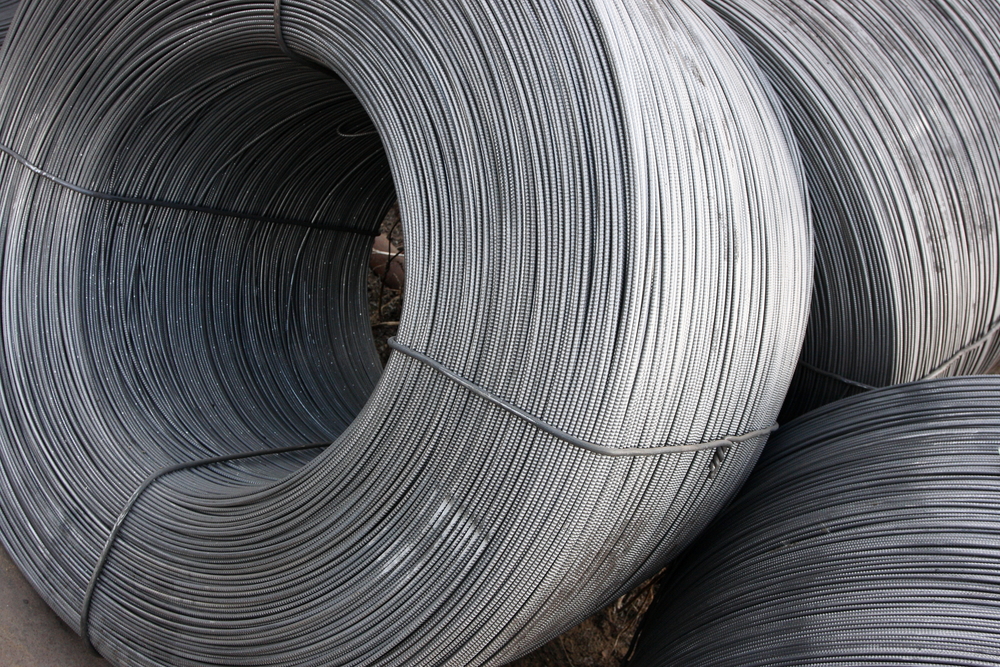
Bekaert forecasts some fourth-quarter demand softening
Belgian wire specialist Bekaert forecasts some demand softening in its markets due to fourth-quarter seasonality effects and supply chain disruption, it says in its Q3 financial report monitored by Kallanish.
Despite this projection, the steelmaker sees strong sales until the end of the year. In July-September, the company registered strong global demand with the exception of China. However, raw material shortages and freight disruption have contributed to a significant impact on Bekaert’s raw materials, transport, and energy costs.
In Q3 the company posted a turnover of €1,253 million ($1,415m), up 27% year-on-year. Despite a raw materials shortage and increasing transport costs, Bekaert managed to secure supply continuity, keeping working capital under control and improving the product and business mix. This was “in line with our strategy to more efficiently segment and upgrade the business portfolio”, the report says
In the first nine months of 2021 the group posted sales growth of over 30% y-o-y to €3,559m, driven by higher volumes and increasing wire rod prices.
The Steel Wire Solutions division delivered a 37.9% on-year sales increase in the first nine months of 2021 on favourable price-mix effects.
The Bridon-Bekaert Ropes Group (BBRG) also recorded a sales increase of 8.7% compared to the first nine months of 2020 to €358m, thanks to higher volumes. Sales reached €123m in July-September, “but are expected to slow down in the last quarter of the year due to the usual seasonality effects and some temporary shutdowns by A-Cords customers as a result of the microchip shortage in OEM markets. The order books continue to be strong, particularly in ropes,” Bekaert concludes.
Natalia Capra France

EU imposes India, Indonesia stainless CRC anti-dumping duties
The EU has imposed definitive anti-dumping duties of 10.2-35.3% on imports of stainless steel cold-rolled flat products originating in India and Indonesia. This compares to the 13.6-34.6% provisional duties imposed in May, Kallanish notes.
The duty rates are applicable to the net, free-at-Union-frontier price, before duty. The duties apply to products under HS codes 7219 31 00, 7219 32 10, 7219 32 90, 7219 33 10, 7219 33 90, 7219 34 10, 7219 34 90, 7219 35 10, 7219 35 90, 7219 90 20, 7219 90 80, 7220 20 21, 7220 20 29, 7220 20 41, 7220 20 49, 7220 20 81, 7220 20 89, 7220 90 20 and 7220 90 80.
EU definitive anti-dumping duties on stainless CR Flats
| Country | Company | Duty |
| India | Jindal Stainless Limited | 13.9% |
| Jindal Stainless Hisar Limited | 13.9% | |
| Chromeni Steels Private Limited | 35.3% | |
| All other companies | 35.3% | |
| Indonesia | IRNC | 10.2% |
| Jindal Stainless Indonesia | 20.2% | |
| All other companies | 20.2% |
Adam Smith Germany
Italian longs output falls after long uptrend
Italian crude steel output increased again in October after rising in previous months, according to data issued by local steelmakers association Federacciai.
Last month, crude steel production rose by 4% year-on-year to 2.2 million tonnes, Kallanish notes. Output also hiked in the first ten months of the year, by 24% on-year to 20.7mt.
Italian flat steel production rose by 18.3% to 1mt in October, and by 18.7% to 9.2mt in the first ten months of the year.
Longs output however decreased last month by 1.3% to 1.2mt, but rose by 25.5% to 11.5mt in January-October, Federacciai says.
Natalia Capra France
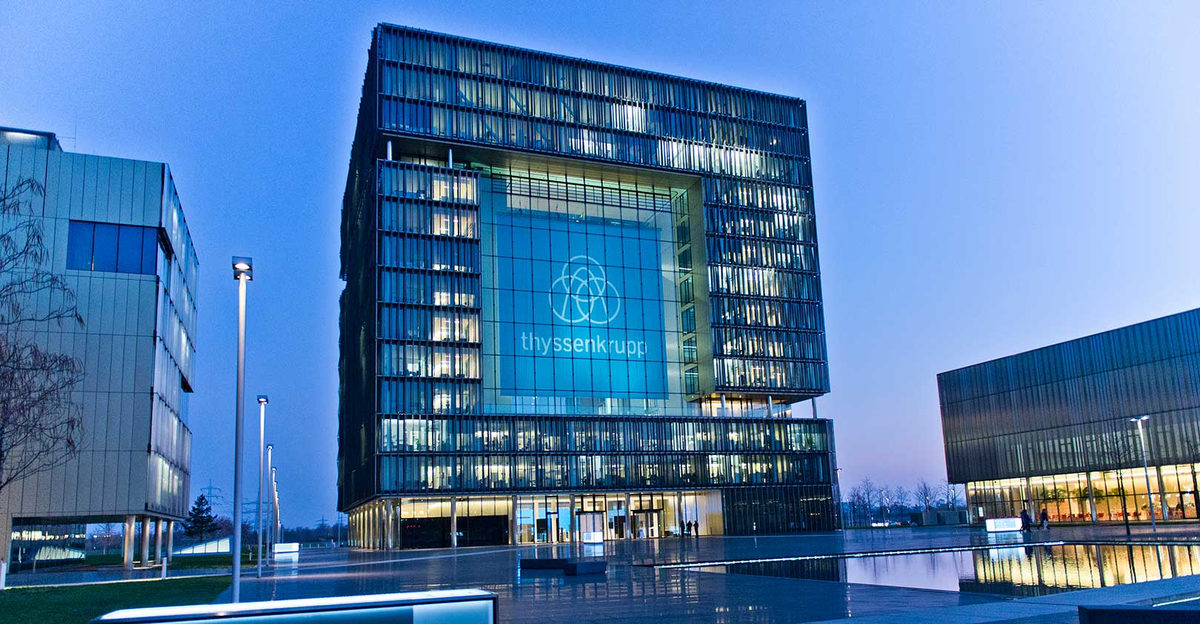
Thyssenkrupp expects more big earnings with steel unit
Following a year of “greatly improved” fiscal figures, thyssenkrupp remains upbeat and predicts its adjusted Ebit will double year-on-year, Kallanish hears at the group’s annual results conference.
In the fiscal year from October 2020 to September 2021, the group posted an order intake totalling €39.6 billion ($44.9 billion), an increase of 41%. Revenue improved by 18% to €34 billion. Adjusted Ebit increased to €796 million, after a loss of €1,759m in 2019/20.
All segments contributed to this positive development, with substantial earnings improvements in some cases. In particular, steel distribution unit tk Materials Services profited from rising volumes and prices. As a result, thyssenkrupp achieved the upper end of the earnings forecast range that had been revised upwards in May.
Going forward, the group expects to achieve an Ebit of €1.5-1.8 billion in the current fiscal year. This figure includes a significant improvement in earnings at steelmaking unit tk Steel Europe. The unit was profitable in 20/21, but more modestly than other mill groups because of its customer structure, says chief financial officer Klaus Keysberg. “We have less spot business and more annual contracts than other competitors, and this will bring a clear advantage in revenue in the current year,” he said at the conference.
Compared with the pandemic-weakened prior year, tk Steel Europe increased order intake by 31% to €9.3 billion. Adjusted Ebit improved to €116m from a loss of €820m a year earlier.
At tk Materials Services , order intake rose by 29% to €12.7 billion. At €587m, adjusted Ebit marked a respectable turnaround from the prior-year loss of €85m.
Christian Koehl Germany

New EU regulation could hamper scrap investments: BIR
The Bureau of International Recycling (BIR) has responded to the EU’s waste shipment proposal by saying further restrictions to trade can be counter-productive to ensuring a circular economy.
On Wednesday the European Commission published a proposal to review waste shipment regulations, which includes the implementation of limitations and standards to be applied to firms exporting outside the EU (see Kallanish passim).
BIR says it fully supports regulations that aim to protect the environment and promote the correct use of waste. It nevertheless notes the Commission seems to be targeting lower prices for waste and scrap in the EU domestic market, leading to possible further investment cuts by recyclers.
“The proposal significantly diverges from free and fair trade in an open intention to reduce the cost of materials within the EU, allowing those in the EU to use more waste as feedstock, which they should be able to purchase at a lower price,” the association says. “These trade restrictions, artificially lowering the costs of materials in the EU for the EU manufacturing industry, will affect the capacity of the European recycling industry to invest in efficient and innovative recycling capacities and processes.”
“Also, by cutting access to outside markets, they will result in excess volumes which will be lost to the global circular economy,” BIR adds. “Such changes will finally have a counterproductive effect on the implementation of a truly global circular economy.”
According to the association, putting new limits on exports could also limit waste and scrap collection. “Over many years the EU has been continually increasing separate collection of used and end-of-life goods and materials. The consequences of these well-supported actions, and the efforts of all citizens, is that there is an excess of recyclables collected in the EU, more than is currently consumed in the EU. Without buyers within the EU these excess steel scraps, aluminium scrap, copper scrap, and scrap paper are exported to manufacturers in third countries; that €13 billion trade provides revenue for EU Member States,” BIR points out.
While the new proposal does not seem to significantly limit ferrous scrap trade from Europe, it could impose new burdens on exporters, mainly for sales to non-OECD countries such as India, Egypt or China.
Emanuele Norsa Italy