Iron ore extends rebound as expectations readjust
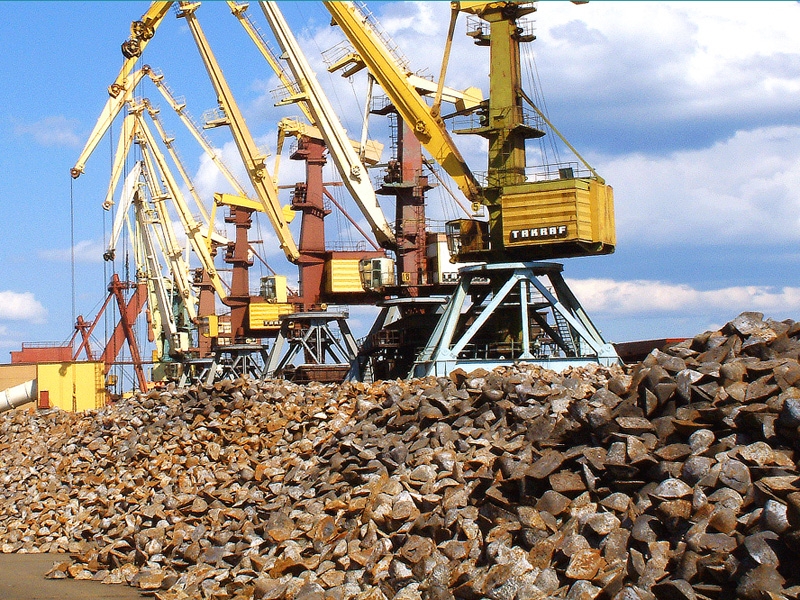
Seaborne iron ore prices extended their rebound on Tuesday as recovering confidence pushed futures markets higher. Expectations for the Chinese economy have also bottomed out, and the level of pessimism in markets is easing.
The Kallanish KORE 62% Fe index gained $8.05/t to $149.70/dry metric tonne cfr Qingdao. The Kallanish KORE 65% Fe index increased $7.83/t to $174.26/dmt cfr, but the KORE 58% Fe index slipped another $0.48/t to $118.51/dmt cfr. 170,000 tonnes of PB fines traded at a floating price.
On the Dalian Commodity Exchange January 2022 iron ore settled up CNY 17.5/t at CNY 787.5/t ($121.44/t), while on the Singapore Exchange September 62% Fe futures settled up $12.69/t at $148.10/t. The same contract for 65% Fe and 58% Fe futures settled up $12.25/t at $168.30/t, and down $1.01/t at $110.51/t respectively.
Scrap and billet prices also moved higher on Tuesday. 6mm+ heavy scrap delivered to mills in the Yangtze River Delta regions gained CNY 5/t from Monday to CNY 3,717/t. In Tangshan, billet prices gained CNY 20/t to CNY 4,930/t.
In addition to expectations that the $25.55/t sell off in iron ore on 19 August was exaggerated, markets have been bolstered by expectations for domestic demand. Steel demand and production is still expected to be low in the second half-year, but expectations had become so pessimistic that they are also now readjusting.
China has said it will aim to support a healthy level of credit growth to stimulate the economy in the second half of the year. Although this is so far only a rhetorical support, it marks a shift from the previous focus on tight credit control.
Fears over China’s Covid-19 outbreaks meanwhile have also eased. More cities are easing restrictions and infection rates have slowed. Officials say they could achieve an 80% immunity rate by the end of the year, taking China very close to achieving heard immunity. Vaccination rates have increased as local governments provide new incentives for the vaccinated and penalties for those who do not accept the vaccine and go on to infect other people.

Stainless set to lose nickel dominance to EVs
Stainless steel is set to lose its position as the primary driver of global nickel pricing, concludes a report by Bank of America.
Nickel is currently at a multi-year high, the bank says – or $18,895/tonne, according to the London Metal Exchange. Concurrently, global stainless output hit a record in the third quarter of 2020 “…and has continued to post a series of highs since,” the report states.
However, while stainless currently enjoys a 70% chunk of the nickel market, that position is being challenged by the growth of the electric vehicle industry, Kallanish understands.
“While the rebound of stainless production has been key to the nickel market in recent months, electric vehicles (EVs) are set to become the key demand driver in the coming years,” Bank of America says. “Indeed, sales of electric vehicles should increase gradually, reaching a penetration rate of 51% by 2030E. Given the current battery technology, implications for consumption are relatively straightforward, with offtake expected to be increasing to just under 1.8 million t by 2030, compared to around 200,000 t this year.”
Much of that added nickel is likely to come from Indonesia, the bank adds.
“Reduced consumption of Class 1 nickel by the stainless steel mills may make more nickel units available to car manufacturers; rising scrap usage is one way this could be facilitated,” it says. “That said, ultimately, miners will need to produce more Class 1 and perhaps less Class 2 nickel to make sure the metal will not turn into a constraint to the EV industry. Indonesia, with its resources, will likely remain key to accomplishing that.”
Dan Hilliard USA

Duferco acquires Italian service centre shareholding
Swiss-based Duferco International Trading Holding (DITH) has invested in Italian coil service centre Marcora, sources close to the company tell Kallanish.
With an annual production capacity of 300,000 tonnes, Marcora counts ten re-rolling lines at two production facilities near Milan. It processes coil with a maximum thickness of 6mm and width of 2,000mm.
Duferco, which has bought a 20% shareholding in Marcora, will boost the company’s international presence while expanding into the downstream sector.
In 2020 Duferco Group’s net profit was $112 million, increasing by 19% compared to $94m achieved in 2019. Revenue however decreased by 21% year-on-year to $11.7 billion due to lower energy prices, which affected Duferco’s energy trading division, and low volumes and steel prices.
Last year, the group’s investments stood at over €36m, mostly focused on the revamp of the San Zeno plant in Italy. Italy’s Duferco Travi e Profilati was earlier awarded a loan of €72m for the construction of a new, greener production plant at its San Zeno Naviglio site near Brescia. Duferco will install the new production line, provided by SMS, partly with a view to expanding capacity (see Kallanish passim).
Natalia Capra France
Germany July steel inventories rise, sales drop: BDS data
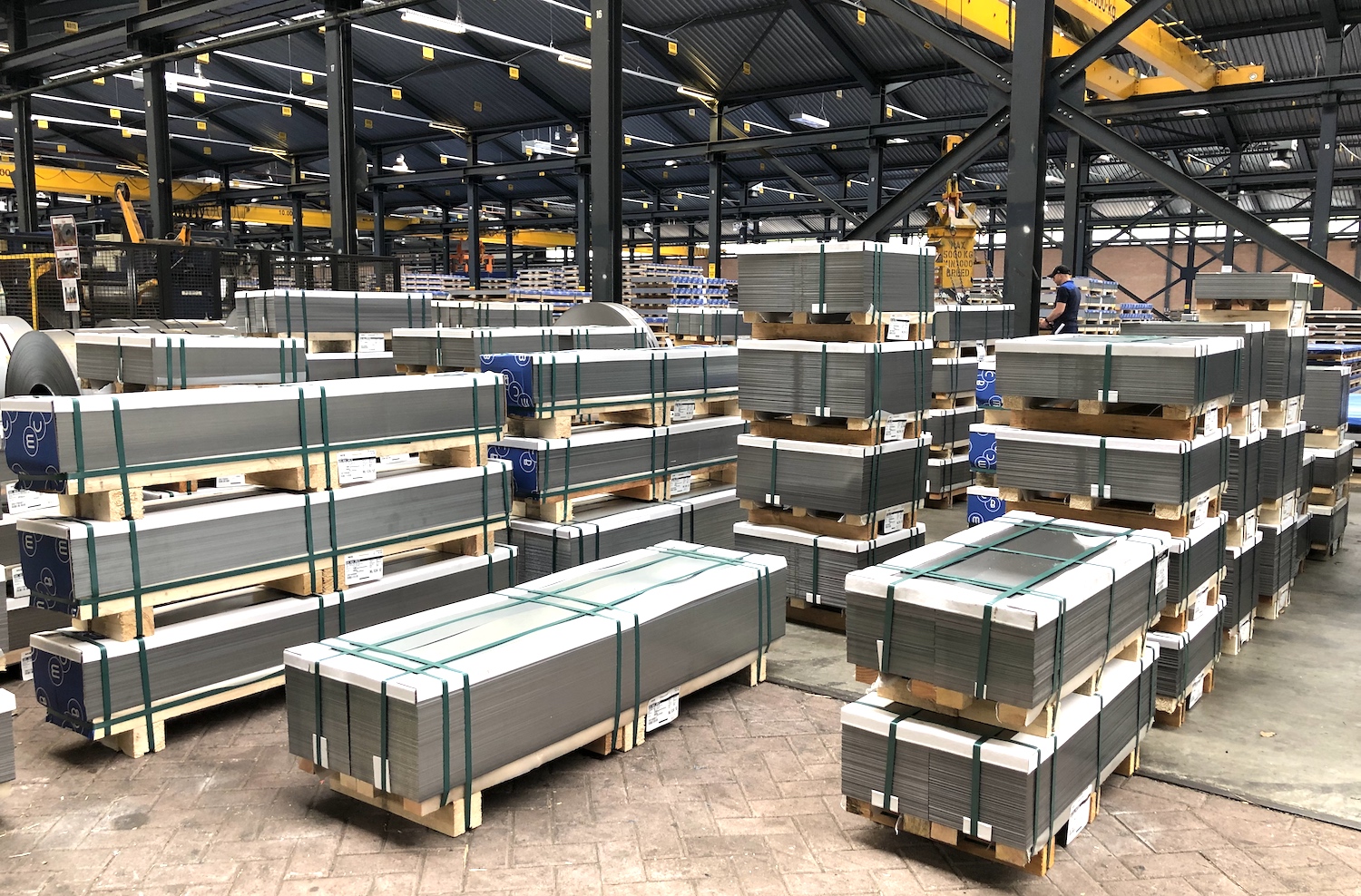
German steel inventory levels increased in July as purchases started to arrive at stockholders, while sales started to drop with the beginning of the holiday period, according to data from German stockholder association BDS Aug. 24.
Flat steel stocks increased 8.5% from June to 1.2 million mt in July, seeing a 9.8% year on year decrease as July 2020 was still heavily impacted by pandemic-related demand drop.
Stock levels for long steel products grew 2.6% on the month to 791,193 mt, while year on year they dropped 2.9%.
Though sources told S&P Global Platts that they were currently cautious not to increase stocks too fast amid an uncertain price and demand development after the summer holidays, the overall sentiment across the market remains largely optimistic for prices and demand to be around current levels.
The road towards price recovery started end of June last year when the Platts daily hot-rolled assessment was at it’s lowest point recorded at Eur396.5/mt EXW Ruhr and increased to an all-time high at Eur1,190/mt EXW Ruhr June 25 this year, before the summer lull set in. The HRC assessment stood at Eur1,140/mt EXW Ruhr Aug. 24.
Flat steel sales volumes dropped 1.3% on the month to 525,292 mt, recording a year on year increase of 6.7%. Long steel sales volumes decreased 7.3% on the month to 300,205 mt, with a year on year decrease of 3.1%.
With the summer holidays starting in July, a sales drop is not unusual, but some market participants said that they were trying to keep their ex-stock selling prices stable amid the demand lull which results in fewer sales volumes.
— Laura Varriale

July global steel output rises 3.3% on year to 161.7 million mt
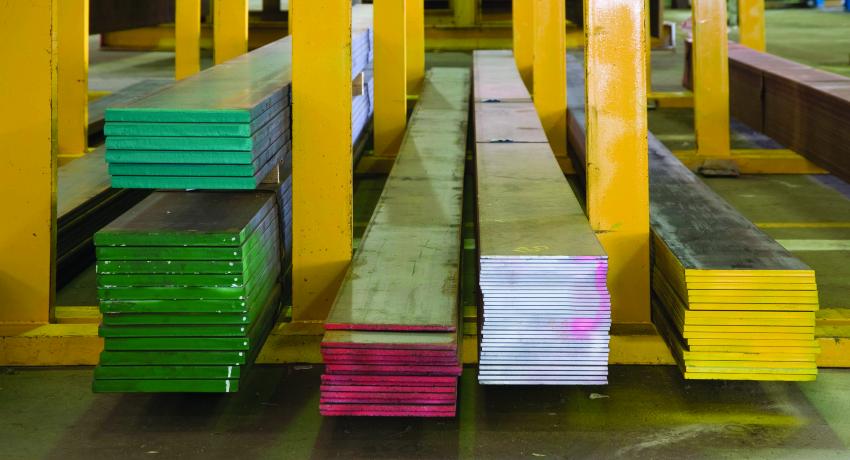
World crude steel production rose 3.3% on the year to 161.7 million mt in July, marking a continued recovery by the sector from the impact of COVID-19, the World Steel Association said on Aug. 24. All regions and major producing countries registered higher production in July from the previous year.
China proved to be the exception, falling 8.4% on the year to 86.8 million metric tonnes in July and recording its first decline in 2021 in the process. The decline came amid an overall slowdown of China’s economy as well as production curbs imposed by the government in Tangshan to curb pollution.
India, the next biggest producer, had an output of 9.8 million mt of crude steel in July, up 13.3% on the year. Japan produced 8 million mt, up 32.5% on the year. The output in the whole of Asia and Oceania stood at 116.4 million mt in July, down 2.5 % on the year amid the fall in China’s production, worldsteel data showed.
In July, the total worldwide crude output stood at 168 million mt, while China alone produced 93.88 million metric tonnes in June.
The US output rose 37.9% on the year to 7.5 million mt in July. Russia is estimated to have produced 6.7 million mt in July, up 13.4% on the year. South Korea’s output rose 10.8% during the same period to 6.1 million mt.
Germany, the EU’s biggest producer, produced 3 million mt in July, a rise of 24.7% on the year. Europe produced 13 million mt of crude steel in total, a rise of 30.3% year on year. Brazil also produced 3 million mt in July, a year-on-year rise of 14.5%. Turkey produced 3.2 million mt in July, a rise of 2.5% on the year, while Iran’s production rose 9% during the same period to 2.6 million mt, worldsteel data showed.
In the first seven months of 2021, global crude steel production reached 1.165 billion mt crude steel, up 12.4% on the year.
Iron produced in blast furnaces worldwide in July amounted to 111.67 million mt, compared with 113.88 million mt produced in June. The production of direct reduced iron stood at 8.54 million mt in July and 8.31 million mt in June, worldsteel data showed.
The data released covers the 64 countries that report to worldsteel, accounting for around 98% of the world’s crude steel production in 2020.
— Annalisa Villa

Thyssenkrupp orders treatment line for electric strip
Thyssenkrupp Steel Europe (TKSE) has placed an order with SMS for an annealing and insulating line for electric strip.
With this investment, thyssenkrupp is going to renew core elements of its production network in order to meet future customer requirements. The focus of activities at the Bochum site will be on e-mobility, Kallanish learns from the plant builder. From 2024 on, the line will turn out more than 200,000 tonnes/year of non-grain-oriented electric strip, which will mainly be used to produce efficient electric motors and generators for electric vehicles.
In the annealing and insulating line, the structure of the cold rolled strip will be recrystallised during the annealing process. Thereafter, the material will be provided with an insulating layer.
The finished material will have a width from 700-1,350mm and a thickness between 0.2-1mm. A feature highlighted by SMS is the line’s resource-saving processes and the high degree of automation and digitalisation. For heat treatment, a resource-saving Drever furnace will be installed, which is able to map an optimised annealing curve.
The new facility will be integrated in an existing hall and arranged over several floors. For layout and plant planning, the 3D model of the line was transferred to a 3D game engine allowing a full 360-degree view. Thus, potential collision hazards can be detected at an early stage, for example.
Christian Koehl Germany
Iron ore shortage closes some Odisha DRI producers
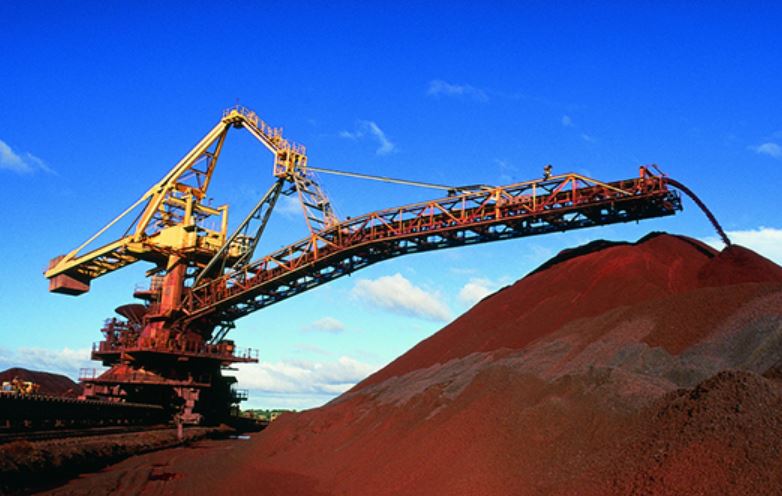
Iron ore shortages have driven Odisha-based direct reduced iron producers to close their units. High prices coupled with shortages have forced 44 units out of 109 DRI units to permanently close their plants, Kallanish notes.
DRI manufacturers depend on merchant miners to fulfil their pellet feedstock requirements. But increasingly, merchant mines have prioritised selling ore outside the state. In the 2020 and 2021 fiscal years, dispatches of iron ore outside the state comprised 58% and 60% respectively of total sales.
“Odisha has witnessed the highest ever surge in iron ore prices than any state in last 12 months, and iron ore in Odisha is costlier than that in any other Indian state. The impact of the iron ore crisis is already visible in the MSME iron and steel industries,” says Utkal Chamber of Commerce and Industry (UCCI) president Brahma Mishra.
The shift in priority has created a massive gap in demand and supply, leading to a steep rise in iron ore prices and a fall in iron ore availability for state-based plants. More than 15 sponge iron and pellet making companies have applied to the Steel and Mines Department to provide iron ore under the pre-emption policy of the state government.
“The average sales price of 62-65% iron ore lumps in Odisha has increased by 176% from May 2020 to May 2021, and that of fines has increased by 352%,” says the Indian Bureau of Mines (IBM).
Industry experts and numerous associations have called for proactive action by the state government to address the issue and ensure iron ore supply to these steel sectors.
Sayed Aameer India
Weekly US steel mill capability utilization rises to 85%: AISI
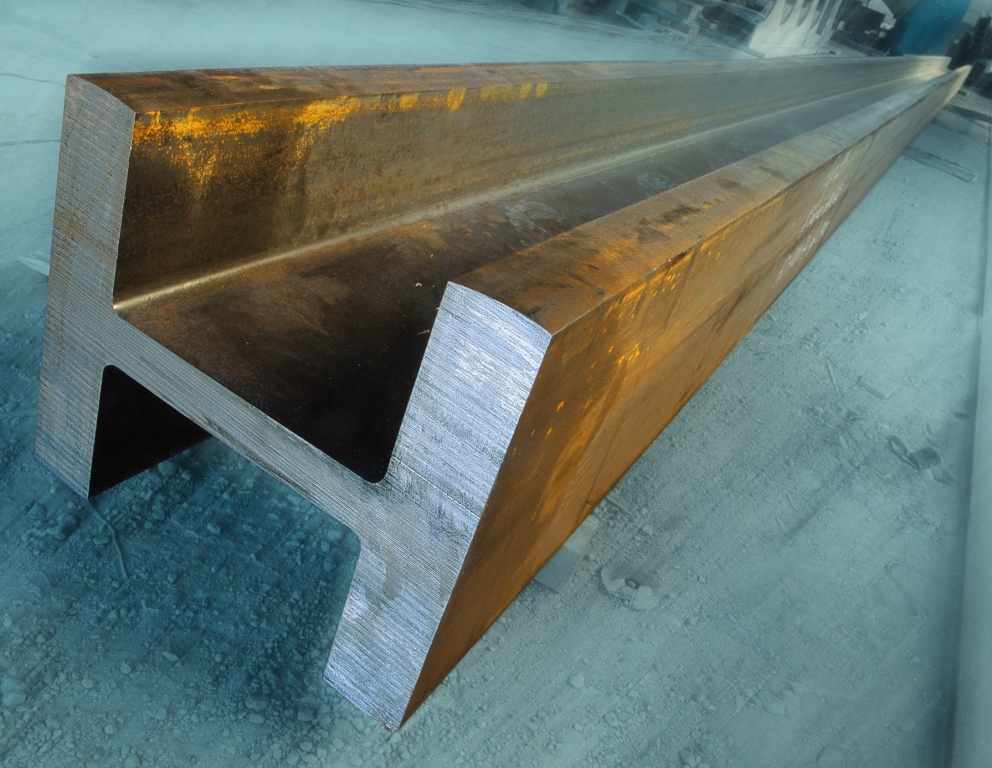
US raw steel capability utilization increased to 85% the week ended Aug. 21, the American Iron and Steel Institute reported Aug. 23.
The raw steel capability utilization rate climbed from 84.7% the previous week.
Production increased by 0.4% to 1.877 million st during the week ended Aug. 21, up from 1.869 million st the previous week, according to the data. Production was up 27.2% from the same week a year earlier, when capability utilization was at 65.9% and production totaled 1.476 million st.
Adjusted year-to-date production through Aug. 21 totaled 60.173 million st, with a capability utilization rate of 80.4%. The total was 19.8% higher than the 50.243 million st produced during the same period last year, when the utilization rate was 66.6%.
Last week’s production totaled 149,000 st in the Northeast, 636,000 st in the Great Lakes region, 201,000 st in the Midwest, 815,000 st in the Southern district and 76,000 st in the Western region.
The tonnage data is estimated, compiled from weekly production data provided by 50% of domestic producers, combined with monthly production data for the remainder.
— Ingrid Lexova
German crude steel production still below ‘pre-crisis’ level: VW Stahl
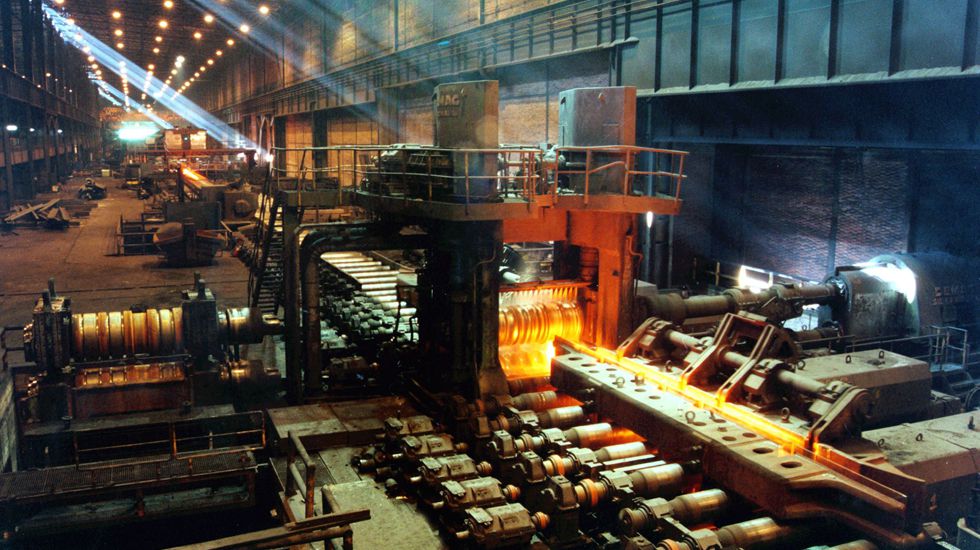
Germany’s crude steel production remains below “pre-crisis” levels of 2018, while seeing a 11.7% month-on-month drop in July to 3 million mt, German steel federation WV Stahl said Aug. 23.
July alone saw a 24.7% year-on-year increase from the pandemic-stricken year 2020, when demand collapsed and production curbs remained. Through January to July, German crude steel production totaled 23.6 million mt, a year-on-year increase of 18.8%.
German mills ramped up production again from the second half of last year, with mills such as Salzgitter declaring the restart of a blast furnace idled since 2019 — when production started to drop on lackluster demand. However, output levels still remained below 2018 levels when annual production was at 42.4 million mt. WV Stahl projects that under the current level, 2021 output would be at 40.5 million mt.
In July, crude steel production produced via the blast oxygen route dropped 7% month on month to 2.1 million mt, while production via the electric arc furnace route fell 21% month on month to 909,000 mt.
The daily S&P Global Platts assessment for hot-rolled coil dropped Eur50/mt since its record high at Eur1,190/mt EXW Ruhr June 21 to Eur1,140/mt EXW Ruhr Aug. 23, as demand remained low during the summer period.
Steelmaker Thyssenkrupp started its major reline of one blast furnace in July, which would have an impact on output levels even as the steel industry faced logistical challenges by intense floods that month.
Pig iron output dropped 8.3% on month to 1.9 million mt, and hot-rolled production decreased 7.7% on month to 2.8 million mt in July.
With most European mills producing at maximum capacity, the sentiment for increased production in August was less optimistic, data from the Platts monthly German steel survey showed, with the production index falling 11 points since July. Producers were at 42 (50 denotes stability), the least bullish on production levels, whereas traders and stockholders stood at 50, a 14-point loss from the July index of 64.
— Laura Varriale

Die europäische Stahlindustrie ist auf Erholungskurs
Die Lockerungen der COVID-Maßnahmen im dritten Quartal 2020 ermöglichte einen Wiederanlauf der industriellen Aktivität. Die deutliche Erholung der Produktion setzte sich im Vergleich zu den Rekordtiefs des Vorquartals – mit noch schnellerer Geschwindigkeit – über das vierte Quartal 2020 bis zum ersten Quartal 2021 fort und wurde von einer schneller als erwarteten Erholung in einigen Sektoren wie der Produktion von Haushaltsgeräten oder der Automobilindustrie angetrieben.
Dies ebnete den Weg für eine stärkere Beschleunigung der industriellen Erholung im ersten Quartal 2021, trotz der anhaltenden wirtschaftlichen Unsicherheit aufgrund der anhaltenden Pandemie in der gesamten EU. Infolgedessen wuchs die Produktion der stahlverarbeitenden Sektoren im ersten Quartal 2021 auf 36,3 MT (+2,6%).
Entsprechend der verbesserten Nachfrage stiegen die Inlandslieferungen innerhalb der EU. Dies verdeutlichen auch die Daten der Einfuhren aus Drittländern: Nach dem Rekordrückgang (-25,4%) im dritten Quartal 2020 gingen die Importe aus Drittländern auch im vierten Quartal 2020 um 5,4% zurück und mit minus 2,5% im ersten Quartal 2021 war das der neunte Quartalsrückgang in Folge.
Quelle: Eurofer / Foto: Fotolia
19.08.2021 von Hubert Hunscheidt