


SSAB launches fossil fuel replacement research project
SSAB has announced a new research project in Finland, aimed at transitioning towards fossil-free steelmaking. It will do this by mapping solutions to replace fossil fuels with renewable energy in steelmaking.
The project, called Toward Fossil-free Steel, has a total budget of €10.7 million ($12.6m) for a period of two years, half of which is financed by Business Finland, Kallanish notes.
“The project will also study the smelting of hydrogen-reduced sponge iron in an electric arc furnace, the manufacture of fossil-free lime and new solutions to utilise the by-products created in the steelmaking processes,” SSAB explains.
The new research will add to the ongoing efforts of SSAB to completely remove its carbon dioxide emissions by 2045. The most important initiative in the SSAB transition is HYBRIT, in which steelmaking will be done using EAFs fed with DRI or sponge iron obtained using green hydrogen.
Emanuele Norsa Italy
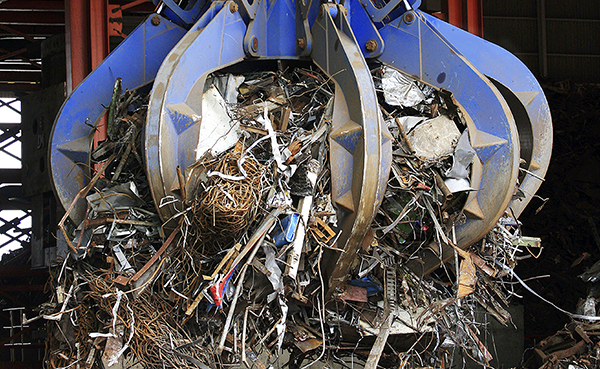
Italian stainless scrap seen increasing again in September
Italian stainless scrap prices are seen increasing in September on high nickel values. However, sales volumes this month are lower than in June as all local mills, particularly longs producers, have purchased less due to the summer closures in August, market sources tell Kallanish.
Larger purchases have occurred this week, with 304 grade being sold at €1,600-1,650/tonne ($1,895-1,954) in recent days, up from €1,500-1,550/t delivered at the beginning of the month. Sales for 316 are hovering at €2,070-2,150/t delivered. The sales of the past days have been agreed for delivery by the end of August or in September, sources suggest.
Nickel prices for cash buyers were at $18,673/t on 9 July and reached $18,689/t on 14 July.
Natalia Capra France

Wuppermann invests in Hungarian plant
German galvanizing and coil processing group Wuppermann has budgeted HUF 5.3 billion ($17 million) for the upgrade of its Hungarian plant near the port of Györ-Gönyü.
According to a spokeswoman, the money has been lined up for property-plant-equipment (PPE) investment. This involves new machinery, a capacity increase, development of processes, automation of storage and logistics, buildings, and projects supporting sustainable development.
For example, the plant will be equipped with a photovoltaic system on the roofs of the production halls, planned to be ready in spring 2022, she tells Kallanish. Using solar power will save some €200,000 ($236,000) in electricity costs per year and reduce CO2 production by 775 tonnes/year, she emphasises. Further investments into machinery will be stretched out until 2026.
Wuppermann Hungary started operating in 2016, basically as a second version of the Wuppermann plant in Moerdijk, the Netherlands. The site galvanizes and anneals hot rolled strip, and forwards it as coils and slit strip. With four production halls, and around 180 employees, Wuppermann Hungary currently processes some 750,000 tonnes/year of sheet.
Christian Koehl Germany
LME launches three new steel contracts
The London Metals Exchange (LME) is set to officially launch on 19 July its three new cash-settled futures contracts for the steel market.
The new contracts are for northwest Europe hot rolled coil, scrap cfr Taiwan and scrap cfr India. These will add to the existing portfolio of futures contracts at the LME, including rebar fob Turkey, HRC fob China, North America HRC, and scrap cfr Turkey, Kallanish notes.
“Since 2015, the LME has launched a number of new cash-settled futures contracts focused on meeting the risk management needs of the steel, aluminium, electric vehicle and battery materials industries,” the LME says in a presentation. “Our cash-settled futures are structured differently from our physically settled contracts, yet share the same goal of providing the metals community with effective tools to manage price risk and the financial community with opportunities to trade metals markets.”
Emanuele Norsa Italy
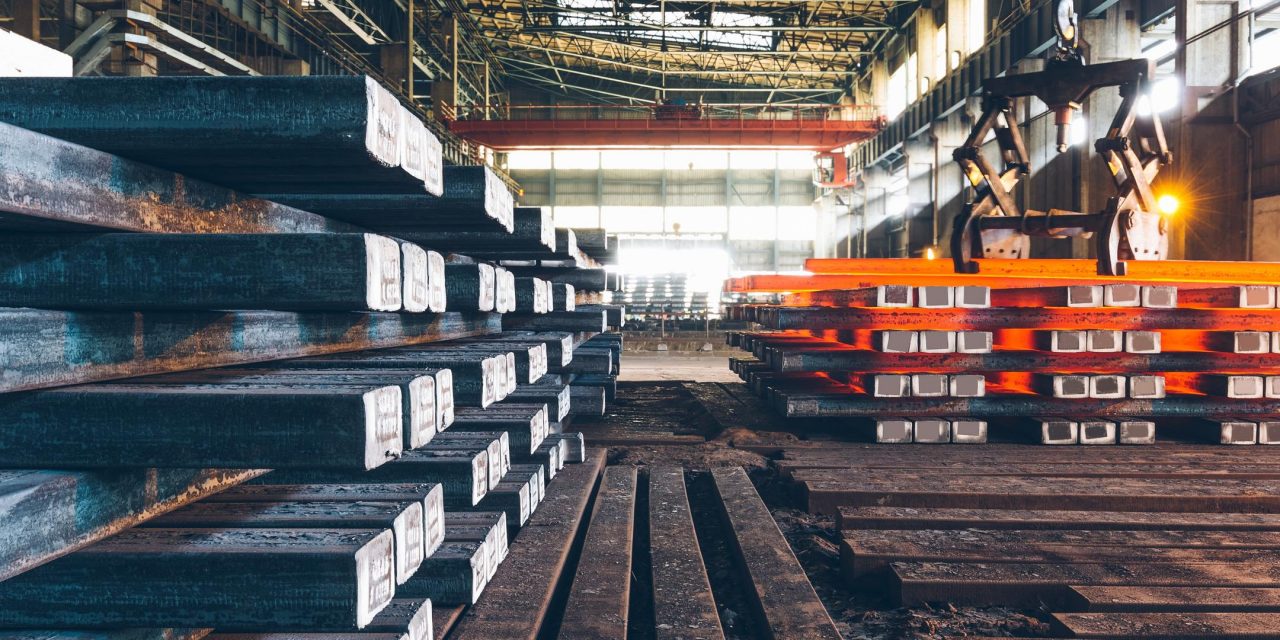
China’s first half crude steel output up 12% on year
China’s crude steel output over January-June increased by 12% on the year to 563.33 million mt, data from National Bureau of Statistics showed July 15.
However, this situation is expected to change in the second half of 2021, with some sources seeing a significant decline in the output during the period, as China aims to curb production levels.
The drop in output is expected to keep pushing China’s steel prices up in the coming months, despite signs of demand from property and infrastructure sectors staying lackluster in H2, sources said.
China produced 93.88 million mt of crude steel in June, averaging 3.129 million mt/day, down 2.5% on the month, but still up 1.5% on the year, according to NBS.
China’s pig iron reached 75.78 million mt in June, averaging 2.526 million mt/day, up 0.2% on the month, but 2.7% lower than a year earlier. Over January-June, the pig iron output increased 4% on the year to 456.38 million mt.
China is aiming to keep this year’s annual crude steel output below 2020 levels, and has already widened its output cuts orders throughout the country.
In order to meet this target, China’s crude steel production will have to decline by 59 million mt, or 11%, on the year, to 502 million mt over July-December, S&P Global Platts calculations based on National Bureau of Statistics data showed.
Some sources said China’s crude steel production was likely to remain high at least in the first half of July, as steel output cuts in Hebei province’s Tangshan and Handan cities have been relaxed, after the centenary celebrations of the Chinese Communist Party got over in early July.
Output cuts in focus
Meanwhile, most steelmakers in other regions have yet to initiate production cuts, as they are still finalizing schedules for the second half of 2021.
But most of the market sources believe many more steel mills are likely to start output cuts from late July or August, as orders are coming in from the government, which is aiming to reduce carbon emissions in the steel industry.
One mill source said Chinese steel mills will certainly make cutback in H2, although some adjustments could be made to the output cut order if steel prices rise rapidly and create panic among the manufacturing sector.
Manufacturing is likely to receive more attention and support from the government in H2, especially as property and infrastructure may stay subdued due to China’s deleveraging campaign, the source said.
According to Platts calculations based on NBS data, China’s floor space of property new home starts in June decreased 4% on the year. The total new starts over H1 increased 4% on the year, but still 4% lower than in the same period in 2019.
Meanwhile, infrastructure fixed asset investments in June decreased 1% on the year. Over January-June, the infrastructure FAI increased 8% on the year and just 5% higher from the same period of 2019.

Asian HRC mostly unchanged, Chinese market retreats
The Asia hot rolled coil market was largely stable July 15 amid slow trading activity, while the China domestic market was volatile due to slow season and expectations of production cuts.
S&P Global Platts assessed SS400 HRC 3 mm thick at $911/mt FOB China, flat on the day. On a CFR Southeast Asia basis, the same grade of coil was assessed at $915/mt, up $6/mt on the day.
Chinese mills were holding SS400 offers for September shipment stable amid limited allocation in the export market during the week. Mills were sticking to their prices due to firm raw material prices and expectations of output cuts, market sources said.
Offers in Vietnam were lacking due to the widening China market price and local ideal level. “There are no offers today. But some buyers’ indications are getting higher as no lower offers,” said a Vietnamese trader. Buying indications were heard at $910-$920/mt CFR on the day.
Platts assessed SAE1006 HRC at $939/mt FOB China, flat on the day. On a CFR Southeast Asia basis, the same grade of coil was assessed at $921/mt, flat on the day.
In Vietnam, buyers were still awaiting Formosa Ha Tinh Steel’s upcoming offers for September delivery, as the mill delayed the announcement to the July 18 week.
Offer level for some rerolling grade Indian SAE were heard at $925-$930/mt CFR for August shipment. But no bids were heard on the day.
In Shanghai, the spot price of Q235 5.5 mm HRC was assessed at Yuan 5,860/mt ($907/mt) ex-stock, including value added tax, down Yuan 30/mt on the day.
On the Shanghai Futures Exchange, the most actively traded October contract closed at Yuan 5,962/mt, down Yuan 37/mt, or 0.6%, over the same period. This was the first decline after the contract rose for four straight sessions, recording a total gain of Yuan 249/mt.
— Analyst Yuelin Dai
German steel impacted by heavy rain, cold-roller declares force majeure
Heavy rainfall and flooding of the Rhine river in the Germany-Benelux area has affected logistics and distribution at several steel businesses, with cold-roller Bilstein declaring force majeure, the company and sources told S&P Global Platts July 15.
Bilstein, based in Germany’s Hagen, declared force majeure July 15 in a customer letter that the company shared with Platts.
“Since the night of July 14, we are facing heavy rain and storms in Hagen, especially at our production sites in Hagen-Hohenlimburg, which already led to damages, defects of material and breakdowns of some production facilities. Furthermore, in the foreseeable future, we can only receive raw material in a very limited way because some of our suppliers are also affected and there are undermined railroad tracks, which prevent us from receiving raw material by rail,” the letter said.
Bilstein said that material can only be dispatched to a limited extent. “The plant shutdowns and shortages of material lead to interruptions of our general production process. Delays in the delivery of your orders are to be expected,” the letter said.
Several videos of flooded steel warehouses at steel service centers and stockholders were circulating on instant messaging between market participants, July 15, which have been shared with Platts.
One cold-roller in Dortmund, Germany, was confronted with excessive flooding of its stainless steel unit July 14, several sources told Platts. The company, BWS Philipp Boecker + Wender Stahl, was not available for comment when contacted by Platts.
Sources also said that parts of Germany’s Thyssenkrupp has been affected by the floods.
Thyssenkrupp told Platts that there has been flooding on Thyssenkrupp’s steel mill grounds and some basements but that water has already been pumped out.
Steelmaker ArcelorMittal who has a site in Duisburg, confirmed to Platts they have been affected by flooding but that production has not been impacted.
Disruption at German stockholder Kloeckner’s company Becker Stahl has also been reported, but a Kloeckner spokesman said that “there have not been any noteworthy damages” at Becker Stahl and that the Kloeckner business has not been affected at all. “There is no disruption of production and no delay in shipments to be expected,” the spokesman said.
“The flooding doesn’t help the actual scarcity in the market of course, highways have been closed and been converted into streaming rivers. Villages have been evacuated and cellars are full of water. The damage is huge in Germany, Belgium and the Netherlands – from Maastricht to Rotterdam,” the source said.
“This will affect prices– we have a lack of material, but we’re lucky it’s not hitting us,” a German buyer said, adding that the inclement weather would lead to further order delays.
North European HRC price were assessed at Eur1,166/mt ex-works Ruhr July 15, down Eur4/mt o n the day. HRC prices have increased by nearly Eur50/mt from the beginning of June.
Since the end of last year, shortages across the coils market have been rampant, with buy and sell-side players clashing over weekly prices increases and depleting stocks. Despite weakening demand seen over the summer, sources are confident of an increase in mid-September, when returning automotive manufacturers are expected to inquire for new orders.
The worst of the flooding was said to be in the German states of Rhineland-Palatinate and North Rhine-Westphalia.
Forecasts expect more heavy rain in Western Europe from July 15-16.
— Amanda Flint, Laura Varriale
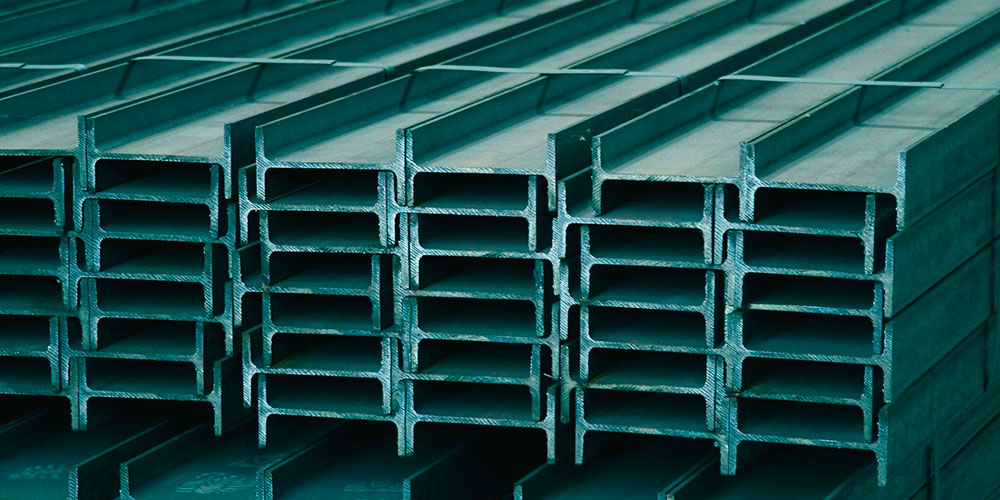
Russia mills say new EU carbon tax takes selective approach to steel
Russian steelmakers association Russkaya Stal said July 15 it gathered from the EU’s drafted carbon border adjustment mechanism (CBAM) proposal, not all ferrous metallurgical industry products will be equally subjected to the new tax, which is fraught with market disbalance. Russian steel majors believe CBAM may spur the progress of the country’s own climate change related legislation currently in the making and appreciate it being adjustable to the level of their real emissions.
The European Commission is selectively approaching metallurgical commodities included in the scope of the proposed carbon border adjustment mechanism (CBAM). Not including scrap and ferroalloys does not comply with the climate goals declared by the EU and can distort the market, said the association.
At this stage the association said it could not estimate the impact of CBAM on Russian steel exports as the guidance on how to calculate the carbon footprint will be disclosed in delegated legislation, which will be developed by the EC after the CBAM is approved.
Until this information is available, industries will be able to assess the potential effects of EU border carbon regulation. However, it is already clear that emission calculations using a complex European methodology and their mandatory external verification can become a serious barrier for supplies to the EU.
Russkaya Stal considers it highly likely that after the measures are adopted, EU trading partners will appeal to the WTO requesting to cancel this regulation, although resolving such disputes usually takes two years or more.
Major Russian steelmaker Severstal emphasized the importance of CBAM being administered in a transparent way with the revenues from tax charged on steel products being then spent on breakthrough technologies for the ferrous metals industry.
In light of CBAM, Severstal sees it absolutely necessary to further develop Russian national climate change related legislation, including the creation of low-carbon infrastructure that will help companies in the hard-to-abate sectors to meet their environmental targets.
Another Russian steel major NLMK highlighted that the published regulation draft suggests the possibility of adjusting CBAM payments in line with the real level of emissions of importers. However, it does not yet allow assessing all the risks associated with the regulation, since the carbon emissions calculation methodology and the list of production processes that will be taken into account have not been determined yet, said NLMK.
NLMK added that it wants a fair approach in assessing EU imports and on the use of actual emissions data from producers rather than averages or theoretical values.
— Ekaterina Bouckley
Severstal affirms 2030 CO2 reduction plan
Russian vertically integrated steelmaker Severstal has set a medium-term goal to reduce the carbon intensity of its CO2 emissions by 10% by December 2030, as compared to 2020, Kallanish notes.
The goal is calculated in accordance with worldsteel methodology and ISO 14404 standards, and is a part of Severstal’s longer-term greenhouse gas emissions reduction strategy, the company says.
The target will be achieved by accomplishing technical re-equipment of the production facilities with the introduction of the best available technologies at all assets. The steps will include construction of a boiler house within the No.10 boiler unit, installation of a gas recovery compressor-free turbine no.16, a system for the recirculation of sinter gases from sinter machines nos. 10 and 11, and the replacement of coke with a hydrocarbon fuel, among a number of other measures.
These measures combined are set to reduce the intensity of Severstal’s greenhouse emissions from 2,063 tonnes of CO2 per tonne of steel in 2020 to 1,857t of CO2/t of steel in 2030.
In July 2020, the board of directors approved a short-term goal to reduce the intensity of greenhouse gas emissions by 3% by 2023, compared to 2020. Severstal is on track for reducing emissions from 2,063t per tonne of steel to the planned 2,001t, it says.
Achieving the objective set for 2030, Severstal is on course to become one of the world’s top 15 steel producers with lowest intensity of CO2 emissions. Severstal is in the first quartile, with one of the lowest carbon intensity indicators in the industry today, according to wordsteel.
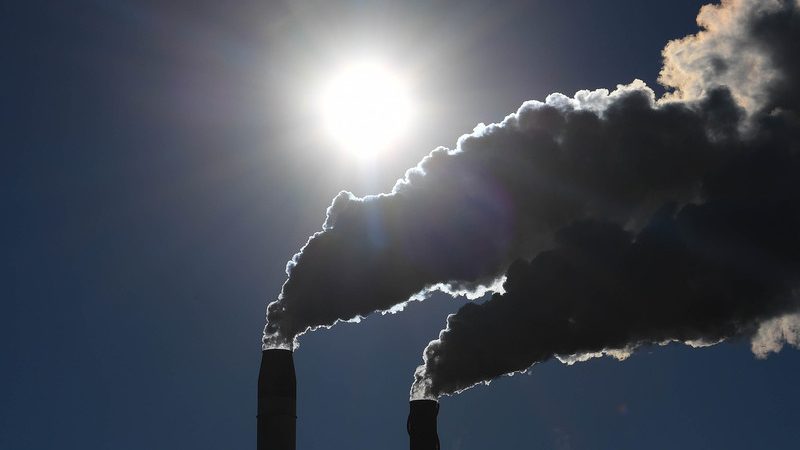
EU’s carbon adjustment to become effective from 2026
The European Commission (EC) has presented its proposal for a new Carbon Border Adjustment Mechanism (CBAM), to become fully operational from 2026, Kallanish learns from official documents.
The CBAM has been designed to “prevent the risk of carbon leakage and support the EU’s increased ambition on climate mitigation, while ensuring WTO compatibility”, the EC explains.
As a result, importers will need to offset the CO2 emissions linked with the production of the purchased good by buying emissions certificates as if the goods were produced in Europe. If the non-EU supplier can demonstrate that emissions certificates equivalent to the European ones have already been paid for, these will be deducted by importers.
“Under the Commission’s proposal, importers will have to report emissions embedded in their goods without paying a financial adjustment in a transitional phase starting in 2023 and finishing at the end of 2025, giving time for the final system to be put in place,” a Commission statement explains. “Once the definitive system becomes fully operational in 2026, EU importers will have to declare annually the quantity of goods and the amount of embedded emissions in the total goods they imported into the EU in the preceding year, and surrender the corresponding amount of CBAM certificates.”
Carbon steel products will be included in the CBAM, but stainless steel grades, special steels and tubes have not been included as of now. Members of the EU Parliament already voiced their request to include some of the excluded products. Italian members of parliament, for example, sent a letter to ask the EC to include stainless steel in order to support the future of the Acciai Speciali Terni plant.
Emanuele Norsa Italy