


Non-EU steelmakers will follow decarbonisation, hydrogen leads: conference
Steelmakers from countries outside the EU will have to decarbonise if they do not want to pay CO2 charges when supplying Europe in the near future, SSAB vice president of sustainable business Thomas Hörnfeldt said at the Kallanish Europe Steel Markets virtual conference on Wednesday.
“This will also help Asian companies; especially in China, we already see a strong political push for more green steel industry,” agreed Tenova chief executive Stefano Maggiolino. The technology maker is constructing for HBIS the first direct reduced iron plant in China, which will use 70% green hydrogen, scheduled for commissioning in 2022, he added.
More than 80% of China’s steel production is done through blast furnaces and mills there are now looking to a transition to electrification, Maggiolino continued.
Russia meanwhile has the huge advantage of enormous resources of natural gas, and its steelmakers can halve CO2 emissions if they produce hydrogen, he added. Tenova is building with OMK and Danieli a green DRI plant of 2.5 million tonnes/year capacity.
“The energy transition will lead to a higher cost in Europe and other countries due to use of hydrogen, but this gap will be closed over the years because the cost of CO2 emissions continues to go up, from €5/tonne in 2018 to €50/t today,” Hörnfeldtd said. “We believe that the switch to green steelmaking will not only be good for the environment, but it will also produce commercial competitive products.”
Due to the dynamics of the market and the reducing cost of natural gas, flexibility is key, noted Maggiolino. “And soon we will see that the cost of hydrogen will be lower and lower,” he added.
“The supply of electricity is a major question and the goal is to produce as much as possible, also with the help of wind parks and other renewable sources,” noted Hörnfeldt. “Our customers are showing great interest in fossil free steel and they are not disturbed that the costs of steelmaking will increase. Clean energy is a necessity in Europe and other countries, so we believe that the future is hydrogen.”
The steel industry needs to change and adapt to the future, and decarbonisation is the way, Hörnfeldt concluded.
Svetoslav Abrossimov Bulgaria

China, Europe pricing trends may drift apart: conference
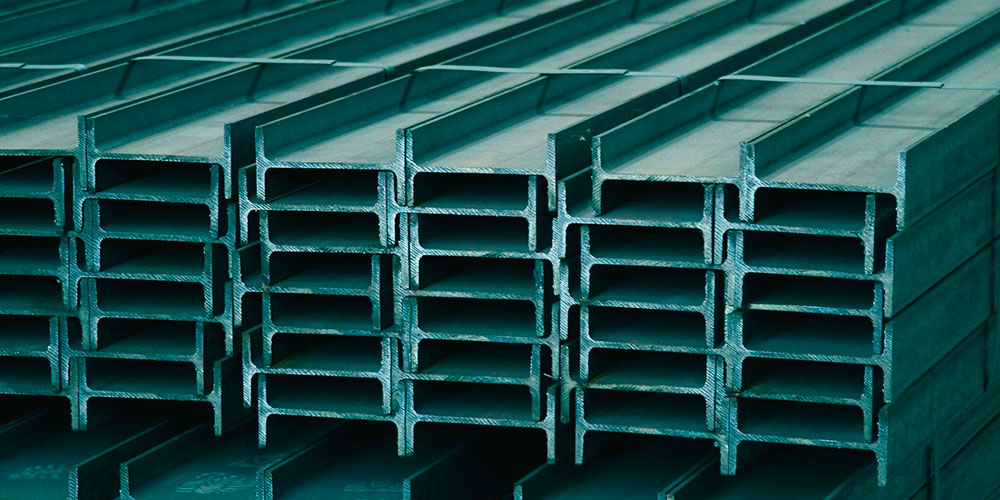
China’s control of its domestic steel industry could create price stability in the country, while in other regions, namely Europe, prices keep rising. This was suggested at the Kallanish Europe Steel Markets virtual conference on Wednesday by both Dick Sands of Stemcor and Kallanish European Editor Emanuele Norsa.
“China is keeping the lid on steel prices because, for them, it’s crucial to keep the local economy stable,” Sands said, with reference to the recent price correction and the taxation of exports. Unlike previously, “the export tax risk is now in the court of the buyer,” he noted.
Such moves can safeguard supply to the domestic market. Only then, China will take the next step – to reduce production internally in the interest avoiding pollution, without undermining the economy, Sands believes. He recounted a visit to the Korean coast years ago, “where the sky was blue when you looked east to Japan, and darkly polluted when you looked west to China”.
On the attitude of mills in Europe and North America, he stated that neither will be massively ramping up production, in the interest of keeping prices up. He believes this could sustain the high level of prices for years to come, a thought also expressed by Antonio Marcegaglia in the conference’s opening session (see separate story).
Looking at the moves of the new US government, he believes US prices should relax somewhat, while European prices may still inch up, “so that they will eventually converge later this year”.
Christian Koehl Germany
Gestamp sees bumper sales in 2021
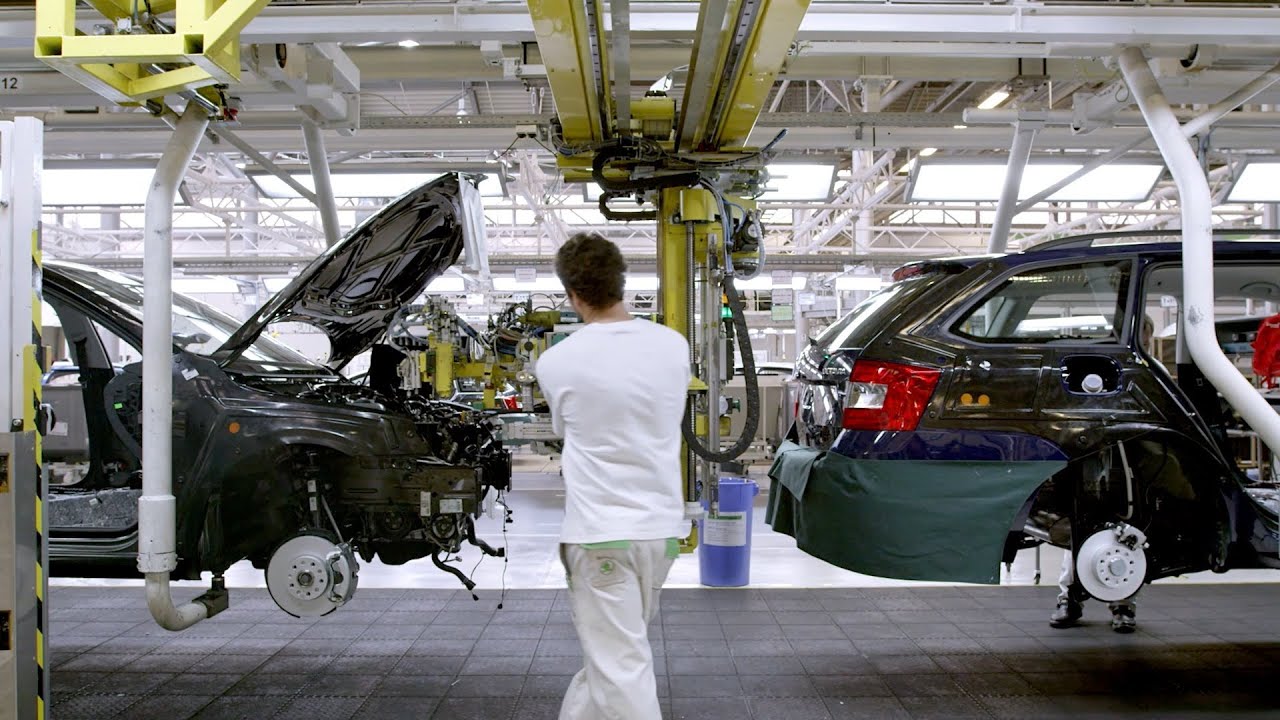
Gestamp, the Spanish-headquartered supplier of components to the global automotive sector, says it has already secured 95% of targeted revenue up to 2022 in its order book.
During its Capital Markets Day presentation, the company said that although the automotive market remains challenging in the short term, it expects its own sales to outperform the automotive industry average, Kallanish notes.
“We estimate strong Ebitda generation reaching 13% of revenue in 2022, through various levers leading to profitability improvements,” Gestamp comments. “The company’s strong presence in the largest growing regions and segments should support our strong market performance in the next years.”
Gestamp is now focused on increasing profitability and free cash flow generation in 2021. The group expects revenue to outperform the global auto production market by a mid-single-digit, while its transformation plan aims to achieve Ebitda margin above 12% by the end of 2021.
Beyond 2022, the company will focus on new opportunities while keeping a prudent financial profile, Gestamp adds.
Todor Kirkov Bulgaria

Eurofer ‘happy’ about EU safeguard extension, says Tachelet
European steelmakers’ association Eurofer is “happy” about EU steel safeguard measures being prolonged for another three years, association president Karl Tachelet told the audience of the Kallanish Europe Steel Markets conference on Wednesday.
Responding to those who claim the extension goes against free trade agreements and keeps the EU steel market overheated, Tachelet stated that, as a trade measure, the safeguard provides a safety net. This protects against market-disrupting trade deflection, primarily caused by US Section 232 measures.
“The function of the safeguard was never to micro-manage or respond to short-term tensions in demand, supply or prices. Rather, by designing liberalised tariff-free quotas, it has shown much restraint reflecting strict respect of WTO conditions and striking a balance between the interest of all operators,” he says.
The safeguard quota’s most ardent critics are European stockholders and end-users, and Turkish suppliers, whose share of European exports have declined considerably during the past three years. The former are claiming continuous low stock levels, despite the recovery of output in the EU, and a huge backlog with mills’ orders.
“We cannot bring enough steel and we have huge difficulties in supply and, therefore, customer satisfaction,” said Daniel Guinabert, EUROMETAL director general. Veysel Yayan, secretary general of the Turkish Steel Producers’ Association, said the extension is unnecessary as the market has already recovered in a big way and is balanced. The extension will keep EU steel prices artificially elevated and goes against the free trade agreement between Turkey and the EU, he added.
With the aim of rebalancing the market, safeguards allow users to deal with structural problems at the policy level, Tachelet said. “It is about capacity. We have fluctuations in demand leading to fluctuations in capacity utilisation, but structural excess capacity remains a problem,” he concluded.
Section 232, unused quotas justify safeguard extension: Federacciai
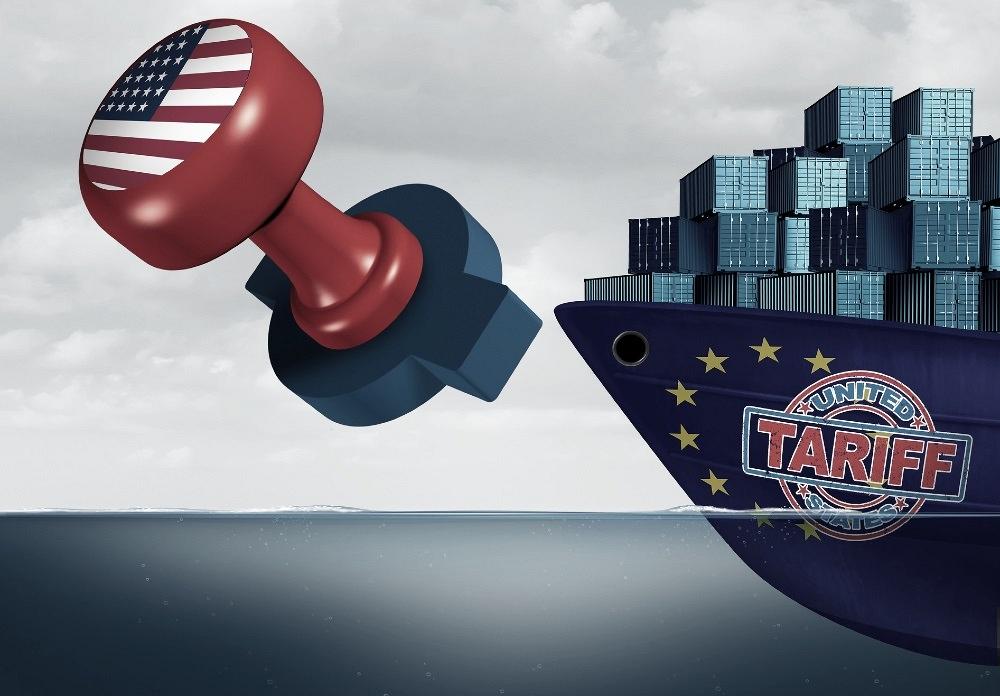
Italian producers’ association Federacciai has spoken in favour of the European Commission (EC) proposal to extend safeguard duties for three years beyond their expiry date of 30 June.
The association concedes the pandemic and strong recovery stimuli from all governments have created imbalanced supply and demand, and considerable price increases. However, it adds in a note sent to Kallanish: “The extension of the safeguard measures proposed by the European Commission is due to the persistence of the distortive protectionist measure raised by the United States, and cancelling these measures now would be irresponsible.”
The association argues that none of the existing product import quotas have been exhausted since the beginning of the year. This proves, it says, the European safeguard action has not prevented the free import of steel products in this phase of economic recovery.
Italian trade association Assofermet, together with the European Automobile Manufacturers’ Association (ACEA), have expressed a very different opinion. Assofermet believes the safeguard should be scrapped as it will impair the economic rebound from the impact of the Covid-19 pandemic. It will also exacerbate steel shortages, which are causing a slowdown in the downstream steel value chain, as well as the entire economy. ACEA said the move disregards the interests of downstream users of steel amid acute automotive steel shortages (see Kallanish passim).
The EC has notified parties to the investigation as well as the WTO of its intention to prolong steel safeguard measures. The proposal must be voted on and confirmed by EU member states; it is nevertheless not expected that significant changes will be made to the final measures. According to the EC proposal, a relaxation of tariff-free quotas by 3% annually would be implemented during the 2021-2024 period. Consultations on the proposal are taking place between 14 and 18 June.
Natalia Capra France
EU Carbon Border Adjustment could spare stainless, tubes
The European Carbon Border Adjustment (CBA) mechanism could spare stainless steel products, special steels and tubes, according to a recent draft seen by Kallanish.
The CBA is currently being discussed by European authorities and a formal proposal is expected to be released soon. The mechanism is aimed at creating a regulatory framework to calculate CO2 emissions made during the production of goods outside of the EU.
According to the draft, the system should be applicable for a set of cement, steel, fertiliser and aluminium products, but stainless steel grades, special steels and tubes have not been included as of now.
The European Parliament voted in favour of a CBA mechanism back in March; a specific legislative proposal is expected to be unveiled later this month.
“The measure must fill the gap of the carbon cost differential with global competitors and imports instead of replacing or reducing current levels of carbon leakage protection,” Eurofer head Axel Eggert explained earlier this year. “Higher climate ambition for 2030 and 2050 requires strengthened, not weakened, carbon leakage protection. This can only be achieved if the carbon border measure is implemented as a complementary tool to buttress existing carbon leakage measures.”
At the Kallanish Europe Steel Markets virtual conference on Wednesday, most speakers appeared to support the idea of a CBA to reward investments made by European steelmakers into reducing CO2 emissions.
Daniel Guinabert, director general of EUROMETAL, for example, confirmed that distributors fully understand the need to invest in the environmental transition and bare some of the costs involved. He was less supportive of safeguard measures and other trade restrictions.
Emanuele Norsa Italy
European distributors face ‘huge difficulties’, conference told
Caught between limited supplies from domestic mills and limited imports from abroad, European distributors “are facing huge difficulties”, in the words of Daniel Guinabert, director general of EUROMETAL.
Speaking at the Kallanish Europe Steel Markets virtual conference on Wednesday, Guinabert emphasised the issue is not about profitability, but about customer satisfaction. “We just cannot fulfil the service we want and we promise,” he said. The level of inventories has remained low since late last year, and in terms of days-of-sale is still 10-12 days below the level of normal times, he added.
Regarding the extra cost that could come in the longer run from “green” steel on the market, he remained relaxed. “We are prepared to pay more for green steel; what’s worrying is volatility”, along with price differentials from different sources, green and non-green.
On this topic, Dick Sands, managing director distribution at Stemcor said the carbon border tax will in the long run put the future of blast furnaces into question. He conceded that the European Commission’s comprehensive papers on the subject “were much too complicated for me to understand”.
For one part, it seems to remain unclear if the taxation considers the free licences mills have. As an example, he named US mills Nucor and Cleveland-Cliffs; the one operating mainly on electric-arc furnaces, the other on blast furnaces. If, in theory, they would sell steel to Europe, Nucor would be exposed to the same penalty as Cleveland Cliffs, which does not make sense, Sands observed.
Christian Koehl Germany
Americas becomes Turkey’s top sections export destination
Turkish mills’ sections exports continued their rising trend in April, reaching 193,300 mt, 55,000 mt higher on year, as notably higher demand from South America and Canada, supported mills’ export volumes.
According to monthly Turkish Statistical Institute (TUIK) data, Peru became the largest importer of Turkish sections in April at 19,300 mt, around tenfold higher on year. The country, thus became Turkey’s top sections export market in the first four months of the year at 54,800 mt, more than fourfold higher on year.
Canada was another top sections export destination for Turkey in April at 14,300 mt, while Turkish mills’ shipments to Colombia reached 13,000 mt in that month, although no notable tonnages were shipped to these countries in the same period the previous year.
Turkish mills also exported 10,300 mt of sections to another South American country, Chile, in that month, around tenfold on year.
Turkish mills’ sections exports to the US, which rose more than double on year to 14,100 mt in Q1, however remained low at around 1,000 mt in the month.
Turkish mills’ exported 15,600 mt of sections to Egypt in April, lower than 20,100 mt exported in the same month the previous year, while exports to Malaysia totaled 9,800 mt, up by 75% on year, the latest data showed.
— Cenk Can

HBIS Serbia ramp-up to ease flat steel supply
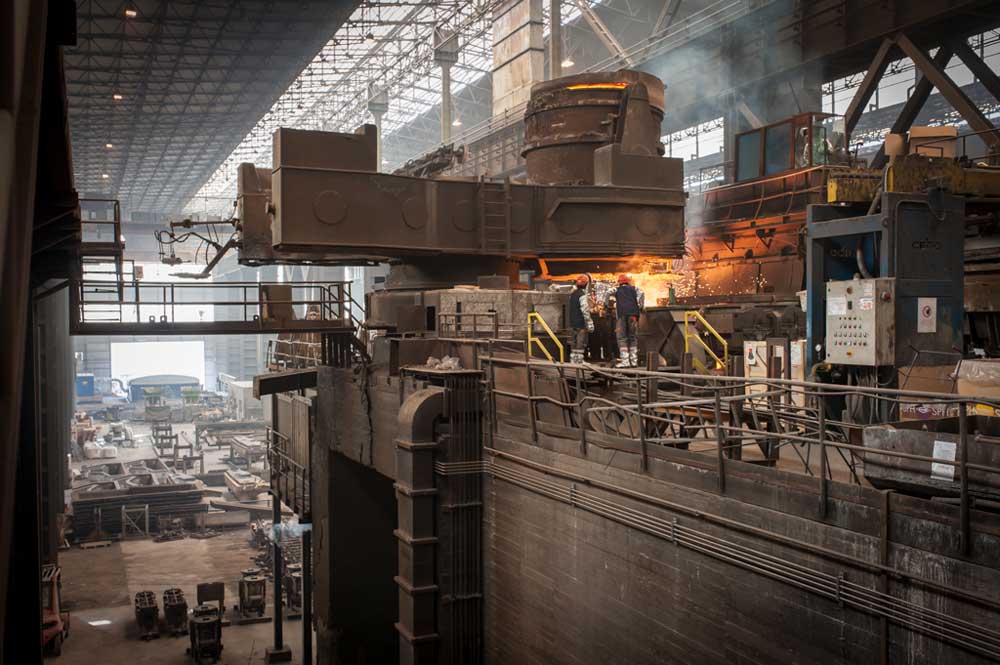
HBIS Group Serbia Iron & Steel plans to restart its blast furnace No.1 in Smederevo on 16 August, the company says.
This blast furnace was shut down in July 2020 due to the Covid-19 pandemic and market situation that prevailed at that time, the enterprise says.
“During the last 11 months, only blast furnace No.2 was in operation, which proved to be a good strategic decision for the time being,” HBIS Serbia observes. “The current market situation has created favourable conditions for restarting blast furnace No.1, whose production capacity will depend on market requirements.”
The company declined to provide Kallanishwith information on planned output.
Its BF restart is significant, however, given the shortage of steel currently seen in Europe, especially for flat products. With ArcelorMittal’s Italian joint venture producing at limited capacity utilisation, and question marks arising over the future of Liberty Steel’s plants in Europe, the additional flat steel supply will be welcome by steel buyers. As Serbia is outside the EU, however, its steel is subject to safeguard measures.
In 2020, the plant operated in line with the business plan. “In the fourth quarter of last year one blast furnace produced steel at the same level as was done in the second quarter with two blast furnaces,” says company executive director for production Vladan Mihailovic.
HBIS intends to continue operating in Serbia, which is best reflected by ongoing investments that will dramatically improve the environment in Smederevo, he adds. These investments amount to $140 million.
The group’s crude steel production capacity was around 2.2 million tonnes/year before the pandemic. Its product range comprises hot and cold rolled coil, pickled coil and electrolytic tin plate.
Svetoslav Abrossimov Bulgaria
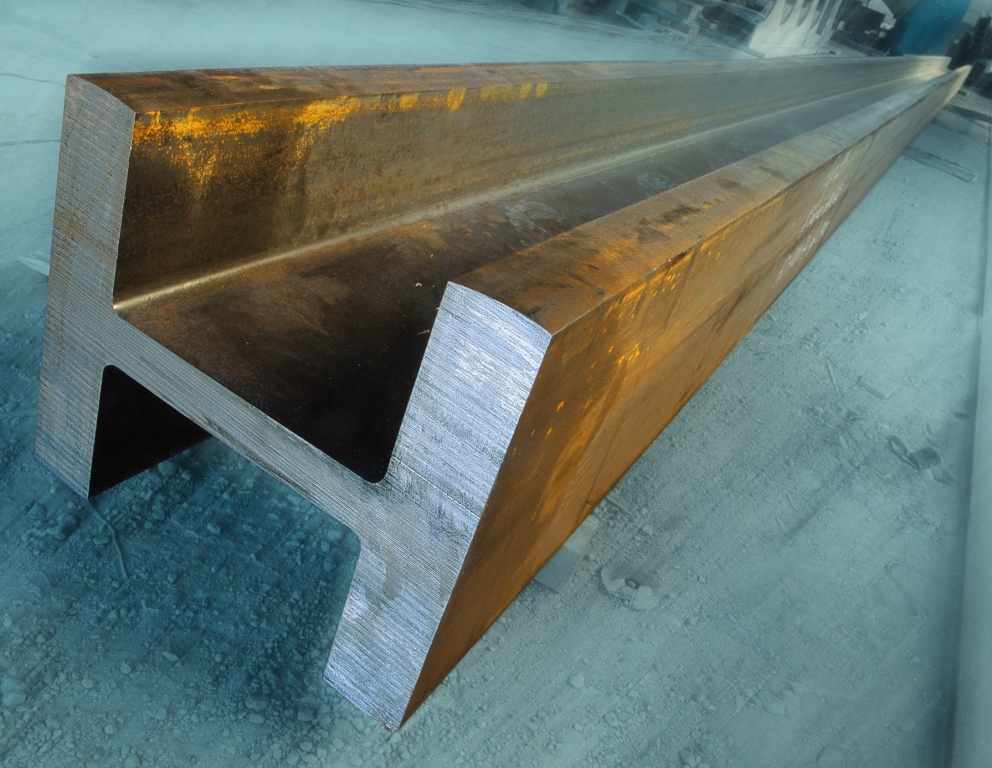
Italian sections prices rise again
Italian beam producers are seeking another €40/tonne ($48/t) hike compared to May. This is in line with June increases registered for domestic long products, and skyrocketing values of scrap, Kallanish learns from market sources.
Starting this week, sections producers are now asking for as much as €600/t base ex-works for the first category of beams. Prices increase by €20/t for each subsequent category. At the beginning of May they were asking for €380/t base ex-works.
Demand is said to be strong from Italy and other European countries. Only a few contracts have however been implemented at the new prices so far. Transactions are currently at €550-600/t base ex-works for the first category of beams. Including €385-390/t average size extras, values are reaching €930-990/t ex-works, the highest levels seen in the past decade.
A similar situation is happening for Italian merchant bar, for which mills also pushed up prices this week to €500/t ex-works on strong export demand (see Kallanish 15 June).
Natalia Capra France